Logo Patches Beanies Reorder Lead Time: The Buying Case
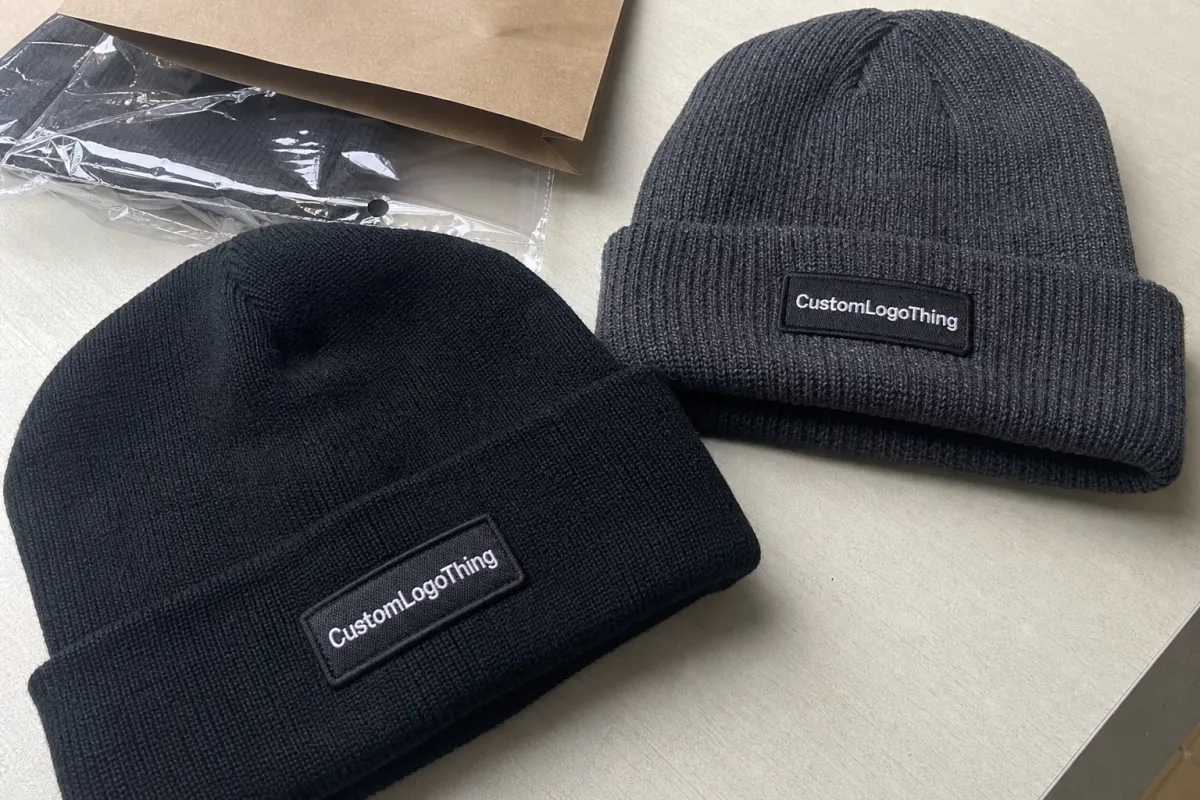
Logo Patches Beanies reorder lead time becomes urgent at the worst possible moment: not when the purchasing calendar says inventory should move, but when the temperature drops. A campus store can sit comfortably on 600 units during mild weather, then sell 180 over one cold weekend. That is not a forecasting footnote. It is revenue leaving the shelf.
For promotional and retail buyers, reorder speed is not a convenience feature. It protects margin. A missed cold-front window can make a low-cost merch item feel expensive because the buyer already paid for design, setup, photography, retail display space, and launch energy. The unit cost may land at $8.50, $11.75, or $14.20 depending on the beanie blank and patch style, but the missed sale is usually full retail.
Patch beanies are not the same as plain knit reorders. A blank beanie can often move once color and quantity are confirmed. A logo patch beanie has more gates: patch material, artwork file, die or stitch setup, backing, border, placement, sewing method, and available inventory color. One small revision can create another proofing loop.
Picture a brewery that sells through its first 300 cuffed beanies after a strong taproom weekend. The team wants the same leatherette patch beanies back before the next event. If the prior specs are complete, the reorder can be quoted and scheduled with fewer assumptions. If the instruction is only “same as before,” with no order number, patch size, beanie style, or photo, the timeline starts with detective work instead of production.
Custom Logo Things treats beanie reorders as production-control work. The team checks original artwork, patch method, beanie style, thread colors, quantity, packaging, and ship-to ZIP code before quoting a ship date. Buyers who already know what they want get the real advantage: repeatable specs, faster approvals, more predictable pricing, and fewer surprises at the sewing table.
Operational rule: a reorder is only fast if the old decision-making stays old. A new color, new patch size, new label, or new packaging plan can turn a reorder into a revised order.
Patch Beanie Product Details That Control Reorder Speed
The beanie blank drives part of the schedule. Cuffed styles are common because the cuff gives the patch a stable sewing area, often 2.75 to 3.5 inches tall. Uncuffed knits, slouch beanies, and ribbed fashion styles can work, but placement consistency takes more attention. Acrylic is usually the practical choice for promotional programs because it is durable, color-stable, and broadly stocked. Wool blends can look richer, although they often narrow the color range and increase sourcing time.
Rib density matters. A tight 1x1 rib tends to hold a patch cleanly. A heavier 2x2 rib or chunky knit can move more under the needle. Yarn color matters too. Black, charcoal, navy, heather gray, and forest green are generally easier to source than short-run seasonal shades. Private label options, woven labels, and custom hangtags can improve retail presentation, but each extra component adds a handling step.
Patch type has the biggest effect on logo patches beanies reorder lead time after blank availability. Woven patches are crisp and useful for small lettering. Leatherette patches look premium and remain popular for outdoor brands, breweries, lodge stores, and winter merch. Embroidered patches add texture, but dense stitch fields can slow production and affect edge quality. PVC patches can deliver bold color and weather resistance, though molds and color matching may lengthen the schedule.
| Patch Type | Best Use | Typical Reorder Impact | Buyer Watchout |
|---|---|---|---|
| Woven patch | Small text, detailed logos, retail merch | Often efficient if prior art and size match | Fine color shifts need a clear Pantone or sample reference |
| Leatherette patch | Premium look, outdoor brands, breweries | Fast when the same material and engraving file are reused | Patch tone can vary slightly between material batches |
| Embroidered patch | Textured logos, heritage designs, uniforms | Moderate; stitch density affects setup and sewing | Tiny letters may fill in if the patch is too small |
| PVC patch | Bold icons, outdoor gear, youth merch | Can be longer if tooling or color matching is needed | Thicker patches may change cuff feel and sew-down method |
The fastest reorder usually matches the previous approved sample exactly: patch dimensions, backing, border, stitch color, placement, and beanie body. A buyer may think changing tan leatherette to gray leatherette is minor. Production may not treat it that way. The new material could require a fresh proof, a new engraving test, or a different stitch color.
Common use cases include employee uniforms, merch drops, customer gifts, trade shows, ski lodge stores, municipal programs, and cold-weather fundraising campaigns. The inventory logic is simple but often missed: if the beanie blank is in stock but the patch must be remade, the schedule is different from a reorder where both components are confirmed and ready to queue.
Specifications to Confirm Before a Beanie Patch Reorder
A fast reorder starts with hard details. The most useful list is short: beanie style number, knit color, patch material, patch size, logo file, edge finish, stitch color, patch location, quantity, and packaging preference. Add the previous order number if available. Add photos if not.
Artwork should be suitable for the patch process. Vector files such as AI, EPS, or editable PDF are preferred because they keep logos sharp when the design is translated into woven yarn, embroidery thread, engraved leatherette, or molded PVC. A 600-pixel web logo may look acceptable on a screen and still fail on a 2.25-inch patch. Small type is the usual suspect.
Patch size deserves more scrutiny than many buyers give it. A small 1.75-inch patch can look refined, but fine lettering may disappear. A 3.5-inch patch can carry more detail, yet it may overwhelm a narrow cuff or distort slightly on a curved knit surface. For many cuffed beanies, 2.25 to 3 inches wide is a practical middle zone, depending on logo shape.
Placement should be confirmed in plain language. Centered on the cuff is common. Side placement, offset placement, woven wrap labels, and back-cuff locations all affect sewing time and consistency checks. If the prior run had the patch 0.5 inch above the cuff edge, say so. Better yet, send a close-up photo with a ruler.
Color matching creates another delay point. Pantone references, previous production photos, and approved samples reduce interpretation errors between screens, threads, faux leather, woven yarns, and knit bodies. ASTM color and textile test methods exist for a reason, but most reorder disputes begin with something simpler: two people looking at “tan” differently.
Packaging can either speed the order or add control. Bulk pack is usually fastest. Individual polybags, size stickers, UPC labels, inserts, carton labels, and case packs by store location add handling time, but they can save labor downstream. For sustainability-minded programs, buyers can also review fiber sourcing or paper label claims against standards such as FSC certification when paper components are involved.
Pricing, MOQ, and Unit Cost Factors for Reorders
Reorder pricing is shaped by quantity, patch type, beanie blank cost, stitch complexity, packaging, freight, and whether the original setup can be reused. That last point is underrated. If the approved patch file, stitch path, and production notes are usable, the quote has fewer unknowns. If the buyer asks for a new patch size or different material, part of the setup logic starts again.
MOQ is not a supplier trick. Minimums exist because patch production, machine setup, material purchasing, proofing, sewing line organization, and quality checks all require time before the first finished beanie lands in a carton. A 48-piece emergency reorder may be possible in some situations, but the unit cost can look steep. A 144-piece or 288-piece reorder usually spreads setup and freight more efficiently.
Here is the buying math most people get wrong: the smallest reorder protects cash, but it may not protect the selling window. If a store sells 60 units per week during cold weather and production plus transit takes 12 to 18 business days, a 72-piece reorder is a bandage. A 288-piece reorder costs more today, yet it may reduce freight-per-unit and prevent a second rush request two weeks later.
| Reorder Quantity | Typical Buyer Use | Unit Cost Behavior | Timeline Risk |
|---|---|---|---|
| 48-96 pieces | Urgent stock gap or event fill-in | Higher per unit due to setup and freight | High if blanks or patches are not ready |
| 144-288 pieces | Common small retail or team reorder | More efficient setup spread | Moderate; specs must be complete |
| 500-1,000 pieces | Campus, brewery, outdoor, or wholesale replenishment | Lower unit cost potential | Capacity and QC scheduling matter more |
| 1,000+ pieces | Multi-location retail or large promotion | Best freight and setup spread in many cases | Longer packing and distribution planning |
Buyers can often save without weakening the product. Keep the same patch size. Use the same beanie body. Avoid late artwork edits. Approve the proof the same day if it is correct. Send the ship-to ZIP code early so freight is not a last-minute estimate.
For an accurate quote, Custom Logo Things needs reorder quantity, in-hands date, previous order reference, shipping ZIP code, patch material, packaging needs, and any requested changes. The cheapest quote is not always the lowest total cost if it risks missed delivery, remake charges, or inventory arriving after the retail moment has passed. With Logo Patch Beanies, a two-day approval delay can collide with sewing capacity or carrier transit.
Reorder Process and Timeline From Proof to Delivery
A practical reorder sequence has 11 steps: order lookup, spec confirmation, artwork or sample verification, quote approval, proof approval, blank allocation, patch production, sewing, quality control, packing, and shipping. The order may feel simple to the buyer. The schedule still has moving parts.
Exact-match reorders can move faster than first orders because the production team can reference an approved file, prior patch dimensions, stitch color, and placement notes. That does not erase factory time. It reduces decision time. On many repeat programs, the gap between a clean reorder and a vague reorder is several business days, not one email.
Separate controllable time from operational time. Buyer approvals, payment, file delivery, and change decisions are controllable. Material availability, sewing capacity, QC queues, and carrier transit are operational variables. If a proof sits unapproved from Friday afternoon to Tuesday morning, the lost time is real. Production slots do not wait politely.
Rush service may be possible, but it depends on blank availability, patch complexity, quantity, and proof speed. A 144-piece exact-match woven patch reorder on stocked black cuffed beanies is a very different request from 1,000 pieces with a new PVC patch, individual polybags, UPC labels, and split shipments to six locations.
The hidden delay is vague language. “Make it like last time” helps only if the prior order can be found. Without an order number, photo, approved proof, invoice, or exact quantity, the team must reconstruct the product. That slows logo patches beanies reorder lead time before the clock has officially started.
A smarter buying trigger is 25 to 35 percent remaining inventory. If weekly sales average 40 units and the expected production plus transit window is 15 business days, the reorder conversation should start while 120 to 160 units are still on the shelf. Buyers who want to check basic ordering details can review Custom Logo Things FAQ information before sending specs.
Quality Checks That Prevent Reorder Surprises
Repeat orders still need inspection. Yarn dye lots can shift. Patch materials can vary slightly. Sewing tension can change how a logo sits on a cuff. None of that means the product is wrong by default, but it does mean a serious reorder program needs checkpoints.
The main QC list should include logo clarity, patch dimensions, placement consistency, thread color, edge finish, stitch security, beanie color, fold height, packing count, and carton labeling. For larger orders, carton count accuracy matters almost as much as patch appearance. A 12-carton shipment with one miscounted carton can create a receiving problem for a campus store or distributor.
A 2 millimeter placement drift sounds minor on paper. Put 200 beanies side by side on a retail wall and the drift becomes visible. That is the comparison buyers should keep in mind: soft goods flex, but displays expose patterns.
Approved samples and production photos reduce disputes, especially for brands selling through e-commerce or shipping to multiple store locations. A photo of the first finished units can catch an edge finish issue before 500 patches are sewn. Catching a patch issue before sewing is far faster than discovering it after finished beanies are packed and labeled.
Perfection is not a realistic promise for knitted products. Practical consistency is. Good production control means the logo is legible, the patch is secure, the placement is within an agreed tolerance, and the packed units match the purchase order. For transit testing and packaging performance, organizations such as ISTA publish standards that show why cartons, labeling, and handling deserve attention too.
Why Buyers Reorder Patch Beanies Through Custom Logo Things
Custom Logo Things coordinates the parts of a reorder that buyers often have scattered across old emails: patch style, beanie blank, artwork file, packaging choice, quote history, and reorder notes. That matters when the deadline is tight. A buyer should not have to rebuild the product from memory every time sales pick up.
A maintained reorder record reduces friction. Previous specs, approvals, production notes, and packaging choices can be checked before a new quote is built. If a prior run used a 2.5-inch leatherette patch on a charcoal cuffed acrylic beanie with black stitch-down, that information helps the team ask better questions and avoid avoidable proof cycles.
Most buyers focus heavily on the patch alone. The better question is whether the supplier can repeat the whole item under deadline pressure. Same cuff height. Same patch position. Same carton logic. Same retail presentation if the product is headed for shelves.
If speed is the priority, the team can recommend simpler patch materials, available blank colors, or packaging adjustments that protect the delivery date. Bulk packing instead of individual polybags may save handling time. A stocked black or navy beanie may beat a seasonal color. A woven patch may reproduce tiny text more predictably than embroidery at a small size.
Custom Logo Things supports practical promotional and retail standards: cost control, clean sewing, retail-ready folding, consistent patch placement, and realistic communication about ship-date assumptions. Buyers planning larger programs can also compare reorder planning with Wholesale Programs if they need repeat volume, tiered quantities, or ongoing replenishment.
The sales case is straightforward. The strongest supplier is not just the one that can make the beanie. It is the one that can repeat it accurately while the clock is working against the buyer.
Next Steps to Lock In Your Beanie Reorder
Send the essentials first: previous order number if available, photos of the beanie, logo file, requested quantity, desired delivery date, ship-to ZIP code, and any changes from the last run. If the original order details are incomplete, send four photos: inside label, cuff, patch close-up, and full front view. Add a ruler in the patch photo if possible.
Decide early whether the reorder must match exactly or can be adjusted for faster production. That choice affects sourcing, proofing, and quote accuracy. If an exact tan leatherette patch is not available quickly, would a close substitute work? If individual polybags add handling time, can bulk pack meet the deadline? Clear answers help compress logo patches beanies reorder lead time without pretending constraints do not exist.
Use sell-through to set the reorder point. Weekly sales multiplied by expected production and transit time gives a better trigger than guessing. If the shop sells 35 beanies per week and the reorder window is three weeks, the reorder should begin before inventory falls below 105 units. Add a buffer for weather, events, or paid promotions.
After inquiry, Custom Logo Things verifies specs, checks blank and patch availability, prices the run, confirms timeline assumptions, and sends the next approval step. The buyer’s job is to approve accurate details quickly, not casually. Slow proof review is one of the cheapest delays to prevent.
For faster reorder timing, the winning formula is complete specs, quick proof approval, and a quantity that fits the deadline. Send the prior order details or photos, state the real in-hands date, and ask for the quote before the shelf is empty.
FAQ
What is the typical logo patch beanie reorder lead time?
Lead time depends on patch material, quantity, blank availability, proof approval speed, packaging, and shipping method. Exact-match reorders are usually faster than revised designs because prior specs and artwork can be reused. Rush options may be available when blanks are in stock and the patch design does not require a complex new setup.
Can I reorder logo patch beanies without the original order number?
Yes, but the quote and timeline are faster if you provide photos, logo files, patch measurements, beanie color, and any prior proof or invoice. A missing order number may require extra spec verification before production can be scheduled. Send close-up photos of the patch, cuff placement, inside label, and full beanie to reduce guesswork.
What changes increase custom patch beanie reorder time?
New patch material, new logo artwork, different beanie color, revised patch size, individual packaging, and tight delivery dates can add time. Even small artwork edits may require a new proof because patch production has physical limits. Keeping the prior approved design is the fastest route when the delivery date matters.
How does MOQ affect logo beanie reorder pricing?
Higher quantities usually lower unit cost because setup, patch production, and freight are spread across more beanies. Small reorders can be useful for stock gaps but may carry higher per-unit pricing. The best MOQ depends on your sell-through rate, deadline, storage space, and budget.
What should I send to get a fast quote for patch beanie reorders?
Send the previous order number, quantity, target delivery date, shipping ZIP code, logo file, patch type, beanie color, and packaging needs. If you do not have the prior order number, send clear photos and measurements of the existing beanie. Mention whether the reorder must match exactly or whether substitutions are acceptable to improve timing.


