Beauty bags can look premium even when the spec is too light for the load. Clean print and a twisted handle hide weak points until someone carries a boxed serum, a fragrance set, or a multi-item purchase. A useful beauty Twisted Handle Paper Bags material thickness guide should start with carrying performance, not a number copied from a quote.
Thickness affects structure, handle pull resistance, fold quality, and bottom strength. A bag that feels refined still needs enough body to survive retail handling, packing, transit, and customer use. If any one of those steps is ignored, the weakest point usually shows first.
Beauty Twisted Handle Paper Bags Material Thickness Guide: Where Thickness Really Matters
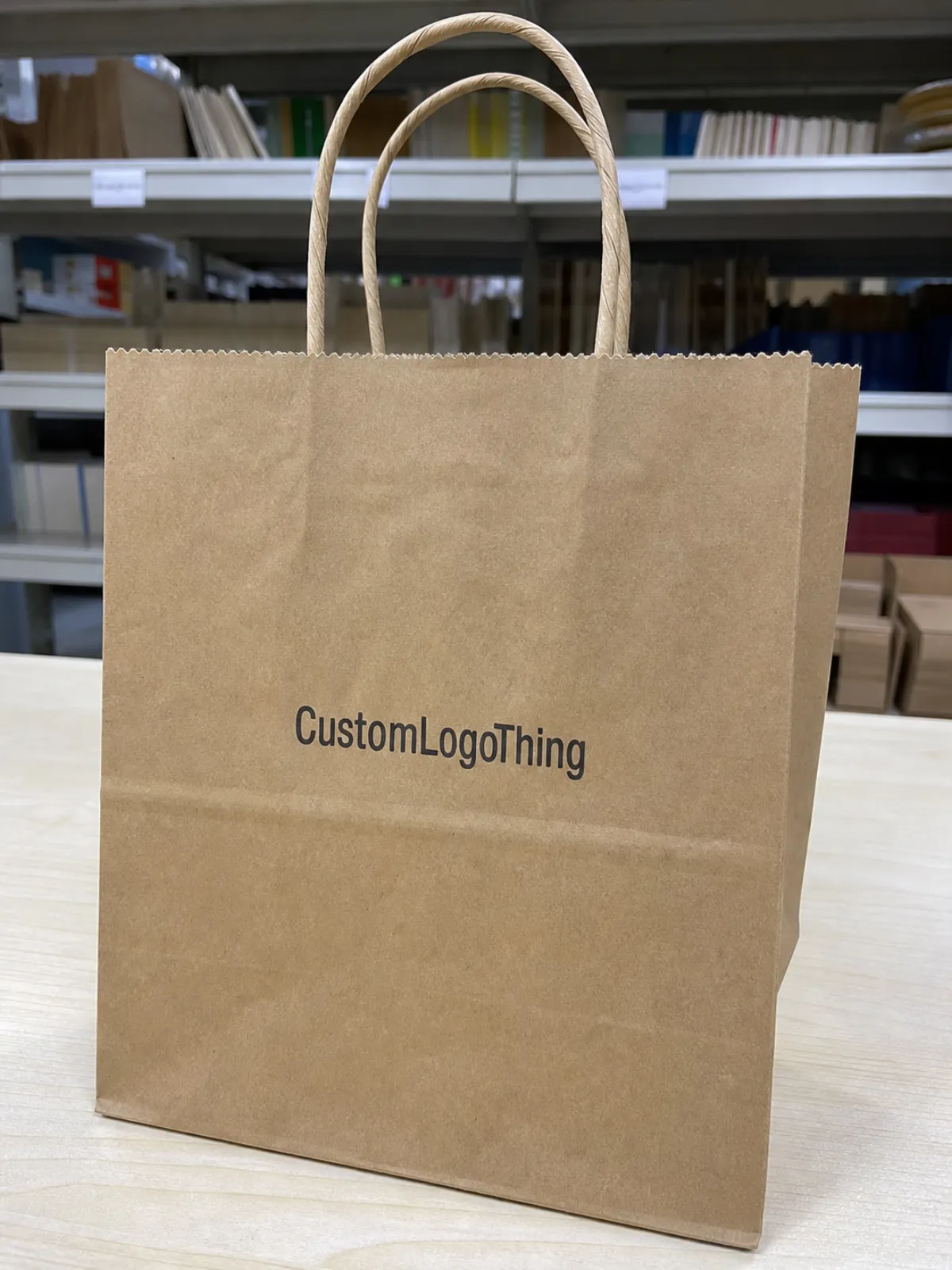
The first thing to separate is gsm from caliper. GSM measures paper weight per square meter. Caliper measures sheet thickness or bulk. They are related, but not identical. Two papers can both be 200 gsm and still behave differently because one uses denser fibers, a coated surface, or a tighter sheet structure. That changes stiffness, fold memory, and how the bag ages under use.
For beauty twisted handle bags, buyers usually balance three things: shelf appeal, carrying strength, and cost. Those rarely peak at the same spec. Light kraft can be enough for samples or a single compact. Heavier stock is better for boxed cosmetics or gift sets, but it can also raise price, carton weight, and waste if the bag is overbuilt.
A bag can also fail in places that have little to do with the sheet itself. If the handle patch is too small, the glue line is uneven, or the top fold is not reinforced, the handle can pull away before the wall tears. The base matters too. A clean-looking body with a weak glued bottom is still a weak bag.
Buyer rule of thumb: if the handle patch wrinkles before the sidewall shows stress, the reinforcement is probably undersized.
For beauty packaging, the real question is not “What thickness sounds premium?” It is “What spec survives normal retail handling and still looks clean after the customer carries it out the door?” That usually means testing a loaded sample, not approving an empty mockup.
How Paper Grade, Ply, and Handle Reinforcement Work Together
Paper grade changes bag behavior more than many buyers expect. Kraft paper usually offers better tear resistance and a natural look. White sulfite or bleached stock can print more cleanly and feel more polished, but it may show fold stress sooner if the structure is thin. Coated papers sharpen color but can crack at tight creases if the coating is brittle.
Twisted handle bags often use a reinforced top zone, sometimes called a patch or lip. That area transfers the full load from the handle to the wall. If the patch is narrow, the glue coverage is inconsistent, or the grain direction fights the pull path, the handle can fail even while the body still looks fine.
Fiber direction also matters. A sheet that folds with the grain usually creases more cleanly and resists wall collapse better than one that folds across it. Side gussets change the load path as well: a deeper gusset increases capacity, but it also shifts stress toward the bottom and side seams.
Recycled content and sustainability claims need careful wording. If the stock is FSC certified, say so plainly. If it contains post-consumer waste, confirm how much and whether it changes print sharpness or fold consistency. “Eco-friendly” by itself tells you very little.
For buyers who want terminology that aligns with packaging standards, references like Packaging.org help keep the conversation grounded. The best spec is the one where paper grade, handle build, and fold geometry all support the same carrying load.
Key Spec Factors That Change Thickness Recommendations
Start with the product, not the bag. A single lipstick, a boxed palette, and a spa set with jars and bottles all need different structures. Shape matters as much as weight. Square corners push hard into the wall, while soft goods spread load more evenly. A lightweight bag can still work if the contents are compact and forgiving; it fails quickly if the load is rigid and uneven.
These are the main variables to check first:
- Load weight: light items can use lighter stock; heavier bundles need more bulk and stronger handle reinforcement.
- Product shape: boxes, jars, and bottles stress the walls and base more than pouches or folded soft goods.
- Carry pattern: a quick handoff bag is different from one carried through a long shopping trip or event day.
- Reuse expectation: if shoppers keep the bag, the wall and handle need a higher durability margin.
- Finish choice: varnish, lamination, foil, and heavy ink coverage all affect folding and crack risk.
Print coverage is not just decoration. Heavy ink can stiffen some areas of the sheet. Matte lamination may improve the hand feel but can make tight folds more vulnerable to stress whitening or cracking. Foil looks excellent, but if it crosses a fold line, the crease can become the first failure point. Two bags with the same gsm can feel very different because the finishing stack changes behavior.
Brand position matters too. A luxury brand may want a heavier, quieter-feeling bag with restrained graphics. A spa or clinic may prefer a clean white or kraft look. A promotion bag needs to meet a lower price point without feeling flimsy. There is no universal thickness target for beauty retail.
If the bag is part of a recycled or biodegradable packaging story, make sure the materials still support real-world use. Some coatings and laminations change how the bag behaves at disposal. That does not make them wrong; it just means the claim should match the material stack, not the label copy.
Process and Lead Time: From Sample to Production
Custom twisted handle bags move through a familiar sequence, and delays usually come from unclear specs. A clean process saves time, especially on the first order, when size, finish, and handle details are still being finalized.
- Spec sheet review: confirm size, paper grade, target gsm, print coverage, handle style, and reinforcement.
- Dieline review: place the artwork on the actual layout so logos, barcodes, and copy do not land on folds.
- Proof approval: check colors, bleeds, and text before anything goes into production.
- Sample creation: review a structural sample or appearance sample depending on the risk.
- Production signoff: approve the final version after the sample passes.
- Packing and shipping: confirm carton count, inner packing, and freight method before release.
Lead time for straightforward orders is often around 12-18 business days after proof approval. That can stretch when a new dieline is involved, when special finishes are added, or when the artwork needs more correction. Metallic inks, foil, soft-touch coatings, and full-wrap graphics usually take longer because they add setup and inspection steps.
Sample quality matters more than many buyers expect. A visual sample may show color and layout, but it will not always reveal how the handle patch behaves under load or whether the base stays flat once the bag is filled. A structural sample, loaded with the actual product weight, gives a more honest read.
Transit should be checked too. A bag can leave the line in good shape and still arrive scuffed if cartons are packed too loosely or the stack height is too aggressive. Many teams borrow from ISTA distribution test logic to judge vibration, compression, and drops. The goal is simple: the bag should look right when it reaches the shelf, not just when it leaves production.
Cost and Pricing: What Drives MOQ and Unit Cost
Pricing is mostly a function of paper, size, print, and construction. Bigger bags use more material. More colors need more setup. Special finishes add both cost and inspection time. Reinforced tops and stronger bottoms also increase the bill.
| Option | Typical Spec | Best For | Indicative Unit Cost at 5,000 pcs |
|---|---|---|---|
| Light retail | 150-180 gsm kraft, single-color print, standard twisted handle | Small beauty items, samples, low-load giveaways | $0.22-$0.38 |
| Standard boutique | 180-220 gsm kraft or white sulfite, reinforced top fold, 1-3 color print | Cosmetics sets, spa retail, mid-weight purchases | $0.30-$0.55 |
| Premium carry | 230-300 gsm stock, patch reinforcement, varnish or specialty finish | Heavier products, luxury retail, repeated reuse | $0.48-$0.85 |
Those numbers are directional. They shift with paper market pricing, freight, bag dimensions, and factory setup. One supplier may quote lower on the sheet and higher on the assembly. Another may look expensive until you notice the stronger top fold, better handle patch, or tighter print registration.
MOQ affects cost more than some buyers expect. A larger run usually lowers the per-piece price, but it also creates storage pressure and inventory risk. If the design might change next season, a lower MOQ can be smarter even if the unit cost is slightly higher. Also compare sample charges, freight, carton packing, and reprint exposure.
For recycled or FSC options, ask whether the sheet contains post-consumer waste and whether the finish changes print clarity. Some recycled stocks have a rougher surface, which is fine for kraft-style branding but less ideal for very fine typography or high-contrast beauty artwork.
Step-by-Step Thickness Selection for Real-World Use
A useful thickness decision follows the product, the handling environment, and the brand’s acceptable risk. Start with the heaviest normal load, then add margin for rough handling, stacking, and transit. Retail bags are rarely carried gently.
- Measure the load: note the typical product weight and the heaviest realistic purchase mix.
- Check the shape: rigid cartons and bottles need more wall support than soft goods.
- Pick a paper tier: choose light, standard, or premium based on both weight and brand position.
- Confirm the handle zone: review the patch size, glue line, and top fold for expected carry force.
- Test a loaded sample: perform a pull check, a drop check, and a short carry test with the real contents.
- Inspect the finish: look for cracking, scuffing, and wall stiffness under retail lighting.
Do not approve a sample while it is empty. An empty bag can hide a weak base, a soft gusset, or a handle that looks fine until weight is added. A loaded sample tells the truth faster. If the bag will be produced at scale, ask for a pre-production sample before the run begins.
For distribution, think about the carton as part of the system. If the master case is too full, the bags can crush against one another. If it is too loose, the bags can shift and scuff during transit. Teams that need a stricter standard often reference ASTM methods for measurement discipline and use ISTA procedures to simulate shipping conditions.
A simple internal framework helps. Define three house specs: light-duty retail, standard boutique, and premium heavier-carry. Once those tiers are set, future orders move faster because the paper weight, reinforcement, and finish are already tied to the actual use case.
Common Mistakes, Expert Tips, and Next Steps
The most common mistake is choosing by gsm alone. That number is useful, but it does not capture fiber quality, bulk, coating, fold behavior, or handle build. A 200 gsm bag with poor reinforcement can fail sooner than a 180 gsm bag with better structure and cleaner glue control. Another common miss is approving a sample that was never loaded to the real weight.
- Mistake: treating every 200 gsm paper as if it behaves the same.
- Mistake: ignoring handle reinforcement and top fold design.
- Mistake: approving an empty sample and calling it tested.
- Mistake: comparing quotes without matching size, finish, and handle details.
Small changes in spec can create large changes in outcome. A wider patch can improve handle life. Cleaner grain direction can reduce fold cracking. A move from full lamination to spot finishing can lower stiffness where the bag needs to flex. These are not dramatic moves, but they often solve the actual problem without pushing the bag into a higher price tier.
These habits save time and money:
- Ask for caliper, not just gsm. Thickness and fiber bulk change how the bag feels and folds.
- Confirm recycled content details. If sustainability is part of the brief, know whether the stock includes post-consumer waste and whether it is FSC certified.
- Request a pre-production sample for larger runs. It is a small cost compared with a full reprint.
- Compare neighboring specs. Test 180 gsm against 200 gsm, or 200 gsm against 230 gsm, so the decision is based on performance.
- Use the actual product in testing. The bag must work with what the customer really buys, not an idealized load.
Keep the one-page spec short and exact. List the bag size, paper grade, target gsm, handle style, print colors, finish, carton count, and freight method. Then quote the same artwork and the same dimensions across options. That keeps the comparison clean and exposes hidden cost drift quickly.
If you need a starting point, use the beauty Twisted Handle Paper bags material thickness guide to compare two neighboring thickness options with the same artwork and handle structure, then approve only the loaded sample that holds up under real use.
Frequently Asked Questions
What thickness is best for beauty twisted handle paper bags?
Start with the product weight, then add a safety margin for handling and transit. Light retail items can often use lighter stock, while boxed cosmetics or mixed-product purchases usually need a heavier sheet and stronger handle reinforcement. A loaded sample test is the safest way to confirm the final spec before bulk ordering.
Are beauty twisted handle paper bags stronger with higher gsm?
Not automatically. GSM is only one part of the picture. Fold design, fiber quality, caliper, handle patch size, and glue coverage can matter just as much as paper weight. A well-built 180 gsm bag can outperform a poorly built 200 gsm one.
How long does production usually take for beauty twisted handle paper bags?
Simple orders with standard sizes and basic print often move faster than custom sizes with special finishes. A typical range is about 12-18 business days after proof approval, but first-time jobs, foil, lamination, and artwork revisions can extend that. Confirm the sample step early so the schedule stays realistic.
What affects the price of beauty twisted handle paper bags most?
Paper grade, bag size, print colors, finish complexity, and handle construction are the biggest cost drivers. MOQ also changes the unit price, but the cheapest quote is not always the lowest total spend once freight, sample charges, storage, and reprint risk are included.
Should I request samples before ordering beauty twisted handle paper bags in bulk?
Yes. A flat spec sheet cannot show how the bag behaves once it is loaded. Test the sample with the actual product weight, inspect the finish under retail lighting, and check handle comfort. For larger runs, a pre-production sample is worth the extra step.

