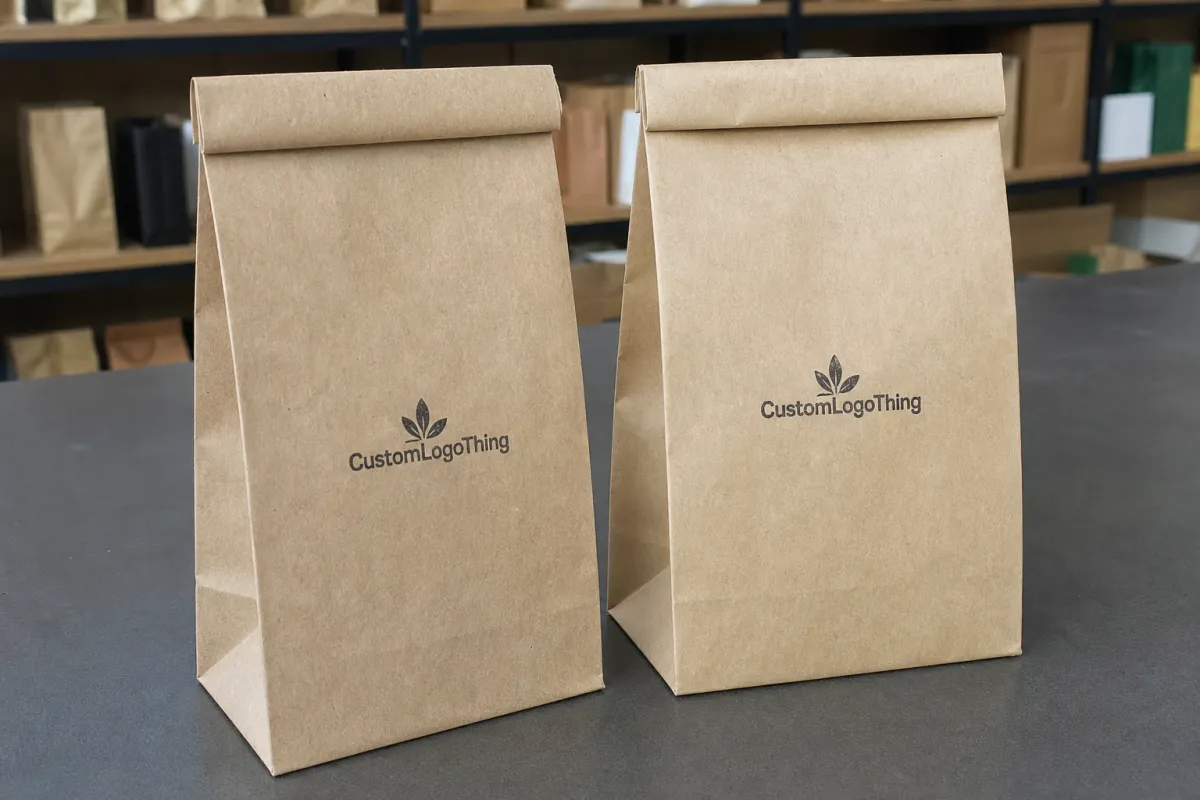
Hotel twisted Handle Paper Bags can look polished in a mockup and still disappoint in hand. The paper may feel too soft, the handle may pinch at the top edge, or the print may look flatter than the artwork promised. A proper hotel Twisted Handle Paper Bags material sample guide exists to catch those problems before a full order is committed.
The sample stage is not about admiring a pretty bag. It is about checking whether the bag suits actual hotel use: carrying amenity kits, takeaway items, gift shop purchases, welcome materials, or folded apparel. A buyer who skips that step usually ends up paying for rework, slower reorders, or a bag that looks good only on a spec sheet.
Different teams judge the sample from different angles. Purchasing focuses on price and minimum order quantity. Brand teams care about color accuracy and logo placement. Operations wants strength and handling. Front-of-house staff usually notices the small things first: whether the bag stands upright, whether the handle twists smoothly, and whether it feels refined or flimsy in the hand.
“A sample that survives desk review but fails a carry test is just an expensive preview.”
What This Sample Guide Is Really For
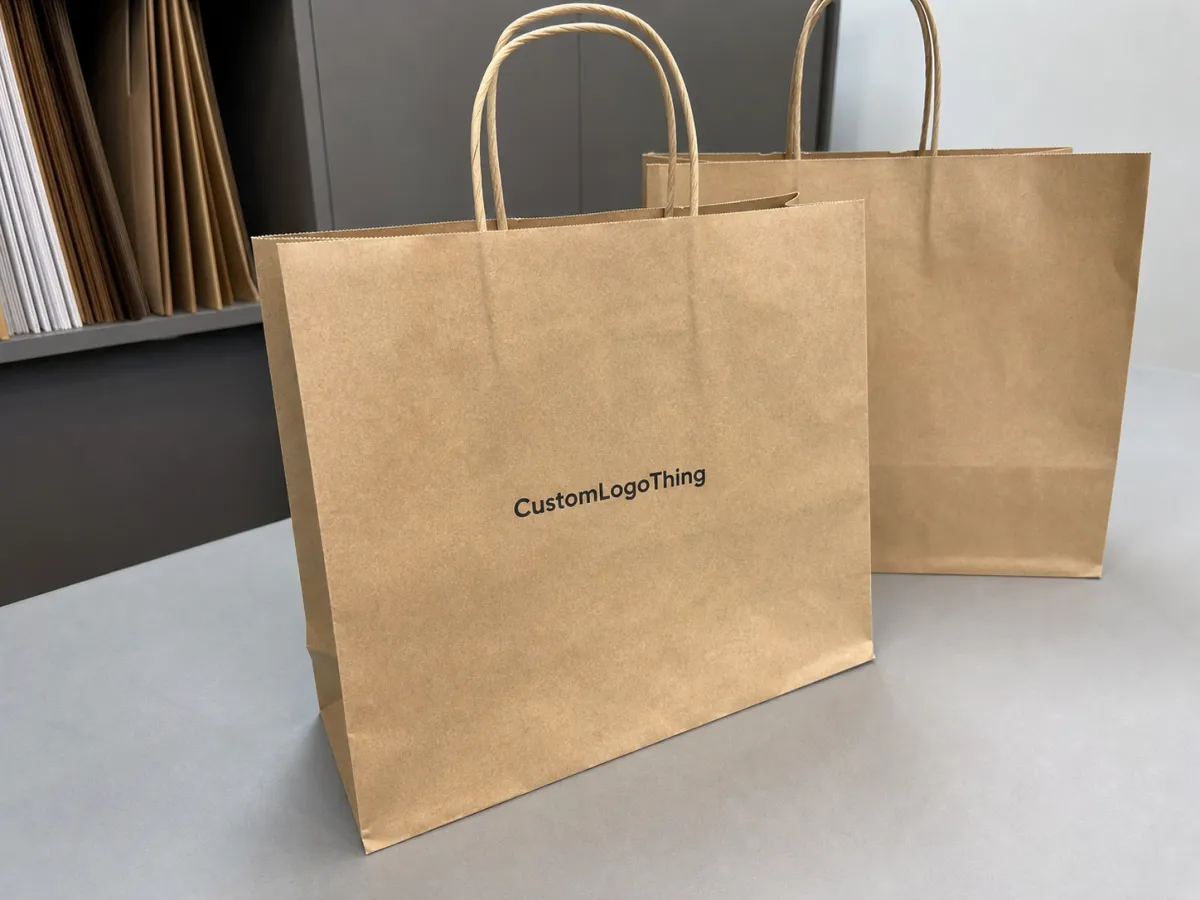
A hotel twisted Handle Paper Bags material sample guide is a decision tool, not a sales prop. It should show the paper stock, handle build, print method, finish, and dimensions in a form the buyer can touch and compare. If it only shows color and logo placement, the guide leaves out the parts most likely to fail later.
Paper bags are easy to underestimate because the construction looks simple. That simplicity is deceptive. A 170 gsm kraft bag can feel firmer than a 200 gsm sheet if the fiber structure is tighter, and a lighter bag can outperform a heavier one if the handle bond and mouth reinforcement are better designed. Weight matters, but it is not the whole story.
The real value of the sample guide is that it lets teams compare what they can actually control. Paper weight, coating, handle depth, reinforcement patches, and print coverage all affect performance and cost. Once those are defined on the sample, there is far less room for confusion during production.
- Purchasing checks quotation structure, MOQ, freight, and setup charges.
- Brand checks tone, logo sharpness, and visual consistency across samples.
- Operations checks load behavior, bag opening, and shape retention.
- Housekeeping or guest services checks handling, presentation, and day-to-day usability.
Without a written sample spec, everyone is judging a slightly different product. That is how disagreements start. One person thinks the bag is “the same as the sample.” Another sees a different paper finish, a looser handle twist, or a changed print tone. The more exact the sample record, the fewer surprises later.
How Sample Kits Reveal Real Bag Performance
Sample kits show how the bag behaves as a system. The paper body, top edge, adhesive, handle twist, and base fold all work together. A bag can pass a visual check and still fail once it is loaded, lifted, and handled a few times. That is the gap the sample is meant to close.
Start with the simplest test: hold the bag empty, then with a realistic load. Does the body hold its shape? Does the top edge stay clean or begin to bow? Does the bottom spread enough to stand upright, or does it fold inward under pressure? These are practical questions, not cosmetic ones. In hotel use, a bag that collapses in the lobby does not feel premium no matter how expensive the artwork was.
Handle behavior deserves close attention. A twisted handle should sit neatly, pull evenly, and attach securely at the mouth. If the handle bond is narrow or the insertion depth is inconsistent, the bag may survive one lift but weaken after repeated use. That is especially relevant for rooms, retail, and takeaway service, where the same bag may be picked up more than once.
The sample should also be checked under the same lighting the final bag will face. Warm lobby light, bright retail lighting, and daylight all change how paper and ink read. Matte stock can look elegant under soft interior light and a little dull under stronger overheads. Coated stock may make color richer, but it can also expose alignment issues that uncoated kraft would hide.
If your team wants a basic performance method, use a repeatable test: load the bag with the intended contents, lift it several times, inspect the handle bond, then check for gusset deformation, top-edge tearing, and print scuffing. That is enough to reveal weak construction without turning the process into a lab exercise. Packaging groups such as ISTA publish broader testing ideas, but a hotel buyer usually needs simple checks that can be repeated in-house.
Material Choices That Change the Result
Paper stock is the first decision, and it should match the bag’s job. For lighter amenity use, 120 to 160 gsm is often enough. For retail, gifts, or takeaway items, 170 to 250 gsm is more common, depending on the bag size, contents, and whether the hotel wants extra body stiffness. Those ranges are starting points, not rules. Paper caliper, fiber blend, and coating can shift the final feel more than the nominal weight suggests.
Kraft paper stays popular because it looks practical, hides small handling marks, and fits a more natural visual direction. Bleached white paper reads cleaner and makes logos stand out, especially with dark ink or metallic accents. Coated paper improves color consistency and image sharpness, while uncoated paper has a softer feel and is often easier to position as recycled or FSC-certified stock, if the certification is real and documented.
Gsm alone is not enough to approve a bag. Two papers with the same weight can fold differently, hold ink differently, and carry differently. One may have better memory at the crease and better edge strength. Another may feel a little too soft, even if the number on the spec sheet looks fine. That is why the sample matters more than the quote.
Handle construction is another place where details matter. Twisted handle density, paste area, insertion depth, and reinforcement all affect strength. A handle that looks clean from the outside can still fail early if the bond area is too small or the top paper is too weak. On a hotel bag, failure usually shows up where the bag is grabbed, not where the spec sheet was written.
Print method changes the result too. Flexographic printing is common for simple branding on kraft stock. Digital print works well for short runs, versioned artwork, or quick approvals. Offset can produce a cleaner image on smoother paper. If the artwork contains thin lines, fine text, or a subtle logo, the sample should be made with the exact print process planned for production. Substituting a different method creates a fake approval.
Finish can be the difference between “acceptable” and “right.” Matte finishes soften the look and can feel more restrained. Gloss can make color pop, but it also draws attention to wrinkles, seams, and registration errors. Spot varnish or foil may look attractive on a board, yet they add cost, complexity, and extra failure points. The more finishing steps involved, the more careful the sample review needs to be.
Hotels also need to be clear about material claims. Recycled content, post-consumer waste, FSC certification, and biodegradable packaging are not interchangeable labels. Buyers should not let those terms blur together. If a supplier uses the wrong wording on a sample, fix it before production begins. Once cartons are printed, small wording errors become expensive paperwork problems.
Paper bags also behave differently from corrugated cardboard, even when they carry similar weight. Corrugated structures depend on flute geometry. Twisted handle bags depend on sheet strength, fold design, and handle bonding. Treating them like the same thing leads to bad assumptions about load, stiffness, and durability.
Cost, MOQ, and Unit Price
Sample pricing should help a buyer understand the project, not obscure it. A cheap sample can be misleading if it leaves out setup, freight, color matching, or paper conversion. A good hotel Twisted Handle Paper Bags Material sample guide makes those variables visible early, while changes are still easy to manage.
Quotes only make sense when the specs match. Compare the same size, same paper weight, same handle style, same print coverage, same finish, and same delivery location. If one supplier quotes a 160 gsm bag with one-color print and another quotes a 200 gsm coated bag with full coverage, the numbers do not tell you much. Different construction means different cost.
| Sample option | Best for | What you learn | Typical cost and timing |
|---|---|---|---|
| Stock sample | Fast visual review | Basic size, paper feel, and handle style | Often free to $25, plus freight; 2-5 business days if in stock |
| Preproduction prototype | Brand and operations approval | Actual structure, print method, finish, and handle bond | Commonly $35 to $120; 7-15 business days depending on revisions |
| Fully custom printed sample | Final sign-off before production | Closest match to production, including artwork and coating | Often higher setup cost; timing can extend if color matching needs another round |
MOQ changes the economics quickly. A larger minimum order may reduce unit price, but it also increases exposure if the hotel is still adjusting the design or testing the bag across multiple properties. For a straightforward 5,000-piece run, a basic twisted-handle paper bag may fall around $0.18 to $0.28 per unit. Heavier print coverage, thicker stock, foil, special coatings, or extra reinforcement can push that closer to $0.30 to $0.55 or higher, depending on size and freight.
Hidden costs are common. Special inks, extra revisions, rush scheduling, custom inserts, and changes to pack-out can all move the price. Sample approval is the right time to surface them. Once plates are made and production slots are booked, the room for adjustment gets smaller and the bill usually gets less forgiving.
Timelines matter for cost too. A rushed sample often costs more because the supplier has to interrupt standard production flow or pull from stock that would otherwise be used elsewhere. A less urgent approval process usually gives the buyer better choices on paper, finish, and packaging configuration.
Lead Time and Approval Workflow
The sample process should start with a brief that is specific enough to prevent guesswork. Provide dimensions, target contents, artwork files, print colors, desired finish, expected load, and the bag’s role in the hotel. Is it for amenities, retail, room service, or takeaway? Those use cases do not call for the same paper or reinforcement.
- Send the size, artwork, and intended load.
- Confirm paper stock, finish, handle style, and print method.
- Review the first sample for fit, appearance, and strength.
- Request revisions if the color, handle build, or paper weight is off.
- Approve the final reference sample before production starts.
Simple stock samples can move quickly. A custom prototype takes longer because the supplier has to confirm paper, build the sample, and often check artwork once more. If the sample needs a second round, add time. That is normal. The mistake is pretending the first sample will always be perfect and then getting annoyed when it is not.
Internal review is often slower than the sample build itself. Purchasing needs pricing. Brand wants visual approval. Operations wants a load test. Sometimes front desk or housekeeping gets involved because they are the ones who will actually touch the bag. That review chain is not a nuisance. It is the part that keeps the final order from being signed off too quickly.
A realistic timeline for a straightforward project is 2 to 5 business days for stock samples and 7 to 15 business days for a custom prototype. Add more time if the first version needs color correction, a stronger handle bond, or a paper change. The best sample workflow leaves room for one revision round without turning the schedule into a scramble.
Mistakes That Waste Sampling Rounds
Photos are useful, but they are not proof. Lighting, camera settings, and compression can make a paper bag look warmer, flatter, heavier, or glossier than it really is. A screen cannot tell you how the handle feels in the hand, how the gusset folds, or whether the print scuffs when rubbed.
Comparing unlike samples is another easy way to waste time. If one bag is larger, one uses a different paper finish, and another has a different handle build, the test results become muddy. Keep the test controlled. Change one variable at a time if you want the comparison to mean anything.
Skipping load tests is a mistake that shows up later in service. Empty bags can be deceptive. A bag that looks excellent on a table may fail when it carries bottled water, folded towels, boxed amenities, or a stack of retail items. Even a short lift-and-carry test can reveal handle fatigue, top-edge softening, or weak bottom folds.
Branding errors are another common miss. Logo placement, edge alignment, ink density, and how the artwork sits near the fold line all affect the guest’s impression. A small misalignment on paper may not matter to a factory spreadsheet, but guests notice crooked print faster than most procurement teams expect.
The last mistake is approving without a written reference. Verbal approval is weak insurance. The final sample should be tied to a document that records the approved stock, handle type, artwork version, and acceptable color range. If a future reorder lands with a different feel, that record is what lets the team prove the difference.
Practical Checklist for Final Specs
A clean approval process benefits from a simple scorecard. Use the same criteria for every sample so the review is not driven by mood or whichever bag arrived first. The goal is to make the final spec repeatable, not merely attractive.
Score the bag on strength, appearance, handle comfort, print clarity, and guest-facing quality. Test it in the setting where it will live. A matte kraft bag may look sharp near the front desk and too muted in a brighter gift shop. A coated bag may look expensive but show fingerprinting or scuff marks faster than expected. Real lighting exposes what product photos hide.
If the first sample is close but not right, ask for one or two alternate paper weights or finishes before moving on. A shift from 160 gsm to 180 gsm, or from uncoated kraft to a light coating, can improve both feel and performance without changing the brand direction. Small adjustments are usually cheaper than carrying a bad choice into production.
Keep one approved reference sample with notes on what passed and what failed. That helps with reorder consistency and makes handoff easier if a new buyer joins the project later. It also reduces the odds of “same as last time” becoming a vague instruction nobody can verify.
The strongest use of a hotel Twisted Handle Paper Bags Material sample guide is simple: it turns subjective approval into a practical record. The bag should carry safely, print cleanly, hold its shape, and look like it belongs in the hotel that is ordering it. If the sample proves that, the production conversation gets a lot easier.
What should I check in hotel twisted handle paper bag material samples?
Check paper stiffness, finish, handle bonding, and how the bag feels with real contents inside. Compare print sharpness, color consistency, and edge quality under the same lighting so you are judging the material, not the room.
How do I compare samples if the sizes are different?
Use the same contents, the same load, and the same carry test, then focus on the differences that matter for the final bag. If possible, request the same size in different papers so you can isolate the effect of the stock and handle build.
Does a stronger handle always make a better hotel bag sample?
No. The handle should match the bag’s intended load and the brand feel you want. A bulky handle can make a light luxury bag look overbuilt, while a well-reinforced twisted handle can carry more without changing the look too much.
How long does the sample and approval process usually take?
Stock samples can arrive quickly, while custom printed prototypes take longer because materials, artwork, and finish details all need confirmation. Leave extra time for internal review if purchasing, brand, and operations all need sign-off.
What is the best way to use a hotel twisted handle paper bags material sample guide for pricing?
Use it to compare identical specs so quotes reflect real differences in paper, handle, print coverage, and freight. Ask suppliers to separate sample charges, setup fees, and unit pricing, then lock the approved spec before production begins.
Used properly, the hotel twisted handle paper bags material sample guide protects both the guest experience and the budget. You approve a bag that has already survived the hand test, the load test, and the lighting test, which is the point. Anything less is guesswork dressed up as approval.