Beer Merch Tissue Paper Material Guide for Bulk Orders
A beer Merch Tissue Paper material guide may look like a small sourcing note on a packing checklist, but it often decides whether an order feels thoughtful or rushed. The sheet is usually the first branded surface a customer touches, so it shapes perception before the box is fully open. That is a lot of work for something thin enough to lift with two fingers.
Custom merch uses tissue paper for more than filling space. It acts as a wrap, a reveal layer, and a brand signal inside apparel orders, glassware sets, gift kits, and mixed promotional packs. The right sheet helps logos read cleanly, softens the unboxing moment, and protects the product without creating extra friction on the packing line. The wrong one tears too easily, looks flat, or lets the print wash out in ways that make a careful order feel oddly cheap.
This beer merch Tissue Paper Material guide is built for buyers who have to balance appearance, function, print behavior, Cost, and Production fit. Those five variables drive most sourcing decisions, whether the order covers a few thousand sheets for an event drop or a larger run for ongoing retail packaging. The best spec is rarely the thickest or the brightest. It is the one that fits the product, the artwork, and the way the packing team actually works. I have seen plenty of projects go sideways because someone picked a pretty sample that was a pain to fold at scale.
Beer Merch Tissue Paper Material Guide: What It Is and Why It Matters
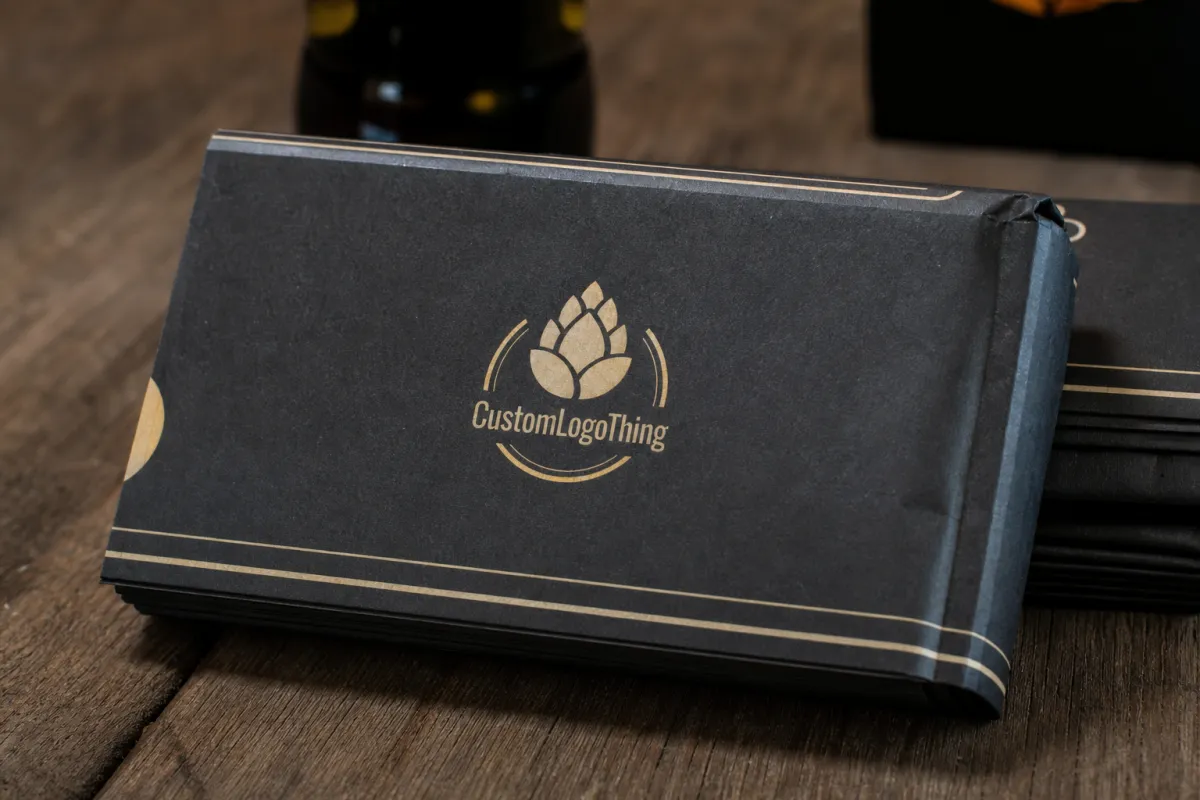
Beer merch tissue paper is a thin printed or plain wrap used inside merch packaging to protect, conceal, and present products in a controlled way. It is often folded around shirts, placed over glassware, wrapped around bottle sets, or used as a top layer inside a gift box so the customer gets a reveal instead of a jumble of contents. A beer merch tissue paper material guide matters because this sheet is carrying the first impression, not just decorating the inside of the pack.
That matters because thin paper still changes the experience in noticeable ways. A sheet with weak opacity can let dark logos show through from the reverse side. A brittle sheet can split when a packer folds it around a rigid mug handle or a boxed bottle. A sheet with poor fold memory can spring open and make the pack look hurried even when the team handled it carefully.
From a packaging buyer’s point of view, the real question is not whether tissue is needed. The better question is what the tissue has to do. Some orders need a premium reveal. Others need gentle surface protection. A few need both, which is where the beer merch tissue paper material guide becomes practical instead of abstract. If the packaging is going into a retail shelf, an event giveaway, or a subscription box, the paper has to hold its shape and carry the brand without slowing production.
Waste belongs in the conversation too. Tissue is often treated as a low-cost finishing item, but overbuying heavy stock or covering every sheet with dense artwork can push costs higher than expected. The challenge is finding a sheet that looks intentional, protects the merch, and still fits the budget. That becomes even more important in bulk orders, where a small change in unit cost can turn into a meaningful difference across thousands of packs.
The core decision framework I use for a beer merch tissue paper material guide is straightforward:
- Look: Does the sheet match the brand’s tone and color palette?
- Function: Does it wrap, cover, and protect the product inside?
- Print performance: Will the logo, pattern, or color block hold up clearly?
- Cost: Does the sheet stay within target unit economics?
- Production fit: Can the packing team use it quickly and consistently?
That five-part test is simple, but it catches most mistakes before they become expensive. A good beer merch tissue paper material guide should do the same.
Beer Merch Tissue Paper Material Guide: How the Sheet Works in Packaging
The mechanics are a little more interesting than they first appear. Tissue paper wraps, cushions, layers, and controls the reveal. It can separate a printed shirt from the inside of a corrugated cardboard mailer, keep a bottle set from rubbing against kraft paper inserts, or create a visual pause between the exterior box and the product. In a well-built pack, the sheet guides the eye. In a weak pack, it just sits there.
Fiber construction changes performance in ways buyers notice immediately during packing. A denser fiber structure often improves opacity and tear resistance, while a lighter construction gives a softer hand feel and more drape. That tradeoff matters when the tissue has to fold sharply around corners, hold a crease inside a box, or cover a product without showing every contour underneath. A beer merch tissue paper material guide should explain that clearly because the difference becomes obvious as soon as you handle samples side by side.
Print coverage behaves differently on thin stock than it does on heavier packaging paper. A small repeat logo can look crisp on a light sheet, while a large dark block may make the paper feel stiffer and more prone to show-through. Heavy ink coverage also changes the way folds land. Instead of a soft, airy wrap, you can end up with a sheet that feels closer to decorated paper than tissue. That may suit some gift sets. It does not suit every merch program.
There is a practical divide between decorative tissue and functional tissue. Decorative tissue focuses on mood, color, and brand story. Functional tissue focuses on surface protection, line efficiency, and reliable fold behavior. The best beer merch tissue paper material guide does not pretend those are the same thing. A sheet can look premium on screen and still fail in production if it sheds lint, scuffs easily, or turns fragile when handled by an assembly team moving quickly.
A buyer does not need the prettiest sheet on the spec sheet. They need the one that still looks good after folding, handling, shipping, and one more pair of hands opening the box.
Use case matters just as much as paper construction. Apparel orders often do well with a softer, lighter sheet because the paper is mainly there for the reveal. Glassware and bottle sets usually need more opacity and better tear resistance, because the paper has to hide harder edges and stay intact around more rigid products. Mixed gift sets are the most demanding. They ask one sheet to do several jobs at once, and that is where material selection becomes a sourcing decision rather than a finishing choice.
Think about the way different packaging layers behave. Corrugated cardboard protects the outer shipment. Kraft paper can add a natural, textured feel. Tissue sits closer to the product and shapes the experience inside the pack. When those layers work together, the order feels intentional. When they fight each other, the result feels overdesigned or underbuilt. A strong beer merch tissue paper material guide keeps that hierarchy in order.
Key Factors: GSM, Opacity, Finish, and Ink Behavior
GSM is usually the first number buyers ask for, and it earns that attention. It gives a quick sense of weight, strength, and handling. In tissue paper, common branded wrap sheets often fall around 17 GSM to 22 GSM, though the right number depends on the job. Lighter sheets drape more softly and feel less bulky in the pack. Heavier sheets usually resist tearing better and hide more of the product below.
Opacity is the part that gets underestimated. A sheet can have a perfectly acceptable GSM and still look weak if the paper is too translucent for the print coverage. That becomes obvious when black or deep-colored ink is used over a bright white sheet, or when the product itself shows through from the other side. In a beer merch tissue paper material guide, opacity should be treated as a branding issue as much as a technical one.
Finish changes the final look more than many teams expect. A matte sheet often feels softer and more premium because it diffuses light and lowers contrast. A smooth sheet tends to show line art clearly and makes repeat logos feel cleaner. A lightly textured stock can hide handling marks, yet it can also soften small details in the artwork. The right choice depends on whether the customer is supposed to notice print precision or tactile richness first.
Ink behavior is where a lot of “looks great on screen, falls apart in production” problems show up. Thin tissue absorbs differently than coated label stock or folded inserts. Heavy coverage can create bleed risk, longer dry time, or slight curl at the edges if the sheet is over-inked. A print-ready beer merch tissue paper material guide should call out holdout, drying, and flexibility because dense artwork changes all three.
The simplest decision rule usually works best:
- If the merch is premium or color-sensitive, prioritize opacity and print clarity.
- If the order is high-volume, prioritize foldability and packing speed.
- If the product is rigid or sharp-edged, prioritize tear resistance.
- If the brand wants a soft reveal, avoid loading the sheet with too much ink coverage.
That rule sounds basic, but it prevents a lot of over-specifying. More weight is not always better. More ink is not always stronger branding. A sheet that feels luxurious in a sample pack may behave very differently on a full production table when a team has to fold hundreds of units an hour. That is the kind of operational detail a real beer merch tissue paper material guide should surface.
Sustainability still deserves a direct answer. Buyers increasingly ask for recycled materials, post-consumer waste content, FSC certified paper, or biodegradable packaging language for merch lines. Those are valid considerations, but they do not replace performance checks. Recycled fibers can be excellent, yet print brightness and tear behavior vary by supplier. If the tissue is part of a broader sustainability story, it still needs to pass the same functional tests as any other stock.
It helps to compare the tissue spec with the rest of the packaging system. If the shipment is already using corrugated cardboard and kraft paper for protection, the tissue inside can be lighter and more decorative. If the tissue is doing more protective work inside a gift set, the spec usually needs to move heavier. That balance is what separates a polished merch program from a box full of disconnected materials.
Step-by-Step Guide to Specifying the Right Tissue Paper
The easiest way to spec tissue is to start with the product mix, not the paper. Apparel, glassware, accessories, and mixed gift sets do not all need the same paper behavior. A shirt pack can handle a lighter wrap because the main goal is presentation. A glass set needs more opacity and more tear resistance. A mixed kit may need a compromise spec that does several jobs adequately rather than one job perfectly.
Customer experience comes next. Should the tissue fade into the background and let the merch take center stage? Or should it become part of the reveal, with repeated logos, brand colors, or a seasonal print pattern? Once that decision is made, the material spec gets easier to define. A beer merch tissue paper material guide works best when the customer journey comes first, because the paper should support the story instead of competing with it.
Sheet size follows. The right size depends on the package dimensions, the product shape, and packing speed. A smaller sheet can work for folded apparel, but it may be too short for bottles or bundled gift sets. Oversized sheets can create beautiful drape, but they also add handling time and material waste. If the team is packing at scale, even a modest change in sheet dimensions can affect throughput.
The print plan comes after that. A simple logo repeat is usually the most efficient route. It keeps artwork repeatable, lowers the chance of color issues, and tends to work well across most tissue grades. Full-coverage art can look dramatic, but it raises ink usage and can make the sheet stiffer. A beer merch tissue paper material guide should encourage buyers to match design ambition to the sheet’s physical limits, because the paper is still a working material.
One more step pays off every time: test the real product, not a placeholder. This is where many buyers get surprised. A flat sample sheet may look perfect on a table, then behave differently when wrapped around a curved bottle, a boxed mug, or a stack of folded shirts. A small validation run before bulk commitment catches a lot of avoidable problems and saves a great deal of frustration later.
Use this checklist before placing the order:
- Confirm the product mix and pack format.
- Choose the target experience: reveal, protection, or both.
- Select the sheet size and fold pattern.
- Choose GSM based on handling and opacity needs.
- Review the print method, color count, and coverage.
- Approve a physical sample before full production.
That process sounds methodical because it is. Bulk packaging rewards method. A strong beer merch tissue paper material guide saves time later by forcing the right questions now.
Process and Timeline: Samples, Proofs, and Production Steps
The production path is usually straightforward, but the handoffs matter. A typical order moves from brief to quote, then artwork review, proofing, sampling, production, packing, and shipping. The biggest delays usually happen when artwork is incomplete, color targets are unclear, or the buyer changes sheet size after the proof stage. That is why a beer merch tissue paper material guide should include process timing, not just material choices.
Sampling and proofing are different steps for a reason. A proof shows layout, artwork placement, and overall print direction. A sample shows how the sheet actually feels, folds, tears, and presents in real life. Some buyers try to compress those into one step and end up disappointed. A better path is to treat them separately. A proof can often be approved in a day or two. A physical sample may take longer, but it answers questions digital files cannot.
Timelines vary by supplier, though a realistic planning window is often 12 to 15 business days from proof approval for standard production, with extra time if the job needs special color matching or sampling. Rush orders can work, but they usually reduce flexibility. There is less room for revisions, fewer options for testing, and less tolerance for artwork changes. That tradeoff is worth making only when the launch date is truly fixed.
Planning buffer is not a luxury. It is the difference between a calm launch and a last-minute scramble. For seasonal merch drops, event packs, or limited-edition beer releases, the packaging should be locked well before the product ships. If the tissue is still in revision while the main merch is already packed, the launch schedule starts leaning on luck. That is not a comfortable place to be.
Production risk becomes easier to judge when you compare it with other packaging layers. Outer boxes can often absorb schedule variation because corrugated cardboard has a stable supply chain. Inner decorative layers are more sensitive because they depend on exact print approvals and folding specs. Tissue sits in that second category. A beer merch tissue paper material guide should remind buyers that a thin sheet can still become the bottleneck.
For sustainability-minded programs, process affects the story as well. Buyers may ask for FSC certified paper, recycled materials, or post-consumer waste content, and those claims should be supported with supplier documentation. If the tissue is part of a broader biodegradable packaging narrative, confirm whether the inks and coatings align with that claim. The paper may be recyclable or sourced from managed forests, but the full story depends on the complete build.
For technical packing teams, it helps to reference external testing and certification resources. The International Safe Transit Association at ista.org is a useful place to understand transport and package performance expectations, while the Forest Stewardship Council at fsc.org outlines forest sourcing standards that matter when tissue is being positioned as responsibly sourced.
Those references do not replace supplier specs, but they improve the conversation. A buyer who asks about standards rather than only price usually gets better answers. That is especially true when the beer merch tissue paper material guide is part of a larger packaging program rather than a one-off purchase.
Cost and Pricing: MOQ, Unit Cost, and Quote Drivers
Pricing is where most buyers want precision, and that makes sense. Tissue paper costs are driven by several variables at once. Quantity, sheet size, print coverage, color count, paper grade, packing configuration, and shipping all move the number. A beer merch tissue paper material guide should help buyers understand which variables matter most so they can compare quotes intelligently.
MOQ, or minimum order quantity, affects unit cost very directly. Lower quantities almost always cost more per sheet because setup time is spread across fewer units. That is true even for a simple design. A straightforward logo repeat can still be expensive at small volume if the order is too short to absorb press setup and handling labor. Once quantity climbs, the unit cost usually comes down, though not evenly. Bigger jumps happen when buyers stay within standard sheet sizes and keep the artwork efficient.
Here is a practical comparison to frame the tradeoffs:
| Option | Typical Feel | Print Behavior | Best Use | Typical Bulk Cost Impact |
|---|---|---|---|---|
| 17 GSM standard white tissue | Soft, light, easy to fold | Good for simple repeats; moderate show-through risk | Apparel wraps and lightweight merch reveal | Lower base cost; often the most economical starting point |
| 20 GSM premium printed tissue | More body, better handling | Usually better opacity and cleaner logo visibility | Gift kits, shirts, and mixed merch packs | Common mid-range choice; small increase for better presentation |
| 22 GSM heavier wrap stock | Substantial, less flimsy | Handles denser print better, but may reduce drape | Glassware, rigid items, premium gift sets | Higher material cost, often justified by fewer tears and better coverage |
| Recycled or FSC certified tissue | Varies by fiber blend | Can print well, though brightness may differ | Sustainability-led beer merch programs | Sometimes slightly higher, sometimes similar depending on supply |
That table is the useful version of pricing: not cheap versus expensive, but what the buyer gets for the extra spend. In many cases, a cleaner design and a standard sheet size save more money than chasing the lowest possible paper grade. A simpler print layout also lowers the chance of rework, which can be a hidden cost on a tight production schedule.
When you ask for a quote, ask for it in layers. Stock, printing, setup, and freight should be separated wherever possible. That makes it easier to compare options without guessing where the money is going. If one supplier looks cheaper overall, check whether they are using a thinner stock, fewer print colors, or a smaller sheet format. The numbers can be misleading if they are presented as one lump sum.
There is also a practical lesson here for buyers who want tissue to fit a broader packaging system. If the outer box is already absorbing most of the shipping cost with corrugated cardboard, the tissue inside can be optimized for presentation instead of structural performance. If the tissue is doing more functional work inside a gift set, the budget should reflect that. A beer merch tissue paper material guide is not only about saving money. It is about spending the right amount in the right place.
Common Mistakes That Hurt Beer Merch Tissue Paper Results
The most common mistake is also the easiest to avoid: choosing the cheapest sheet without checking opacity. That almost always comes back as a visual problem. The print looks weak, the fold looks thin, and the whole package feels less premium than the brand intended. A beer merch tissue paper material guide should treat opacity as a decision point, not an afterthought.
Another frequent miss is loading the design with too much ink. Dense artwork can be attractive on a screen, but on tissue it can reduce softness, increase cost, and make the sheet harder to fold neatly. In production, heavy coverage also raises the risk of streaking or color inconsistency if the press conditions shift even slightly. Less artwork is sometimes the stronger brand move.
Ignoring the product inside is another error. Tissue that works for folded apparel may fail around a mug, a bottle, or a can set. Hard edges and curved surfaces change everything. Tear resistance matters more. So does sheet size. That is why one generic beer merch tissue paper material guide rarely fits every product line without adjustment.
Proofing mistakes can be expensive in bulk. A color that looks correct on a monitor may print too warm or too cool. Trim allowances can be overlooked. Fold positions can be off by just enough to interrupt the repeat pattern. Those are small issues in a PDF and large issues in a production run. A team that approves tissue by eye alone often ends up paying for avoidable correction.
Then there is the packing-line problem. If the paper tears while being folded, slows packers down, or creates static and sticking during assembly, it is the wrong material even if the final look is attractive. Production speed belongs in the spec. A lot of buyers forget that and judge the sheet only by appearance, never by how it behaves in the hands of the people actually packing the orders.
These warning signs show up often enough to be familiar:
- The print looks pale when the sheet is held up to light.
- Edges split during folding or wrapping.
- Artwork loses sharpness at the fold line.
- Packing slows because the sheet does not hold shape.
- The finished pack looks different from approved samples.
Those issues are common enough that most print teams have seen them before. The lesson is simple. A beer merch tissue paper material guide should force a real-world test, not just a visual approval.
Expert Tips and Next Steps for a Bulk Order
My strongest recommendation is to order two sample options side by side if the project carries any uncertainty at all. One should reflect the more economical end of the spec, and the other should reflect the more premium end. That comparison is usually more useful than a single best-guess sample because it shows the tradeoff between feel, opacity, and print clarity immediately.
Build one master spec sheet and keep it tight. Include sheet size, GSM, print colors, acceptable shade variance, fold direction, and the expected product mix. That document becomes the anchor for future orders. It also helps if the program expands across multiple beer SKUs or seasonal packs. Without a master spec, teams drift. A beer merch tissue paper material guide should reduce drift, not add it.
Test the tissue with actual merch items. Not mock objects. Not a rough substitute. The real product. Weight, shape, and surface finish can all change how the paper behaves. A glossy bottle label, for example, can slide differently inside the wrap than a matte apparel insert. That sounds small until the packing table is moving at full speed and the sheets start behaving differently from the sample pack. Then everybody notices.
A simple approval workflow keeps everyone aligned:
- Art sign-off.
- Sample sign-off.
- Production sign-off.
Those three gates are boring in the best possible way. They prevent version drift. They reduce confusion across procurement, design, and operations. They also make it easier to control quality if the order is repeated later. In a busy merch program, boring is usually what profitable looks like.
One more practical tip: do not treat sustainability as a separate checkbox. If the buyer wants recycled materials, post-consumer waste content, FSC certified sourcing, or biodegradable packaging language, those needs should be built into the spec from day one. Otherwise, the team may have to choose between appearance and compliance after the order is already underway. That is a bad trade, plain and simple.
For the next bulk order, document the final beer merch tissue paper material guide, request the quote in separate line items, and lock the spec before the run begins. The useful move is to choose the stock that matches the product, prove it with a real sample, and keep the packing team in the loop before production starts. That way, the packaging matches the promise on the front of the box and the inside of the pack feels deliberate instead of improvised.
What GSM works best for beer merch tissue paper?
A common starting range is 17 GSM to 22 GSM for branded wrap sheets, but the right number depends on whether the tissue is decorative, protective, or both. Go lighter when you want a softer drape for apparel inserts, and move heavier when the sheet has to resist tearing around rigid merch. Always test GSM together with opacity and print coverage, because a technically strong sheet can still look thin if the ink shows through.
Is beer merch tissue paper material safe for glassware and apparel?
Yes, when the stock is clean, dry, and matched to the product. The main concerns are scuffing, lint, and print transfer rather than the paper itself. For glassware, prioritize tear resistance and enough opacity to hide the item. For apparel, prioritize a soft hand feel and clean fold behavior. If the tissue may touch food-contact packaging, confirm the compliance requirements before ordering.
How much does custom beer merch tissue paper cost per sheet?
Unit cost usually drops as quantity rises, but the biggest pricing jumps come from sheet size changes, more ink coverage, and special finishing needs. Simple repeats on standard sheet sizes are usually more economical than full-coverage designs or unusual formats. Ask for a quote that separates stock, print, and freight so you can compare versions without guessing where the cost is coming from.
What is the usual lead time for custom beer merch tissue paper?
Lead time usually has two parts: proof or sample approval, then production. Each can add time if the art is not final. Rush orders can work, but they usually reduce flexibility for revisions, special stock choices, or deeper color matching. Build in buffer time if the tissue is tied to a launch, event, or seasonal merch drop, because shipping can be the last bottleneck.
Can one beer merch tissue paper material guide work for apparel and gift sets?
Often yes, if you choose a balanced stock that handles both soft drape and decent opacity without becoming too heavy or expensive. Apparel usually tolerates a lighter, softer sheet, while gift sets often need more visual coverage and a cleaner presentation fold. A good compromise is one core spec with minor adjustments to size or print density by product line. That is why a disciplined beer merch tissue paper material guide is so useful for bulk orders.
The practical takeaway is straightforward: choose the lightest sheet that still protects the product, hides show-through, and survives the packing line without drama. If you lock that balance early, the tissue does its job quietly, the merch looks sharper, and the order lands the way it was meant to.