For many supplement and wellness brands, the vitamin Brand Tissue Paper material guide gets pushed to the end of the checklist, right up until the first proof comes back with dull ink, cracked folds, or tissue that feels too flimsy once it is packed inside the carton. That delay is expensive in a way buyers do not always see on the quote sheet. One thin sheet can change the customer’s read of the whole package: considered and premium, or rushed and forgettable. The vitamin brand Tissue Paper Material guide matters because the first touch sets the tone before the bottle is even visible.
Custom Tissue Paper is carrying two jobs at the same time. It protects the contents from dust and scuffing, and it also signals brand identity before the capsule bottle, pouch, or sample insert appears. A useful vitamin Brand Tissue Paper material guide helps match the sheet to the print method, the folding pattern, and the rest of the packout system, whether the outer shipper is corrugated cardboard, a rigid gift box, or a simple mailer wrapped in kraft paper. The best packaging systems behave like a set of matched instruments; when one is off-key, the whole thing sounds cheaper.
From the buyer side, the hard part is that a screen render can look polished while the real sheet behaves in a much less forgiving way. Thin tissue drinks ink quickly, curls under humidity swings, and can show more transparency than the digital mockup ever suggested. I have seen brands approve a mockup in one round of feedback, then get surprised when the actual stock reads two shades lighter under warehouse lighting. A strong Vitamin Brand Tissue Paper material guide keeps the team focused on how the paper performs in the warehouse, on the packing line, and in transit, not just how it looks in a presentation deck.
Vitamin brand tissue paper material guide: why the paper choice changes the brand feel
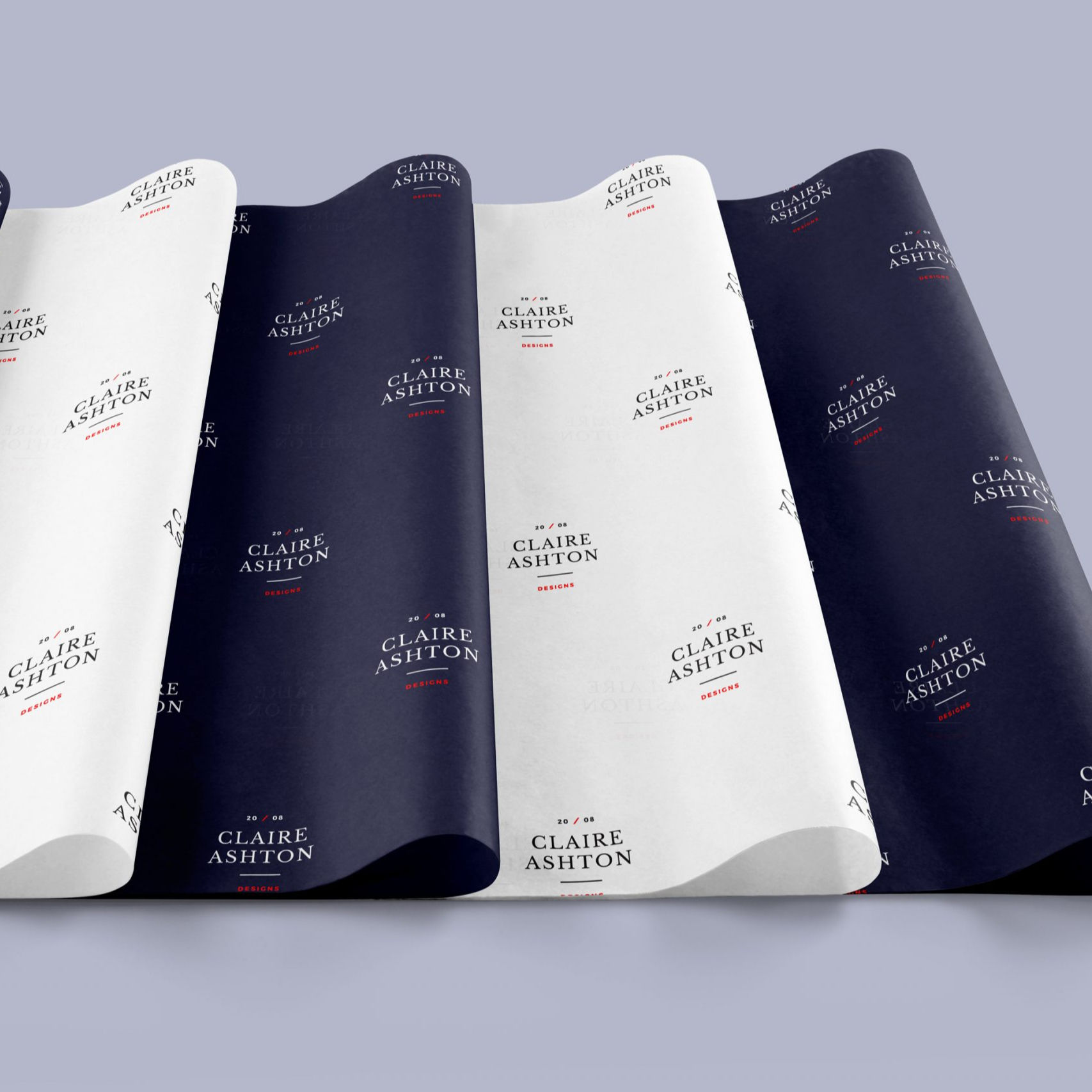
The paper choice changes the brand feel because tissue is one of the most tactile pieces of the package. Customers often touch it before they touch the bottle label, the seal, or the insert card, which makes the vitamin brand tissue paper material guide a guide to first impressions as much as a guide to materials. A sheet with the right softness, fold memory, and opacity can make a vitamin line feel more deliberate without adding much cost or bulk. That is a rare packaging win: small footprint, measurable payoff.
Most custom tissue for vitamin brands is a lightweight, uncoated paper built to fold neatly and print cleanly without turning stiff. That balance matters more than it sounds. Too soft, and the sheet tears at the fold line. Too dense, and it starts to behave like wrapping paper instead of a delicate reveal layer. A practical vitamin brand tissue paper material guide should separate protective wrap from decorative layer, because those two functions do not always point toward the same sheet.
Artwork behaves differently on tissue than it does on carton stock. On coated paperboard, ink often sits a little higher, edges hold better, and solids look more controlled. On tissue, ink gets pulled into the fibers fast, which can soften fine type, blur hairline rules, and widen tiny logos. That is one of the clearest lessons in the vitamin brand tissue paper material guide: the same file can produce two very different results depending on absorbency, caliper, and coverage.
If the brief is meant to read clean and clinical, the tissue choice changes that signal too. Bright white tissue can suggest purity and order, while natural kraft tones and recycled materials can point toward warmth, restraint, and environmental awareness. Neither choice wins by default. The right answer depends on the brand promise, the carton design, and how much contrast you want inside the box. A serious vitamin brand tissue paper material guide should sit beside the rest of the packaging brief, not off to the side as an afterthought.
“A tissue spec is never just decoration. It has to fold like packaging, print like paper, and survive like inventory.”
That line sounds tidy. The reality is messier. A supplier can show a sample that looks excellent in hand, then the paper refuses to fold cleanly into a tight carton, builds static in a dry warehouse, or scuffs during packout after only a few passes through the line. I have watched that happen on a busy fulfillment floor; the tissue was technically approved, but the line team started setting it aside because it fought them every time. The vitamin brand tissue paper material guide is where those issues get caught before a run turns into waste.
How a vitamin brand tissue paper material guide works inside the package
Inside the package, tissue paper acts as a buffer, a visual reveal, and a small but meaningful part of the fit and finish. In a vitamin pack, it can keep a bottle from sliding, reduce dust transfer, and create a controlled opening sequence when the carton is first unsealed. A well-built vitamin brand tissue paper material guide considers all three roles, because the sheet has to perform while still looking intentional.
Sheet structure matters more than many buyers expect. Fiber formation changes softness and tear behavior, while caliper shapes how the tissue folds around the product. A sheet with uneven formation may look fine on a roll but crease sharply at the corners once it is tucked into the box. A useful vitamin brand tissue paper material guide should explain why one sheet holds a crimp, another drapes more loosely, and another cracks when bent twice in the same place. That is not theory; it shows up in hands-on packing.
The print interaction is just as important. Tissue is absorbent, so a heavy ink laydown can bleed slightly, especially on thin stock or on designs with broad solid areas. Fine typography needs enough contrast and enough open space to stay legible after the ink settles into the fibers. This is one reason the vitamin brand tissue paper material guide should be written for the printer and the designer at the same time. If either one is missing from the conversation, the final result usually pays for it.
From the customer experience side, a good tissue sheet tells the buyer that the brand cares about the full unboxing sequence, not just the tablet or capsule inside. That matters in vitamins because the category is crowded with claims about trust, purity, and science. The package has to do part of that work visually, and the vitamin brand tissue paper material guide becomes a quiet tool for shaping the impression.
For brands that sell through more than one channel, the tissue also has to behave consistently across different packout systems. A retail carton nested inside corrugated cardboard needs a different fold tolerance than a mailer using kraft paper void fill or paper wrap. The more the operations team can describe those conditions up front, the more reliable the vitamin brand tissue paper material guide becomes in actual use.
There is a practical reality that gets overlooked in sales decks: packers do not handle tissue like a designer does. They are moving fast, repeating the same motion hundreds of times, and they are gonna notice if the sheet catches on a carton edge or refuses to sit flat. That is why a packing test matters just as much as a visual proof.
Key factors in a vitamin brand tissue paper material guide
Paper weight, opacity, and hand feel are the first things worth comparing. A slightly heavier tissue often packs better because it resists tearing at the fold, while a lighter sheet can feel more delicate and premium if the artwork is simple and the packing conditions are controlled. In a vitamin brand tissue paper material guide, these factors belong together because the right answer is rarely “lightest” or “strongest.” It is usually the best balance for the real carton, the real fill method, and the real shipping route.
Color choice changes the perceived value of the package just as much as the print itself. Bright white suggests cleanliness and precision, which is why it works well for clinical or science-forward vitamin brands. Natural kraft tones, often paired with recycled materials or post-consumer waste content, can feel grounded and eco-minded. Custom brand hues can be memorable, but they also need enough contrast to survive on a thin sheet. Any serious vitamin brand tissue paper material guide should explain how color interacts with transparency, because a pale tint on a translucent sheet can look very different once the product is folded and stacked.
Print style is the next major decision. One-color logos usually stay crisp and cost-effective, while multi-color patterns or edge-to-edge coverage need tighter process control. Thin tissue does not forgive tiny text or hairline elements very well, especially when registration shifts by even a small amount. If the design includes micro copy, the vitamin brand tissue paper material guide should push the team to test it on press-ready material, not just approve it on a monitor. Tiny details can disappear faster than a buyer expects.
Sustainability claims deserve careful handling. Many vitamin brands want materials that align with a clean-label message, and that is reasonable, but the claim has to be accurate and supportable. FSC certified tissue can strengthen the sourcing story, recycled materials can reduce virgin fiber use, and some buyers want biodegradable packaging language tied to the overall pack, not just the tissue itself. If those claims are part of the brief, the vitamin brand tissue paper material guide should make them explicit and document what the supplier can actually certify.
Storage and climate are easier to ignore than they should be. Tissue can curl in humidity swings, pick up static in dry warehouses, and shift slightly in appearance if cartons are opened and resealed repeatedly. That is not a design flaw; it is a materials issue. A practical vitamin brand tissue paper material guide should say how the paper is packed, stored, and acclimated before use so the team does not blame print quality for a handling problem that started weeks earlier.
There is also the question of how the tissue works with the rest of the packaging system. If the outer shipper uses corrugated cardboard and paper-based fillers, a highly coated or glossy tissue may feel out of place. If the brand is built around Natural Kraft Paper, a bright, ultra-slick insert can break the visual rhythm. A good vitamin brand tissue paper material guide keeps those details aligned so the packaging looks intentional from shipper to shelf.
| Option | Typical feel | Common use | Approximate unit cost range |
|---|---|---|---|
| Lightweight white tissue | Soft, airy, delicate | Simple logo wraps, premium reveal | $0.08-$0.16 per sheet at 5,000 sheets |
| Midweight printed tissue | Better body, easier folding | Retail kits, fulfillment-friendly packaging | $0.12-$0.24 per sheet at 5,000 sheets |
| Custom color tissue with multi-color print | More branded, more complex to control | Launch programs, gift sets, seasonal promos | $0.18-$0.38 per sheet at 5,000 sheets |
| FSC certified recycled tissue | Natural, matte, slightly less bright | Eco-positioned vitamin lines, wellness brands | $0.10-$0.28 per sheet at 5,000 sheets |
Those numbers are not universal, and they should not be treated like a quote, but they are useful for understanding how material and print complexity affect the budget. For a buyer building a vitamin brand tissue paper material guide, the table above is often enough to start a real internal discussion before requesting formal pricing.
If you need further reference points on responsible fiber sourcing and packaging performance, two useful places to start are FSC for certification guidance and ISTA for shipping test standards that help evaluate how packaged goods behave in transit. Those standards do not choose the paper for you, but they do help the vitamin brand tissue paper material guide stay grounded in measurable packaging performance rather than opinion alone.
Vitamin brand tissue paper material guide: process, timeline, and lead time
The cleanest projects usually start with a simple brief. Gather the brand specs, confirm the sheet size, choose a base tissue color, and identify the print colors before artwork gets pushed through prepress. A detailed vitamin brand tissue paper material guide should capture not only the design, but also the fold pattern, carton dimensions, and packout method, because those details affect everything downstream.
Sampling and proofing are worth the time, especially when the design relies on a subtle tint, tiny type, or a precise fold reveal. A physical swatch lets the team judge opacity, tone, and texture under real lighting. A press proof is even better if the artwork contains brand-critical colors. In practice, the vitamin brand tissue paper material guide should tell buyers when a digital mockup is enough and when a physical sample is the safer path.
Production usually follows a predictable sequence: prepress review, print setup, drying or curing, cutting, counting, stacking, and final packing into cartons or bundles. If the sheets are custom cut, the cut tolerances matter because a small deviation can cause problems in high-speed fulfillment. A reliable vitamin brand tissue paper material guide notes those steps so nobody assumes tissue is a trivial add-on that can be rushed after everything else is approved.
Lead time depends on quantity, the number of ink colors, the complexity of the artwork, and whether the supplier is already in a busy production cycle. A simple one-color run might move faster than a multi-color pattern with revised proofs and special packing requirements. As a planning rule, many teams work backward from carton fill, warehouse receipt, and launch date so the tissue does not become the bottleneck. That is one of the most practical uses of a vitamin brand tissue paper material guide.
When a brand is coordinating multiple packaging components, the timeline should also account for the outer box, inserts, and shipping materials. If the cartons are delayed, the tissue may sit in storage; if the tissue is late, the line may still be blocked even when the carton arrives. A strong vitamin brand tissue paper material guide connects the tissue schedule to the full packaging schedule, including corrugated cardboard components and any retail-ready assembly steps.
If you are comparing suppliers, ask for a timeline that includes proof approval, print production, inspection, and freight transit separately. That way you can see where the time is really going and where a delay might come from. A good vitamin brand tissue paper material guide makes those checkpoints visible, which helps internal teams make calmer decisions and fewer last-minute changes.
Cost, pricing, MOQ, and quote details in vitamin tissue paper
Pricing usually rises with paper grade, sheet size, number of print colors, and how much of the sheet is covered. A small logo in one color is very different from a fully printed all-over design. Setup can also be a meaningful part of the bill, especially on shorter runs. A smart vitamin brand tissue paper material guide should help the buyer understand where the cost is coming from before anyone starts negotiating.
Setup charges matter more than many brands expect. Plate prep, screen prep, color matching, and press calibration can be spread across a large run, but on a short order they can add noticeable cost per sheet. That is why MOQ often changes the economics so much. In a well-prepared vitamin brand tissue paper material guide, I would always include a note explaining how the same design may be economical at 10,000 sheets but feel expensive at 1,000 sheets. Scale changes the math quickly.
MOQ also depends on whether you are ordering stock white tissue with a simple logo or a fully custom sheet with custom dimensions and custom print coverage. Some suppliers can quote multiple breakpoints so you can compare 2,500, 5,000, and 10,000 sheets side by side. That is useful because a launch program may not need a huge inventory, while a replenishment program might. The vitamin brand tissue paper material guide should encourage that kind of comparison instead of locking the buyer into the first number they hear.
Freight and packaging can quietly change the landed price. Carton counts, palletization, destination handling, and whether the tissue ships flat or folded all affect final cost. A quote that looks attractive on a per-sheet basis may be less attractive once shipping and receiving are added. This is one of the most common blind spots in the vitamin brand tissue paper material guide, and it is easy to fix by asking for a side-by-side quote that separates material, print, setup, packing, and shipping.
For teams comparing options, the following breakdown is often helpful:
- Material cost: influenced by basis weight, brightness, recycled content, and whether the stock is FSC certified.
- Print cost: driven by number of colors, ink coverage, registration demands, and coverage area.
- Setup cost: includes art prep, plates or screens, machine setup, and color adjustment.
- Packing cost: covers bundling, carton counts, pallet prep, and any special wrapping.
- Freight cost: depends on destination, carton size, pallet count, and carrier method.
If a supplier will not separate those line items, the buyer is left guessing about the real economics. A practical vitamin brand tissue paper material guide should make it easier to ask for a transparent quote, not harder.
There is also a strategic pricing question. Sometimes a brand is tempted to save a few cents by choosing the lightest possible sheet, but that choice can backfire if the tissue tears during hand packing or looks too see-through in the final box. A slightly better sheet can reduce waste, improve speed, and protect the brand identity more effectively. The best vitamin brand tissue paper material guide respects those tradeoffs instead of chasing the lowest unit number alone.
Common mistakes when choosing vitamin brand tissue paper
The first mistake is choosing by color alone. A beautiful mockup can still fail if the sheet is too fragile, too translucent, or too hard to fold into the carton cleanly. That is especially true for products with tight pack tolerances or multiple inserts. A strong vitamin brand tissue paper material guide keeps color in the conversation, but never at the expense of foldability and print behavior.
The second mistake is overdesigning the artwork. Thin rules, tiny text, and dense solids can print unevenly on absorbent tissue, which makes the sheet look muddy or distorted. If the brand message is already clear on the carton, a simpler tissue pattern often works better. In a well-built vitamin brand tissue paper material guide, the tissue supports the system; it does not try to carry every message by itself.
The third mistake is skipping real-world testing. You want fold tests, rub tests, and pack tests with the actual vitamin carton or pouch, not just the tissue sheet by itself. That is where the edge behavior shows up and where you learn whether the design survives repeated handling. Any serious vitamin brand tissue paper material guide should tell the buyer to test under the same conditions that the fulfillment team will face every day.
The fourth mistake is ignoring storage conditions. Tissue stored in a humid warehouse can curl or shift; tissue stored in dry conditions can build static and cling awkwardly in packout. Neither problem means the artwork is wrong. It means the material was not chosen with the real facility in mind. The vitamin brand tissue paper material guide should ask where the tissue will be received, how long it will sit, and whether the cartons will be opened frequently before use.
The fifth mistake is letting the tissue fight the rest of the packaging story. If the carton is minimal and clinical, a loud tissue pattern can feel disconnected. If the outer packaging uses kraft paper, recycled materials, and restrained typography, then a glossy or overly bright tissue can break that tone. The best vitamin brand tissue paper material guide keeps the tissue aligned with the whole packaging system so the brand feels deliberate, not patched together.
There is also a standards question that buyers sometimes skip. ISTA shipping tests, ASTM material methods, and FSC sourcing claims each serve a different purpose, but they can all help clarify what the tissue is supposed to do and how it should be described. That does not mean every vitamin brand needs every standard. It means the vitamin brand tissue paper material guide should identify which claims are operational, which are marketing, and which need documentation.
For more examples of how packaging choices affect brand presentation across different formats, our Case Studies page is a useful place to see how materials, print, and packout decisions work together in actual projects.
Expert tips and next steps for a vitamin brand tissue paper material guide
Start with a clear spec sheet. List the sheet size, base color, print colors, target feel, order quantity, and timing requirements before you ask for pricing. That one document can save a lot of back-and-forth later. A clean vitamin brand tissue paper material guide works best when the supplier gets the same brief that the internal team is using.
Request two or three material samples if you can. Compare foldability, opacity, and print appearance under the same lighting, and keep the sample notes simple enough that non-technical stakeholders can understand them. If one sheet feels too thin and another feels too heavy, the team will usually see the difference immediately. That is exactly the sort of practical comparison a vitamin brand tissue paper material guide should encourage.
Ask for a quote matrix that shows how cost changes with MOQ, paper weight, and artwork complexity. It is much easier to make a smart tradeoff when the numbers are broken out clearly. You may discover that moving from one print color to two does not change much, while changing sheet size creates a larger jump. A good vitamin brand tissue paper material guide helps you discover those breakpoints before the launch budget is locked.
Before approval, do one last preproduction check against the carton, label, and shipping plan. Make sure the tissue supports the full unboxing sequence, not just the first reveal. That means checking how it sits in the box, how it stacks, and whether it interferes with closures, inserts, or seals. The best vitamin brand tissue paper material guide treats the tissue as part of a system, not an isolated printed sheet.
For teams that want a cleaner approval path, it also helps to compare the tissue project against other packaging components. A bottle label, a folding carton, and an insert card all affect the same customer perception, and they should all reinforce the same brand identity. If you are already using recycled materials, kraft paper accents, or biodegradable packaging language elsewhere, make sure the tissue speaks that same visual language. A vitamin brand tissue paper material guide should make those connections obvious, not leave them to guesswork.
My best advice is simple: turn the vitamin brand tissue paper material guide into an internal checklist, then use it to brief suppliers and approve samples faster. When the team knows what finish, weight, print coverage, and lead time it actually wants, the whole process becomes calmer and more predictable. The vitamin brand tissue paper material guide is not just a document for procurement; it is a practical tool for protecting the brand feel, the budget, and the launch date.
FAQ
What paper weight works best in a vitamin brand tissue paper material guide?
For a premium feel, brands usually compare lightweight sheets with slightly heavier options so they can balance softness against fold strength. If the tissue needs to wrap products tightly inside the carton, a bit more body can reduce tearing and make fulfillment easier. If the goal is a delicate reveal, a lighter sheet may feel more elegant, but the vitamin brand tissue paper material guide should still confirm that it can survive printing and packout.
How do I choose the right finish in a vitamin tissue paper guide?
Start with the brand story. Bright white usually feels cleaner and more clinical, while natural tones can feel warm or eco-minded, especially when the rest of the packaging uses kraft paper or recycled materials. Then check how the finish affects print clarity, because a very soft or porous surface can mute fine details. A vitamin brand tissue paper material guide works best when it includes physical samples, since finish is hard to judge from a screen.
What MOQ is typical for custom vitamin brand tissue paper?
MOQ usually depends on sheet size, print complexity, and whether the design uses a standard or fully custom production setup. Shorter runs often cost more per sheet because setup is spread over fewer units, while larger runs usually improve the per-sheet price. If the order is for a launch or seasonal program, the vitamin brand tissue paper material guide should ask for multiple quantity quotes so the team can compare breakpoints.
How long does production take after proof approval?
Timing depends on the art complexity, number of colors, and current shop schedule. A simple run may move faster than a multi-color custom print with revised proofs or special packing requirements. A reliable vitamin brand tissue paper material guide should ask for a timeline that includes proofing, production, inspection, and freight so the launch date is realistic.
Can a vitamin tissue paper guide help with print quality issues?
Yes. A good vitamin brand tissue paper material guide helps buyers match artwork to the right paper surface before they approve a run, which reduces the risk of fine text loss, heavy ink coverage problems, and misaligned folds. It also gives the brand and the supplier a shared checklist before production starts, which is often the difference between a smooth launch and a costly reprint.
If you are weighing options for a launch, a refill program, or a seasonal kit, the smartest move is to treat the vitamin brand tissue paper material guide as a working document, not a one-time note. Keep it tied to the carton spec, the fulfillment plan, and the brand identity, and it will pay off in better print quality, fewer packing mistakes, and a stronger unboxing experience. The most useful next step is straightforward: compare one real sample in your actual carton, under your actual warehouse conditions, before you lock the order. That is where the vitamin brand tissue paper material guide stops being theory and starts saving time, money, and a little bit of embarrassment.

