Wine Club Tissue Paper Material Guide for Smarter Quotes
For a wine club, tissue is not filler; it is the first tactile layer a member touches, and this Wine Club Tissue Paper material guide is built to help you spec that layer with more confidence, fewer surprises, and a lot less back-and-forth on quotes. A sheet that looks fine on a screen can feel flimsy in the hand, crack on the fold, or let ink show through once it is wrapped around a bottle, which is why material choice matters as much as artwork.
From a packaging buyer's point of view, the gap between a premium unboxing and a forgettable one often starts with paper stock, not print. A good wine club Tissue Paper Material guide should help you judge opacity, fold memory, tear resistance, and surface feel together, because the wrong combination can make a polished subscription box look rushed before the bottle is even revealed.
Why Wine Club Tissue Paper Material Matters More Than You Think
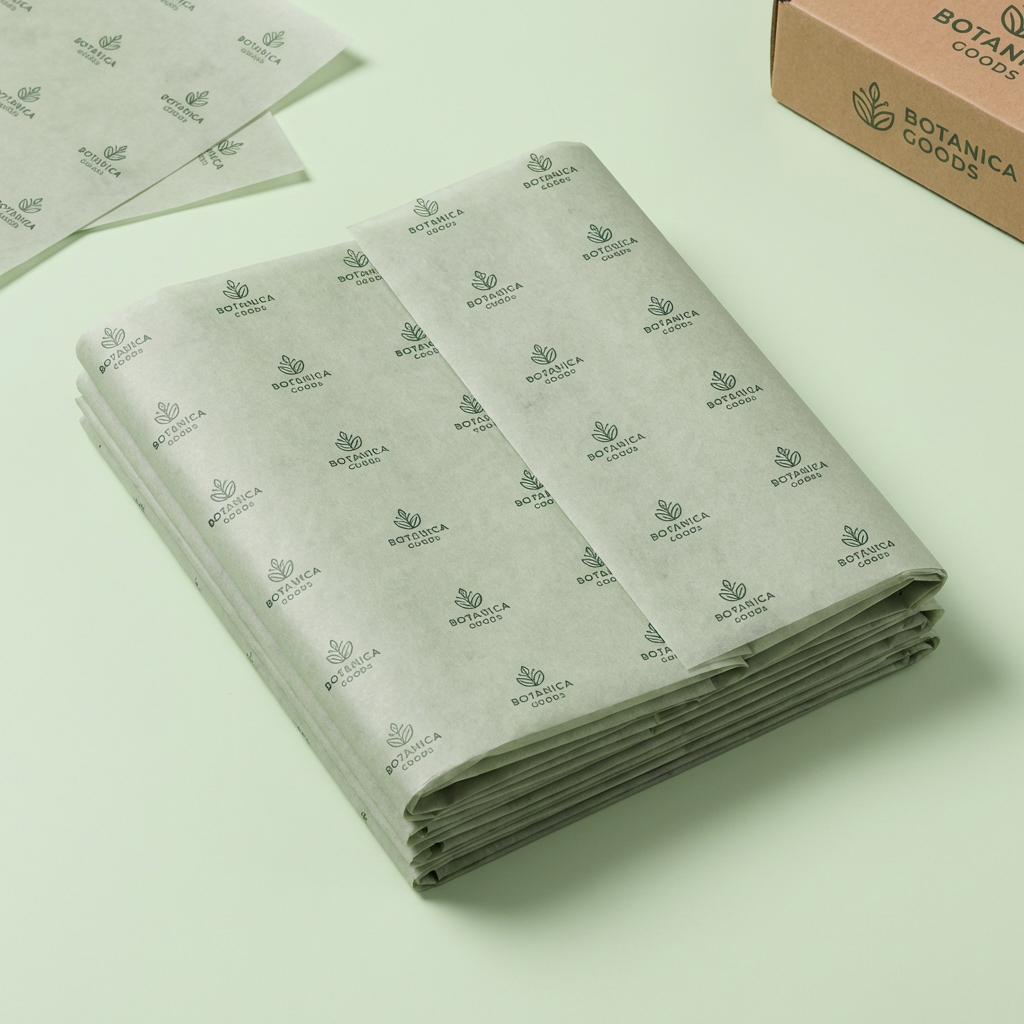
The first thing a member feels should not be a flimsy sheet that collapses in the hand. In a subscription box, tissue acts like a handshake: it frames the product, hides the mechanics of packing, and sets a tone before the bottle label or tasting note is even visible. That is why this wine club tissue paper material guide starts with the customer experience, not the artwork file.
In practice, tissue has to do several jobs at once. It needs enough body to wrap cleanly around irregular bottle shapes and insert corners, enough slip to unfold without snagging, and enough surface integrity to resist scuffing where cartons rub in transit. A wine club tissue paper material guide that ignores those handling details usually leads to a nice-looking sample and a disappointing production run.
There is also a business reality that surprises many buyers: a small shift in opacity, thickness, or fiber quality can change how the entire box feels. A dark logo can ghost through a low-opacity sheet, a cracked fold can make a premium club look budget, and a slightly better stock can lift the perceived value of the whole membership ship-out. In practical terms, this wine club tissue paper material guide is about protecting the brand story from the first touch onward.
I have seen teams fall in love with a tissue sample because it looked elegant under office light, only to discover during pack-out that it split at the corners or slowed the line to a crawl. That kind of mismatch is frustrating, and honestly, it is kinda avoidable if the paper is tested the way it will actually be used. The sample should survive the packing bench, the carton, and the shipment, not just a quick handoff in a conference room.
Picture a renewal box that arrives with a neat exterior but a tissue wrap that has a brittle crease line and a weak printed pattern. The bottle is fine, yet the member notices the paper first and reads that as a signal about care, consistency, and polish. The tissue is not a side detail; it is a visible part of the promise, which is why a solid wine club tissue paper material guide belongs in the quoting process from day one.
Think about the knock-on effect on returns and support tickets as well. If a box arrives with torn tissue or crushed folds, the issue may be cosmetic, but the complaint is emotional. The customer expects an elevated reveal, and the tissue has already told them whether the brand is paying attention. That is a small piece of packaging with a very large job.
Wine Club Tissue Paper Material Guide: How It Works in Packaging
A practical wine club tissue paper material guide has to account for how the sheet behaves once people actually start folding, stacking, and wrapping it on a packing bench. Tissue should drape smoothly, crease without splitting, and release cleanly when the member opens the box. If it fights the packer, wrinkles around the bottle, or tears at the corner, the material spec is off even if the print looked perfect in proof.
The key construction variables are basis weight, caliper, fiber blend, and any coating or surface treatment. Basis weight and caliper influence how substantial the sheet feels and how much light passes through it. Fiber blend changes softness and tear resistance. Surface treatment affects print holdout, especially for fine line logos, solid color fields, and repeated patterns. A strong wine club tissue paper material guide should connect those variables to the exact use case, not treat them as abstract paper terms.
Material choice also affects the print method. A lighter, more absorbent stock may work beautifully for one-color logos or restrained pattern work, but the same paper can struggle with heavy coverage, dark inks, or tight registration. If you are building a wrap with dense graphics, ask the supplier how the stock handles feathering and show-through. That is the kind of detail that separates a quote built on assumptions from one built on actual performance, and it belongs in any real wine club tissue paper material guide.
The material has to play nicely with the rest of the pack, too. Inserts, dividers, bottle neck labels, and even the inside walls of the carton affect how the tissue sits. During shipment, boxes vibrate, shift, and occasionally get stacked warm in a warehouse, so a sheet that looks crisp in hand can still sag or scuff once the box has moved through the system. A good wine club tissue paper material guide looks at the tissue as part of the whole structure, not as a standalone decorative layer.
There is a point of balance here that buyers sometimes overlook. Thicker is not automatically better. An overly heavy sheet can raise cost, slow down folding, and make the reveal feel stiff instead of elegant. In a wine club program, the right stock is often the one that gives you enough body for confidence without adding bulk you do not need. That is why the best wine club tissue paper material guide usually ends with a recommendation to test, not just speculate.
The smartest tissue choice is the one that works on the packing line, in transit, and in the customer hand all at once.
Wine Club Tissue Paper Material Guide: Key Factors to Compare
Every useful wine club tissue paper material guide should give buyers a side-by-side checklist, because quote sheets are easy to misread if you are not comparing the same variables. Start with GSM or basis weight, then compare opacity, sheet size, fold retention, color accuracy, and the exact print method being proposed. If two quotes do not match on those points, they are not really competing with each other.
Opacity deserves special attention. A tissue that is too translucent can make a dark logo look muddy or let the bottle label distract from the branded wrap underneath. Better opacity protects the design and gives the box a more controlled, premium feel. For many clubs, this one characteristic does more for perceived value than another round of artwork revisions. That is a core lesson in any practical wine club tissue paper material guide.
Surface feel matters as much as appearance. A smoother stock usually takes ink more cleanly and signals refinement, while a slightly more structured tissue can help with sharp folds and easier packing. Neither is universally better. The right choice depends on how the tissue is used: is it a decorative reveal, a dust cover, or a genuine wrap around the bottle and accessories? A good wine club tissue paper material guide ties the feel of the sheet to the physical job it has to perform.
Sustainability is another comparison point, but it should stay grounded in what the material actually is. Look for recycled materials, FSC certified options, and where appropriate, a statement about post-consumer waste content. If the brand is making environmental claims, the paper spec should support them, and the full packaging system should make sense together. Tissue paired with corrugated cardboard mailers and kraft paper inserts can fit a clean, natural presentation, but the claim still needs to be honest and supportable. Many brands also ask about biodegradable packaging, and that question should be answered carefully, because the whole package, not just one layer, determines the claim.
Supplier fit is easy to underestimate. A beautiful stock that cannot be sourced consistently is a problem waiting to happen. If you reorder quarterly, ask whether the same sheet size, finish, and print setup can be repeated without a different feel on the next run. For a subscription business, consistency is part of the product. That is why a serious wine club tissue paper material guide should always include supply reliability as one of the key decision criteria.
- GSM or basis weight: Helps predict body, feel, and tear resistance.
- Opacity: Controls show-through and design clarity.
- Surface finish: Influences ink holdout and hand feel.
- Sheet size: Affects packing speed and waste.
- Reorder consistency: Matters for seasonal clubs and repeat shipments.
Wine Club Tissue Paper Material Guide: Cost, MOQ, and Quote Basics
Pricing is where a strong wine club tissue paper material guide saves real money, because tissue quotes often look similar until you break them down line by line. Paper grade, sheet size, number of print colors, ink coverage, special finishes, folding style, and carton configuration all affect the final number. If a quote is loose on any of those details, you are comparing guesswork instead of production costs.
MOQ changes the math more than many buyers expect. Lower volumes carry more setup pressure because prepress, press make-ready, and setup time are spread across fewer sheets. Larger runs often reduce the unit price, but they only make sense if the design and quantity are stable enough to use the inventory efficiently. A practical wine club tissue paper material guide should help you decide whether to optimize for lower cash outlay, lower unit cost, or better flexibility.
Here is a useful way to compare typical options for a wine club program. The numbers below are broad planning ranges, not promises, and paper mills and converters will vary, but they are close enough to help buyers frame a conversation with suppliers.
| Material / Build | Typical Feel | Print Behavior | Typical Quote Range at Moderate Volume | Best Fit |
|---|---|---|---|---|
| 16-18 gsm uncoated tissue | Light, airy, easy to fold | Good for simple logos; show-through can be higher | $0.06-$0.10 per sheet | Decorative wrap, lower-cost club tiers |
| 20-22 gsm recycled tissue | Soft with a little more body | Better opacity, generally cleaner for repeated patterns | $0.09-$0.14 per sheet | Balanced premium presentation |
| 24-28 gsm premium printed tissue | Substantial, crisp fold memory | Handles richer color and sharper graphics | $0.12-$0.20 per sheet | Higher-end wine clubs and gifting programs |
| Specialty finish or custom sizing | Depends on construction | Can improve appearance, but setup is higher | $0.16-$0.28 per sheet | Limited-edition drops, seasonal releases |
That table is useful because it shows the real tradeoff: a heavier sheet is not just a visual choice, it changes handling, yield, and sometimes freight. A box of tissue that is packed loose may cost less to produce, while interleaved or neatly folded tissue can raise labor and carton costs. If the quote includes custom die sizes, color matching, or multiple proofs, those are not small details; they can materially move the number. A disciplined wine club tissue paper material guide should teach the team to ask what is included, not just what the per-sheet price is.
It also helps to compare apples to apples on freight and carton counts. One supplier may quote full pallet shipment, another may quote mixed cartons, and a third may assume customer pickup. Those differences can erase what looked like a savings on paper. The same goes for rush fees and reproof charges. If you are buying for a seasonal club launch, spending a little more to keep the schedule stable may be smarter than saving pennies on a quote that cannot hold its timing. That is why a realistic wine club tissue paper material guide always includes landed cost, not just factory price.
One simple rule helps here: spend on the spec that protects the member experience, not on features no one will see. If the tissue sits inside a rigid gift box, a premium finish may matter more than extra thickness. If the club ships long distances through parcel networks, durability may matter more than a fancy ink effect. A focused wine club tissue paper material guide keeps the budget aligned with the actual risk.
Wine Club Tissue Paper Material Guide: Process, Timeline, and Proofing
A good wine club tissue paper material guide should map the production path from brief to shipment, because delays usually happen between those steps, not during the actual printing. The standard flow is straightforward: collect dimensions, confirm artwork, select stock, review a proof, approve production, and schedule shipment. What slows the job down is usually missing information, not the press itself.
Artwork revision is one common delay. Another is color matching, especially if the brand expects a very specific red, gold, or deep black. Tissue behaves differently from coated carton board, so a logo that looks clean on the screen may not print the same on a porous sheet. If the paper is not in stock, lead time can stretch further. In a well-run wine club tissue paper material guide, the buyer is encouraged to choose stock early so the production calendar can absorb those variables.
Proofing deserves more respect than it often gets. A digital proof is fast, but a physical sample is better if the design is complex or the tissue will be handled in a real packing environment. Ask for trim tolerance, carton pack counts, and whether the plant can split shipments if part of the order is ready earlier than the rest. Those are practical questions, not administrative fluff, and they belong in any credible wine club tissue paper material guide. If your brand ships through parcel carriers, ISTA transit testing is worth understanding as well, because vibration and drop events change how the tissue performs inside the box.
For clubs with a seasonal calendar, the safest move is to lock the material choice before final art review. That way, if the design needs a minor adjustment, the paper spec stays fixed and the supplier is not juggling stock changes at the same time. Lead times vary by plant and quantity, but many custom tissue orders land in the 12-15 business day range after proof approval, with longer timing if the project involves special finishing or a complex reorder window. A practical wine club tissue paper material guide does not promise speed; it plans for it.
There is also a place for supply chain discipline here. If your outer shipper is corrugated cardboard and your inner wrap includes kraft paper inserts, keep those components aligned in the same planning cycle. That reduces the chance of one part of the pack arriving before the other, which can create awkward storage pressure or mixed revisions on the line. The cleaner the specification, the easier it is for everyone to quote and execute.
- Confirm dimensions before requesting pricing.
- Approve artwork only after the stock is set.
- Check whether proofing is digital, physical, or both.
- Ask for the actual carton pack count and pallet assumptions.
- Plan seasonal launches with buffer time for one revision cycle.
FSC-certified tissue is often discussed at this stage, and rightly so, but certification should be part of the material decision rather than a last-minute add-on. If a buyer wants to understand chain-of-custody language, the FSC site is a useful reference point, especially when the brand is trying to explain why the paper choice fits its sustainability story. A clear wine club tissue paper material guide keeps that conversation tied to proof, not marketing fluff.
Common Mistakes to Avoid With Wine Club Tissue
One of the biggest errors is choosing tissue by feel alone. A sample that feels soft in the hand can still perform badly once printed, folded, and packed at volume. That is why a strong wine club tissue paper material guide insists on testing the finished system, not just a loose sheet in a sample kit. The print surface, the fold, and the pack-out all matter together.
Another common mistake is overprinting translucent stock. A dense pattern on a light sheet can become muddy, overly busy, or visibly different on the back side of the wrap. Instead of making the box feel premium, it can make the design look crowded and cheap. A smart wine club tissue paper material guide recommends artwork that matches the paper, not artwork that fights it. Sometimes one cleaner color on a better sheet beats three colors on a weak one.
Fold behavior is easy to ignore because it seems minor. It is not. If the paper cracks at the crease or springs open after folding, your packing team will fight it and your unboxing will look less deliberate. The same goes for under-specifying order quantities. If the club grows, or the mailer format changes, you can end up with shortages or expensive emergency runs that eat the budget faster than a slightly better paper would have. That is why the most useful wine club tissue paper material guide always pushes teams to think one reorder ahead.
Rushed approval is another budget leak. One skipped proof step can multiply into waste across thousands of sheets, and once a bad run is printed, the cost is not just reprint expense. It is labor, time, and sometimes delayed shipment. A disciplined review process is cheaper than a hurry. That is simple, but it is still one of the most missed lessons in a working wine club tissue paper material guide.
Finally, do not separate sustainability language from the actual build. If the tissue is described as eco-friendly, the rest of the packaging needs to make sense too. Recycled content, post-consumer waste claims, and fiber sourcing should all line up with the carton, insert, and print system. If the outer shipper is corrugated cardboard and the interior uses kraft paper, that may support a grounded environmental story, but only if the full specification is honest. That is the packaging professional's version of due diligence.
- Do not approve only from a flat sample.
- Do not overprint a weak translucent sheet.
- Do not ignore crease cracking or fold memory.
- Do not leave reorder volume vague.
- Do not skip proofs to save a day.
Expert Tips and Next Steps for Wine Club Tissue Paper
The best next move is to build a one-page spec sheet before asking for fresh quotes. Include dimensions, target feel, opacity level, print coverage, packaging format, reorder range, and whether the tissue needs to work with a rigid presentation box, a corrugated cardboard shipper, or a kraft paper gift sleeve. A good wine club tissue paper material guide becomes much more useful once the team has a single reference point for every quote request.
Order two or three close paper options and compare them under the actual box lighting, not just under office light or on a screen. Tissue can look very different when it sits beside a dark bottle, a foil capsule, or a printed insert. If possible, run a short production test with real bottles and the people who pack the orders every day. They will tell you whether the sheet folds fast, tears at the edges, or slows the line down. That is the kind of feedback that turns a wine club tissue paper material guide from theory into a buying tool.
Supplier response quality matters too. The best partner is not always the lowest price. It is often the one that notices when a quoted sheet size may waste too much trim, or when a color count can be simplified without weakening the brand. A supplier who understands wine club tissue paper material details can save time on future reorders because the spec is clearer from the start. That is especially valuable if the brand rotates seasonal artwork or limited-edition bottles. A thoughtful wine club tissue paper material guide should make that partner evaluation part of the process.
There is room for realism here as well. Not every brand needs the heaviest sheet, the most elaborate finish, or the broadest environmental claim. Some need a clean, well-printed wrap that feels premium and folds well. Others need a more durable material because the box travels farther or the bottle shape is awkward. The right answer depends on your pack, your budget, and your volume, not on a generic rule. That is the whole point of a practical wine club tissue paper material guide.
If you are getting ready to quote, start with the exact carton count, sheet size, print method, and target GSM, then keep those details locked across every supplier. That one move removes most of the noise from the comparison and makes it easier to see which material truly protects the unboxing, the pack line, and the margin. For a wine club, that is the kind of decision that pays off quietly, shipment after shipment.
What is the best wine club tissue paper material for premium bottle packaging?
Choose a stock that balances opacity, fold retention, and a smooth print surface so the tissue feels refined without becoming too heavy for efficient packing. For premium clubs, a slightly stronger sheet often performs better than ultra-light tissue because it reduces tearing and gives the printed logo a cleaner look.
How does wine club tissue paper material affect print quality?
Paper texture, absorbency, and opacity all change how sharp the artwork looks, especially with dark inks, fine lines, or full-bleed pattern work. A better-matched material keeps logos crisp and limits show-through, while the wrong stock can make the same design look dull or uneven.
What GSM should I choose for wine club tissue paper material?
Start with the handling needs of the pack: lighter sheets can work for decorative wrap, while slightly heavier tissue is better when the paper also needs to protect and cushion. If the tissue is part of the customer-facing reveal, ask for samples around the intended GSM range so you can compare fold behavior and transparency in person.
How much does custom wine club tissue paper material usually cost?
Cost depends on sheet size, paper grade, print coverage, color count, and order volume, so quote comparisons should always use the same specifications. Higher MOQ usually lowers unit cost, while rush timing, special finishes, or custom sizing can raise the price even when the design stays simple.
How do I compare suppliers for wine club tissue paper material?
Compare paper specs, proofing process, lead time, and whether each supplier is quoting the same print method and carton configuration. Ask for a physical sample whenever possible, then evaluate fold quality, opacity, and how well the material supports your actual packaging workflow.