Beer Trucker Caps MOQ Guide for Brewery Buyers
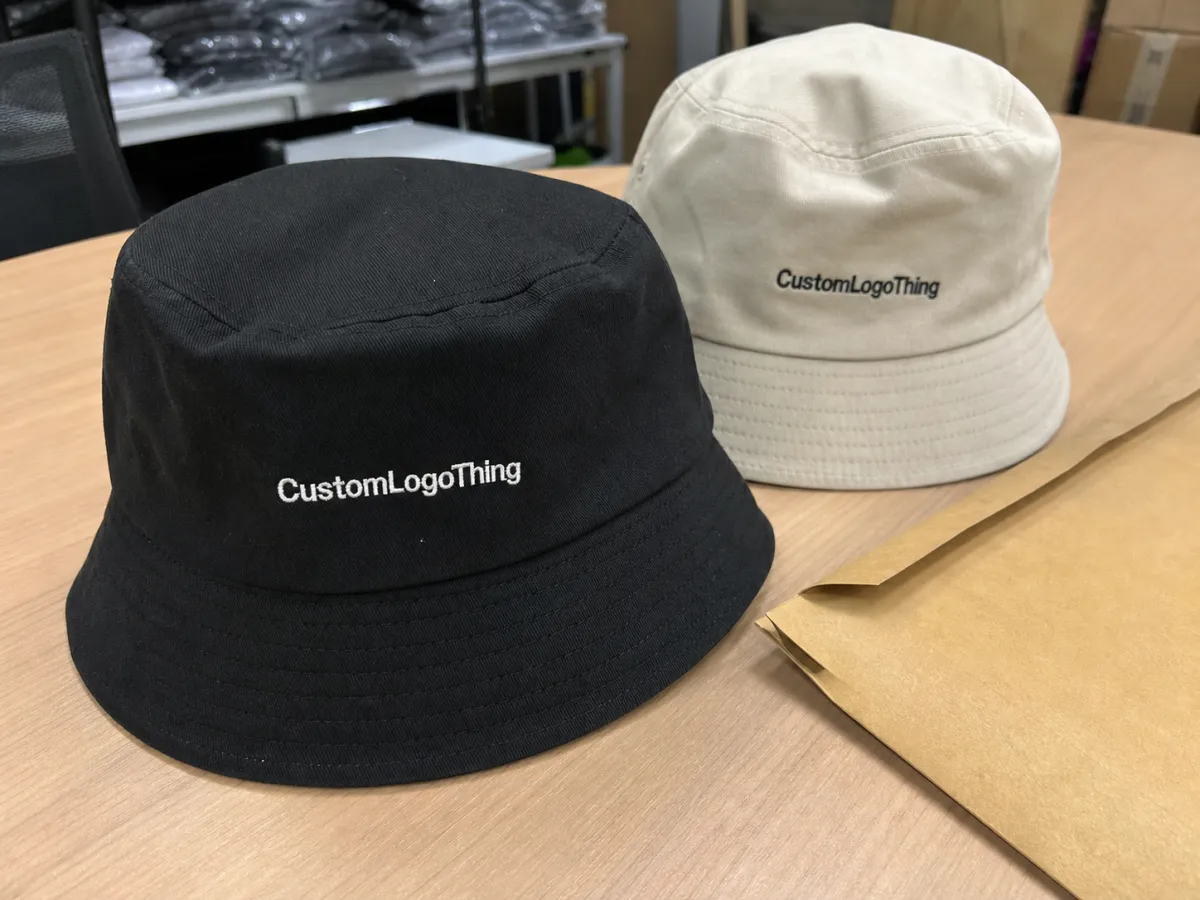
A taproom can sell through a case of caps faster than a seasonal beer batch if the design, fit, and price are right. That is why a beer trucker caps MOQ guide should be treated as a buying tool, not a style article or a loose merch brainstorm.
Trucker caps work unusually well for beer brands because they solve several commercial problems at once. Mesh backs breathe during outdoor festivals, broad front panels give a brewery logo enough space to read from a few steps away, adjustable snapbacks reduce sizing risk, and a manageable landed cost can support resale, staff use, launch kits, or promotional giveaways.
The MOQ decision is a risk calculation. Order too few caps and setup charges, freight, Proofing, and Reorder timing can punish the unit cost. Order too many and cash gets trapped in stale inventory: a retired beer name, an event date that has passed, or a colorway that looked energetic on screen but feels too loud on a retail shelf.
Caps behave more like packaging than many buyers expect. The order is not only fabric, mesh, thread, and fit; it is logo visibility, color consistency, repeatability, carton protection, and a reorder path that does not require rebuilding the same spec from scattered emails six months later.
This guide is written for breweries, beer distributors, taprooms, bottle shops, festival organizers, and beverage brands ordering Custom Trucker Caps for resale, staff uniforms, launch kits, VIP merchandise, or distributor incentives. The goal is practical: clearer specifications, cleaner pricing, fewer expensive surprises.
What Makes Beer Trucker Caps Different From Generic Promo Hats
A beer trucker cap is usually a structured or semi-structured cap with a foam, cotton twill, polyester, canvas, or performance-fabric front; a breathable mesh back; a curved or flat visor; and an adjustable snapback. The decoration method matters as much as the blank cap. Embroidery, woven patches, leather patches, embroidered patches, and printed patches all change how the logo reads under taproom lighting, sun glare, and mobile-phone photos.
Generic promo hats often aim for the lowest possible handout cost. Brewery caps carry a heavier job. They may sit on a taproom retail shelf at $22 to $35, identify bartenders during a crowded release, travel with sales reps, support a festival booth, or become part of a limited-release bundle. A weak cap does not just disappoint the wearer; it makes the brand feel cheaper than the beer.
Front panel choice is the first real decision. Foam truckers give vintage beer-ad energy and support bold printed graphics. Cotton twill feels familiar and retail-friendly. Polyester performance fronts suit outdoor events, summer staff use, golf outings, and hot festival days. Canvas can feel more rugged, especially for breweries using outdoors, fishing, workwear, or heritage cues in their visual identity.
Fit is the second decision. Mid-profile caps usually sell broadly because they avoid the extremes. High-profile foam truckers create a stronger visual statement, but not every customer wants that height. Low-profile caps feel more lifestyle-oriented and can work better for breweries that already sell premium tees, jackets, or quieter merch.
The decoration tradeoff is where orders often get complicated. Embroidery feels premium, but tiny text, distressed type, hop cones, thin line art, small ABV details, and curved badges can close up once thread replaces ink. Patches often handle detailed beer artwork better. Printed patches or transfers can support bold event graphics at a lower cost, though they may not have the same tactile value as a stitched, woven, or leather patch.
Practical rule: if the logo must be understood instantly from across a bar, simplify it before quoting. If the art must preserve can-label detail, consider a patch before approving dense embroidery.
Alcohol branding also needs a sober check before production. Brewery logos, distributor co-branding, festival marks, promotional language, and state-specific alcohol advertising rules should be reviewed before artwork is released. A cap with an unauthorized event logo or outdated partner mark can become unusable inventory before the carton is even opened.
Cap Specifications That Affect Fit, Shelf Appeal, and Reorders
Before asking for bulk pricing, lock the core specification. At minimum, define crown height, front panel material, mesh color, visor shape, closure type, sweatband, seam tape, button color, stitching color, inside labeling, and decoration size. These details sound small until the second order arrives with a different mesh shade, a softer crown, or a logo placed slightly too high.
Structured caps hold shape better for retail displays, product photography, and cartons packed for shipping. Unstructured caps feel softer and more relaxed, but a collapsing front panel can make a logo look wavy or poorly placed. For brewery retail, structured or semi-structured caps are usually safer unless the brand is intentionally chasing a worn-in, low-profile look.
Visor shape changes the buyer pool. Curved bills feel familiar for staff uniforms, fishing tournaments, golf outings, distributor crews, and outdoor beer festivals. Flat bills can work for streetwear-led breweries, anniversary drops, or limited releases tied to a strong graphic identity. Neither option is automatically better. The audience decides, and the cap should match how that audience already wears merch.
Logo placement affects perceived value more than many buyers realize. Center-front decoration is the standard because it photographs well and gives the brand the strongest read. Side embroidery can carry a city name, batch detail, small hop mark, or anniversary year. Back arch text can add a slogan above the snap. Under-visor printing can make the cap feel collectible for a limited drop, but it adds cost and proofing complexity.
Color strategy deserves discipline. Navy, charcoal, black, cream, forest green, and washed khaki usually sell longer than neon or highly seasonal colors. That does not make bold colors wrong. A lime mesh cap might be perfect for a summer radler launch, and a blaze-orange detail may fit a hunting-season release. Just do not confuse seasonal attention with year-round sell-through.
- Logo alignment: center-front artwork should sit level and consistent across the run.
- Thread density: embroidery should cover cleanly without puckering the panel.
- Patch adhesion: heat-applied or stitched patches should not lift at the edges.
- Mesh tension: side panels should feel even, not loose, twisted, or warped.
- Snapback durability: closures should open and close without cracking under normal use.
- Carton packing: crowns should be protected from crushing during freight.
Create a one-page cap spec sheet after the first order. Include photos, Pantone or closest thread references, decoration measurements, carton quantity, approved proof notes, and any substitutions that were accepted. A MOQ guide helps with the first decision; a spec sheet protects every reorder.
MOQ, Pricing, and Unit Cost: How the Numbers Actually Move
MOQ is not arbitrary. It reflects blank cap sourcing, decoration setup, machine time, labor, proofing, packing, and freight economics. A 48-piece order may be perfect for a staff test or small VIP group, but setup charges and shipping can make each cap noticeably more expensive than a 144-piece or 288-piece production run.
The sharpest cost-per-piece drop often appears between the smallest test run and the first efficient tier. Ask for pricing at several quantities, such as 48, 144, 288, and 576 pieces. The numbers will usually reveal the real decision: are you testing a design, stocking retail inventory, filling event tables, or supporting a broader distributor push?
| Quantity Tier | Best Use | Typical Cost Behavior | Buyer Risk |
|---|---|---|---|
| 48 pieces | Staff test, sample retail drop, small VIP group | Higher unit cost because setup and freight spread across fewer caps | Low inventory risk, weaker margin |
| 144 pieces | Taproom resale, small festival booth, launch bundle | More efficient pricing; often a better balance of cash and volume | Moderate inventory risk if design is too specific |
| 288 pieces | Retail program, distributor incentives, multi-event use | Lower unit cost; better setup efficiency | Requires stronger sell-through plan |
| 576 pieces | Multi-location breweries, large festivals, broad promotion | Best bulk pricing in many standard programs | Higher cash exposure and storage demand |
Price drivers are predictable: cap style, material, number of logo locations, embroidery stitch count, patch type, patch size, private labels, individual bagging, carton quantity, rush production, and shipping method all move the final quote. A simple embroidered logo on a standard mesh trucker may land very differently from a woven patch with side embroidery, custom seam tape, and individual polybagging.
For a practical benchmark, many standard custom trucker cap orders land in the broad range of $5.50 to $12.50 per cap before retail markup, depending on quantity, decoration, and logistics. Premium patch programs, complex branding, smaller runs, or rush freight can push higher. Not every order will sit in that range, but it is a useful starting point for deciding whether the project is merchandise inventory or marketing spend.
Resale math should guide the quantity. If the landed unit cost allows a healthy margin at the taproom shelf price, the caps behave like inventory. If the math does not work, control the quantity and treat the order as promotion. A $9.25 landed cap sold at $28 has room for margin, staff discounts, and occasional bundle pricing. A $15.80 cap given away at a festival needs a different justification.
Hidden costs cause the most friction: artwork cleanup, PMS color matching, pre-production samples, tooling fees for certain patch types, split shipments, storage, rush freight, and rework if the logo file is not production-ready. A useful beer trucker caps MOQ guide should surface those costs before the purchase order, not after approval.
Production Process and Timeline From Artwork to Delivered Caps
A clean order process usually follows a sequence: inquiry, cap style selection, quantity planning, artwork review, quote approval, digital proof, optional sample, production, quality control, packing, and delivery. Skip steps and the risk does not disappear. It moves downstream, where corrections cost more and deadlines feel tighter.
Digital proofing is usually faster than physical sampling, but it is not a substitute for clear specifications. Embroidery and patch production create different pressures. Embroidery needs digitizing and stitch review. Woven, embroidered, or leather patches may require separate patch production before application. Rush jobs depend on blank availability, art readiness, approval speed, decoration capacity, and freight.
The bottleneck many buyers underestimate is artwork approval. Sewing may take less time than getting a complicated beer logo converted into something that works on a curved cap front. Distressed type, gradients, fine outlines, small location text, and illustrated can art often need adjustment. Better to simplify before production than explain a muddy logo after delivery.
A strong proof should show the cap color, front view, side view if applicable, decoration size, thread or patch colors, placement measurements, closure type, and private label details. If the proof only shows a floating logo on a blank template, ask for more information. Ambiguity is not a production strategy.
For fixed events, work backward from the in-hands date. Add buffer for freight, receiving, counting, staff allocation, retail tagging, and replacement of damaged cartons. A cap that ships on Friday but arrives after a Saturday festival is still a missed opportunity, even if production technically finished on time.
Physical samples are worth considering for first-time brewery orders, premium retail caps, complex can-art translations, leather patches, and larger runs where a small error multiplies quickly. If the order is a simple repeat with a documented spec sheet, a digital proof may be enough. The right choice depends on deadline, budget, and risk tolerance.
Packaging standards offer useful thinking here. ISTA testing methods are built around transport realities: compression, vibration, drops, and handling. Caps are not glass bottles, but crushed crowns, wet cartons, and poor inner packing still create commercial damage. The carton is part of the product experience.
Quality Control Mistakes That Turn Cap Orders Into Dead Stock
Dead stock is the real enemy. A cheap cap nobody wears is more expensive than a better cap that sells through in three weekends. The invoice may look smaller, but the shelf tells the truth.
The common mistakes are rarely exotic. Buyers choose a crown shape their audience dislikes. They approve tiny embroidered text. They use low-contrast logo colors. They skip proof details. They order 300 caps tied to one dated event. They ignore carton protection, then discover crushed fronts when the shipment arrives.
Beer branding creates specific decoration problems. Illustrated mascots, hop cones, distressed typography, fine line art, gradients, small ABV numbers, and curved brewery names may reproduce beautifully on a can label but poorly in thread. Embroidery is physical. It has thickness, direction, tension, and limits. If the artwork depends on hairline detail, a patch or print method may be the cleaner choice.
Test the cap like a buyer. Put it on a shelf. Photograph it from six feet away. Place it beside cans, tap handles, and a cardboard beer carrier. Have a staff member wear it for ten minutes. Ask one hard question: does the logo read instantly, and would someone pay for this?
Promotional acceptable and retail acceptable are different standards. A giveaway cap can be simpler if the purpose is reach. A retail cap needs better materials, cleaner decoration, stronger fit, and a reason to command the shelf price. If your taproom normally sells premium glassware, heavyweight tees, and well-finished packaging, a flimsy cap will look out of place.
On arrival, inspect quickly. Count cartons. Check shade consistency across panels. Review decoration alignment. Pull-test patches lightly. Open and close snapbacks. Photograph defects before inventory is mixed into retail, staff use, and event kits. For broader packaging and sustainability claims, resources such as the Forest Stewardship Council can help buyers understand responsible material claims on paper-based packaging used around merch kits.
The best cap program is repeatable. A successful reorder lowers decision friction, protects brand consistency, and keeps the sales team from rebuilding specifications every quarter.
How Custom Logo Things Supports Brewery Cap Orders
Custom Logo Things approaches brewery cap orders with the same operational logic used in custom packaging: specifications, repeatability, color control, carton integrity, and deadline discipline. Branded merchandise fails in many of the same places packaging fails. Vague specs. Unclear artwork. Unchecked color assumptions. Loose timelines.
The sales process is consultative without turning the order into guesswork. Buyers can compare cap styles, decoration methods, MOQ tiers, and delivery options before committing. The sharper questions are usually simple: what is the quantity, what is the use case, what margin is needed, and what deadline cannot move?
Artwork support is often where the order improves fastest. Logos can be reviewed for embroidery or patch production, small-text issues can be flagged, thread or patch alternatives can be suggested, and proofs can be prepared with enough detail to reduce ambiguity. If a can-art illustration will not hold up as direct embroidery, it is better to solve that early.
Sourcing flexibility also matters. Some breweries need a small test run to validate fit and shelf appeal. Others need larger retail or distributor runs where unit cost and bulk pricing carry more weight. Some want caps coordinated with other branded packaging or merchandise, such as bottle carriers, sticker packs, shipping cartons, event kits, or taproom gift bundles.
That cross-category view is useful because a cap does not live alone. It appears beside cans, crowlers, glassware, boxes, labels, and retail signage. Matching cap colors to packaging assets creates a more coherent customer experience without forcing every item to look identical.
The advantage is practical rather than mysterious: fewer surprises, cleaner specs, better cost visibility, and a cap order that arrives ready to sell or distribute. For process questions beyond caps, buyers can also review the Custom Logo Things FAQ before requesting a quote.
Next Steps Before You Request a Custom Trucker Cap Quote
Before requesting pricing, gather the basics. You do not need every answer nailed down, but a prepared buyer gets a more useful quote and fewer revisions.
- Target quantity: ask for two or three breaks, such as 48, 144, and 288 pieces.
- Cap style: foam trucker, cotton twill trucker, performance trucker, curved bill, or flat bill.
- Preferred colors: front panel, mesh, visor, stitching, and button color.
- Logo file: vector AI, EPS, or PDF is best; high-resolution PNG may help for review.
- Decoration method: embroidery, woven patch, embroidered patch, leather patch, or printed patch.
- Use case: retail merch, staff uniform, giveaway, launch kit, distributor incentive, or event sale.
- Deadline and delivery address: include the in-hands date, not just the event date.
- Resale price target: tell the supplier if the cap needs to retail at $20, $28, or $35.
Decide what is mandatory and what can flex. The patch may be non-negotiable. The mesh color may not be. A snapback might be required for broad sizing, while seam tape color could be adjusted to keep the project on schedule. Flexibility can protect both cost and timing.
Review inventory risk with clear eyes. Avoid overcommitting to dated event caps, one-off beer names, or experimental colors unless the sales channel is already proven. If a design is tied to a limited release, consider a lower MOQ and accept the higher unit cost as insurance against leftovers.
Ask for quote details, not just a final number. Setup charges, sampling costs, decoration size, carton count, freight method, and proof approval terms all affect the landed cost. If you still have process questions, the FAQ can help you prepare before sending artwork and quantities.
A beer trucker caps MOQ guide is most useful when it turns a vague merch idea into a quote-ready order with clear specs, realistic pricing, and a delivery date the buyer can plan around.
FAQ
What is a typical MOQ for custom beer trucker caps?
MOQ depends on cap style, decoration method, and supplier setup requirements. Buyers should commonly compare low test quantities against more efficient production tiers such as 144, 288, or 576 pieces. The lowest MOQ is not always the best value because setup charges, proofing, and freight can push the unit cost higher.
How does a beer trucker caps MOQ guide help lower unit cost?
A beer trucker caps MOQ guide helps buyers see where fixed costs are spread across more caps, which is why unit price often drops as quantity increases. It also separates test orders, retail inventory orders, and event orders so the buyer does not overbuy or underbuy.
Which decoration method is best for brewery trucker caps?
Embroidery works well for bold, simple logos. Woven, embroidered, leather, or printed patches are often better for detailed beer artwork. The best method depends on logo complexity, desired retail feel, budget, and production timeline.
How long does production take for custom beer trucker hats?
Timeline depends on artwork readiness, proof approval, sampling, decoration type, quantity, and shipping method. Buyers with a fixed festival or launch date should confirm the in-hands date and build in buffer for receiving, counting, and sorting.
What should I prepare before requesting a beer cap quote?
Prepare the desired quantity, cap style, logo file, decoration preference, color direction, deadline, shipping location, and whether the caps are for retail, staff, giveaways, or event kits. Ask for multiple quantity breaks so you can compare MOQ, pricing, and unit cost before placing the order. For general ordering questions, review the FAQ before submitting files.


