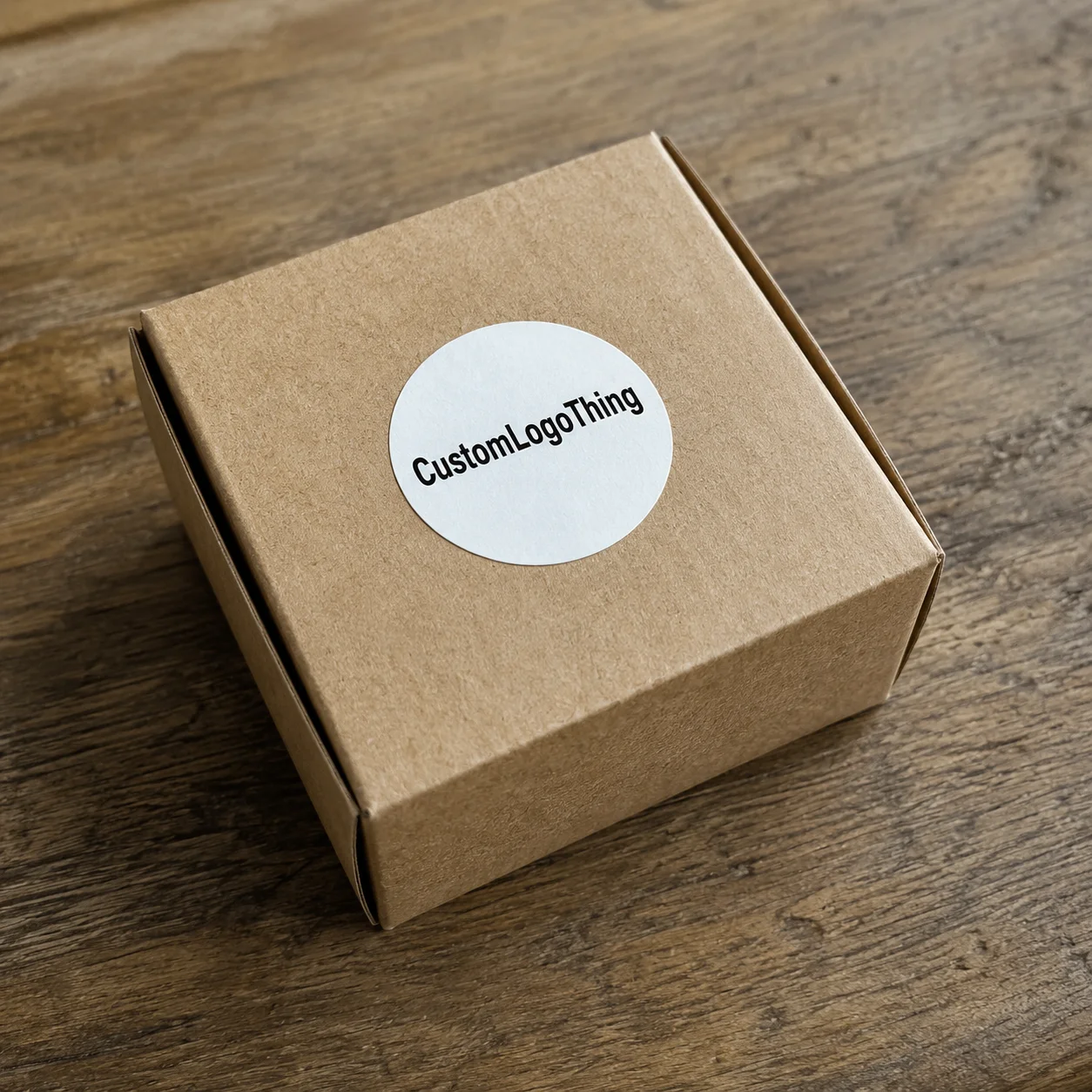
Buyer Fit Snapshot
| Best fit | environmentally safe product packaging options for packaging buyers comparing material specs, print proof, MOQ, unit cost, freight, and repeat-order risk where brand print, material, artwork control, and repeat-order consistency matter. |
|---|---|
| Quote inputs | Share finished size, material target, print colors, finish, packing count, annual reorder estimate, and delivery region. |
| Proofing check | Approve dieline scale, logo placement, barcode or warning zones, color tolerance, and any recyclable or compostable wording before bulk production. |
| Main risk | Vague material claims, crowded artwork, or missing packing details can create delays even when the unit price looks attractive. |
Fast answer: Environmentally Safe Product Packaging Options: Material, Print, MOQ, and Cost should be specified like a repeatable production item. The safest quote includes material, print method, finish, artwork proof, carton packing, and reorder notes in one written spec.
What to confirm before approving the packaging proof
Check the product dimensions against the actual filled item, not only the sales mockup. Ask for tolerance on folds, seals, hang holes, label areas, and retail display edges. If the package carries a logo, QR code, warning copy, or legal claim, reserve that space before decorative graphics fill the panel.
How to compare quotes without losing quality
Compare board or film grade, print process, finish, sampling route, tooling charges, carton quantity, and freight assumptions side by side. A lower quote is only useful if the supplier can repeat the same color, closure quality, and packing count on the next order.
I still remember a glossy "eco" mailer that split open during a 24-inch drop test, and I am not exaggerating when I say that one failure changed the way I judge the best environmentally safe product packaging. Years on factory floors in Shenzhen, Dongguan, Ningbo, and a corrugated plant in Aurora, Illinois taught me the same lesson over and over: packaging that looks beautiful in a sample room can still collapse under real shipping abuse, and once a customer opens a damaged box, the sustainability story loses credibility fast. I have seen teams argue for thirty minutes about recycled content in a meeting on the sixth floor of a Shenzhen office tower, then quietly ignore the fact that the package could not survive a corner drop from 24 inches onto concrete. That mismatch still frustrates me, especially when the line item is only $0.18 or $0.22 per unit and the damage claim is $18.00, because the best environmentally safe product packaging should protect the product first and support the brand second.
My honest read is simple. The best environmentally safe product packaging depends on product weight, moisture exposure, shipping distance, and whether buyers can actually recycle or compost the package where they live. For a 12 oz candle shipping from Ohio to Arizona, the right answer is rarely the same as for a 2 oz serum bottle going from Suzhou to Seattle. For fragile products, molded pulp usually gives the strongest protection story. For e-commerce, corrugated paper mailers and boxes do most of the heavy lifting. For retail-ready presentation with broad recycling access, recycled-content cartons are usually the cleanest answer. Every other option is a tradeoff, and the people selling miracle materials usually leave out the part where the numbers get ugly, especially when the freight cube climbs from 0.7 to 1.2 cubic feet per order. That is why I keep coming back to the best environmentally safe product packaging as a balance of protection, disposal, and cost.
What Is the Best Environmentally Safe Product Packaging I'd Actually Buy?
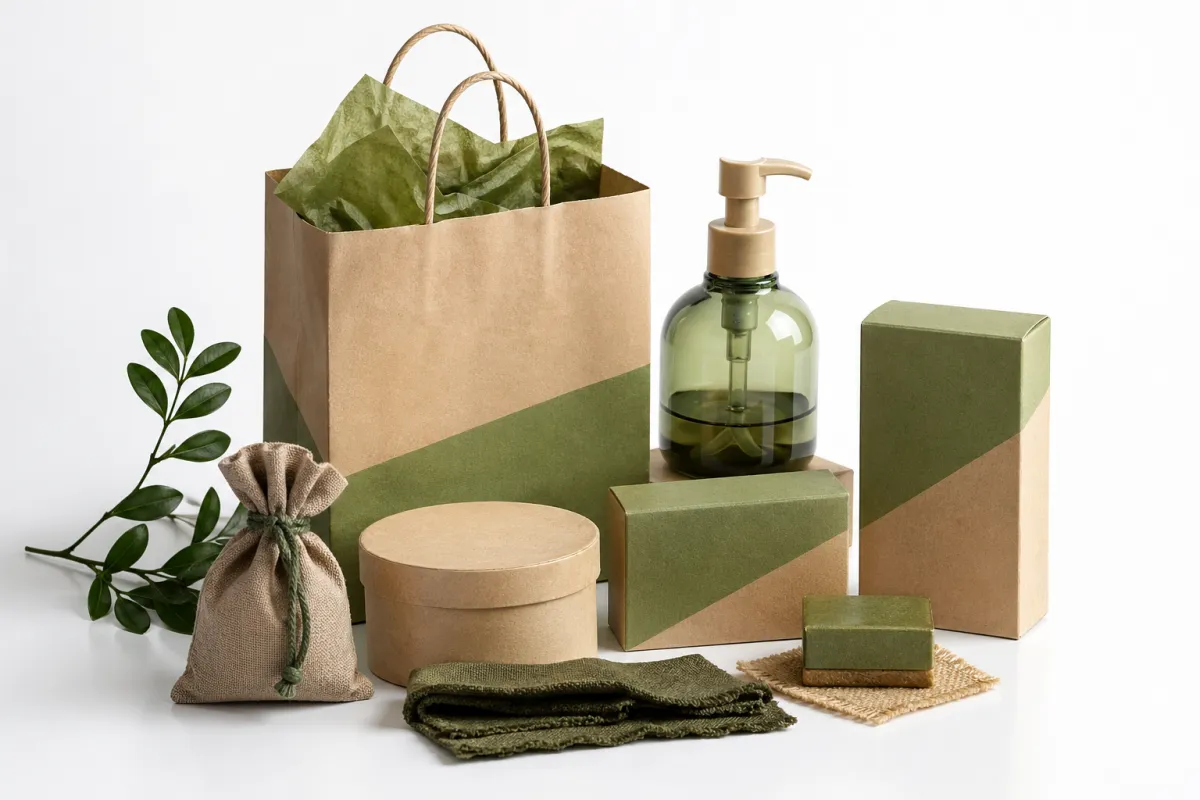
I learned this in Guangzhou during a meeting for ceramic diffusers. The client wanted the greenest possible pack, and the first sample was a plant-based mailer that looked like it belonged in a museum display case, with a matte finish and a soft off-white tint. It failed the first edge drop, then failed again after a 72-hour humidity cycle at 80% relative humidity and 30 degrees Celsius. That kind of packaging wins applause in a conference room and loses money in fulfillment. I remember staring at the broken sample on a steel table in Panyu and thinking, with more frustration than grace, that no one can ship wishful thinking, especially not at 8,000 units per month, and definitely not if the goal is the best environmentally safe product packaging.
If you want the best environmentally safe product packaging in one line, I would put it this way: choose the lightest material that survives your shipping test, then confirm the end-of-life claim against the actual disposal options in the markets you sell into. For fragile goods, molded pulp is usually the safest move, especially when the tray density is around 0.55 to 0.70 g/cm3 and the walls are shaped for corner support. For general shipping, corrugated paper mailers and cartons are the practical choice, and a 32 ECT single-wall box with a 1.5 mm E-flute insert is often a good starting point. For retail presentation, recycled-content cartons give you a strong balance of print quality, curbside recycling access, and cost control. If a product is moisture-sensitive, I would rather add a recyclable barrier or redesign the insert than trust a compostable film with fuzzy instructions. A lot of brands get seduced by the word compostable before they have checked whether industrial composting exists within 25 miles of the customer, which is why the best environmentally safe product packaging usually starts with fit and function, not marketing language.
I have seen brands overpay for compostable packaging because the sales deck sounded noble, then discover their customers in Ohio, Texas, and British Columbia had no industrial composting access within a sensible distance. That is not sustainability. That is expensive theater with a green label on top. I have sat in that meeting in a conference room outside Toronto while somebody nodded at a bar chart and then asked why freight rose by 14%. The room got very quiet after that, because the answer was a bigger carton, extra dunnage, and a material that needed a special disposal path nobody could actually use. The best environmentally safe product packaging should never depend on wishful thinking about local infrastructure.
The rule I use with founders and procurement teams is plain: pick the best environmentally safe product packaging based on performance first, recycling access second, and brand story third. Flip that order and you usually end up replacing damaged inventory, fielding complaints, and paying for wasted freight. A packaging line that costs $0.27 per unit but prevents a 3.5% damage rate is usually better than a $0.19 option that turns into a return storm after 1,000 shipments. That logic is not glamorous, but it is exactly why sustainable packaging keeps its credibility when it reaches a warehouse dock.
The top three options by use case are straightforward:
- Molded pulp for fragile goods like glass bottles, electronics, cosmetics, and inserts that need real cushioning.
- Corrugated cardboard mailers and boxes for e-commerce shipping, subscription kits, and retail packs that need to survive conveyors, stacking, and drops.
- Recycled-content cartons for brands that want broad curbside recycling access and a cleaner presentation with custom print.
Cost matters, too. The best environmentally safe product packaging is rarely the lowest unit price on a quote sheet. It is the pack that cuts damages, keeps disposal clear, and stays inside landed cost, which is the only number that really matters once freight, labor, and returns are included. That is the practical version of sustainability, the one that finance, operations, and customer service can all live with. I have never once had a warehouse supervisor celebrate a cheap carton that turned into a return storm, especially when the repack labor hit 42 seconds per order. In real operations, the best environmentally safe product packaging has to earn its keep through the entire supply chain.
"If a supplier says a package is eco-friendly but cannot show the fiber content, the test method, or the disposal path, I assume the brochure did most of the work."
For technical checks, I usually send teams to the ISTA testing standards for distribution testing and the EPA recycling guidance for disposal realities. Those two references cut through a lot of wishful thinking. If you are comparing custom formats, the starting point is often Custom Packaging Products, because structure drives the rest of the decision, from board grade to print method to how the pallet stacks in a 53-foot trailer. That is usually where the best environmentally safe product packaging decision becomes real instead of theoretical.
Top Options Compared for the Best Environmentally Safe Product Packaging
I keep a simple scoreboard for the best environmentally safe product packaging: protection, recyclability, compostability, weight, printability, and minimum order quantity. If a supplier cannot explain where the material belongs after use, I assume there is a catch hiding in freight, compliance, or both. I learned to ask that question early because the answer usually reveals whether the material is real or just attractive on paper, and the difference often shows up in the first sample run at 500 pieces versus 5,000 pieces. It also tells me whether the supplier is selling sustainable packaging or just borrowing the language of sustainability.
The sales pitch always sounds cleaner than the field reality. Molded pulp cushions beautifully, yet it can feel rough for luxury presentation unless the tooling and surface finish are handled with care. Corrugated cardboard is the workhorse I trust most; it is strong, widely recyclable, easy to print, and available from major converters in North America as well as export mills across South China, especially around Guangdong and Zhejiang. Paper mailers work nicely for light shipments, then start misbehaving the moment weight climbs past 2.5 lb or a sharp corner presses through the outer layer. Bagasse trays make sense for food-adjacent uses, but they are not the right answer for every category. Compostable films sound elegant until the shelf-life notes and disposal requirements come into view. I have had samples that looked almost too perfect until a technician handled them with wet gloves and the whole illusion fell apart in thirty seconds. The best environmentally safe product packaging usually survives that kind of hands-on reality.
Here is how I compare the main categories I actually trust in the field for the best environmentally safe product packaging decisions.
| Material | Best Use | Strength | End-of-Life | Typical Price Range |
|---|---|---|---|---|
| Molded pulp | Fragile inserts, bottle shippers, device trays | High cushioning, moderate crush strength | Usually recyclable; sometimes compostable depending on additives | $0.18-$0.55/unit at 5,000-20,000 units |
| Corrugated cardboard | Shipping boxes, mailers, retail cartons | High structural strength | Widely curbside recyclable | $0.22-$1.20/unit depending on size and print |
| Paper mailers | Apparel, soft goods, light accessories | Moderate | Usually recyclable if clean and dry | $0.10-$0.35/unit |
| Bagasse trays | Food packaging, sample kits, inserts for dry goods | Moderate | Often compostable in industrial systems | $0.08-$0.28/unit |
| Kraft wraps | Void fill, wrapping, light protection | Low to moderate | Widely recyclable | $0.04-$0.14/unit equivalent usage |
| Plant-based compostables | Niche use where composting access is proven | Variable, often lower than expected | Industrial compost only for many SKUs | $0.15-$0.60/unit |
The table leaves out the part that usually decides the project. A paper mailer can look cheaper per unit, then force a larger carton and raise freight enough to erase the savings. A molded pulp insert may cost more at first glance, then save the entire program by reducing breakage. That is why the best environmentally safe product packaging is rarely the material with the lowest quote. In one project out of Foshan, a carton at $0.21 per unit looked expensive until the return rate fell from 2.8% to 0.9%, which saved more than $11,000 over a 60-day launch window. The Best Sustainable Packaging choice is often the one that avoids losses nobody planned for.
I had a supplier in Ningbo pitch a bio-based tray for supplement jars at $0.11 per unit. It sounded attractive until the mold needed a revision, the freight came in heavier than expected, and the first production run exposed a rework issue. The real landed cost at 15,000 units ended up close to $0.29 once tooling, freight, and approval samples were counted. That is the exact moment when I remind buyers to calculate landed cost, not quote cost, if they want the best environmentally safe product packaging for an actual business. Also, the supplier kept saying "almost there" in a tone that made me want to hide under a pallet rack.
Printability matters more than a lot of teams admit. If the surface cannot carry clear disposal instructions, recycling icons, or a clean brand message, customers guess. Guessing turns into trash. The best environmentally safe product packaging should help the buyer make the right choice in under ten seconds, without a scavenger hunt on the back panel. I have watched shoppers in a Chicago retail aisle flip a box over three times and still miss the disposal note because the type was set at 6 pt and the contrast was muddy. That is not a customer problem. That is a packaging problem, and it is why recyclable packaging needs clear artwork as much as it needs the right fiber.
Detailed Reviews of the Best Picks
Molded pulp for fragile products
Molded pulp is one of the few materials that consistently earns its keep. I have used it for glass jars, small electronics, serum bottles, and candle systems where the insert does the real protection work. If you need the best environmentally safe product packaging for cushioning, molded pulp usually sits near the top because it absorbs shock, nests well, and can be shaped for odd product profiles without forcing a ton of extra material into the design. I still think there is something satisfying about seeing a tray lock a fragile product in place without any foam drama, especially when the cavity is built around a 58 mm bottle neck or a 92 mm jar diameter. It is one of the clearest examples of sustainable packaging doing a hard job well.
It is not flawless. In a humid test room in Shenzhen, I watched a lower-grade pulp insert soften just enough to lose clean edge support after 72 hours at 85% relative humidity. The product survived, but the fit looked sloppy and the presentation suffered. That is where density, wall design, and drying process matter. Ask for compression data, moisture content, and edge integrity details, not just a polished photo of the tray. If the supplier cannot give you those numbers, keep looking. If they start talking around the question, that is usually the moment I stop being polite and start asking the same question three different ways. For a serious program, I want tray density, target moisture content under 8%, and a defined pull strength test from the factory in Dongguan or Xiamen, not just a stock image. That level of detail is what separates the best environmentally safe product packaging from a pretty sample that only works in a showroom.
Best for: glass, ceramics, devices, and premium inserts that need shock absorption.
Worst for: wet environments, high-gloss luxury presentation without finishing, and very tight-budget programs.
Overlooked detail: buyers often forget to test stack strength after humidity exposure.
Corrugated cardboard for shipping boxes and mailers
Corrugated is the old reliable choice, and I mean that as praise. After enough customs delays, warehouse pileups, and packaging redesigns, dependable material starts looking very elegant. For e-commerce, Custom Printed Boxes, and protective mailers, corrugated is often the best environmentally safe product packaging because it is broadly recyclable, structurally strong, and flexible enough for everything from plain brown cartons to branded packs with one-color or full-color print. I have seen corrugated save a launch more than once simply because it tolerated a messy real-world supply chain better than the fancier alternative, especially on parcel networks moving through Louisville, Memphis, and Secaucus. If a brand wants recyclable packaging with broad consumer familiarity, corrugated is hard to beat.
At a corrugated plant outside Chicago, the plant manager showed me how a simple B-flute mailer outperformed a prettier E-flute version once the carton started moving through the sorting line. That one structural choice cut the client’s damage claims by about 4.2% over the next quarter. No glamour. Just fewer replacements and less customer frustration. I still remember the manager shrugging like this was obvious, which, to be fair, it was. The less exciting box usually won because it behaved better under pressure, especially at the corners and during compression stacking on a 40-inch pallet. That is why the best environmentally safe product packaging often looks simple from the outside and smart from the inside.
Corrugated also gives brand teams plenty of room. Water-based inks, soy-based inks, embossing, and restrained spot color all work without turning the pack into a chemistry lesson. If you need retail packaging that also ships well, corrugated gives you a sensible middle ground with real manufacturing depth behind it. A 350gsm C1S artboard sleeve over a corrugated mailer, or a 32 ECT box with a clean one-color logo, can deliver a strong shelf impression without overcomplicating production in Suzhou or Ontario, California. It is one of the most reliable paths to the best environmentally safe product packaging when the brand needs both presentation and survival.
Paper mailers and kraft wraps for light products
Paper mailers are a strong fit for apparel, books, soft goods, and smaller accessories. Kraft wraps work well as void fill or as a light protective layer. For lighter shipments, this is often the best environmentally safe product packaging because it reduces plastic use, keeps the package light, and still gives the customer a tidy unboxing experience. It can feel pleasantly simple, which I appreciate more and more the longer I spend around packaging programs with too many moving parts, especially when the SKU count sits at 18 or 24 and the warehouse wants one pack format for all of them. It also reads clearly as eco-friendly packaging without needing a long explanation.
The catch shows up fast if the assumptions are wrong. Corners, moisture sensitivity, and puncture risk can turn a paper mailer into an expensive mistake. I saw a direct-to-consumer candle brand save $0.06 per order on mailers and then lose $1.80 per damaged shipment when summer transit smeared wax residue through the outer wrap. That is not a close call. It is a margin leak. Frankly, I wanted to hand the team a calculator and a roll of tape and tell them to try again. Their issue was not the mailer itself; it was the fact that the candle tin had a sharp lid edge and the team never tested it in a 95-degree delivery van. The best environmentally safe product packaging for light goods still has to survive real handling, not just a tidy desk sample.
If you use paper mailers, test them in the same conditions your warehouse sees. Run them through a conveyor simulation, a drop test, and a wet-handling check. A package should survive the people who move it, not just the person approving the mockup on a desk. I usually ask for a 3-foot drop on all six faces, then a 24-hour humidity exposure, because the truth usually shows up somewhere between those two tests. That is especially true when the best environmentally safe product packaging needs to stay intact through regional weather swings and carrier sorting.
Bagasse trays and compostable alternatives
Bagasse can be a good fit for food-adjacent products or sample applications, especially where dry goods and tray presentation matter. Compostable options deserve serious consideration, yet they are not automatically the best environmentally safe product packaging. They become the right choice only when the disposal system, shelf life, and product use all line up without guesswork. A 6-cavity bagasse tray for tea samples may work well in Portland or San Francisco, but that same spec can become confusing in markets where industrial composting is 40 or 50 miles away. The material can be honest and useful, but only if the infrastructure is there.
I have watched buyers fall hard for plant-based language and ignore the practical details. If the package needs industrial composting and most of your customers live in places without access, the end-of-life claim turns into a story instead of a solution. That is not malicious. It is just useless. Real credibility comes from certification details, clear disposal instructions, and a supply chain that can actually support the claim. FSC, ASTM, and local composting rules matter more than a green icon in the corner. I know that sounds a little blunt, but I would rather be blunt than ship a box that tells half-truths. If the vendor cannot cite ASTM D6400 or D6868 where relevant, I treat the claim as unfinished. In practice, the best environmentally safe product packaging here is the one that can be explained simply and verified easily.
Plant-based films and bio-based wraps
These materials can be useful for specific inner packaging or moisture-sensitive applications, but I approach them with caution. A lot of buyers treat bio-based, compostable, and sustainable like they all mean the same thing. That shortcut costs money. Film performance can fall apart under heat, shelf time, or warehouse pressure faster than the marketing language suggests. I have opened samples that were supposed to be premium compostable film and watched the seal curl like a bad mood in August, especially when the warehouse sat at 29 degrees Celsius and the shipment had been cross-docked twice.
If I am evaluating the best environmentally safe product packaging for a product that absolutely needs a flexible layer, I want shelf-life data, tear resistance, and disposal certification before I care about color or finish. A pretty sample means very little if the seam opens during summer transit. I would rather approve a plain, well-tested wrap that holds a 500 g product through 14 days in transit than a beautiful one that fails before the box reaches Phoenix. That is the kind of practical standard that keeps eco-friendly packaging from becoming a liability.
The honest verdict is plain: use this category only after you have verified the disposal infrastructure, verified the shelf requirements, and verified the product risk. If those pieces are not locked down, corrugated or paper usually wins on trust and simplicity. That is especially true for direct-to-consumer brands shipping from the Midwest to the Southwest, where heat and handling can punish marginal materials. The best environmentally safe product packaging is the one that makes those risks boring.
Price Comparison for Environmentally Safe Product Packaging
People always ask, "What is the cheapest sustainable option?" That question is too blunt to be useful. The real issue is landed cost. The best environmentally safe product packaging can look expensive per unit and still save money if it cuts breakage, trims freight, and reduces warehouse labor. I have seen the cheapest-looking option become the most expensive line item in the whole project, and the spreadsheet had the nerve to prove it after we compared returns across 3,200 orders. It is one of the reasons I push buyers to think about recyclable packaging and freight together, not as separate decisions.
I prefer to explain pricing from the plant floor, not from a sales deck. A few years ago I negotiated a run of 20,000 recyclable cartons for a cosmetics client at $0.31 per unit after print. Another vendor offered a compostable mailer at $0.24, which seemed better until we added shipping cube, freight zone, and replacement rates. By the time the math settled, the cheaper option was really costing $0.09 more per fulfilled order. That difference came from a 17% larger cube and a 5.8% higher damage rate, which the quote sheet never mentioned. The best environmentally safe product packaging is often the one that quietly lowers total cost after the first month of sales.
That is why I break pricing into five buckets: unit cost, tooling, print setup, freight, and damage replacement. If a quote ignores two of those, it is not a quote. It is a teaser wrapped in good intentions. A supplier in Ningbo once gave me a beautiful $0.15 per unit number for 5,000 pieces, then added a $480 tooling charge, a $220 print setup fee, and a freight estimate that changed twice before the carton ever crossed the dock.
| Cost Factor | Low-Volume Run | Mid-Volume Run | What Usually Moves the Price |
|---|---|---|---|
| Unit price | $0.25-$1.20 | $0.10-$0.65 | Material thickness, size, print coverage |
| Tooling | $250-$3,500 | $250-$3,500 | Mostly for molded pulp and custom dies |
| Print setup | $80-$600 | $80-$600 | Color count and method |
| Freight | Can exceed unit cost fast | Improves with volume | Package weight and cube size |
| Damage replacement | Often overlooked | Often the hidden saver | Drop performance and fit accuracy |
The price spread is real. A recycled-content carton with one-color print at 10,000 units might land around $0.22 to $0.38 per piece. A molded pulp insert might sit near $0.19 to $0.33 per unit, and tooling can push the first order up by $1,000 or more if the cavity design is complex. A compostable mailer can quote nicely at small quantities, then punish you later with minimum order quantities, freight, or lead times once you try to scale. In one Toronto project, a box that quoted at $0.26 ended up closer to $0.41 after freight to the East Coast and an extra insert revision. The best environmentally safe product packaging is rarely the cheapest quote; it is the option that stays stable when the full program is loaded into the math.
Here is the rule I repeat to buyers who want the best environmentally safe product packaging without getting burned: if the package saves 2% on breakage but adds 15% to freight, it is not a bargain. A rep can call it sustainable all day long. Finance will still call it expensive. I have had to say that sentence in rooms where nobody wanted to hear it, usually after someone approved a taller carton that added 0.8 inches to the outbound cube.
There are easy places to save money without wrecking the pack:
- Use standard sizes instead of custom dimensions for every SKU.
- Reduce the number of packaging SKUs across the catalog.
- Keep branding to one or two colors if the visual system allows it.
- Choose recycled-content stock with enough stiffness to avoid overpacking.
- Ask for shipping tests before approving decorative finishes.
That last point saves a lot of regret. I have watched too many teams choose soft-touch lamination or heavy ink coverage because the sample looked premium, then learn that the finish added cost and did nothing for survival. The best environmentally safe product packaging should earn its spot by doing three jobs at once: protect, communicate, and ship efficiently. A 350gsm C1S artboard sleeve can do that beautifully when it is paired with a 24 ECT mailer and a clean die line from the start. That combination also keeps the package closer to truly sustainable packaging instead of a costly compromise.
How Do You Choose the Best Environmentally Safe Product Packaging?
There is no universal winner. Anyone saying otherwise is selling something. The best environmentally safe product packaging for a 2-ounce serum bottle is not the same as the best choice for a candle, a phone accessory, or a supplement kit shipping in summer heat. Start with the product, then work backward. That simple step saves a surprising amount of chaos, especially when the product is traveling 1,800 miles from a factory in Zhongshan to a customer in Denver. It also keeps the discussion focused on the Packaging That Actually fits the product, not on a generic sustainable packaging pitch.
I use a simple decision sequence with clients:
- Measure product weight and fragility.
- Identify the shipping environment: humidity, temperature, and transit distance.
- Decide whether the package needs retail impact, warehouse efficiency, or both.
- Check local recycling and composting reality for the buyer.
- Compare two material options by landed cost, not quote cost.
That fifth step gets ignored because it is less exciting than talking about sustainability. It is still the step that keeps the business alive. I have seen brands choose premium branded packaging with beautiful package branding only to discover the shape forced an oversized carton. The customer loved the unboxing. The warehouse hated the cube. Freight hated everybody. I laughed once, because what else can you do, and then I immediately felt sorry for the ops team, who had to handle a 15% increase in carton volume across 9,000 shipments. The best environmentally safe product packaging should not punish the team that has to move it.
If your product is fragile, choose cushioning first. If your product is light and soft, choose a lightweight mailer. If your product is premium and shelf-facing, choose a carton that supports strong retail packaging and clean custom printed boxes. If your product is food-adjacent, check safety and disposal claims carefully. The best environmentally safe product packaging is always the one that matches the product's failure mode, whether that is corner crush, moisture ingress, or scuffing at the retail shelf. That is also where Eco-Friendly Shipping Materials can support the design without forcing excess weight.
Here are the sustainability claims I make buyers verify every time:
- Recycled content percentage with a written spec, not a vague eco claim.
- FSC chain-of-custody if the paper or board is certified.
- Compostability certification plus the actual industrial or municipal disposal requirement.
- Local recycling compatibility in the markets you actually sell into.
For reference, the FSC site helps confirm certification language, and the EPA recycling guidance remains one of the clearest public explanations of what recyclable means in practice. Not thrilling reading, but far more useful than a brochure decorated with leaves. If a carton is labeled recyclable in Dallas but not accepted in a buyer's local program in New Jersey, the claim needs a second look. That is why the best environmentally safe product packaging is grounded in local reality, not just label copy.
My internal scoring grid is simple, and it saves time:
- 5 points if the package survives a drop test with no product damage.
- 5 points if the package is curbside recyclable for most buyers.
- 5 points if the brand can print clear disposal instructions.
- 5 points if landed cost stays within target margins.
- 5 points if warehouse assembly time stays under the current pack.
If a material scores 18 or higher, it is usually worth sampling. If it scores lower, I ask the supplier for another structure, a different flute, a denser pulp blend, or a simpler carton design. That process has saved more projects than any sustainability slogan ever did, especially when the box needs to ship through a six-zone carrier network and still arrive looking clean. The best environmentally safe product packaging tends to be the one that clears that scorecard without creating new problems elsewhere.
For branded packaging, surface behavior matters too. A package that scuffs on the shelf or arrives with crushed corners can damage the brand story before the customer even opens it. The best environmentally safe product packaging should make the product look intentional, not apologetic. I still remember one luxury kit where a tiny corner crush on a 350gsm C1S artboard sleeve made the whole line feel second-rate, even though the serum inside was excellent and the print registration was perfect.
Process and Timeline: From Sample to Shipment
Buying the best environmentally safe product packaging is not a one-email task. It moves through a sequence, and each step has its own way of going sideways. I have watched teams approve a gorgeous sample, then discover the production run changed board caliper, glue behavior, or print color. That is why I push buyers to treat packaging like a small manufacturing project, because that is exactly what it is, whether it is a 5,000-piece order or a 50,000-piece run. If you skip the boring parts, the boring parts will absolutely come back and bite you later. The same rule applies to recyclable packaging and to any other format that needs to hold up in the field.
The workflow should look like this:
- Brief - define product dimensions, weight, shipping method, branding needs, and sustainability requirements.
- Dieline or structure - confirm the geometry before art starts.
- Sample - review fit, surface, closure, and assembly speed.
- Testing - run drop, compression, and humidity checks.
- Revision - fix what failed, not what looks trendy.
- Production - approve the final spec sheet and color targets.
- Freight - confirm cube, pallet count, and delivery windows.
Time matters. Stock corrugated options can move fast, sometimes in 7 to 12 business days if the print is simple and the supplier has board on hand. Custom printed boxes often take 12 to 20 business days after proof approval, and a good number to quote your team is typically 12-15 business days from proof approval when the board is already in stock. Molded pulp with tooling can take 20 to 35 business days, especially if the mold needs revisions. Compostable formats can move slower still if the supplier is managing certifications or material availability. Those are not excuses. They are the reality of manufacturing in places like Dongguan, Ningbo, and the outskirts of Chicago. The best environmentally safe product packaging is often the one that can actually meet the timeline your launch needs.
When I visited a packaging factory in Dongguan, the hardest lesson was not about the machines. It was about discipline. The plant could make beautiful pulp trays all day long, but if the buyer sent a vague brief, the sample stage dragged for weeks. Every extra revision cost money. Every unclear note added days. Good suppliers ask annoying questions early because they are trying to save you from expensive silence later. I have learned to appreciate that kind of annoyance, especially when a factory manager in Shenzhen asks for a 3D drawing, a target density, and a drop-test method before noon. That sort of rigor usually points toward the best environmentally safe product packaging outcome.
Sample approval should never mean the print looks nice. It should mean the package fit, held, survived, and assembled at the warehouse pace you need. If your fulfillment team takes 11 seconds to build a carton and the new design takes 23, that difference matters. If the closure is technically secure but slows packing by 18%, that is a labor issue, not a design win. I have watched a five-cent closure add 14 seconds per order and quietly burn thousands of dollars in overtime.
For teams comparing suppliers, I ask for these four things before I commit to the best environmentally safe product packaging option:
- Written material specs with caliper, GSM, or density.
- Photo or video proof of sample build and edge quality.
- Drop-test or compression data, ideally tied to ISTA or ASTM methods.
- A clear production timeline from proof approval to shipment.
If the supplier dodges those requests, I move on. There are too many honest vendors to waste time on one who talks like a poet and ships like a gambler. I have worked with suppliers who could quote $0.14 on a mailer in the morning and then explain a hidden mold charge by afternoon. That kind of surprise is exactly why process beats charm. Also, I have never met a finance team that enjoys surprise charges, especially not when the bill appears after 6 p.m. on a Friday. A disciplined process is one of the most reliable signals that a supplier can deliver the best environmentally safe product packaging at scale.
For buyers working with Custom Logo Things, this is where the product list matters. The right substrate, print method, and closure style can change the economics of the whole package. If the goal is the best environmentally safe product packaging, the process needs to start with the product and end with the warehouse, not with the mockup alone. A box built around a 350gsm C1S artboard collar, a recycled corrugated shipper, and a 1.2 mm pulp insert can outperform a prettier option that never made it through testing in the first place.
Our Recommendation: Best Environmentally Safe Product Packaging by Use Case
If you want the short version from someone who has had to fix packaging failures after the fact, here it is: the best environmentally safe product packaging is the one that survives real shipping, makes disposal simple, and does not wreck the margin. Pretty claims do not matter if customers receive broken product or if the freight bill swallows the savings. I have watched elegant packaging create ugly problems, and it usually starts with somebody caring more about the mockup than the box. A clean sample from a plant in Ningbo is useful, but only if it also survives the distribution center in Ohio. That is the practical test for sustainable packaging, and it is the one that matters.
For fragile goods, I recommend molded pulp first. It gives you serious protection, strong fiber-based sustainability credentials, and enough shape flexibility to fit odd forms. For luxury retail, I would choose recycled-content cartons with clean custom print and a premium finish that does not interfere with recycling. For shipping mailers, corrugated paper mailers are usually the strongest overall pick because they combine protection, printability, and broad recycling access. For food-adjacent items, bagasse can work, but only if the supply chain and disposal claims are tight. For subscription boxes, recycled corrugated with well-designed inserts is often the most practical path, especially when the monthly order volume sits between 3,000 and 12,000 units. In most of those cases, the best environmentally safe product packaging is the one customers can recognize, trust, and dispose of correctly.
Each category carries its own tradeoff. Molded pulp can look rougher if the tooling is lazy. Corrugated can feel generic if the design is uninspired. Paper mailers can fail under wet or heavy conditions. Compostable materials can be expensive and confusing. That is normal. Sustainability is a set of constraints, not a miracle, and anyone promising a miracle is probably selling a deck instead of a package. I would rather approve a straightforward box from a plant in Suzhou with clear board specs than chase a flashy concept that cannot pass a 24-inch drop. The best environmentally safe product packaging is often less dramatic than the pitch deck, and that is exactly why it works.
My recommendation for most brands is blunt and practical:
- Pick two material options, not six.
- Get samples from each and run a real drop test.
- Compare shipping cube, assembly time, and damage rates.
- Ask for written specs on recycled content or certification.
- Choose the package that wins on performance and total cost, then refine the branding.
I have seen clients spend weeks debating embossing patterns before they ever checked whether the box held product on a pallet. That order is backward. The smartest packaging decisions start with engineering and end with presentation. If the structure works, package branding becomes easier, cleaner, and more credible. A solid structural choice, a 350gsm C1S artboard face, and a well-cut recycled corrugated base can do more for the brand than an expensive finish ever will. That is the kind of result I associate with the best environmentally safe product packaging.
If you are building a line of custom printed boxes or upgrading retail packaging, keep the brand story honest. Tell customers how to dispose of the package, and make sure the claim matches reality. If you say curbside recyclable, it should actually be curbside recyclable in the markets you serve. If you say compostable, explain the composting system required. Simple. Honest. Useful. A customer in Austin or Minneapolis should not need a materials engineering degree to dispose of a box properly. That clarity is part of what makes the best environmentally safe product packaging feel trustworthy.
My final verdict is direct because I have seen too many bad launches: the best environmentally safe product packaging is not the prettiest sample, the cheapest quote, or the loudest sustainability claim. It is the package that protects the product, fits the shipping network, and gives customers a disposal path they can actually use. The practical takeaway is straightforward: choose two candidate materials, run drop and humidity tests, verify local recycling or composting rules, and sign off only on the one that survives with the lowest total landed cost. That is the path that keeps the product safe, the story honest, and the operation out of trouble, whether the package was made in Dongguan, printed in Chicago, or assembled in a regional facility in New Jersey.
What is the best environmentally safe product packaging for fragile items?
Molded pulp and corrugated inserts usually give the strongest mix of protection and recyclability. I would still run a drop test, an edge crush check, and a humidity exposure test before signing off. If the item is moisture-sensitive, add a barrier only if it does not undermine the recycling story, and ask the supplier for a written spec sheet with density, moisture content, and compression data. For most fragile products, that is the fastest path to the best environmentally safe product packaging.
Is compostable packaging better than recycled paper packaging?
Not automatically. Compostable packaging only makes sense when the disposal system actually exists for your buyers and the shelf-life fits the product. Recycled paper and corrugated often win because curbside recycling is easier for everyday customers to understand and use, especially in cities like Denver, Columbus, and Atlanta where the disposal path is already familiar. In many projects, recycled-content packaging is the more practical and more trusted choice.
How much does environmentally safe product packaging cost compared with standard packaging?
Expect a price premium in many custom runs, especially at low quantities or when tooling is involved. A recycled carton can start around $0.15 per unit for 5,000 pieces, while a molded pulp insert may sit closer to $0.19 or $0.24 depending on cavity complexity. The real cost includes freight, damage reduction, storage, and assembly time, not just the per-unit quote. Standard sizes and simpler print usually close the gap faster than buyers expect, which is why the best environmentally safe product packaging often looks more affordable after the full math is done.
How do I know if a supplier's sustainability claims are real?
Ask for recycled content specs, certification documents, and written material data. Request samples and test them yourself instead of trusting a brochure. Then check whether the end-of-life claim matches what your customers can actually do in their local area, and ask for the exact testing method, such as ISTA 3A or an ASTM-based compression test. If the supplier can answer clearly, the claim is much more likely to support the best environmentally safe product packaging.
What should I test before switching to a new packaging material?
Run a drop test, compression test, and humidity check if the product is sensitive. Compare print quality, assembly time, and warehouse handling speed. Also verify that the new pack still fits your shipping rates and retail presentation, because a pretty carton that blows up logistics is not a win, even if it looks perfect on a sample table in Shenzhen or Seattle. The best environmentally safe product packaging should pass the test in the room and the test in the warehouse.