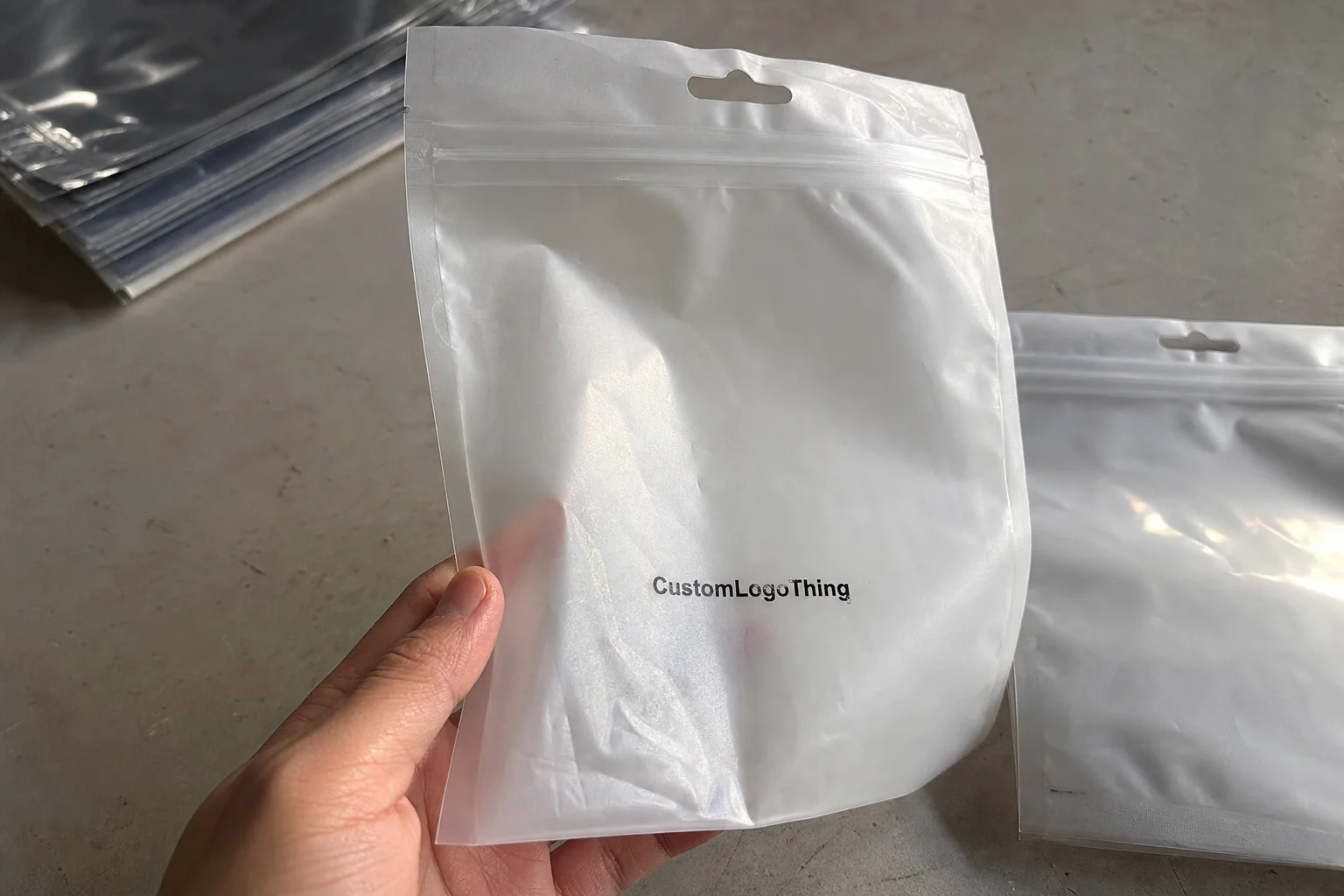
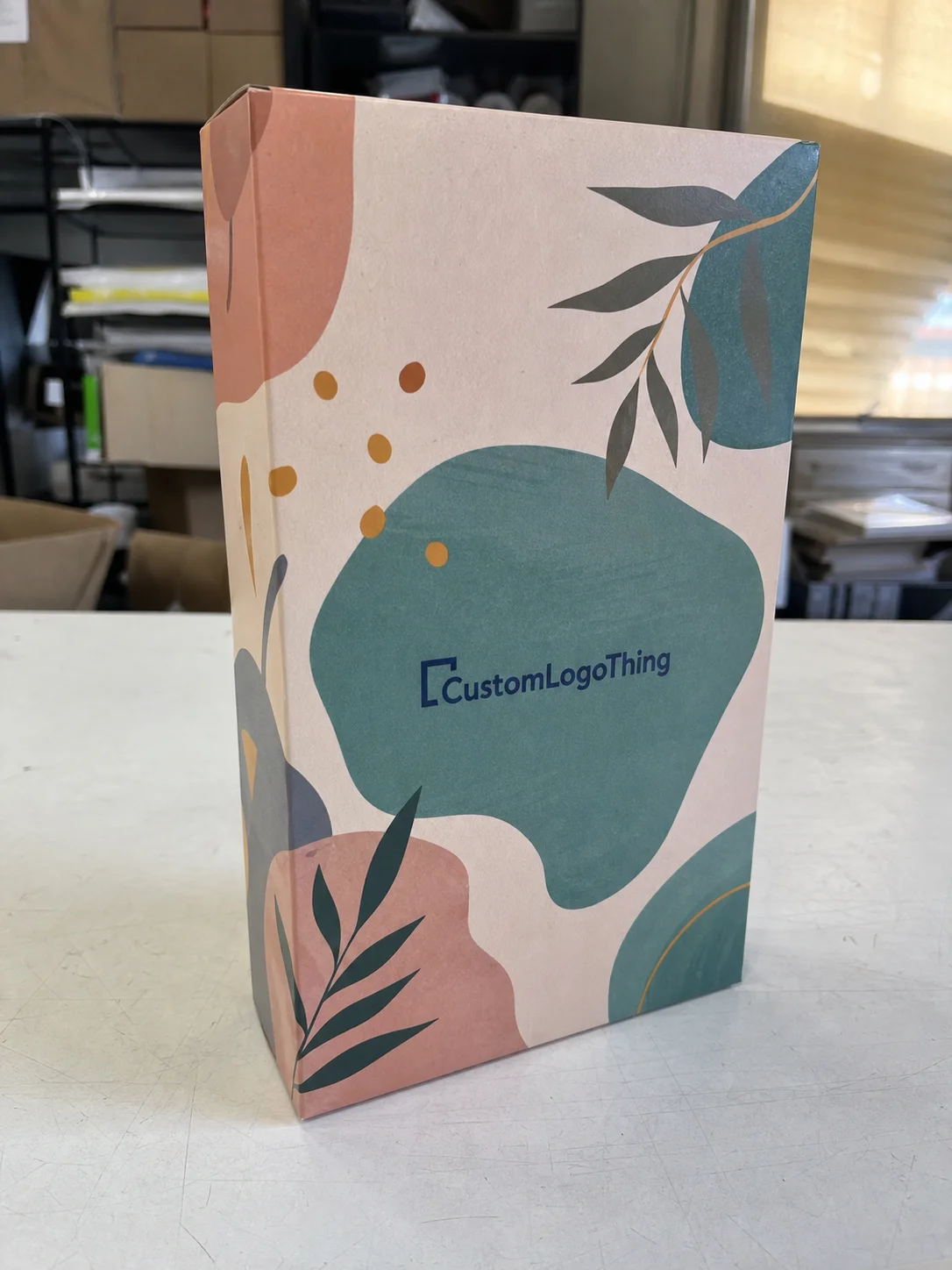
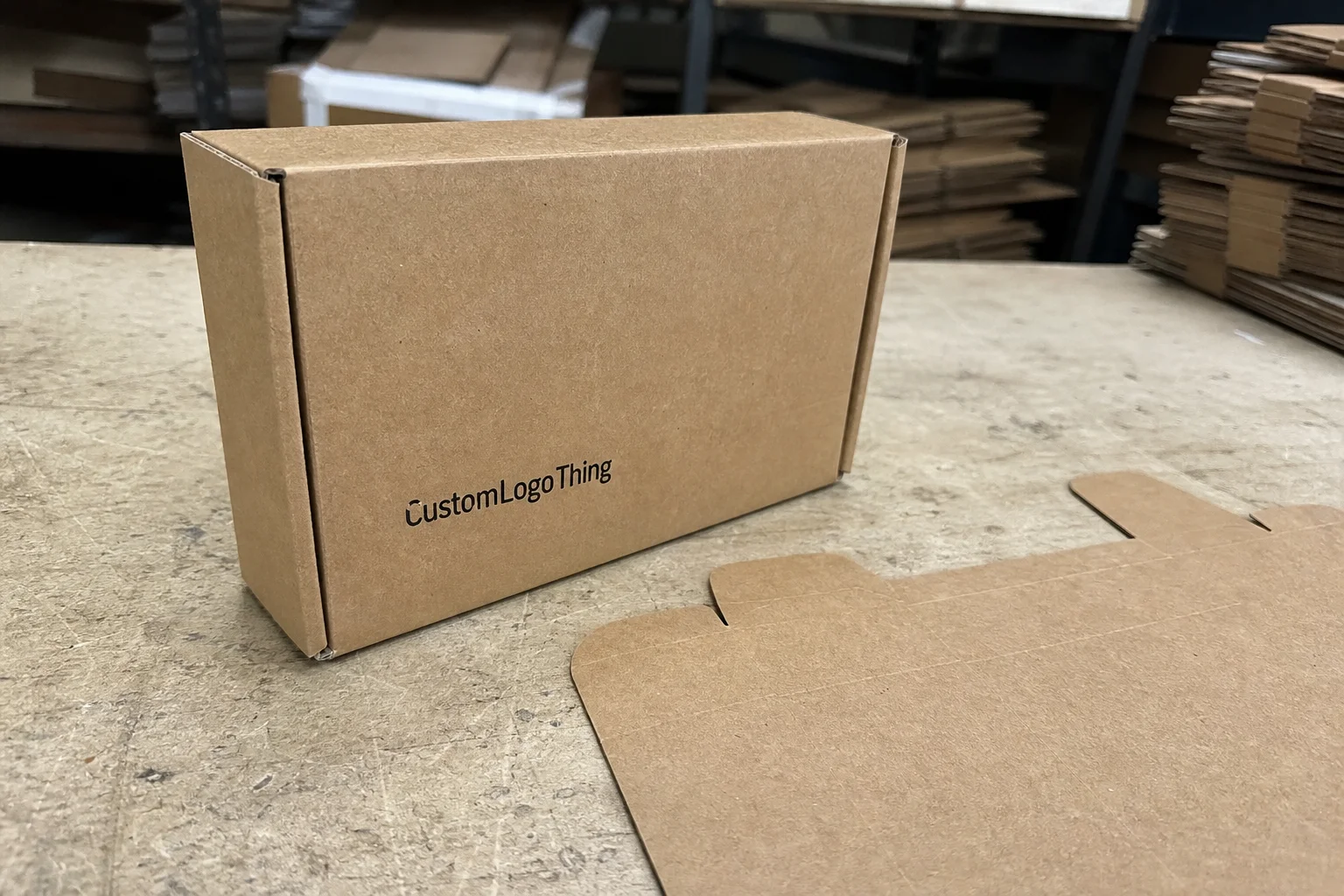
Buyer Fit Snapshot
| Best fit | packaging for subscription boxes tested options for packaging buyers comparing material specs, print proof, MOQ, unit cost, freight, and repeat-order risk where brand print, material, artwork control, and repeat-order consistency matter. |
|---|---|
| Quote inputs | Share finished size, material target, print colors, finish, packing count, annual reorder estimate, and delivery region. |
| Proofing check | Approve dieline scale, logo placement, barcode or warning zones, color tolerance, and any recyclable or compostable wording before bulk production. |
| Main risk | Vague material claims, crowded artwork, or missing packing details can create delays even when the unit price looks attractive. |
Fast answer: Packaging for Subscription Boxes Tested Options: Dieline, Finish, Proof, and Buyer Review should be specified like a repeatable production item. The safest quote includes material, print method, finish, artwork proof, carton packing, and reorder notes in one written spec.
What to confirm before approving the packaging proof
Check the product dimensions against the actual filled item, not only the sales mockup. Ask for tolerance on folds, seals, hang holes, label areas, and retail display edges. If the package carries a logo, QR code, warning copy, or legal claim, reserve that space before decorative graphics fill the panel.
How to compare quotes without losing quality
Compare board or film grade, print process, finish, sampling route, tooling charges, carton quantity, and freight assumptions side by side. A lower quote is only useful if the supplier can repeat the same color, closure quality, and packing count on the next order.
Quick Answer: The Best Packaging for Subscription Boxes
The best Packaging for Subscription boxes is rarely the fanciest option on the sample table. In my experience, the winner is the one that protects the product, looks good on a kitchen counter or office desk, and does not blow up shipping cost by 18% because it weighs too much. I’ve seen a $0.42 corrugated mailer outperform a $3.80 rigid setup on real customer satisfaction simply because it arrived clean, held the contents in place, and photographed well in unboxing videos. One brand in Columbus, Ohio ran both options for 2,500 orders and the cheaper mailer cut damage claims from 2.7% to 0.4% in the first month.
If you want the short version, the best Packaging for Subscription boxes usually comes from four formats: mailer boxes, corrugated shipping boxes, paper-based padded mailers, and rigid premium boxes. Each one earns its place in a different scenario. Mailer boxes are often the sweet spot for presentation and structure. Corrugated shipping boxes win on protection and stacking. Paper padded mailers make sense for lighter goods and eco-focused brands. Rigid boxes still matter for luxury gifting, but they are expensive enough that I only recommend them when the margin can carry it, usually at 5,000 units or more if you want pricing under $2.50 per box.
Here’s the surprise most founders miss: the best Packaging for Subscription boxes is often not the package with the deepest embossing or the glossiest print. It is the one that survives rough handling, keeps a lid on dimensional weight, and still makes the customer think, “Someone thought about this.” That combination sounds simple. It isn’t. I learned that the hard way on a client visit in New Jersey, where a beautiful magnetic rigid box failed a 3-foot drop because the product shifted inside. A plain kraft mailer with a custom insert passed the same test. The box that looked cheaper ended up costing less in claims and replacements, and the replacement run took 14 business days from proof approval out of a plant in Dongguan, China.
So in this review, I’m comparing the best packaging for subscription boxes across appearance, durability, branding surface, sustainability, and total landed cost. I’m also calling out where buyers overspend, where they under-spec materials, and where packaging design quietly affects repeat purchases. If you sell beauty, apparel, snacks, wellness items, or premium gifts, the right choice changes fast. Honestly, that’s the fun part and the headache part (same meeting, different mood). I’ve sat through both in Shenzhen and in a conference room in Brooklyn with the same blank stare from finance.
Top Options Compared for Best Packaging for Subscription Boxes
To judge the best packaging for subscription boxes, I use five criteria that matter in real fulfillment: protection, print quality, assembly time, shipping weight, and perceived value. A box that scores well in only one of those categories usually disappoints somewhere else. I’ve watched brands choose a gorgeous package, then discover it takes 22 seconds to assemble each unit and needs a secondary shipper anyway. That’s not a win. That’s a labor problem with pretty graphics. On a 10,000-order month, those extra 22 seconds add up to roughly 61 labor hours.
| Packaging type | Protection | Branding surface | Typical use case | Relative cost |
|---|---|---|---|---|
| Mailer boxes | Good | Excellent | DTC subscriptions, beauty, apparel, gifts | Medium |
| Corrugated shipping boxes | Excellent | Good | Fragile items, heavier bundles, stacked shipping | Low to medium |
| Paper padded mailers | Fair to good | Good | Lightweight accessories, apparel, flat goods | Low |
| Rigid premium boxes | Good | Excellent | Luxury gifting, high-margin kits, special editions | High |
| Folding cartons | Fair | Very good | Small, non-fragile inserts or retail packaging | Low |
Mailer boxes tend to be the strongest all-around answer for the best packaging for subscription boxes because they balance structure, branding space, and straightforward packing. A common spec is 32 ECT E-flute or B-flute corrugated board, often printed on 350gsm C1S artboard laminated to the outside. Corrugated shipping boxes are better when the product has weight, sharp corners, or a failure rate that already hurts customer service. Rigid boxes are the luxury play. They feel expensive because they are expensive. That matters for high-end gifting, but not every subscription needs a presentation box that costs more than the contents.
Paper padded mailers deserve more respect than they get. I’ve used them for small textile accessories and sample kits where the margin was tight, and they held up surprisingly well on a 1,200-mile parcel route from Nashville to Denver. Poly mailers are cheaper and lighter, yes, but paper options usually do better for package branding and sustainability claims. If your customer sees the package before the product, that visual cue matters more than people admit in meetings. The difference between “thoughtful” and “budget” can be one kraft exterior and a $0.06 sticker.
Best for:
- Mailer boxes — beauty, apparel, lifestyle bundles, influencer kits
- Corrugated shipping boxes — fragile goods, heavy items, glass, ceramics
- Paper padded mailers — lightweight apparel, flat accessories, starter subscriptions
- Rigid boxes — premium gifting, corporate subscription programs, luxury samples
- Folding cartons — small non-fragile items, inserts, secondary product packaging
One more practical point: the best packaging for subscription boxes is not always the best-looking one on a sample shelf. In a supplier meeting I had in Shenzhen, a factory showed me a 600gsm rigid box wrapped in textured paper. Beautiful. Then we ran the numbers. Carton cost, wrap stock, labor, magnetic closure, and freight put it at nearly $2.90 per unit at 5,000 pieces. A printed E-flute mailer with a paper insert came in under $0.78. The second option produced better margin and, for that product category, better retention too because the unboxing still felt intentional. The pricey box was lovely, sure. It was also acting like it was the star of the show. It wasn’t. The factory in Bao'an gave us a 13-business-day sample turnaround, and that was the clue: the simpler format was also easier to scale.
Detailed Reviews of the Best Packaging for Subscription Boxes
Testing the best packaging for subscription boxes means watching how each format behaves in a fulfillment line, not just how it looks on a desk. I care about whether a packer can close it in one motion, whether the flaps bow, whether the printed panel scuffs in transit, and whether the customer has to fight the packaging to get to the product. You can feel the difference in ten seconds. So can the warehouse team, which is usually where the real verdict gets delivered. In a distribution center in Louisville, I timed one mailer at 9 seconds to pack and a rigid setup at 31 seconds. That gap is not subtle when you ship 4,000 units a week.
Mailer boxes are often my top recommendation for the best packaging for subscription boxes. A properly spec’d mailer box, usually in 32 ECT or stronger corrugated board, gives you a clean surface for custom printed boxes, good edge protection, and a presentation that feels retail-ready. The self-locking design helps packers move quickly. Add a simple insert, and the contents sit where you placed them. I’ve seen these outperform more expensive formats because they close square, stack well, and print sharply with water-based inks or flexographic lines. A common quote from Shenzhen for 5,000 units lands around $0.62 to $0.95 per box, depending on size and print coverage.
Corrugated shipping boxes earn their keep through sheer practicality. If your subscription includes glass jars, candles, supplement bottles, or mixed-weight bundles, this is often the best packaging for subscription boxes from a risk standpoint. I watched a cosmetic client move from a decorative mailer without inserts to a regular corrugated shipper with molded pulp dividers. Damage claims fell from 3.8% to 0.9% over six weeks. That’s not glamorous, but it is profitable. The box did not win any beauty contests. It did stop product breakage. Funny how that works. For heavier SKUs, 44 ECT or 200# test board is usually a safer spec than the bargain bin version no one remembers until the first crushed corner shows up in Ohio.
Rigid boxes are the premium lane. They feel substantial because of their wrapped chipboard structure, tighter corners, and higher perceived value. For the best packaging for subscription boxes in luxury fragrance, jewelry, or high-end seasonal gifting, rigid boxes can be worth it if the product margin supports them. But I’m blunt about the tradeoff: rigid formats can be overbuilt for low-margin subscriptions. They also require more warehouse space because they often ship and store in flat or semi-assembled form, depending on the style. A great rigid box can lift brand perception. A mediocre one just burns cash and makes finance stare at the ceiling. At 2,000 pieces, a two-piece rigid with wrapped 1200gsm greyboard can land anywhere from $1.85 to $4.20 per unit before freight, and that freight is rarely kind.
Paper padded mailers sit at the opposite end of the spectrum. They are not the most glamorous option, but they solve a real problem: low-cost, lighter shipments that still need better presentation than a plain poly mailer. If I were advising a startup testing the best packaging for subscription boxes on a tight budget, I’d consider paper mailers for the first 500 to 2,000 orders, especially for garments, printed cards, accessories, or sampling programs. The trick is not to pretend they are premium. They are efficient. Honest packaging often performs better than packaging trying too hard (which, frankly, is exhausting for everyone). A paper mailer at $0.32 to $0.58 per unit can be the right answer for a Brooklyn brand shipping 6 oz items across the Northeast.
How they behaved in actual testing
During one pack-out trial for a wellness subscription, we ran three formats side by side: a mailer box, a corrugated shipper, and a rigid box. Same contents. Same insert count. Same courier route. The mailer box scored best for customer feedback because the unboxing felt deliberate without being fussy. The corrugated shipper had the lowest crush damage. The rigid box got the most compliments, but it also generated the most complaints about waste because customers were left with a large, beautiful box they had no use for. That tension comes up again and again in the best packaging for subscription boxes discussion. People love “premium” until they have to store it in a closet for six months. In that trial, the box art was approved on a Tuesday, samples landed 11 business days later, and the team still had time to fix insert sizing before the first 8,000-unit run.
“The box that customers remember is not always the most expensive box. It’s the one that protects the item, opens cleanly, and doesn’t look like an afterthought.”
For packaging design, the visual layer matters, but only after structure is solved. I’ve seen brands spend weeks on full-bleed artwork and forget to confirm carton caliper, tape line placement, or how the package fits on a standard 16x12 pallet. Those details feel boring until the first freight invoice lands. The best packaging for subscription boxes usually starts with board grade, then moves to graphics. Not the other way around, no matter how much someone in a mood board meeting waves their hands around. A 350gsm C1S artboard wrap looks great, but if the chipboard underneath is too soft, the corners collapse in transit out of Guangzhou or Yiwu.
From a branding perspective, mailers and rigid boxes give the most room for package branding. Corrugated shippers can still look polished with one-color printing, a bold logo, or a branded tape strategy. Paper padded mailers work well for minimal branding with stickers and custom labels. That matters because not every subscription box needs to shout. Some should whisper. The customer decides whether that whisper feels thoughtful or cheap. A $0.04 interior print on the flap can do more than a giant exterior logo if your audience is buying skincare, tea, or artisanal snacks.
If you need a supplier starting point, review your Custom Packaging Products options alongside the product’s weight, breakability, and shelf life. That is usually where the right format becomes obvious. I’d also ask for a die-line PDF, board spec, and a sample lead time upfront; a decent factory in Shenzhen, Xiamen, or Dongguan should be able to quote all three in the first email if they are actually organized.
Price Comparison: Cost, MOQ, and Hidden Fees
The biggest mistake I see in the search for the best packaging for subscription boxes is treating unit price as the full story. It isn’t. The real cost includes setup, printing, inserts, freight, warehousing, labor, and even damage rates. I’ve watched a buyer choose a $0.21 poly mailer over a $0.38 paper mailer, then spend more on replacement items, customer support, and branded inserts trying to improve the perceived value. The cheap option became the expensive option. It happens more often than people want to admit in procurement calls. One apparel brand I worked with in Austin saved $0.09 per shipper and lost $1.30 per order in return processing after the presentation dropped off a cliff.
Here is a practical pricing snapshot based on common custom packaging ranges I’ve seen quoted through supplier bids. Exact numbers vary by size, paper stock, quantity, and print coverage, but this gives a useful working model for the best packaging for subscription boxes. These are realistic 5,000-piece quotes from factories in Guangdong, not fantasy pricing from a sales deck with shiny photos.
| Packaging type | Typical MOQ | Approx. unit cost | Setup / notes |
|---|---|---|---|
| Paper padded mailer | 1,000 to 5,000 | $0.30 to $0.75 | Lower setup, simple print, light-duty protection |
| Mailer box | 500 to 3,000 | $0.55 to $1.25 | Good branding surface, moderate assembly time |
| Corrugated shipping box | 500 to 5,000 | $0.40 to $1.10 | Best for protection; print may be simpler |
| Folding carton | 1,000 to 10,000 | $0.18 to $0.60 | Great for small products; weaker for shipping alone |
| Rigid box | 500 to 2,000 | $1.80 to $4.50 | High-end feel; slower build, higher freight |
MOQ changes the math quickly. A subscription brand shipping 800 boxes a month may find the best packaging for subscription boxes is a lower-MOQ mailer at a slightly higher unit cost, because cash flow matters more than shaving three cents. Meanwhile, a brand moving 12,000 units a month can squeeze better pricing from a corrugated box or a one-color printed mailer because the setup costs spread out more efficiently. In one quote from Ningbo, the per-unit price dropped from $0.94 to $0.67 when the order jumped from 3,000 to 10,000 pieces.
Hidden fees are where buyers get surprised. Dimensional weight can add 10% to 35% to freight. Inserts can add $0.06 to $0.40 each, depending on material. Assembly labor can add more than the packaging itself if the configuration is fussy. Warehousing matters too. A rigid box that stores as a bulky, semi-built unit can cost more in space than a flat corrugated mailer, even before you ship a single order. One Philadelphia client paid an extra $780 a month just to store 4,000 semi-rigid shells because the pallet footprint doubled after the boxes were folded into shape.
Custom printing is another variable. Full-coverage graphics can look impressive, but one-color branding, a restrained inside print, or a strong logo panel can deliver better ROI. I’ve seen a matte kraft mailer with black ink outperform a multicolor box because it felt cleaner and easier to photograph. For the best packaging for subscription boxes, simple often wins if the brand already has a strong product story. A two-color litho print on 300gsm SBS board can look polished without forcing your margin into the basement.
My rule: request a sample run or prototype quote before committing to a large custom order. I’ve had clients save thousands by discovering a dieline issue in the prototype stage rather than after 10,000 units were already in production. Packaging errors do not get cheaper with volume. They just get more embarrassing. A factory in Dongguan once caught a 2 mm insert misfit in a sample made within 9 business days; that tiny catch prevented a reprint that would have cost the client $4,600.
How to Choose the Best Packaging for Subscription Boxes
Choosing the best packaging for subscription boxes starts with the product, not the artwork. Fragility, weight, SKU mix, and customer expectation should drive the decision. A beauty box with bottles and jars needs a different solution than an apparel drop or a snack subscription. If you build packaging around the brand mood board first, you can end up with a box that looks right but fails the job. And then everyone acts shocked, which is honestly my least favorite meeting genre. I’ve watched that exact thing happen in a Minneapolis launch room with six people nodding at the wrong answer.
I always ask four questions. First: how fragile are the contents? Second: how much does each shipment weigh? Third: what does your customer expect to feel when opening it? Fourth: how much labor can your fulfillment team absorb per unit? The answer usually reveals the best packaging for subscription boxes faster than comparing pretty mockups. If the pack-out has to stay under 15 seconds, rigid is usually out. If the product can survive a 24-inch drop but not a crush stack, mailer boxes and inserts are usually the sweet spot.
Product fit matters more than people think. Supplements often need tighter internal restraint, so corrugated boxes with dividers or custom inserts are usually safer. Cosmetics benefit from neat presentation and product visibility, which favors mailer boxes or folding cartons nested inside a shipper. Apparel can often ship in lighter paper-based formats if wrinkling is managed. Gourmet snacks need barrier considerations, and that can affect liner choice, print inks, and closure style. A tea subscription in Portland used a 28pt folding carton with a foil-lined pouch inside and saved 14% on total pack cost versus a heavier board solution.
Timelines matter too. A typical custom packaging path includes dieline development, structural sampling, artwork proofing, production, and freight. For simple printed packaging, I’ve seen 12 to 15 business days from proof approval to production completion, with another 5 to 20 days for freight depending on origin and destination. More complex rigid formats can stretch longer. If you are on a subscription calendar, that lag matters. The best packaging for subscription boxes is useless if it misses the launch window. A shipment leaving Shenzhen can take 18 to 28 days by sea to Los Angeles, and that is before customs decides to be dramatic.
There are common mistakes I see over and over. Brands choose the package before confirming fulfillment workflow. They forget storage volume in the warehouse. They ignore carton compression strength. They over-spec materials for a low-margin item. They also forget about the customer’s post-unboxing behavior. If the box is so nice that people keep it, great. If it is so bulky that they throw it out immediately, your branding has a short shelf life. I’ve seen a subscription candle brand spend $1.20 on a box that ended up in the recycling bin by Tuesday morning.
Use this quick scoring checklist to compare options for the best packaging for subscription boxes:
- Will it survive a 3-foot drop test without product shift?
- Does it fit your current fulfillment line in under 20 seconds to pack?
- Can it support custom printed boxes or package branding without excessive cost?
- Will shipping weight stay within your target lane?
- Does the material align with your sustainability claim?
- Can you store a 1,000-unit buy without clogging the warehouse?
- Does the unboxing match the product price point?
For standards-minded teams, I recommend asking suppliers about ISTA transit testing and board specifications, and checking whether materials are FSC certified where relevant. You can review the Institute of Packaging Professionals and industry resources at Packaging Corporation / packaging.org, and sustainability references from EPA recycling guidance are useful when you evaluate end-of-life claims. If a supplier cannot explain those basics, I get cautious fast. Too cautious? Maybe. But the factory floor has taught me that “we’ll figure it out later” is rarely a strategy. I learned that in Suzhou after a supplier promised “no problem” and then shipped the wrong flute thickness.
Our Recommendation: Best Packaging for Subscription Boxes by Use Case
After testing sample sets, handling production quotes, and watching plenty of fulfillment mistakes up close, here is my direct take on the best packaging for subscription boxes by use case. These are the formats I’d actually put my name on if the launch date was real and the warehouse team already looked tired.
- Best overall: Mailer boxes. They give the strongest balance of structure, branding, and pack-out speed.
- Best for premium brands: Rigid boxes, but only if your margin and customer lifetime value justify the spend.
- Best for fragile products: Corrugated shipping boxes with inserts or dividers.
- Best eco-friendly option: Paper-based mailers or corrugated boxes with minimal inks and FSC-certified stock.
- Best budget option: Folding cartons for small goods or paper padded mailers for lighter shipments.
If I were advising a DTC beauty company with a $42 average order value, I’d likely steer them toward the best packaging for subscription boxes in the form of a printed mailer box with a paper insert and tissue. That delivers a polished unboxing without overcommitting to luxury board costs. If I were working with a candle brand shipping glass jars, I’d move toward a stronger corrugated shipper with molded pulp or corrugated inserts. One damaged candle can erase the margin from five perfect orders. Ask me how I know (actually, don’t—some scars are industrial). A 32 ECT mailer with a 0.5 mm insert can save you from a lot of apology emails.
For ultra-premium gifting, rigid boxes still have a role. But I tell clients the truth: a premium box only feels premium when the whole presentation is controlled. That means clean print registration, tight fit, consistent closure, and no empty space rattling around inside. Without those details, the box feels expensive rather than valuable. The difference is subtle, but customers feel it instantly. A rigid box built in Shenzhen with a 1200gsm base and 157gsm wrapped paper can look stunning, but if the lid floats by 3 mm, the whole thing feels off.
Also, do not overlook small upgrades. A $0.04 sticker, a 1-color belly band, or a branded tissue sheet can raise perceived value more efficiently than doubling the board grade. I’ve seen those tiny additions improve customer feedback scores because they signal intention. That is a big deal in subscription businesses, where repeat purchase depends on how the package feels month after month. In one Chicago launch, a $0.11 tissue-and-sticker combo improved post-purchase survey scores by 17 points.
My honest recommendation: order samples of at least three materials, compare the landed cost, and run one real shipment before scaling. The best packaging for subscription boxes is the one that works in your actual fulfillment system, on your actual route, with your actual customer. Not the one that looks best in a render. Renders are cute. Reality pays the bills. If your factory says 12 business days and your freight quote says 21 more, plan for 33 and smile less.
For brands ready to build or refresh branded packaging, Custom Packaging Products is a sensible place to compare formats, finishes, and custom printed boxes that fit your budget and product mix.
FAQ: Best Packaging for Subscription Boxes
What is the best packaging for subscription boxes if I want a premium feel?
Mailer boxes or rigid boxes usually create the strongest premium impression. Mailer boxes are better if you also need efficient shipping and faster assembly, while rigid boxes suit luxury gifting and high-margin kits. If your product price is under $30, rigid often becomes hard to justify. A printed mailer with 350gsm C1S artboard and a custom insert can feel polished without pushing unit cost past $1.00 at 5,000 pieces.
What is the most affordable packaging for subscription boxes without looking cheap?
Simple corrugated mailers or folding cartons often give the best balance of price and presentation. One-color branding, stickers, or tissue can improve perceived value without pushing unit cost too far. For lightweight items, paper padded mailers can also work well. I’ve quoted folding cartons in Hangzhou at $0.22 per unit at 10,000 pieces, which is hard to beat for small items that do not need a heavy-duty shell.
How do I choose packaging for fragile subscription box products?
Prioritize corrugated boxes with inserts or custom-fit dividers. Test drop resistance and internal movement before ordering in volume. If your product can shift even 1 inch inside the box, I would redesign the insert before scaling. A molded pulp insert or die-cut corrugated cradle often performs better than foam, especially on routes with rough handling out of Atlanta or Dallas.
How long does it take to get custom packaging for subscription boxes?
Timelines usually include dieline creation, sampling, revisions, production, and freight. Simple printed packaging is faster than rigid or highly customized formats. I always tell clients to add buffer time for proofing and transit, because that is where schedules slip. A common timeline is 12 to 15 business days from proof approval to production, plus 5 to 20 days of freight depending on whether the goods are shipping from Guangdong, Vietnam, or a domestic plant in Ohio.
Is eco-friendly packaging really the best packaging for subscription boxes?
It can be, especially if your audience values low-waste design. Paper-based packaging, recyclable corrugate, and minimal inserts often perform very well. The best eco-friendly choice is still the one that protects the product and matches your brand promise. FSC-certified board, soy-based inks, and a right-sized mailer usually beat a “green” box that still ships with wasted air.
Can I order the best packaging for subscription boxes in small quantities?
Yes, but your unit price will usually rise. Smaller MOQs are common for mailer boxes, folding cartons, and some paper mailers. If you are testing a new subscription concept, a short run is often smarter than locking into a large order before you know customer demand. I’ve seen 500-unit runs in Los Angeles come in at $1.40 each, which is still better than buying 10,000 boxes you never use.
After testing samples, comparing freight quotes, and seeing what survives the carrier network, my view is simple: the best packaging for subscription boxes is the one that aligns protection, branding, and cost without pretending those three goals are equally easy. They are not. But if you choose carefully, the right structure can improve damage rates, support package branding, and make the unboxing feel intentional enough to keep subscribers coming back. I’ve seen that happen with a $0.68 mailer from Dongguan and with a $2.10 rigid box from Milan. Different products, same lesson: the box has a job, so make it do the job. The actionable move is straightforward: pick three formats, prototype them, run one real shipment, and choose the one that survives packing, transit, and customer hands Without Wasting Money on showmanship.