Buyer Fit Snapshot
| Best fit | Branded Packaging for Subscription Business projects where brand print, material claims, artwork control, MOQ, and repeat-order consistency need to be specified before quoting. |
|---|---|
| Quote inputs | Share finished size, material target, print colors, finish, packing count, annual reorder estimate, ship-to region, and any compliance wording. |
| Proofing check | Approve dieline scale, logo placement, barcode or warning zones, color tolerance, closure strength, and carton packing before bulk production. |
| Main risk | Vague material claims, crowded artwork, missing packing details, or unclear freight terms can make a low unit price expensive after revisions. |
Fast answer: Branded Packaging for Subscription Business: Quote Scope, Sample Proof, MOQ, and Lead Time should be specified like a repeatable production item. The safest quote records material, print method, finish, artwork proof, packing count, and reorder notes in one written spec.
Production checks before approval
Compare the actual filled-product size with the drawing, then confirm tolerance on folds, seals, hang holes, label areas, and retail display edges. Reserve space for logos, QR codes, warning copy, and material claims before decorative graphics fill the panel.
Quote comparison points
Review material grade, print process, finish, sampling route, tooling charges, carton quantity, and freight assumptions side by side. A quote is only useful when the supplier can repeat the same color, closure quality, and packing count on the next order.
I’ve sat in enough packaging reviews to know this: branded Packaging for Subscription business is often the first thing customers remember, and sometimes the only thing they photograph. In one client meeting in Los Angeles, a founder showed me three churn complaints, and not one mentioned product quality; all three mentioned the box feeling “cheap.” That is why branded packaging for subscription business is not a decorative extra. It is part of the product economics, the retention story, and the perceived value of every shipment, especially when a 12-unit monthly box can move from a $0.68 shipper to a $1.45 printed system with one structural change.
At Custom Logo Things, I’ve seen brands spend $1.20 on product ingredients and $1.85 on a box system, then wonder why margins feel tight. The answer usually lives in the unboxing experience. branded Packaging for Subscription business can make a $19 box feel like $39, or make a $39 box feel forgettable. The difference is rarely one big flourish. It’s usually a stack of small decisions: 350gsm C1S artboard versus 32ECT corrugated, aqueous coating versus soft-touch lamination, insert depth, and pack-out speed that stays under 18 seconds per unit on a live fulfillment line in Columbus or Charlotte.
What Branded Packaging for Subscription Business Really Means
Many subscribers remember the box before they remember the product. I’ve watched that happen on a factory floor in Shenzhen, where a beauty subscription client ran the same product in two packaging versions, one with a plain kraft mailer and one with a four-color printed sleeve plus interior copy. The contents were identical. The version with the stronger package branding got twice as many social posts during the first three weeks, and the run cost only $0.23 more per unit at 5,000 pieces. That’s the part a lot of teams miss: branded packaging for subscription business is not just a shipping layer; it is part of the customer experience.
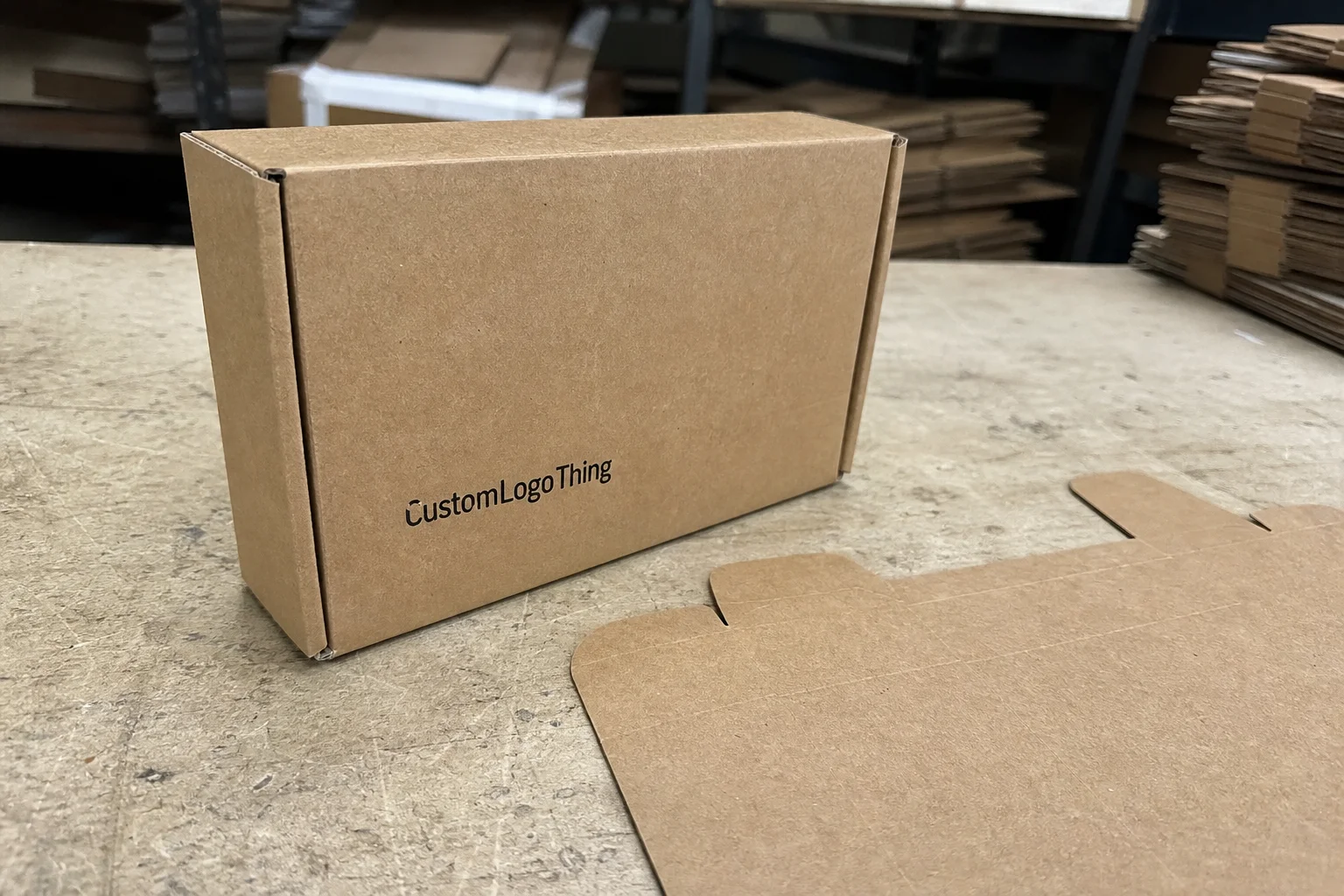
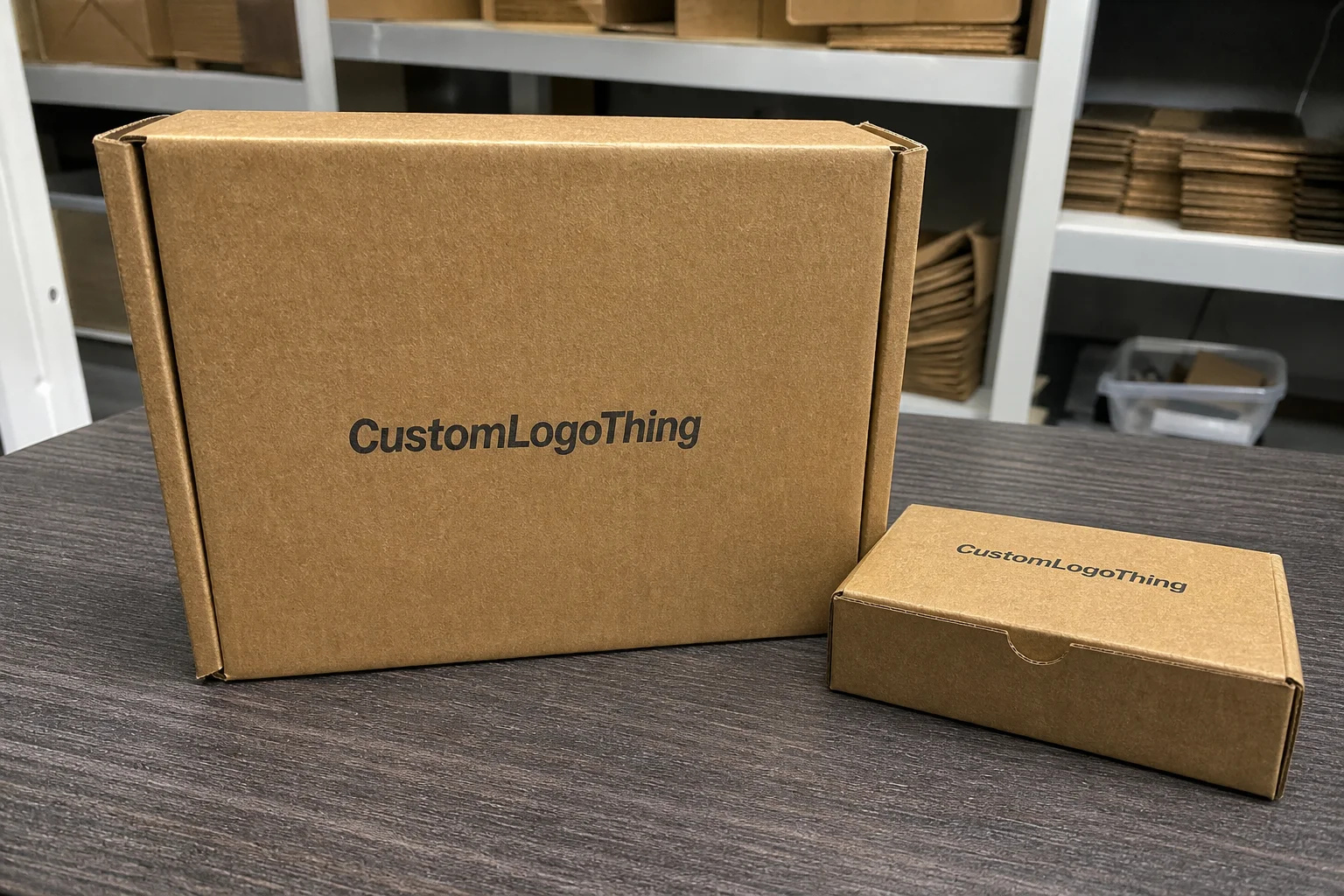
In plain language, branded packaging includes the visible pieces that reinforce the brand at every touchpoint: custom mailers, printed folding cartons, tissue paper, inserts, labels, sleeves, tape, and sometimes inner packs or dividers. It can be a single-color logo mailer or a full custom printed box with foil, embossing, and a structured insert made from E-flute corrugated or 18pt SBS board. The point is consistency. If the customer sees the same visual language month after month, the brand becomes familiar faster, and familiarity does real work in retention, especially across six or eight billing cycles.
Functional packaging protects. branded packaging for subscription business does that too, but it also communicates tone, quality, and promise. One client I worked with in a personal care category moved from plain kraft shippers to 350gsm C1S printed mailers with one-color interior copy and a 1,000-micron chipboard insert. Damage rates stayed flat, but repeat order sentiment improved because the box felt intentional. Honestly, I think that’s where packaging earns its keep: not by being flashy, but by making the experience feel considered.
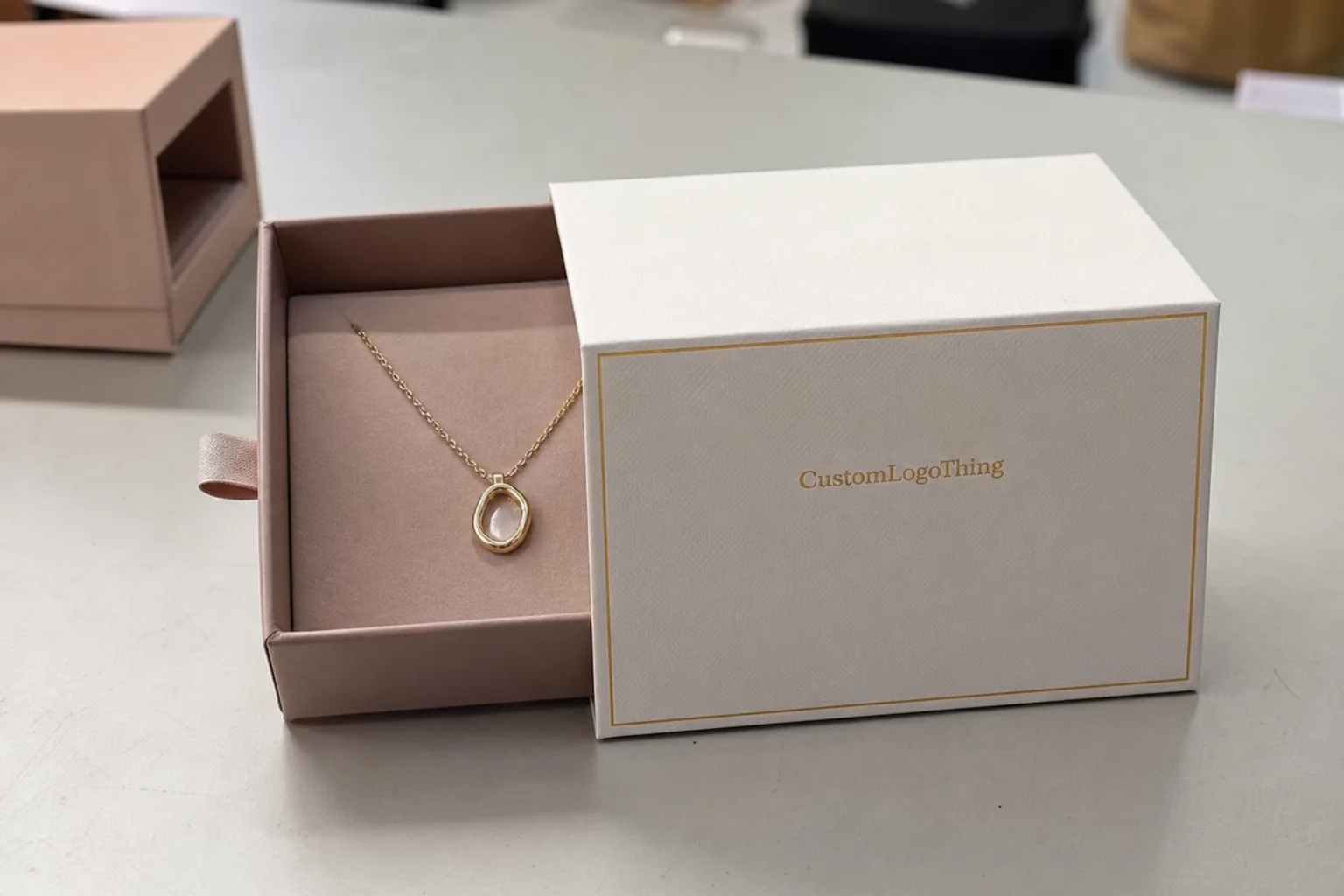
There’s also a perception effect that subscription brands underestimate. A small candle, supplement sachet, or snack sample can seem more valuable when the outer presentation is clean, consistent, and branded. That matters most in crowded categories where the products themselves are similar and the experience becomes the differentiator. In other words, branded packaging for subscription business can support premium positioning even if the actual product cost is low, whether the run is produced in Dongguan, Vietnam, or a regional converter in Chicago.
Here’s what most people get wrong: they treat packaging as an expense line instead of a retention tool. If the box lowers confusion, reduces damage, improves sharing, and strengthens recognition, it affects customer lifetime value. That is why branded packaging for subscription business deserves the same attention as acquisition creative or pricing strategy, especially when a 3% lift in repeat order rate can outweigh a $0.12 increase in unit cost.
How Branded Packaging for Subscription Business Works
The customer journey starts long before the product is used. It begins at the warehouse, moves through carrier handling, lands on a doorstep, gets opened, and then maybe gets shared on Instagram, TikTok, or inside a private group chat. branded packaging for subscription business influences expectations at every step. If the outer parcel looks generic, the brand starts from zero. If it looks recognizable, the brand arrives with momentum, and that momentum can be built with a $0.15 per unit logo sticker on a 5,000-piece order or a $0.48 printed mailer sourced from a plant in Guangdong.
A subscription box usually has several layers. The outer shipper protects the order during transit. Inside that, there may be a branded mailer or folding carton, a protective interior such as molded pulp, corrugated inserts, or paper void fill, and then the storytelling layer: thank-you cards, product guides, offer cards, or seasonal inserts. Good package branding works because each layer does a different job. The structure protects. The graphics persuade. A 32ECT corrugated outer shipper, for example, handles stacking better than a decorative sleeve alone, while a 14pt C2S insert card carries the copy without bending.
I once visited a fulfillment partner in Dallas where the packers were spending 38 seconds per unit on a design that looked beautiful in renderings but required five fold lines and a taped insert tray. They loved the mockup. They hated the production version. That’s a common trap. branded packaging for subscription business has to work in the real world, at real speed, with real hands and real margins, and often under a packing target closer to 20 seconds than 40.
Recurring shipments create a compounding effect. A customer may forget one ad, but they see your packaging every month. If the dimensions, color system, and logo placement stay consistent, the package becomes recognizable in transit and at the doorstep. That can help the brand feel established even if the subscription only launched a few months ago. Repetition is underrated in packaging design, particularly when the same 9 x 6 x 3 inch mailer arrives on the second Tuesday of every month.
There’s another layer here: user-generated content. People do not usually film the product arriving in a brown box with a tiny sticker. They film contrast, reveal, surprise, and a package that feels worth opening. A clean tear strip, a bold interior print, or a well-placed message can turn ordinary product packaging into something customers want to show. With branded packaging for subscription business, the camera matters almost as much as the customer, and a high-contrast inside print can matter more than a second exterior ink color.
Sustainability also shapes perception, and not just among eco-focused buyers. Right-sized packaging, recyclable paper-based materials, and minimal ink coverage can make a brand look disciplined rather than wasteful. For guidance on recyclable and waste-reduction strategies, the EPA’s packaging and materials management resources are useful: EPA recycling guidance. I would not treat sustainability as a slogan. It needs to be visible in the materials, such as FSC-certified board or water-based inks, and backed up in the claims.
Key Factors That Shape Branded Packaging for Subscription Business
Brand identity comes first. Colors, typography, logo placement, and tone should carry across the outer mailer, insert cards, labels, and any inner packaging. If the box is playful but the insert reads like a legal notice, the experience breaks apart. branded packaging for subscription business works best when every component feels like it belongs to the same family. I’ve seen brands use Pantone-matched blues on the box and a slightly warmer digital blue on the insert, and yes, customers notice more than you’d think, especially when the print run comes off a CMYK press in Shenzhen or Xiamen.
Protection comes next. The best-looking box in the room is useless if a glass vial cracks in transit. You want material strength, compression resistance, fit, and tamper resistance aligned with the product. That’s where transit testing matters. ISTA protocols, especially common distribution tests, help brands evaluate vibration, drop, and compression performance before they commit to a full run. If you want a reference point, ISTA’s testing standards are a good place to start: ISTA standards. In practice, I like to see a 24-inch drop test, a 200-pound compression check, and a carton fit review before sign-off.
Cost can swing fast. The difference between a one-color mailer and a four-color custom printed box with foil stamp and insert tray is not subtle. Neither is the difference between 1,000 units and 10,000 units. branded packaging for subscription business should be designed with MOQ, setup fees, labor, and shipping weight in mind. I’ve negotiated print quotes where a small change in flute grade added 11% to unit cost but saved enough in damage replacement to justify it. This depends on category, of course, but the math matters, and a quote from a plant in Ningbo can look very different from one produced locally in Atlanta or Toronto.
Sustainability is where a lot of brands get tangled. Recycled content can be helpful, but recycled board may behave differently in print and in die-cutting. Compostable sounds good, but it is not always the best answer for stiffness, moisture resistance, or cost. Premium finishes such as soft-touch lamination, foil, and embossing can elevate perceived value, yet they also complicate recyclability. The right choice depends on the brand promise and the route to market. If the package must survive humid storage in Miami or cross-country shipping in August, beauty alone is not enough.
Customer experience sits in the middle of all of this. The package should open in a clear sequence. The customer should not have to fight tape, guess where to start, or untangle loose filler before they reach the product. Readability matters too. A first-time buyer needs the instructions to be obvious, while a loyal subscriber should still feel a little delight on shipment number six. That’s a delicate balance, and it is one reason I prefer branded packaging for subscription business that uses one strong message rather than six competing ones, especially on a 6-inch-by-4-inch insert card.
Scalability is the final filter. A design that works for 800 boxes a month may become a headache at 18,000. Can the packaging be reordered without redesign? Can it be stored efficiently? Can the team assemble it in under 20 seconds? Can you change the sleeve or insert for seasonal themes without rebuilding the whole system? These questions separate nice-looking packaging from operationally sound packaging, and they become even more important when lead times stretch from 10 business days to 25 business days during Q4.
| Packaging option | Typical use | Approx. unit cost | Production notes |
|---|---|---|---|
| Printed mailer | Lightweight subscription items | $0.42–$0.95/unit at 5,000 units | Fast to assemble, good for strong package branding |
| Custom folding carton | Premium small goods | $0.55–$1.40/unit at 5,000 units | Good print surface, can support inserts |
| Mailer plus insert kit | Fragile or multi-item boxes | $0.85–$2.10/unit at 5,000 units | Higher labor time, stronger protection |
| Premium custom printed boxes | High-end subscriptions | $1.10–$3.50/unit at 5,000 units | Supports foil, embossing, and stronger unboxing impact |
If you want to see how brands structure real-world packaging programs, our Case Studies page is a useful place to compare formats, print finishes, and operational tradeoffs. For product types and structural options, I also recommend reviewing Custom Packaging Products before locking your spec, especially if you are choosing between 18pt SBS, 24pt folding carton stock, or E-flute corrugated.
Branded Packaging for Subscription Business: Cost and Pricing Factors
Pricing starts with the box type. A plain corrugated shipper is not the same as a full-color custom printed box with a high-end finish. Print coverage matters too. A one-color exterior is usually cheaper than a full bleed design with inside print. Add inserts, and the budget changes again. branded packaging for subscription business can move from modest to expensive quickly, which is why brands need a line-item view instead of a single “packaging” number, especially when a 5,000-piece quote lands at $0.79 per unit for the outer shipper and $0.31 per unit for the insert set.
Quantity is the biggest swing factor after structure. Smaller orders usually cost more per unit because setup, plates, and press time are spread over fewer boxes. Larger runs reduce unit cost, but they increase inventory risk if your design changes or your subscriber volume fluctuates. I’ve seen a brand order 25,000 units to save 14 cents per box, then sit on six months of obsolete sleeves after a rebrand. Savings evaporated, and the warehouse in Phoenix ended up holding $18,000 in dead stock.
Hidden costs are where budgets go to die. Design revisions, prototype rounds, storage fees, kitting labor, replacement stock for damaged cartons, and return handling all matter. If your branded packaging for subscription business requires a hand-applied label and a twine tie, that looks charming on a render and expensive on a Monday morning with a three-person pack line. Labor can quietly exceed print cost, especially when a manual pack step adds 9 seconds per unit across 12,000 boxes a month.
ROI should be measured against retention and lifetime value, not just the unit price. If packaging reduces damage by 1.5% on a 20,000-box program, the savings can be meaningful. If a stronger unboxing experience boosts repeat orders or referrals, that is even more valuable. A subscription business often spends heavily on acquisition, so lowering churn by improving presentation can change the economics more than a small print discount. That is the deeper case for branded packaging for subscription business, particularly when a customer lifetime value moves from $94 to $112 after a packaging refresh.
Here’s a practical way to think about it: if packaging costs 6% to 12% of monthly revenue, it needs to earn its place through brand lift, product protection, or operational efficiency. If it pushes above that range, the experience needs to justify the margin pressure. That does not mean premium packaging is wrong. It means the math should be visible, whether the finish is matte aqueous on a $0.62 mailer or soft-touch on a $1.95 carton.
Sometimes premium packaging pays off immediately. High-end skincare, wellness boxes, and giftable lifestyle products often benefit from stronger presentation because customers expect a polished reveal. Sometimes it does not. A low-margin consumable with a repeat refill model may do better with a simple, reliable structure and one branded insert. Honestly, I think too many teams fall in love with the box before they model the economics of the box, particularly before they compare a 10,000-unit run in Suzhou against a shorter domestic run in Chicago.
| Cost factor | Lower-cost choice | Higher-cost choice | Operational impact |
|---|---|---|---|
| Print method | One-color print | Full-color + special finish | More press time and setup complexity |
| Structure | Standard mailer | Custom insert system | Better protection, higher labor |
| Order size | 1,000 units | 10,000+ units | Lower unit price at scale, more storage risk |
| Finish | Matte aqueous | Soft-touch, foil, emboss | Premium feel, harder recycling story |
If you need a simple benchmark, I often advise brands to calculate packaging as a percentage of subscription revenue, then test the program for one full cycle. That makes branded packaging for subscription business easier to defend internally, especially with finance teams who care more about margin than mood boards. A good working target for many subscription brands is to keep total Packaging and Fulfillment presentation costs between $0.85 and $2.25 per shipment, depending on category.
Step-by-Step Process and Timeline for Branded Packaging for Subscription Business
Start with an audit. What is the product size, what is the monthly shipment volume, how fragile is the content, and what kind of experience are you trying to create? A subscription box for supplements needs a different answer than a candle, a snack box, or a premium grooming kit. The best branded packaging for subscription business begins with a clear brief, not a pretty reference image, and the first spec sheet should include exact dimensions, such as 8.5 x 6 x 2 inches, along with target ship weight and carrier lane.
Next comes concept development. This is where mood boards, material swatches, structural ideas, and unboxing maps come together. I like to see the full sequence on paper: what the customer sees first, second, and third. If the reveal is important, it should be designed intentionally. Some brands want a dramatic reveal. Others want speed and simplicity. Both can work if the packaging design matches the product promise, whether the insert is a 16pt coated card or a 1,500-micron paperboard cradle.
Design and proofing are where many timelines slip. Artwork has to align with the dieline, copy has to be checked, colors have to be matched, and prototyping has to happen before full production. If the box has inside print, that should be checked too. I’ve had a brand approve an outside panel and then miss a typo on the interior thank-you line. That typo got seen 12,000 times. Painful lesson. A clean proof cycle usually takes 3 to 5 business days, and a white sample can add another 2 to 4 days before final sign-off.
A realistic production timeline often looks like this: 3 to 5 business days for concept refinement, 5 to 7 business days for sample development, 2 to 4 days for revisions, 2 to 3 days for final approval, and typically 12 to 15 business days from proof approval for manufacturing on a standard printed mailer run. More complex work, such as foil stamping or a custom insert tray, can push that to 18 to 25 business days, plus 4 to 7 days for freight depending on whether the plant is in Shenzhen, Ho Chi Minh City, or Mexico City. branded packaging for subscription business should not be built right up against the launch date. Give yourself buffer time. Things change.
Before you commit to a full run, check pack-out speed, damage resistance, and storage fit. If your team can’t assemble the box quickly or if the carton collapses in humid storage, the beautiful prototype is not useful. I once watched a client discover that their elegant insert tray added 17 seconds per pack and required a second staff member during peak volume. That kind of issue shows up only when real products and real workers enter the picture, preferably during a 100-unit pilot on the actual line.
For paper-based materials and responsible sourcing, FSC certification can be part of the conversation, especially if your customers care about forest stewardship. Their site explains chain-of-custody and certification basics clearly: FSC certification information. I would not use certification as window dressing. If you claim it, make sure the supply chain supports it, from the board mill to the converting plant.
The smartest rollout plans include review windows for art, approvals, and freight delays. Even one late sample can throw off a subscription launch, and subscription fulfillment does not forgive missed weeks easily. If you are rolling out branded packaging for subscription business across several tiers, stagger the launch by tier or region before you scale nationwide, and leave at least one week of buffer for customs or port delays if the order ships from Asia.
Common Mistakes Subscription Brands Make with Branded Packaging
Overdesign is the first problem. Too many graphics, too many materials, or too much copy can make the package feel busy instead of premium. I’ve seen brands put a motivational quote, three icons, a QR code, a referral offer, and a usage guide on the same face panel. None of it breathed. The box looked like a crowded flyer, not branded packaging for subscription business, and the added ink coverage pushed the print cost up by $0.11 per unit.
The second mistake is ignoring fulfillment reality. Beautiful mockups can hide ugly labor. If the design needs hand-folding, fragile tape placement, or three separate components that must be aligned perfectly, packers will slow down and errors will rise. Retail packaging and subscription packaging both have to work in production. If it is hard to pack, it is hard to scale, especially in a warehouse where each line worker is expected to complete 120 to 180 units per hour.
Size mismatch is another money leak. Oversized cartons raise dimensional weight charges and often make the product feel lost inside the box. Undersized boxes create bulging corners, weak seams, and higher damage risk. A tight, well-fitted structure usually looks more polished and ships better. That’s not a design preference; that’s logistics, and a 10 x 8 x 4 inch carton can be materially better than a 12 x 10 x 6 inch box if the contents only need half the air.
Brands also weaken recognition when inserts, labels, and outer packaging feel disconnected. A navy box, a beige insert, and a green label can work if there is a clear system. If not, the package feels fragmented. Strong package branding should make every component feel like part of the same voice, even if the internal pieces are sourced from different suppliers in Guangzhou and Monterrey.
Then there’s vague sustainability messaging. “Eco-friendly” and “green” are weak claims unless the material story is specific. What is recyclable? What percentage is recycled content? Is the ink minimal? Is the structure right-sized? Customers who care about these details can smell hand-waving from a mile away. Better to say less and say it precisely, such as “100% recycled kraft outer shipper with soy-based ink and no plastic filler.”
Skipping testing may be the costliest mistake. Branded packaging for subscription business should be tested for transit, stacking, moisture, and real handling. A design that looks perfect under studio lights may fail after 48 hours in a hot truck. That is why I always want sample runs that include drop tests, compression checks, and actual pack line trials before a launch, ideally with 25 units packed by the fulfillment team and 25 units shipped through a real carrier lane.
“The box was getting more attention than the product,” a founder told me after we replaced a generic mailer with a printed carton and interior message panel. “We did not expect packaging to change retention conversations, but it did.”
Expert Tips for Better Branded Packaging for Subscription Business
Pick one signature visual cue and protect it. A color, a pattern, a phrase, or a structural reveal can make the package instantly recognizable. I like this approach because it reduces visual noise while making branded packaging for subscription business easier to remember. If everything shouts, nothing sticks, and a single signature orange interior print can do more than four competing graphics on the lid.
Design for the camera as well as the customer. A strong reveal, high contrast, and one memorable detail can turn subscribers into unpaid promoters. I’ve seen a simple inside lid message drive more sharing than a premium foil stamp. Not always, but often enough to matter. Social content rewards clarity and surprise, not just expensive finishes, so a clean two-step reveal often beats a crowded five-step one.
Keep one element modular. Seasonal sleeves, limited-edition inserts, or a changeable belly band let you refresh the experience without redesigning the whole system. This is especially useful if you run promotions, holiday themes, or tier-based subscriptions. You get variety without rebuilding your entire packaging design every quarter, and a modular sleeve can be produced in 7 to 10 business days if the base carton stays fixed.
Test packaging with a small subscriber group before scaling. Compare complaints, social shares, damage rates, and repurchase behavior. A sample of 50 to 100 subscribers can reveal real issues faster than a boardroom debate over Pantone chips. I trust field feedback more than opinions about what “should” work, especially when the test group includes customers in humid states, cold-weather states, and apartment buildings with tighter delivery conditions.
Make inserts useful. A thank-you card that explains product use, care, or storage is more valuable than a decorative card with no purpose. The best inserts reduce confusion and reinforce value. If your customer needs a reminder for dosage, brewing, application, or setup, print it clearly. Branded packaging for subscription business should guide the customer, not just flatter them, and a 4 x 6 inch instruction card printed on 16pt matte stock often outperforms a glossy postcard.
Use finishes with restraint. Spot UV, embossing, and foil can elevate a package, but only if they support the story. A wellness brand might use soft-touch and subtle debossing. A playful snack brand may do better with bright color and a matte aqueous coating. The finish should help the message, not inflate the cost for no strategic gain, and a $0.08 foil hit can be smarter than a $0.40 full-laminate upgrade.
Actionable Next Steps for Building Your Packaging Plan
Start by listing your box dimensions, monthly volume, product fragility, and target experience. Those four numbers will shape almost every packaging decision. If you don’t know them yet, that’s your first task. Branded packaging for subscription business becomes much easier to source once the basics are clear, and a spec sheet with exact dimensions can save a week of back-and-forth with a converter in Shenzhen or Louisville.
Next, audit your current packaging. Look at shipping damage, pack-out speed, and recognition. Can a customer identify the brand at a glance from six feet away? Can your team pack the order without extra tape or filler? Are you paying for space you don’t need? Those questions expose more than a mockup review ever will, and they usually reveal at least one fixable issue worth $0.10 to $0.20 per unit.
Create a scorecard that compares cost, durability, sustainability, and unboxing impact. Use simple 1-to-5 ratings if you need to. A packaging system that is cheap but fragile may fail the business. A premium system that delights customers but crushes margin may also fail the business. Branded packaging for subscription business works best when the numbers and the experience agree, and the scorecard should include a landed cost estimate, not just factory pricing.
Request samples or prototypes and test them with real products, real packers, and real shipping conditions. I mean actual carrier lanes, actual warehouse heat, actual stack pressure. Lab conditions only tell part of the story. If the package survives a drop test but slows the line by 20 seconds per unit, that matters just as much, especially in a facility processing 8,000 parcels per week.
Set a launch timeline that includes art review, sample approval, production, and buffer time for revisions. I prefer to see at least one contingency window before the first live shipment. One delay in packaging can derail a subscription calendar, and those calendars are unforgiving. The more moving parts you have, the more lead time you need, which is why I usually build 12 to 15 business days from proof approval into the plan even before freight is booked.
Then pilot one system and measure results for a full subscription cycle. Track damage rates, customer feedback, repurchase behavior, and any lift in referrals or social shares. Only then should you scale. Branded packaging for subscription business is easier to improve when you have one tested version to compare against, rather than five guesses, and a 60-day pilot often reveals more than a single launch week ever could.
If you want to see how different box styles, inserts, and branded mailers fit together, explore our Custom Packaging Products. And if you want proof that packaging can change perception in measurable ways, our Case Studies show how brands think through the tradeoffs.
FAQ
How much does branded packaging for subscription business usually cost per box?
Cost depends on box type, print coverage, quantity, finishes, and whether inserts or kitting are included. A simple printed mailer might sit around $0.42 to $0.95 per unit at 5,000 pieces, while a more complex multi-piece system can move well above $2.00 per unit. The cleanest estimate is a per-unit model that includes production, packing labor, storage, and shipping weight, and for many programs the realistic landed range lands between $0.85 and $2.25 per shipment.
What is the best branded packaging for subscription business if I have a low budget?
Start with one strong branded element, such as a printed mailer, logo tape, or branded insert, rather than customizing every component. Right-size the box so you reduce shipping waste and improve presentation. A simple color system can also make the package feel cohesive even when the budget stays lean, and a 350gsm C1S mailer with one-color ink can often deliver more value than a full premium build at low volumes.
How long does branded packaging for subscription business take to produce?
Timelines depend on artwork readiness, material availability, proof approvals, and production method. Simple formats can move faster than custom structural packaging with multiple components. I usually advise building in extra time for sampling, revisions, and inbound freight so your packaging launch does not interfere with fulfillment, and a standard run typically takes 12 to 15 business days from proof approval once the art is final.
What packaging materials work best for subscription boxes?
The best material depends on product weight, fragility, budget, and sustainability goals. Common options include corrugated mailers, folding cartons, paper inserts, and recyclable protective materials. The right choice balances protection, print quality, and the expectations of your category, with options like E-flute, 24pt SBS, 350gsm C1S artboard, and molded pulp each serving different shipment profiles.
How do I know if branded packaging for subscription business is worth the investment?
Track whether packaging improves repeat purchases, reduces damage, increases referrals, or boosts social sharing. Compare the packaging cost against retention and customer lifetime value, not only the unit price. If the package strengthens the brand and lowers churn-related losses, the investment can be justified even when upfront costs are higher, and a 1% to 3% improvement in repeat rate can outweigh a $0.15 to $0.30 increase per box.
Branded packaging for subscription business is not a cosmetic line item. It affects recall, churn, shipping damage, and the way customers talk about your brand when you are not in the room. I’ve seen a $0.68 mailer change the feel of a whole subscription program in Austin, and I’ve seen a $2.40 premium system fail because it was slow to pack and awkward to store in a Portland fulfillment center. The smartest brands do the same thing every time: they test the experience, price it honestly, and choose branded packaging for subscription business that supports both margin and momentum. The practical takeaway is simple: lock your dimensions, test one pilot run, and let the box earn its keep before you scale the spec.