Buyer Fit Snapshot
| Best fit | Wholesale Packaging for Subscription Boxes projects where brand print, material claims, artwork control, MOQ, and repeat-order consistency need to be specified before quoting. |
|---|---|
| Quote inputs | Share finished size, material target, print colors, finish, packing count, annual reorder estimate, ship-to region, and any compliance wording. |
| Proofing check | Approve dieline scale, logo placement, barcode or warning zones, color tolerance, closure strength, and carton packing before bulk production. |
| Main risk | Vague material claims, crowded artwork, missing packing details, or unclear freight terms can make a low unit price expensive after revisions. |
Fast answer: Wholesale Packaging for Subscription Boxes: Structure, Print Proof, Packing, and Reorder Risk should be specified like a repeatable production item. The safest quote records material, print method, finish, artwork proof, packing count, and reorder notes in one written spec.
Production checks before approval
Compare the actual filled-product size with the drawing, then confirm tolerance on folds, seals, hang holes, label areas, and retail display edges. Reserve space for logos, QR codes, warning copy, and material claims before decorative graphics fill the panel.
Quote comparison points
Review material grade, print process, finish, sampling route, tooling charges, carton quantity, and freight assumptions side by side. A quote is only useful when the supplier can repeat the same color, closure quality, and packing count on the next order.
we have spent enough time on factory floors in Shenzhen, Dongguan, and Ningbo to know this: wholesale Packaging for Subscription boxes is usually where brands quietly bleed margin. During one Shenzhen visit, I watched a subscription box client pay for a “premium” mailer that added nearly $0.38 per shipment in extra board, coating, and wasted freight weight, all because the outer size was 18 mm larger than it needed to be. That sounds small until you multiply it by 8,000 boxes a month. Then it’s not branding. It’s a very expensive habit. I remember standing there with a sample in my hand, thinking, “This box is gorgeous, and it is also eating lunch money.”
At Custom Logo Things, I look at wholesale packaging for subscription boxes as a buying decision first and a design decision second. Good package branding matters, sure. But if the box crushes in transit, slows pack-out by 20 seconds a unit, or forces you into oversized shipping cartons, your pretty artwork is just paying rent to your problems. we have seen that exact mess in client meetings from Guangzhou to Los Angeles. Nice mockup. Ugly math. And honestly, too many founders fall in love with the render and forget the warehouse is the part that has to do the actual work, often at 6:00 a.m. on a Tuesday with a dozen cartons stacked on a pallet jack.
Wholesale Packaging for Subscription Boxes That Sells the Brand Before It’s Opened
Wholesale packaging for subscription boxes has one job before the customer even sees the product: make the brand feel intentional. That starts with structure, not just a logo slapped on a lid. A box that fits snugly, stacks well, and survives carrier handling does more for retention than a loud design with weak board. we have watched beauty brands lose repeat buyers because the box arrived dented three months in a row, usually after going through a 3,000-mile shipping lane with too much headspace inside the carton. Customers don’t forgive repeat damage. They just unsubscribe.
The profit side is where most founders get surprised. In one client review, we compared two mailers with almost the same print coverage. One used a heavier board and a deeper lid than necessary. The other used a tighter spec and reduced shipping cube by 11%. That small change saved about $0.19 per unit on freight-adjacent costs and another $0.07 per unit in material, which means $260 saved on a 1,000-unit run and $2,600 on 10,000 units before labor was even counted. That’s real money when you’re ordering 10,000 units of wholesale packaging for subscription boxes. The business case writes itself. And yes, the finance team tends to smile a little wider when the box stops acting like it has a personal grudge against their budget.
Good-looking packaging and warehouse-friendly packaging are not the same thing. we have seen custom printed boxes that photographed beautifully and failed the first drop test from 36 inches onto a concrete slab. we have also seen plain kraft mailers with excellent structure outperform expensive retail packaging once the cartons started moving through fulfillment and carrier networks in California and Texas. If your box can’t handle monthly shipping, it’s not premium. It’s fragile marketing.
What should you expect from a real wholesale supplier? Predictable sizing to within ±1.5 mm on critical dimensions, consistent print color across the first 500 units and the last 500 units, clear dielines with 3 mm bleed, transparent setup costs, and no “custom” nonsense with hidden charges buried in the quote. That word gets abused. Custom should mean the box is built for your product dimensions and your shipping model, not that somebody added a random surcharge because the spreadsheet was feeling creative. we have had quotes come in with a mysterious line item labeled “special handling,” which is a funny thing to call poor planning when the carton has already been drawn up for a standard RSC format.
“The best subscription box packaging we have seen was never the loudest. It was the one that packed fast, arrived intact, and stayed within budget every single month.”
That’s the lens I use for wholesale packaging for subscription boxes. Not hype. Not vague branding talk. Buying decisions, Specs, and Order economics. Because if the numbers don’t work, the unboxing experience eventually becomes a very short experience, usually about as long as it takes someone to cut the tape.
Wholesale Packaging for Subscription Boxes: Box Types, Inserts, and Finishes
The right format depends on what you ship, how you ship it, and how much punishment it will take on the way out the door. For wholesale packaging for subscription boxes, I usually break the options into five categories: mailer boxes, rigid boxes, folding cartons, corrugated shippers, and sleeve packaging. Each one behaves differently in production and in the warehouse, and we have learned the hard way that a beautiful structural sample can still be a terrible operational choice if nobody asks how it packs on a Monday morning at 7:30 a.m.
Mailer boxes
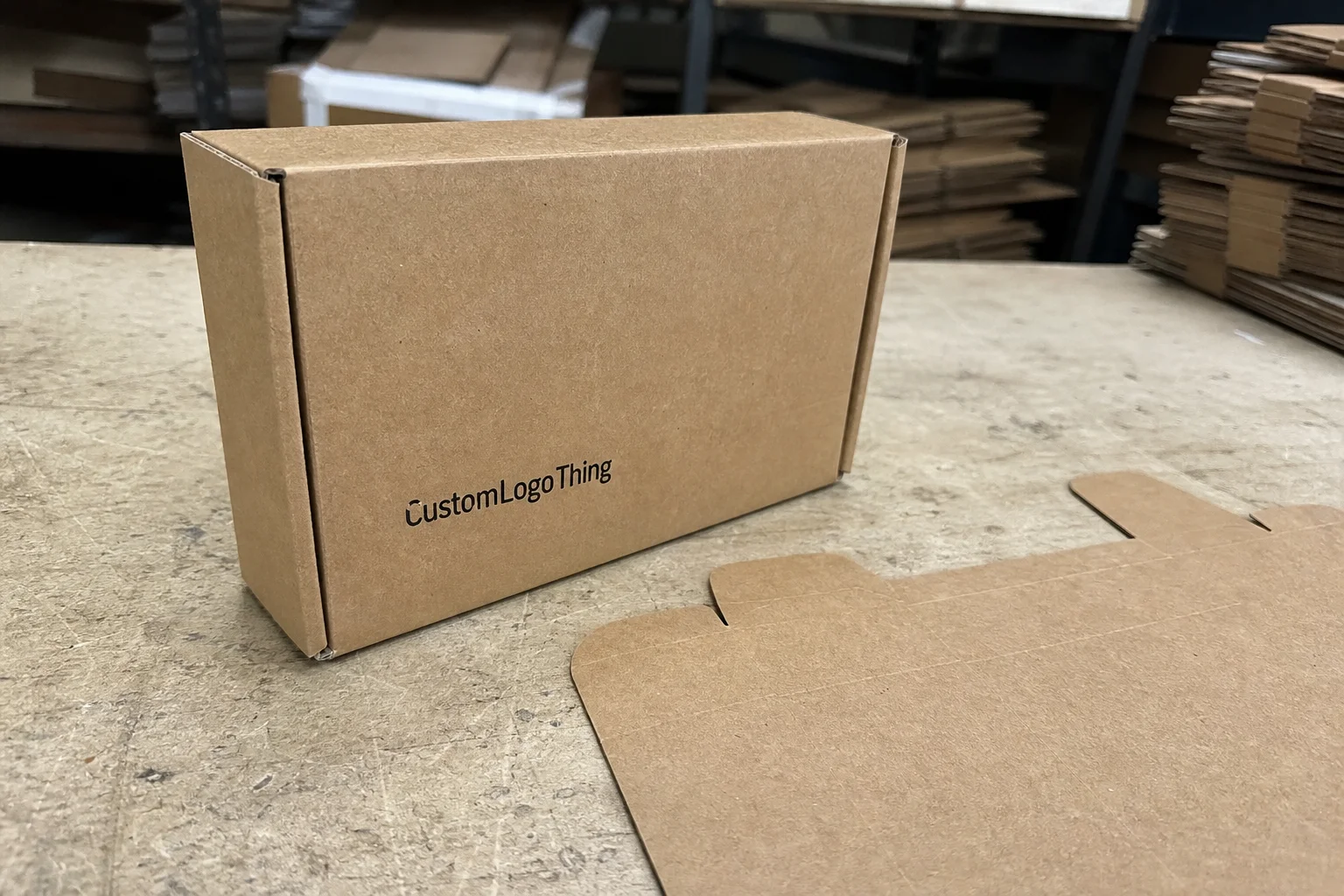
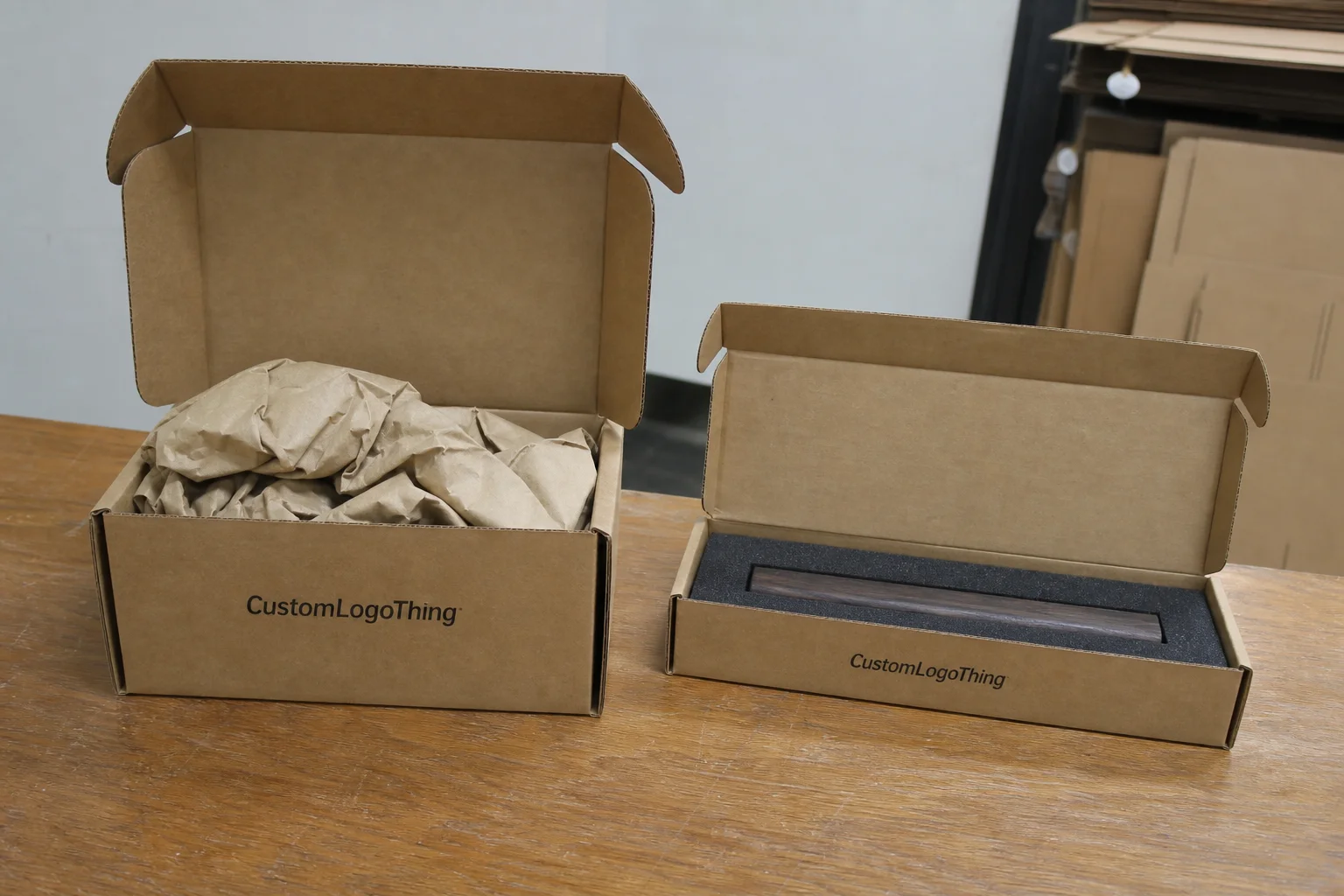
Mailer boxes are the workhorse for a lot of wholesale packaging for subscription boxes. They’re made from corrugated board, usually E-flute at about 1.5 mm thickness or B-flute at about 3 mm depending on weight and crush needs. They work well for beauty kits, apparel, candles, supplements, and wellness bundles. If the product set is under about 6 to 8 pounds and you want a clean unboxing moment, mailers are usually the first thing I quote. we have seen them run beautifully through auto-boxing lines in Dongguan, which makes operators very happy and makes me look smarter than I actually am.
Rigid boxes
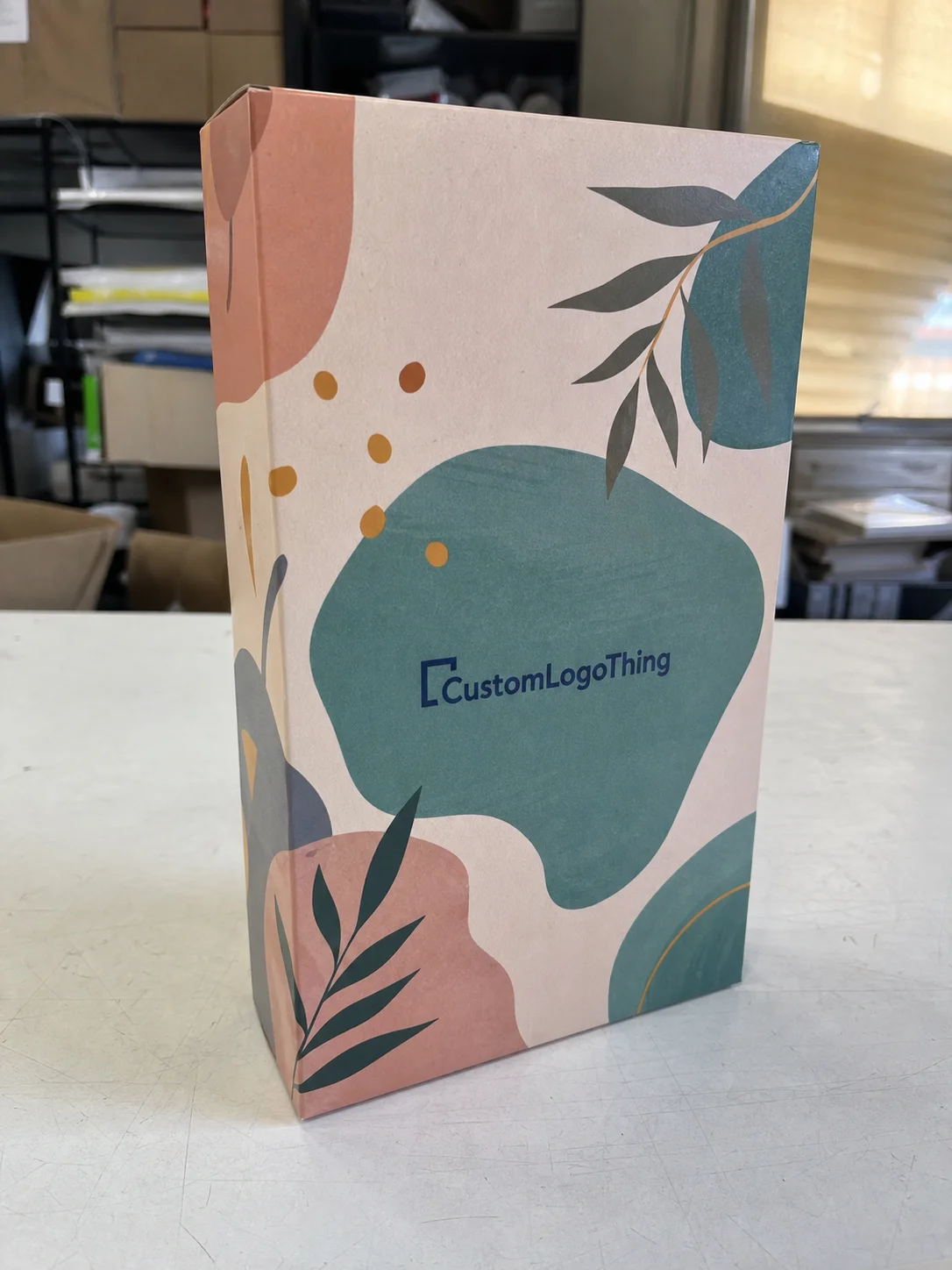
Rigid boxes are for premium presentation. They cost more, ship larger, and often need more careful assembly. I recommend them for gift-oriented subscription kits, high-end cosmetics, jewelry, and influencer mailers where the perceived value matters more than shipment density. A common spec is 1200gsm grayboard wrapped in 157gsm C1S art paper, finished with matte lamination and a foil logo. They’re great for branded packaging, but they are not the cheapest path for repeated monthly fulfillment. If a rigid box is not doing something special for the customer experience, it’s often just a very expensive rectangle with a nicer outfit.
Folding cartons
Folding cartons make sense when the product is already protected inside another shipper or when the items are light and compact. They’re common for retail packaging, samples, and small product packaging runs, especially when the stock is 300gsm to 400gsm SBS or CCNB. If you need lower material cost and fast pack-out, a folding carton can help. Just don’t expect it to replace actual transit protection on its own. we have watched people treat a folding carton like it’s armor, and then everyone acts shocked when the carton loses a fight with a conveyor in a Philadelphia fulfillment center.
Corrugated shippers
Corrugated shippers are the heavy-duty option. They’re the sensible choice for food boxes, multi-bottle wellness kits, subscription assortments with glass, and any order that needs stronger edge strength. we have had clients switch to corrugated after testing showed their previous box was failing under stacking pressure in 18-carton pallets loaded to 48 inches high. The damage claims dropped almost immediately. Strange how that works.
Sleeve packaging
Sleeves are a good add-on when you want visual impact without a full custom outer box. They can fit over kraft mailers, folding cartons, or rigid bases, and a typical sleeve might be printed on 300gsm C2S artboard with a 1.5 mm score allowance for wrap tolerance. For limited seasonal runs, sleeves let you change artwork without rebuilding the whole structure. That’s useful if you run themed subscription cycles in Q4 and need flexibility without resetting tooling every time. I like sleeves for brands that want a quick visual refresh without making the factory staff mutter under their breath.
Inserts matter just as much as the outer shell. A beautiful box with loose products is still bad product packaging. Here’s what I see most often in wholesale packaging for subscription boxes:
- Paperboard inserts: Good for lightweight items, cosmetics, and sample kits. Cheap, printable, recyclable, and often produced from 350gsm C1S artboard or 400gsm SBS.
- Foam inserts: Better protection, but not always ideal for sustainability goals or brand image. EPE foam is common, usually 10 mm to 20 mm thick.
- Molded pulp: Strong eco-friendly option for structured separation and shock absorption, often pressed in factories around Fujian and Hebei.
- Dividers: Useful for bottles, jars, and multi-item kits that must not collide. Corrugated dividers with 3 mm flute are common.
- Tissue paper: Cheap, lightweight, and effective for presentation. Just don’t pretend tissue solves actual impact protection, because a 25gsm sheet is not a suspension system.
Finishes change the feel, the cost, and the production risk. For wholesale packaging for subscription boxes, the common choices are matte, gloss, soft-touch, spot UV, foil stamping, and uncoated kraft. Matte gives a cleaner modern look. Gloss pops under light. Soft-touch feels expensive, though it can show scuffs if the carton is handled badly. Spot UV and foil are good if you want focal branding on a logo or pattern. Kraft works when you want a natural look and lower finishing cost. On a 5,000-unit run, soft-touch can add roughly $0.08 to $0.14 per unit, while foil stamping may add another $0.03 to $0.09 per unit depending on coverage and plate count.
One client in the wellness category wanted a high-end matte box with foil, but their monthly pack-out was moving too slowly because the inserts were overcomplicated and took 42 seconds to assemble. We simplified the insert to a single paperboard tray and trimmed assembly time by 14 seconds per unit. That sounds tiny. It wasn’t. On 12,000 units, it saved a labor shift and about 56 labor hours. Wholesale packaging for subscription boxes should help operations, not fight them. I still remember the warehouse lead giving me that look that said, “Finally, someone who understands we are not assembling a luxury puzzle box for fun.”
| Box Type | Best For | Typical Cost Range | Strength | Production Notes |
|---|---|---|---|---|
| Mailer Box | Beauty, apparel, wellness | $0.42 to $1.10/unit | Medium to high | Fast pack-out, strong branding surface, often E-flute or B-flute |
| Rigid Box | Premium kits, gifts, jewelry | $1.80 to $5.50/unit | High | Best presentation, higher freight and assembly cost, often 1200gsm grayboard |
| Folding Carton | Light products, retail packaging | $0.18 to $0.65/unit | Low to medium | Needs secondary shipping protection for many kits, common at 300gsm to 400gsm |
| Corrugated Shipper | Food, glass, heavy bundles | $0.55 to $1.40/unit | High | Strong crush resistance, practical for monthly shipping, often tested to 48-inch drop standards |
| Sleeve Packaging | Seasonal branding, add-on presentation | $0.10 to $0.45/unit | Depends on base pack | Good for artwork refresh without full retooling |
Wholesale packaging for subscription boxes should always be matched to the product category. Beauty and wellness usually benefit from tighter insert control and cleaner print registration. Food needs sanitary handling and moisture considerations, especially if the pack is crossing humid lanes through Florida or Southeast Asia. Apparel wants less structure but better presentation. Promo kits need low assembly friction because nobody wants to spend five minutes building one box for a free sample set that will be opened in thirty seconds.
Wholesale packaging for subscription boxes that look great but slow down fulfillment usually lose money by the second month. we have watched operators try to save $0.05 on board and spend $0.18 in extra labor, plus another $0.06 in rework when the lid fit was off. That’s not efficiency. That’s just bookkeeping with a costume on. Frankly, it makes me want to throw a calculator across the room, which I don’t do because factory floors have sharp corners and the team is not trying to end the day in the clinic.
What Should You Check Before Ordering Wholesale Packaging for Subscription Boxes?
Before you place an order, wholesale packaging for subscription boxes should be checked against the product size, shipping path, insert needs, and finishing requirements. The biggest mistake I see is buyers approving an outer box based on appearance while ignoring internal fit, stack strength, and assembly time. A box that looks right on a rendering can still fail in the warehouse if the product shifts, the lid bows, or the carton adds unnecessary freight cost. That’s where the real budget leak starts.
Ask for the internal dimensions first, then verify the outer dimensions for freight and storage. Confirm the board grade, flute type, and coating before you approve the quote. Then request a pre-production sample or hard proof so you can inspect color, fit, and folding behavior under real conditions. If the sample feels flimsy in your hands, it will not magically improve in production.
Wholesale packaging for subscription boxes also needs practical testing. Load the product, close the box, tape the flaps if needed, and run a shake test. If the contents rattle, the insert needs adjustment. If the lid pops open, the structure needs reinforcement. These are not glamorous steps, but they save money, reduce claims, and keep your monthly fulfillment schedule from turning into a stress test.
Specifications to Check Before You Order Wholesale Packaging for Subscription Boxes
If you want wholesale packaging for subscription boxes that arrives on spec, you need to get ruthless about measurements. The number one mistake I see is buyers quoting outer dimensions when the product actually needs a specific internal dimension. Internal fit is what protects the product and controls movement. Outer dimensions matter for shipping rates, palletization, and storage. You need both, and you need them written in millimeters and inches if the supplier works across Shenzhen and Chicago. Guessing gets expensive fast.
Confirm the board grade before anything else. For corrugated mailers, ask whether the supplier is using E-flute, B-flute, or a double-wall construction like BC flute. For paperboard cartons, ask about GSM or caliper, and whether the stock is coated, uncoated, or clay-coated. we have had one client approve a beautiful printed sample on lighter stock only to find the production run felt flimsy under the lid because the paper dropped from 350gsm to 300gsm. Same artwork. Different experience. That’s the kind of thing that kills trust.
Print method matters too. Digital printing is flexible for smaller runs and variable art, especially at 500 to 2,000 units. Offset printing makes sense for larger batches where color consistency and unit economics matter more, typically 3,000 units and up. Flexographic printing can be efficient for simpler designs and corrugated work. There is no magical “best” option; there is only the option that fits your order size and desired finish. Manufacturing is boring right up until it isn’t. Then it becomes the thing everyone is suddenly very passionate about at 10:00 p.m. during launch week.
Here’s what to verify for wholesale packaging for subscription boxes before you approve a quote:
- Dimensions: Internal and external measurements, written in millimeters and inches if needed.
- Board grade: E-flute, B-flute, SBS, CCNB, kraft, or rigid chipboard.
- Print method: Digital, offset, flexo, or screen for specialty applications.
- Coating: Matte, gloss, soft-touch, aqueous, or uncoated.
- Tolerances: Ask for allowable variance, especially on tight-fit inserts, ideally no more than ±2 mm on the finished box.
- Artwork requirements: Dieline, bleed, safe zone, and color profiles.
- Sustainability specs: FSC paper, recyclable construction, soy-based inks, reduced plastic use.
- Testing: Crush resistance, edge compression, and transit simulation.
Color matching deserves its own conversation. A Pantone number is helpful, but it is not magic. Different substrates absorb ink differently, and a soft-touch coating will make colors appear darker than the same art on uncoated stock. we have sat in production rooms in Guangdong while teams debated a 2% shift in magenta because one version looked fine on screen and another looked muddy in real life under 5000K inspection lights. That’s packaging design reality. Screens lie. Paper tells the truth.
For compliance and quality standards, I like to reference authoritative sources instead of hand-waving. The ISTA testing framework is useful for shipment validation, and the EPA recycling guidance helps when you’re deciding how to position recyclability claims. If you need FSC-certified paper, check the FSC certification system rather than trusting a vague supplier promise. we have seen enough paperwork to know “yes, it’s recyclable” is not a spec, and “probably FSC” is not a certificate.
Sample approval is non-negotiable. For wholesale packaging for subscription boxes, I strongly prefer a pre-production sample or hard proof, even if it adds a few days. One client rushed into mass production because their launch date was fixed. The result was a box that looked 15% darker than the approved proof and a lid fit that was off by nearly 3 mm. That led to rework, not savings. You save time once, then waste weeks cleaning up the mess. I still remember the project manager sighing so hard I thought the room temperature changed.
Wholesale packaging for subscription boxes should also be tested with actual product weight. Load the inserts. Tape the flaps. Shake the sample. Drop it from 24 to 36 inches depending on the carrier profile. If the box opens, shifts, or scuffs under a basic handling test, the production run will not improve out of kindness. If anything, mass manufacturing makes flaws more obvious, especially when the press runs at 6,000 sheets an hour and there is no time for wishful thinking.
Pricing and MOQ for Wholesale Packaging for Subscription Boxes
Pricing for wholesale packaging for subscription boxes is a function of size, substrate, print coverage, finish complexity, and quantity. That’s the short version. The long version is that every small decision compounds. A larger footprint increases board usage. A full-bleed design needs more ink coverage. Foil stamping adds setup and tooling. Inserts increase labor. Rigid construction drives both material and freight costs. None of this is mysterious. It just gets ignored when people focus on the mockup instead of the quote from the factory in Guangzhou.
I like to break cost drivers into buckets:
- Structure: Mailer, rigid, folding carton, corrugated shipper, or sleeve.
- Material: Thickness, flute type, chipboard weight, kraft vs. white stock.
- Print coverage: One-color, full color, inside print, or specialty ink.
- Finish: Matte, gloss, soft-touch, spot UV, foil, embossing.
- Insert complexity: None, die-cut tray, molded pulp, foam, or dividers.
- Fulfillment impact: Assembly time, fold count, and packing speed.
MOQ is where buyers get tripped up. Some suppliers advertise low minimums, then bury the real cost in setup fees. Others quote a high MOQ but give you a much better landed unit price. For wholesale packaging for subscription boxes, the cheapest quote on paper is often not the cheapest order. we have seen “low MOQ” programs end up costing more than a normal run because the per-unit setup was padded hard enough to make a banker blush. That kind of quote always arrives with a cheerful tone, which is somehow more annoying.
Here’s a practical pricing reference for wholesale packaging for subscription boxes based on common production patterns. These are directional, not a promise, because size, finish, and shipping lane matter a lot:
| Volume Tier | Mailer Box | Rigid Box | Notes |
|---|---|---|---|
| 1,000 units | $0.92 to $1.60/unit | $3.20 to $6.50/unit | Higher setup share, sampling cost matters more |
| 3,000 units | $0.58 to $1.12/unit | $2.20 to $4.90/unit | Better balance between tooling and unit cost |
| 5,000 units | $0.42 to $0.95/unit | $1.90 to $4.20/unit | Common sweet spot for subscription brands |
| 10,000+ units | $0.28 to $0.72/unit | $1.55 to $3.60/unit | Best pricing, but storage and cash flow must be planned |
Freight, duties, and samples can move the total landed cost more than buyers expect. If your box quote looks amazing but shipping adds another $0.14 to $0.33 per unit, the final number may not be so pretty. I always tell clients to ask for pricing at multiple quantities: 1,000, 3,000, 5,000, and 10,000 units. That exposes the breakpoints and makes the economics honest. If you can get a quote for 5,000 pieces at $0.15 per unit on a simple kraft mailer, great, but only if the board spec, print coverage, and freight lane are all clearly defined in the same line item.
MOQ varies by structure. Mailer boxes often start lower because tooling is straightforward. Rigid boxes usually need a higher commitment because assembly is more labor-heavy. Folding cartons can also run at low minimums, especially with digital print. The key is to ask whether the quote includes setup fees, plate charges, tooling, insert tooling, and pre-production samples. If a supplier is vague about that, they are not being helpful. They are protecting the spreadsheet from your eyes.
For wholesale packaging for subscription boxes, I also recommend budgeting a small reserve for rejects and overage. A 3% to 5% contingency is realistic, especially if you’re doing full-color work or specialty finishes. And if the supplier promises zero variance and perfect counts every time, I’d politely ask if they also sell unicorns, because even a well-run plant in Dongguan will still hold a reasonable overage for trim loss and inspection pulls.
Process and Timeline for Wholesale Packaging for Subscription Boxes
The order process for wholesale packaging for subscription boxes should be straightforward. It usually goes like this: inquiry, specs, quote, artwork, sample, approval, production, quality control, and shipping. If a supplier can’t explain those steps in plain language, that is a warning sign. A real packaging partner should be able to tell you where your order is, what’s pending, and what can still derail the schedule. we have found the best factory teams are the ones who can explain a corrugator issue without sounding like they’re reciting a spell.
Typical timelines depend on complexity. For a standard mailer with simple print and no exotic finish, I often see 12 to 15 business days from proof approval to completion, plus freight time. For more complex rigid box programs, especially with inserts and specialty finishes, 20 to 35 business days is more realistic. Sampling may take 3 to 7 business days, sometimes longer if the structure needs adjustment. That’s not slow. That’s manufacturing in a real facility where slitting, die-cutting, gluing, and packing all happen in sequence.
What speeds up wholesale packaging for subscription boxes? Ready dielines. Final artwork. Correct dimensions. One decision-maker on approvals. Clear notes on where the logo goes, which Pantone colors matter, and whether the inside should be printed. we have watched projects lose a week because three people kept changing the same box height by 2 mm. Nobody wins there. Not the buyer, not the supplier, not the person stuck updating the PDF for the sixth time on a Wednesday afternoon.
What causes delays? Missing measurements. Artwork revisions after the sample is already approved. Late payment authorization. Unclear finish instructions. Freight booking issues. The most common one is changing the box after sampling because “it feels a little big.” That phrase can cost a week and a retool. If you don’t have an actual reason, like product movement or pallet waste, don’t redesign the box on a whim. we have had to say that more than once, and I never enjoy being the adult in the room, but here we are.
During a factory review in Dongguan, I watched a team pause production because the buyer had changed the insert layout after approving the structure. The plant had already scheduled corrugation slitting for the next batch, and the die line had been locked at 4:00 p.m. the day before. That little change pushed the order back eight days and added a rework fee. Good communication would have prevented it. So yes, wholesale packaging for subscription boxes benefits from milestone updates. Your supplier should confirm sample dispatch, proof sign-off, production start, QC completion, and ship date. If they don’t, ask why.
Transit testing should also be part of the process for higher-value kits. I like to see references to ISTA-style drop and vibration tests where appropriate, especially for heavy or fragile products. Not every subscription box needs full lab certification, but if your box contains glass, liquids, or premium electronics, you should not be guessing. That is how chargebacks happen, usually after a carton splits on the last mile and a customer sends photos to support.
Why Choose Us for Wholesale Packaging for Subscription Boxes
the team is not interested in pretending every supplier is the same. They’re not. Custom Logo Things works from actual packaging know-how, not guesswork, and that matters when you’re buying wholesale packaging for subscription boxes. we have negotiated directly with factories long enough to know where pricing gets padded, where board can be optimized, and where a little structure change saves real money without making the box look cheaper. A supplier in Suzhou may quote beautifully on paper, but if they can’t tell you the difference between a 350gsm C1S artboard insert and a 400gsm SBS tray, you’re not buying expertise, you’re buying optimism.
One negotiation still stands out. A client wanted a two-piece premium set with a thick insert and expensive foil. The sample looked nice, but freight was punishing because the cube size was larger than it needed to be. I pushed the supplier to reduce the outer depth by 6 mm and change the insert geometry. That cut carton volume enough to lower freight and reduced board usage by about 8%, which translated into roughly $0.11 per unit on a 5,000-piece run. The client kept the same branded packaging look, but the unit economics improved. That is the job. Not magic. Just competent packaging design.
We also pay attention to consistency. If your subscription business ships the same item every month, then your box must print the same way every month. That means color control, repeatable dielines, and predictable board specs. we have seen brands get burned by suppliers who quote one thing, ship another, and then blame “material variation.” Sometimes variation is real. Sometimes it’s just bad management in a nicer jacket. We ask the questions that separate the two, and we want the answer in writing before the press starts running at 8,000 sheets per hour.
Here’s what buyers typically get with us for wholesale packaging for subscription boxes:
- Factory-aware pricing: Quotes that reflect material and labor reality, not random markup.
- Spec guidance: Help selecting the right board, print method, and finish level.
- Custom sizing: Boxes built around actual product dimensions, not generic templates.
- Print consistency: Stronger control over color and finish across reorders.
- Sample support: Physical proofing before mass production.
- QC checkpoints: Better visibility before a shipment leaves the plant.
We also support buyers who need a broader packaging lineup. If you’re expanding into seasonal drops or retail packaging, our team can help you coordinate Custom Packaging Products that align with your brand look, and I can point you toward Wholesale Programs if you need volume pricing across multiple SKU families. That matters when a subscription brand starts turning into a real inventory operation instead of a one-box side project, especially if you’re shipping from a 3PL in California and a backup warehouse in Ohio.
And yes, we have had those client meetings where somebody says, “We just need the cheapest box.” Usually five minutes later they’re talking about unboxing content, damage rates, and how the packaging should feel premium. Fair enough. But premium still has to survive shipping. Wholesale packaging for subscription boxes should make the product better, not just prettier on a sales deck.
the team is blunt about this because we have seen the consequence. Poor packaging design creates returns, damaged goods, longer assembly, and slower turns. Strong wholesale packaging for subscription boxes creates predictability, and predictability is what keeps margins intact month after month.
Next Steps to Order Wholesale Packaging for Subscription Boxes
If you’re ready to buy wholesale packaging for subscription boxes, start with the numbers. Gather the exact box dimensions, product weight, monthly ship volume, and whether the box will be mailed directly or placed inside another shipper. Decide on finish level before you request quotes. Matte is different from soft-touch. Kraft is not the same as coated white stock. These decisions change pricing more than most founders expect, especially on runs of 3,000 to 10,000 units.
Prepare your logo files, brand colors, and reference packaging. If you already have a sample you like, send photos with measurements. If you have multiple products going inside the box, list each one with dimensions and weight. The more precise your brief, the cleaner your quote. Vague requests get vague pricing. That’s not me being difficult. That’s just how factories work. The number of times we have seen “about this size” on a spec sheet makes me want to put a ruler in every founder’s pocket, preferably one marked in both inches and millimeters.
Here’s the action plan I recommend for wholesale packaging for subscription boxes:
- Measure the product and confirm internal fit requirements.
- Choose the box structure: mailer, rigid, folding carton, corrugated shipper, or sleeve.
- Select the finish level and sustainability requirements.
- Send artwork files, Pantone references, and dieline notes.
- Request quotes at multiple quantities to see the price breakpoints.
- Approve the sample before mass production.
- Confirm freight timing and reorder planning before the next cycle starts.
For reordering, don’t wait until the last pallet is empty. Subscription cycles are unforgiving. If your packaging lead time is 3 weeks and your freight takes another 2, you need a reorder buffer. I usually tell clients to plan at least one cycle ahead, sometimes two if the box has specialty finishing or overseas shipping involved. Running out of packaging is a ridiculous way to stall revenue. It happens more than people admit, especially when the box is produced in Asia and booked onto a vessel out of Shenzhen or Ningbo with a tight sail date.
Keep the goal simple: wholesale packaging for subscription boxes should protect the product, support margin, and give you a repeatable unboxing experience without creating operational chaos. If the box checks those three boxes, you’re buying the right thing. If it only looks good on a mood board, you’re buying a problem with printing on it.
FAQ
What is the best wholesale packaging for subscription boxes?
The best option depends on product weight, shipping method, and brand presentation. Mailer boxes work well for lightweight to medium products, while rigid boxes suit premium kits and gifts. If your items move around in transit, use inserts so the contents stay put during shipping, and choose a board spec like E-flute or 350gsm paperboard that matches the product weight.
What MOQ should I expect for wholesale packaging for subscription boxes?
MOQ varies by material, structure, and print complexity. Custom Mailer Boxes often start lower than rigid boxes because tooling is simpler and production is faster. A digital-printed folding carton might begin at 500 pieces, while a rigid box often starts closer to 1,000 or 3,000 pieces. Always ask whether setup fees are separate from unit pricing, because that changes the real cost fast.
How much does wholesale packaging for subscription boxes cost per unit?
Per-unit cost changes with size, material thickness, print coverage, and finish level. Higher volume usually lowers the unit price, but freight and inserts can shift the total landed cost. A simple mailer might land near $0.42 to $0.95 at 5,000 units, while a rigid box can run $1.90 to $4.20 at the same volume. Request pricing at multiple quantities so you can see where the savings actually start.
How long does production take for wholesale packaging for subscription boxes?
Standard timelines usually include sampling, approval, production, and shipping. For a simple mailer, production is typically 12 to 15 business days from proof approval, while rigid box programs often take 20 to 35 business days. Complex finishes or late artwork changes can extend the schedule. Fast approvals, accurate specs, and ready files help shorten lead time more than anything else.
Can I order sustainable wholesale packaging for subscription boxes?
Yes, many options are recyclable, FSC-certified, or made with reduced-plastic materials. Kraft mailers, paperboard inserts, and soy-based inks are common choices. You can also specify FSC-certified stock, molded pulp inserts, and water-based coatings. Confirm sustainability claims with your supplier before placing the order, because packaging labels should be verified, not assumed.
If you want wholesale packaging for subscription boxes that actually helps your margin, start with the specs, not the fantasy. The right board, the right print method, the right insert, and the right order quantity will do more for your business than a box that just photographs well. we have seen the difference in factory visits, supplier negotiations, and client reorders from Guangzhou to Los Angeles. It’s not subtle. It’s measurable. The practical takeaway is simple: confirm internal fit, test a sample under real handling, and lock your reorder timing before the next cycle starts. That’s how you keep the box working for the brand instead of against it.