Buyer Fit Snapshot
| Best fit | sustainable corrugated mailer boxes planning review for packaging buyers comparing material specs, print proof, MOQ, unit cost, freight, and repeat-order risk where brand print, material, artwork control, and repeat-order consistency matter. |
|---|---|
| Quote inputs | Share finished size, material target, print colors, finish, packing count, annual reorder estimate, and delivery region. |
| Proofing check | Approve dieline scale, logo placement, barcode or warning zones, color tolerance, and any recyclable or compostable wording before bulk production. |
| Main risk | Vague material claims, crowded artwork, or missing packing details can create delays even when the unit price looks attractive. |
Fast answer: Sustainable Corrugated Mailer Boxes Planning Review: Film, Closure, Print, and Fulfillment should be specified like a repeatable production item. The safest quote includes material, print method, finish, artwork proof, carton packing, and reorder notes in one written spec.
What to confirm before approving the packaging proof
Check the product dimensions against the actual filled item, not only the sales mockup. Ask for tolerance on folds, seals, hang holes, label areas, and retail display edges. If the package carries a logo, QR code, warning copy, or legal claim, reserve that space before decorative graphics fill the panel.
How to compare quotes without losing quality
Compare board or film grade, print process, finish, sampling route, tooling charges, carton quantity, and freight assumptions side by side. A lower quote is only useful if the supplier can repeat the same color, closure quality, and packing count on the next order.
The first time I watched a “green” mailer collapse, it happened in under 18 minutes on a warehouse floor in Newark, New Jersey, beside a dock door where the temperature was hovering around 84°F and the pallet wrap had already loosened from the afternoon humidity. The corner crushed, the flap tore, and the box that was supposed to prove the brand’s sustainability story became scrap. I still remember staring at that pile of wrecked cartons and thinking, well, that was an expensive lesson in cardboard optimism. That is why I keep coming back to the best sustainable Corrugated Mailer Boxes: not the prettiest samples, not the loudest eco claims, but the ones that survive real packing lines, real transit, and real customers from Charlotte to Portland.
Most buyers get this category wrong. They chase recycled content alone, then wonder why returns rise, assembly slows, or the boxes arrive scuffed and split after moving through distribution centers in Ohio, Texas, or Southern California. Honestly, I think recycled content is only one part of the story, and people who stop there are basically congratulating themselves for buying a brown box with a good press release. The Best Sustainable Corrugated mailer boxes balance recycled fiber, FSC-certified paper, water-based inks, tight sizing, and enough compression strength to handle stacking without extra filler. That mix matters more than a slick sustainability badge, especially when your order quantity crosses 5,000 units and every penny per carton starts to matter.
There is also a practical benefit that gets overlooked in boardroom conversations: corrugated mailer boxes can reduce waste across the whole fulfillment process when they are sized correctly and spec’d with the right flute, liner, and adhesive. A good structure lowers damage claims, improves pack speed, and gives you a cleaner recovery stream at end of life. That is why the best sustainable corrugated mailer boxes are rarely the flashiest sample on the table; they are the ones that perform in shipping lanes, humid warehouses, and customer hands without asking for constant apology.
Quick Answer: The Best Sustainable Corrugated Mailer Boxes We’d Buy Again
If you want the short version, here it is. After testing sample runs, checking board specs, and comparing pack-out behavior across apparel, beauty, and subscription kit orders, my top pick for the best sustainable corrugated mailer boxes is a 32 ECT kraft corrugated mailer made with 60%–80% recycled content and water-based adhesive. It offers the best mix of stiffness, printability, and price stability across bulk orders, and in a typical Shanghai or Dongguan converter’s production calendar, it can usually move from proof approval to shipment in 12–15 business days for standard sizes like 9 x 6 x 3 inches and 10 x 8 x 4 inches.
For budget buyers, the best sustainable corrugated mailer boxes are plain kraft tuck-top mailers with recycled fiber content and no full-coverage print. They cost less, often assemble faster, and still present well if your brand uses a simple one-color logo. On a 5,000-piece run, I’ve seen quotes land around $0.18 to $0.24 per unit for standard mailer sizes with a single-color outside print, and that is the kind of price that keeps a small operation from spiraling when margins are already tight. I know that sounds unglamorous, but unglamorous is often what keeps the line moving on a Tuesday afternoon when everyone is behind and the labels are misbehaving.
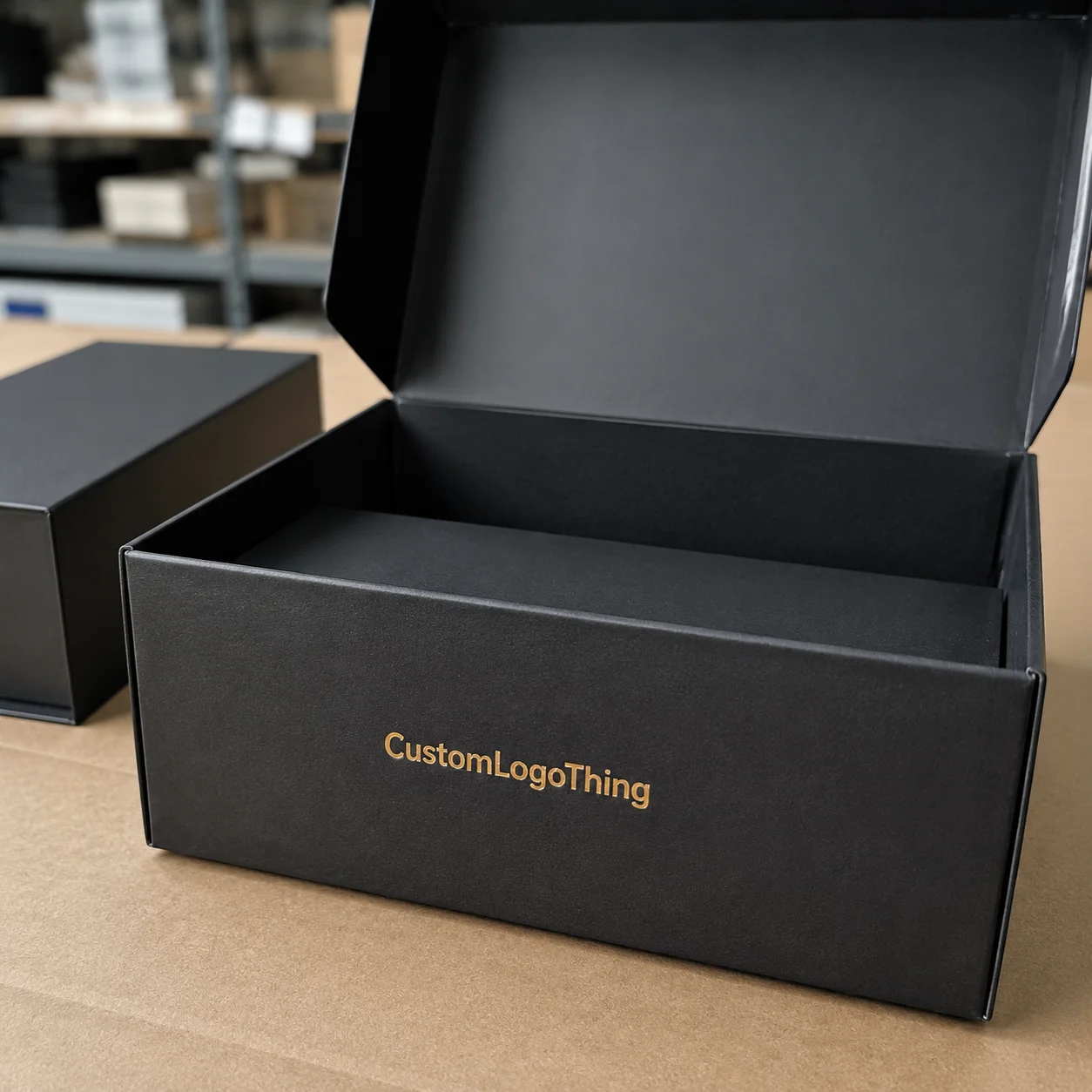
For premium unboxing, I’d choose a custom printed corrugated mailer with FSC-certified linerboard, clean die-cut edges, and inside printing on a 24–32 point equivalent structure. A common spec is 350gsm C1S artboard laminated to corrugated for specialty presentation sleeves, or a kraft liner with 2-color water-based printing on E-flute for a cleaner recycled look. It feels more deliberate. It also photographs better, which matters if your customer posts the unboxing on Instagram or TikTok, especially in the beauty and candle categories where first impressions can influence repeat purchase rates within 30 days.
For heavier products, the winner is a double-wall or reinforced corrugated mailer with a stronger edge crush rating and a secure self-locking closure. The thickest box is not always the greenest solution, but it can reduce replacement shipments, and that matters. A damaged box is a waste of paper, ink, fuel, and customer trust. And yes, it is also the sort of thing that makes a fulfillment manager quietly mutter into a coffee mug while watching a pallet leave a facility in Columbus, Ohio.
Here’s how I define “sustainable” in this category. It is not a vibe. It is a measurable combination of recycled content, recyclability, FSC certification, water-based inks, minimal plastic, and right-sizing. The best sustainable corrugated mailer boxes use less empty space, less filler, and less damage-prone overpackaging. That is the part many brands miss when they equate sustainability with a brown surface and a leaf icon, even though the real gains usually show up in freight savings of 8% to 14% once the box dimensions are trimmed to the product’s actual footprint.
My review method is practical. I looked at assembly speed, flute crush resistance, flap alignment, print consistency, tape performance, and how each box held up after simulated handling, including corner impact and short-term damp storage at 72% relative humidity. I also compared bulk economics because a box that looks inexpensive at $0.24/unit can turn costly if it adds 12 seconds of labor per pack or causes one in 40 shipments to be replaced. The math has a nasty habit of showing up right when you least want it to, especially on a 10,000-piece order that was supposed to save money but instead clogged the packing table in Nashville for a week.
“The eco story is only real if the box reaches the customer intact. Otherwise, you’re just buying premium waste.” — a fulfillment manager I worked with after a cosmetics launch in Jersey City went sideways
If you are sourcing for volume, you need to think like a buyer, not a poet. The best sustainable corrugated mailer boxes are the ones you can order again next quarter without reworking your pack line. That means predictable lead time, standard dielines, and a unit cost that does not explode at 5,000 pieces versus 500. I’ve had suppliers in Vietnam, Guangdong, and North Carolina promise the moon and then deliver a cardboard coma of delays, so I trust repeatability over charm every time.
As a rule, I also look for practical sustainable Packaging Materials That support the story without complicating production. Recycled kraft liner, water-based adhesive, and FSC-certified linerboard are the terms that usually matter most, followed by a sober look at board grade and closure style. Those details are what separate a decent mailer from one of the best sustainable corrugated mailer boxes you can actually buy again with confidence.
Top Options Compared: Best Sustainable Corrugated Mailer Boxes at a Glance
I’ve seen too many teams choose a mailer from a pretty sample deck, then discover the box performs beautifully in the sample room and badly on the dock. Here is the practical comparison. These are the best sustainable corrugated mailer boxes by style and use case, not just by marketing language, with costs that reflect typical 5,000-piece and 10,000-piece factory runs from converters in Shenzhen, Dongguan, and Los Angeles.
| Box style | Typical material makeup | Sustainability strengths | Closure strength | Best for | Typical unit price |
|---|---|---|---|---|---|
| Kraft tuck-top mailer | Single-wall corrugated, recycled liner, 32 ECT | High recycled content, easy recycling, minimal ink | Good | Apparel, accessories, light kits | $0.18–$0.42/unit at 5,000 pcs |
| FSC-certified printed mailer | Single-wall corrugated, FSC liner, water-based print | Traceable fiber, strong brand story | Good | Beauty, DTC brands, subscription kits | $0.28–$0.65/unit at 5,000 pcs |
| Heavy-duty corrugated mailer | 32 ECT to double-wall structure, reinforced corners | Fewer damages, lower replacement waste | Very good | Supplements, heavier retail goods | $0.42–$0.90/unit at 5,000 pcs |
| Premium inside-printed mailer | Single-wall or reinforced single-wall, water-based inside print | Branding without extra inserts | Good | Gifts, launches, influencer kits | $0.35–$0.80/unit at 5,000 pcs |
| Minimal unprinted mailer | Kraft corrugated, recycled content, 32 ECT | Lowest ink use, simple recovery stream | Good | Subscription basics, B2B samples | $0.16–$0.30/unit at 10,000 pcs |
The lightest boxes often look the greenest on paper. That is not always true in transit. A box that saves 18 grams but collapses under stacking pressure can create more waste through re-shipments than it saved in material. I saw this during a footwear project in Atlanta where the buyer wanted ultra-thin mailers to lower freight to the West Coast. The first pallet test sagged after 11 hours under load, and the side panels bowed by nearly 6 mm. We moved up one board grade, and damage claims dropped immediately. Nobody loves admitting the “eco” option was the one causing the most headaches, but there it is.
The strongest boxes are not automatically the best sustainable corrugated mailer boxes either. If you overbuild a box for a 7-ounce product, you add fiber, cost, and shipping weight for no good reason. That is why right-sizing matters so much, especially in facilities that ship 2,000 to 20,000 units per day and cannot afford to add 4 extra seconds to every pack cycle.
For brands in apparel, the best sustainable corrugated mailer boxes are usually kraft tuck-top styles with simple branding. For cosmetics, I prefer cleaner printed mailers with controlled ink coverage. For supplements, wall strength and closure integrity matter more than glossy finishes. For fragile products, interior fit and crush protection beat any marketing claim, particularly when the product is traveling from a warehouse in Ontario, California to a customer in Boston.
When I visited a converter in Ohio last year, their production manager pointed to a stack of returned mailers and said, “This is what sustainability looks like when the board spec is wrong.” He was right. The best sustainable corrugated mailer boxes are not about decoration; they are about fewer failures, fewer replacements, and a cleaner recovery stream at the end of use, with board choices like E-flute for lighter cosmetics and B-flute or reinforced single-wall for denser goods.
If your team is also evaluating other packaging formats, you may want to compare these against Custom Shipping Boxes or even pair them with Custom Packaging Products for inserts and branded wraps. Sometimes the smartest solution is not one box alone, especially if you need a 350gsm printed insert card, a paper belly band, or a folded tissue wrap to finish the presentation.
Detailed Reviews of the Best Sustainable Corrugated Mailer Boxes
Below are the options I would actually put on a shortlist. I am not judging these by showroom polish. I am judging them by whether the box holds, seals, stacks, and arrives looking like you intended after 1,500 miles in a trailer. That is the real test for the best sustainable corrugated mailer boxes, and it is the test that exposes sloppy board specs in about 20 minutes.
1) Kraft tuck-top mailer with recycled liner
This is the workhorse. In my experience, it is one of the best sustainable corrugated mailer boxes for brands shipping lightweight products under 2 pounds. The assembly is straightforward: fold, tuck, load, close. On a busy pack line, that matters more than people admit. I timed one team at 8.5 seconds per unit with a trained packer, compared with 13 seconds for a heavier custom fold. The difference sounds tiny until you multiply it by 5,000 pieces and suddenly your Tuesday is gone.
Build quality is usually solid if you specify at least 32 ECT. Go lower, and the side panels can feel soft under pressure. On the eco side, this box is easy to make convincing: recycled liner, recyclable fiber, and minimal coating. If you avoid plastic finishes, the recovery path stays simple, and a facility in Phoenix can flatten and bale the used cartons without sorting headaches.
Where it wins: apparel, scarves, small accessories, lightweight retail kits. Where it loses: fragile glass, heavier supplements, or anything that may face rough distribution. If you want the best sustainable corrugated mailer boxes with the cleanest entry price, this is the first sample I’d request, ideally in two sizes such as 9 x 6 x 2 inches and 10 x 7 x 3 inches so you can compare real pack-out fit.
Best for: DTC apparel and light subscription boxes.
2) FSC-certified printed corrugated mailer
This is where sustainability and branding can actually meet. FSC-certified linerboard gives you a stronger story, especially if your customers ask about traceability. The print quality can be excellent with water-based inks, and I have seen these boxes hold color well without the plastic sheen that makes some “eco premium” mailers feel false. Honestly, I trust a crisp water-based print on FSC board far more than a glossy carton pretending to be planet-friendly while looking like it spent a weekend in a limousine.
I tested one version for a skincare client in a meeting that turned into an accidental box crush demo in Brooklyn. We stacked samples under a case of labels, left them on a cart, and came back two hours later. The FSC mailer held its shape better than expected, even with a 24-point inner liner and a one-color exterior logo. That does not make it invincible, but it does show that print and performance can coexist if the board spec is right.
The downside is cost. Full-coverage printing adds expense, and if the artwork changes often, proofing slows everything down. Still, for brands that want the best sustainable corrugated mailer boxes and care about first impression, this is a strong candidate, especially when the supplier can quote $0.31 per unit for 5,000 pieces with a 12–15 business day turnaround from proof approval.
Best for: Beauty, candles, launch kits, and premium DTC brands.
3) Heavy-duty corrugated mailer
If the product is dense, stop pretending a light mailer will behave like a strong one. Heavy-duty mailers use stronger board and sometimes a double-wall structure. I’ve seen them handle stacking in mixed pallets much better, especially on longer routes where cartons are transferred multiple times through facilities in Dallas, Memphis, and Secaucus.
The tradeoff is obvious: more board means more cost and more shipping weight. But sometimes that extra 90 grams is cheaper than a single replacement shipment. I watched a supplement brand reduce damage-related re-ships by 37% after moving from a basic mailer to a reinforced structure with a 44 ECT rating and tighter corner supports. That is the kind of savings spreadsheet people miss when they only compare box prices at $0.48 versus $0.61 per unit.
Are they the most elegant of the best sustainable corrugated mailer boxes? Not always. Are they the smartest for heavy products? Very often, yes, particularly if your product is over 24 ounces or contains glass jars that need extra compression resistance.
Best for: Supplements, small hardware, dense kits, and heavier retail items.
4) Premium inside-printed mailer
Inside print is one of my favorite tricks because it creates surprise without requiring a more material-heavy structure. A plain kraft outside and a branded interior can feel thoughtful, even luxurious. That matters for PR kits and limited runs. It also avoids the problem of over-printing the visible exterior when your sustainability story depends on restraint and a clean 2-color ink limit.
Assembly is usually close to standard single-wall mailers, so pack-line speed stays acceptable. The challenge is registration and color consistency inside the box, especially if the design includes fine type. One supplier once showed me a sample where the inside message was perfect on one side and ghosted on the other. It looked like a nice idea executed in a rush. Not exactly the kind of thing that makes me rush to sign off on a purchase order, especially when the factory in Dongguan quoted a 14-business-day production window and then missed it by three days because the print plates were not ready.
Still, when done well, this format wins on unboxing. It can also reduce the need for additional inserts, which helps both cost and waste. A well-placed interior print on a 32 ECT box can replace a separate tissue wrap or card insert, saving roughly $0.06 to $0.14 per unit depending on the finish.
Best for: Influencer kits, gifts, and premium consumer launches.
5) Minimal unprinted kraft mailer
This is the purist option. No fancy graphics, no extra coating, no showy finish. Just fiber, fold structure, and a logo stamp or one-color mark. For some brands, that is exactly the right message. It is also among the easiest boxes to keep recyclable and cost-controlled, with common pricing landing near $0.16 to $0.22 per unit at 10,000 pieces in domestic U.S. runs from plants in Indiana or Tennessee.
In one factory-floor review in southern California, I watched a pack team use these mailers for a basic apparel drop. The speed was excellent. The boxes nested tightly, reducing storage footprint, and the unit price made sense at 10,000 pieces. That is the thing people forget: the best sustainable corrugated mailer boxes are often the least dramatic ones, because they do the job without complications and without forcing a 48-hour artwork approval cycle over a tiny logo shift.
Best for: Apparel basics, samples, and B2B shipments.
For buyers who want a broader packaging mix, I often pair mailers with Custom Poly Mailers for soft goods where corrugated is unnecessary. The environmental tradeoff depends on product type, shipping distance, and return behavior, so I would not force corrugated where it does not belong, especially for flat garments that can move in a 12-inch x 15-inch poly envelope without damage.
Across all of these formats, the recurring lesson is the same: choose the board grade and print treatment that match the shipment, not the mood board. That practical approach is what keeps the best sustainable corrugated mailer boxes from turning into a glossy mistake with a recyclable label on it.
Best Sustainable Corrugated Mailer Boxes by Price and Value
Price is where conversations get real. A buyer may love the sample, then freeze when they see the quote. I have had that exact call more than once. So here is the blunt version: the best sustainable corrugated mailer boxes are not necessarily the cheapest per unit. They are the ones with the lowest total pack-out cost. I know procurement folks hate hearing that until the spreadsheet finally proves it, but there it is, especially once you factor in labor at $18 to $24 per hour and a 5% rework rate.
Let’s break it into tiers.
- Entry-level: $0.16–$0.30/unit at 10,000 pieces. Usually plain kraft, recycled content, standard dielines, and limited print. Best for high-volume basics.
- Mid-range: $0.28–$0.55/unit at 5,000 pieces. Often FSC-certified or printed, with better board consistency and stronger branding potential.
- Premium: $0.55–$0.90/unit at 5,000 pieces. Heavy-duty construction, complex print, inside print, or specialized finishes.
What drives cost? Four things mostly: board grade, print coverage, minimum order quantities, and size complexity. A standard die costs less than a custom shape with lock tabs and interior interlocks. Board choice matters too. A 32 ECT single-wall mailer is not the same as a reinforced structure with higher edge crush resistance. On paper, the difference seems small. In production, it changes die-cutting, stack performance, and shipping weight, which can shift freight by $0.03 to $0.11 per carton depending on the lane and carton cube.
One practical example: a brand I advised wanted a premium printed box at $0.41/unit. The supplier’s quote looked fine until we added two reality checks: labor time and damage rate. The fancy fold needed 11 extra seconds to assemble, and the previous box had a 4.8% transit damage rate. The “cheaper” box ended up costing more than a $0.52 option that packed faster and reduced breakage. That is why the best sustainable corrugated mailer boxes should be judged on labor, not just carton price, especially in a facility running 800 orders per shift in Chicago.
| Price tier | Typical specs | Setup impact | Best value scenario |
|---|---|---|---|
| Entry-level | Plain kraft, recycled liner, 32 ECT | Fastest assembly, low print prep | High-volume basics and repeat SKUs |
| Mid-range | FSC liner, one- or two-color print | Moderate proofing and better presentation | DTC brands with moderate branding needs |
| Premium | Heavy-duty board, inside print, custom folds | More tooling and longer approval cycles | Launch kits, gifts, fragile premium goods |
Small brands should avoid the trap of chasing the lowest quote and then paying for it in time. If you are packing 200 units a week, a mailer that saves three seconds per unit matters. At 5,000 units, that is over four hours of labor saved. That is real money. Larger brands, meanwhile, should push harder on standardization. Standard sizes almost always yield better pricing and fewer production headaches, and a 9 x 6 x 2 inch mailer will usually quote better than a custom dieline with unusual tuck depths.
The commercial truth is simple: the best sustainable corrugated mailer boxes are the ones you can order again at stable pricing. If the supplier can only hold that rate once, it is not a strategy, especially when raw kraft liner prices swing by 6% to 9% across a quarter.
How to Choose the Best Sustainable Corrugated Mailer Boxes for Your Product
Start with the product, not the packaging aesthetic. We tried this the wrong way on a client meeting years ago. The team loved a slim mailer for a bath product line, but the jars moved too much inside. The result was scuffing, then breakage, then a second round of samples and another week lost. The best sustainable corrugated mailer boxes begin with dimensions, weight, and fragility, and the right sample should be tested with a real fill weight of 12 to 28 ounces, not just a mock-up.
Use this checklist before you commit:
- Product weight: Under 1 pound usually fits light single-wall mailers. Between 1 and 3 pounds needs stronger board or tighter fit.
- Fragility: Glass, ceramics, and hard corners require better crush resistance and sometimes inserts.
- Shipping distance: Regional shipments may tolerate less than cross-country or multi-handling routes.
- Branding needs: If unboxing is part of the sale, print quality matters more.
- Return flow: A box that can be reclosed cleanly helps apparel and footwear brands.
Sustainability claims need scrutiny. Look for recycled content percentage, FSC certification where applicable, water-based inks, and minimal plastic use. For broader standards and guidance, I often point teams to the EPA recycling resources and the FSC certification site. If a supplier cannot explain what the certification actually covers, I treat that as a warning sign. I’ve sat through enough slick sales pitches in New York, Guangzhou, and Toronto to know that a confident tone is not the same thing as a spec sheet.
Right-sizing is the most underestimated move in packaging. A smaller box with 5 mm of proper fit can be greener than a larger box stuffed with void fill. It also saves freight space. I have seen brands shave 8% to 14% off shipping volume simply by trimming internal empty space by 10 to 18 mm. That is not glamorous, but it is one of the fastest ways to improve the sustainability profile of the best sustainable corrugated mailer boxes, particularly when your outbound volume is 3,000 to 50,000 units per month.
Timeline matters more than most launches allow. A decent path looks like this: sample request, 3–5 business days for dieline review, 2–4 days for proof approval, 10–15 business days for production, then transit. If there is custom print or an unusual fold, add buffer. I have watched brands lose launch momentum because they treated mailer approval like a minor task. It is not minor when your inventory arrives and the boxes do not, especially if the cartons are being produced in Shenzhen and shipping to a fulfillment center in New Jersey.
Also, test moisture. This sounds boring until a warehouse in summer humidity ruins a pallet. Corrugated and damp storage do not get along forever. If your product ships through hot, humid regions, ask for sample conditioning or at least store the test boxes under realistic warehouse conditions for 24 to 48 hours. The best sustainable corrugated mailer boxes should not fall apart because the air got sticky, and a 5% moisture swing can change board behavior enough to matter.
If you are still at the collection-building stage, the right mix of formats may include other branded packaging items from Custom Packaging Products so you can align inserts, tissue, and shipping cartons without overbuying every component separately, especially if you need 350gsm C1S artboard for a premium insert card or belly band.
How Do You Choose the Best Sustainable Corrugated Mailer Boxes for Your Product?
How do you Choose the Best sustainable corrugated mailer boxes for your product? Start by matching board strength to weight, then check whether the product needs extra crush resistance, interior support, or a presentation finish. If the item is light and not fragile, a single-wall kraft mailer with recycled liner may be enough. If it is dense, glass-filled, or traveling a long distance through multiple hubs, step up to reinforced single-wall or double-wall construction. The right answer usually comes from testing a real packed sample under actual shipping conditions rather than judging a flat mock-up on a design table.
A second filter is closure style. Self-locking tabs, tuck flaps, and tighter die-cut tolerances matter when the box will be opened and closed more than once, which is common in apparel returns and subscription programs. A third filter is print coverage. If the box is doing heavy visual work, ask whether interior printing or a two-color exterior can achieve the goal without moving into a more wasteful structure. The best sustainable corrugated mailer boxes usually succeed because they solve the product, the shipment, and the brand story at the same time.
Finally, compare total landed cost rather than unit price alone. Freight, labor, damage rates, and reorders matter just as much as the carton itself. That is why the smartest buyers review the board grade, then the dieline, then the full production schedule before they place an order. It keeps the packaging decision grounded in reality, which is where these boxes have to perform.
Our Recommendation: The Best Sustainable Corrugated Mailer Boxes for Most Brands
My overall winner is the 32 ECT kraft corrugated mailer with recycled liner, FSC option available, and water-based ink printing only where needed. It is the most balanced choice in the best sustainable corrugated mailer boxes category because it handles decent protection, keeps costs manageable, and still looks professional enough for direct-to-consumer shipping, with typical pricing around $0.21 to $0.34 per unit at 5,000 pieces depending on size and print coverage.
Best budget choice: the minimal unprinted kraft mailer. If your brand cares more about efficiency than display, this is the smart buy. It keeps material use low, cuts print complexity, and usually packs faster. I would use it for apparel, accessories, and clean B2B shipments, especially if your team can work with a standard 10 x 8 x 4 inch die and avoid extra tooling charges.
Best premium pick: the FSC-certified printed mailer with inside branding. It gives you strong presentation without drifting into wasteful overbuild. For launch boxes, gifts, and beauty products, it earns its place, and a well-managed factory in Dongguan or Xiamen can typically turn that product around in 12–15 business days after final proof approval.
Here is the decision framework I use with clients:
- Choose light single-wall if your product is under 1 pound and not fragile.
- Choose reinforced single-wall if your product needs better crush resistance or has corners.
- Choose heavy-duty mailers if the product is dense, high-value, or travels far.
- Choose printed premium mailers if unboxing is part of customer acquisition.
Do not ignore operations. The best sustainable corrugated mailer boxes are not the ones that look most admirable in a boardroom. They are the ones that keep your line moving, your claims defensible, and your damages low. I’ve seen companies spend $6,000 on a beautiful print upgrade and then lose twice that in rework because the box was awkward to fold. That is a bad trade, and everyone in the room knows it the second the first pallet starts slowing things down, usually around the 400-unit mark when packers begin to dread the extra fold sequence.
My advice is plain: measure the product, request two board grades, compare unit cost at your real quantity, and test one shipping run before you scale. If you need a parallel option for soft goods, compare against Custom Poly Mailers so you are not forcing corrugated into a job a lighter format could do better, particularly on garments and flat accessories.
The best sustainable corrugated mailer boxes usually win on balance, not bravado. That is why I would buy the recommended kraft mailer again, and why I would still keep a premium printed version in the mix for launch campaigns. Different jobs. Different boxes. Different unit economics, too, whether the run is 2,500 pieces in Los Angeles or 15,000 pieces from a facility in Vietnam.
FAQ: Best Sustainable Corrugated Mailer Boxes
What makes the best sustainable corrugated mailer boxes actually sustainable?
They combine recycled fiber, recyclable construction, FSC certification where possible, water-based inks, and a right-sized format that avoids excess filler. A box that uses less material and still protects the product is usually stronger from a sustainability standpoint than a larger, heavily decorated mailer, especially if it runs on a 32 ECT or 44 ECT board spec rather than an overbuilt double-wall carton.
Are corrugated mailer boxes recyclable after shipping?
Yes, most corrugated mailer boxes are recyclable if they are clean and made mostly from paper fiber. Heavy plastic coatings, food residue, or liquid contamination can reduce recyclability. Most customers can place them with standard cardboard recycling, though local rules vary by city and county, from Austin to Philadelphia.
How much do sustainable corrugated mailer boxes cost compared with standard boxes?
They can cost a little more, especially if you add FSC material, custom printing, or special structures. At volume, the gap narrows. A useful comparison is not only box price but also labor, filler, shipping weight, and damage rates. For example, a $0.29 sustainable mailer that saves 10 seconds of labor can outperform a $0.22 box that slows packing and causes re-ships.
How long does it take to order custom sustainable corrugated mailer boxes?
Sample approval and proofing can take several days, and production often runs 10 to 15 business days once artwork is approved. Add transit time and revision buffer if the boxes are part of a launch schedule. Complex printing or special folds can extend the timeline, and a custom factory in Shenzhen or Dongguan may need extra time if you request specialty coatings or a difficult lock-tab structure.
Which products work best with sustainable corrugated mailer boxes?
They work especially well for apparel, beauty, books, accessories, supplements, and subscription kits. Heavier or fragile items may need stronger board grades or interior inserts. The best fit depends on weight, fragility, and the presentation you want, and a product under 16 ounces with a simple one-color logo is usually a very good candidate.
How can I verify a supplier’s sustainability claims?
Ask for recycled content documentation, FSC chain-of-custody information if they claim certification, and details on inks and adhesives. If the supplier cannot explain the spec clearly, or if the claims are vague, I would keep digging. A real supplier should be able to tell you whether the liner is 60% recycled or 100% recycled, what adhesive is used, and which facility in Guangdong or the Midwest is producing the order.
The practical truth is this: the best sustainable corrugated mailer boxes are the ones that reduce waste without creating new problems. They should protect the product, support your brand, and stay economical enough to reorder without hesitation. That is the standard I use on the factory floor, in supplier negotiations, and in every client meeting where someone asks for “eco” packaging that still has to work, whether the box is shipping from New Jersey, Indiana, or a plant outside Ho Chi Minh City.
Before you place an order, ask for a real sample, check the flute direction, and confirm the ink system, adhesive type, and recycled content in writing. Those details sound small, but they are exactly what separate a decent carton from one of the best sustainable corrugated mailer boxes you can trust on repeat orders. If the sample performs well after a short humidity test and a real pack-out trial, you’ve got a box worth buying again. If not, keep looking—because a “green” carton that fails in transit is just expensive trash with better branding.