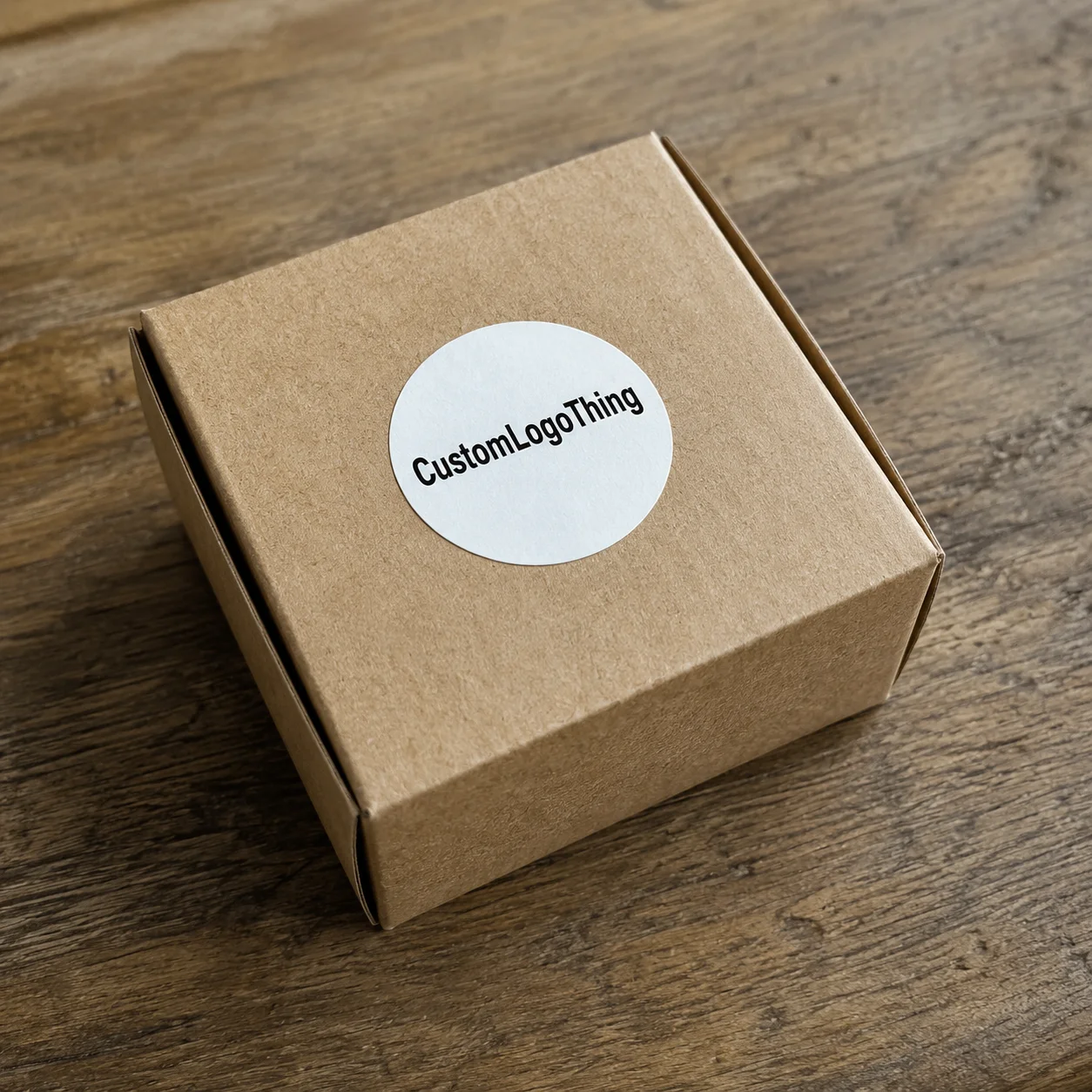
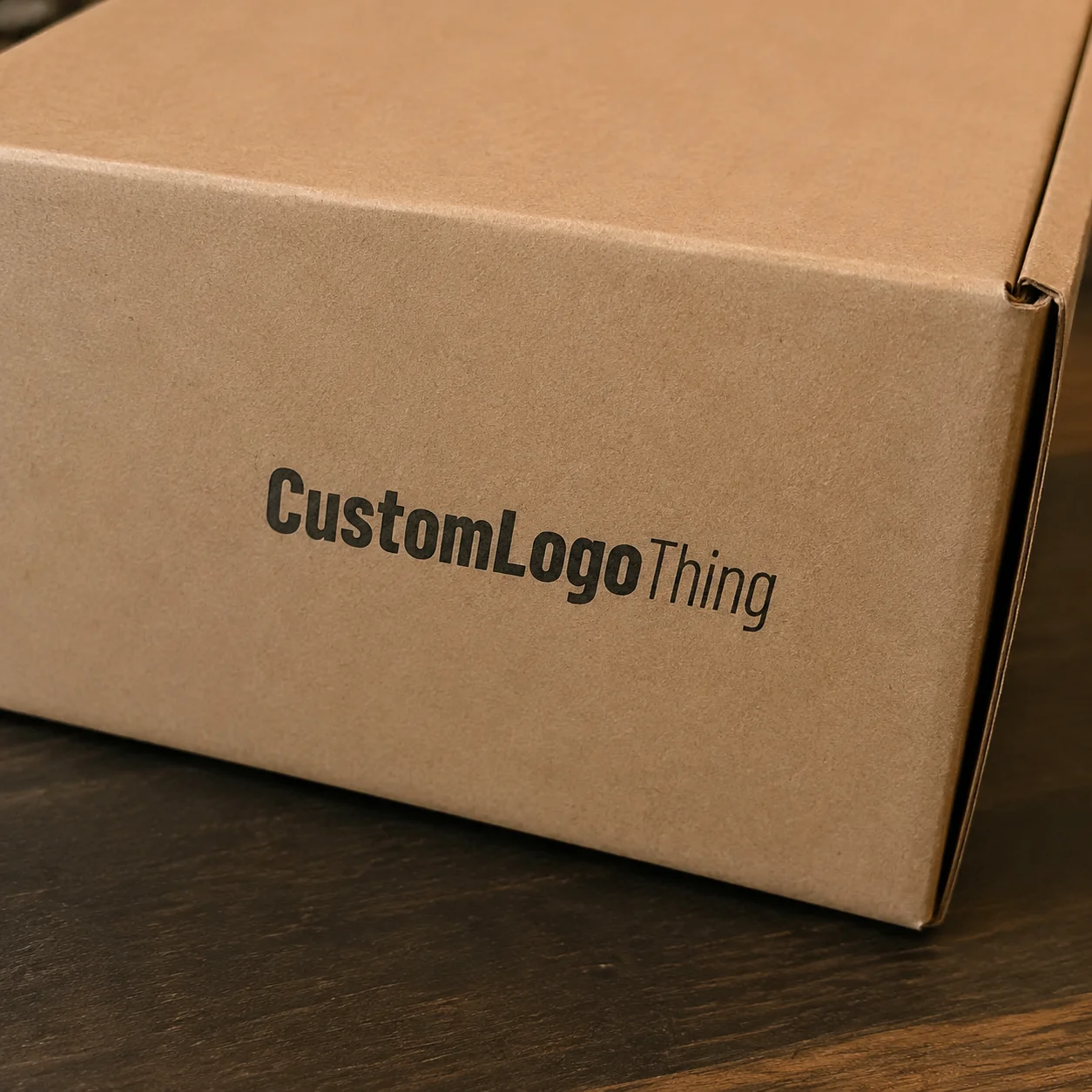
Buyer Fit Snapshot
| Best fit | sustainable packaging for brands options for packaging buyers comparing material specs, print proof, MOQ, unit cost, freight, and repeat-order risk where brand print, material, artwork control, and repeat-order consistency matter. |
|---|---|
| Quote inputs | Share finished size, material target, print colors, finish, packing count, annual reorder estimate, and delivery region. |
| Proofing check | Approve dieline scale, logo placement, barcode or warning zones, color tolerance, and any recyclable or compostable wording before bulk production. |
| Main risk | Vague material claims, crowded artwork, or missing packing details can create delays even when the unit price looks attractive. |
Fast answer: Sustainable Packaging for Brands Options: Claims, Protection, MOQ, and Cost should be specified like a repeatable production item. The safest quote includes material, print method, finish, artwork proof, carton packing, and reorder notes in one written spec.
What to confirm before approving the packaging proof
Check the product dimensions against the actual filled item, not only the sales mockup. Ask for tolerance on folds, seals, hang holes, label areas, and retail display edges. If the package carries a logo, QR code, warning copy, or legal claim, reserve that space before decorative graphics fill the panel.
How to compare quotes without losing quality
Compare board or film grade, print process, finish, sampling route, tooling charges, carton quantity, and freight assumptions side by side. A lower quote is only useful if the supplier can repeat the same color, closure quality, and packing count on the next order.
Best sustainable Packaging for Brands is rarely the prettiest box in the room. I have watched so-called eco mailers fail a 2-meter drop test, seen recycled board come off a humid freight lane with 11% crush damage, and seen customers praise a plainer format simply because it arrived intact. A carton with 32 ECT strength, 1.5 mm fluting, and a water-based ink finish can outperform a glossy sleeve that costs 18% more and still scuffs in transit. The answer changes with damage rates, board weight, print finish, and whether the buyer can actually recycle or compost the material nearby. Packaging that looks virtuous in a photo can still fail the shipping lane, and that gap is where a lot of brand money disappears. Honestly, that gap is also where a lot of self-congratulation goes to die.
My short answer is straightforward: recycled corrugated boxes still lead for protection, molded fiber is the strongest insert material for fragile goods, paper mailers are the sensible pick for apparel and flat items, compostable mailers only make sense in controlled disposal environments, and reusable cartons work when the reverse flow already exists. That is the best sustainable Packaging for Brands picture I keep arriving at after sample reviews, drop testing, and cost talks with buyers who had to defend the numbers, not just the pitch. One procurement team in Chicago spent 20 minutes debating a "warm kraft" color and two minutes discussing whether a serum bottle would survive a UPS sortation line in Louisville. Guess which part mattered more.
I judge packaging on shipping strength, print performance, end-of-life, minimum order size, unit cost, and how the package reads in the customer's hands. Then I check the product weight, the shipping route, and the disposal habits of the person receiving it. A 14 oz candle shipping from Los Angeles to Miami behaves differently from a 220 g accessory shipping from Suzhou to Berlin, and that difference can swing damage rates by 6 to 9 points. Many packaging discussions skip that last part. That is usually where the bad decision begins. It is also why a package that wins a brand deck can fall apart the minute a warehouse team touches it with tape guns and a schedule.
Factory-floor reality has taught me more than sales decks ever could. On a corrugate line outside Shenzhen, a supplier showed me how a 1.5 mm change in tuck geometry affected assembly speed and edge scuffing on Custom Printed Boxes. In Dongguan, a carton maker quoted a 350 gsm C1S artboard sleeve at $0.19 per unit for 10,000 pieces, then added that the aqueous coating would need 2 extra drying hours in July humidity. During a molded fiber negotiation in Jiaxing, a supplier explained that the quoted MOQ only worked if the brand committed to 20,000 units, not the 5,000 requested at first. Details like that decide whether the best sustainable packaging for brands is truly workable or just attractive on paper. I have also sat through enough "minor" revisions to know that one tiny artwork adjustment can turn into a three-week migraine. Packaging people are very polite right up until the artwork proof arrives, and then everyone suddenly has opinions about brown.
What Is the Best Sustainable Packaging for Brands?
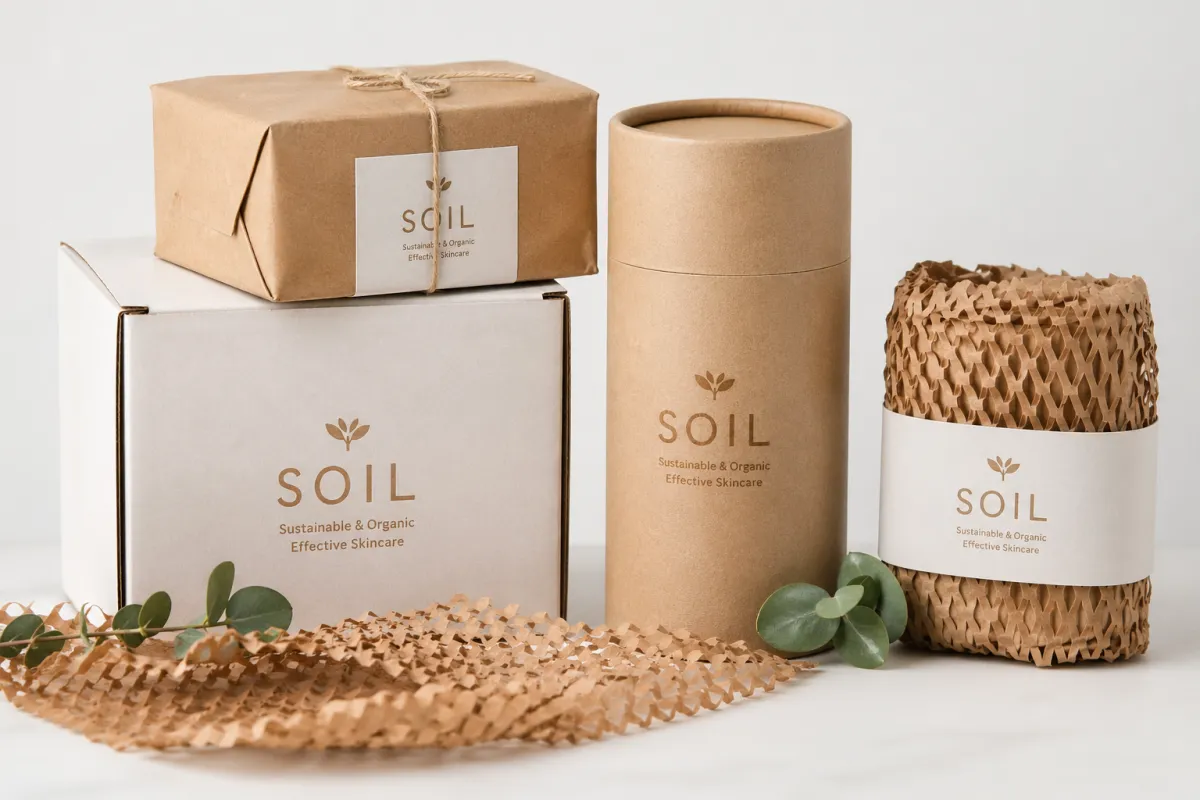
If I had to answer in one sentence, I would say the best sustainable packaging for brands depends on shipping risk, but recycled corrugated boxes paired with molded fiber inserts are the safest all-around choice for most DTC and retail programs. A 32 ECT recycled corrugate shipper with a molded pulp cradle can protect products under 5 lb while keeping paper recovery straightforward in most U.S. metros and many European cities. They protect better than thin paper alternatives, print cleanly, and usually fit into recycling systems customers already understand. That matters more than a label that sounds clever but breaks down in use.
For light goods, paper mailers are the efficient option. For moisture-sensitive or food-adjacent products, compostable packaging can work, but only when the end user has access to industrial composting or a collection program that accepts it, such as programs in Portland, San Francisco, or parts of metropolitan London. Reusable cartons are the highest-commitment route; they can look sharp in a closed loop, yet they need tracking, returns, and enough order value to justify the handling. That is why the best sustainable packaging for brands changes with channel and logistics, not material hype. If the shipping lane is ugly, the package should not pretend otherwise.
"We wanted the most responsible option, but the package that survived the courier network was the one customers actually respected." A client selling glass candles at $32 each said that to me after a 500-unit pilot in Austin, and it still captures the trade-off better than most packaging pitches I hear.
I test samples the way a buyer should. Open the pack with a box cutter. Assemble it with one hand. Drop it from table height. Check whether the closure still works after abrasion. For folding cartons, I want to see a 350 gsm C1S artboard outer with a 2-point aqueous coat, then I want to know how it behaves after 48 hours in a 65% humidity room. I also look at whether the brand message survives the trip. A package can be 100% recyclable and still feel flimsy, while a package can feel premium and fail on protection. The best sustainable packaging for brands lives in the narrow space where performance and perception line up. That sounds neat in theory; in practice it often means staring at a dented sample and saying, "Well, that was optimistic."
The customer never sees your spreadsheet. They see whether the package arrived intact, opened cleanly, and felt intentional in the hand.
- Best for shipping protection: recycled corrugated boxes with molded fiber inserts
- Best for light e-commerce: paper mailers with right-sized board inserts
- Best for controlled disposal: compostable mailers for specific channels and geography
- Best for premium reuse programs: reusable cartons with a return workflow already in place
If you want a broader benchmark, the latest guidance from the EPA recycling strategy and the transport testing expectations used by ISTA are worth reading before you approve samples. The standards matter because the pack has to survive actual transport, not a studio setup. I learned that the hard way from a sample that looked magnificent for exactly as long as it stayed on a white table under perfect lighting in a Brooklyn showroom.
Top Sustainable Packaging Options Compared
The best sustainable packaging for brands usually comes from a short list of materials, and each one wins in a different lane. Recycled paper and FSC-certified corrugate remain the most dependable choices for shipping from facilities in Ohio, Guangdong, and northern Mexico. Molded pulp gives inserts and trays a clean end-of-life story. Compostable films and mailers can work, though their value depends heavily on local collection systems in cities such as Seattle, Amsterdam, or Melbourne. Reusable packaging looks elegant in theory and expensive in practice unless the brand ships enough volume to support the reverse path.
Many buyers place too much trust in the difference between "recyclable" and "compostable" on a front-panel claim. In markets with strong paper recovery, recyclable board often beats compostables because people know what to do with it. In markets with weak collection systems, a compostable mailer can become a guilt-free label with very little actual benefit. The best sustainable packaging for brands is the one customers can dispose of correctly, consistently, and without a five-minute decision tree. Human behavior matters here more than copywriting does, which is a little annoying, but there it is.
| Packaging Type | Typical Unit Cost | Protection | Print Quality | End-of-Life | Best Use Case |
|---|---|---|---|---|---|
| Recycled corrugated box | $0.22-$0.48 at 5,000 units | High | Very good | Widely recyclable | DTC shipping, retail replenishment |
| Molded fiber insert | $0.11-$0.29 at 10,000 units | High for inserts | Low to medium | Recyclable in many regions | Fragile goods, premium unboxing |
| Paper mailer | $0.08-$0.18 at 5,000 units | Medium | Good | Widely recyclable | Apparel, flat goods, low-bulk items |
| Compostable mailer | $0.19-$0.42 at 5,000 units | Medium | Good | Depends on collection access | Controlled programs, food-adjacent use |
| Reusable carton | $1.10-$3.50 at 2,500 units | Medium to high | Excellent | Reusable, but return-dependent | Closed-loop, premium subscription |
That table is a useful start, but the numbers shift with print coverage, board caliper, and shipment geography. A 32 ECT corrugated mailer with one-color print may land at $0.24 per unit in Shenzhen or Dongguan, while a full-bleed custom printed box with a specialty coating can move past $0.70 per unit at the same volume. The best sustainable packaging for brands is often the one that keeps the structure simple enough to hold freight cost down. Every extra flourish is a tiny tax, and sometimes the tax is just vanity wearing a nice font.
Recycled content alone is not a complete answer. I have seen 100% recycled board with batch-to-batch caliper variation of 0.12 mm, and that affects die-cut scoring and lid fit. That is why I ask for sample lots from at least two production runs before I call a material ready. If you are comparing branded packaging options, lot consistency matters as much as the eco claim on the spec sheet. One bad run is enough to turn a good material into a warehouse problem, especially if the fill line in Guadalajara is moving at 900 units an hour and nobody wants to stop it.
Detailed Reviews of Each Packaging Type
Below is where the marketing story meets assembly time, abrasion, and freight abuse. The best sustainable packaging for brands is rarely one material alone; more often, it is a structure built from the right outer box, the right insert, and the right closure for the product weight. I wish there were a neat one-size-fits-all answer. Packaging, however, has the infuriating habit of being physical, and cardboard from Tilburg behaves differently than board from Suzhou if the humidity swings 15 points.
Recycled Corrugated Boxes
Recycled corrugated boxes remain my default shipping recommendation because they handle pressure, stack well, and print cleanly with flexo or digital methods. A 32 ECT single-wall box can handle many DTC categories under 6 lb, while heavier goods may need 44 ECT or double-wall construction with a 2.8 mm flute profile. The strength is predictable, and that predictability is part of why I keep naming corrugate among the best sustainable packaging for brands options.
Corrugate shines in structure. It leaves room for inserts, dividers, and custom printed boxes with a premium inside surface if the brand wants more theater at unboxing. It falls short when moisture is involved and, at times, when luxury buyers want a smoother visual finish. I once watched a tea brand reject a beautiful kraft box because the corners marked too easily under warehouse tape guns in Chicago. They were right to worry. A package that scuffs in the warehouse does not feel premium to the customer, no matter how noble the recycled content is.
For testing, I like a simple sequence: a 24-inch drop from six faces, a 15-minute compression hold, and an abrasion rub after the first transit cycle. If tape adhesion fails or the panels bow outward, the construction needs work. I also ask for the carton board grade, because 275 gsm recycled linerboard does not behave like 350 gsm C1S artboard, and pretending otherwise wastes money. That remains the most honest route to the best sustainable packaging for brands, because a box that survives testing saves money on claims later. I have no interest in paying for "eco" packaging twice.
Molded Fiber Inserts
Molded fiber has become one of my favorite insert materials because it solves a problem many brands ignore: movement inside the box. When a glass bottle or a cosmetic jar has too much play, customers feel it before they see it. Molded pulp reduces that movement with a low-material profile, and it usually pairs well with recycled corrugate. For fragile goods, I would place molded fiber near the top of the best sustainable packaging for brands list every time.
It is not perfect. Detail resolution is modest, so you will not get the crisp branding effect of a high-end insert tray or a foil-stamped carton. Surface dust can also become an issue if the supplier manages drying poorly. I negotiated with one supplier in Ho Chi Minh City who quoted an attractive $0.14 per unit, then revealed that the usable lead time was 18 business days because the trays had to dry longer in humid weather. That kind of detail matters more than a glossy sample photo. I remember looking at the quote and thinking, "Great price, if only gravity and weather did not exist."
For premium product packaging, molded fiber can still feel expensive if you pair it with a precise fit and clean print on the outer box. A 1.8 mm wall insert in natural pulp can cradle a 30 mL bottle so tightly that the customer hears almost no rattle, and that silence reads as quality. The customer reads restraint, not cost-cutting. That distinction matters for any brand trying to position the best sustainable packaging for brands as responsible and elegant at the same time. Good packaging should whisper competence, not shout virtue.
Paper Mailers
Paper mailers work well for apparel, books, flat accessories, and lightweight subscription items under about 2 lb. They are lighter than corrugated boxes, which helps freight economics, and they often arrive looking cleaner because they land as a flat format rather than a full carton. I see paper mailers as one of the smartest forms of retail packaging for lower-risk goods, especially when a brand wants a simple branded packaging story without too much material weight.
The downside shows up fast once you test odd-shaped contents. Corners poke through, seams split if the adhesive strip is weak, and the format struggles with moisture if the parcel sits in a damp depot. I have seen a 3-ounce textile sample sail through the mail in a paper pouch, then fail with the same format when the item changed to a pair of sneakers because the toe box created too much pressure. That is why the best sustainable packaging for brands is product-specific, never trend-driven. The shipping network does not care that the mockup looked tidy on a spreadsheet in Minneapolis.
Good paper mailers print beautifully with minimal ink coverage. A one-color logo, a short message, and a recycled content claim can be enough. More than that, and the cost climbs without much extra value. A 50% post-consumer recycled kraft mailer at $0.11 per unit can look sharp with black flexo ink and a 1-color belly band, while a heavier art-paper sleeve only adds expense. For many brands, that is a smart trade, because package branding is strongest when the structure already feels deliberate. Overdesign a mailer and you can end up with something that costs more but still feels like a mailer, which is not a great place to be.
Compostable Mailers
Compostable mailers have a place, but I am cautious when the disposal route is unclear. A certified compostable film can be the right answer for a food-adjacent brand or a program with a known industrial composting partner, yet it can be the wrong answer for a general e-commerce brand shipping nationwide. The issue is not chemistry alone; it is the end-of-life reality. That is why compostables are not automatically the best sustainable packaging for brands.
When compostable mailers do work, they work best in controlled programs: short shipping zones, strong customer education, and a clear claim supported by standards. Ask for the actual certification, not just the word "compostable" on the front panel. I look for proof tied to ASTM D6400 or an equivalent standard, and I ask whether the package can actually be processed in the buyer's region, whether that is California, Victoria, or parts of the Netherlands. If the answer is vague, I move on. I have no patience left for sustainability claims that collapse the second someone asks, "Okay, but where does it go?"
They also feel different in hand. Some have a soft tactile finish that customers like immediately, while others feel thin and slightly waxy, which can weaken trust if the rest of the brand is premium. A 60-micron compostable film can be fine for a 7 oz garment, but it will feel flimsy next to a 350 gsm C1S card-backed mailer. A package that tries too hard to look eco can still underperform as branded packaging. In my view, the best sustainable packaging for brands should be credible before it is clever. Customers can forgive plain. They are less forgiving of Packaging That Feels flimsy and self-important at the same time.
Reusable Cartons
Reusable cartons are the most interesting option on paper and the most demanding in practice. They need tracking labels, return instructions, customer participation, and enough order frequency to support reverse logistics. For high-value subscription products or private club shipments, they can reduce waste meaningfully. For most ordinary DTC programs, they add friction and cost. That is why reusable packaging is powerful only in the right channel, and not the default best sustainable packaging for brands answer.
I visited a subscription facility in Berlin that had a 12% carton return rate after adding a 5 euro credit for customers who mailed the pack back within 30 days. That is not bad, but it only made sense because the company shipped concentrated refills at 48 euros per order. On a lower-margin item, the math would have collapsed immediately. The lesson is simple: reuse is a systems decision, not a material decision. It is also a behavior problem, and behavior is famously less cooperative than a spec sheet.
From a branding angle, reusable cartons can be beautiful. They give you clean print, strong structure, and a premium feel that normal mailers cannot match. If the return rate falls below target, the economics begin to wobble. That is when the best sustainable packaging for brands shifts back toward a recyclable system customers can handle without instruction. Nice idea, yes. Reliable system, maybe not. I would rather have a carton that works in Warsaw and Chicago than a beautiful loop that only survives in the pitch deck.
If you are comparing structures, our Custom Packaging Products page is a useful place to look at build options side by side. I would still compare two or three sample runs in hand, because the tactile difference between a 16 pt folding carton and a 32 ECT mailer is larger than most mockups suggest. Packaging tends to look similar right up until a real hand touches it, especially when one sample uses a 1-color aqueous print and another uses a 2-color flood coat.
Best Sustainable Packaging for Brands: Cost Comparison
Cost is where many buyers make a narrow decision and regret it later. The best sustainable packaging for brands is rarely the cheapest per unit. It is the package with the lowest landed cost once freight, damage, packing labor, warehouse cube, and return handling are included. A box that costs $0.06 less but adds 9 seconds of packing time can erase the savings fast across 20,000 monthly orders. That is not theory; that is a very boring spreadsheet with very loud consequences.
I watch hidden costs closely too. A larger package can raise volumetric shipping charges by 12% even when the material price looks attractive. Special coatings, window cuts, magnet closures, and custom inserts all add setup cost. In one client review, a brand saved $0.09 on the carton and paid an extra $0.13 in freight because the redesigned pack was 18 mm taller. That is a poor trade unless the unboxing value is doing real work. If it is only doing work in a slide deck, I am not interested.
| Option | Sample Cost at Mid-Volume | Setup or Tooling | Packing Labor | Freight Impact | Break-Even Note |
|---|---|---|---|---|---|
| Stock recycled corrugate | $0.18-$0.32/unit | $0-$250 | Low | Low if right-sized | Best starting point for small brands |
| Custom printed box | $0.28-$0.78/unit | $350-$1,500 | Low to medium | Depends on dimensions | Worth it once branding and volume justify setup |
| Molded fiber insert set | $0.11-$0.29/unit | $500-$1,800 | Medium | Low | Good for fragile items and damage reduction |
| Paper mailer | $0.08-$0.18/unit | $0-$200 | Very low | Low | Strong value for flat, light products |
| Compostable mailer | $0.19-$0.42/unit | $0-$300 | Very low | Low | Pay only if the disposal story is real |
If a brand asks where the break-even point sits, I usually answer this way: custom packaging starts to make financial sense once volume, brand impact, or damage reduction offsets the setup cost. A rigid box at $1.65 per unit might still be cheaper than repeated replacement shipments if a fragile serum bottle breaks 4% of the time. That is why the best sustainable packaging for brands is a math problem as much as a design problem. Pretty is not a substitute for profitable.
Empty space matters too. In one meeting, a subscription brand was paying to ship air in a box that was 22% too large for the product. Right-sizing the carton trimmed fill material, improved pallet density, and cut packing time by 6 seconds per order. Those seconds matter when a warehouse pushes 3,000 orders a day in Nashville or Leeds. They also matter when the team is already one understaffed shift away from mutiny.
How to Choose the Best Sustainable Packaging for Brands
Start with the product, not the trend. The best sustainable packaging for brands depends on item weight, fragility, moisture exposure, and shipping distance. A 250 g soap bar does not need the same structure as a 1.8 kg glass diffuser set, and a humid coastal lane behaves differently from a dry inland one. I have seen both cases fail because the brand copied a competitor's pack without testing it for their own route. Copying packaging is a bit like copying someone else's shoes without checking your own size. It can look fine for about 15 seconds.
Then look at how the customer will actually dispose of the material. Recyclable board often wins where paper recovery is common and collection is clear. Compostable materials can be right for tightly managed channels, but only if the customer can identify the bin or program with confidence. I ask brands to think like a household, not a sustainability report. That is usually where the best sustainable packaging for brands becomes obvious. Reports do not open parcels. Kitchens, hallways, and recycling bins do.
Next, check the claims. Ask for certification documents, not verbal assurances. For fiber-based packaging, I look for FSC chain-of-custody evidence where applicable, and for transport testing I want ISTA-style data or a comparable lab report. If a supplier says the pack is "eco-friendly" but cannot show board grade, basis weight, or test results, I treat that as a red flag. You can read more about certified forestry on FSC, and the material recovery context is covered well by trade references such as the packaging industry association.
I use a short supplier question list before sampling:
- What is the exact board grade, film type, or fiber mix?
- What is the MOQ at 1-color, 2-color, and full-bleed print?
- What is the lead time from proof approval to ship date?
- Can you provide a drop-test result or lab reference?
- What happens if humidity shifts the caliper by 5%?
Those five questions separate serious partners from people selling a green story. I have saved clients from expensive mistakes by asking for one more sample and one more freight quote. That is not glamorous work, but it is how the best sustainable packaging for brands gets chosen in practice. The glamorous version is a nice render. The real version is a sample on a bench and a warehouse manager shaking his head.
Match the package to the product category too. Cosmetics often benefit from a rigid outer with molded inserts, apparel can run efficiently in paper mailers, supplements need tamper-aware structures, and fragile home goods usually need a corrugated box with a secondary insert. The closer the package is to the product's failure mode, the better the result will be. That is packaging design at its most practical. It is also where all the talk about aesthetics finally has to sit down and be useful.
Process and Timeline: Sampling to Launch
For stock formats, a brand can sometimes move from brief to production in 5 to 12 business days, especially if the artwork is simple and the sizes already exist. Custom programs move slower. Once a dieline changes, add time for revisions, proofing, and freight booking. The best sustainable packaging for brands is often built on a realistic schedule, not an optimistic one. A calendar full of wishful thinking is not a timeline.
Here is the sequence I usually see. First comes the structural brief, which should include product dimensions to the nearest millimeter, target ship weight, and any retail packaging requirements. Then comes the sample round, where you compare at least two constructions and one backup material. After that comes proof approval, then pilot production, then the real launch. If any step involves a new coating, specialty insert, or certification check, add another week or two. That is the part brands underestimate. They also tend to underestimate how long it takes three departments to agree on whether the logo should be 2 mm bigger. Humans are magnificent and exhausting.
The slowest stages are usually dieline approval and artwork sign-off. I have watched teams lose a full week because the logo sat 4 mm too close to a seam, or because a brand owner wanted to tweak the shade of kraft brown after seeing a first proof under office lighting in London at 9 a.m. Small details matter, but too many round trips can burn the launch window. This is why the best sustainable packaging for brands is often the one with the fewest surprises. Predictability is a feature, even if it is not sexy.
Parallel testing helps. While the printer is running samples, the operations team should test assembly time, packing fit, and transit durability. A 30-unit pilot can reveal whether the closure strip tears, whether the carton bows under stacking, and whether the package feels premium enough for the customer segment. I have seen a brand avoid a 6,000-unit mistake because the pilot exposed a corner crush issue that only appeared after the third shipment cycle. That is the kind of boring heroism I respect.
If your order is fully custom, expect the process to feel more like a small project than a simple purchase. It can be 10 to 15 business days for structural samples, another 7 to 10 for print proofing, and 12 to 20 more for production depending on complexity and queue position. A supplier in Suzhou may quote the shorter end, while a plant in Mexico City or Warsaw may need extra time for tooling coordination. That timeline is not a flaw; it is the cost of building the best sustainable packaging for brands with enough precision to work at scale.
One practical tip: ask for a timeline with dependencies written out. If the supplier says "14 days," ask what happens if the proof gets revised twice or if the cargo booking slips by 48 hours. That single question has saved me more than once, because packaging delays are usually cumulative, not dramatic. They pile up in tiny, irritating ways, which is very on brand for operations.
Our Recommendation and Next Steps for Brands
My recommendation is blunt. Startups should begin with stock recycled corrugate or paper mailers, then test a modest custom print run once monthly volume is stable. Premium DTC brands should move toward custom printed boxes with molded fiber inserts if the product is fragile or high-touch. If you ship glass, liquids, or electronics, the best sustainable packaging for brands is usually a protection-first system built from corrugate and fiber, not a single-material novelty. High-volume sellers should optimize freight cube, assembly time, and damage reduction before they chase a more decorative format.
If I had to rank the options by practical value, I would put recycled corrugated boxes first, molded fiber inserts second, paper mailers third, compostable mailers fourth, and reusable cartons fifth for most brands. That ranking changes if you are in food service, luxury subscription, or a closed-loop B2B system, but for ordinary e-commerce it holds up well. The reason is simple: the best sustainable packaging for brands must survive transport, communicate clearly, and cost less than the damage it prevents. It also has to be realistic enough that someone in the warehouse does not mutter at it under their breath every morning.
Here is the action plan I would give a buyer sitting across the table from me:
- Order three samples for each material and test them with the real product weight.
- Run one 10-unit ship test on a short lane and one on a longer lane.
- Compare landed cost, not just unit price, including freight and labor.
- Check disposal behavior in the customer's region before making a sustainability claim.
- Score each option on protection, brand feel, print quality, and total cost.
If you are still deciding, the simplest filter is this: choose the lightest package that passes real transport testing, fits the customer's disposal system, and stays inside margin after freight and labor. That is the version of the best sustainable packaging for brands that actually holds up outside the deck, and it is the one I would trust first.
If you want ideas for formats and print builds, our Case Studies page is useful because it shows how different structures perform for different categories. Real examples are often better than theory, especially if your team is deciding between two very close options. I tend to trust a box that has survived three clients and a freight lane more than a promise on a mood board in Manhattan.
My honest view after years of reviewing samples and visiting production floors is this: the best sustainable packaging for brands is the one that fits the product, survives the trip, and makes the customer trust the brand for the right reasons. That usually means fewer gimmicks, fewer claims, and more proof. Choose the structure that ships well, ask for the data, and test before you scale. If you do that, the best sustainable packaging for brands becomes less of a marketing slogan and more of a dependable operating decision. And frankly, dependable is underrated.
What is the best sustainable packaging for brands shipping fragile products?
Molded fiber inserts plus recycled corrugated outer boxes usually deliver the best protection-to-waste balance, especially for glass, cosmetics, and electronics under 5 lb. I would still run drop tests and vibration checks before scaling, because fragile goods fail differently in parcel networks than they do in a showroom. Right-sized packaging also reduces both material use and damage claims, which is why this setup often becomes the best sustainable packaging for brands in fragile categories. I have seen a "pretty good" insert save a product line from a very annoying return spike in Philadelphia, and I would happily repeat that result.
Which eco-friendly packaging works best for brands on a tight budget?
Recycled corrugated boxes and paper-based mailers are usually the most cost-controlled starting point, with paper mailers often landing near $0.08-$0.18 per unit at moderate volume. Keep print coverage simple, avoid custom tooling until the volume supports it, and compare landed cost instead of unit price alone. Lightweight packaging can save on freight and packing time, so the cheapest carton is not always the cheapest shipment. For many startups, that is the practical version of the best sustainable packaging for brands. I know it is not glamorous. Budget packaging rarely is.
How long does custom sustainable packaging usually take to produce?
Stock items can move quickly, sometimes in under two weeks, but custom structures usually need time for dielines, sampling, proofing, and production scheduling. A typical custom run can take 12 to 15 business days from proof approval to ship date if the artwork is clean and the factory queue is short, though specialty finishes can add another week. The longest delays usually happen during artwork sign-off, structural revisions, and freight booking. Add extra time if the package needs certification checks or a new supplier onboarding process. A realistic timeline is part of the best sustainable packaging for brands decision, because late packaging can delay the whole launch. If a supplier says everything will be "quick," I start asking questions.
Is compostable packaging better than recyclable packaging for brands?
Not automatically. The better choice depends on the product, local waste systems, and how customers will dispose of the package. Recyclable paper and corrugate often win on real-world recovery, while compostables can be better for food-adjacent use cases or tightly managed programs. If customers cannot dispose of it correctly, the sustainability claim weakens quickly. That is why the best sustainable packaging for brands is usually the option people can actually recycle or compost in their area. Nice theory is not the same thing as municipal infrastructure.
How do brands test sustainable packaging before a full rollout?
Order samples, assemble them in-house, and run shipment simulations with the actual product weight, not a dummy load. Check scuffing, crush resistance, closure strength, and how the unboxing feels after transit. Then pilot a small batch with real customers and compare damage rates, returns, and packing speed. That combination of lab-style checks and live shipping is the fastest way to confirm the best sustainable packaging for brands before committing to a large run. It is also the best way to avoid the awkward experience of explaining to finance why the "eco" package cost more and still arrived dented.