Buyer Fit Snapshot
| Best fit | Unboxing Experience Selection Packaging projects where brand print, material claims, artwork control, MOQ, and repeat-order consistency need to be specified before quoting. |
|---|---|
| Quote inputs | Share finished size, material target, print colors, finish, packing count, annual reorder estimate, ship-to region, and any compliance wording. |
| Proofing check | Approve dieline scale, logo placement, barcode or warning zones, color tolerance, closure strength, and carton packing before bulk production. |
| Main risk | Vague material claims, crowded artwork, missing packing details, or unclear freight terms can make a low unit price expensive after revisions. |
Fast answer: Unboxing Experience Selection Packaging: Board, Finish, Dieline, and Unit Cost should be specified like a repeatable production item. The safest quote records material, print method, finish, artwork proof, packing count, and reorder notes in one written spec.
Production checks before approval
Compare the actual filled-product size with the drawing, then confirm tolerance on folds, seals, hang holes, label areas, and retail display edges. Reserve space for logos, QR codes, warning copy, and material claims before decorative graphics fill the panel.
Quote comparison points
Review material grade, print process, finish, sampling route, tooling charges, carton quantity, and freight assumptions side by side. A quote is only useful when the supplier can repeat the same color, closure quality, and packing count on the next order.
Unboxing Experience How to Choose the Right Packaging
I still remember a rigid box in Shenzhen that got rejected for one very ordinary reason: the opening sounded wrong. The board was good, the print was clean, and the structure had passed on paper. But the flap made a dry, awkward crack that told everyone in the room the package was trying too hard. That’s unboxing experience how to choose in a single second. Not a slogan. Not a render. A physical judgment that lands before the product even appears. I’ve seen the same mistake with 30 mL perfume bottles, 120 mL skincare pumps, over-ear headphones, and a $28 candle that should have felt calmer, sturdier, more assured. People usually start with print because print is easy to discuss. I get it. It’s visible, photogenic, and simple to approve. But packaging starts with perception, and perception starts in the hand.
Unboxing Experience How to Choose: What It Means for Branding
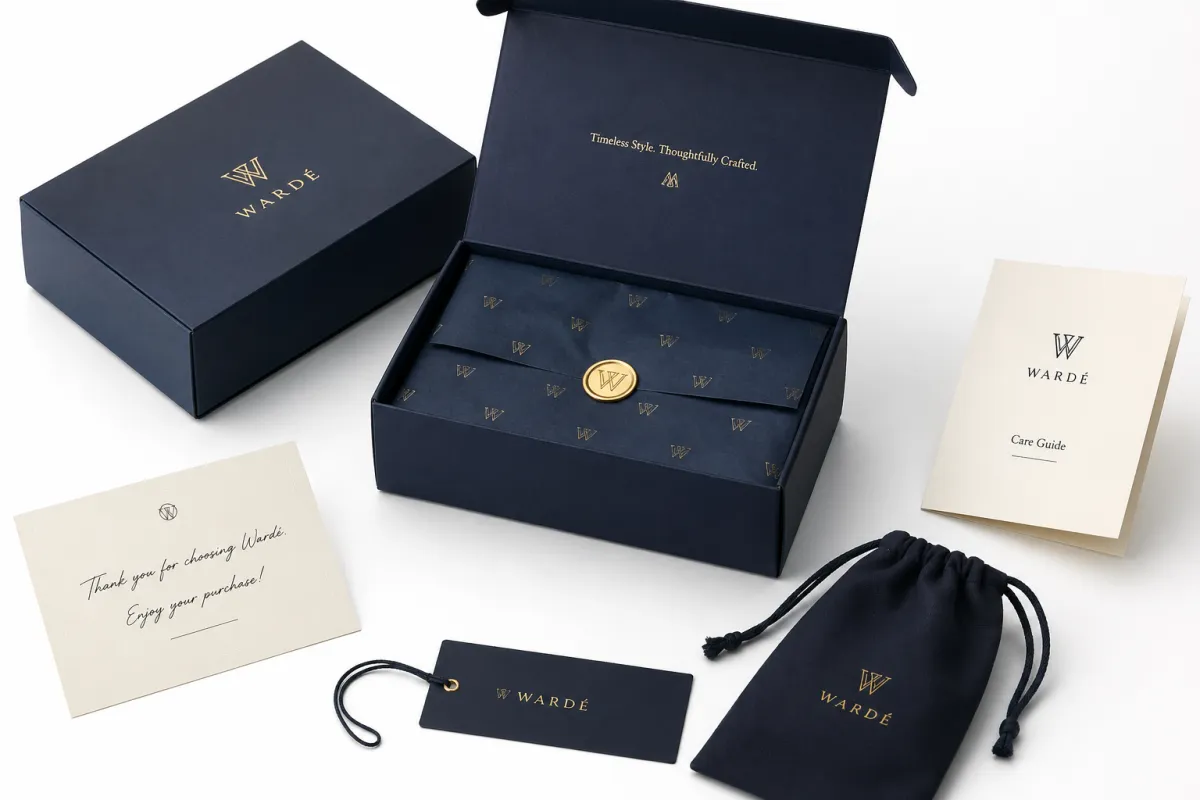
If you’re trying to sort out unboxing experience how to choose, start with the first impression chain, not a mood board. The chain is simple: outer shipper, opening cue, reveal sequence, product protection, and the keep-or-reuse value after the item comes out. That chain is the brand experience. Not just the logo. Not just the mockup. The whole sequence. I know that sounds blunt, but packaging has a way of humbling people who only think in graphics, especially once the first 1,000 units land in a warehouse and the labels begin to peel in the humidity. Unboxing experience how to choose is really a decision about what the customer should feel in those first ten seconds.
I once stood in a small meeting room in Dongguan with a client comparing two nearly identical samples. On paper, they were twins. In hand, one had a tighter flap tolerance and a quieter opening feel, while the other creaked just enough to make the room go still. Same board price. Same print run. Different brand identity. That’s why unboxing experience how to choose cannot be reduced to “make it look premium.” Premium is not a color. Premium is a sequence, and if the sequence feels off, customers notice faster than they can explain it. That matters a lot when packaging is the first real touchpoint in ecommerce.
Customers usually judge quality before they notice the product itself. In direct-to-consumer shipping, the box is doing the selling first. A folding carton made from 350gsm C1S artboard with crisp edges and a clean opening line tells the buyer the maker cared. A box that bows, crushes, or arrives dented says the opposite, even if the product inside is excellent. That is brand recognition working at the material level. The customer may not know why they trust you, but they feel it in the board weight, the print density, and the way the lid lifts. Frankly, I think that subtle physical trust is half the battle, and it’s a major reason unboxing experience how to choose matters so much in packaging strategy.
Plenty of brands confuse visual branding with actual packaging performance. They spec the artwork first and ask about structure later. That’s backward. Print can be gorgeous and the experience can still feel cheap if the closure is sloppy, the insert rattles, or the box opens with a sad little crack. I’ve watched customers post unboxings because the package felt worth sharing. I’ve also watched them complain in comments because the outer shipper looked expensive and the inside looked like somebody panicked at the last minute, which, to be fair, is sometimes exactly what happened after a 6 p.m. approval call in Shanghai. If you care about customer perception, unboxing experience how to choose should start with structure and end with decoration, not the other way around.
Good packaging does more than make a nice video. It reduces damage, supports repeat purchase behavior, and improves referrals because people tend to talk about things that feel deliberate. If you are choosing unboxing experience how to Choose the Right way, you are also choosing how often your warehouse sees returns, how often support answers “it arrived broken,” and how many customers decide to keep the box for storage. That last part matters more than people admit. A keepable box turns into brand recall sitting on a shelf, and shelves are basically tiny billboards with better manners. That is one of the quieter advantages of premium packaging done with discipline.
There’s also the unglamorous side. The package has to survive distribution, fit packing labor, and stay inside budget. I’ve seen founders fall in love with a rigid box and then discover their fulfillment team needs 40 seconds per order to assemble it. Multiply that by 5,000 orders and the romance gets expensive fast. Unboxing experience how to choose means balancing emotion with actual operations. That is the job. Not chasing a prettier render that falls apart in real life. The best customer experience often comes from a structure that looks simple on paper and performs cleanly in a warehouse.
“Our box looked luxury in the render, but it felt like a coupon in hand.” That line came from a subscription brand founder after we ran samples through real shipping from Shenzhen to Chicago. She was right. The render lied. The truck did not. I still laugh a little when I think about it, because the final box ended up looking better precisely because we removed all the nonsense.
One more thing most people get wrong: the unboxing experience is not just for luxury brands. A $12 consumable can still benefit from clarity, structure, and a cleaner reveal. A humble package that opens neatly and protects the product well often reads more trustworthy than a flashy box with no discipline. If you are deciding unboxing experience how to choose, think about trust first, then theatre, then storage value. In that order. I’d choose a calm, well-made carton over a dramatic mess almost every time. That rule has saved more projects than any trend report ever did.
Unboxing Experience How to Choose Based on Brand Goals
Unboxing experience how to choose depends on what the brand is trying to signal. Mass-market, premium, giftable, sustainable, and collector-style packaging all use different cues. The product does not need the same emotional script every time. A clean mid-market skincare brand selling 50 mL serums may need freshness and order. A collector toy line with a 3-piece figure set may need excitement and reveal pacing. A premium tea set with 12 sachets may need restraint, quiet strength, and enough structure to feel intentional without looking overdesigned. If the goal is unclear, unboxing experience how to choose becomes a guessing game instead of a packaging strategy.
The reveal sequence is where most of the work happens. First comes the outer mailer or shipper. Then the internal protection. Then the product presentation. Finally, the keep moment. If the box is meant to be gifted, the reveal can be slower and more layered. If the order ships in high volume, the sequence needs to be simpler so your team can pack fast without making errors. That is the practical version of unboxing experience how to choose: match the emotional arc to the channel, not to your favorite inspiration board. The customer experience should fit the route the package actually takes.
Here’s how I think about it after years of factory visits in Dongguan, Xiamen, and Ho Chi Minh City, plus far too many sample rounds to count. Structure, print, inserts, coatings, and closure style are not separate decisions. They interact. A soft-touch laminate makes a black box feel richer, but it also shows scuffs faster if the board is too thin. A magnetic closure feels satisfying, but it adds cost and can slow assembly. A simple tuck-end box may feel modest, but the right paper stock and insert can make it look far more considered than a heavier-looking box with bad proportions. That’s a core part of unboxing experience how to choose that people miss when they focus only on the surface finish.
DTC, retail, and subscription packaging each create different expectations. DTC packaging has to survive shipping and still look good in a porch delivery setting. Retail packaging has to win attention on shelf and communicate through a clear front face. Subscription packaging needs repeatability, because the buyer sees it every month and boredom is real after month three or four. If you are thinking through unboxing experience how to choose, start by naming the channel before you choose the format. Otherwise, you end up paying for features nobody needs. The wrong box can be expensive even when it looks nice.
Brand voice should show up in physical cues. Texture, color density, silence versus snap, and whether the package feels playful or restrained all shape customer perception. A matte carton with a tight reveal feels controlled. A bright high-gloss sleeve with a ribbon pull feels more expressive. A rigid box with a lift-off lid says ceremony. A mailer with a single printed interior message says speed and clarity. None of those are universally better. The point is alignment. Brand consistency lives in the details, and the details are usually the part that gets rushed when everyone is tired at 9:30 p.m. on approval day. Unboxing experience how to choose is basically the art of matching those details to the brand story.
I had a client in Los Angeles who wanted a playful unboxing experience for a $19 beauty tool. The first sample looked busy: foil, spot UV, a printed thank-you note, tissue paper, a sticker seal, and three inserts. It looked like four brands had collided in a hallway. We stripped it back to one bold color, one inside message, and a snug insert. The package got calmer, faster to pack, and more expensive-looking. That is the strange truth of unboxing experience how to choose: restraint often reads as more premium than decoration. I wish more people believed that before ordering extra ribbon by the truckload. The customer saw a clean premium packaging system, not a pile of extras.
There is also a sustainability angle that is not just marketing theater. If you are trying to keep material choices aligned with FSC sourcing or recyclable fiber, the structure needs to support that story honestly. For reference, the FSC standards and certification framework are public at fsc.org. Do not slap a green message on packaging that combines hard-to-recycle layers, plastic-heavy inserts, and a giant ribbon nobody needs. Customers notice that stuff. They may not cite the material spec, but they feel the inconsistency, and they can smell fake eco language from a mile away. Unboxing experience how to choose should support the sustainability story, not undermine it.
Unboxing experience how to choose is also about what the customer keeps. A box that doubles as storage extends brand recognition. A box that collapses badly or tears the moment someone opens it has no second life. If your product sits on a desk, shelf, vanity, or counter, a reusable container can do real work long after delivery. That is not sentimental. It is repeat exposure without another ad impression, which is a much better argument for good packaging than “it looks cute” ever will be. Keeping the box also helps brand recall in a way that paid media cannot.
What Drives Cost, Pricing, and Lead Time
If you want unboxing experience how to choose without burning money, learn the cost drivers before you approve the design. Material type is the biggest one. So is board thickness. So are print coverage, special finishes, inserts, and closure hardware. A 2-piece rigid box with wrapped art paper is a different animal from a folding carton with a single-color print. The quote can look tidy until you add foil, embossing, or a custom tray. Then the neat number starts telling the truth, which is usually less charming than the sales deck. Premium packaging costs more when the structure and finish stack up, and that is normal.
Low unit price can still be expensive. I’ve seen brands celebrate a quote for $0.38 per unit and then lose money on tooling, sample freight, incoming inspection, extra warehousing, and damage. That is landed cost, not unit cost. Landed cost is the full bill. It includes the box price, the insert, freight from the supplier, domestic transfer, storage, breakage allowance, and any repack labor. If you skip that math, unboxing experience how to choose becomes a guessing game disguised as procurement. And procurement already has enough drama without the extra guessing. The cheapest quote is not always the best decision for customer experience or margin.
One time a supplier in Ningbo tried to save me $0.06 per unit by thinning an insert that was already barely holding a glass jar. I asked for a drop test and the jar bounced like it had plans. We went back to the thicker board. The supplier grumbled, then admitted the thinner spec would have produced a “pretty bad complaint rate.” That was a friendly way of saying customers would have received shattered product. Cheap packaging is never cheap when the returns hit. The math has a way of catching up. Unboxing experience how to choose often comes down to respecting that math before the damage shows up.
Typical timeline pressure points show up in the same places every time: dieline approval, sampling rounds, art changes, production queue, and shipping method. A straightforward printed mailer can move in 10 to 15 business days after proof approval if the factory has stock board and no fancy finishes. A rigid box with custom inserts can take 18 to 30 business days depending on sample back-and-forth and queue length. If you are importing, add freight and customs timing, which can add 7 to 21 days depending on the lane and season. That is why unboxing experience how to choose should start early, not when the launch page is already live and marketing is already asking for assets you don’t have. Timing is part of the package decision.
Here is a practical comparison from recent projects I’ve seen quoted for 5,000 units. Prices vary by region, board availability, and shipping lane, but this gives a real frame of reference instead of fluffy “contact us” nonsense.
| Packaging option | Typical unit price | Sample cost | Lead time after approval | Best fit |
|---|---|---|---|---|
| Printed folding carton | $0.18 to $0.42 | $65 to $140 | 10 to 15 business days | Light products, skincare, supplements |
| Corrugated mailer | $0.35 to $0.78 | $80 to $160 | 12 to 18 business days | DTC shipping, subscription boxes |
| 2-piece rigid box | $1.08 to $1.42 | $120 to $240 | 18 to 30 business days | Premium gifts, electronics, cosmetics |
| Rigid box with insert system | $1.35 to $2.10 | $140 to $280 | 20 to 35 business days | Fragile products, collector sets |
If your product needs shipping validation, ask the supplier what they can test against. I like to hear either ISTA-style testing or a documented equivalent, and I want the supplier to be clear about what that means. The International Safe Transit Association has a useful framework at ista.org. I’m not asking for perfection. I’m asking for evidence that the box can survive the real trip, not just the studio table. The studio table is where bad ideas go to look glamorous. Any serious unboxing experience how to choose process should include this kind of testing.
There are places where you can save money without gutting the experience. Standard sizes usually cost less than oddball dimensions. Fewer finish passes help. Simplified inserts can work if the product shape is stable. A single tactile coating can do more than three decorative tricks. What you should not save on is the part customers touch first. If the lid, edge, or closure feels weak, the whole package drops a notch in customer perception. That is a small detail with a big effect on customer experience.
Unboxing experience how to choose also means choosing your spending priorities. I usually recommend this order: structure first, protection second, then surface finish, then extras. Too many teams reverse it. They buy foil, then pray the insert works. That’s backward. If the product breaks, no one cares about the foil. If the product arrives safe and the box feels controlled, people forgive a lot. Customers are surprisingly generous when the basics are right. That’s why premium packaging is usually built on discipline, not decoration.
How the Packaging Process Works From Brief to Delivery
Unboxing experience how to choose becomes much easier once you understand the process from brief to delivery. Start with a clear goal. Is the job to feel premium, protect fragile product, support retail display, or reduce shipping damage? That first answer shapes everything else. After that, choose the structure, request samples, test the fit, approve the artwork, and only then move into production. If someone wants to rush straight to print files, I usually know trouble is coming. Usually, that trouble arrives with a deadline and a very confident tone. The process is boring on purpose, and that is a good thing.
In a real packaging workflow, the order of operations matters. First comes the creative brief. Then the dieline. Then the prototype or sample run. Then fit testing with the actual product. Then artwork finalization. Then production. The reason so many projects slip is simple: people approve design before they test structure. A beautiful mockup can hide a bad lock tab, an insert that rattles, or a lid that binds under pressure. That is why unboxing experience how to choose should be treated like engineering, not just styling. Good packaging has to behave like a system, not a picture. Customer perception depends on what the system does when the box is opened.
Ask your supplier direct questions before you sign off. What material is in stock? What minimum order quantity applies to each version? How many sample rounds are included? What happens if the first run is off-color or the insert is wrong? What is the reprint policy? If the supplier cannot answer clearly, you are not buying certainty. You are buying a headache with a logo on it. I say that with love, and from painful experience. I have had those headaches, and they are not cute. Unboxing experience how to choose is easier when the supplier can answer in plain language.
Fulfillment coordination matters more than most people expect. If your box has to fit an existing kitting line, a bagging machine, or a carton-sealing routine, the structure needs to respect that. I once worked on a launch where the beautiful mailer was 6 mm too wide for the packing station bins. That tiny dimension change slowed the line enough to cost real labor dollars every day. The team loved the design. The warehouse hated it. Unboxing experience how to choose is not just about the customer’s hands; it is also about the operator’s hands, and operators are the people who will quietly judge your box all day long. Their speed is part of the customer experience, whether the brand likes it or not.
Where do delays usually happen? Sampling. Almost always sampling. Teams revise copy after seeing the first prototype, then ask for another version, then decide the closure should be different, then the insert changes, then the shipment window gets tight. Time slips because people think packaging is done before the structure is proven. It is not. A good supplier can save you, but only if the brief is clear and the sample review is disciplined. The sample stage is where you save the project from becoming a mildly expensive disaster. If you want unboxing experience how to choose to go smoothly, protect the sampling window.
Here is the sequence I use when I want the process to stay sane:
- Define the product, breakage risk, and target feel.
- Choose one packaging format that matches the channel.
- Request a structural sample before final graphics.
- Test fit with product, fillers, and closures.
- Approve artwork only after the structure passes.
- Confirm production timing, freight mode, and receiving plan.
That looks simple. It is simple. The hard part is refusing to skip steps just because the launch date is loud and someone in a meeting says, “Can’t we just print it now?” No. No, we cannot. If you are doing unboxing experience how to choose for a real business, discipline beats enthusiasm every single time. That discipline is what keeps the customer experience consistent across the first shipment and the thousandth.
Step-by-Step: Build the Right Unboxing Experience
Unboxing experience how to choose starts with the emotional moment you want the customer to feel. Excitement? Trust? Gift value? Premium restraint? Pick one dominant emotion. You can support a second one, but not four. I’ve seen too many brands try to make the opening feel luxurious, playful, sustainable, and ultra-minimal all at once. The result is visual confusion. Customers do not reward confusion. They just blink, shrug, and move on. The best customer experience is usually more focused than the client presentation suggests.
Next, choose the packaging format that supports that moment. A sturdy corrugated mailer works well for DTC shipments that need protection and efficient packing. A rigid box feels more ceremonial. A folding carton can be the right move for lighter products if the product itself is the hero and the box is there to create order and confidence. There is no magic answer here. The format should fit product size, fragility, and shipping method. That is the reality of unboxing experience how to choose, and it is boring in the best possible way. Boring is often what keeps premium packaging from becoming messy.
Then decide where the “hero moment” lives. One beautiful reveal point is usually enough. Maybe it is a lift-off lid with a matte interior. Maybe it is a printed message inside the flap. Maybe it is a fitted tray that holds the product like it matters. You do not need tissue, ribbon, stickers, confetti, and a wax seal unless the business model can support the labor. I know that sounds blunt. It is. I have watched fulfillment teams lose 90 seconds per order on decorative extras that customers barely noticed. Nobody wants to spend money on ceremony that feels like clutter. Unboxing experience how to choose should protect your margin as well as your brand story.
Request sample versions early and test them the way customers receive them. Not in a studio. Not on a photography table. Put them in a parcel, ship them, stack them, drop them, open them with gloves if your warehouse uses gloves, and see what actually happens. If you sell direct, test the package with at least one rough shipment and one normal shipment. If the board dents, if the insert shifts, or if the opening feels awkward, fix it before mass production. That is unboxing experience how to choose in practice, not theory. Real-world testing is what turns packaging ideas into a working system.
Score each sample on five things: protection, pack speed, visual impact, cost per order, and brand fit. I keep the scoring brutally simple:
- Protection: Does the product survive a realistic parcel trip?
- Pack speed: Can a worker assemble it without slowing the line?
- Visual impact: Does it create the right first impression in under 10 seconds?
- Cost per order: Does it fit the margin after freight and labor?
- Brand fit: Does it support the brand story without looking forced?
If you want a simple rule, use this: protect first, delight second, decorate last. A package that protects well and feels clean usually beats a package that looks clever and fails in transit. I know a lot of teams chase clever. Clever is expensive. Clear is cheaper and usually smarter. That’s one of the least glamorous truths in unboxing experience how to choose, but it’s also one of the most useful. Clear packaging also tends to improve customer perception because the opening feels intentional.
For brands that care about sustainability, make the material story honest. If the customer can recycle the carton locally, say that plainly. If the insert uses mixed materials and cannot be recycled easily, do not pretend otherwise. One of my cleanest projects used an FSC-certified paperboard carton with a single pulp insert and a matte aqueous coating. The box felt good, protected the product, and avoided the mess of mixed layers. That is the kind of packaging I can defend in a client meeting and in a warehouse. It is not flashy. It works. Unboxing experience how to choose often rewards this kind of restraint.
The final decision framework is less dramatic than most people expect. If you want premium feel, use tighter tolerances, a heavier board where needed, and one tactile finish. If you want speed, standardize the size and cut the extras. If you want giftability, focus on the reveal and the keep moment. If you want low damage, invest in the insert and ship-testing. That is unboxing experience how to choose without wandering into fantasy territory, which I consider a win for everybody involved. The answer is usually practical before it is emotional.
How do you choose the right unboxing experience?
Start with the product, the channel, and the one feeling you want the customer to remember. If the item is fragile, protection comes first. If it is a gift, reveal pacing matters more. If it ships in high volume, pack speed and consistency are the real design constraints. That is the most direct answer to unboxing experience how to choose, and it saves a lot of unnecessary decoration. Once those priorities are clear, the design choices become easier to compare.
Then choose the format that fits those priorities. A corrugated mailer suits ecommerce and subscription box fulfillment. A folding carton works well for lighter products and strong shelf presentation. A rigid box fits premium packaging when the opening moment matters. After that, test samples, compare landed cost, and confirm the box survives transit. That is the practical way to handle unboxing experience how to choose without getting lost in render images. The right package is the one that works in the real world, not just the presentation deck.
Common Mistakes That Make the Experience Feel Cheap
One of the fastest ways to ruin the unboxing experience is to overdesign the box and underinvest in protection. I have seen beautiful lids paired with weak inserts, and the product arrives scratched, broken, or loose in the cavity. The customer sees the box first, sure. Then they see the damage. That is not a premium reveal. That is an expensive apology. Unboxing experience how to choose means the structure has to serve the product, not compete with it. A pretty box that fails in transit does not create premium packaging; it creates frustration.
Another common problem is the mismatch between premium-looking graphics and flimsy materials. Thin board creases. Poorly coated stock warps. A lid that bows slightly on the shelf looks cheap even if the print is excellent. I’ve had clients push for high-contrast black boxes with heavy coverage and then forget that low-grade board shows every ding from warehouse handling in the first 48 hours. If the material cannot hold the visual standard, the graphics become a costume. A good costume is fine for Halloween. Packaging should do better. That is one of the most important lessons in unboxing experience how to choose.
Too many inserts, notes, ribbons, and layers can slow fulfillment and make the package feel cluttered instead of luxurious. People think more elements equal more value. Not usually. More often, it equals more labor and more chances to make a mistake. A customer opening a box wants a clean sequence, not a scavenger hunt. If you are considering unboxing experience how to choose for a fulfillment-heavy brand, simplicity protects margin and consistency. It also keeps the pack station from sounding like a craft store exploded at 7 a.m. Clean customer experience beats decorative noise.
Inconsistent brand colors and weak typography are another silent killer. I once reviewed a package system where the outer shipper used one navy, the inner carton used another navy, and the thank-you card used a third. The brand looked like three vendors had shared a file folder and nobody took control. That kind of visual inconsistency destroys brand consistency fast. The package does not feel trustworthy because it does not feel coordinated. And once customers notice the mismatch, they tend to notice everything else too. If unboxing experience how to choose is done well, the color system and type system feel like they belong to the same family.
Noise matters too. Heavy-coated paper that squeaks, inserts that scrape, magnetic closures that snap too aggressively, and loose product movement all affect the emotional reading. Some of these things sound tiny. They are not tiny. They shape the package personality. A package can whisper quality or it can clatter like a cheap toolbox. I prefer whisper. Clatter feels like the package is arguing with me, and frankly I already have enough arguments in my day. Unboxing experience how to choose should account for sound as much as sight.
Skipping real shipping tests is the classic mistake. A package that looks perfect on a desk can fail in a warehouse, on a conveyor, or in a parcel truck with no drama at all until it lands at the customer’s door. That is why I push for actual transit testing. ASTM-style distribution testing and ISTA programs exist for a reason. If your supplier cannot show a sensible test path, your packaging is still a theory. A theory with a logo is still just a theory. Unboxing experience how to choose without transit testing is just wishful thinking.
Here is the blunt version of unboxing experience how to choose: do not spend money on visible decoration until the package survives invisible abuse. Dust, compression, vibration, corner drops, and humidity are the boring enemies. They always show up. And they do not care how pretty your render was. They also do not care how many people approved the concept in a meeting, including the one with the color-coded deck and the 14-slide “premium moment” section. The package either survives or it does not. That is the test.
Expert Tips and Next Steps for a Better Launch
My first recommendation is simple: test at least two suppliers and compare them on sample quality, communication speed, and landed cost, not just the quote number. A cheaper quote can hide expensive problems. A slightly higher quote with better consistency can save you money on rejects, delays, and rework. I have negotiated both sides of that equation, and the cheap supplier rarely stays cheap once the revision loop starts. The spreadsheet always looks friendly until reality has a chance to speak. Unboxing experience how to choose is easier when you compare suppliers on behavior, not just price.
Use a prototype checklist before you order the full run. Check fit, protection, pack speed, unboxing sequence, and how the box behaves after one rough shipment. If the product shifts, if the closure fights the operator, or if the opening feels awkward, fix it now. Unboxing experience how to choose is easier when you can point to a sample and say, “This fails here.” Specific beats vague every time, and vague is where budgets go to die. The checklist also keeps the customer experience from depending on luck.
Build one hero moment instead of stuffing every surface with decoration. A bold interior print can be enough. Or a precise insert with clean edges. Or a satisfying lift on the lid. You do not need every trick in the catalog. I learned that the hard way on a premium gift project where the client kept adding layers until the box felt like opening a wedding cake for 80 people. Customers liked the first reveal. Everything after that felt like paperwork. Nobody wants their product to feel like paperwork. Unboxing experience how to choose is often about removing things, not adding them.
Gather feedback from customer service, fulfillment, and a small test group before you place the full order. Customer service hears what people complain about. Fulfillment sees what slows the line. Test buyers tell you what feels impressive versus what feels overdone. Those three groups will give you a better answer than a conference room full of opinions. That is the real-world part of unboxing experience how to choose, and it saves a surprising amount of money. It also keeps brand perception grounded in reality.
If you need a practical launch plan, use this sequence:
- Pick one packaging goal: premium, giftable, protective, or efficient.
- Request two sample versions this week.
- Compare line-item costs, not just the headline quote.
- Test shipping before final approval.
- Choose the option that fits the brand and the operations.
That sounds plain because it is plain. Plain is useful. I would rather see a brand choose a box that works than chase a dramatic concept that falls apart in the mailroom. The right package supports customer perception, protects the product, and makes the business easier to run. That is the whole point, even if it is less glamorous than a glossy render and a cheerful launch email. Unboxing experience how to choose gets simpler when you stay close to the facts.
And if you want the most honest answer to unboxing experience how to choose, here it is: choose the packaging that earns trust in the first 10 seconds, survives shipping, fits your labor model, and keeps your margins alive. Anything else is decoration pretending to be strategy. I’ve seen that movie, and the ending is always a delayed launch and a very tense Slack channel. The safer path is not flashy, but it is durable.
For brands that want to go deeper on sustainable material options and certified fiber sourcing, the FSC site is a useful reference, and the EPA has guidance on packaging and waste reduction at epa.gov. Those are not design trends. They are guardrails. I prefer guardrails to apologies, and my clients usually do too after the first shipment goes sideways. Unboxing experience how to choose should be grounded in those guardrails.
Final advice? Start with one clear goal, ask for samples, compare costs line by line, and make the unboxing experience how to choose decision on evidence. That is how you get a box That Feels Premium, ships on time, and does not blow up your budget three weeks before launch. It also keeps customer experience and operational reality aligned, which is usually the real win.
How do you choose an unboxing experience for a small brand?
Start with one clear goal: premium feel, protection, giftability, or repeat purchase. Use a standard box size if possible, then add one signature detail instead of four expensive extras. Test the package with real shipping before you commit to a large run, because that is where the ugly surprises show up. I’ve watched tiny brands impress people with one clean detail and a sensible structure far more often than with a pile of unnecessary extras. Unboxing experience how to choose is especially useful for small brands because it keeps decisions focused.
What should I budget for a custom unboxing experience?
Budget for the full landed cost, not just the printed box price. Include sampling, inserts, freight, storage, and waste from damaged units. A 5,000-unit run can look cheap at $0.32 per unit and still become expensive once you add $140 samples, ocean freight, and a 3% damage allowance. I would rather see a brand spend more on the surfaces customers touch first and save money on hidden areas nobody sees. That usually produces a better result, and it keeps the finance team from giving you the stare. Unboxing experience how to choose is easier when the budget includes every step.
How long does it take to produce a custom packaging unboxing experience?
Simple runs can move in 10 to 15 business days once artwork and structure are approved. Custom inserts, special finishes, and multiple sample rounds add time fast, and a rigid box in Guangdong or Zhejiang can stretch to 20 to 35 business days if revisions keep coming. If your launch date is fixed, build packaging time into the plan early so the box does not become the bottleneck. Packaging has a nasty habit of becoming the reason everyone is suddenly “checking in” every hour. That is why unboxing experience how to choose should be scheduled early, not after the campaign is live.
What materials make an unboxing experience feel premium without huge cost?
Use sturdy board like 350gsm C1S artboard for folding cartons, clean print, and one tactile finish like soft-touch or a simple matte laminate. Choose inserts that hold the product tightly and stop movement in transit. A well-built structure often feels more premium than a flashy but flimsy one. Honestly, I think that quiet confidence reads better than decoration trying too hard. Unboxing experience how to choose does not have to mean overspending; it means choosing the right material cues.
Should protection or presentation come first when choosing packaging?
Protection comes first if the product can break, scratch, leak, or dent in shipping. Presentation should support protection, not fight it. The best unboxing experience does both: it arrives safely and still feels worth sharing. If it cannot survive the trip from Shenzhen to Chicago or from Warsaw to Berlin, the presentation is basically a very pretty apology. Unboxing experience how to choose works best when protection sets the floor and presentation raises the ceiling.


