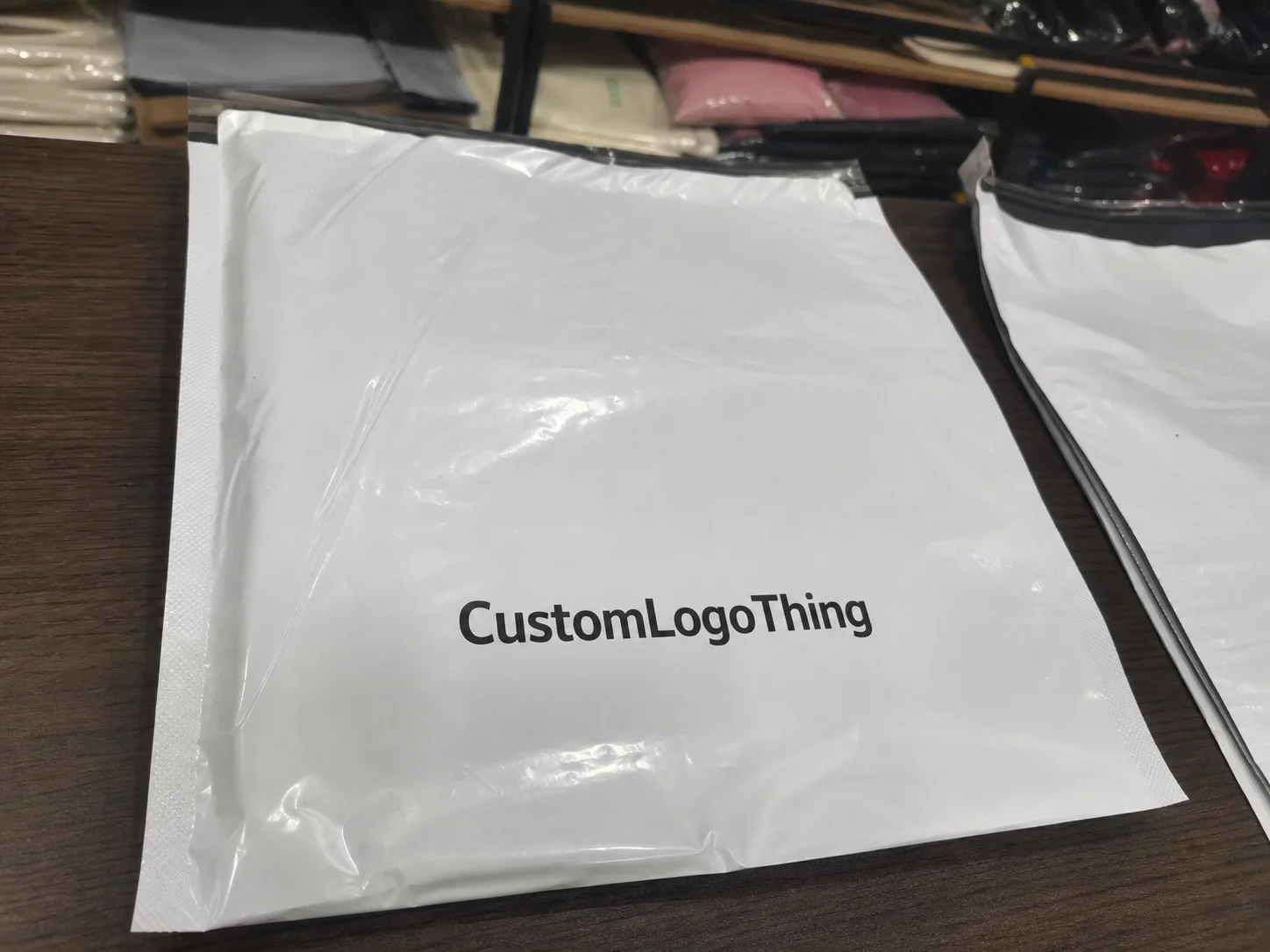
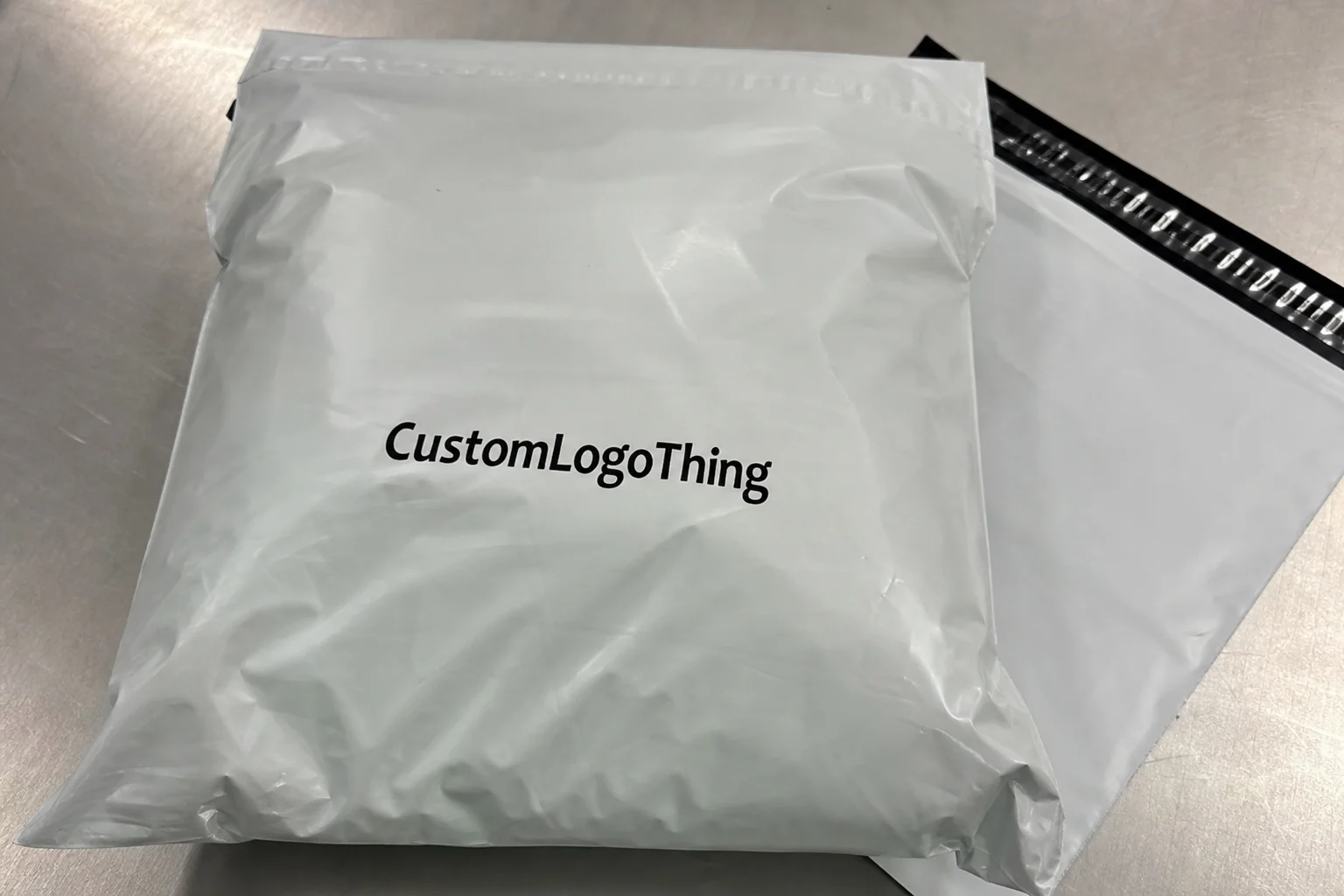
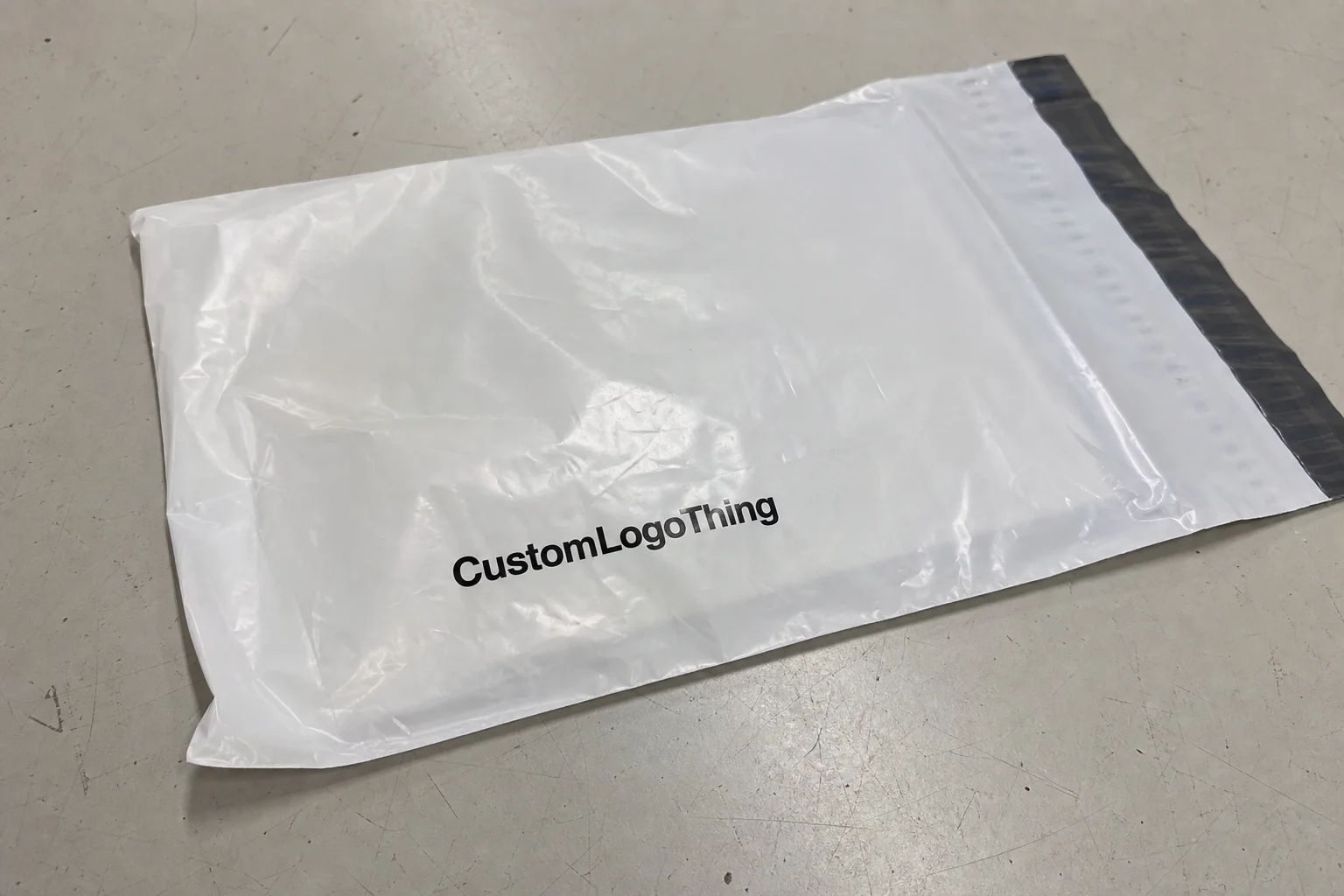
Buyer Fit Snapshot
| Best fit | Biodegradable Mailers Affordable projects where brand print, material claims, artwork control, MOQ, and repeat-order consistency need to be specified before quoting. |
|---|---|
| Quote inputs | Share finished size, material target, print colors, finish, packing count, annual reorder estimate, ship-to region, and any compliance wording. |
| Proofing check | Approve dieline scale, logo placement, barcode or warning zones, color tolerance, closure strength, and carton packing before bulk production. |
| Main risk | Vague material claims, crowded artwork, missing packing details, or unclear freight terms can make a low unit price expensive after revisions. |
Fast answer: Biodegradable Mailers Affordable: Material Claims, Seal Quality, and Freight Cost should be specified like a repeatable production item. The safest quote records material, print method, finish, artwork proof, packing count, and reorder notes in one written spec.
Production checks before approval
Compare the actual filled-product size with the drawing, then confirm tolerance on folds, seals, hang holes, label areas, and retail display edges. Reserve space for logos, QR codes, warning copy, and material claims before decorative graphics fill the panel.
Quote comparison points
Review material grade, print process, finish, sampling route, tooling charges, carton quantity, and freight assumptions side by side. A quote is only useful when the supplier can repeat the same color, closure quality, and packing count on the next order.
If you run an apparel brand, a subscription box company, or a small fulfillment operation, you already know the conversation about biodegradable mailers affordable usually starts with one question: how do we keep shipping costs under control without making packaging feel cheap? I’ve stood on enough factory floors in Dongguan, watched enough rollstock run through blown-film lines in Ningbo, and reviewed enough freight quotes from Shenzhen to tell you this plainly—biodegradable mailers affordable is not some mythical unicorn category. It is a specification problem, a sourcing problem, and a volume problem, usually solved with a 60 to 80 micron film, a 1-color print, and a minimum order around 5,000 pieces.
In my experience, the biggest price swings rarely come from the eco material itself. They come from film thickness, print coverage, bag size, and order quantity. I’ve seen brands save real money by trimming 15 microns from a build, switching from full flood printing to a cleaner 2-color layout, or simply sizing a mailer correctly so they stop shipping air. That last one still makes me laugh a little (and by laugh, I mean wince). That is why biodegradable mailers affordable matters: it lets a brand lower landfill impact, improve its shelf-to-doorstep presentation, and still move soft goods safely through a busy parcel network from a warehouse in California to customers in Texas or Florida. For many teams, it also keeps the budget in line with eco mailers, compostable packaging goals, and everyday shipping labels.
There’s also a trust angle that buyers often miss. Customers can spot packaging that feels thoughtless. A well-made eco mailer signals that the brand pays attention to detail, while a flimsy or over-printed one tells a different story. So yes, biodegradable mailers affordable can absolutely fit a practical budget, but only if the buyer understands what these mailers can do, where they’re strongest, and where they are not the right choice—especially when the order is shipping 2,000 units a month out of a fulfillment center in Los Angeles or Atlanta.
Why Biodegradable Mailers Affordable Matters for Growing Brands
On one visit to a Guangdong converting shop near Foshan, I watched a sales rep pitch a buyer on “eco packaging” as if the material alone justified a premium. The buyer, a 12-store DTC apparel brand, was skeptical, and honestly, she was right to be. The real cost wasn’t coming from the green claim; it was coming from a 90-micron film, four-color flood print, and a low order quantity of 5,000 units. Once we simplified the spec to a 70-micron build and a 1-color logo, the biodegradable mailers affordable target suddenly made sense.
That is the heart of the business case. Biodegradable mailers affordable helps brands reduce visible waste, align their shipping materials with sustainability claims, and keep margin intact. For apparel, cosmetics, supplements, accessories, and other lightweight e-commerce goods, the mailer is one of the most visible pieces of packaging in the customer journey. A good one protects the product, seals cleanly, and communicates the brand clearly, whether it ships from a warehouse in New Jersey or a third-party logistics center in Dallas. It also works well alongside recycled-content inserts, kraft boxes, and other eco packaging materials when a brand wants a fuller sustainability story.
Here’s where buyers can get tripped up: biodegradable, compostable, recyclable, and recycled-content are not interchangeable terms. A biodegradable mailer is designed to break down under certain environmental conditions over time, but the exact behavior depends on the additive package and disposal environment. A compostable mailer is built to meet specific composting standards, often verified against requirements such as ASTM D6400 or EN 13432, while a recyclable mailer is meant to enter a recycling stream where accepted. Recycled-content mailers use recovered resin, which reduces virgin plastic demand but does not automatically mean biodegradation. If a supplier cannot tell you the resin blend, the test standard, or the print ink type, that is not “mystery eco.” That is just vague.
Honestly, I think this confusion costs brands money. They compare the wrong products, then either overpay for a feature they don’t need or underbuy a material that fails in transit. If you want biodegradable mailers affordable, you need the right product for the shipping lane, not the most fashionable label. For a lightweight sweater going from a California warehouse to a customer in Texas, the practical requirement is abrasion resistance, water resistance, and seal integrity. For a sharp-edged boxed item, a mailer might not be the right format at all, no matter how many sustainability buzzwords are printed on it.
“The cheapest eco mailer is the one that doesn’t get returned because it failed in transit.” That is how a senior buyer at a Los Angeles fulfillment center put it to me after we cut their damage rate on soft goods from 2.1% to under 0.8% by changing the film structure from 60 to 75 microns and widening the seal by 8 mm.
If you want a deeper look at shipping standards and package testing, the ISTA testing framework is a useful reference point for transport performance, and the EPA composting guidance is a good reminder that disposal conditions matter as much as resin chemistry. I’ve had suppliers in Ningbo and Xiamen quote the same “green” bag at two different prices depending on whether it was being tested for shipping compression or compost breakdown.
Product Details: What Biodegradable Poly Mailers Are Made Of
Most biodegradable mailers are built from film systems that combine a base polymer with an additive package intended to encourage breakdown under specific conditions. That may include oxo-biodegradable additives, biodegradable polymer blends, or compostable resin structures, depending on the target standard and market. The exact formula matters, because not every “eco” film behaves the same way in a warehouse, on a sorting belt, or in a landfill. A 68-micron film made in Guangdong can feel completely different from an 80-micron structure coming off a line in Zhejiang, even before the ink dries.
In a factory in Ningbo, I once held two gray mailer samples side by side that looked almost identical at first glance. One had a lower tear strength and a softer hand feel because the blend carried more additive content; the other had better puncture resistance but a slightly higher unit cost. That’s a common tradeoff. Biodegradable mailers affordable usually means you balance the formulation so the bag performs well enough for the product category without overspending on a build that is stronger than necessary. If your product weighs 180 grams and ships in a soft fold, you do not need a mailer built like a small truck tarp.
There are a few common constructions Buyers Should Know, and each one shows up in different regions of China depending on the factory’s converting setup:
- Single-layer film for simple, low-complexity mailers with basic branding, often the lowest-cost option from factories in Dongguan or Shantou.
- Co-extruded film for improved strength, better seal performance, and more consistent gauge control, especially useful for 60 to 80 micron builds.
- Laminated builds when a brand needs a specific feel, print quality, or surface finish, with matte and gloss choices available.
- Virgin-content blends where clarity and consistency matter more than recycled input, usually a better fit for premium presentation.
- Recycled-content versions for brands seeking additional material recovery in the structure, often specified at 10% to 30% PCR depending on the factory.
Functional features matter just as much as the resin story. A proper mailer should have a dependable self-seal adhesive strip, enough tear resistance to survive manual pack-out, waterproofing that handles rainy last-mile delivery, and opacity so the contents stay discreet. Many clients also ask for matte or glossy surfaces, and both can work depending on the brand look. Matte often reads more premium and hides handling marks better, while gloss can make colors pop if the artwork is simple and the print line is tight. On a recent run for a skincare brand in Singapore, a matte 70-micron mailer with a 30 mm adhesive strip outperformed a glossy sample in both hand feel and scratch resistance.
Limitations deserve equal attention. These mailers are best for soft goods, folded garments, undergarments, lightweight accessories, and some cosmetics or supplements that are already boxed. They are not the first choice for sharp-edged items, heavy components, or products that can punch through a thin film. If a buyer asks me whether biodegradable mailers affordable can replace every carton in the warehouse, I tell them no. That is not how the packaging works, and pretending otherwise only causes damage claims later. A 1.2 kg candle set needs a carton; a pair of leggings does not.
For brands building a broader eco packaging program, our Custom Packaging Products page is a useful place to compare mailers with other formats, and our Custom Poly Mailers option is a practical reference when you want to compare standard film structures against eco alternatives. If your team is comparing a mailer against a carton, start with the product weight, then the corner profile, then the route length.
Biodegradable Mailers Affordable: Size, Thickness, and Print Specs
Size is one of the fastest ways to control cost. If your hoodie fits in a 10 x 13 inch mailer, there is no reason to pay for a larger 12 x 15 inch bag unless you need extra room for inserts or return handling. When a brand oversizes the mailer, it increases material usage, adds shipping weight, and often creates a more expensive cube on the freight side. That is why biodegradable mailers affordable starts with right-sizing, not with asking for a “premium” bag that is really just larger.
Common sizes usually range from about 4 x 8 inches for small accessories to 14 x 20 inches or larger for bulkier folded apparel. In practice, I like to size against the product plus a little operational room—often 0.5 to 1.5 inches on each dimension depending on fold style. If your pack-out team folds tees to a tight 9 x 12 stack, a 10 x 13 mailer may be the sweet spot. If you ship sweaters or joggers, you may need a wider panel and a stronger seal strip, usually 30 to 40 mm wide.
Thickness, which may be described in mils or microns, affects puncture resistance and unit price. A thinner film can reduce cost, but you have to respect the product profile and handling route. A mailer around 50 to 60 microns may work for very light apparel, while 70 to 90 microns gives more confidence for heavier folded garments or longer transit lanes. I’ve seen brands chase the lowest possible gauge and then pay for it in reprints, replacement shipments, and customer service calls. That is not biodegradable mailers affordable; that is false economy with a nice label on top.
Print specs also change the quote. A one-color logo near the top corner is much simpler than a full-coverage pattern with small text, gradient backgrounds, and tight registration across the bag face and flap. Pantone matching can raise the price slightly if ink control is strict, but it can also be worth it when brand color consistency matters across cartons, mailers, and labels. If you want cleaner economics, keep the art bold and readable, with fewer ink changes and fewer coverage zones. A clean white logo on a kraft-toned eco film often prints better than a five-color design that forces the factory to chase registration for half a shift.
| Mailer Spec | Typical Use | Relative Cost Pressure | Practical Notes |
|---|---|---|---|
| 10 x 13 inch, 60 micron, 1-color print | Tees, socks, small accessories | Lower | Good entry point for biodegradable mailers affordable programs |
| 12 x 15 inch, 70 micron, 2-color print | Hoodies, leggings, light sets | Moderate | Balances durability and brand visibility |
| 14 x 20 inch, 90 micron, full coverage print | Bulkier apparel, multi-item orders | Higher | Better for heavier pack-outs, but not the lowest-cost choice |
| Custom gusseted format with dual seal | Returns-friendly apparel programs | Higher | Useful for operations that want outbound and return functionality |
Extra features can improve pack-out speed. A dual adhesive strip lets customers reuse the same mailer for returns. Perforations can help with opening, though they need careful engineering so they do not compromise tear resistance. Gussets add usable volume for thicker products, but they also increase material consumption. The best biodegradable mailers affordable option is not the one with the most features; it is the one that supports your specific fulfillment flow without padding the spec. If a brand in Chicago ships mostly one-item orders, a dual seal may be worth the extra 2 to 4 cents per bag; if they never process returns in the same mailer, it is wasted spend.
One client in the Midwest reduced their packaging spend by nearly 11% just by moving from a decorative all-over print to a cleaner front-panel logo with a single brand color. Their actual delivery damage rate did not change, because the structural spec stayed intact. That kind of adjustment is what makes biodegradable mailers affordable realistic for growing brands. The factory still ran the same film line in roughly the same 12 to 14 hour production window; the savings came from design discipline, not magic.
Pricing, MOQ, and What Drives Cost
Pricing on biodegradable mailers comes down to a handful of variables, and once you understand them, the quotes make more sense. Material formula, film thickness, bag size, print coverage, quantity, and packing configuration all affect the final number. Freight matters too, especially on larger runs. I’ve watched buyers focus only on unit price and forget that a slightly heavier carton count can change the delivered cost by a noticeable amount. On a shipment moving from Shenzhen to Long Beach, the ocean freight on 20 cartons can look very different from 40 cartons of the same bag size.
For simple planning, many Custom Biodegradable Mailers start in a range that can be quite manageable once the quantity reaches 5,000 pieces or more, but the real number depends on the spec. A small one-color run might come in around $0.18 to $0.32 per unit at 5,000 pieces, while a larger, more complex mailer with thicker film or multiple colors can move higher. For very large runs, I have seen quotes near $0.15 per unit for 5,000 pieces only when the design is stripped down, the size is standard, and the factory already has the base film in stock. That range is not a promise; it is a working reference based on common factory conditions, and it changes with resin market swings and print setup needs.
MOQ is tied to setup economics. The press needs plates or print preparation, the extrusion line needs material loading, and the converting team needs time to configure the dies and seal systems. When order volume rises, those fixed costs spread out and the per-unit cost drops. That is one of the reasons biodegradable mailers affordable becomes easier to achieve at 10,000 units than at 2,000. A factory in Dongguan will quote differently from one in Xiamen simply because their throughput, labor rates, and line availability are not identical.
Here is a straightforward comparison that buyers can use as a starting point:
| Order Type | Setup Complexity | Approximate Unit Cost | Best For |
|---|---|---|---|
| Stock eco mailer | Low | $0.12 to $0.24 | Fast entry, minimal branding, urgent replenishment |
| Custom 1-color biodegradable mailer | Moderate | $0.18 to $0.32 | Brands wanting identity without heavy print cost |
| Custom 2-3 color biodegradable mailer | Moderate to higher | $0.24 to $0.42 | Clearer branding, better shelf presence, retail-ready feel |
| Full coverage or premium finish build | Higher | $0.35 and up | High-end presentation, specialty campaigns, stronger brand expression |
There are hidden cost factors too, and these are where good quoting protects buyers. Ask about plate charges, sample charges, freight terms, carton packing counts, export paperwork, and any added cost for special adhesives or return seals. I’ve seen quotes look attractive on paper and then climb because the buyer did not ask whether the price included cartons, inner polybags, or delivery to the port. A real biodegradable mailers affordable quote should be transparent enough to compare apples to apples, and preferably should spell out whether the price is FOB Ningbo, FOB Shenzhen, or delivered to a U.S. warehouse.
Stock versus custom also deserves a practical view. Stock eco mailers can be a smart fast start if your volumes are low, your brand is still testing demand, or you need a short-term solution while artwork is being finalized. Custom branding makes more sense once your order patterns stabilize, because the bag becomes part of the customer experience and not just a shipping wrapper. That is usually the point where biodegradable mailers affordable starts paying brand value back in addition to cost control. A simple 1-color logo on a 10 x 13 inch bag can be enough to make the package feel intentional without turning the invoice into a headache.
Production Process and Timeline for Custom Orders
Most custom mailer jobs follow a pretty standard path: quote, artwork review, material confirmation, digital proof, production approval, manufacturing, quality check, and shipment. The sequence sounds simple, but delays usually happen in the handoffs. A buyer sends a logo file in JPG instead of vector format, or the dimensions are still being debated after the proof is already prepared. Those small gaps can easily add several days. I’ve had a production schedule stall because someone “just wanted one more font option.” Sure. Because the factory was apparently waiting around in Guangdong to become a typography studio.
For a straightforward run, lead time often falls in the 12 to 15 business day range after proof approval, assuming material is on hand and the press schedule is open. Larger orders, multiple print colors, or specialty material structures can push that longer. Rush production is possible in some cases, but I always tell clients not to build a launch schedule around an emergency slot unless the factory has already confirmed capacity. Biodegradable mailers affordable should still be realistic about timing, especially if the shipment needs export paperwork and a booked container out of Yantian or Ningbo.
On the factory floor, the checks matter. Seal strength gets inspected because a weak side seal can fail during parcel compression. Film gauge gets measured to confirm the line delivered what was quoted. Print registration is checked so logos do not drift into the flap area. For shipping durability, drop tests and basic transit handling tests help reveal weak spots before cartons leave the building. If a supplier says every job is identical, I would be cautious. Different sizes and adhesives behave differently, especially on higher-speed converting lines. A 12 x 15 inch bag with a 30 mm adhesive strip does not behave the same way as a 14 x 20 inch bag with a 40 mm strip.
To keep the schedule moving, buyers can do a few things that save real time:
- Send vector artwork in AI, EPS, or editable PDF format.
- Confirm the final size before proofing starts.
- Choose one preferred thickness and one print layout early.
- Approve the digital proof within 24 to 48 hours.
- Clarify destination details for freight before production begins.
One of the smoother client launches I handled came from a skincare brand in Seoul that had their artwork, size chart, and shipping destination ready on the first call. We moved from quote to proof approval in two days, and the job landed on schedule because nobody kept changing the spec midstream. That is a simple example, but it shows how biodegradable mailers affordable can stay affordable when the process is disciplined. The factory ran the line for 13 business days, packed the order into 18 export cartons, and shipped on the agreed date without drama.
For brands that want more context on package testing, the standards discussion at Packaging Association resources and the transport-oriented guidance from ISTA are both useful when you are matching a mailer to a shipping environment. If your supplier cannot explain drop height, compression load, or seal failure points, that’s a problem, not a footnote.
Why Choose Us for Biodegradable Mailers Affordable
At Custom Logo Things, we focus on packaging that works on the floor, in the warehouse, and at the customer’s doorstep. That means we do not push a thicker film just because it sounds safer, and we do not recommend busy print coverage if it drives cost without adding function. Our approach to biodegradable mailers affordable is grounded in factory reality: material selection, converting efficiency, print discipline, and consistent quality control across production sites in Dongguan, Ningbo, and Shenzhen.
We handle custom sizing, branded printing, and practical material guidance for retail-ready and shipping-ready mailer programs. If a brand needs a softer hand feel for direct-to-consumer apparel, we can steer the spec in that direction. If a brand needs stronger puncture resistance for longer domestic routes, we can move the film up a notch and keep the design clean so the cost does not run away. That kind of judgment matters more than glossy sales language. A 70-micron mailer with a single-color logo often beats a 90-micron bag that is overdesigned and overpriced.
I’ve seen too many buyers get boxed into over-spec’d packaging because no one on the supplier side asked the right questions. What is the item weight? How many folds? Does the product have sharp corners? Is the warehouse hand-packing or machine-inserting? Those details determine whether a 60-micron film is enough or whether the job should go to 80 or 90 microns. The best biodegradable mailers affordable choice often comes from asking fewer assumptions and more operational questions, especially when the annual volume is 20,000 units and every extra cent matters.
Clients also value sample support and communication. We can provide samples or digital mockups so the buyer can feel the material, examine the seal, and check print layout before approving production. From there, quality control stays visible through the run, from first article checks to final carton inspection. If you need a broader packaging program, our Custom Packaging Products catalog can help you compare formats without spending weeks chasing unrelated vendors. We can also compare biodegradable mailers against standard poly mailers side by side so the cost delta is obvious instead of hidden.
“What I appreciate most is not that the price is always the lowest. It is that the spec is honest, the proof is clear, and the mailer arrives as described.” That was a remark from a brand manager after we completed a repeat order for a folded apparel program shipping 8,000 units per month out of New Jersey.
That is the standard we aim for: dependable communication, a sensible spec, and a package that does its job. For many buyers, that is what makes biodegradable mailers affordable worth choosing in the first place. The point is not to chase the absolute lowest price in the spreadsheet. The point is to buy a bag that holds up on the route from factory to fulfillment center to doorstep.
Next Steps to Order Biodegradable Mailers Affordable
If you want a useful quote, come prepared with five details: mailer size, product weight, branding file, target quantity, and destination ZIP code or port for freight planning. Those details let us build a quote that reflects the real job instead of a vague estimate. When buyers send only “need eco mailers,” the pricing has too many open variables to be helpful. A clear spec can cut the back-and-forth from five emails to one.
The fastest quoting path is to narrow the options. Choose two size candidates, one preferred thickness, and one print style. That gives the factory enough direction to price accurately while leaving room to advise you if the spec can be tightened. A clean starting point is often better than a long list of maybes, and it keeps biodegradable mailers affordable from turning into a moving target. If the factory can quote a 10 x 13 inch, 70 micron, 1-color bag at $0.21 and a 12 x 15 inch version at $0.24, you can make an actual decision instead of guessing.
I also recommend requesting a sample or digital mockup before production. A sample lets you feel the seal strength, compare opacity, and check how the adhesive strips behave. A mockup is useful when you are still finalizing logo placement or sizing. Both steps can prevent expensive rework, especially on a first order where the brand is still learning how the mailer behaves in actual pack-out. A quick sample approval in 48 hours is a lot cheaper than discovering on day 13 that the flap is too short.
The practical buying plan is simple: quote, proof, approval, production, shipment. Keep the spec tight, approve quickly, and Choose the Right mailer for the product instead of the loudest marketing claim. That is how biodegradable mailers affordable becomes a repeatable packaging choice instead of a one-time experiment. If the timeline is 12 to 15 business days from proof approval, build that into the launch calendar from day one.
If you are ready to build a cleaner, better-controlled shipping program, send your spec sheet and ask for a comparison across thickness, print coverage, and quantity. The right quote will show you where the savings are hiding, and often they are larger than buyers expect. A factory in Shenzhen may quote differently from one in Ningbo, but the decision is still the same: choose the bag that fits the product, the route, and the budget.
FAQs
Are biodegradable mailers affordable for small businesses?
Yes, especially when you Choose the Right size, a moderate thickness like 60 to 70 microns, and a simple one-color print layout. Smaller brands can often start with stock or low-complexity custom options to keep the unit price under control while still getting a cleaner brand presentation. A small apparel shop ordering 3,000 to 5,000 pieces can often keep costs in the $0.18 to $0.32 range depending on the factory and freight terms.
What makes biodegradable mailers more affordable than expected?
Most savings come from optimizing film thickness, order quantity, and print coverage rather than chasing the lowest material grade. Right-sizing the mailer to the product also reduces waste, lowers shipping inefficiency, and helps the final delivered cost stay within a practical budget. A 10 x 13 inch mailer that fits a folded tee is usually far cheaper than a 14 x 20 inch bag shipped empty around the box.
What is the minimum order quantity for biodegradable mailers affordable custom runs?
MOQ depends on the size, print colors, and material structure, but custom runs usually begin at a factory minimum that covers setup and press costs. Larger orders lower the unit price because those setup costs are spread across more mailers, which is why repeat runs often become more economical. In many Chinese factories, 5,000 pieces is the point where custom pricing starts to look practical rather than painful.
Can biodegradable mailers handle apparel shipping safely?
Yes, they are commonly used for folded apparel, accessories, and other lightweight soft goods. For items with sharp corners or heavier weight, thickness, seal width, and overall structure should be reviewed before ordering so the mailer performs well through sortation and final delivery. A 70 to 80 micron build usually gives apparel brands a safer margin than a very thin film.
How long does it take to produce custom biodegradable mailers affordable orders?
Timeline depends on proof approval, quantity, and print complexity, but many orders follow a quote-to-proof-to-production workflow that stays within 12 to 15 business days after approval when materials are available. Fast approvals and final artwork in vector format help keep the schedule on track. If freight is moving from Shenzhen or Ningbo, add transit time on top of production before you promise a launch date.
If you want biodegradable mailers affordable without sacrificing the details that matter, focus on the actual shipping job, not the slogan on the bag. Choose the Right thickness for the product, keep the print coverage efficient, and match the order quantity to your real demand so you are not paying extra for inventory you will babysit for months. That is the cleanest route to packaging that feels responsible, protects the product, and still plays nice with the budget. Simple. A little boring. And kinda the point.