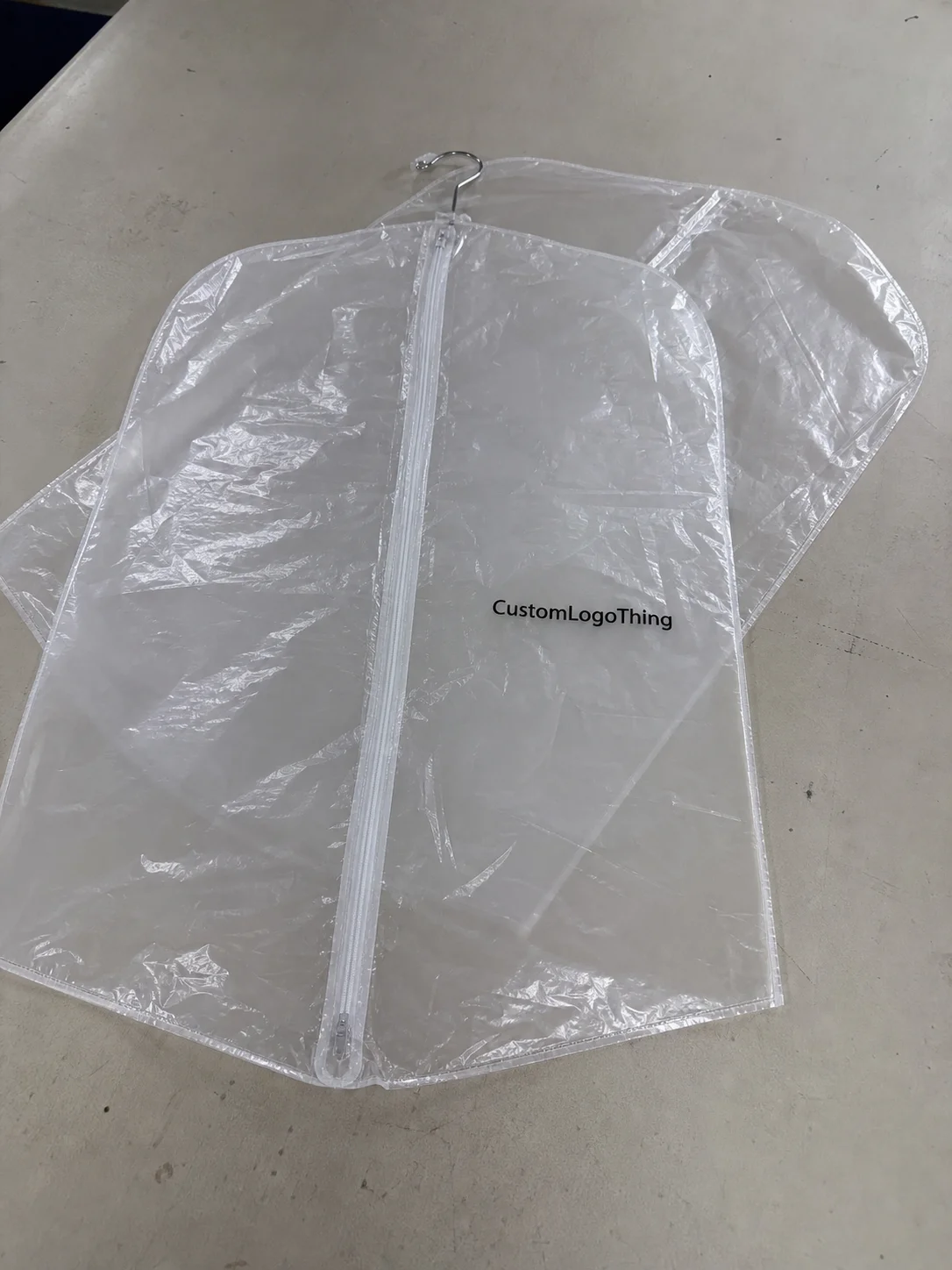
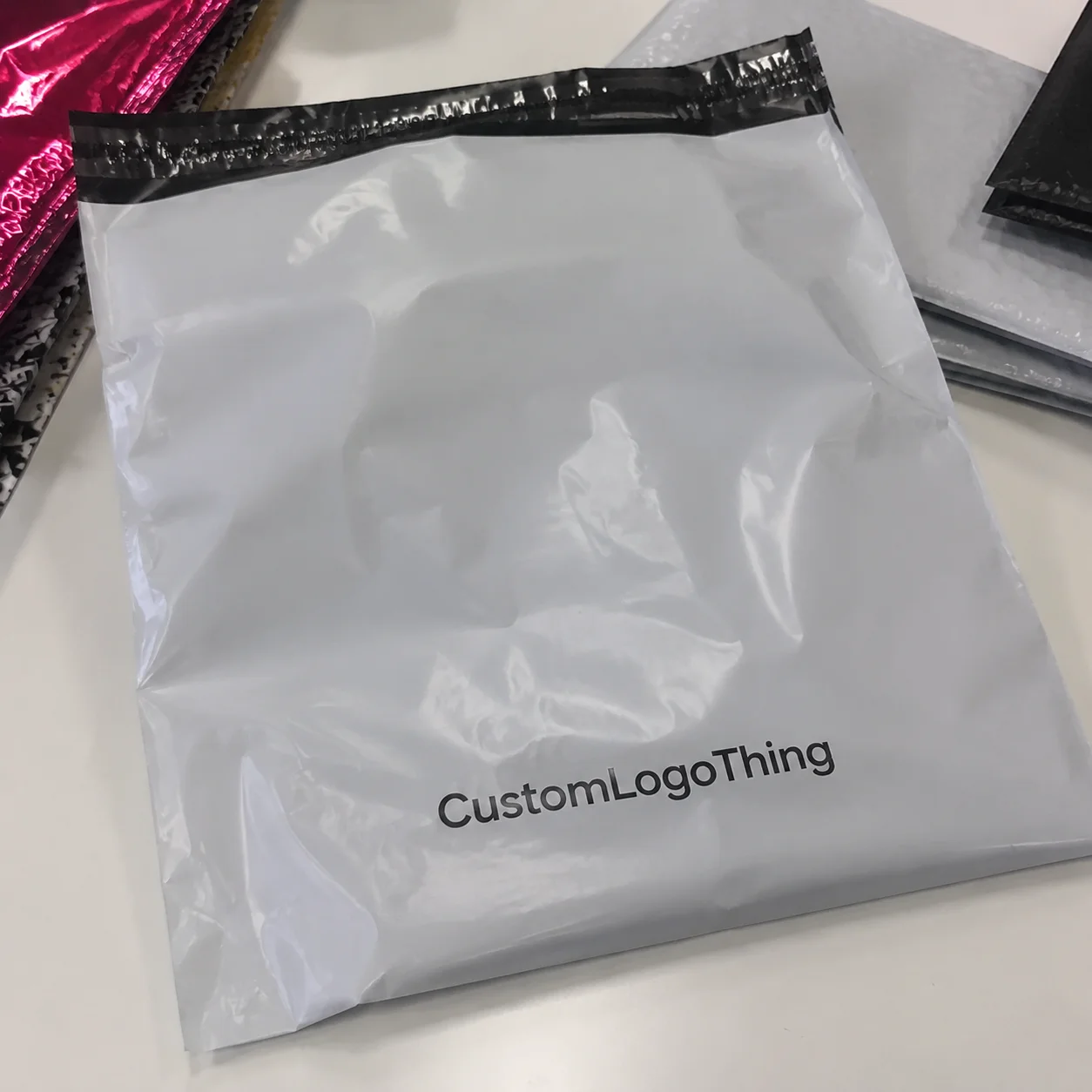
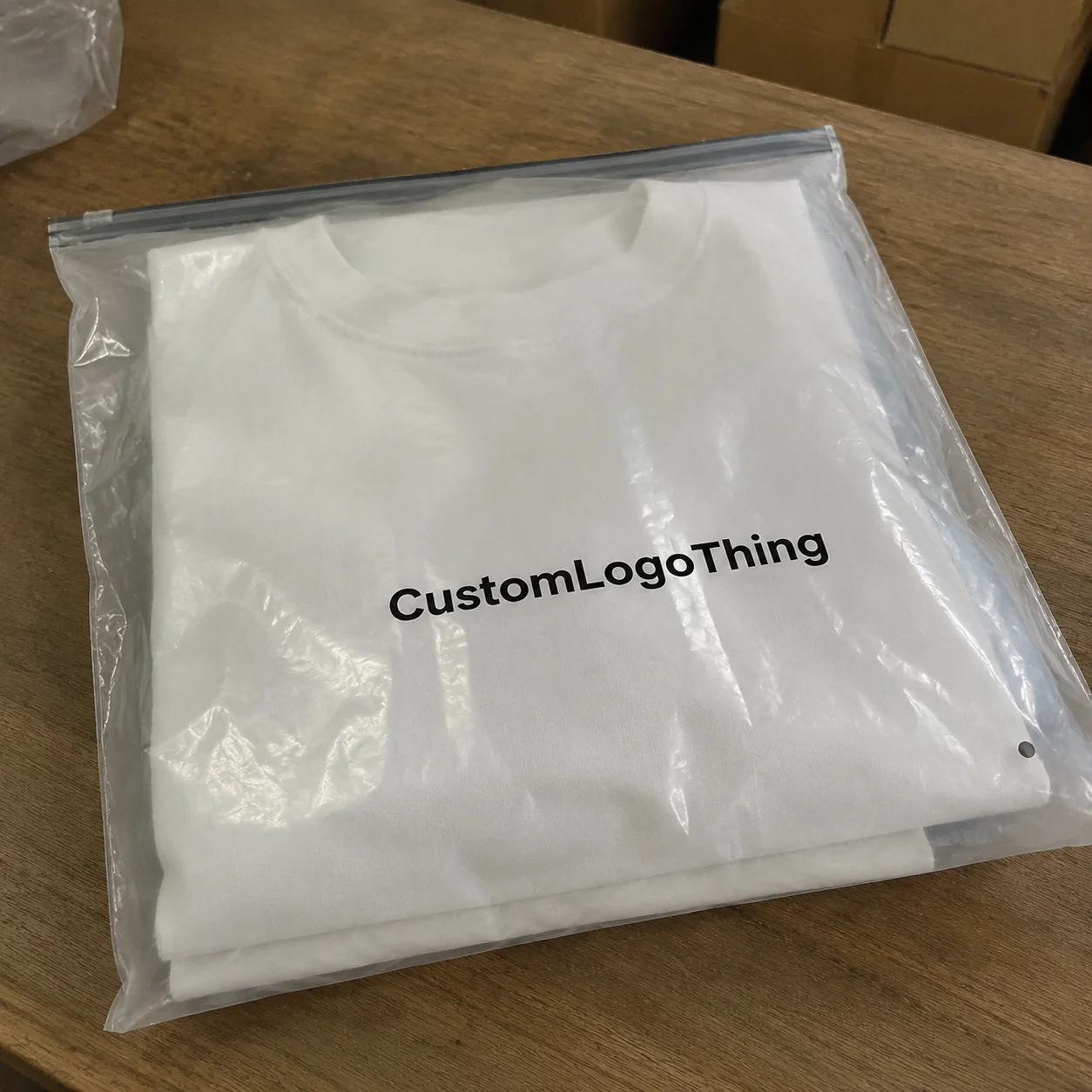
Buyer Fit Snapshot
| Best fit | Biodegradable Mailers Design for Stronger Shipping projects where brand print, material claims, artwork control, MOQ, and repeat-order consistency need to be specified before quoting. |
|---|---|
| Quote inputs | Share finished size, material target, print colors, finish, packing count, annual reorder estimate, ship-to region, and any compliance wording. |
| Proofing check | Approve dieline scale, logo placement, barcode or warning zones, color tolerance, closure strength, and carton packing before bulk production. |
| Main risk | Vague material claims, crowded artwork, missing packing details, or unclear freight terms can make a low unit price expensive after revisions. |
Fast answer: Biodegradable Mailers Design for Stronger Shipping: Film, Print, MOQ, and Carton Packing should be specified like a repeatable production item. The safest quote records material, print method, finish, artwork proof, packing count, and reorder notes in one written spec.
Production checks before approval
Compare the actual filled-product size with the drawing, then confirm tolerance on folds, seals, hang holes, label areas, and retail display edges. Reserve space for logos, QR codes, warning copy, and material claims before decorative graphics fill the panel.
Quote comparison points
Review material grade, print process, finish, sampling route, tooling charges, carton quantity, and freight assumptions side by side. A quote is only useful when the supplier can repeat the same color, closure quality, and packing count on the next order.
Biodegradable Mailers Design Tips: What They Are and Why They Matter
Biodegradable Mailers Design Tips matter more than most brand teams realize, because the biggest shipping failures usually start with a mismatch between the mailer structure and the real abuse a parcel sees on conveyor lines, in tote bins, and in the back of a delivery truck. I’ve watched perfectly branded mailers collapse in a carton audit simply because the film was too thin for the product’s corners, while a simpler bag with a better seal sailed through drop testing without a scratch. At one apparel facility in Dongguan, Guangdong, a 70-micron film passed the visual check but failed after a 1.2-meter drop because the seam landed directly on a box edge. Packaging has a wicked sense of humor that way, not the helpful kind.
In practical packaging terms, biodegradable mailers are flexible shipping bags made from films designed to break down under specific environmental conditions, usually through microbial activity, heat, moisture, and oxygen exposure, depending on the resin blend. That sounds tidy, but the market uses the word biodegradable loosely, so the first of the biodegradable Mailers Design Tips I give clients is to pin down the actual material spec before anyone approves the artwork. A supplier in Xiamen may call a film biodegradable, while the actual spec sheet says PBAT blend with a 35-micron outer layer and a 45-micron total gauge. Otherwise you end up with a label that sounds great and a bag that behaves like a diva in the sealing room.
They are not the same thing as standard polyethylene poly mailers, which are typically built from conventional LDPE or co-extruded PE films that are valued for toughness, puncture resistance, and low weight. With biodegradable structures, you may be working with blended resins, compostable additives, or specialty films that behave differently during sealing, printing, and transport, and that changes everything from gauge selection to color control. A 55-micron PE bag and a 55-micron biodegradable film are not twins; in most factories, they are barely cousins.
Honestly, I think this is where many teams get tripped up: they treat the mailer like a flat billboard first and a shipping component second. The better biodegradable mailers design tips always balance four pressures at once: sustainability messaging, product protection, shelf or inbox appeal, and parcel-handling durability. If one of those is neglected, the whole pack feels off in the hand, even if the mockup looks beautiful on a screen. A $200 proof can still hide a $2,000 freight problem.
There’s a practical side that gets ignored too. A design can be lovely and still be too expensive to run because of oversized artwork, too many colors, or a custom size that forces a slow converting setup. A common quote for a 5000-piece order of a 25 x 35 cm mailer printed in two colors might land around $0.18 to $0.24 per unit from a factory in Ningbo, Zhejiang, while a simpler one-color version may sit closer to $0.15 per unit for 5000 pieces. Good biodegradable mailers design tips should always consider production feasibility, freight costs, and the end-user experience, because a mailer that tears in the first mile doesn’t help the brand story, no matter how green the copy sounds.
“The prettiest mailer in the room is still a failure if it splits at the seal,” one plant manager told me at a converting facility outside Shenzhen, and I’ve remembered that line on every biodegradable run since.
For readers comparing eco-friendly options, it helps to think of the mailer as a system: film, seal, print, closure, and handling environment all work together. That system mindset is the heart of solid biodegradable mailers design tips, and it’s the difference between a package that merely looks responsible and one that actually performs responsibly. On a run of 10,000 units in Foshan, a 3 mm seal adjustment changed failure rates more than a full artwork redesign ever could.
How Biodegradable Mailers Work in Real Shipping Environments
To use biodegradable mailers design tips properly, you need to understand what happens after the parcel leaves the packing bench. In the plants I’ve toured, especially apparel fulfillment centers with long conveyor lanes and aggressive auto-sortation, the mailer gets scuffed, compressed, twisted, and dropped far more than most designers imagine when they’re working from a PDF on a laptop. I remember one facility in Ho Chi Minh City where the conveyor sounded like a metal band warming up; the bags were not thrilled, and neither was I. A 300-gram sweater in a 40-micron bag can be a much harsher test than a 1-kilo product in a rigid carton.
Biodegradable film structures are usually engineered with a specific resin blend or additive package that changes how the material responds over time. Some rely on starch-based components, others use compostable polymers, and a few use degradation additives that work in particular environmental conditions. The exact chemistry matters, because the word biodegradable on its own does not guarantee the same performance, certification, or end-of-life pathway across markets. A bag made for a 58% humidity warehouse in Kuala Lumpur will not age the same way as one stored in a dry facility in Phoenix.
That’s why I always ask for the material data sheet before I talk artwork. If the film is designed to pass a compostability standard, the print inks, adhesive strips, and coatings have to fit within that system, or the packaging can lose the claim. For teams doing biodegradable mailers design tips research, the material is not a background detail; it is the foundation. If the spec sheet says ASTM D6400 or EN 13432, I want to see that language matched to the actual resin, not just the brochure.
Seal quality is another area where the factory floor tells the truth. Heat sealing temperature, dwell time, and pressure all change the final bond, and I’ve seen a 0.5-second shift on a sealing bar turn a strong seam into a weak one that splits when the load shifts in transit. At one plant in Suzhou, a setting move from 165°C to 171°C improved seam consistency on a 50-micron film by nearly 18% across a 200-piece test batch. Gusseting and flap adhesion matter too, especially on larger bags used for folded garments, soft goods, or promotional kits.
Printing interacts with the film in a very real way. A flexible substrate can stretch during print, and some coatings change surface energy enough to affect ink anchorage, rub resistance, or recyclability. Flexible packaging printers will often test flexographic inks, rotogravure cylinders, or even water-based systems depending on the film, and one of the smartest biodegradable mailers design tips is to never assume the same artwork will print identically across different material families. A design approved on a 60-micron matte film from Vietnam can look sharper, darker, and more saturated on a glossy stock from Jiangsu.
Shipping environments expose the weak spots quickly. In a distribution center, mailers rub against steel guides and conveyor rollers; in a trailer, temperature swings can soften adhesive and change stiffness; during last-mile delivery, puncture risk increases when a box corner or sharp product edge presses into the wall of the bag. Lightweight apparel generally gives a designer more freedom, while boxed goods, beauty kits, and books call for more conservative construction and a stronger seal layout. A 2.4 kg book bundle in a 70-micron bag in Chicago needs a very different layout than a 180-gram T-shirt shipped from Los Angeles.
For teams wanting to compare broad packaging standards, I often point them to industry references like ISTA shipment testing guidance and material information published by EPA recycling resources. Those references won’t choose your film for you, but they do help frame the questions behind the best biodegradable mailers design tips. A 1.5-meter drop test or vibration profile can reveal more than a polished render ever will.
Key Design Factors: Material, Thickness, Print, and Cost
If you want biodegradable mailers Design Tips That hold up in sourcing meetings, start with film thickness. Thickness, usually discussed in microns or mils depending on the market, influences puncture resistance, print appearance, and material spend. A 60-micron structure may be ideal for a lightweight tee shirt, while a heavier kit with rigid inserts may need 80 microns or more, especially if the route includes automated sortation and rough handling. In one Guangzhou trial, a 75-micron bag reduced corner splits by 31% compared with a 50-micron version on the same route.
I’ve seen buyers chase the thinnest possible film to save pennies, then spend more replacing damaged goods. That is a false economy, and honestly, it happens more often than most procurement teams admit. One of the most useful biodegradable mailers design tips is to price the whole shipping outcome, not just the bag itself, because a lower unit cost means very little if returns rise by two points. On a 20,000-unit month, even a 1.5% damage increase can outrun a $0.03-per-unit materials saving.
Material choice is the next lever. Biodegradable blends, compostable films, and co-extruded structures each come with trade-offs in stiffness, clarity, heat resistance, and moisture behavior. Some films print beautifully but feel softer in hand; others are tougher but show stress whitening at fold lines. If the product is sharp-edged, I usually push for a structure with better tear resistance, even if that means a slightly less premium feel. A PBAT/starch blend at 65 microns may be preferable to a prettier but weaker 50-micron film for boxed candles or ceramic accessories.
Printing choices matter just as much. Flexography is common for medium and high-volume runs because it can be efficient on repeating artwork and solid brand colors, while rotogravure can deliver rich coverage and fine detail for larger programs with stable demand. White ink underlayers can help bright logos stand off darker films, but they add cost, setup time, and another opportunity for misregistration if the press team isn’t dialed in. A two-color flexo setup in Taicang might add 1-2 business days for plate prep and proofing, while gravure can justify its expense only when the run volume is large enough to spread the cylinder cost.
Surface energy also affects ink adhesion, which is one of those shop-floor details that rarely gets discussed in a design deck. On some biodegradable films, especially those with specialty additives, the ink anchor point is less forgiving than standard PE. That means artwork should be built with enough contrast and stroke weight to survive real handling, not just catalog photography. If the line weight falls below 0.25 pt in the file, I usually ask for a second look before a factory in Shenzhen converts it into a plate.
Cost is where the conversation becomes very practical. A custom size, extra colors, oversized graphics, resealable features, and a low minimum order quantity all affect the unit price. If a client asks me for an estimate, I usually break it down roughly like this:
| Mailer Option | Typical Impact on Unit Price | Best Fit | Operational Note |
|---|---|---|---|
| Standard size, 1-color print | Lower setup and press cost | Simple branding, higher-volume apparel | Fastest to approve and produce |
| Custom size, 2-3 colors | Moderate increase | Mid-size brands with stronger identity needs | Needs tighter proofing and color control |
| Thicker film, full coverage graphics | Higher material and ink spend | Heavier products or premium unboxing | Can reduce transparency and increase freight |
| Special closure or reinforced seam | Added converting cost | Fragile, sharp, or higher-value items | Worth it if damage risk is real |
For brands expanding their packaging system, I often suggest browsing Custom Packaging Products alongside Custom Poly Mailers so the biodegradable option is evaluated against the full packaging mix. Sometimes the best decision is a hybrid one, not a purity test. On a recent sourcing comparison in Bangkok, a brand cut total packaging spend by 11% simply by matching biodegradable mailers to only two of four SKUs.
One more practical warning: overdesigning can quietly wreck a project. If you add a thicker film, metallic effects, two spot colors, and a custom zipper feature all at once, the product may still ship well, but the budget can jump far beyond what the item category can support. Good biodegradable mailers design tips are disciplined, not decorative for decoration’s sake. A 5000-piece run with six print elements and a specialty seal can easily cost 20% more than a cleaner version with the same dimensions.
Step-by-Step Biodegradable Mailers Design Tips from Concept to Sample
The strongest biodegradable mailers design tips always start with the product profile, not the artwork. I ask for the item’s weight, dimensions, sharp edges, moisture sensitivity, and whether it needs tamper evidence. A 220-gram cotton tee is a very different project from a boxed skincare set with rigid corners and a paper insert. A 150-gram serum carton with foil accents often needs a different mailer than a 600-gram knit sweater, even if the brand color is identical.
Once the product is understood, sizing comes next. The bag needs enough internal clearance for easy loading on the packing line, but not so much extra room that the item slides around and tears the film during transit. In a manual fulfillment operation, a little forgiveness helps the packer; in a high-speed center, exactness helps consistency. That balance sits at the center of practical biodegradable mailers design tips. A 28 x 38 cm mailer may work beautifully for folded tees, while a 32 x 42 cm bag is safer for boxed gifts with sharp corners.
Closure systems deserve serious attention. A pressure-sensitive strip is common, but some operations need stronger flap adhesion or a different seam layout to match their packing speed. Perforation details can also help if the mailer is intended for multi-step assembly or return workflows. If the closure is too weak, the bag opens in handling; if it is too aggressive, packers slow down and the whole line feels it. On a 12-station packing line in Mexico City, changing the adhesive strip width from 8 mm to 12 mm reduced open-tab complaints within one week.
Artwork should be built with the physical substrate in mind. Flexible film shifts under tension, so safe zones, bleed, barcode readability, and font weight all matter. I’ve watched a beautiful logo lose its clean edge because the designer used hairline strokes on a bag that flexed under heat and pressure. One of the simplest biodegradable mailers design tips is to keep tiny text to a minimum and favor high-contrast, clean shapes that survive abrasion. If a barcode will be scanned 600 times a day in a warehouse, it needs to remain readable after rubbing against a carton flap.
Here’s the part I always insist on: prototype early. A physical sample tells the truth that a PDF never can. We test drop resistance, seal integrity, and scuffing before approving mass production because once a print cylinder or plate is locked, changes become slower and more expensive. In one supplier meeting in Hangzhou, a client argued for a matte finish that looked elegant on screen, but the sample showed heavy rub marks after a short conveyor simulation, and that saved them from an expensive recall. The sample stage usually costs far less than a 10,000-piece reprint.
Practical sample checklist
When I review samples, I look at four things in order: seal consistency, load fit, print durability, and handling feel. If the bag passes all four, then I start worrying about cosmetic details like ink density and panel alignment. That sequence keeps biodegradable mailers design tips grounded in what actually matters on the floor. A passing sample in Dongguan may still need a second review if the same bag must travel through a colder warehouse in Berlin.
What to test before approval
Ask for drop testing aligned with the product weight, tape pull checks on the closure, and rubbing or abrasion checks against a rough carton surface. If your program serves e-commerce, I’d also test the mailer after a temperature cycle, because adhesive behavior can change when a truck sits in the sun or a warehouse gets cold overnight. A simple 24-hour cycle at 5°C and 35°C can reveal issues that a room-temperature sample hides.
Process and Timeline: From Artwork Approval to Production
The production path is usually straightforward, but it is rarely instant. A typical project starts with brief intake, then a structural recommendation, followed by artwork preparation, proofing, sample approval, cylinder or plate creation, and manufacturing. If the film formula is stock, the timeline can be relatively efficient; if it is a custom biodegradable blend, you add extra coordination and testing. A factory in Wenzhou may confirm a sample within 48 hours, while a new blend can add a week just for material alignment.
For planning purposes, many simple runs move in 12 to 15 business days from proof approval, while more complex jobs with new tooling or special inks may need 18 to 25 business days, depending on factory queue and material availability. Those ranges are not promises, and I always say that clearly, because a factory schedule can change if extrusion capacity, press allocation, or inbound resin timing shifts during the week. I’ve had deadlines wobble because one resin shipment got held up, and yes, that sort of thing can make everyone stare at email like it personally offended them. A quoted 14-day production window in Ningbo can become 19 days if the press slot shifts by only two shifts.
Biodegradable film production is especially sensitive to process coordination. Extrusion, printing, and converting lines need to stay aligned so the material behaves consistently through the entire run. I’ve seen a run slowed because a film batch from one shift handled slightly differently than the next, and the only way to keep quality stable was to pause, re-check tension settings, and restart with tighter process control. That kind of detail is invisible in a sales quote, but it matters in the plant. A 3% tension variation can change print registration enough to make a full rework necessary.
Clients can help a lot by preparing the right files early. Logo files in vector format, Pantone references, barcode artwork, sustainability claim language, and any legal copy should be ready before proofing starts. If a brand asks for recycled-content language, compostability claims, or disposal instructions, those words should be checked carefully against the actual material spec and the target market’s regulations. A packaging note acceptable in California may need different wording than one sold in France or Singapore.
For brands that want to compare packaging architecture more broadly, it often helps to think beyond one SKU and review the whole system. A mailer may be one component of a larger set of branded shipping solutions, and Custom Packaging Products can support that broader planning process when teams are building a coordinated launch. A program with 8,000 units across three sizes is easier to manage when all artwork is approved in the same round.
A good communication cadence prevents surprises. I like to see a proof checkpoint, a preproduction sample checkpoint, and a final signoff before the line runs full speed. If the buyer and the manufacturer agree on those review gates, biodegradable mailers design tips become a managed process rather than a last-minute scramble. A simple three-step approval path can cut preventable revisions by more than half.
Common Mistakes to Avoid in Biodegradable Mailer Design
One of the most common mistakes I see is vague eco language. If the claim says biodegradable, compostable, or environmentally friendly, the underlying material, certification, and market-specific wording need to match. Otherwise, the package may create more questions than trust, and that is the opposite of what biodegradable mailers design tips should accomplish. A claim printed on 30,000 mailers in Manila is expensive to correct if the standard changes after approval.
Another frequent issue is choosing a film that looks premium but fails under actual load. A sleek matte surface can impress in a sample box, yet still perform poorly with heavy garments, books, or boxed goods. I remember a client who loved the soft hand of a particular film until their warehouse team reported punctures from folded denim seams; we ended up adjusting the gauge and changing the closure style before the next run. The mailer, as ever, had the final word. In their case, going from 50 microns to 70 microns solved the issue in one production cycle.
Overprinting is another trap. Too many colors, busy gradients, and oversized graphics can make a mailer feel cluttered, especially on a flexible surface that already has seams and folds. Clean, high-contrast layouts usually reproduce better and cost less, which is why simple versions of biodegradable mailers design tips tend to age well in production. A two-color design can often print cleaner than a six-color one, especially on a matte biodegradable film from Southeast Asia.
Pricing mistakes often come from underestimating the impact of customization. Small order volumes do not absorb tooling or setup as efficiently as a large run, so adding custom features without checking minimum order quantity can produce sticker shock. A buyer may ask for three embellishments on a 3,000-piece run and then wonder why the unit price is far above a standard bag. One supplier in Dongguan quoted $0.29 per unit for a 3000-piece custom job that dropped to $0.17 at 10,000 pieces with the same dimensions.
Skipping samples is probably the most expensive mistake of all. In my experience, many problems only show up after a real seal test, a freight simulation, or a rubbing check against a corrugated surface. Without that sample stage, you can end up with wrinkles, misaligned graphics, or edge splits that cost far more to fix after production begins. A $60 sample can prevent a $6000 print rerun, and that math is not hard.
If you want a simple guardrail, use industry references where appropriate and verify claims before print. Packaging trade organizations like the Packaging Machinery Manufacturers Institute and forest certification bodies like FSC are useful starting points when material sourcing and chain-of-custody questions arise. A certificate number printed correctly is worth more than a paragraph of marketing adjectives.
Expert Biodegradable Mailers Design Tips for Better Performance and Branding
The best biodegradable mailers design tips I can give come from thinking about the whole journey, not just the mockup. Design for the end-of-line sorter, the warehouse packer, the truck ride, and the customer who opens the bag on a kitchen counter under terrible lighting. If the package still looks good at each of those points, you have done real packaging work, not just graphic work. A good bag should survive a 1-meter drop, a two-hour delivery route, and one impatient tear-open by the buyer.
Keep branding simple and high-contrast. Flexible film does not reward fussy line work the way a rigid carton might, and small typography can disappear after a week of handling. A bold logo, a clear return address zone, and one or two supporting graphics usually outperform a crowded design, both visually and commercially. In practice, a 28-point logo with strong contrast can outperform a 14-point logo with three delicate outlines.
Structure can carry brand story better than decoration can. Thoughtful copy placement, clean negative space, and a material choice that visually signals responsibility often say more than extra flourishes. I’ve seen brands win customer trust with a single well-placed sustainability message and a calm visual system, while others spent more on artwork and still looked unsure of themselves. A mailer made in Jiaxing with a matte finish and one clear claim often feels more credible than a loud bag covered in icons.
Work with the manufacturer early. That is one of the most dependable biodegradable mailers design tips in the business. When the converter knows the target film behavior, print limits, sealing requirements, and expected freight conditions before the artwork is finalized, the whole project gets easier to manage and the sample stage becomes far more useful. A factory in Zhongshan can usually flag a sealing issue before plates are cut if it sees the artwork on day one.
Here’s a rule of thumb I use on the floor: if a graphic element does not improve recognition, function, or compliance, it may be costing more than it adds. That sounds blunt, but it saves money and keeps the design focused. A mailer is still a shipping component, and every line on it should earn its place. On a 10,000-piece run, removing one spot color can cut both press time and inventory complexity.
Another point worth mentioning is color discipline. One or two strong Pantone references tend to reproduce more predictably than a broad palette with subtle gradients, especially on film that flexes through the press and converting process. I’ve watched a brand shift from six colors down to two and improve both clarity and press consistency in the same revision cycle. In one case, the change cut proof revisions from three rounds to one.
For brands building a broader packaging system, Custom Poly Mailers can be a useful benchmark even when the final choice is biodegradable, because it helps the team compare thickness, closure style, and print coverage against a familiar packaging standard. That comparison often sharpens the brief and leads to smarter biodegradable mailers design tips from the start. If a 60-micron poly mailer works for one SKU, the biodegradable version may need a 70-micron or 80-micron equivalent to perform the same way.
My honest opinion? The most effective sustainability packaging looks calm, factual, and well-made. It does not shout. It does not overpromise. It gives the customer enough information to trust the material and enough structural strength to trust the shipment, and that combination is what keeps brands coming back to the same design week after week. In a market that often confuses decoration with credibility, calm is surprisingly persuasive.
FAQ
What are the best biodegradable mailers design tips for small brands?
Start with the product’s actual weight and shape, then choose a mailer size that reduces excess void space without making packing slow or awkward. Keep artwork simple, high-contrast, and easy to print on flexible film, because clean graphics usually cost less and reproduce better. Before ordering in bulk, request a sample and check seal strength, fit, and print quality under real handling conditions. A 500-piece test order from a factory in Shenzhen can reveal fit issues before you place a 5000-piece production run.
How do biodegradable mailers design tips affect pricing?
Thicker films, custom sizing, multiple print colors, and special finishes usually increase the unit price. Simpler graphics and standard dimensions often reduce setup costs and help the factory run more efficiently. Minimum order quantity also matters because tooling and press setup are spread across the total run, not just the first few hundred pieces. A one-color 5000-piece job may land around $0.15 to $0.18 per unit, while a custom three-color version can move closer to $0.22 or higher depending on the factory in Guangdong or Zhejiang.
How long does it take to make custom biodegradable mailers?
Timing depends on artwork readiness, sample approval, tooling needs, and the production queue at the converting facility. Straightforward jobs can move quickly when files are print-ready and no structural changes are needed after proofing. If the project needs a new film specification or complex branding, expect extra review and testing time before production starts. In many factories, simple runs are typically 12-15 business days from proof approval, while more complex orders can take 18-25 business days.
Can biodegradable mailers still be strong enough for shipping?
Yes, if the film thickness, seal design, and closure type are matched to the product’s weight and transit conditions. Strength depends on the whole structure, not just the eco-friendly material claim. Items with sharp corners or heavier contents often need a reinforced design and sample testing before mass production. A 70-micron film with a 12 mm seal can outperform a thinner bag by a wide margin on routes that include auto-sortation and trailer transfer.
What should I check before approving biodegradable mailer artwork?
Confirm logo placement, bleed, safe zones, barcode readability, and any sustainability claim language. Check that colors are realistic for the chosen print method and that small text remains legible on film. If possible, review the physical sample, because flexible packaging can look very different in hand than it does on a monitor. I also recommend checking claim wording against the target market, especially if the bags are being produced in Shenzhen for shipment into the EU or the U.S.
Strong packaging starts with the details: the right film, the right seal, the right artwork discipline, and the right expectations about production timing. If you follow these biodegradable mailers design tips, you give your product a better chance to ship cleanly, look professional, and support your sustainability story without creating avoidable cost or damage. That is the balance I’ve spent years chasing on factory floors from Dongguan to Ningbo, and it is still the standard I trust most. The takeaway is simple: define the material first, test the structure before approval, and let the design serve the shipment instead of the other way around.