Buyer Fit Snapshot
| Best fit | Biodegradable Subscription Boxes projects where brand print, material claims, artwork control, MOQ, and repeat-order consistency need to be specified before quoting. |
|---|---|
| Quote inputs | Share finished size, material target, print colors, finish, packing count, annual reorder estimate, ship-to region, and any compliance wording. |
| Proofing check | Approve dieline scale, logo placement, barcode or warning zones, color tolerance, closure strength, and carton packing before bulk production. |
| Main risk | Vague material claims, crowded artwork, missing packing details, or unclear freight terms can make a low unit price expensive after revisions. |
Fast answer: Biodegradable Subscription Boxes: Board, Finish, Dieline, and Unit Cost should be specified like a repeatable production item. The safest quote records material, print method, finish, artwork proof, packing count, and reorder notes in one written spec.
Production checks before approval
Compare the actual filled-product size with the drawing, then confirm tolerance on folds, seals, hang holes, label areas, and retail display edges. Reserve space for logos, QR codes, warning copy, and material claims before decorative graphics fill the panel.
Quote comparison points
Review material grade, print process, finish, sampling route, tooling charges, carton quantity, and freight assumptions side by side. A quote is only useful when the supplier can repeat the same color, closure quality, and packing count on the next order.
Biodegradable Subscription Boxes: A Practical Guide
Biodegradable subscription boxes can sound straightforward until they are packed into a shipping lane, stacked on a warehouse pallet, and handed to a customer who opens the carton with a pair of kitchen scissors. That is the moment where a clean sustainability idea runs into the stubborn realities of materials, adhesives, coatings, and transit abuse. Biodegradable subscription boxes can be a strong choice, but only when the board, tape, ink, inserts, and fulfillment method are designed as one system instead of a handful of nice-sounding parts.
For a beauty box, snack box, or wellness kit, the packaging has to do three jobs at once: protect the product, feel worth opening, and break down responsibly without drifting into greenwashing dressed up in a pretty dieline. That is a harder brief than most sales decks admit. The buyers who get the best results with biodegradable subscription boxes are usually the ones who ask the dullest question first: what is every piece made of, and what happens to each piece after delivery?
Biodegradable Subscription Boxes: The Hidden Tradeoff
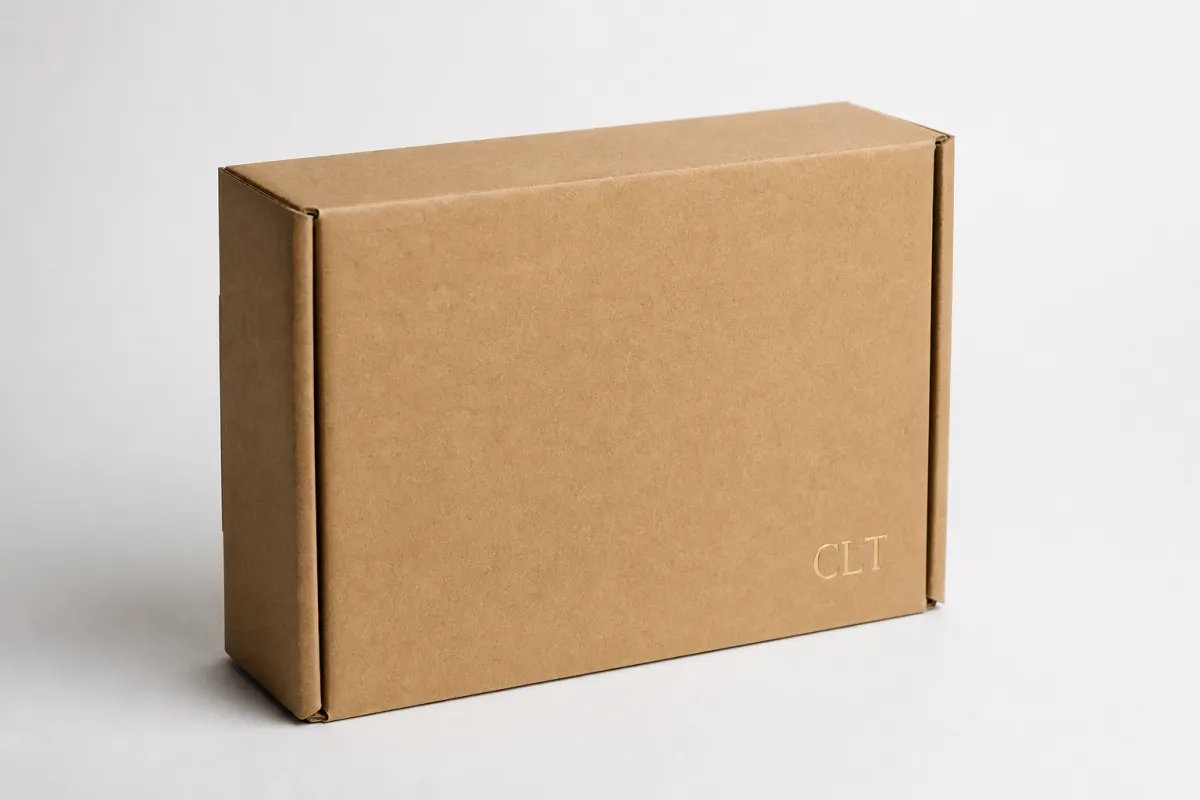
A carton can be marketed as one of the biodegradable subscription boxes and still create plenty of waste if the coating, adhesive, insert, or tape does not match the claim. The outer box is only one layer in a larger packaging system. The customer experiences the whole system, not a single sentence on a spec sheet, so every component has to hold up to scrutiny.
Picture a monthly beauty subscription. The mailer needs to survive carton scuffing, one or two distribution center handoffs, and whatever weather greets it on the porch. Inside, there may be glass serum bottles, paper cards, and a few inserts that keep everything in place. If the carton is technically biodegradable but the liner film is plastic, or the tape is conventional plastic, or the insert is laminated, the claim gets muddy fast. That is how biodegradable subscription boxes slide from a practical solution into a slogan with a nice print job.
Brands often compress sustainability into a simple graphic story because the graphic story is easy to sell. The hard part is the full material stack. A premium sleeve, a coated insert, and a decorative ribbon can look polished, yet they can also weaken the end-of-life story in a hurry. In practice, biodegradable subscription boxes perform best when the packaging brief starts with protection, then moves to print, then ends with disposal behavior.
A box is not sustainable because it says so. It is sustainable because the whole stack behaves that way.
There is a reputation risk baked into unclear labeling. A customer who disposes of the box the wrong way because the instructions were vague does not care that the sales team liked the wording. They care that the package created confusion. That is why the strongest biodegradable subscription boxes usually state things plainly: what the box is made of, whether it belongs in home compost or industrial compost, and which parts need to be removed before disposal.
If your product line is still being shaped, begin with the packaging itself. A good starting point can come from Custom Packaging Products, especially when you need to compare formats before locking the structure. A custom size that fits the product tightly often does more for sustainability than a larger carton dressed up with a cleaner claim. Less empty space means less filler, lower shipping volume, and fewer chances for breakage. That is a practical win, not a marketing flourish.
The real question is not whether biodegradable subscription boxes sound better. The real question is whether they are better for the product, the supply chain, and the customer’s disposal path. That is a much stricter test, and it is the one that matters.
What Biodegradable Subscription Boxes Are and What They Are Not
Here is the plain-English version: biodegradable subscription boxes are packaging made from materials that microorganisms can break down over time. That does not automatically mean they break down quickly, safely, or in a backyard pile of leaves. Time, moisture, temperature, oxygen, and material composition all matter. Packaging labels tend to skip those details because the details are less convenient to print.
Do not confuse biodegradable, compostable, recyclable, and recycled content. They are not interchangeable. Biodegradable means the material can decompose under certain conditions. Compostable is stricter and usually means the item meets a defined standard and breaks down in composting conditions without harmful residue. Recyclable means it can enter a recovery stream, assuming local facilities accept it. Recycled content means the material came from recovered feedstock. A box can contain recycled content and still not be biodegradable.
For biodegradable subscription boxes, common material choices include kraft board, molded fiber, corrugated board with fiber-based inserts, and some plant-based liners or water-based coatings. Fiber-based structures are usually the safest place to begin because they are familiar to converters, printable, and easier to source consistently. The finish still matters. A well-made board with a thick plastic laminate does not help if the end-of-life story is meant to stay simple.
Certification language matters too. If you want to make a compostability claim, look for standards and substantiation instead of confidence alone. For transit performance, use ISTA testing methods as a reference point, because a package that cannot survive shipping is not helping anybody. For responsible fiber sourcing, FSC certification is a useful signal, but it does not magically make a box biodegradable. That distinction catches a lot of people off guard.
There are limits worth respecting. Some materials only biodegrade in industrial composting conditions. Some need heat and moisture that most home compost setups never reach. Some mixed-material builds are technically fiber-based but still miss the spirit of the claim because the coating or insert changes how the package behaves. That is why biodegradable subscription boxes should be specified as a complete system, not just a board grade.
- Biodegradable: can break down over time under suitable conditions.
- Compostable: meets a recognized standard and breaks down in compost settings.
- Recyclable: fits a recovery stream where facilities accept it.
- Recycled content: includes recovered fiber or recovered material.
Claim language should stay precise. If the box is only compostable in an industrial facility, say that. If the insert is compostable but the printed tape is not, say that too. Vague “eco-friendly” language is where brands get themselves into trouble. Honest wording is less flashy, yes, but it keeps biodegradable subscription boxes from turning into a liability.
Biodegradable Subscription Boxes: Process and Timeline
The production flow for biodegradable subscription boxes is tidy on paper and a little irritating in real life. It usually starts with a brief, then moves to material selection, structural sampling, print proofing, approval, production, finishing, packing, and freight. Each step can push the calendar if someone changes dimensions late or decides the insert needs a different fold.
A realistic timeline for simpler biodegradable subscription boxes is often 12-15 business days from proof approval to production completion, plus freight time. If the box uses custom inserts, multiple print passes, a special coating, or a new die line, the schedule can stretch to 18-30 business days. Molded fiber components and unusual liner materials can add even more time because the sourcing side gets involved earlier than people expect.
The most common delay is not the press. It is the human side. Artwork approvals drag. Someone decides the logo should be 4 mm larger. A shipping team changes product dimensions after sampling. Suddenly the spec is different, and the proof no longer matches. That is how biodegradable subscription boxes lose a week without anyone noticing in the moment.
Rush orders exist, but they are not magic. A rush helps if the structure is already proven and the material is in stock, but it will not rescue a weak brief. If you need a launch date for a seasonal drop, build in buffer time for one round of changes, freight variability, and the occasional supplier holiday. Packaging does not care that your campaign goes live on a Friday.
Here is the practical sequence I would use for biodegradable subscription boxes:
- Finalize product dimensions, weight, and fragility.
- Choose the material stack and closure style.
- Approve a structural sample before final artwork.
- Review print proof against the actual die line.
- Lock inserts, labels, and tape in the same approval round.
- Confirm shipping method and lead time buffer.
That sequence sounds basic because it is. The teams that run into trouble usually skip one step and pay for it later. If your team is comparing several custom formats, a page like Custom Packaging Products helps anchor the conversation around what is actually manufacturable instead of what looks nice in a mockup. For biodegradable subscription boxes, manufacturable beats dreamy every time.
Freight matters too. A box that ships flat is cheaper to move than a bulky rigid setup with oversized inserts. That can change both landed cost and storage cost. Many subscription brands underestimate how much calendar time disappears into packing, palletizing, and transit. The box is only one part of the timeline, even if it gets the most attention.
Cost, Pricing, MOQ, and Unit Cost for Biodegradable Boxes
Pricing for biodegradable subscription boxes follows the same familiar drivers: board type, size, print coverage, finishing, structural complexity, inserts, and whether the box needs extra barrier performance. A plain kraft mailer with one-color print is a very different animal from a rigid-feel presentation box with a fiber insert and two special coatings. Buyers know this in theory and still act surprised when the quote changes. A thrilling tradition.
MOQ behavior matters a lot. Smaller runs usually carry a higher unit cost because setup, die cutting, press setup, proofing, and waste are spread across fewer pieces. At 1,000 units, a box may land in one range. At 5,000 or 10,000 units, the per-box cost can drop noticeably, even if the material itself is not dramatically different. That is why biodegradable subscription boxes often make more sense once the offer is stable.
Here is a practical comparison. These are not quotes; they are working ranges for planning. Exact pricing depends on dimensions, artwork, region, and current material availability.
| Option | Typical MOQ | Approx. Unit Cost at 5,000 | Best For | Watchouts |
|---|---|---|---|---|
| Kraft folding mailer | 1,000+ | $0.42-$0.85 | Light products, simple branding | Less cushioning, not ideal for fragile glass |
| Corrugated subscription box | 1,000+ | $0.55-$1.10 | Shipping strength and stacking | Bulkier storage and freight |
| Fiber tray with printed sleeve | 2,000+ | $0.65-$1.35 | Premium unboxing with lower material waste | Tooling and fit accuracy matter more |
| Rigid-style paperboard box with fiber insert | 1,000-3,000+ | $1.40-$3.20 | Luxury or giftable subscription sets | Higher freight, higher storage, more setup work |
Total cost of ownership matters more than a shiny unit price. A box that saves $0.10 per unit but raises damage by 3 percent can erase the savings immediately. On a 10,000-piece run, one extra damaged product per hundred shipments is not a rounding error. It is a bill. That is why biodegradable subscription boxes should be judged on shipping damage, storage volume, and return rate as much as on the quote line.
Hidden costs hide in the quiet corners of the project: tooling for new dies, plate charges, sample sets, extra freight, reprints caused by bad measurements, and rush fees when somebody remembers a seasonal deadline too late. I have seen more budget damage from weak approval habits than from material choice. With biodegradable subscription boxes, a sloppy spec can cost more than a better board grade.
Inventory is the other practical question. If you order too much too early, you tie up cash and warehouse space. If you order too little, your replenishment order may be rushed and expensive. The sweet spot depends on monthly volume, shelf life, and how often you update art. For a brand with frequent design refreshes, smaller repeat runs can be smarter than one giant buy. For a stable subscription, larger volumes often make sense.
Key Factors That Affect Strength, Print, and End-of-Life
Structure comes first. A sustainable box still has to protect the product, and biodegradable subscription boxes that crush in transit are not sustainable in any useful sense. Corner strength, fold integrity, compression resistance, and internal fit all matter. If the product rattles, the customer notices. If the carton caves in, the returns team notices. Nobody enjoys paying for that lesson twice.
Print and finishing shape both the look and the end-of-life story. Heavy ink coverage can be fine in moderation, but thick laminates, non-fiber coatings, and decorative films can interfere with biodegradation or composting pathways. Water-based coatings and carefully chosen inks usually fit the story better than glossy finishes that add plastic-like behavior. For biodegradable subscription boxes, the finish should support the claim, not fight it.
Climate matters more than people think. Humidity can soften paperboard. Heat can change adhesive behavior. Long warehouse dwell times can expose a box to dust, compression, and warped corners before it reaches the buyer. If your subscription box sits in storage for weeks before fulfillment, test it in that condition. A fresh sample off the machine is not the same as a carton that has spent July near a loading dock.
Brand positioning changes the spec too. A premium wellness brand and a low-cost refill program can both use biodegradable subscription boxes, but they should not ask for the same structure. The premium box may need cleaner print fidelity, a tighter lid feel, and a more refined insert. The refill program may care more about shipping efficiency and a simple, low-waste build. Same sustainability goal, different packaging logic.
The prettiest package in the room is useless if it fails the trip to the customer.
End-of-life clarity should be printed directly on the box if there is room. A short line that says whether the box is recyclable, compostable, or industrial-compostable is far better than a vague green icon that nobody can interpret. If there are mixed materials, call that out plainly. Customers respond well to honesty and poorly to polished ambiguity. That is especially true for biodegradable subscription boxes, where the gap between a responsible claim and a sloppy one can be just a few words.
How to Choose Biodegradable Subscription Boxes Step by Step
Start with the product, not the trend. Before you ask for quotes on biodegradable subscription boxes, list the product weight, fragility, shelf life, shipping method, storage environment, and what the unboxing should feel like. A lightweight tea sampler does not need the same structure as a glass bottle kit. Obvious? Sure. People still order packaging as if every product were the same size, weight, and temperament.
Next, build a spec sheet. Keep it boring and specific. Include dimensions, board type, print method, finish, closure style, insert requirements, target MOQ, and acceptable lead time. If you do not define these items, suppliers will fill in the blanks for you, and you may not like the result. A clean brief is the fastest way to get comparable quotes for biodegradable subscription boxes.
Then ask for samples, and test them like you mean it. A real test plan should include drop testing, vibration, compression, moisture exposure, and open-close cycles if the box will be reused or returned. If your product is brittle, test corner impacts. If it is liquid-filled, test leakage after transit. If the subscription box is meant to feel premium, test how it closes after three or four openings. Not glamorous work, but neither is refund processing.
Use shipping reality, not showroom reality. The best biodegradable subscription boxes are the ones that perform after sorting, stacking, and handling. A package that looks perfect in the studio can fail once it meets temperature swings and conveyor pressure. That is why I care more about a sample that matches the final build exactly than a polished demo piece that only exists to impress on a table.
Compare suppliers on more than price. Ask how they verify claims, what their material sourcing looks like, how often they change the spec, and whether they can scale without swapping out the board or insert. If a vendor offers a low price but cannot explain the end-of-life pathway, you are buying uncertainty. That is not a good trade for biodegradable subscription boxes.
- Ask for the exact build: final board, final coating, final insert, final tape.
- Test in transit: real courier conditions, not just hand-carry handling.
- Confirm the claim: biodegradable, compostable, recyclable, or recycled content.
- Check replenishment timing: standard run, repeat run, and rush options.
If you are still comparing formats, the Custom Packaging Products page can help you narrow the right structural family before you commit to a custom die line. That is often the difference between a clean first production and a pile of expensive revisions. For biodegradable subscription boxes, the smartest decision is usually the one that reduces unknowns early.
One more point: write the end-of-life story on the package itself and verify that the material stack matches the wording. No fuzzy promises. No cheerful icons that mean nothing. Just a clear statement that can survive a skeptical customer and a compliance review. That is the standard I would want on any batch of biodegradable subscription boxes.
Common Mistakes, Expert Tips, and Next Steps
The biggest mistake is assuming every biodegradable claim means the same thing. It does not. Another common mistake is choosing a material that sounds eco-friendly but cannot handle shipping stress. A pretty carton that splits at the corners is just waste with good branding. That is a wasteful way to approach biodegradable subscription boxes.
People also ignore MOQ and freight when they compare quotes. A lower unit price can hide higher shipping costs, more storage space, or a bigger risk of reprint. Then there is the classic move: change the coating, insert, or dimensions late in the process and expect the same lead time. That is not a plan. That is a delay wearing a nice outfit. With biodegradable subscription boxes, late changes almost always cost more than people expect.
Expert tip: request one sample that matches the final build exactly. Not a “close enough” prototype. Not a presentation sample with better paper. The real thing. You want to know how the final version folds, prints, ships, and opens. If the actual sample fails, better to learn that Before You Buy thousands of units. This is where biodegradable subscription boxes save money only if the approval process is disciplined.
Expert tip: test the package under the same conditions your customer will face. If it ships across humid regions, expose the sample to moisture. If it sits in a warm warehouse, let it sit in a warm warehouse. If it will be assembled by a fulfillment team, ask them to handle it. Biodegradable subscription boxes are not only a design problem; they are a handling problem, a storage problem, and a shipping problem all at once.
Expert tip: do not hide the disposal story. Put it on the box, keep it specific, and make sure the material stack supports it. That means the board, tape, inks, and inserts all need to be checked together. A fuzzy promise is worse than no promise because it creates distrust. Brands that get this right usually end up with stronger customer confidence, not just cleaner packaging.
If you are ready to move, the next steps are simple:
- Audit your current packaging and list every material in the stack.
- Request two or three comparable quotes for biodegradable subscription boxes.
- Order exact-match samples and test them in transit.
- Lock the final spec before artwork finalization.
- Plan replenishment with enough buffer for proofing and freight.
That sequence sounds unglamorous because packaging usually is. But it works. And if you need a broader starting point, Custom Packaging Products is the place to compare standard structures before you spend money on custom revisions. The brands that do best with biodegradable subscription boxes are not the ones chasing the loudest sustainability pitch. They are the ones that pair the claim with a structure that actually ships, prints, and disposes the way it should.
If you remember one thing, make it this: biodegradable subscription boxes are only a win when the whole package behaves like the claim, from print to transit to end-of-life. Anything less is just expensive wishful thinking. So audit the material stack, test the final build in real shipping conditions, and print the disposal instructions where customers can actually see them. That is the cleanest path forward, and honestly, it is the one that holds up.
Are biodegradable subscription boxes actually compostable?
Not always. Biodegradable subscription boxes can break down over time, but compostable packaging has to meet a specific standard and usually needs defined composting conditions. Some boxes are home-compostable, while others only break down in industrial systems. If the box includes plastic tape, laminates, or mixed-material inserts, the final package may not be fully compostable even if the board is. So yeah, the claim needs a closer look.
What materials are best for biodegradable subscription boxes?
Kraft board, molded fiber, and other fiber-based structures are usually the safest starting point for biodegradable subscription boxes because they are familiar, printable, and easier to source consistently. Coatings and inks still matter, though. A fancy finish can undo the end-of-life benefits if it adds the wrong material layer. The best choice depends on product weight, moisture exposure, shipping distance, and how premium the box needs to look.
How much do biodegradable subscription boxes cost?
Cost depends on size, print coverage, material grade, inserts, finishing, and order volume, so there is no honest one-price-fits-all answer for biodegradable subscription boxes. Small runs usually cost more per unit, while larger runs lower the unit price but increase upfront spend and storage needs. Ask for the full landed cost, including freight, tooling, samples, and the risk of reprints, so you can compare offers properly.
How long does it take to produce biodegradable subscription boxes?
Standard production usually takes longer than off-the-shelf packaging because custom materials, proofs, and approvals add steps to biodegradable subscription boxes. Simple runs can often move through production in about 12-15 business days after proof approval, while more complex builds can take 18-30 business days or longer. The slowest parts are usually sample approval, artwork fixes, and sourcing, not the box-making itself.
What mistakes should I avoid with biodegradable subscription boxes?
Do not approve a sustainability claim until you have checked the full material stack, including tape, coatings, and inserts. Do not compare suppliers only on unit price, because weak boxes, slow lead times, and high damage rates usually cost more later. And do not skip testing in real shipping conditions, because biodegradable subscription boxes that look good on a table can fail the second they hit a conveyor belt.