Pet Treat Brands Matte Poly Mailers Material Choice Starts at the Doorstep
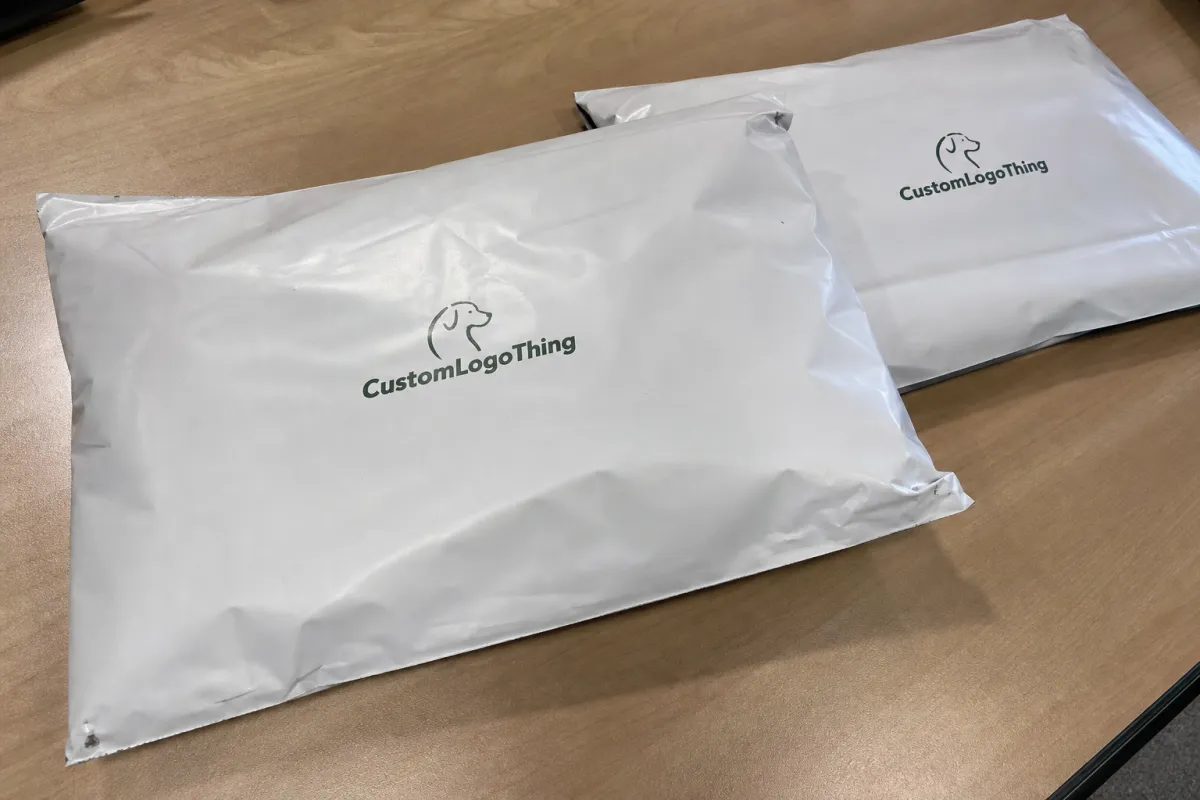
A customer sees the shipping bag before they smell the beef liver, open the inner pouch, or hand over a reward to the dog waiting by the counter. That first touchpoint matters. For that reason, Pet Treat Brands Matte Poly mailers material choice is not a minor packaging detail; it shapes the first impression long before the product is tasted.
Think about a pouch of freeze-dried training bites, a bundle of dental treats, or a subscription order of chews arriving in a matte mailer with clean graphics and a calm, premium finish. Even when the food itself is protected inside a separate pouch, the outer package still tells a story. It hints at freshness, care, price point, and how seriously the brand handles fulfillment.
The practical point is simple. The outer mailer usually does not need direct food-contact approval if it never touches the treats. The inner pouch handles that job. The mailer is secondary packaging, which means its role is protection, presentation, and privacy. It keeps the shipment clean in transit, hides the contents, supports branding, and gives the customer a package that feels intentional instead of thrown together.
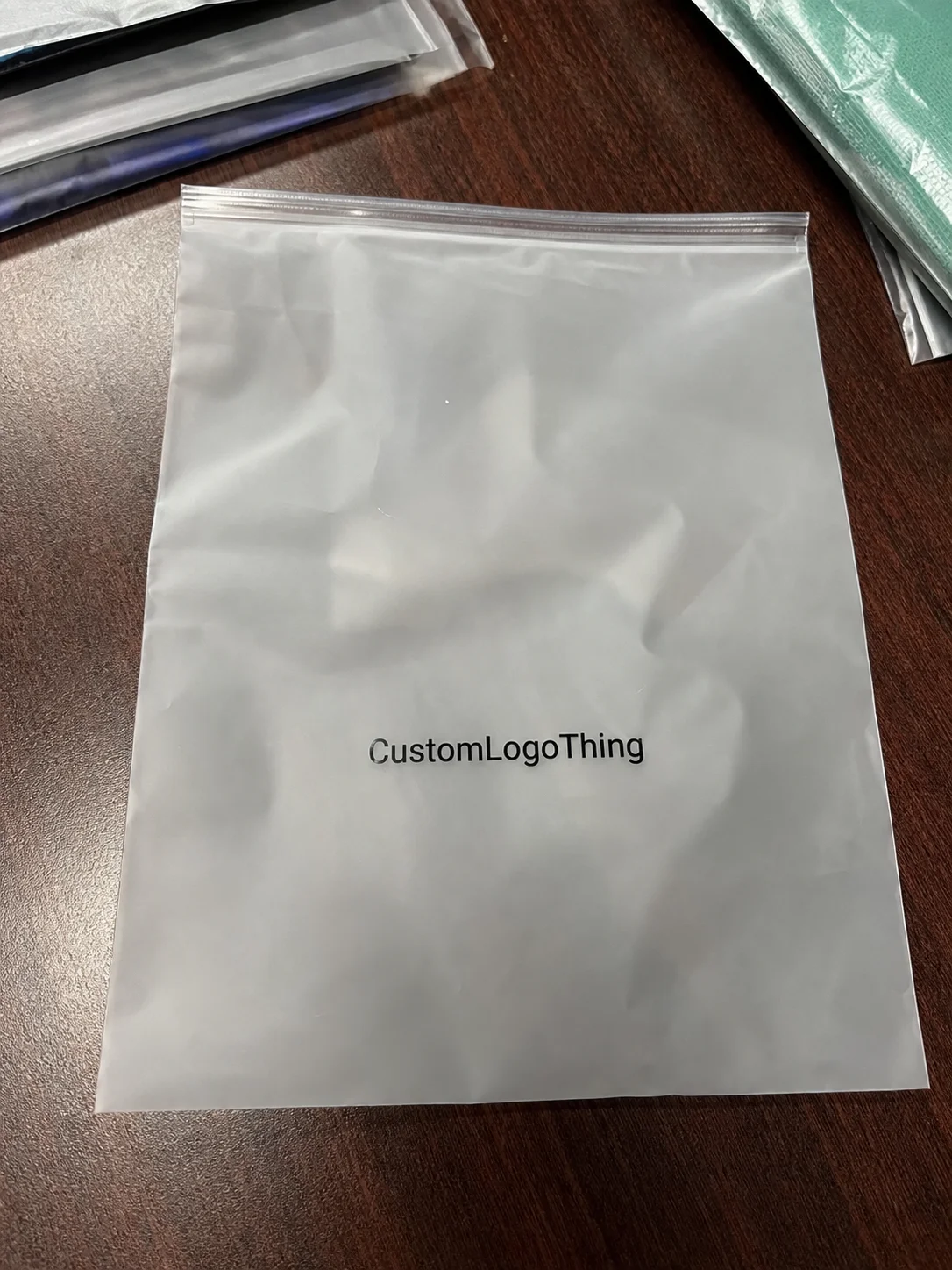
A matte poly mailer is a polyethylene shipping bag with a low-gloss surface, pressure-sensitive adhesive closure, and optional tear strip. It differs from a food-safe stand-up pouch, which is built for aroma control, moisture resistance, oxygen management, and shelf life. It also differs from a bubble mailer, which adds cushioning, and from a compostable mailer, which needs closer review because material claims and disposal paths vary widely.
So the decision is not just whether matte looks nice. It is whether the film, thickness, finish, opacity, and closure can carry the packed product through parcel handling without making the brand feel cheaper than the treats inside.
How Matte Poly Mailer Films Protect Pet Treat Shipments
Polyethylene film protects in a fairly direct way. It resists moisture, bends around irregular shapes, and creates a continuous outer skin around the order. That matters for lightweight but awkward pet products such as jerky strips, small biscuit pouches, bully stick samples, dental chew packs, and multi-flavor training bundles. These products may not weigh much, but their edges, seams, and uneven profiles can punish a thin mailer during sorting and transport.
Most mailers use LDPE, LLDPE, or a blend of the two. LDPE gives softness and flexibility. LLDPE usually improves puncture and tear resistance. Coextruded films can combine layers so the outside prints well, the middle layer adds strength, and the inner layer improves opacity. Some suppliers also offer recycled-content options using post-consumer or post-industrial resin, although the exact percentage and performance tradeoffs vary by spec.
Thickness is one of the first things to review. Many Custom Poly Mailers land somewhere in the 2.0 to 3.5 mil range. Lighter promotional mailers sit at the low end, while stronger parcel mailers move upward. A 2.0 mil film may be fine for a single light pouch with rounded edges. A 2.5 to 3.0 mil structure usually feels more appropriate for premium treat shipments, especially if the product is gusseted or has firm corners. Going heavier than necessary adds cost and plastic without automatically improving the user experience.
Matte finish changes the surface behavior. Compared with gloss, it reduces glare, softens reflected light, and gives colors a quieter look. That often suits natural, veterinary, minimalist, or wellness-oriented pet brands. It can also make black, cream, sage, tan, and muted earth tones feel deliberate instead of washed out.
Opacity matters just as much. If the customer can see a high-value treat bundle through the mailer, the package feels less polished and may invite tampering. A white exterior with a gray or black interior usually improves privacy. For subscription orders, promotional samples, or higher-priced treats, that little bit of opacity adds a real sense of quality.
Shipping abuse is ordinary, not exceptional. Mailers scrape across conveyor belts, rub against cartons, sit under stacked parcels, and get dragged by labels and tape. Cold weather can make some films feel less forgiving. A dependable matte mailer should hold up to bending, squeezing, and edge pressure without opening at the flap or splitting at the seam.
Key Material Factors for Premium, Safe-Looking Pet Packaging
The cleanest way to evaluate pet treat brands Matte Poly Mailers material choice is to separate the jobs of the packages. The inner treat pouch protects the food. The outer mailer protects and presents the shipment. When those roles get blurred, brands often overpay for the wrong layer or overlook the one that actually fails in transit.
Soft treats need crush awareness. A poly mailer can protect against moisture and scuffing, but it will not stop a delicate nugget from flattening if the inner pouch is loose and the product is fragile. Hard biscuits need puncture control because corners and broken pieces can press through weaker film. Oily or aromatic treats need a properly sealed primary package before they ever enter the mailer. If oil migration reaches the shipping bag, the issue started earlier in the pack-out line.
Tactile feel also carries brand meaning. A standard matte poly mailer can look clean and professional. A soft-touch matte finish feels smoother and more velvety, but it costs more and can show scuffs differently depending on ink coverage and handling. In practice, soft-touch makes sense only when the price point and visual language justify it. For many growing treat brands, a strong standard matte film with disciplined artwork is the better spend.
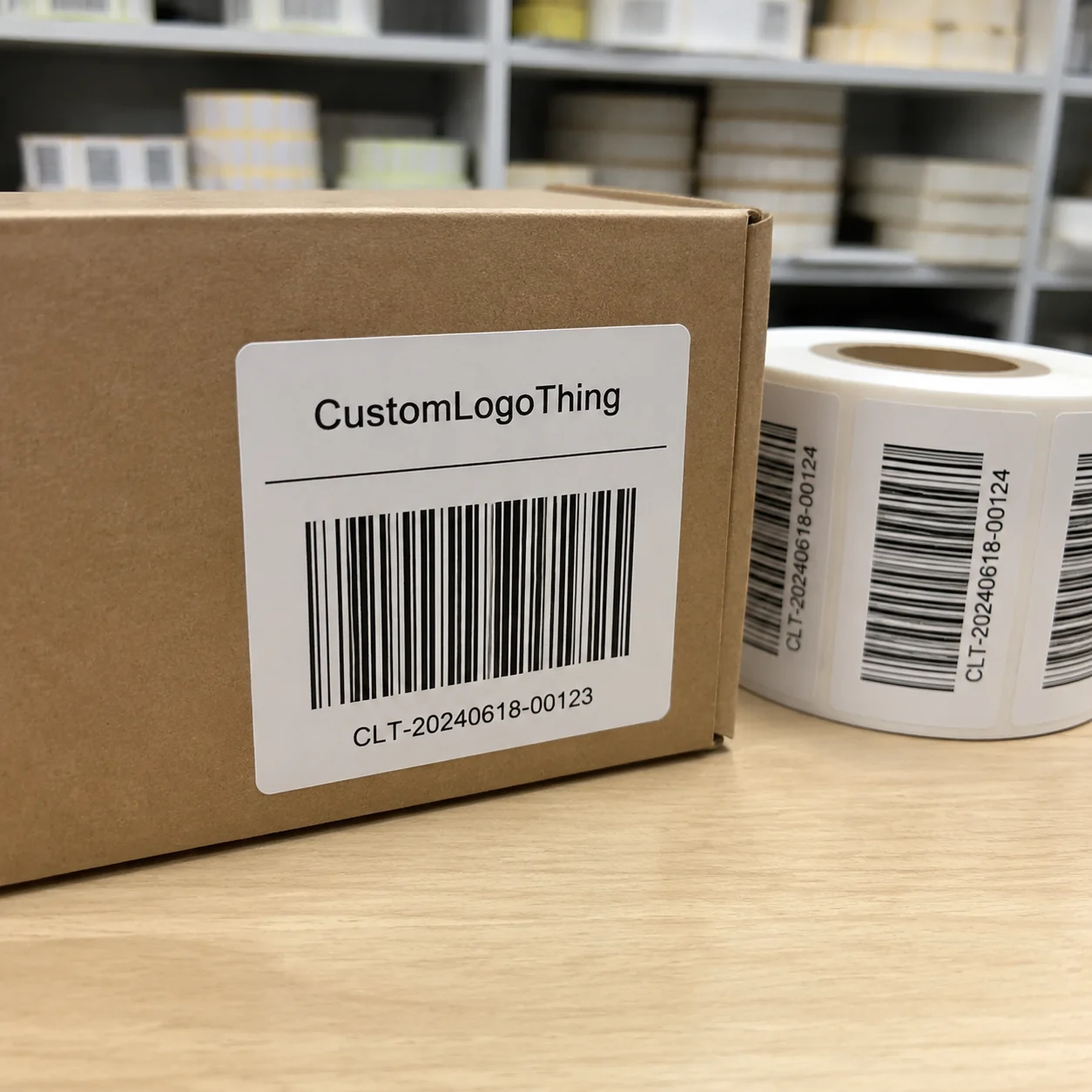
Print compatibility deserves a close look. Matte surfaces reduce shine, but they can also mute bright color compared with gloss film. Small type needs contrast. Barcodes need quiet zones. Heavy flood coverage may show rub marks more readily than a layout with enough negative space. Leave a clean area for the shipping label as well; a beautiful back panel does not help if the carrier label covers the logo or the main product message.
Packaging floor rule: if the mailer looks good empty but strains around the actual filled pouch, the spec is not finished yet. Judge the film with the real product inside it.
Sustainability language deserves care. Recycled-content poly can reduce virgin plastic use, and mono-material polyethylene mailers may be easier to route into store drop-off recycling streams where accepted. Still, recovery depends on local programs, contamination, adhesive labels, and customer behavior. Broad claims like biodegradable packaging can create trouble if the material does not match the disposal system. If paper-based branding is part of your line, kraft paper, corrugated cardboard, and FSC certified components may make more sense for cartons or inserts than for the outer flexible mailer. The EPA recycling guidance is a useful reminder that material claims only matter when they connect to actual recovery paths.
Operational details matter too. Shipping labels need reliable adhesion. The surface should tolerate handling without smearing or heavy scuffing. If fulfillment staff write order notes, batch marks, or customer codes on the bag, test that as well. Adhesive closure performance should be checked after warehouse temperature swings, especially if the mailers sit in a cold corner and then move into a warm truck.
Cost, MOQ, and Unit Cost Tradeoffs for Matte Poly Mailers
Cost is made up of more than the bag itself. Finished size, film thickness, print coverage, number of ink colors, matte finish type, recycled content, closure style, tear strip, quantity, and freight all affect the final number. A plain stock matte mailer with a label behaves very differently on a quote than a full-bleed Custom Printed Mailer with a premium surface and heavier opacity layer.
For smaller tests, stock matte mailers plus custom labels can be the right move. The brand gets a polished outer package without paying for print setup, plate work, and higher minimums. For an established subscription program or repeat e-commerce SKU, fully custom printed matte mailers usually make more sense because setup costs spread across more units.
| Option | Typical Use | Common Quantity Range | Approximate Unit Cost Range | Tradeoff |
|---|---|---|---|---|
| Stock matte mailer with label | Launch testing, small batches, seasonal samples | 100-2,000 units | $0.18-$0.55 plus label cost | Lower setup, less branded surface area |
| Custom printed standard matte poly mailer | Growing e-commerce pet treat line | 2,500-10,000 units | $0.20-$0.42 depending on size and coverage | Better branding, higher commitment |
| Custom printed heavier matte film | Chews, multipacks, thicker pouches | 5,000-25,000 units | $0.28-$0.60 depending on gauge and print | Stronger feel, higher material cost |
| Recycled-content matte poly mailer | Brands reducing virgin plastic use | 5,000+ units commonly | $0.30-$0.70 depending on recycled content | Better material story, may affect color and lead time |
These ranges are planning numbers, not promises. Size, freight, ink system, and supplier setup can move a quote quickly. A 10 x 13 inch mailer with one-color artwork will not price like a 14.5 x 19 inch mailer with full flood coverage and a premium closure.
MOQ matters because custom mailers require real setup before production starts. Artwork handling, proofing, machine setup, film sourcing, and printing prep all carry costs. At 1,000 units, those fixed costs are heavy. At 10,000 units, they spread out. That is why buyers should ask for tiered quotes at 2,500, 5,000, 10,000, and 25,000 pieces when possible.
The lowest unit price is not always the lowest total cost. A mailer that tears on sharp biscuit corners can create reships. A surface that causes poor label scanning can slow fulfillment. A flimsy feel can make a premium salmon treat or limited-ingredient chew seem less valuable. Saving three cents per bag does not help much if it creates avoidable service work later.
Before requesting pricing, gather the outside dimensions you want, the filled product size, product weight range, shipping method, artwork files, color count, quantity tiers, closure preference, and whether the treat ships alone, inside a carton, or as a pouch bundle. Compare quotes by exact specification. One supplier may quote 2.0 mil film while another quotes 3.0 mil and both may simply call it a matte poly mailer.
If you are mapping options across formats, the Custom Packaging Products page is a useful starting point, while brands focused specifically on flexible shipping bags can review Custom Poly Mailers for format direction.
Process and Timeline: From Samples to Finished Mailers
The process is straightforward on paper and detail-heavy in practice. Choose the mailer size and film. Confirm the performance requirements. Request samples or swatches. Prepare the artwork. Approve the proof. Produce the film, print it, convert it into finished mailers, inspect, pack, and ship.
Sampling matters more for pet treats than many buyers expect because the real product shape changes everything. A flat 6-ounce pouch of soft training treats behaves differently from a gusseted 8-ounce biscuit bag. Two sample pouches bundled together may create a lump that stresses the side seams. A dental chew pack may have stiff corners that need more clearance than expected.
Artwork should use the supplier’s dieline, not a guessed rectangle. Build in bleed where requested, keep critical art inside safe zones, and avoid placing important text near seals, folds, or the adhesive flap. Shipping label placement needs a reserved area, commonly around 4 x 6 inches for standard carrier labels. If barcodes appear on the mailer, they need quiet zones and strong contrast, though many brands keep scan-critical codes on the shipping label or inner package instead.
Digital proofs are useful for layout. They confirm logo position, panel orientation, repeat direction, closure side, label zone, and spelling. Physical samples or press proofs are better for judging surface feel, opacity, and how the matte film changes a color. Some inks read warmer or flatter on matte than they do on gloss, and a strict brand color should be checked against the actual material, not just the screen.
Lead times depend on print complexity, material availability, order volume, revision cycles, and freight method. A stock mailer with labels can move faster than a custom printed production run. Custom printed matte poly mailers often need several weeks from approved artwork, and more if special film, recycled content, or physical proofing is involved. Build buffer time before product launches, retail buyer samples, influencer mailings, or subscription renewal cycles.
For transit confidence, brands can borrow the mindset used by groups like ISTA, which publishes packaged-product performance procedures for parcel and distribution environments. A formal lab program is not necessary for every order, but the habit is valuable: pack the real product, simulate handling, inspect the result, and adjust the spec before committing to thousands of units.
Common Material Mistakes Pet Treat Brands Can Avoid
The first mistake is choosing by appearance only. A matte finish cannot rescue a film that is too thin for the product’s corners, weight, or shipping route. Good packaging starts with the filled item, not the mood board.
Undersizing is another common problem. A tight mailer looks efficient until the closure is fighting the pouch thickness and the side seams are under constant tension. Leave enough room for the product to load easily and for the flap to close flat. If fulfillment staff have to wrestle the pouch into the bag, the size is wrong.
Overprinting causes quieter trouble. Large artwork hidden under the shipping label wastes print area and can make the final package look accidental. Keep the carrier label zone clean. Put the strongest brand mark where the customer will actually see it after delivery.
Sustainability claims also need discipline. “Eco-friendly,” “biodegradable,” and “recyclable” are not interchangeable. A mailer with recycled content is not automatically recyclable in every community. A compostable mailer is not useful if customers do not have access to the right composting system. If you use claims around recycled materials, post-consumer waste, or store drop-off compatibility, make sure the exact structure is documented and the language stays specific.
Odor and oil migration are primary packaging issues. If a greasy chew scent is leaking through the shipment, changing the outer mailer usually will not solve the root cause. The inner pouch may need a stronger seal, thicker structure, different barrier layer, or cleaner filling process. The mailer can hide the pouch, but it should not be asked to preserve the treat.
Skipping transit testing is the last mistake I see too often. Even informal checks help. Pack a real order. Drop it from counter height on a corner, face, and edge. Rub the printed surface against corrugated cardboard. Leave it closed for a day or two, then pull the flap. Check whether the label sticks, the seams hold, and the package still looks like something a customer would be glad to receive.
Next Steps for Choosing the Right Matte Poly Mailer Spec
Start with the filled product, not the catalog size. Measure the pouch or bundle after it is packed, including gussets, seams, zipper profiles, and any rigid corners. Then choose a mailer size with enough clearance for easy loading and a flat closure. For many single-pouch pet treat orders, that often means leaving at least 1 to 2 inches of practical space beyond the product footprint, depending on thickness.
Next, choose film thickness based on weight and shape. A light flat sample can use a lighter film. A rigid biscuit pouch, chew bundle, or multipack deserves a stronger gauge. Then decide whether standard matte, soft-touch matte, or recycled-content matte best fits the brand’s price point and customer promise.
- Check opacity: hold the filled mailer under normal home lighting, not just bright office lighting.
- Check seam strength: press the product toward the edges and look for stress whitening or splitting.
- Check print readability: review small text, muted colors, and logo contrast on the actual matte surface.
- Check closure grip: seal the flap, wait 24 hours, then inspect whether the adhesive still holds cleanly.
- Check label adhesion: apply the same carrier label stock used in fulfillment and rub the edges.
A simple spec sheet makes quoting far cleaner. Include dimensions, quantity tiers, film preference, finish, print colors, closure type, tear strip requirement, artwork status, delivery deadline, and notes about the packed product. If the treats ship in an inner pouch, carton, or sample bundle, say so clearly. The more exact the input, the less noise there is in the quote.
The best system aligns the mailer with the inner treat pouch. The pouch protects freshness, scent, grease resistance, and food-contact requirements. The mailer carries the delivery experience, branding, privacy, and parcel durability. That split keeps decisions cleaner and usually saves money.
So, if you are weighing pet treat Brands Matte Poly Mailers material choice, treat it as a balance of protection, presentation, Cost, and Production timing. Choose the film around the real packed product, design the artwork around the shipping label and matte surface, and leave enough schedule for samples before the final run.
FAQ
What is the best matte poly mailer material choice for pet treat brands?
Most Pet Treat Brands should start by matching film thickness and size to the filled inner package, then choose a matte polyethylene structure that resists punctures, blocks show-through, and supports clean custom printing. The best choice depends on treat weight, pouch shape, shipping distance, desired finish, recycled-content goals, and whether the mailer carries a single pouch, multipack, or sample bundle.
Do matte poly mailers need to be food safe for pet treats?
Usually, no. The matte poly mailer is secondary packaging and does not touch the treats directly, so the inner pouch or bag is the food-contact package that needs the appropriate material selection. If treats could contact the mailer, or if the mailer is being used as direct packaging, the specification changes and should be reviewed for food-contact suitability.
Are matte poly mailers strong enough for dog biscuits and chews?
They can be, but strength depends on film gauge, seam quality, mailer size, and the shape of the packed product. Hard biscuits, bones, and angular chew packs may need a heavier film, more internal clearance, or a protective inner pouch or carton to reduce puncture and seam stress.
How do matte poly mailers affect custom printing for pet treat packaging?
Matte surfaces reduce glare and can make branding feel softer and more premium, but they may make colors look less shiny than gloss film. Artwork should be designed with strong contrast, readable small type, clear barcode placement, and enough open space for carrier labels.
What should pet treat brands include when requesting a quote for matte poly mailers?
Include the filled product dimensions, weight, desired mailer size, quantity tiers, film thickness preference, matte finish type, print colors, closure style, artwork status, and delivery deadline. Also note whether the product ships alone, in a pouch, in a carton, or as a bundle, because that affects material choice and unit cost.