Order Fitness Brands OPP Header Bags Carton Packing Spec
A resistance band looks almost weightless until it is packed for retail. Put thousands of bands, straps, grips, or accessory parts into printed OPP Header Bags, load those bags into master cartons, seal, label, and palletize them, and the fitness Brands OPP Header Bags carton packing spec stops being paperwork. It becomes the document that decides whether a shipment arrives ready to sell or shows up needing manual correction.
Packaging problems are often subtle. A header can crease under stack pressure, a euro-slot can tear after a few handling cycles, a carton can swell by a few millimeters, or a barcode can disappear under tape. None of those issues looks dramatic from a distance. Together, they create delay, repacking, and avoidable labor.
What OPP Header Bags Carton Packing Specs Actually Control
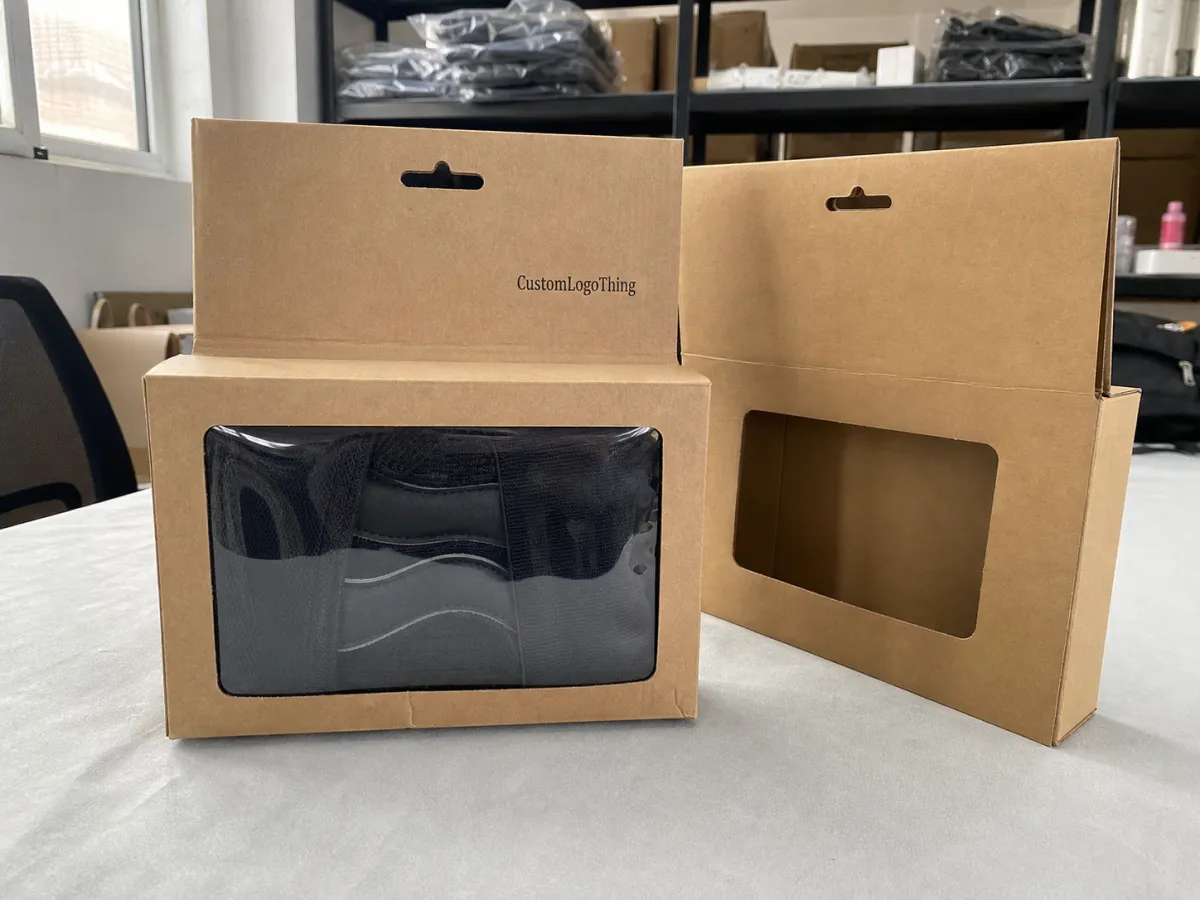
An OPP header bag spec and a carton packing spec are related, but they do different jobs. The bag spec covers the retail unit: finished width and length, header height, film gauge, hole style, adhesive lip, print layout, and seal position. The carton packing spec covers the shipment unit after the bags are filled: count per inner pack, count per master carton, carton size, corrugated grade, closure method, shipping marks, pallet pattern, and sometimes pallet height.
Buyers often focus on artwork first because branding is visible and easy to review. Carton compression is not visible in the same way, but it matters just as much. A clean print file does not help if the packed bag buckles in transit or arrives crushed at the warehouse dock.
For fitness accessories, the range of products is wide enough to create real packing differences. A soft resistance band packs very differently from a metal cable attachment. Grip socks, jump rope parts, mini bands, lifting straps, and foam accessories all look small on a sample table, but their carton behavior can diverge once quantity increases. One SKU may allow a dense stack with little void. Another may need more headspace, dividers, or a larger carton to keep the header area from deforming.
A practical fitness Brands OPP Header Bags carton packing spec usually includes:
- Finished bag size: width, usable length, header height, and lip allowance, usually in millimeters.
- Material: OPP film gauge, any laminate layer, clarity target, and seal behavior.
- Header: euro-slot, round hole, reinforced hole, fold line, and barcode position.
- Print layout: front and back artwork, white backing, warning text, quiet zones, and barcode placement.
- Packing plan: pieces per bundle or inner pack, pieces per master carton, carton dimensions, and gross weight.
- Logistics: carton marks, palletization, retailer rules, and inspection requirements.
The retail bag sells the product. The carton protects the product through storage, loading, freight movement, customs checks, and warehouse receiving. Confusing those two responsibilities is a fast way to approve a nice-looking sample and still end up with a weak shipping plan.
Packaging reality check: A carton that fills almost to the top can look efficient on paper, but if the headers bend under compression, the real cost shows up later in damage, rework, or receiving delays.
Bag Size, Film Gauge, and Header Style: The Core Variables
The key physical variables should be fixed before production starts: width, length, header height, lip style, hole type, and whether the bag is flat or gusseted. For fitness accessories, finished widths often fall somewhere between 90 mm and 220 mm, while lengths may run from 140 mm for small items to 380 mm or more for bands and straps. Those numbers are only a working band, not a rule.
Film gauge changes the entire feel of the package. A 30-micron OPP film can look clear and crisp, but it may not tolerate sharp corners, metal clips, or tight carton packing. Moving to 40 or 50 microns adds stiffness and improves puncture resistance. Laminated OPP/CPP structures can improve seal behavior and hand feel, though they usually raise unit cost and may affect recycling assumptions.
Header design deserves more attention than it usually gets. A euro-slot placed too low can tear during hanging. A round hole without enough edge distance may distort after display. If a retailer uses hooks or peg systems, the header needs enough stiffness to carry the product without sagging. Barcode labels also need a flat, unobstructed zone so scanning remains reliable.
For printed headers, artwork margins matter. A 3 mm safety zone around folds and seals is a reasonable starting point, and more can be wise if registration tolerance is loose. Transparent OPP also changes how print appears once the product sits behind it. Dark product plus dark print often means low contrast. White ink backing may be needed behind logos, instructions, or warning text.
Fit testing should always use the actual product, not a substitute that happens to be close in size. A bag can pass dimension checks and still fail when the product stretches the side seam, curls the header, or hides the image behind a fold. A useful test looks at insertion speed, final appearance, seal stress, and how the packed bag stacks in the carton.
For buyers building a fitness brands opp header bags carton packing spec, this is the point to avoid guesses. Send a dimensioned sample or the product itself. Note whether the item is soft, rigid, oily, dusty, sharp-edged, or likely to shift during handling. Those details change the bag choice more than most teams expect.
How the Process and Timeline Usually Work
A custom OPP header bag project usually moves through a familiar chain: brief, size confirmation, artwork proof, sample review, carton pack approval, mass production, inspection, and shipment. The sequence sounds neat. The friction usually comes from the missing details.
The first inquiry should include product dimensions, weight, intended use, artwork files, order quantity, film thickness, header style, carton count, destination, and any retailer instructions. If half of that is missing, a supplier can still estimate, but the estimate may not survive production planning without revision.
A normal workflow looks like this:
- Product brief: Confirm size, weight, shape, and retail use.
- Bag sizing: Confirm flat size, header height, seal allowance, and hang-hole placement.
- Artwork proof: Check file format, color count, barcode location, warning text, and margins.
- Sample review: Approve physical fit, film feel, header strength, and visual alignment.
- Carton pack approval: Confirm pieces per carton, carton dimensions, gross weight, and shipping marks.
- Mass production: Print, convert, pack, inspect, and prepare for dispatch.
Lead time depends on complexity and material availability. A simple unprinted or label-ready header bag may move in about 7 to 10 business days after final approval if stock materials are ready. Custom printed OPP header bags often need about 12 to 20 business days after proof approval. Pre-production samples, color matching, special tooling, or higher-volume runs can extend that timeline.
Most delays come from a few predictable places: artwork revisions, late barcode changes, uncertainty about inner pack configuration, and vague carton count instructions. A common pattern is familiar to anyone who has handled packaging programs for more than a season. Marketing approves the print, then operations asks for a different carton count to fit warehouse replenishment or retailer requirements. That can change the carton size, weight, pallet pattern, and freight estimate all at once.
Define the carton logic early. A spec written before sampling saves more time than a polished bag proof approved without the packing details. If your team needs a structured reference, review past packaging examples and compare how product type changes the pack-out assumptions. That is usually more useful than starting from a blank sheet.
Cost, MOQ, and Quote Drivers to Expect
Price is not just the bag. It includes film, print, conversion, setup, sampling, cartons, labels, packing labor, and freight assumptions. A useful quote breaks those pieces apart so buyers can compare suppliers without guessing what each number contains.
For custom OPP header bags, MOQ often starts around 3,000 to 5,000 pieces for simpler jobs. Custom printing, unusual sizes, or special material structures can push the practical minimum higher. At 5,000 pieces, a basic custom printed OPP header bag might fall around $0.08 to $0.18 per unit depending on size, film gauge, and print coverage. Larger, thicker, multi-color jobs can move into the $0.18 to $0.35 range or above. These are planning ranges, not guarantees.
Setup and tooling can change the math. Some orders need plates, dielines, or sample fees. A pre-production sample may cost $40 to $150 depending on materials and shipping. Master cartons often look small in the budget at $1 to $3 each, but carton strength, size, and pallet use affect both freight and damage risk.
Unit cost usually drops with volume. The catch is that higher volume also creates more cartons, more storage space, and sometimes higher handling cost. A 20,000-piece order may look better on unit pricing, but if it creates four pallet positions instead of one, the landed cost deserves another look.
For planning a fitness brands opp header bags carton packing spec, these are the variables that tend to matter most:
| Spec Choice | Typical Range | Cost Impact | Risk if Under-Specified |
|---|---|---|---|
| OPP film gauge | 30 to 50 microns for many accessory bags | Thicker film raises material cost and improves stiffness | Punctures, wrinkling, weak display feel |
| Header height | 30 to 60 mm depending on hook and label needs | More film area and print coverage can increase price | Barcode crowding, torn hang holes, poor retail display |
| Print complexity | 1 to 6 colors, with or without white backing | More colors and coverage increase setup and print cost | Low contrast, registration issues, unreadable text |
| Master carton count | 100 to 500 pieces per carton for many small items | Lower counts use more cartons; higher counts may reduce carton cost per unit | Crushed headers, bulging cartons, receiving delays |
| Carton grade | Single-wall or stronger corrugated, based on weight and route | Stronger board costs more but protects better | Collapsed cartons, corner damage, rejected delivery |
Ask for separate pricing on sample cost, print setup, bag unit price, master cartons, labels, palletization, and freight assumptions. If everything sits inside one number, it becomes difficult to tell whether a higher quote is actually more expensive or simply more complete.
The lowest bag price is not always the lowest-cost packed unit. If thin film causes rejects, if overfilled cartons slow receiving, or if poor labeling creates repacking labor, the savings disappear quickly.
Step-by-Step Spec Checklist Before You Approve Production
Approval should not depend on memory, chat threads, or a pile of screenshots. A production-ready spec sheet keeps the retail bag and carton packing instructions in one controlled file. That file becomes the reference point for sampling, inspection, packing, and any later dispute.
Use this checklist before signing off on the run:
- Finished bag size: Confirm width, total length, usable pocket length, header height, and flap allowance.
- Artwork status: Confirm final file format, print colors, barcode placement, safety margins, and version number.
- Material thickness: Lock film gauge, structure, finish, and clarity expectations.
- Seal style: Confirm bottom seal, side seal, adhesive strip, resealable lip, or heat seal as required.
- Header punch: Confirm euro-slot, round hole, reinforcement, and position from the top edge.
- Inner pack count: Confirm how many filled bags are bundled, sleeved, or separated before the master carton.
- Master carton count: Confirm pieces per carton, carton dimensions, gross weight, and net weight.
- Shipping marks: Confirm SKU, description, quantity, carton number, country of origin if needed, and label format.
Then test a physical sample with the actual product. Not a similar item. Not a CAD approximation. The actual product. Check whether the bag closes without stress, whether the branding stays visible, whether barcode scanning works through any protective layer, and whether the product shifts into the header area.
Next, verify the carton fill. A packed sample carton or carton layout photo can expose issues that a single bag sample hides. The carton should close flat without crushing the headers. A small void can be acceptable if it protects the product. Too much void may require dividers, paper fill, or a different carton height.
Compliance and logistics checks deserve their own line in the spec. Barcode readability should meet retailer requirements, and any recycled or certified board claims should be backed by the right paperwork if a customer asks for it. The Forest Stewardship Council explains the chain-of-custody logic behind FSC claims, which matters when packaging materials carry certified sourcing statements.
For transit testing, larger programs may refer to standards from the International Safe Transit Association. Not every small accessory order needs formal ISTA testing, but the thinking is useful: simulate the shipping route, not just the packaging table.
A solid fitness brands opp header bags carton packing spec turns all of this into written approvals. Production should never have to interpret “same as sample” unless the approved sample is clearly labeled, measured, photographed, and tied to a dated revision.
Common Mistakes That Cause Carton Damage or Rework
Overpacking is the quiet problem that shows up later. A master carton filled right to the edge may look tidy before sealing, but once stacked under other cartons, the pressure has to go somewhere. Usually that means bent headers, creased print, and retail bags that look tired before they ever reach a shelf or fulfillment bin.
Vague count language causes another round of trouble. “Pack 200 per carton” is not enough if the order uses inner bundles of 20, mixed SKUs, different barcode labels, or cartons that must be scanned individually. Receiving teams want predictable counts. If carton 1 has 200, carton 2 has 180, and carton 3 has a handwritten correction, the shipment slows down immediately.
Artwork mistakes can be just as expensive. Logos placed too close to the header fold may disappear after filling. Legal text can land under a heat seal. Transparent film can reduce contrast, especially when the product inside is dark, reflective, or patterned.
Weak carton grade turns a good bag spec into a damaged delivery. Single-wall corrugated may be fine for lightweight soft goods on a short route. It may not be enough for dense metal accessories or a long export journey with pallet restacking. Poor tape closure, weak corners, and thin dividers all raise the chance of compression damage.
Inspection plans often miss these issues because they check the bag, not the packed carton. A more useful inspection covers finished dimensions, print registration, seal strength, header punch alignment, carton count, carton labeling, carton weight, and random carton opening. That last check catches count drift before the shipment leaves.
For teams comparing how packaging choices affect presentation and fulfillment, review prior packaging examples before locking the spec. A clean sample in isolation is not enough. The carton must work as part of the supply chain.
Expert Tips for Faster Approval and Cleaner Packing
Send the product sample, target carton count, and retailer constraints together. A supplier can quote more accurately when the full brief arrives as one package instead of five partial messages. Include photos, dimensions, weight, and whether the product has sharp edges or compressible parts.
Separate the approval process into four lanes: product fit, print, packing, and logistics. That keeps one small barcode change from reopening the entire bag construction discussion. It also helps marketing, purchasing, and operations review the parts they own without stepping on each other.
Ask for a packed sample photo or carton layout mockup before mass production. Even a simple top-view image showing how bags stack inside the carton can prevent misunderstanding. If the carton holds 250 pieces, ask how those pieces are arranged: flat stacks, bundles, alternating directions, or inner bags.
Standardize carton count across SKUs where possible. If three resistance band colors can all ship 200 pieces per carton, warehouse handling gets simpler. Replenishment teams prefer predictable carton quantities because cycle counts, pick tickets, and pallet builds become easier. There are exceptions, especially for heavy or bulky SKUs, but consistency usually pays for itself.
Build tolerances into the spec. OPP converting is precise, but it is not perfect. A finished bag tolerance of +/- 2 mm may be reasonable for some sizes; print registration tolerance may differ by method. Carton dimensions also have tolerances, and corrugated board reacts to moisture and stacking pressure. A buyer who expects zero variation will be disappointed. A buyer who defines acceptable variation can inspect fairly.
Keep a photo library of approved samples, carton marks, and packed cartons. Name the files by SKU and revision. It sounds basic, yet it prevents a surprising amount of confusion on repeat orders, especially when teams change and old email threads disappear.
Next Steps: What to Send Before You Request a Quote
Before asking for a quote, gather the details that affect both price and production risk. A supplier can estimate from a rough brief, but an accurate quote needs product dimensions, unit weight, target retail use, desired bag style, preferred film thickness, print requirements, and carton packing expectations.
Send these items together if possible:
- Product dimensions: length, width, thickness, weight, and any sharp or rigid features.
- Target bag style: flat OPP header bag, gusseted bag, resealable lip, adhesive closure, or heat seal.
- Header requirements: euro-slot, round hole, label area, barcode zone, and hang strength expectations.
- Artwork files: AI, PDF, or high-resolution layout with barcode and required warnings.
- Carton assumptions: target pieces per carton, maximum carton weight, pallet height limits, and shipping mark format.
- Destination details: country, freight method, retailer routing rules, and warehouse receiving requirements.
If the order will ship into a retailer network, ask for packing rules early. Some retailers specify carton label placement, carton weight limits, barcode formats, pallet heights, mixed-carton restrictions, or polybag warning text. Finding that out after production is painful and expensive.
For many fitness accessory orders, the right sequence is straightforward: confirm the bag spec, verify the carton pack logic, approve one sample, then lock the order. The messy sequence is approving artwork first, deciding carton counts later, and hoping the warehouse can absorb the difference.
Final thought: a production-ready fitness brands opp header bags carton packing spec is not paperwork for its own sake. It is a damage-prevention tool, a quoting tool, a warehouse tool, and a retail presentation tool gathered into one document.
FAQ
What should be included in a fitness brands opp header bags carton packing spec?
A good fitness brands opp header bags carton packing spec should include finished bag size, header style, film gauge, print layout, seal style, and hang-hole details. It should also define inner pack count, master carton count, carton dimensions, gross weight, labeling, pallet requirements, and any retailer packing rules.
How do I choose the right carton count for OPP header bags?
Start with product weight, bag thickness, carton strength, and how much crush protection the headers need. Test a packed sample so the carton closes flat without compressing artwork or hang holes. If similar SKUs can share one count, that usually makes receiving, storage, and replenishment easier.
What affects the price of a carton-packed OPP header bag order?
The main drivers are bag size, film thickness, print complexity, header construction, MOQ, sample needs, labeling, and carton configuration. Freight weight, palletization, special inserts, retailer compliance steps, and inspection requirements can also change the total landed cost.
How long does production usually take after the spec is approved?
Timing depends on artwork readiness, sample approval, material availability, and order volume. Simple orders may move in roughly 7 to 10 business days after approval, while custom printed OPP header bags often need around 12 to 20 business days before shipment preparation. Special color matching, unusual materials, or detailed packing rules can extend that timeline.
What is the fastest way to get an accurate quote?
Send product dimensions, target carton count, destination details, artwork files, and retailer packing requirements together. Ask for separate pricing on samples, setup, cartons, labeling, palletization, and freight assumptions so the quote is easier to compare and the fitness brands opp header bags carton packing spec is ready for production approval.


