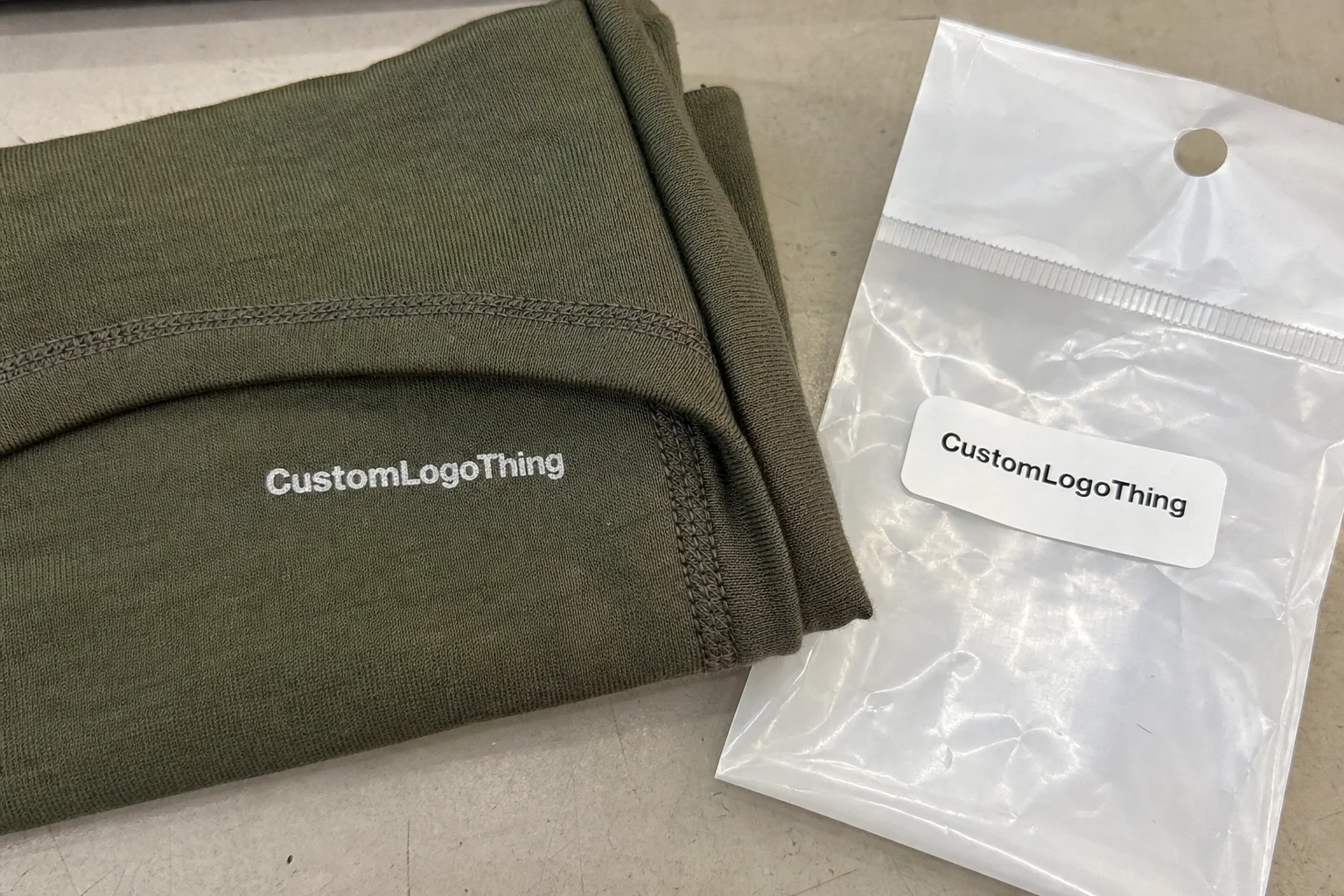
A signed-book bundle, soft tee, and damp doorstep can turn a tidy launch into replacement requests fast. This book merch brands Waterproof Apparel Mailers moq guide focuses on the buying decisions that matter: moisture protection, fit, material, closure, print, MOQ, unit cost, lead time, and inspection before production.
For book merch brands, a better mailer does more than block rain. It helps prevent warped postcards, curled stickers, scuffed inserts, and apparel that arrives looking handled. That matters for preorder campaigns, author stores, limited drops, subscription boxes, and launch kits where the package is part of the reveal.
The packaging choice also affects operations. A mailer that fits well packs faster, stacks cleaner, and survives rough transit with fewer replacements. When weather is bad or order volume spikes, that reliability can protect both margin and customer service time.
Why moisture protection matters for book merch drops
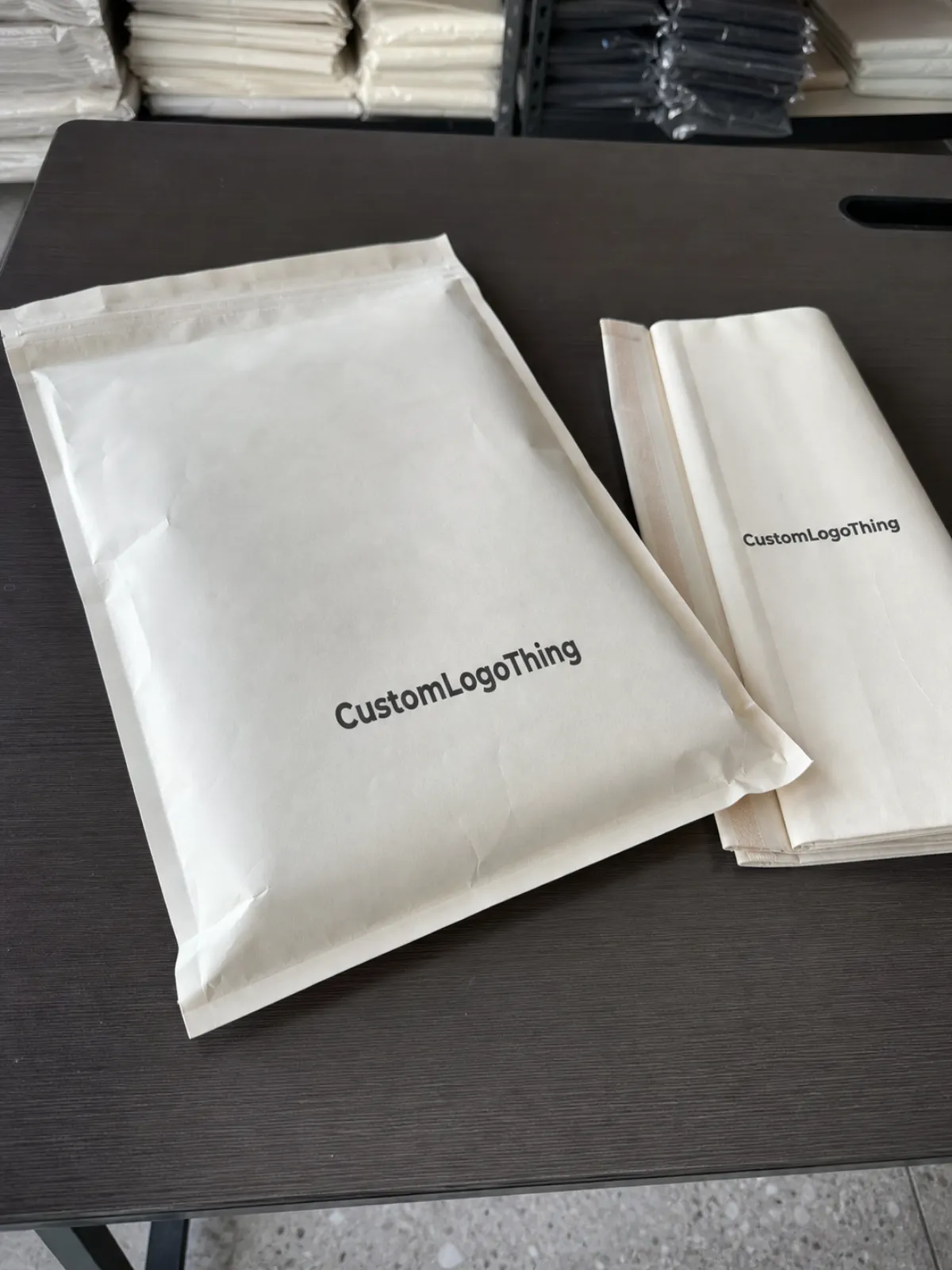
Most book merch bundles contain more than apparel. A tee may be the anchor item, but the mailer often carries bookmarks, postcards, prints, sticker sheets, signed cards, or small inserts that do not tolerate moisture as well as folded fabric. Once those pieces warp or stick together, the whole bundle feels less considered even if the garment itself is fine.
Parcels move through wet sortation bins, loading docks, warehouse floors, and doorstep conditions that are rarely ideal. Even light exposure can matter if the outside film wicks water toward the opening or if the package sits on a damp surface. A mailer with a real moisture barrier gives the shipment a better chance of arriving clean and crisp.
The value is not only protection. Moisture resistance improves consistency across the order flow. Fulfillment teams spend less time checking for damage, rebagging items, or fielding avoidable complaints. That is especially useful for apparel bundles with printed extras, where one damaged insert can trigger a replacement even when the clothing is untouched.
For many brands, the sensible approach is to use waterproof mailers for orders that combine apparel with paper goods or collectible items, while keeping simpler packaging for low-risk shipments. That puts the added cost where it is most likely to prevent damage.
Mailer materials, seal styles, and print options
Material choice usually starts with the film. Co-extruded polyethylene is common because it combines flexibility, puncture resistance, and moisture protection without becoming awkward in the packing line. LDPE is also familiar for mailers that need to stay pliable and seal cleanly. Some programs move up to higher-barrier films when humidity, rough transit, or premium inserts justify the extra cost. The tradeoff is a higher unit price and sometimes a longer lead time.
Thickness matters, but not in isolation. A thicker bag is not automatically better if it slows pack-out or fights the closure. The goal is a film that protects the contents while still moving easily through fulfillment. A mailer that looks good in a mockup but cracks, resists folding, or stretches around the seal is the wrong spec.
Seal style changes daily performance more than many buyers expect. Peel-and-seal closures are standard because they are fast and easy to train around. Tamper-evident strips are worth considering when the bundle includes signed inserts, limited-edition cards, or any item where first-open integrity matters. Dual-seal designs can help with returns or inspection because the package can be reopened and reclosed without destroying the bag.
Print options should follow the role of the mailer. A one-color logo on a solid film often looks cleaner than a crowded full-surface design. Full-color print adds presence, but it raises setup complexity and proofing time. Matte finishes feel softer and more restrained; gloss tends to make graphics read more sharply. Inside printing can add a reveal moment, but it should not crowd the package or complicate production.
Opacity is another practical decision. Opaque film is the safest choice when privacy matters or when the contents should not be visible through the bag. Tinted or clear film may work for certain merch programs, but it can expose packed items more than intended. For most book merch drops, the best finish preserves line speed and creates a neat first impression.
Testing against transit expectations helps separate claims from performance. Industry references such as the ISTA test standards and packaging guidance from packaging.org are useful when comparing puncture resistance, handling durability, and shipping risk.
A useful production rule is straightforward: if the outer bag has to survive weather, abrasion, and a busy packing line, choose the film and closure for handling first, decoration second.
Sizes, gussets, and fit planning for apparel bundles
Size planning goes wrong when teams start with the flat garment measurement instead of the packed bundle. A folded tee, a hoodie, and a tee plus insert card are three different pack-out problems. Even small differences in fold style can change thickness enough to affect the seal area, so sample testing with the actual bundle is more useful than guessing from a spec sheet.
Single tees usually work well in slim merch mailers. Long-sleeve shirts, tote bags, and layered apparel need more width or depth. Hoodies expose an undersized bag immediately. If the mailer is too tight, packing slows down and the closure sits under stress. If it is too large, freight cost climbs and the package feels loose.
Gusset depth often decides whether a mailer works in practice. Even a modest gusset can make a difference when the bundle includes apparel plus a card, sticker sheet, and signed insert. More depth helps the packer load the bundle without forcing it, which protects the seal area and keeps edges from stretching.
Real-world testing should cover the full range of use. Before size approval, check the standard item, the heaviest likely bundle, and a short pack-out run with someone who works the line. That reveals whether the spec is only tidy on paper or workable at speed.
Freight cost deserves attention too. Oversized mailers can create dimensional weight issues, especially when the bag is longer or wider than the shipping profile needs. A tighter fit often keeps the shipment leaner and protects margin over time.
| Option | Typical MOQ | Typical cost per piece | Best fit |
|---|---|---|---|
| Stock waterproof mailer, no print | 500 to 1,000 | $0.16 to $0.32 | Fast launch, simple packaging, lower setup charges |
| Custom printed one-color mailer | 2,000 to 5,000 | $0.24 to $0.50 | Author shops, recurring merch drops, cleaner brand presence |
| Custom printed full-color mailer | 5,000+ | $0.32 to $0.80 | Premium campaigns, coordinated unboxing, stronger visual identity |
| Higher-barrier specialty film | 5,000+ | $0.38 to $0.90 | Humidity-sensitive inserts, harsher transit conditions, premium bundles |
Cost, pricing, and MOQ levers that change unit cost
Pricing for Waterproof Apparel Mailers usually comes down to film thickness, print coverage, seal type, dimensions, packaging method, and whether the order is stock or custom. Those line items affect the quote directly, but they also influence labor and shipping efficiency. A slightly more expensive mailer can still be the better choice if it packs faster and reduces replacement risk.
MOQ changes the math quickly. Larger runs spread setup, printing, and sourcing costs across more units, so the price per piece usually drops as volume rises. Smaller runs can work for a test drop or limited preorder, but the per-piece cost will be higher and proofing needs tighter control because there is less room to absorb mistakes.
Standardizing on one or two sizes is one of the easiest ways to control pricing. It simplifies purchasing, reduces dead stock, and can lower tooling and setup charges. Simplifying the print layout helps too. A clean one-color design is often cheaper to produce and easier to approve than dense artwork with multiple registration points.
The hidden costs usually show up during quoting. Unclear artwork files can trigger more proof cycles. A vague color reference can create another sample. An oversized design area can push the bag into a more expensive construction than intended. Freight can also move the number, especially if the run is small or the shipment is not consolidated.
Ask for a quote that separates material, printing, setup, tooling, and freight. Once those pieces are visible, it is easier to compare offers honestly. A lower headline price is not always a lower final cost if the spec is weak, the lead time is stretched, or the bag creates more work in fulfillment.
Some brands do best with stock mailers plus branded labels in the early stages. Others have enough repeat volume that custom print pays back because the mailer becomes part of the recurring identity. The right answer depends on drop cadence, order volume, and how much the outer package contributes to the merch experience.
Process, timeline, and approval steps for first orders
A first-order packaging workflow usually moves through size confirmation, artwork review, proof approval, production, packing, and freight booking. Delays tend to come from skipping one of those steps or treating them as interchangeable. A buyer who sends folded garment dimensions, insert counts, target quantity, and a launch date up front usually gets a more accurate quote and fewer revisions.
Lead time depends on the spec. A stock order can move quickly. A custom printed bag with a fresh dieline, new finish, or special closure needs more time. If the order also requires sample development or a custom size, do not rush the proof stage. For preorder campaigns and book launches tied to a fixed on-sale date, that timing buffer matters.
Artwork quality affects schedule. Vector logos, final dimensions, and clear color targets reduce back-and-forth. If the package needs a return label zone, barcode space, or a specific panel reserved for mailing, that should be visible in the first file set.
It also helps to think like the packing floor. The mailer has to work for loading, labeling, stacking, and sealing, not just for the mockup. If the label must land in one location, say that early. If the bundle includes a card, sticker, and folded tee, the spec should reflect the packed reality rather than the idealized product photo.
Build in a little cushion for corrections. A quick proof may still hide an awkward fold line, weak closure, or artwork position that collides with a label. Those issues are small individually, but they add up when the launch date is fixed.
Branding details that help merch feel deliberate, not generic
Good packaging branding does not need to be loud. For book merch, restraint often works better because the packaging should support the story, not compete with it. A well-placed logo, repeat pattern, or clean one-color imprint can make the mailer feel like part of the merch system instead of a generic shipping supply.
The key is balance. The outer bag still needs room for fulfillment labels, readable addresses, and any barcode or tracking zone the operation requires. Print should not fight with tape, closures, or the panel where the carrier label is placed. A refined mailer that loses scannability becomes a workflow problem.
Inside printing can add a small moment of surprise, especially when the rest of the packaging is already disciplined. Some brands prefer a quiet exterior and let the insert card or garment tag carry most of the voice. Others use a repeat print on the inside so the unboxing feels more layered. Either approach can work if it fits the tone of the merch.
The package should match the rest of the bundle. If the insert card is editorial and warm, but the mailer is overly bright or busy, the set feels misaligned. If the card, apparel tag, and outer bag share the same visual restraint, the shipment feels more deliberate.
For teams comparing package formats, the Case Studies section can help frame how different mailers and shipping formats support a branded merch program, while the FAQ page is useful when basic spec questions come up during sourcing or proofing.
Next steps to request a quote and lock the spec
Before requesting pricing, gather the folded garment size, inserts that will ship with it, target quantity, print area, and delivery deadline. Those details help a supplier quote the right mailer instead of making assumptions. They also make MOQ comparisons more honest because the options reflect the actual packed bundle.
Once the quote is in hand, ask for a sample or spec proof and test it with the real load. That catches avoidable problems: a bag that is too tight, a closure that feels weak, a label zone that is awkward, or a finish that does not hold up to handling. For first orders, that test is worth the time because it reveals fit and function before production starts.
When comparing offers, focus on material spec, print coverage, setup charges, lead time, freight, and any tooling fees tied to the build. Those pieces usually explain the spread between quotes. Once they are clear, it becomes easier to choose a mailer that protects the merch without wasting budget on features that do not change the outcome.
In practical terms, the order sequence is straightforward: confirm the bundle size, choose the film and seal style, approve the artwork, compare MOQ tiers, and schedule production against the launch calendar. For book merch that includes apparel plus printed extras, the mailer is often a simple packaging upgrade with visible impact when moisture protection is part of the brief from the start.
What size waterproof apparel mailer works best for book merch bundles?
Start with the folded garment size, then add the inserts, cards, or extras that will ship in the same bag. A sample pack-out is the most reliable test because real bundle thickness is more accurate than flat measurements alone. The right size leaves enough room for fast packing without excess empty space.
How does MOQ affect pricing on custom apparel mailers for book merch?
Higher quantities usually lower the unit price because setup, printing, and sourcing costs are spread across more pieces. Smaller runs can still work, but they usually carry a higher per-piece cost and need tighter proof control. Standard sizes and simpler print layouts are usually the fastest path to efficient MOQ pricing.
Are waterproof mailers actually better than standard poly mailers for merch?
They offer better moisture protection for apparel, inserts, and paper goods during wet transit or porch delivery. They also help the shipment arrive looking cleaner and more intentional. For book merch that includes printed extras, the extra protection often prevents avoidable replacements.
What artwork details should I prepare before asking for a quote?
Prepare vector logos, color references, final mailer size, and the exact print area you want to use. Include any notes on one-sided or two-sided print, return labels, barcode zones, or closure placement. Cleaner files usually shorten proofing time and reduce revisions.
How long does production usually take after proof approval?
Lead time depends on quantity, print complexity, material choice, and whether the bag needs custom sizing. First orders often take longer because sizing, artwork, and approval all need to be settled before production starts. A little extra time in the launch calendar can prevent packaging from becoming the last-minute bottleneck.