Book merch only feels premium if the packaging arrives looking intentional. Crushed corners, cloudy film, off-register printing, or a pouch that buckles in transit can undo a lot of work fast. This Book Merch Brands Zipper Pouch bags unit cost review is for buyers who need clean presentation, realistic pricing, and fewer unpleasant surprises when the invoice and freight bill show up together.
Zipper pouch bags earn their place because they do three jobs at once: they protect small merch, give the artwork a visible surface, and stay light enough to keep shipping costs under control. For book-related bundles, that matters more than it sounds. A pouch can hold bookmarks, stickers, pins, art cards, mini zines, or a small accessory set without turning the parcel into a rigid box that eats up carton space. For a product line built on repeat drops, that flexibility can be worth more than a fancier package that looks good only in a mockup.
Why zipper pouch bags make sense for book merch brands
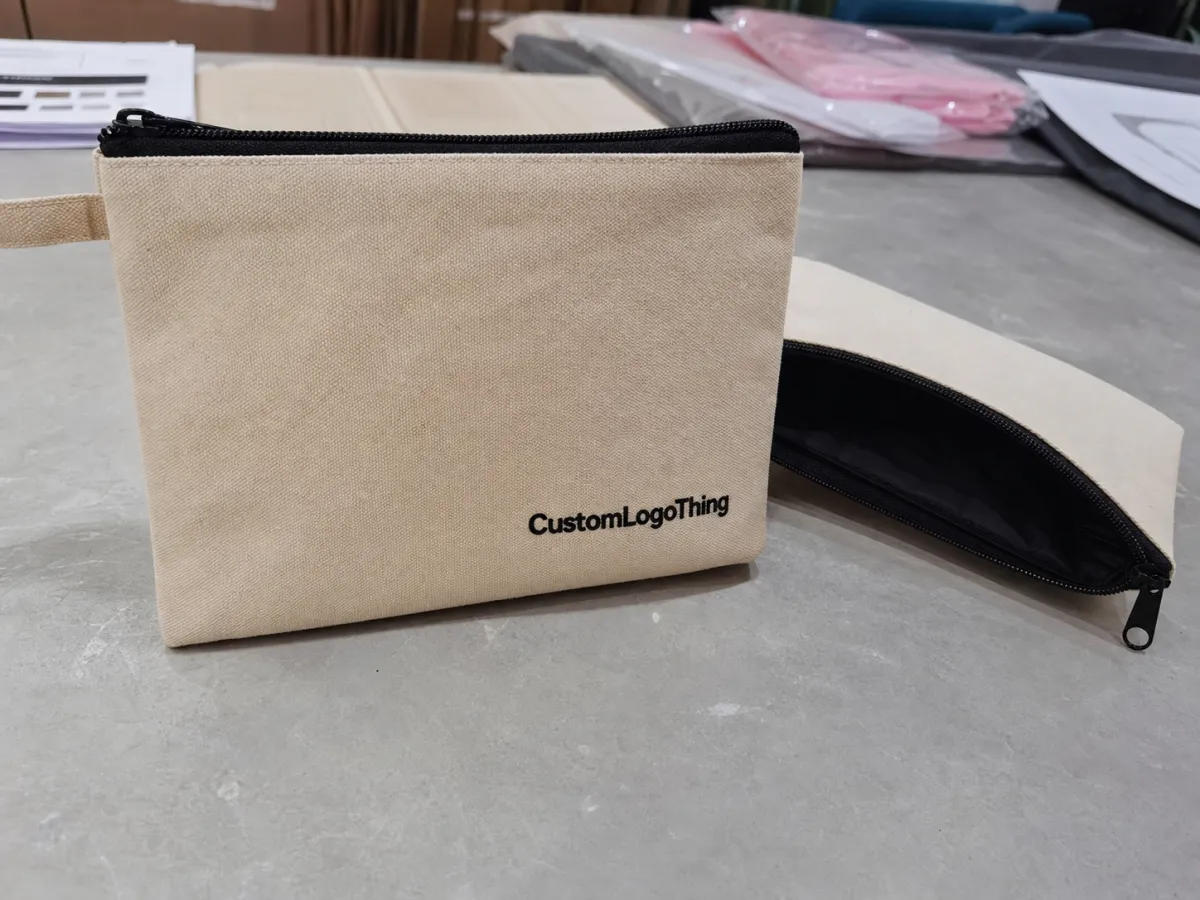
Book merch has a presentation problem if the packaging looks flimsy or generic. Buyers purchase the item for the story, the author, or the world around the series, so the packaging has to support that feeling instead of undercutting it. A well-made zipper pouch keeps inserts tidy, reduces rubbing between small items, and gives the set a more finished look.
There is also the shipping side, which is less glamorous but far more expensive when ignored. Pouches are lighter and flatter than rigid boxes, which often helps with parcel rates and carton efficiency. That difference becomes visible at scale. A few grams saved per unit does not sound dramatic until the order reaches several thousand pieces and freight starts multiplying every inefficiency.
From a buyer’s point of view, the value is straightforward: a pouch gives you reusable packaging with shelf appeal and less freight burden than many hard-pack options. It can carry series art, title treatment, author initials, or a simple logo system that stays consistent across multiple drops. For book merch brands that want one visual language across products, that consistency is worth real money.
Zipper pouches are not always the cheapest packaging option in pure sticker-price terms. They are often the smarter total-cost choice. A basic pouch can outperform a box on landed cost because it folds flatter, uses less carton volume, and usually needs less protective filler. If the merch inside is mostly small accessories and collectible extras, the economics tend to favor the pouch.
“Cheap packaging becomes expensive once it fails. The actual cost is damage, reshipment, and the hit to the brand.”
The right question is not whether a zipper pouch looks nice in isolation. It is whether it protects the merch, supports the product photos, and still makes sense after freight, packing labor, and defect risk are included. If the answer is yes, it earns its place.
Book merch zipper pouch materials, print, and finish options
Material choice drives a large share of both appearance and unit cost. Clear PVC offers visibility and a familiar merch look, but it can feel hard-edged if the film is too thick or if the clarity is poor. Frosted PVC softens the look and hides minor scuffs better. EVA is often preferred when a buyer wants a lighter, more flexible feel. PEVA can sit in the budget-to-mid range with a balanced look, while soft vinyl can feel slightly more premium depending on the supplier and finish. The exact feel varies more than many buyers expect, which is why a sample matters.
Print method matters just as much as the substrate. Full-color digital print works well for small runs, gradients, and complex cover art. Screen print is usually stronger for bold type, simple logos, and limited-color designs. If the merch art depends on fine detail or multiple shades, digital print is usually the safer choice. If the design is clean and graphic, screen print can be the more economical route. That is less a design theory than a production reality: fewer screens, fewer passes, fewer chances for misalignment.
Finish details are where a pouch stops looking generic. Matte surfaces reduce glare and tend to photograph better under harsh retail lighting. Gloss can pop in display bins and product images, but it also shows fingerprints and scuffs more easily. Sealed edges, rounded corners, a hanging hole, and a color-matched zipper can all change the perceived value of the finished pouch. None of those details is expensive by itself, but together they can push the piece from “packing item” to “merch item.”
For buyers comparing materials, the practical breakdown usually looks like this:
- Clear PVC — strong visibility, suitable for retail display, can feel less soft.
- Frosted PVC — more forgiving visually, hides wear better.
- EVA — lighter and more flexible, often better for repeat use.
- PEVA — common budget-to-mid option with balanced feel.
- Soft vinyl — can look more premium, depending on clarity and finish.
What should raise caution? Very thick film that adds bulk without improving function. And low-clarity material that makes the merch inside look dull before anyone opens it. If the pouch hides the product poorly, it defeats one of its main selling points.
For packaging terminology and sourcing basics, the Packaging School and packaging industry resources are useful references before requesting quotes from multiple suppliers.
Specifications that change fit, durability, and shelf appeal
If you want a usable quote, the spec sheet has to be clean. Buyers often ask for “a pouch for book merch” and then wonder why the pricing feels vague. That usually happens because the supplier has too many unknowns. Finished size, material type, thickness, zipper style, print coverage, and retail features such as a hang hole or insert card should all be defined before asking for numbers. Otherwise the quote is more guesswork than pricing.
Size should match the actual merch mix. A single bookmark or sticker set needs different dimensions than a bundled author merch pack with pins, cards, and a small accessory. Oversized pouches waste material and make the package feel loose. Undersized pouches create packing issues and can stress the seams. Neither outcome helps product presentation or production efficiency.
Durability is more than a nice-to-have. Ask about seam strength, zipper alignment, and scuff resistance. If the pouch will be opened repeatedly, cleaner zipper tracks and stronger edge sealing matter. Retail display adds another layer: if the pouch hangs on a peg or sits upright, the bottom structure and transparency become part of the selling job.
Here is a practical checklist to prepare before requesting pricing:
- Finished size and usable internal space
- Material and thickness in microns or mils
- Pouch style flat, gusseted, or bottom-expansion
- Zipper type standard plastic, color-matched, or slider style
- Print method digital, screen, or special effect
- Artwork coverage one side, two sides, or partial print
- Insert card yes or no
- Packaging use shipping, retail, or bundled merch set
There are also handling issues that show up only after production starts. If the material carries a strong odor, customers notice it, especially when the pouch holds paper goods or textile inserts. If the pouch goes to retail, hanging requirements should be confirmed early. If it ships directly to consumers, test whether the pouch fits inside the mailer without making the outer pack bulge. Small dimensional mistakes can change postage bands more than expected.
For transport and packaging performance, many teams use ISTA protocols as a sanity check. A full lab program is not necessary for every order, but if the merch is expensive or launch-critical, testing is cheaper than repairing a damaged release.
Book merch brands zipper pouch bags unit cost review and pricing tiers
Here is the part buyers usually need first: the book merch Brands Zipper Pouch Bags unit cost review. The main drivers are material thickness, pouch size, print complexity, zipper style, and quantity. Add tooling or setup fees if the design requires custom sealing, special shapes, or extra finishing steps. The first quote is rarely the whole story, and the gap usually appears in shipping, sampling, or change fees.
For a straightforward custom pouch, the following pricing bands are realistic starting points. Exact numbers shift based on artwork, material, and shipping terms, but these ranges are useful for early planning:
| Order size | Typical spec | Estimated unit cost | Notes |
|---|---|---|---|
| 500-1,000 pcs | Basic custom print, standard zipper, simple flat pouch | $0.45-$1.10 | Higher setup share; useful for testing or short runs |
| 2,000-5,000 pcs | Better print coverage, standard or color-matched zipper | $0.22-$0.55 | Often the best balance for small brands |
| 10,000+ pcs | Fully custom branding, improved finishing, stronger bulk pricing | $0.12-$0.35 | Setup costs spread out; freight planning matters more |
Those are cost-per-piece ranges, not fantasy placeholders. A pouch with heavy print coverage, a special zipper, or thicker material tends toward the top of the band. A simpler design with fewer colors and standard film falls lower. MOQ changes the math quickly. Smaller test runs are useful, but they rarely unlock the best per-unit pricing.
Buyers also underestimate the hidden costs. Sample charges may or may not be credited back. Freight can erase a low factory price if the shipment is awkward or rushed. Insert cards, sleeves, and color matching can add to the final landed cost. A quote that looks too good often hides something, usually shipping and sometimes compromises on thickness or print fidelity.
A useful way to judge unit cost is to ask what the pouch prevents. If it reduces damage, lowers reshipment risk, and supports presentation, a slightly higher price per piece can still be the cheaper decision overall. The cheapest pouch is not always the least expensive choice.
For teams comparing broader packaging decisions, the Case Studies page can help show how format choices affect real outcomes.
If sustainability claims matter to your buyers, the FSC guidance at FSC is worth checking. Not every zipper pouch needs a certificate attached to it, but procurement teams should know where the materials and claims stand before they go to market.
Production steps and lead time from sample to shipment
The production flow is usually simple if the buyer is prepared. It starts with a quote, then artwork review, then sample approval, then production, then quality inspection, then packing, then shipping. The order matters because late changes after sample approval almost always cost time and money. Packaging only gets more expensive when the spec keeps moving.
Standard stock-style pouches move faster than fully custom printed versions. If the supplier already has a common material and zipper spec available, the work is mostly print and finishing. Custom shapes, multiple SKUs, special seals, or upgraded finishes add time. A reasonable expectation for custom production is often 12-18 business days after proof approval for simpler orders, with more time for large runs or complex artwork. Freight adds its own clock on top of that.
Delays usually happen in three places: slow artwork approval, color changes after the sample, and vague spec sheets. Some buyers send a loose logo file and ask for pricing the same day. That is how quotes become either too vague to trust or too padded to be useful.
A pre-production sample is worth the extra time when the pouch has to match book branding closely. If the artwork depends on exact color placement, fine lines, or a specific transparent effect, do not skip the sample just to shave off a few days. A short delay at the front end is cheaper than a full run that arrives wrong.
Typical timeline breakdown:
- Quote and spec review: 1-3 business days
- Artwork confirmation: 1-5 business days, depending on revisions
- Sample production: 5-10 business days if needed
- Mass production: 7-15 business days for many standard runs
- Shipping: varies by method and destination
That timeline is not fixed. It shifts with order size, seasonality, and whether the exact material is already in stock. Still, it gives buyers a practical planning frame, which is better than optimism wearing a spreadsheet costume.
How to compare suppliers without getting fooled by a low quote
Comparing suppliers is easy if the goal is just to find the lowest number. Comparing the real value takes a little more discipline. Match size, material, zipper type, print method, and shipping terms before comparing price. If one quote is based on a 0.20mm film and another on 0.35mm, that is not a price comparison. That is a trap with numbers attached.
Ask for a line-item quote. You should see the base pouch cost, art prep, sample fee, setup charges, freight terms, and any extra costs tied to color matching or special finishing. A supplier who rolls everything into one opaque figure makes it harder to estimate landed cost. That is convenient for them and inconvenient for budgeting.
Some low-quote patterns show up again and again:
- Very low factory price with high freight later
- Sample quality that does not match production quality
- Unclear pouch thickness or material description
- Vague zipper spec with no style or color detail
- No mention of replacement policy for defects
Quality control should be part of the conversation, especially for book merch that will be photographed, gifted, or sold at retail. Ask about seam inspection, zipper testing, print registration, and packing consistency. If the supplier cannot describe how defects are handled, that is enough reason to slow down. It does not mean they cannot produce good work. It does mean the process needs more scrutiny.
The real buying question is simple: will the pouch protect the merch and support the brand, or will it only make the spreadsheet look cheaper? Those are not the same thing.
“A low quote is only a bargain if the pouch arrives right, fits right, and ships without surprise costs.”
Next steps to lock specs and request a real quote
Before requesting pricing, gather the exact pouch size, target quantity, material preference, print artwork, and any insert or retail display needs. If the pouch is meant for shipping, retail display, or bundled book merch, choose one primary use first. That one decision affects construction, pricing, and sometimes whether a flat pouch or gusseted style makes sense.
Ask for two quote scenarios if possible: a lower-MOQ test run and a better-priced production volume. That gives you a clearer view of the cost curve. It also shows whether the supplier’s bulk pricing improves in a logical way or barely moves at all. A supplier who cannot quote both options often has limited flexibility later.
If the brand artwork has to stay sharp, approve a sample or proof before full production. That matters most for book merch lines tied to a launch date, author signing, preorder window, or seasonal release. If the color is off, the title treatment shifts, or the pouch looks too glossy, it is better to catch that early.
Send the specs, artwork, and target delivery date together. That is the fastest route to a quote that reflects real unit cost rather than a number built to win an email thread. If fewer surprises is the goal, do the boring part first.
Final take: the best book merch brands zipper pouch bags unit cost review is not about chasing the lowest sticker price. It is about matching material, MOQ, print method, and freight to the actual use case. Get that balance right, and the pouch does its job: protects the merch, supports the brand, and keeps landed cost under control.
What affects book merch brands zipper pouch bags unit cost the most?
Material thickness and type usually move cost first. Print coverage, zipper style, and pouch size also have a strong impact. Order quantity matters because setup costs spread out at higher volumes.
What MOQ should I expect for custom zipper pouch bags for book merch?
MOQ depends on material, print method, and pouch construction. Small test runs are possible, but unit cost will be higher. Higher quantities usually unlock better pricing and steadier production.
How long does production usually take after artwork approval?
Standard custom runs are faster than highly detailed or special-finish orders. Sampling, approval speed, and shipping method affect the timeline. Adding a pre-production sample can extend lead time, but it reduces risk.
Are zipper pouch bags better than boxes for book merch packaging?
Pouches are often lighter and cheaper to ship than boxes. They work well for accessories, bundles, and repeat-use merch. Boxes may be better when rigid protection or a more formal unboxing is needed.
How do I compare quotes for custom book merch pouch bags?
Match size, material, print method, and zipper style before comparing price. Ask for landed cost, not just factory unit cost. Confirm what is included, including samples, freight, and any artwork fees.


