For bakery buyers, the Bakery Brands Zipper Pouch Bags bulk order memo is not a paperwork exercise. It is the bridge between a product that lands on shelf in good shape and one that arrives with crushed corners, a weak seal, or a zipper that fails after one opening. Those defects are not cosmetic. They show up in shrink, complaints, markdowns, and lower repeat purchase rates.
The pressure on bakery packaging is easy to underestimate because the product often looks stable from the outside. Cookies, crackers, granola, snack mixes, muffin tops, and dry baking blends all behave differently once they are packed, shipped, stacked, and opened repeatedly. A pouch that works for a dry granola cluster may be a poor fit for oily cookies or brittle crackers. The spec has to follow the product, not the other way around.
Bulk zipper pouches make sense when the SKU is repeatable and the forecast is reasonably steady. They help with freshness, improve shelf presence, and reduce the need to rework packaging every time a reorder comes up. More important, they let purchasing, operations, and brand teams work from one approved structure instead of three different assumptions.
For buyers building a spec file, the real question is simple: which pouch structure fits the product, the filling line, and the reorder schedule without adding waste or unexpected cost?
Why bakery brands are switching to zipper pouch bags in bulk
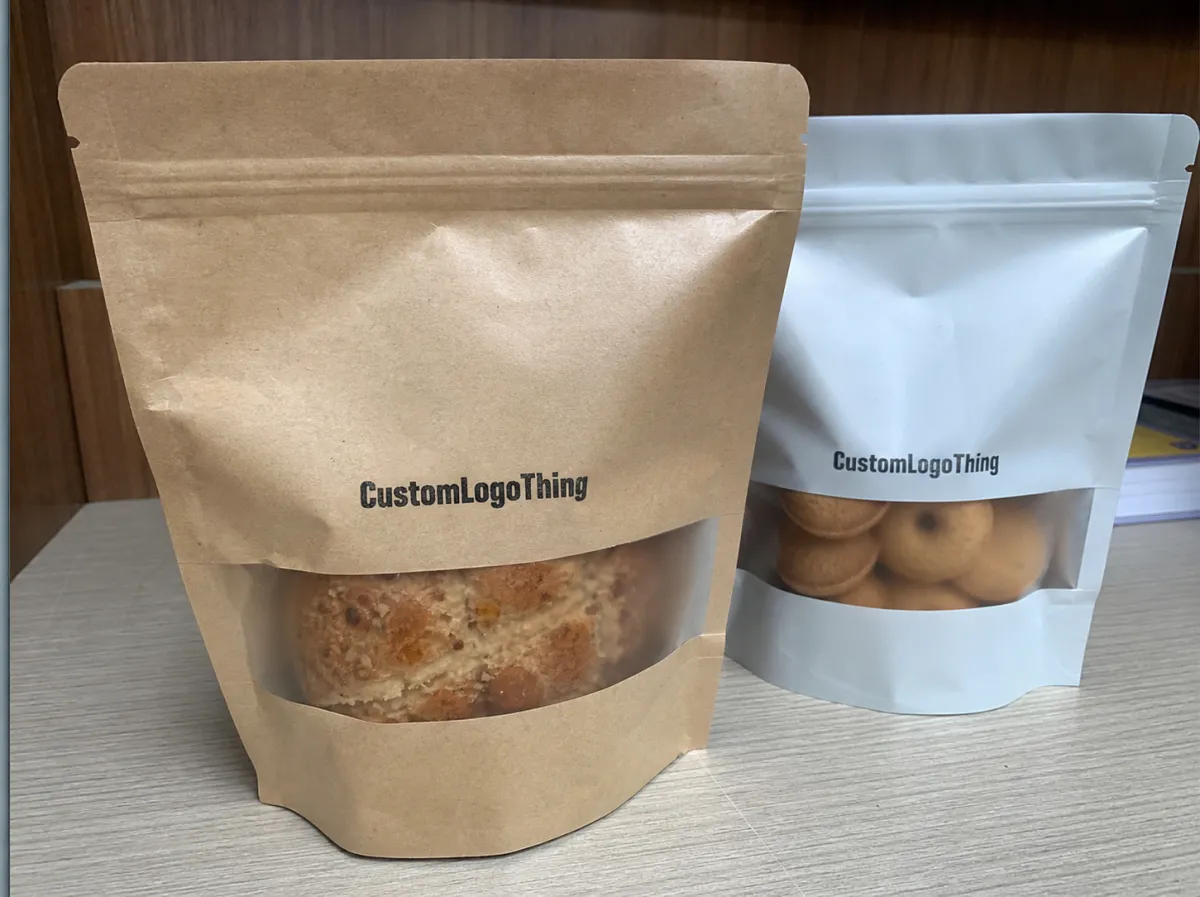
Bakery products age in public. A cookie that softens, a cracker that loses snap, or a granola pouch that leaks oil through the seal can turn a clean retail display into a discount bin within days. That is one reason the Bakery Brands Zipper Pouch Bags bulk order memo has become a practical planning document rather than a branding accessory.
Zipper pouch bags do three useful jobs at once. They protect the product, they make reclosure easy for the customer, and they display better than thin bags that slump on shelf. A resealable pack also supports portion control and repeat use, which matters for households that snack over several days. In plain terms, that can reduce waste and make a midpriced product feel more valuable.
There is also a retail advantage that gets overlooked. Packaging is the first thing a shopper reads and the last thing they remember after opening. If the bag stands upright, closes cleanly, and feels sturdy in the hand, the product appears more considered. If the tear notch splits too far or the zipper fails on first use, the brand gets blamed even when the bakery formula is excellent.
Bulk ordering works best when the business has repeat runs, standard fill weights, and enough forecast certainty to support a stable order cycle. That spreads setup costs across more units and makes replenishment easier to manage. Instead of revisiting packaging every month, the team works from one approved spec, one proof, and one reorder rhythm.
“The packaging memo should answer three questions fast: what are we packing, how much do we need, and what will it cost us to keep the line moving?”
That kind of memo matters because packaging is still treated like an afterthought in many food businesses. Yet a few cents saved on unit price can disappear quickly if the pouch size is wrong, the zipper is inconsistent, or the next production run does not match the first one. In bakery packaging, repeatability is part of the product.
Product details that matter for bakery packaging performance
Not every zipper pouch performs the same way. A flat pouch for a sample-size snack is a different package from a stand-up pouch for premium crackers. The starting point is format. Stand-up pouches give stronger shelf presence and are the most common choice for premium bakery goods. Flat pouches use less material and can work well for lighter fills or e-commerce fulfillment. Window pouches let the product do part of the selling. Matte and glossy finishes change the look immediately, and they also affect how fingerprints, scuffs, and shelf dust show up.
Closure style matters more than buyers sometimes expect. A standard press-to-close zipper works for many bakery applications because it is easy to understand and easy to use. Tear notches help with first opening, but they need careful placement. If the cut is too aggressive, the pouch can weaken near the seal. Child-resistant closures exist, but most bakery categories do not need them. They are relevant only in specific compliance situations.
Barrier performance depends on the product inside the pouch. Cookies are sensitive to moisture gain and breakage. Granola needs protection from moisture and aroma loss. Powdered mixes need dependable seal integrity and stable storage. Crackers need oxygen and moisture resistance to preserve crispness. That means two pouches that look identical on the outside can behave very differently in storage and transit.
Branding changes perception quickly. Some brands want a clear panel so the product remains visible. Others prefer full-color graphics with a matte finish. Labels can work for short runs or seasonal items, but direct print usually holds up better in recurring bulk programs. Clear-front zipper pouches often sell well for bakery goods because they build trust through visibility. If the product looks strong, showing it is usually the cheapest form of marketing.
Resealable packaging also has a practical side. If the customer can close the bag after each use, the product is more likely to stay usable to the last piece. That is a small detail on a spec sheet and a large detail in the kitchen.
Material, size, and structure specifications to confirm before ordering
Material selection sets the baseline for performance. Common structures include PET/PE, matte laminated film, kraft-look laminates, and higher-barrier builds for moisture-sensitive bakery products. PET/PE is widely used because it balances print quality, sealability, and strength. Kraft-look options give an artisanal appearance, but the inner layer still has to provide the actual barrier. The outer surface can be rustic; the internal structure has to preserve freshness.
For oily, crumbly, or fragile products, the buyer should check for grease resistance and tear strength. Heat exposure during warehousing or transport also matters. A pouch that looks fine at room temperature may wrinkle, soften, or seal inconsistently in a warm truck or a non-air-conditioned storage area. That is why visual approval alone is never enough for production.
Size errors are common and expensive. Measure the width, gusset, height, seal area, and fill weight. Do not rely on the current bag if the formula has changed density, crumb structure, or fill behavior. Cookies may stack differently from crackers. Granola can settle more than expected. Muffin crumbs can add awkward headspace. A pouch that is too tight can stress the zipper and slow filling. One that is too large can look underfilled and weaken shelf appeal.
Before ordering, ask for the dieline and sample approval. That step sounds basic, but it prevents expensive rework. Artwork shifts when a pouch is formed. Logos near the bottom seal can disappear. Zippers can crowd the print panel. A proof or sample shows those problems before production starts, when changes are still cheap.
For buyers managing a bakery Brands Zipper Pouch Bags bulk order memo, the specification sheet should include a few hard checks:
- Food-contact compatibility for the intended product type
- Tear resistance at the notch and side seals
- Seal strength after filling and handling
- Barrier rating for moisture- or oxygen-sensitive goods
- Transport abrasion resistance for warehouse and retail handling
Technical standards outside food packaging can still help frame the conversation. The ISTA framework is useful if shipping stress is part of the risk profile, while the EPA provides context on packaging waste and material impact. Those sources do not replace a pouch specification, but they help teams think about distribution and disposal in a more grounded way.
Cost, pricing, and MOQ for bulk pouch orders
Pricing is where the memo becomes a real buying tool. The unit cost of a bakery zipper pouch depends on material type, print coverage, zipper style, bag size, and quantity. A simple one-color pouch in a standard size can be much more economical than a full-bleed matte pouch with a high-barrier laminate and custom zipper profile. On a 5,000-piece run, even a difference of a few cents per unit becomes noticeable.
| Option | Typical use | Relative unit cost | Buyer trade-off |
|---|---|---|---|
| Clear flat zipper pouch | Cookies, snack mixes, samples | $ | Lower cost, lighter shelf impact |
| Stand-up printed pouch | Granola, crackers, premium bakery goods | $$ | Better shelf presence, higher branding value |
| Matte high-barrier pouch | Moisture-sensitive or premium SKUs | $$$ | Improved protection, higher initial spend |
| Kraft-look laminated pouch | Artisanal or natural-positioned products | $$ | Strong visual story, confirm inner barrier specs |
MOQ logic is straightforward: lower quantities usually carry a higher unit price because setup costs are spread over fewer bags. Larger runs reduce unit cost, but they also increase inventory exposure. The right answer depends on forecast confidence. Seasonal items and promotional SKUs often deserve smaller runs. Core volume items usually justify a bigger lot if storage and cash flow can support it.
As a rough market reference, buyers often see custom printed pouches priced in bands such as $0.18-$0.28 per unit at 5,000 pieces, depending on size and print coverage, with more complex builds moving higher. That is not a quote. It is a planning range. Exact pricing changes with film selection, zipper type, finishing, and whether the design requires extra steps such as matte lamination or specialty inks.
Do not judge the order by unit price alone. Compare total landed cost. Freight, setup fees, proofing charges, and sampling can change the real spend materially. A lower factory price with expensive shipping may lose to a slightly higher base price that includes better packing efficiency or more reliable delivery. Request pricing at several volume tiers — for example, 3,000, 5,000, and 10,000 pieces — so the purchase decision reflects inventory strategy, not just the cheapest line on the quote.
The memo should also clarify the buying intent. Is the team stocking for steady replenishment, staging for a holiday peak, or setting up a recurring order cycle? That answer changes the pricing conversation because inventory risk changes the value of each tier.
Process and timeline: from quote request to delivery
The order flow looks simple on paper. In practice, the delays usually come from missing details. First comes the quote request with dimensions, material preference, print needs, fill weight, and target volume. Then the supplier reviews the brief and returns pricing and lead time. Artwork follows. After that, a digital proof or sample is approved. Only then does production begin.
Most delays come from inconsistency, not complexity. A buyer sends one dimension in millimeters and another in inches. The artwork file is too low in resolution. The zipper position is unclear. Or the sample looks fine, but approval gets stuck in internal review for a week. Those are process problems. They are common, and they are avoidable.
Typical production includes prepress, printing, lamination, pouch converting, inspection, and packing. Lead time depends on customization and order size. Straightforward pouch work moves faster than a build with special inks, matte finish, or custom sizing. For bakery brands, the safest planning habit is to build extra time before seasonal peaks. Holiday demand has a way of exposing weak packaging schedules.
Reorder timing should follow sell-through, not just a spreadsheet forecast. If one flavor moves faster than the others, packaging should be replenished according to actual movement. That is how brands avoid stockouts on fast movers and dead stock on slow movers. A packaging plan that ignores velocity usually costs more than it saves.
For teams comparing suppliers, it helps to review Case Studies for recurring-order patterns and the FAQ for artwork and production questions before sending a brief. That reduces back-and-forth and makes the first quote more useful.
What makes a packaging supplier worth choosing for recurring bakery orders
For recurring bakery orders, consistency beats flair. A sample pouch can look excellent and still be a poor fit for bulk production if the supplier cannot repeat the same color, zipper alignment, and seal quality on the next run. That is why supplier conversations should focus on repeatability. If the first run is good and the second run matches it, the packaging program is usable. If not, the brand pays for inconsistency.
Operational reliability matters just as much. Clear communication, documented approvals, and accurate spec sheets reduce mistakes. Every assumption in a packaging file becomes expensive later. A supplier who asks detailed questions upfront is usually better than one who says yes to everything. Questions about fill type, grease exposure, shelf life, and shipping conditions are not red tape. They are risk control.
Bakery experience matters because the category has its own quirks. Oily crumbs can weaken seals. Powdered mixes can shift during transport. Delicate baked goods need packing that minimizes crush. A supplier who works regularly with bakery packaging understands those issues and flags them early. That can save more money than a small price concession ever will.
Quality control should be visible, not implied. Ask how incoming materials are checked, what in-process inspections are used, and how final cartons are verified before shipment. Those controls do not guarantee perfection, but they reduce the chance of receiving a bad lot. A packaging buyer does not need promises. They need a supplier who can explain the process clearly.
If the supplier also offers Wholesale Programs, that can help recurring bakery SKUs move more predictably, especially when reorder frequency is steady and the business wants better control over unit economics. Wholesale support is most useful when it includes documented repeat specs, not just a rate card.
One more point tends to be underestimated: shelf consistency is part of brand equity. A supplier who understands print registration, finish consistency, and material behavior helps protect the look of a product line across multiple production runs. Consumers often read packaging quality as product quality. That judgment happens quickly, and the brand has little time to recover from a bad first impression.
Next steps for ordering the right pouch bags in bulk
Start with the basics: product type, fill weight, pouch dimensions, print requirements, and target quantity. Those five items solve most quote problems. If the bakery already knows the closure style, finish, and expected reorder cadence, even better. The more precise the brief, the cleaner the quote.
Then request pricing at several volume breaks. A useful memo compares unit cost at low, medium, and high quantities so the team can see where the price curve changes. Ask for a sample or digital proof as well. That is where fit, seal, and graphics can be checked before production commits the budget.
After that, set an internal reorder trigger. It could be based on weeks of cover, warehouse space, or sales velocity. The goal is to avoid the expensive scramble that happens when packaging runs out while product demand is still strong. Promotions and holiday windows are where that mistake hurts most.
Finally, circulate the memo to purchasing, marketing, and operations. Everyone should sign off on the same spec. That keeps the artwork team from changing the format after pricing is approved, and it prevents operations from discovering a seal issue after the first shipment arrives.
For teams that want the shortest path to a usable plan, the bakery Brands Zipper Pouch Bags bulk order memo should include the product spec, pricing tiers, sample status, and reorder plan. That is enough to move from interest to purchase without confusion, and it keeps the packaging decision tied to the things that matter: freshness, shelf appeal, and margin.
What should bakery brands include in a zipper pouch bags bulk order memo?
List product type, bag dimensions, fill weight, material preference, closure style, print requirements, and target quantity. Include reorder expectations, delivery timing, and any food-safety or barrier needs.
How do I choose the right zipper pouch size for bakery items?
Base the size on product volume, not just weight, because cookies, granola, and pastries pack differently. Allow room for the zipper seal and headspace so the bag closes cleanly after filling.
What affects the unit cost of bakery zipper pouch bags in bulk?
Material, print coverage, pouch style, zipper type, and order quantity are the biggest cost drivers. Higher volumes usually lower unit cost, while custom finishes and high-barrier films increase it.
How long does production usually take after artwork approval?
Lead time depends on customization level, sample approval, and order size. Expect additional time if the order needs new tooling, special inks, or revised proofs.
Can zipper pouch bags help bakery products stay fresh longer?
Yes, resealable closures and barrier films can slow moisture loss and reduce exposure to air. The right structure should match the product’s sensitivity to grease, humidity, and transit handling.


