Book Subscription Poly Mailers cost is rarely a clean, single-line answer. The printed unit price may look attractive, but the true bill grows once you include freight, proofing, setup, dimensional fit, and the cost of replacing books that arrive bent, scuffed, or split at the seam. For subscription operators, the real comparison is not quote A versus quote B. It is total landed cost versus the failure rate you can actually tolerate.
That distinction matters more with books than with many other products. Books are dense, rigid, and unforgiving around corners. Add a dust jacket, an insert card, a bookmark, or a small gift item, and the pack-out changes again. A mailer that seems cheap for a paper novel can become expensive once it starts creating damage claims or requiring re-shipments.
The lowest unit price is not the lowest landed cost if the fit is wrong, the film is too thin, or the adhesive gives up in transit.
If you buy packaging for a monthly book club, think in terms of the complete system: the mailer, the print method, the freight class, the closure style, the box or carton count, and the way your fulfillment team actually packs each order. A supplier quote should be judged against that full picture. For product options, see our Custom Poly Mailers and broader Custom Packaging Products.
Book Subscription Poly Mailers Cost: What Buyers Should Expect
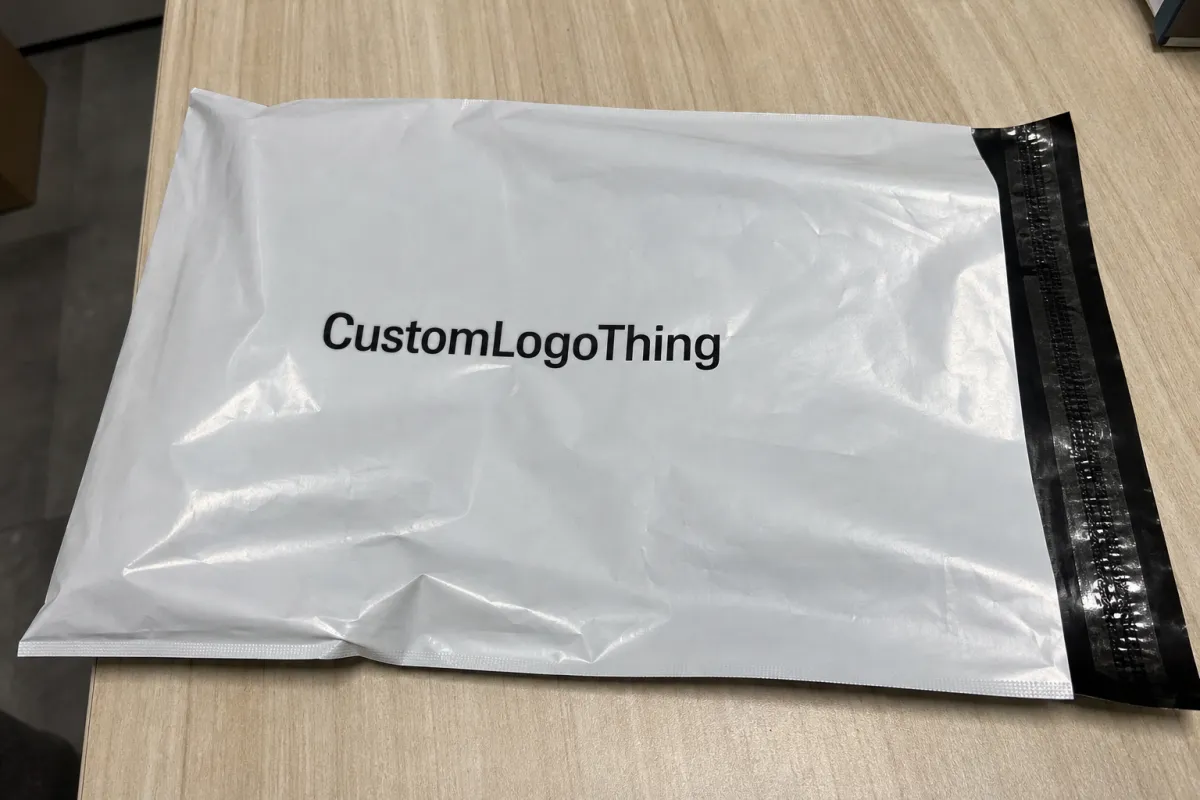
The first mistake is treating book subscription poly mailers cost like a commodity line item. It is not. A low quote can be built on thinner film, reduced print coverage, or a tighter tolerance that leaves less room for the actual packed book. Those choices may save a fraction of a cent on paper and cost far more once the first damaged shipment lands in customer service.
Monthly book shipments usually endure more stress than a basic apparel shipment. Books have hard edges. They shift if the bag is oversized. They press against corners if the fit is too tight. Add in a shipping network that may sort a parcel several times, and the tolerance window gets narrow fast. One hardcover with a dust jacket can demand a different spec than three paperbacks bundled with a note card.
That is why the packed stack should drive pricing, not the title count. Two subscription programs can order the same nominal bag size and still arrive at very different costs if one ships slim mass-market paperbacks and the other ships oversized hardcovers with inserts. A quote that ignores those details is only pretending to be precise.
Transit pattern matters too. A mailer that holds up in a short regional route may fail more often in a broader network where parcels are dropped, stacked, and handled by multiple carriers. If you want a fair comparison, ask suppliers to quote the same finished size, the same film gauge, the same print coverage, and the same closure style. Otherwise, the numbers do not mean the same thing.
Buyer takeaway: compare cost per piece only after you confirm packed dimensions, expected damage rate, freight terms, and whether the quote includes proofing or setup. A cheaper-looking line item can become the most expensive choice once rework and reshipment are counted.
There is also a brand effect that gets missed in spreadsheets. Subscription books are repeat orders, which means the customer sees the mailer month after month. The tactile feel of the bag, the opacity of the film, and the clean placement of the artwork all become part of the product. That does not mean every order needs premium upgrades. It means the spend should go where it protects the book and keeps packing consistent, not where it simply looks polished on a sample sheet.
Mailer Formats That Fit Monthly Book Shipments
Most book clubs fall into four packaging patterns: a single hardcover, a softcover bundle, a book-plus-insert pack, or a gift-style curated set. Each one creates a different footprint, and each one changes book subscription poly mailers cost in a slightly different way. A bag that fits a 320-page paperback neatly can be too small for a hardcover with a jacket and a printed insert. A mailer that works well for a single title may be too loose for a mixed contents pack that shifts during transit.
For a single paperback, a standard flat format often works if the title is not oversized. Hardcovers usually need extra width and a little more seal margin to reduce corner pressure. Bundled shipments may need a bit of practical slack even if the bag is technically flat, because the actual contents rarely stack perfectly. Gift sets are the hardest to spec because the contents change from month to month; one cycle may include a postcard and bookmark, while the next includes a fabric item or sample packet.
That is why width and seal area matter so much. A tight package can save postage, but if it leaves no room for a secure closure, the entire order becomes fragile. For repeat subscriptions, consistency matters more than shaving a few millimeters from the bag. You want the same pack-out result every cycle, not a different struggle every month.
Branding also has practical limits. Return instructions should be easy to find. The shipping label panel should stay clean. Barcode space should remain readable. If seasonal art changes every quarter, the team needs version control so one print file does not get mixed with another. A mailer can be visual without becoming difficult to process on the line.
For buyers comparing formats, this simplified matrix helps frame the tradeoffs:
| Shipment Type | Typical Mailer Need | Performance Priority | Cost Pressure |
|---|---|---|---|
| Single paperback | Standard flat mailer | Clean fit, label space | Lowest |
| Hardcover | Wider mailer, stronger film | Puncture resistance | Moderate |
| Book plus insert pack | Extra width and seal margin | Pack-out consistency | Moderate to high |
| Curated gift set | Larger format, stronger adhesive | Presentation and durability | Highest |
This table is not a pricing promise. It is a planning tool. The fewer variables you leave open, the easier it becomes to narrow book subscription poly mailers cost to a realistic range.
For broader packaging formats that support recurring orders, review our Custom Packaging Products lineup before sending specs to a vendor.
Material and Specification Choices That Change the Order
Film gauge is one of the first specs to review because it affects both performance and price. Thicker film usually means better puncture resistance and more confidence around sharp corners. Many subscription buyers use 2.5 mil as a practical baseline, while heavier sets may justify 3.0 mil or a reinforced structure. The right choice depends on the book mix, the route, and how much rough handling the parcel is likely to see before delivery.
Opacity matters as well. If the shipper wants to conceal contents and create a stronger first impression, a higher-opacity film can be worth the modest premium. That is especially true for gift-style subscriptions where the mailbox arrival is part of the experience. Seal strength is another point that gets overlooked until it fails. A weak adhesive can peel after temperature swings or hard handling, and then the cheapest quote turns into a service problem.
Recycled content has become a real buying criterion, but it needs careful review. Some buyers want post-consumer recycled film. Others prefer source reduction through lighter gauge and less material overall. Both approaches can make sense. The key is documentation and clear claims. If the packaging will carry an environmental message, the paperwork should support it. That protects the brand more effectively than a vague green statement.
Adhesive type and closure style also influence the final order. A permanent seal is often enough for straightforward monthly fulfillment. A peel-and-seal strip can speed packing. A tear strip can make opening cleaner for the customer. Each feature adds convenience, but each also adds cost and sometimes lead time. If a feature does not reduce damage or improve operational flow, it probably does not belong on the spec sheet.
Before approving a run, verify these details in writing:
- Finished size with tolerance, not just nominal size.
- Film gauge and whether the structure is co-extruded or mono-layer.
- Print coverage, color count, and whether the back panel stays blank.
- Closure style, including adhesive strip, heat seal, or flap.
- Carton pack, whether the mailers ship loose, stacked, or bundled.
If your mailers need to survive more than a simple drop test, some teams align sample testing with ISTA transit testing protocols. That is not always necessary, but it gives buyers a cleaner way to compare durability claims across suppliers. A supplier that can explain why a sample passed or failed is usually more useful than one that only repeats the word “durable.”
Quality Control Checks Before You Approve a Run
Price gets most of the attention, but quality control is where a lot of hidden cost shows up. A run can look fine on a proof and still cause headaches in production if the seal is weak, the print is too close to the edge, or the dimensions drift just enough to slow the pack line. On recurring orders, tiny defects are not tiny. They repeat.
The best buyers check the sample like a working piece of packaging, not a design mockup. Open and close it several times. Fit the thickest title in the lineup, not the easiest one. Slide in the insert card and see whether the seal area still closes without strain. If the bag has any chance of rubbing against printed dust jackets, test abrasion against the actual finish rather than assuming the art will survive.
A practical incoming inspection usually looks at three things: size consistency, closure integrity, and print placement. You do not need lab equipment to catch the common problems. A ruler, a sample of the packed book, and a short inspection checklist often reveal enough to stop a bad order from going into production again.
Common checks worth running before full approval:
- Measure at least several samples from different points in the carton.
- Inspect seal adhesion after compression and a short hold time.
- Verify that the shipping label area stays clear and scannable.
- Check whether inks rub off when handled with dry and slightly damp hands.
- Confirm that the mailer still closes cleanly when the book is fully packed with inserts.
These checks sound basic, but they prevent expensive surprises. A one-cent difference in the mailer price is irrelevant if the line slows down by seconds per pack or if the reject rate climbs. In a high-volume subscription environment, a small slowdown compounds quickly. Thirty extra seconds per case becomes a real labor cost across hundreds or thousands of shipments.
Poly Mailer Pricing, MOQ, and Unit Cost
Here is the pricing reality: book subscription poly mailers cost usually drops as quantity rises, but the minimum order quantity can shift sharply depending on print method, size, and material. Digital or short-run production can support lower minimums, yet the unit cost is often noticeably higher. Flexographic or other high-volume methods may require more setup, but they reward larger orders by spreading fixed costs across more pieces.
Color count is a major driver. A one-color logo on a standard white or black mailer usually prices lower than a full-coverage design with multiple ink areas. Heavier film uses more material, so gauge matters as much as artwork. Add a tear strip, custom size, or specialty finish, and the quote climbs again. Freight is not minor either. A low ex-works price can become less attractive once shipping, duties, and handling are added.
For buyers comparing offers, ask for the quote to be split into separate lines. That makes the offers easier to compare and reduces surprises later. If a supplier bundles everything together, you lose visibility into the places where cost is actually being created. The line items matter because each one reacts differently to scale.
Indicative pricing ranges for custom subscription mailers often look something like this:
| Spec Level | Typical MOQ | Indicative Cost Per Piece | Notes |
|---|---|---|---|
| Plain stock-style mailer with simple print | 1,000 to 3,000 | $0.16-$0.28 | Lower setup, fewer print variables |
| Custom logo mailer, one to two colors | 3,000 to 5,000 | $0.20-$0.34 | Common for recurring subscription use |
| Full-coverage design with stronger film | 5,000+ | $0.27-$0.42 | More ink, more proofing, better presentation |
| Recycled-content or specialty build | 5,000+ | $0.30-$0.46 | Material premium, documentation may be needed |
Those numbers are directional, not universal. A small run with multiple print changes can carry higher tooling or setup fees, while a larger repeat order can spread those costs over more pieces. The key is to compare the same variables. If one supplier quotes a 9 x 12 bag with one-color print and another quotes a larger format with full bleed, the lower number is not a meaningful comparison.
A useful quote checklist should include:
- Finished size and film gauge
- MOQ by size and by design
- Setup charges and proofing costs
- Freight, duties, and delivery terms
- Print method and color count
- Lead time from proof approval to shipment
If you want a tighter benchmark, ask each supplier to quote three quantity tiers. That usually exposes the real price curve and makes book subscription poly mailers cost easier to plan against monthly membership volume.
Production Process and Lead Time for Custom Orders
Most custom orders follow the same path: artwork submission, digital proof, prepress review, production, and shipping. The process sounds simple until a missing dieline note, a low-resolution logo, or a late color change adds days to the schedule. Sometimes it adds more than days. If a team wants speed, clean files matter just as much as supplier capacity.
For a typical run, 12 to 15 business days from proof approval is a reasonable planning window, though the schedule can stretch if the design is complex or the order needs specialty materials. Transit time sits on top of that. If inventory is moving across long distances, leave room for customs clearance, domestic freight, and carrier delays. A fast quote is not the same thing as a fast delivery unless the whole chain is visible.
Subscription buyers should not order reactively. Reorder when several weeks of stock remain, not when the last pallet is already allocated. A practical buffer is six to eight weeks of inventory for steady programs, or more if your fulfillment window is seasonal. That leaves room to approve proofs, absorb transport delays, and avoid emergency freight.
Repeat orders also benefit from locked specs. Once the size, print, and material are approved, keep them stable unless there is a genuine reason to change. Every modification creates risk. Sometimes that risk is small. Sometimes it becomes a mismatch that only shows up after the shipment reaches the warehouse floor.
Lead time usually stretches in three situations:
- The file needs several revisions before approval.
- The supplier has to source a special film or adhesive.
- The shipment must land inside a narrow fulfillment window with little room for transit variation.
A clear spec sheet saves money because it cuts back-and-forth. Less back-and-forth means less delay, and less delay lowers the chance of paying rush freight. For recurring book programs, that operational discipline matters as much as the graphic on the mailer. Packaging that arrives on time and behaves the same way every month is worth more than a prettier sample that turns unpredictable in production.
Why a Packaging Partner Matters for Repeat Book Clubs
For a one-time promotion, the cheapest quote can look attractive. For a monthly subscription, consistency usually wins. The reason is simple: repeat orders magnify small mistakes. A slight print shift, a silent size change, or a weaker adhesive batch can create a problem twelve times a year instead of once. That changes the economics quickly. It also changes the customer experience, which matters even more in a subscription model where retention drives value.
A useful packaging partner does more than print bags. They help with file prep, sample checks, reorder forecasting, and issue resolution. Those are not flashy services, but they protect margin. If a supplier understands your recurring volume, they can often suggest a size consolidation, a smarter film choice, or a print layout that reduces waste. That is the kind of practical advice that keeps book subscription poly mailers cost under control without pushing quality down.
There is also an inventory benefit. When a supplier knows your cadence, they can help you avoid overbuying before a seasonal dip or underbuying before a promo spike. That matters for book clubs, where title mix and customer count can shift faster than a quarterly forecast suggests. A better partner helps you plan the next reorder before the warehouse starts feeling pressure.
Too many buyers focus only on artwork approval and ignore the operational side. The mailer is part of fulfillment, not just branding. If the packaging slows the line or creates extra damage claims, the order is not cheap. The best vendors make repeat buying uneventful in the right way: same size, same print, same result, fewer surprises.
For brands building a recurring kit or gift pack alongside the mailer itself, our Custom Packaging Products range can help keep the rest of the program aligned with the same production standards.
Over time, the right supplier relationship can also improve price stability. Bulk pricing becomes easier to forecast, proofing gets faster after the first run, and future orders are less exposed to rushed decisions. That is how you protect margin as volume grows.
FAQ
How much do book subscription poly mailers cost per unit?
Pricing depends on size, film gauge, print coverage, and order quantity, so the same design can price very differently at different volumes. Ask for tiered quotes that separate unit cost, setup charges, and freight so you can compare offers accurately.
What MOQ should I expect for custom book mailers?
MOQ usually changes by print method and bag size, with lower minimums often carrying a higher per-unit price. Confirm whether the minimum applies per design, per size, or per color combination before you plan inventory.
Which size fits a monthly book shipment without waste?
Measure the packed book stack, not the book alone, and leave room for inserts plus a secure seal overlap. Test the thickest title in your lineup first so the mailer fits the full subscription range.
How long does custom poly mailer production usually take?
Lead time includes proofing, approval, production, and transit, so a fast order still depends on how quickly artwork is signed off. Rush options may exist, but the best way to shorten turnaround is to send clean files and final specs the first time.
What details should I send to get an accurate quote?
Send dimensions, quantity ranges, print colors, shipping ZIP, and your target delivery date. Include any must-haves such as recycled content, tear strips, or high-opacity film so the quote reflects the real order.
Send dimensions, quantity tiers, artwork files, destination, and your target ship date, and the quote gets a lot more useful. Standardized specs lower risk, simplify comparison, and make the cheapest-looking option easier to test before you place the order. That is the practical answer to book subscription Poly Mailers Cost: not one number, but a controlled set of variables that can be measured, checked, and repeated.

