Soap Brand Poly Mailers cost less than many founders expect, but the wrong bag can quietly add more expense than the print line ever saves. A bar that slides around in an oversized mailer looks under-packaged, slows fulfillment, and invites returns when the product arrives scuffed or opened in transit. A well-fitted mailer does the opposite: it keeps labor down, holds the product in place, and protects the brand impression without pushing the shipment into a heavier format.
For soap lines, packaging is never just packaging. It touches shipping weight, packing speed, shelf presentation, and the way a customer judges the order the moment it lands. A soap seller comparing formats should review Custom Poly Mailers alongside other Custom Packaging Products so the decision rests on fit, freight, and actual operating cost rather than the cheapest-looking quote.
Why soap brands overpay on poly mailers
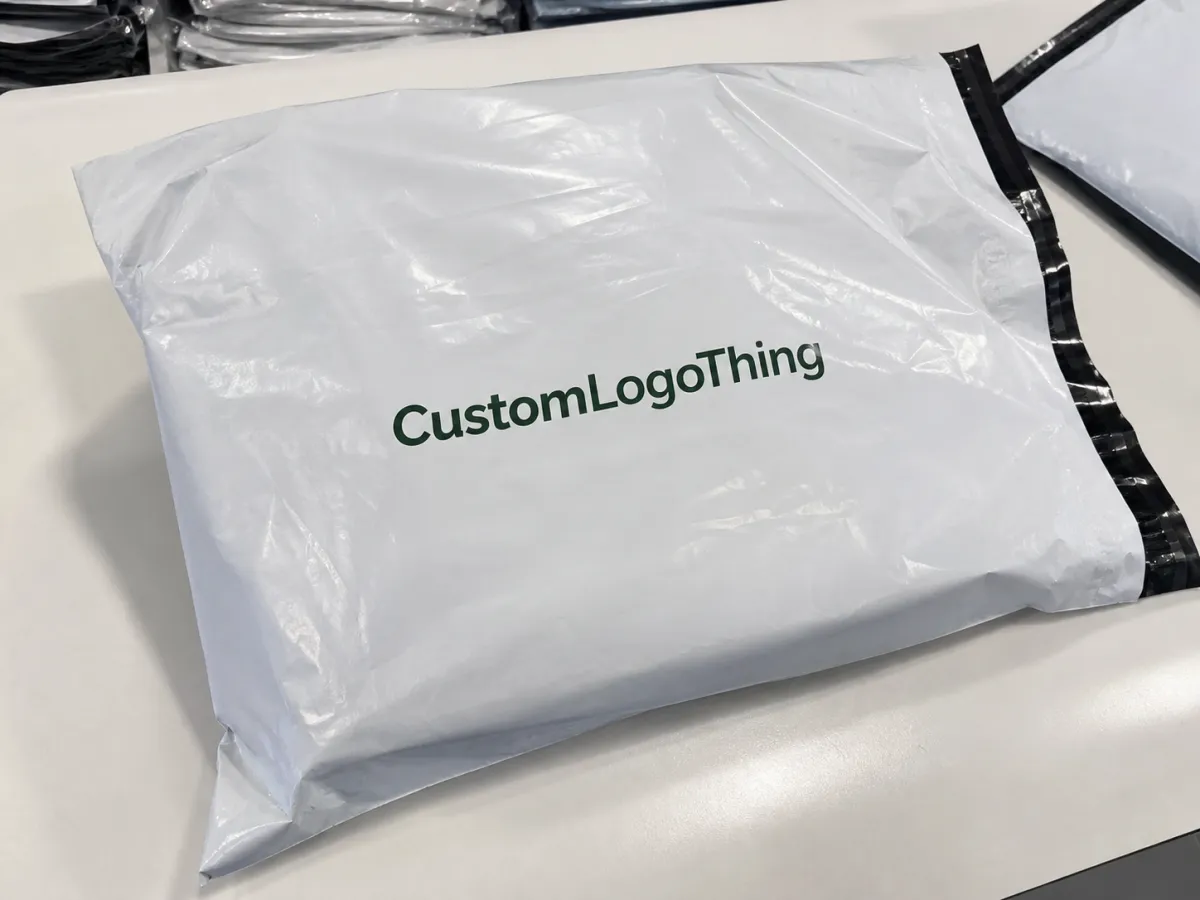
Soap is light, but it still creates packaging problems. A single bar, a two-bar bundle, and a subscription pack each demand a different level of protection and a different amount of empty space control. Overspending usually starts with a mailer that is too large, too thin, or too generic for the contents. The printed film may look inexpensive on paper. The finished shipment often does not.
That is why soap Brand Poly Mailers cost should be judged against the full order flow, not only the unit price on a quote sheet. A snug mailer can remove the need for extra wraps, cut packing time, and reduce dimensional weight charges. A sloppy fit can create movement inside the parcel, make the order look cheap, and increase the odds of damage during transport. The difference is not theoretical; it shows up in labor, replacements, and customer complaints.
There is also a product-mix issue. Boxes can feel more premium and protect fragile sets better, but they add weight and assembly time. Paper mailers can fit a natural brand story, though they may not stand up as well to moisture, fragrance oils, or rough parcel handling. For many direct-to-consumer soap SKUs, a Custom Poly Mailer hits the cleanest balance between protection and cost.
- Single bars: mailers often win on speed, weight, and simplicity.
- Gift bundles: boxes can be better if the set needs structure.
- Subscription kits: mailers work well for flat, repeatable packs.
- Fragile premium sets: the packaging choice should follow damage risk, not habit.
The best order is the one that protects soap without paying for air. That is the real math behind soap brand poly mailers cost. Not just the print price. Not just the material. The total shipment picture.
Soap brand poly mailers cost: what drives the quote
Most pricing comes down to a few variables: size, film thickness, print coverage, closure style, and quantity. Those five pieces affect raw material use, press time, setup work, and freight. If two suppliers return very different numbers, the first question is whether they are quoting the same spec. Different assumptions make “comparison shopping” almost meaningless.
Custom dimensions usually raise the first quote because they require a dedicated run and, in some cases, tooling adjustments. Stock sizes often come in lower because the factory can use existing formats with less setup. The same pattern shows up in finishes. A plain gloss film with one-color print is usually easier to price than a matte pouch with heavy coverage, special closures, or extra embellishment.
For brands still testing demand, one-color print is often the sensible starting point. Fewer art changes mean fewer setup variables, and repeat artwork across SKUs usually reduces soap brand poly mailers cost faster than founders expect. A strong layout can still carry the brand. Consistency matters more than decoration.
There is a useful difference between unit price and landed cost. Freight, waste, overages, split shipments, and reorders can wipe out a low quote if the vendor is not pricing the job on equal terms. Ask each supplier to quote the same details:
- Exact flat dimensions and usable interior space.
- Film thickness in microns or mils.
- Print colors, print coverage, and whether both sides are printed.
- Closure type, seal style, and any tear notch or tamper-evident feature.
- MOQ, overrun tolerance, production lead time, and freight terms.
| Option | Typical MOQ | Typical unit price | Lead time | Best use |
|---|---|---|---|---|
| Stock size, one-color print | 250-1,000 | $0.14-$0.26 | 7-12 business days | First orders, simple bars, lower-risk launches |
| Semi-custom size, limited print | 500-1,500 | $0.20-$0.34 | 10-15 business days | Growing lines with repeat packaging needs |
| Fully custom size, higher coverage | 1,000-5,000 | $0.28-$0.55 | 12-18 business days | Multi-SKU brands, subscriptions, stronger shelf presence |
Those ranges are a buying pattern, not a promise. Real pricing moves with artwork complexity, film gauge, color count, and freight distance. If a quote sits far outside those bands, check whether the supplier included custom tooling, color matching, or a finish another vendor left out.
Soap brands also get caught comparing only the printed bag. The smarter comparison is the packaging system. If a slightly better mailer reduces damage, speeds packing by a few seconds per order, and lowers replacement shipments, the true savings can exceed the gap in print price. That is where packaging stops being a cosmetic choice and starts behaving like a margin decision.
Specs that protect soap without inflating the bill
Material selection matters more than many buyers realize. Co-extruded film is common because it balances strength, seal performance, and print quality. Recycled content can support sustainability claims, but the blend matters; not every recycled structure performs the same in transit. Matte and gloss both have a place, and the right one should follow brand identity and handling needs rather than trend.
Opaque mailers hide contents and usually feel more polished for branded DTC use. Translucent structures can work for plain-label programs or internal fulfillment, but they rarely support a premium retail look. Soap is often sold on scent, color, and presentation, so the outer mailer becomes part of the product story the moment it is photographed or reused.
For single bars, a thinner but durable mailer can work well if the soap is already wrapped and the route is not unusually rough. For gift bundles, a little more gauge often helps because the pack carries more edges, more movement, and more chance of scuffing. For heavier subscription kits, stronger seals and better puncture resistance matter more than decorative extras. The goal is to match the spec to the shipment, not pay for features the soap will never use.
These features tend to affect performance the most:
- Tear resistance: useful for tightly packed parcels and repeated handling.
- Seal strength: important for preventing edge splits and corner opens.
- Tamper evidence: adds trust for higher-value direct-to-consumer orders.
- Print durability: helps graphics survive abrasion in transit.
Soap brings a few specific packaging risks. Fragrance oils can telegraph through weak films. Moisture matters for natural bars that may travel with paper wraps or labels. Dark prints show scuffing fast. And because many soap brands sell on visual appeal, the mailer itself becomes part of the brand experience long before the product is opened.
If parcels need to survive carrier handling, ask for testing references. A supplier familiar with ISTA testing standards is usually thinking beyond a mockup and into real shipping behavior. If the order includes paper components such as belly bands or cartons, FSC certification can help separate verified materials from vague sustainability language. These details do not automatically raise cost. They make the purchase more defensible.
The right spec is rarely the fanciest one. It is the one that protects soap, holds the brand image together, and avoids a jump in soap brand poly mailers cost just because a feature sounds premium on a sales sheet.
Pricing, MOQ, and unit-cost breakpoints
MOQ drives more pricing than many teams want to admit. Setup costs for custom printing have to be spread across the run, so the first savings usually appear once an order moves from a tiny test quantity into a proper production batch. That is why 250 pieces can feel expensive while 5,000 pieces look much more reasonable, even if the total spend is higher.
Here is a practical planning view for soap brand Poly Mailers Cost:
- 250 units: useful for testing fit, artwork, and demand, but usually the highest unit cost.
- 500 units: still a small run, though enough volume to improve pricing if the design is simple.
- 1,000 units: often the first quantity where custom packaging starts to make business sense.
- 5,000 units: better for steady sellers, subscription programs, and repeating artwork across SKUs.
At lower volumes, hidden variables matter more. Rush production can add a premium. Color matching can extend press time. Split shipping can create separate freight charges. Extra cartons, poly bagging, or special palletizing can all push the invoice up. That is why the lowest unit price is not always the best deal. If the order requires frequent reorders or ships in stages, the cheap quote can end up being the expensive one.
Request both stock-size and custom-size pricing before deciding. That comparison often reveals the crossover point where custom becomes efficient. A stock mailer can look cheaper at 500 units, but once a brand reaches a repeat 1,000-unit cycle, the custom version may improve fit, reduce waste, and support stronger recognition with little additional spend per order.
The main question is not whether MOQ is high. It is whether the MOQ matches the brand's actual sales rhythm. A seasonal soap launch, a limited fragrance, or a new bundle line that has not proved itself should keep a smaller MOQ on the table. A product with stable movement can support a larger run, better unit cost, and fewer interruptions. That balance matters as much as the print itself.
Founders often ask for the cheapest option. A better request is for the best price at the right break point. Once the break point is visible, soap brand poly mailers cost becomes a planning tool rather than a guess.
Process and timeline from proof to production
A clean order follows a predictable path. Specs intake comes first: dimensions, product weight, finish preference, and how the soap is packed today. Then comes size confirmation, artwork prep, a digital proof, sample approval if needed, production, packing, and freight. That sequence sounds simple because it should be. Most delays come from missing information, not from the print run.
A practical timeline for Custom Poly Mailers is often 12-15 business days after proof approval for standard runs, plus freight time. Ready artwork and quick signoff can shorten that schedule. Late copy changes, new dimensions, and color corrections usually lengthen it. In other words, the calendar is mostly controlled by the buyer. A supplier can print quickly; a brand that keeps changing the brief usually cannot.
Three issues slow things down most often:
- Missing bleed or low-resolution art: the proof cannot be approved cleanly.
- Late size changes: the fit problem forces a second review.
- Color correction after proofing: this adds time and can affect the entire queue.
For subscription soaps and seasonal launches, the reorder window matters as much as the first order. If stock runs out during a promotion, the brand pays twice: once in rushed freight and once in lost sales momentum. A planned reorder window protects inventory and keeps the customer experience stable. Packaging planning starts to look a lot like operations planning because it is.
Brands that want to benchmark workflow can compare multiple project types in the Case Studies section. The useful examples show more than the finished package. They show the steps that got the order approved, printed, and shipped on time. That detail matters because soap brand poly mailers cost is not only a materials question; it is also a process question.
Clear timelines build trust and reduce surprises. When everyone knows what happens after the quote is approved, the order moves faster and the final packaging is more likely to match the launch date.
What to verify before choosing a packaging supplier
The lowest quote can be tempting, but consistency protects a growing soap line. Ask for proof points, not promises. A reliable supplier should be able to show consistent film gauge, clean seals, registration control, and shipment tracking. Those items sound technical because they are. They also determine whether the pack feels polished or sloppy in a customer's hands.
Request production samples, not only sales mockups. A mockup can look perfect while the real film feels thin, the seal drifts, or the print lands slightly off position. Production samples show how the mailer behaves at scale. That matters for soap brands with multiple SKUs, seasonal scents, or fast-moving DTC volume, where brand consistency has to hold across repeat orders.
Support level matters too. Some vendors only quote. Better ones help with spec guidance, art checks, freight coordination, and reorder continuity. That extra support can save a small team hours and reduce the odds of a miss on the next run, which is often where packaging spend quietly gets away from the brand.
Use this supplier checklist:
- Can they explain film thickness and seal strength in plain language?
- Will they review artwork for bleed, safe area, and color count before proofing?
- Do they offer real production samples before the full run?
- Can they keep artwork consistent across repeat orders and related SKUs?
- Do they quote freight, overrun tolerance, and reorder timing clearly?
If you are still narrowing down the spec, compare formats against your current packaging mix. A team that wants fewer surprises should start with practical fit, then work outward into finish and print detail. That approach usually produces a stronger unboxing experience and better recognition without pushing the budget into a prettier but less efficient package.
“The cheapest mailer is not the cheapest order if the fit is wrong.”
That line appears in packaging reviews for a reason. It holds up more often than it fails.
Next steps to lock the right mailer spec
The cleanest way to quote soap brand poly mailers cost is to gather the numbers before asking for pricing. Start with product dimensions, product weight, finish preference, artwork files, and target quantity. If the soap ships in multiple forms, list each SKU separately. A bar, a duo, and a gift set do not deserve the same bag by default.
Then ask for three pricing scenarios: a standard size, a custom size, and a higher-volume break. That gives you the true unit-cost pattern, not only a single number. If one supplier prices the first run well but cannot keep continuity on reorders, the long-term value is weak. If another supplier is slightly higher on entry pricing but steadier on repeat supply, the total cost may still be lower over time.
Before approving a full run, order samples and sign off on the proof. Check fit, print quality, color accuracy, seal strength, and how the mailer feels when packed with the actual soap. That small test is cheaper than discovering a problem after 1,000 units are already in motion. It also protects customer perception, since packaging quality is one of the fastest ways to reinforce a soap brand's promise.
Use this final checklist before moving ahead:
- Fit: does the soap sit flat without excess movement?
- Print quality: are the colors, logo, and edges clean?
- MOQ: does the quantity match sales reality?
- Lead time: can the order land before launch or reorder need?
- Landed cost: does the total order still make sense after freight and waste?
Once those answers are clear, soap brand poly mailers cost stops being an open-ended guess and becomes a straightforward buying decision. Move from specs to a quote request, compare the landed numbers, and choose the mailer that protects the soap, supports the brand identity, and keeps the unit cost in range.
How much do soap brand poly mailers cost per unit for small orders?
Small runs usually cost more per unit because setup and print preparation are spread across fewer pieces. For first orders, stock sizes with one-color print often sit in the lowest entry range, while fully custom sizes can move higher fast. Ask for tiered pricing at 250, 500, 1,000, and 5,000 units so the next price drop is visible.
What changes custom soap mailer pricing the most?
Custom dimensions, print coverage, and film thickness are the biggest drivers. Rush turnaround, special finishes, and color matching can add to the quote quickly. Freight and waste should be included in the comparison too, because a low unit price can disappear once landed cost is added.
What MOQ should I expect for branded soap poly mailers?
MOQ depends on whether the order uses a stock size or a fully custom build. Custom printed orders usually need a higher starting quantity to keep the unit cost workable. If you are testing a new scent or bundle, ask whether split-size or mixed-SKU ordering is possible before you commit.
How long does production take after proof approval?
Production time depends on artwork readiness, proof approval speed, and the current factory queue. A standard custom run often takes about 12-15 business days after approval, plus freight. Late changes to size, copy, or color usually extend the schedule more than the print run itself.
Are poly mailers better than boxes for soap shipments?
For lightweight bars, bundles, and refill packs, poly mailers usually reduce shipping weight and packing labor. Boxes are better when the shipment is fragile, premium unboxing matters, or extra crush protection is needed. The right choice depends on damage risk, brand presentation, and total landed cost per order.


