Boutique buyers usually do not lose money on the bag itself. They lose it on the gap between the quote, the production spec, and the way the shipment lands. A low unit price can still create a higher landed cost once freight cube, print setup, packing density, and remake risk are included. That is why a boutique buyer custom Poly Mailer Bags factory quote checklist matters: it forces suppliers to answer the same brief instead of sending numbers that only look comparable.
For apparel, beauty, accessories, and subscription brands, the mailer is part of the first physical brand impression. The feel of the film, the print quality, and the closure all show up before the product is opened. If the bag arrives crushed, scuffed, or weak at the seal, that damage travels into the brand experience.
Why Thin Specs Can Change Your Freight Bill
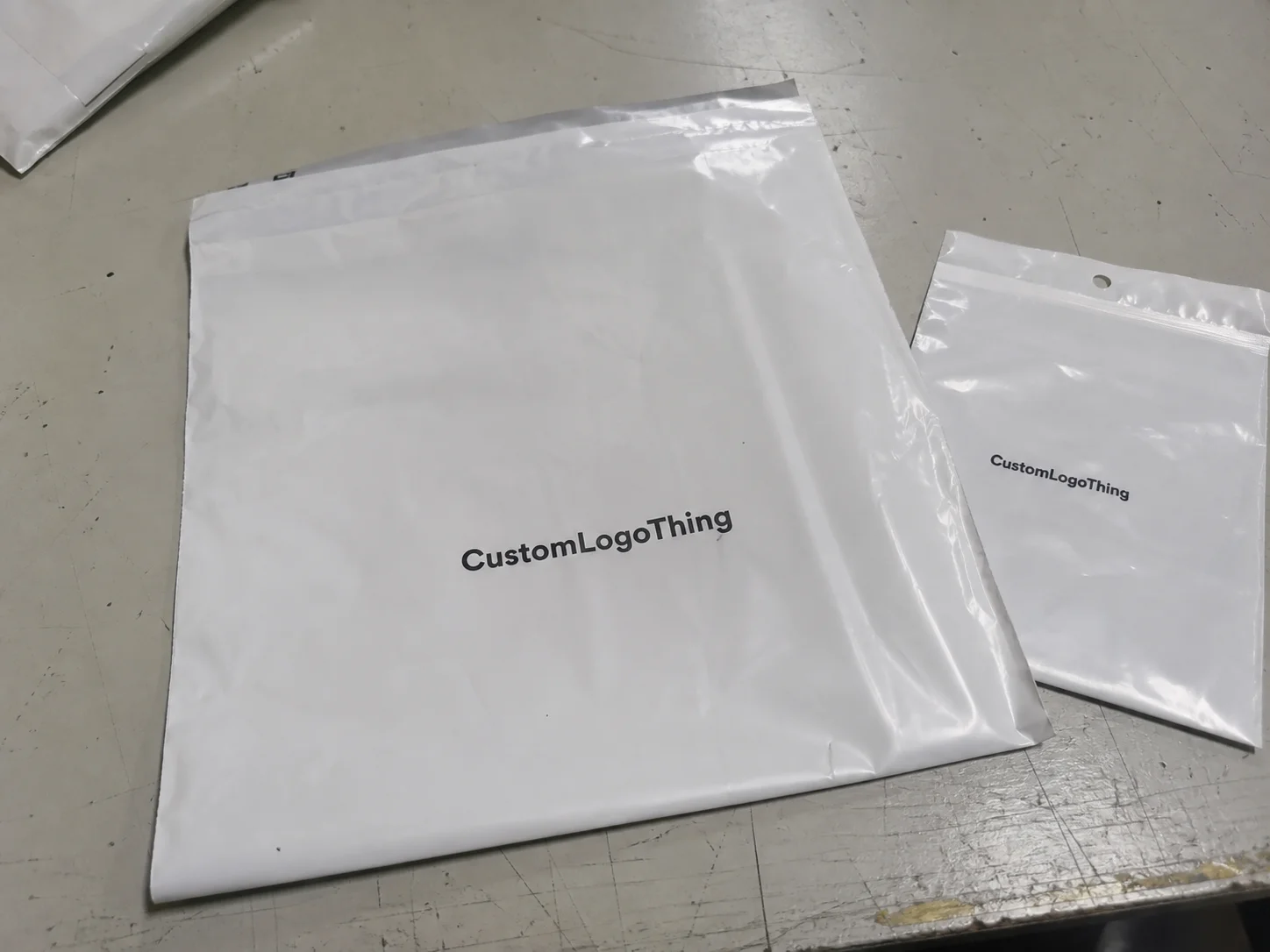
A thinner mailer is not automatically a cheaper mailer. A 2.5 mil film may quote lower than a 3.5 mil version, but if it tears more often, deforms in transit, or forces less efficient carton packing, the savings can disappear fast. Poly mailers are volume-sensitive goods, so small changes in thickness, folding, carton count, or bag size can alter freight economics.
The better question is whether the bag survives the journey without creating downstream work. If a cheaper spec increases damage claims, repack labor, or return processing, the real cost rises. For lightweight apparel, thinner film can be enough. For denim, bundled orders, shoes, or accessories with sharp edges, the margin for error is much smaller.
“Compare the quote as a system, not as a sticker price. Film weight, carton count, packing method, and freight basis can move the total more than the print itself.”
To compare suppliers cleanly, ask each factory to quote the same finished size, thickness, print coverage, carton pack, and delivery term. Only then do the numbers mean anything. If one supplier cannot quote on the same assumptions, the gap is probably in the paperwork, not the price.
Transit standards help frame the discussion. ISTA references are useful for distribution testing language, and ASTM methods are commonly used for tensile, tear, and related film checks. Those standards do not choose the spec for you, but they give the buyer and factory a shared vocabulary when the package needs to perform in the real world.
Build Choices That Turn a Mailer Into a Brand Asset
The build starts with film type. Standard co-extruded polyethylene is the baseline for most mailers because it is cost-efficient and flexible enough for general apparel use. Recycled-content film can support a sustainability claim, but only if the supply chain can document the input and the claim is written carefully. Matte finishes soften the look and usually read as more premium. Gloss finishes give sharper color and can make simple branding feel more deliberate.
Thickness is the next decision. Many boutique programs sit in the 2.5 to 4 mil range, but the correct point depends on the product and the abuse expected in transit. Lightweight knitwear and soft goods may ship well in thinner film. Heavier garments, hard accessories, and mixed-item bundles usually need more body to avoid punctures and stretching at the seams.
Closure style matters more than buyers expect. A standard peel-and-seal strip is enough for one-way shipping, but a dual adhesive strip helps when the mailer is meant to be reused for returns. Tear notches improve opening behavior. Gussets add capacity, though they also increase material use and can change carton dimensions.
Boutique brands usually get the best result from restraint. One or two print colors, a clean logo layout, and a film spec that feels intentional often outperform a crowded design that adds cost without adding meaning. The strongest mailers are not the most complicated ones. They are the ones that match the product and the shipping reality without overbuilding either.
Boutique Buyer Custom Poly Mailer Bags Factory Quote Checklist
This is the part that saves time and prevents apples-to-oranges pricing. A useful checklist forces every factory to answer the same set of questions in the same order. Without that structure, one supplier quotes a bare bag, another includes artwork setup, and a third assumes a different film thickness or packing method.
Send these inputs before requesting pricing:
- Finished size, including width, length, and gusset if needed.
- Film thickness, stated in microns or mils.
- Print method, number of colors, and print coverage area.
- Closure type, such as peel-and-seal, dual strip, or custom adhesive.
- Quantity by SKU and total order volume.
- Packing format, including inner pack count and outer carton count.
- Shipping destination and Incoterm or freight basis.
- Artwork status, including whether files are final or still being edited.
Then ask what the quote includes. Does it cover plates, cylinders, or tooling? Is proofing included, and how many revisions are allowed? Are there charges for file cleanup, color correction, or prepress work if the artwork is not press-ready? If the factory uses digital print, ask whether file preparation or variable setup charges apply. A cheap quote that hides those costs is not cheap by the time the order is approved.
| Spec Tier | Typical Use | Typical MOQ | Indicative Unit Range | What Moves the Price |
|---|---|---|---|---|
| Basic white mailer, 1-color print | Light apparel, simple DTC orders | 5,000-10,000 pcs | $0.15-$0.24 | Size, thickness, carton pack, freight basis |
| Matte or colored mailer, 2-color print, return strip | Boutique fashion, beauty, accessories | 5,000-8,000 pcs | $0.22-$0.36 | Print coverage, finish, adhesive strip, opacity |
| Premium mailer, full coverage print, custom structure | High-touch retail packaging and subscription brands | 8,000-20,000 pcs | $0.32-$0.55 | Gusset, recycled content, special finish, QA intensity |
Those figures are directional, not fixed. A smaller order with a heavy spec can cost more than a larger order with a simple one, and freight can move the total materially. A disciplined buyer asks for the same template from every supplier, then compares the responses line by line. That is the fastest way to see whether the difference is genuine efficiency or simply an incomplete quote.
Quote, MOQ, and Unit-Cost Breakpoints to Verify
MOQ is where boutique buyers often lose leverage. Lower quantities usually carry a higher unit price because setup, print preparation, and quality checks are spread across fewer bags. That does not mean a larger order is automatically the better decision. It means the buyer needs to know where the next price break sits and whether that break actually helps cash flow, storage, and demand planning.
Common breakpoint behavior is predictable. A 5,000-piece order often absorbs most of the setup burden, while 10,000 pieces can drop the per-unit cost noticeably. Past a certain point, the savings flatten. If the supplier pushes you to double the quantity without showing the delta, ask for landed cost at each tier. Sometimes the larger order is clearly better. Other times it just turns working capital into inventory.
Break the quote into separate lines so the structure is visible:
- Product cost
- Artwork or setup cost
- Sampling cost
- Freight
- Duties and local delivery
- Remake or rejection policy
That split matters because a low unit price can hide a high freight floor or an expensive sample path. Transparent costing is a sign of operational discipline. It also tells you whether the plant knows how to quote packaging in a way that reflects the real shipment, not just the print line.
For brands that sell apparel, cosmetics, or small accessories, watch for hidden minimums tied to artwork changes. A factory may be comfortable with one film base but require a fresh setup for a different color, coating, or print panel. That is not a problem by itself. It becomes one when the buyer learns about it after proof approval.
If the program has sustainability requirements, ask for the actual recycled-content percentage and the documentation behind the claim. If the quote includes paper inserts or paper-based outer packaging, use the right chain-of-custody paperwork from FSC where applicable.
Production Steps and Lead Time From Proof to Dispatch
A credible factory should be able to map the job from brief to shipment. The sequence is usually straightforward: brief, artwork receipt, proof, sample or preproduction confirmation, approval, print, curing or drying, inspection, packing, and dispatch. If any of those stages are missing from the timeline, the schedule is probably optimistic.
Lead time changes with method and complexity. Simple repeat orders can move in about 12 to 15 business days after proof approval. More complex jobs, especially those with multiple colors, special finishes, recycled-content verification, or new tooling, usually take longer. Shipping then sits on top of production time. Air freight is faster but costly. Ocean freight lowers the transport bill but adds calendar time, customs processing, and more places for delay to appear.
The most common delay triggers are predictable:
- Artwork revisions after proofing has started.
- Poor file setup that forces prepress correction.
- Color matching disputes between screen and film.
- Late approval from the buyer side.
- Packaging changes after materials are already reserved.
Ask the factory for dated checkpoints and a named owner who can confirm each stage. Good suppliers do more than promise a lead time. They manage it. If the order is part of a broader packaging rollout, align the mailer schedule with inserts, labels, and any related print items so one delay does not slow the rest of the program.
Do not cut inspection just to save a day unless the order is extremely simple and low risk. A rushed run can pass a visual check and still fail on seal strength, print registration, or bag consistency. That is not a scheduling win. It is a deferred problem.
Factory QA Checks That Reduce Defects and Delays
Quality control for poly mailers is not abstract. It is a short list of checks that prevent expensive surprises. Start with print registration. Logos should sit where the proof shows them, and repeated elements should not drift across the run. Then check seal strength. A bag that opens in transit becomes a customer service issue, a loss issue, and sometimes a chargeback issue.
Thickness tolerance matters too. A spec that says 3 mil should not arrive all over the map. If the factory uses film with a wider tolerance range, ask how they control lot variation and what they do when a batch falls outside the target. Finish consistency is equally important for premium retail packaging. Matte should look matte. Gloss should be even.
Request evidence before shipment. Good factories can provide pre-shipment photos, lot numbers, and an inspection summary. For larger orders, third-party inspection is often worth the cost because it is cheaper than a remake. Some buyers also ask for ISTA-aligned handling checks when the mailer is part of a larger distribution program.
Environmental claims deserve the same scrutiny as print claims. If a supplier says “recycled,” ask for the percentage and the documentation behind it. If the order includes paper components, ask for the relevant chain-of-custody proof. Slow answers are a warning sign. In packaging, slow communication often mirrors slow control on the production floor.
What to Send for Fast, Comparable Quotes
If you want pricing that can actually be compared, send a complete brief. Include the finished size, quantity by SKU, artwork file, color references, target ship date, delivery address, and intended product use. A mailer for a folded knit shirt is not the same as a mailer for a boxed serum set, and the factory needs that context to Choose the Right structure.
Ask each supplier to return an itemized quote with these fields:
- Unit price by quantity tier
- Setup or plate cost
- Sample cost
- Shipping basis
- Estimated lead time
- Remake policy
- Artwork revision limit
Then ask for one proof, one timeline, and one final approval checkpoint before production starts. That simple structure prevents most quote-to-order confusion. For buyers building a broader packaging stack, the same approach helps with custom printed boxes, labels, and other branded packaging items. Consistency is where the savings show up, not in a single isolated purchase.
The best factories do not hide behind vague language. They tell you what they need, what they can hold, and where the cost breaks sit. That is why the checklist is more than a worksheet. It is the fastest way to compare suppliers on actual value, not wishful pricing.
What should a boutique buyer compare in a factory quote?
Compare finished size, film thickness, print coverage, and closure type first, because those drive the real cost. Then verify carton count, shipping basis, and whether the quote includes tooling, samples, and remake terms. If the suppliers are not quoting the same assumptions, the numbers are not comparable.
How does MOQ affect unit cost for boutique custom poly mailers?
Lower MOQs usually carry a higher unit price because setup and print costs are spread across fewer bags. Ask where the next price break begins, since a slightly larger order can reduce total landed cost. Also check whether the factory has separate minimums for artwork, plates, or packing changes.
What artwork files do factories need?
Send a vector logo file when possible, along with clear color references such as Pantone or CMYK values. Confirm bleed, safe area, and any print limits before proofing starts. Ask the factory which file format they prefer so you do not lose time in revision loops.
How long is the typical lead time after quote approval?
Lead time usually includes proofing, sample approval, production, inspection, and shipping, so each stage should be dated. Artwork changes and color corrections are the most common delay points. Request a milestone schedule from the factory before the order is placed.
What hidden fees should I watch for in a factory quote?
Watch for tooling, plate charges, sample fees, freight upgrades, and remake charges. Ask whether shipping, duties, and local delivery are included or billed separately. Confirm whether revisions after proof approval trigger extra cost.
Use the checklist before proof approval, compare every quote on the same assumptions, and treat the final number as a landed-cost decision rather than a unit-price headline. That is the safer way to buy Custom Poly Mailers without paying for avoidable surprises.


