Buyer Fit Snapshot
| Best fit | Branded Belly Bands for Boxes projects where brand print, material claims, artwork control, MOQ, and repeat-order consistency need to be specified before quoting. |
|---|---|
| Quote inputs | Share finished size, material target, print colors, finish, packing count, annual reorder estimate, ship-to region, and any compliance wording. |
| Proofing check | Approve dieline scale, logo placement, barcode or warning zones, color tolerance, closure strength, and carton packing before bulk production. |
| Main risk | Vague material claims, crowded artwork, missing packing details, or unclear freight terms can make a low unit price expensive after revisions. |
Fast answer: Branded Belly Bands for Boxes: Board, Finish, Dieline, and Unit Cost should be specified like a repeatable production item. The safest quote records material, print method, finish, artwork proof, packing count, and reorder notes in one written spec.
Production checks before approval
Compare the actual filled-product size with the drawing, then confirm tolerance on folds, seals, hang holes, label areas, and retail display edges. Reserve space for logos, QR codes, warning copy, and material claims before decorative graphics fill the panel.
Quote comparison points
Review material grade, print process, finish, sampling route, tooling charges, carton quantity, and freight assumptions side by side. A quote is only useful when the supplier can repeat the same color, closure quality, and packing count on the next order.
Branded belly bands for boxes can turn a plain shipping carton into something that feels intentional in seconds. That is the appeal. The box stays the same, but the printed wrap adds structure, color, and a point of view without forcing you into a fully printed carton for every shipment.
I have watched more than one brand spend money on custom boxes they did not really need. Usually, the better first move was a band. Branded belly bands for boxes give packaging teams a way to create a finished look, support a launch, and avoid getting buried under half-used carton inventory that never quite finds a home.
If you are trying to balance brand impact, unit cost, and lead time, branded belly bands for boxes deserve a serious look. They are simple in theory. In practice, the details matter: stock choice, artwork layout, overlap, finishing, and how the packout behaves once it leaves the bench. Get those parts right and the box looks more expensive than it was. Miss them and the package reads rushed. Packaging has a habit of showing the shortcut.
Branded Belly Bands for Boxes: What They Do and Why They Work
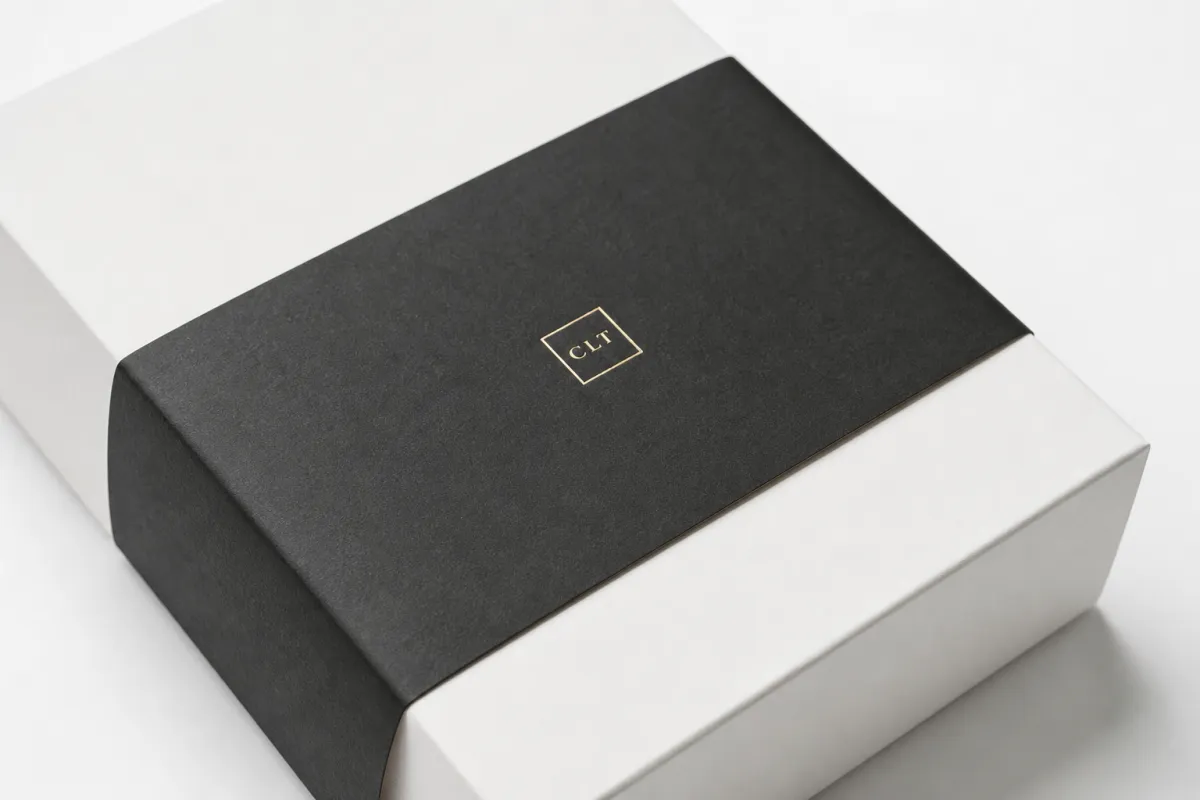
A belly band is a printed strip that wraps around a box, sleeve, or product set without replacing the carton itself. With branded belly bands for boxes, you get a layer of identity that can carry a logo, pattern, offer code, product name, or short instructions. The band can run horizontally, vertically, or across the lid seam, depending on the package shape and the effect you want.
That matters because branded belly bands for boxes solve a common packaging problem: many brands want a more premium presentation, but they do not need a fully printed carton for every order. A full custom box makes sense when volumes are stable and the design stays in rotation. If you run frequent launches, seasonal offers, regional variations, or changing product sets, inventory gets messy fast. One neutral box size with changeable bands is far easier to manage.
That is where branded belly bands for boxes earn their keep. You can stock one plain carton and swap only the printed wrap when the campaign changes. Less clutter. Fewer dead boxes on the shelf. Fewer decisions for the fulfillment team. Marketing also gets room to test messages without committing to a huge carton run. If the offer changes every quarter, the band changes with it. Practical, and a little more graceful than trying to rebrand an entire warehouse overnight.
There is another benefit people miss. A belly band creates a defined brand zone on the package, which helps the box feel consistent even when the contents change. That is useful for subscription brands, kitted product lines, and retail ship-to-home orders where the outer package has to do more than a plain brown box. For examples of how branded packaging supports different packouts, see our Case Studies and compare how the format shifts from one campaign to another.
A belly band should make the box look deliberate. It should not fight the carton, the tape line, or the insert layout.
That is the core promise behind branded Belly Bands for Boxes: a cleaner presentation, better campaign flexibility, and a lower entry cost than a full printed box. The tradeoff is that the band has to be sized and finished well enough to survive handling. If it curls, scuffs, or opens at the seam, the premium effect disappears fast.
Used well, branded belly bands for boxes give you an efficient packaging layer that scales by quantity and shifts by design. Used poorly, they become another loose piece of paper in the workflow. The difference usually lives in the details, and the details are not always glamorous.
How Branded Belly Bands for Boxes Work on Real Shipping Cartons
In real production, branded belly bands for boxes are usually printed as a narrow strip that wraps around the outside of the carton and closes with tuck-in overlap, glue, or tape on the back side. The band may be scored or folded so it sits flatter around the box corners. On a good build, the front panel looks crisp, the seam lands out of view, and the package reads clearly the moment it reaches a shelf or doorstep.
Placement changes the entire feel. A centered logo on the top panel gives a direct branded look. A band crossing the lid seam can visually seal the box and make opening feel more intentional. A longer wrap can hold tissue, inserts, or coupons in place. Some brands also use branded belly bands for boxes to carry a QR code or handling note, which works well if the layout is planned before the dieline is finalized. Planning after the fact usually ends with someone moving a logo two millimeters for the fifth time.
Hand application versus machine-assisted application is another practical choice. For smaller runs, a trained packer can apply branded belly bands for boxes by hand without much trouble, especially if the band has a simple seam and the box size does not change. For higher volumes, a semi-automated wrap station or application jig can reduce labor and improve consistency. If you are shipping a few hundred units a month, manual application may be the most sensible path. If you are shipping thousands, labor math starts to matter quickly.
Branded belly bands for boxes do not replace carton strength. That sounds obvious, yet it gets forgotten constantly. The band is a branding layer, not structural packaging. The box still has to pass the basic survival test: stacking, vibration, corner crush, and handling through the carrier network. For rougher shipping routes, review the carton and packout against a standard such as ISTA shipping test methods. A beautiful band does nothing if the carton fails.
This is the kind of detail that can feel kinda fussy until you see what happens when a wrapped box arrives crushed and the seam has split. Then it stops feeling fussy very quickly.
Common use cases include:
- Subscription boxes that need campaign-specific artwork
- Kit packaging with multiple inner items bundled together
- Promotional mailers that change by season or offer
- Retail ship-to-home orders that need stronger shelf presence
- Gift sets where the outer wrap helps hold the contents neatly closed
The format works because branded belly bands for boxes are adaptable. They can be short and tight, long and decorative, or functional and information-heavy. The best version is usually the one that stays flat, lines up well, and does not require a small miracle from the fulfillment team every time it gets applied.
Branded Belly Bands for Boxes Cost, Pricing, and MOQ Factors
Pricing for branded belly bands for boxes comes down to a handful of variables: paper stock, print coverage, number of colors, finish, die cuts, folds, seam style, and final size. If the band uses a simple one-color logo on uncoated stock, the price can stay fairly modest. If it has full-bleed graphics, special coating, foil, or tight registration across a seam, the cost rises because production becomes less forgiving.
Small runs cost more per unit because the setup work gets spread over fewer pieces. That is not a secret. It is the same math behind most print packaging. For branded belly bands for boxes, the unit price usually drops once you move into repeatable quantities such as 250, 500, 1,000, and beyond. The jump from 250 to 1,000 can be large enough that it is worth asking for multiple price breaks before you decide on the first order size.
MOQ is often tied to print method. Digital printing is usually the friendliest path for lower quantities and design changes. Offset becomes more efficient once the run gets larger and color consistency matters. Flexo can be efficient at scale for simpler artwork and repeat programs. Branded belly bands for boxes often sit in that awkward middle zone where digital is convenient but offset starts to win on cost if the artwork will not change again soon.
| Quantity | Typical Method | Approx. Unit Cost | Best Fit | Tradeoff |
|---|---|---|---|---|
| 250 | Digital | $0.55-$1.20 | Launches, samples, small promo drops | Higher cost per piece, but less commitment |
| 500 | Digital or short-run offset | $0.30-$0.80 | Growing subscriptions, test campaigns | Setup costs still matter |
| 1,000 | Offset | $0.18-$0.45 | Repeatable programs, steady monthly volume | Artwork and proofing need to be locked |
| 5,000+ | Offset or flexo | $0.07-$0.18 | High-volume retail or subscription shipments | Less flexibility if the design changes late |
Those ranges are directional, not universal. Region, supplier, stock, finishing, and freight can move the numbers. A thicker paper, a soft-touch finish, or a more complex seam can push the price up. A simple one-color band with minimal coverage may come in lower. If you want a quote that is actually useful, give your supplier the exact box dimensions, the intended band size, quantity breaks, artwork size, finish preference, and shipping destination. A vague request gets a vague estimate, which is packaging's version of a shrug.
The cheapest quote is not always the best buy. If the stock feels flimsy, the ink rubs off, or the band has to be reworked by hand during assembly, the low price disappears fast. In that case, branded belly bands for boxes stop being a value choice and start becoming a labor problem. That costs more than paper ever did.
If you are comparing packaging formats, check our Custom Packaging Products for related box wraps, mailers, and branded print options. Sometimes the right answer is not a bigger box. Sometimes it is a better band.
Process and Timeline: From Artwork to Delivery
The production flow for branded belly bands for boxes is usually straightforward, but the steps need to happen in order. First comes discovery: box dimensions, application method, artwork goals, finish, and quantity. Then the dieline is built or confirmed. After that, artwork gets placed, proofs are reviewed, changes are made if needed, and the final files are approved. Only then should the order move into printing, finishing, packing, and shipping.
Timelines vary by method and complexity. Simple digital runs can sometimes move in 5-10 business days after proof approval. Standard offset runs often sit closer to 10-15 business days. Specialty finishes, complex folds, or larger volumes can push the schedule into the 15-20 business day range. Rush options may exist, but urgency usually raises cost and leaves less room to fix mistakes. Fast and cheap is a charming fantasy, like a cardboard box that survives a forklift.
Most delays happen because of preventable issues. Missing dielines slow artwork placement. Unclear box measurements create sizing questions. Slow proof approval can stall the queue. Last-minute copy changes waste time and can introduce setup errors. Branded belly bands for boxes work best when the box dimensions are finalized before design starts, not after the artwork is already half-built around a guess.
I once saw a launch slip four days because the team had measured the outer carton spec, not the filled box. The band had to be resized after proofing. Nobody was thrilled, and the fix was simple enough that the delay felt almost silly in hindsight. That is usually how these things go.
A good workflow looks like this:
- Measure the exact box, not the nominal size on the carton spec sheet.
- Confirm whether the band will wrap horizontally, vertically, or across the lid seam.
- Build the artwork around the dieline with clear safe zones.
- Approve the proof or sample before committing to the full order.
- Lock the production run and keep version control tight.
That sequence matters because branded belly bands for boxes are sensitive to tiny measurement errors. A quarter inch can decide whether the seam closes cleanly or buckles at the corner. If the application is hand-packed, allow room for human variation. If the boxes are machine-applied, the band needs even tighter consistency so the equipment does not fight the material.
The smartest timeline advice is simple: finalize measurements first, lock artwork second, approve a sample or proof third, and place the production order only after those pieces are settled. It sounds basic because it is basic. And the basic stuff is what keeps a packaging program from getting messy.
Choosing Materials, Size, and Finish for Shipping
Material choice changes how branded belly bands for boxes feel in hand and how they hold up in transit. For short runs or budget-sensitive projects, lighter text stocks can work well, especially if the band is mostly decorative. For a sturdier presentation, many brands move to 100 lb text, 120 lb text, or a 14pt cover stock. That extra stiffness helps the band stay flat and gives the printed surface a more substantial feel.
If sustainability matters, recycled papers and FSC-certified options are worth considering. The FSC chain-of-custody system is one of the clearer ways to support responsible sourcing claims, provided the supplier paperwork matches the material being used. If a printer cannot back up the claim with the right documentation, do not treat the logo as proof. Packaging buyers are paying attention now, and they should be.
Size is just as important as stock. A belly band that is too loose twists during handling. One that is too tight can bow at the seam or leave pressure marks on the box. The best approach is to measure the exact box width, depth, and perimeter, then add a sensible overlap for closure. As a rough starting point, many branded belly bands for boxes need a flat length equal to the box perimeter plus about 0.25-0.75 inch for overlap, depending on whether the seam is glued, tucked, or taped. The band width often lands somewhere between 2 and 5 inches, depending on how much artwork you want visible.
Finish choices are not just aesthetic. They affect color, abrasion resistance, and brand tone.
- Matte gives a clean, modern look and tends to hide minor handling marks better than gloss.
- Gloss makes color pop, but it can show scuffs and fingerprints more easily.
- Soft-touch feels premium, yet it is better for controlled handling than rough shipping routes.
- Uncoated gives a natural, tactile feel and works well for recycled or understated branding.
For shipping cartons that get stacked, sorted, or tossed around, durability usually matters more than a fancy tactile finish. That does not mean you should avoid nicer coatings. It means you should match the finish to the route. If the package is going straight from warehouse to customer with minimal abuse, a premium soft-touch band can be worth it. If it is going through a rougher fulfillment network, matte or uncoated may be the safer call.
Branded belly bands for boxes can also carry useful information if the layout is planned well. QR codes, return instructions, batch numbers, or a short message can all fit on the band if you leave enough space around the fold and seam. Just do not cram every available millimeter with copy. Tiny text on a wrapped package is a fast way to turn a nice idea into unreadable clutter.
Common Mistakes with Belly Bands That Waste Money
The biggest mistake with branded belly bands for boxes is measuring the carton too casually. "Close enough" is how you end up with a band that buckles, overlaps badly, or opens at the seam after a few boxes. Measure the exact production box, not the marketing name on the carton spec. Then confirm whether the box is fully loaded when the band is applied. A packed box can change shape enough to matter.
Another common problem is overloading the design. A belly band is not a full billboard. If you try to fit a giant logo, a paragraph of copy, several icons, legal text, and a QR code on a narrow band, you will probably end up with something that looks busy and reads poorly. Branded belly bands for boxes need hierarchy. One main message. One support message if needed. The rest can go elsewhere in the package.
Finish mistakes are also expensive. A coating that looks great in a flat proof can scuff during sorting, transit, or fulfillment. That is especially true if the band slides against recycled corrugate or another printed surface. If the package will move through a high-friction workflow, ask for a sample and test for rub resistance before you place a larger order. I have seen a beautiful soft-touch finish get marked up by plain cardboard dust, which is not exactly the glamorous failure mode anyone wants.
Do not skip a physical sample if the goal is a premium unboxing moment. A mockup on-screen cannot show how the paper behaves around corners, how the seam closes, or whether the band sits flush once the box is filled. And if multiple packers will apply the bands, sample the workflow with real people. One person may make the wrap look perfect. Five people on a busy shift may not.
Supply planning is the last mistake that keeps showing up. Brands sometimes order just enough branded belly bands for boxes for the first campaign drop, then the product sells better than expected and the reprint becomes a scramble. That can lead to rushed reorders, higher unit prices, and version-control mistakes. It is usually smarter to forecast a little ahead, especially if the design is likely to stay in rotation for more than one release cycle.
Here is the short version: bad measurements, crowded design, weak finish selection, skipped samples, and poor volume planning are the five classic ways branded belly bands for boxes waste money. None of them are glamorous. All of them are avoidable.
Expert Tips and Next Steps for Better Results
Start with one box size and one product family before you scale branded belly bands for boxes across every shipment. That keeps the variables under control. If the wrap works on a 10-count kit box, you can adapt it later for the smaller or larger configurations once you know the real application speed and alignment tolerance.
Build a simple spec sheet before requesting quotes. Include box dimensions, band placement, artwork zone, quantity targets, desired finish, and shipping destination. If the band needs to hold an insert, say so. If the box will ship internationally, say that too. The more exact the brief, the less time gets wasted on back-and-forth that should have been obvious from the start.
Testing a small batch on real packed boxes is still the best money you can spend. Check for alignment, rub resistance, seam closure, and application speed. If the band drifts when it is wrapped by hand, that problem will only grow at scale. If the finish smudges after a few passes through the warehouse, fix that Before You Order in volume. Branded belly bands for boxes are cheap to print compared with the cost of rework.
If you are not sure about the substrate, order material samples from two or three options. Compare a premium coated stock, a recycled uncoated stock, and a more economical utility stock side by side. Hold them. Fold them. Wrap them around the actual carton. That test tells you more than a polished render ever will. For a practical packaging comparison, our Custom Packaging Products pages can help you narrow the format before you commit.
A useful rule of thumb: if branded belly bands for boxes are doing the job well, the package should feel deliberate before it is opened and tidy after it is handled. No wobble. No loose seam. No design chaos. Just a clean outer layer that makes the box feel branded without forcing you into a full custom carton program too early.
If you want the shortest path to a better result, measure carefully, sample early, and test branded belly bands for boxes on real packed shipments before you scale them across every order. That is the boring answer, and it is usually the right one.
What are branded belly bands for boxes used for?
They add branding without changing the actual shipping carton, which makes them a practical option for launches, subscription programs, and bundled product sets. Branded belly bands for boxes can also hold inserts, seal the package visually, or organize a group of items so the outer presentation feels more finished. They are a good fit when you want the package to look custom but do not want the cost or inventory burden of a fully printed box.
How much do branded belly bands for boxes usually cost?
Pricing depends on stock, print coverage, finish, size, and quantity. Small runs usually cost more per unit, while larger quantities bring the unit price down fast. As a rough market range, lower-volume digital runs can land around $0.55-$1.20 per piece, while higher-volume offset or flexo runs can drop much lower. A useful quote should show price breaks at multiple volume levels so you can compare the real cost of scaling branded belly bands for boxes. Treat any estimate as a starting point, not a promise.
What size should I order for my box belly band?
Measure the exact box dimensions, not the box name on the spec sheet. Then add enough room for overlap or closure without making the band loose. A belly band that is too tight will bow or split at the seam, while one that is too loose will twist during handling. The safest move is to test one sample on a packed box before you lock the full order for branded belly bands for boxes.
How long does production take for belly bands?
Simple digital jobs can move quickly once artwork is approved, sometimes in about 5-10 business days. Larger or more complex runs can take 10-15 business days or longer, especially if specialty finishes are involved. Delays usually come from proof changes, missing measurements, or slow approvals. If the timeline is tight, build in a little buffer so branded belly bands for boxes do not become a last-minute scramble.
Are branded belly bands for boxes better than stickers or sleeves?
Branded belly bands for boxes are better when you want a premium wrap with less material than a full sleeve. Stickers are cheaper, but they usually feel less polished and give you less branding space. Full sleeves cover more surface area, but they cost more and use more stock. If you want a clean middle ground that still looks intentional, branded belly bands for boxes are often the smarter buy.