Buyer Fit Snapshot
| Best fit | Branded Carton Sleeves with Die Cut projects where brand print, material claims, artwork control, MOQ, and repeat-order consistency need to be specified before quoting. |
|---|---|
| Quote inputs | Share finished size, material target, print colors, finish, packing count, annual reorder estimate, ship-to region, and any compliance wording. |
| Proofing check | Approve dieline scale, logo placement, barcode or warning zones, color tolerance, closure strength, and carton packing before bulk production. |
| Main risk | Vague material claims, crowded artwork, missing packing details, or unclear freight terms can make a low unit price expensive after revisions. |
Fast answer: Branded Carton Sleeves with Die Cut: Board, Finish, Dieline, and Unit Cost should be specified like a repeatable production item. The safest quote records material, print method, finish, artwork proof, packing count, and reorder notes in one written spec.
Production checks before approval
Compare the actual filled-product size with the drawing, then confirm tolerance on folds, seals, hang holes, label areas, and retail display edges. Reserve space for logos, QR codes, warning copy, and material claims before decorative graphics fill the panel.
Quote comparison points
Review material grade, print process, finish, sampling route, tooling charges, carton quantity, and freight assumptions side by side. A quote is only useful when the supplier can repeat the same color, closure quality, and packing count on the next order.
Branded Carton Sleeves with Die Cut: Design Basics
A plain carton can go from forgettable to retail-ready the moment branded carton sleeves with die cut are wrapped around it with the right opening, window, or grip point. That small shift can reveal part of the product, improve how the pack is handled, and give the shelf face a cleaner brand moment without forcing a full box redesign. For packaging teams, that is exactly why branded carton sleeves with die cut deserve careful planning instead of a quick artwork pass.
At the most basic level, branded carton sleeves with die cut are simple: a printed sleeve wraps an existing carton, and a die cut introduces a deliberate opening, window, handle, hang point, or view feature. The value does not come from the cut alone. It comes from how the cut supports the product story, the structure, and the buyer's eye. When those three pieces work together, the sleeve can do more selling at shelf level while staying practical in production.
That balance matters because the format shows up across cosmetics, supplements, specialty foods, gift kits, and small electronics, where presentation and function both count. In practice, branded carton sleeves with die cut often solve a familiar problem: a brand wants a stronger retail impression, but the base carton is already approved, already stocked, or already costed into the line. A well-designed sleeve upgrades the pack without forcing a rebuild from scratch.
Here, the focus stays on the practical side of branded carton sleeves with die cut rather than the polished sales language. The details that matter most are the material, the fit, the cut placement, the print finish, and the way all of those choices behave once the package is folded, filled, shipped, and handled by people who are not babying it on a design desk.
I have seen sleeves that looked perfect on a screen fall apart visually the second they were wrapped around a real carton, mostly because the cut was a few millimeters off or the board flexed more than expected. That kind of mismatch is easy to miss early, and it is exactly why the structural side deserves as much attention as the artwork.
Branded Carton Sleeves with Die Cut: What They Are
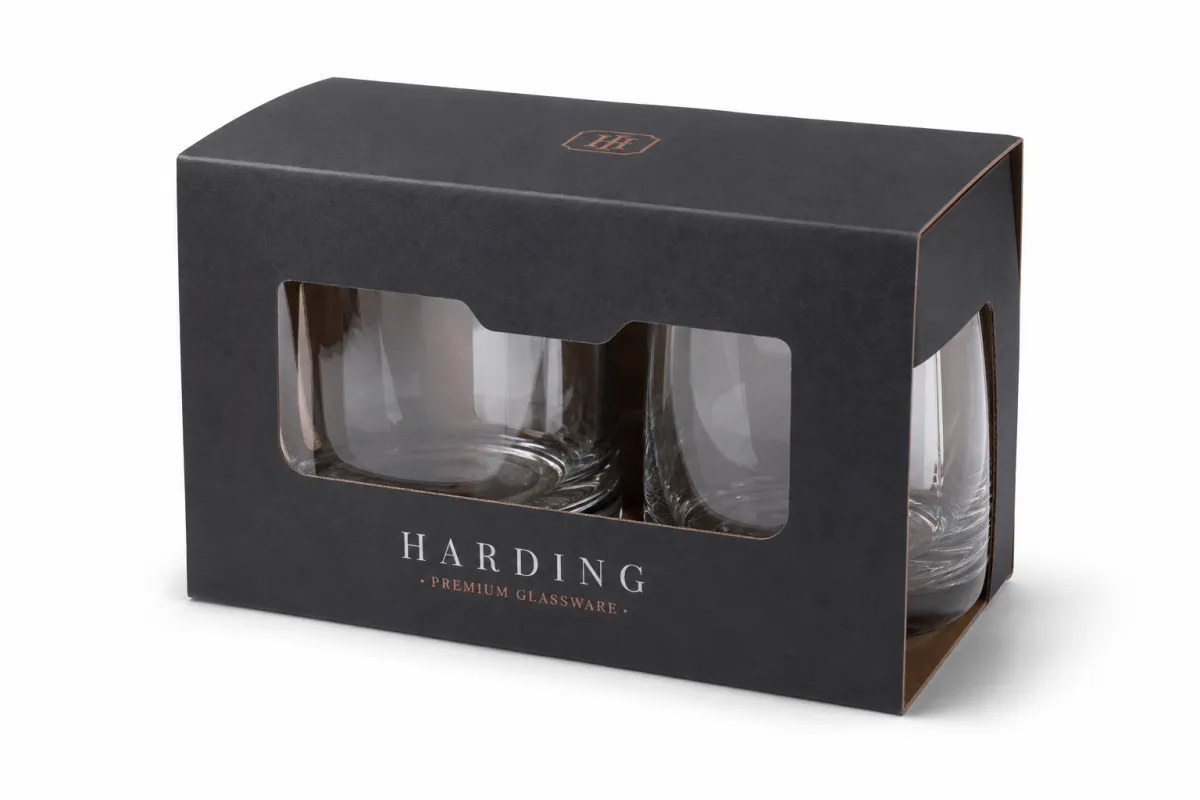
Branded carton sleeves with die cut are easiest to picture as two packaging jobs happening at once. The carton still carries the product and provides the main structure, while the sleeve carries the branding, the messaging, and often the visual reveal. That separation is useful because it lets a company keep a stable internal box format while changing the external look for a promotion, a seasonal line, a retailer-specific package, or a premium product tier.
The sleeve itself is usually a printed paperboard or folding carton wrap that slides around the carton body. The die cut is the intentional shape removed from, or formed into, that wrap. Sometimes it is a window that lets shoppers see color, texture, or fill level. Sometimes it is a handle or a finger notch that makes opening easier. In other cases, it is a hang point for peg display, or a reveal cut that frames the product name and turns a plain face into a stronger branded statement. That is why branded carton sleeves with die cut can feel much more custom than they actually are.
Many buyers overlook one simple point: the sleeve does not need to do everything. It only needs to do one or two jobs extremely well. A strong design keeps the structure straightforward, then uses the cut to sharpen the shopper experience. If a cut helps visibility, grip, or shelf impact, it earns its place. If it only exists because it looked cool in a mockup, it is gonna spend money without returning much. With branded carton sleeves with die cut, the best examples are the ones that make the package easier to understand from a few feet away.
Common use cases include:
- Cosmetics and personal care, where a window can show the bottle, tube, or jar shape.
- Supplements, where the sleeve can improve brand presence while leaving the carton format unchanged.
- Specialty foods, where a cut-out can reveal the product or create a premium gift look.
- Gift kits and samplers, where the sleeve helps organize the set visually.
- Small electronics and accessories, where a die cut can support hanging display or quick product identification.
That structure is why branded carton sleeves with die cut are such a practical choice for teams that want better shelf appeal without a full structural redesign. The carton stays dependable. The sleeve does the branding work. The die cut adds a deliberate moment of function or reveal.
One useful way to think about it is this: the carton protects, the sleeve persuades, and the die cut focuses attention. When those three roles are clear, the package feels intentional instead of crowded.
A sleeve should feel like a tailored jacket, not a loose band. If the fit is off, people notice before they notice the branding.
How Branded Carton Sleeves with Die Cut Work
The production path for branded carton sleeves with die cut usually starts with one basic question: what are the finished carton dimensions, and where does the sleeve need to sit? From there, a dieline is built to match the flat layout of the wrap. That dieline defines the bleed, the safe zones, the folds, the glue area if there is one, and the cut path that determines how the artwork will land once the sleeve is wrapped. If any of those pieces are off, the final piece can look shifted even when the print itself is perfect.
Die placement matters just as much. On paper, a window or handle may look centered. On the actual carton, the score line, flap overlap, or tuck closure can move the visual balance a few millimeters one way or the other. With branded carton sleeves with die cut, a few millimeters is not a small thing. It can decide whether the design feels clean and premium or slightly improvised.
Once the artwork is approved, the job moves into print and converting. Shorter runs may go digital, which is useful for pilots, seasonal tests, or multiple SKUs with small differences. Larger runs often move to offset or flexo, depending on the board, coverage, and line speeds. After print, the sheet is cut and scored so the sleeve folds neatly around the carton without cracking at the folds or bunching at the corners. A well-made sleeve should wrap with minimal friction and stay aligned after assembly.
Finishing adds the last layer of character. Some branded carton sleeves with die cut use a matte varnish for a calm, refined look. Others use gloss coating, soft-touch lamination, foil stamping, embossing, or spot varnish to create contrast around the cut area. Each finish changes how the surface handles light, how the sleeve resists scuffing, and how expensive the piece feels in the hand. The goal is not to stack effects for the sake of it. The goal is to choose one or two finishes that support the brand story and the production reality.
Appearance and manufacturability are not the same thing. A design can look elegant on a screen and still be difficult to convert if the cut sits too close to the fold or the window interrupts a critical panel. Good production thinking makes the difference. In strong branded carton sleeves with die cut, the artwork follows the structure rather than fighting it.
For teams who want to validate handling and shipping behavior, packaging test methods referenced by ISTA are a sensible benchmark, especially for retail packs that need to survive parcel distribution, stacking, and vibration. That kind of testing is not required for every sleeve, but it is the right habit when the package is going through multiple hands before it reaches the shopper.
Key Factors That Shape the Final Sleeve
Branded carton sleeves with die cut live or die on a handful of practical decisions. The first is the board. Paperboard weight, stiffness, coating, and fold performance all affect whether the sleeve feels solid in the hand or soft in a way that reads as cheap. Heavier board can feel more premium, but only if the scores are strong enough to let it fold cleanly. A board that is too thick for the design can crack at the bend lines and make assembly unpleasant. A board that is too light can bow around the cut, especially if the sleeve has a wide window or a large opening.
The second factor is the shape of the die cut itself. The cut should support the product story, not just decorate the panel. A reveal cut can frame a logo, a product silhouette, or a texture that matters to the buyer. A handle cut can make the package easier to carry, but it also needs enough surrounding material so the sleeve does not tear under load. With branded carton sleeves with die cut, shape is function as much as style.
Fit is the third factor, and it is one buyers sometimes underestimate. If the sleeve is too loose, it can slide in transit, expose gaps, or drift off-center on the shelf. If it is too tight, it can scuff the carton, slow down packing, or buckle when the operator tries to assemble it. The right fit often depends on the actual carton tolerances, not just the nominal spec on a drawing. In practice, tolerances matter more than most people expect.
Branding hierarchy comes next. A sleeve has limited real estate, so the logo, product name, variant cue, compliance copy, barcode, and any claims need to be arranged with intent. The cut can draw attention to the brand block, or it can distract from it if the layout is crowded. Strong branded carton sleeves with die cut usually leave generous breathing room around the main message so the opening feels premium, not busy.
There are also constraints that do not show up in the mood board. Barcode placement needs quiet space. Legal text cannot be hidden behind the cut. Retailers may have display requirements for hang tabs or shelf-ready presentation. If the cut exposes the contents, the exposed area needs to be clean and consistent across the full run. And if the product is sensitive to light, dust, or tamper risk, the design may need a clear barrier inside the window or a different opening strategy altogether.
- Board choice: match stiffness to handling and fold performance.
- Cut placement: keep openings clear of weak fold zones and high-stress corners.
- Fit tolerance: verify against actual cartons, not only nominal dimensions.
- Message order: keep the brand, product name, and required copy easy to read.
- Retail rules: confirm barcodes, tamper evidence, and shelf display needs early.
If the sleeve is for a brand that wants a certified paper source, it is worth checking chain-of-custody options through FSC. That does not automatically make a sleeve better in the hand, but it does give buyers a cleaner sustainability story and a more defensible material choice.
Branded Carton Sleeves with Die Cut: Cost and Pricing Factors
Price for branded carton sleeves with die cut is not driven by one number. It comes from a cluster of decisions that all stack on top of each other: quantity, board grade, print coverage, finishing, cut complexity, and whether the structure is a simple wrap or a more involved custom form. A clean, straightforward sleeve with light coverage is far easier to price than a high-coverage piece with foil, soft-touch coating, and multiple opening shapes.
The setup side matters too. Dieline creation, cutting forme setup, proofing, and any prepress correction can add real cost before the first finished piece is made. If the first version needs three rounds of changes because the carton dimensions were not locked early, that can slow the run and add overhead. The better the inputs, the cleaner the quote. That is true for almost every version of branded carton sleeves with die cut.
Unit pricing usually improves as the run grows, but not in a straight line forever. A 1,000-piece run often carries a much higher per-unit cost than a 10,000-piece run because the setup cost is spread over fewer pieces. At the same time, highly custom cuts, multiple versions, or premium finishes can push unit pricing back up even in large quantities. Buyers sometimes focus only on quantity, but the finish package and the die geometry can move the number just as much.
Here is a practical comparison that shows how different sleeve choices tend to behave. These are broad planning ranges, not fixed quotes, because final pricing depends on artwork coverage, board, finish, and run size.
| Option | Typical Setup | Approx. Unit Impact at 5,000 pcs | What Changes the Price Most |
|---|---|---|---|
| Simple wrap sleeve | Single dieline, standard print, minimal finishing | $0.14-$0.22 | Board grade, ink coverage, and pack-out speed |
| Window or reveal cut | Custom die cut plus standard print | $0.18-$0.28 | Cut complexity, scoring accuracy, and waste rate |
| Premium sleeve with coating | Custom cut, matte or gloss coating, higher coverage | $0.24-$0.38 | Finish type, color count, and defect tolerance |
| Soft-touch or foil-enhanced sleeve | Custom die, premium finishing, tighter inspection | $0.32-$0.55 | Foil area, lamination choice, and setup complexity |
There are also smart ways to save money without making the sleeve feel cheaper. Standardizing the sleeve size across multiple SKUs reduces tooling changes. Keeping the cut shape simple lowers waste and makes the converting step more efficient. Limiting the number of unique artwork versions helps the press run stay clean. And reducing heavy coverage on every panel can help with ink cost and drying time. Those are modest moves, but they add up across a run of branded carton sleeves with die cut.
When comparing quotes, make sure the comparison is fair. Ask whether the supplier included proofing, samples, tooling, freight, and finishing in the number. A quote that looks lower may simply leave out a line item that another supplier has already included. The cleanest way to compare branded carton sleeves with die cut is to ask every vendor to price the same board, the same finish, the same run size, and the same shipping assumptions.
For many buyers, a good target is not the lowest possible price; it is the most stable price that still gives the sleeve the right shelf presence. That distinction matters because a sleeve that saves two cents but tears, scuffs, or looks flat on shelf usually costs more in the long run.
Step-by-Step Guide and Timeline for Branded Carton Sleeves with Die Cut
The easiest way to keep branded carton sleeves with die cut on schedule is to move in a clear order. Start with discovery. Gather the finished carton dimensions, product weight, expected shipping conditions, target shelf environment, and any compliance rules before design starts. That includes things like barcode placement, warning text, ingredient blocks, or retailer-specific requirements. If the sleeve is being built for a gift line or a seasonal launch, the timing needs to reflect the selling window as well.
Next comes structural development. The sleeve layout should be approved before anyone falls in love with color choices. The cut location, fold lines, and wrap overlap need to be locked so the art can be built around real geometry rather than assumptions. At this stage, it helps to ask a simple question: where does the cut need to work, and what should the shopper actually see or feel through it? That keeps branded carton sleeves with die cut from becoming decorative shapes with no purpose.
After structure, move to proofing. A flat proof checks text, barcodes, legal copy, and panel placement. A physical mockup or sample is better for fit, fold behavior, and visual balance. Most packaging buyers learn very quickly that a structure can look tidy in CAD and still behave differently once it is wrapped, handled, and stacked. That is why sample approval is such a useful step, especially on the first run.
The production sequence is usually straightforward once everything is approved:
- Print the sheets or web to the approved artwork.
- Dry or cure the ink or coating as required by the process.
- Die cut the shape and crease the fold lines.
- Convert, glue, or pack the sleeves as specified.
- Inspect for register, cut quality, scuffing, and fold performance.
- Pack for shipment with the right case count and pallet plan.
Realistic timeline expectations matter. Simpler branded carton sleeves with die cut can often move from proof approval to finished goods in about 12-15 business days if materials are in stock and there are no major revisions. More complex jobs, premium finishes, special stock sourcing, or multiple proof changes can extend that timeline. It is not unusual for a heavily customized sleeve to take longer simply because the sample-and-approve loop is doing the right job.
For teams who want to compare production and sustainability choices, it also helps to think through material sourcing and waste. A recycled or FSC-certified board can support brand goals, but only if the sleeve still runs well on press and folds cleanly. Sustainable material that causes excessive spoilage is not a win. The best outcome for branded carton sleeves with die cut is a balance of clean converting, reasonable scrap, and a carton that survives the distribution cycle.
Common Mistakes with Branded Carton Sleeves with Die Cut
One of the most common mistakes with branded carton sleeves with die cut is starting the artwork before the carton size is truly locked. Even a small change in width or depth can move the cut, shift the logo, or break the visual rhythm of the panel. That is especially painful if the sleeve has a reveal window that needs to line up with a product feature. You can fix a lot of things in packaging, but you cannot pretend a moved cut was always supposed to be there.
Another frequent problem is placing the cut too close to a fold or edge. That creates a weak point, and weak points tend to show up during assembly, transport, or shelf handling. The sleeve can crack, tear, or bow in a way that makes the whole pack feel less controlled. With branded carton sleeves with die cut, the cut needs enough material around it to preserve strength. A stylish hole in the wrong place is still a structural problem.
Overcomplicated shapes are another trap. They can look impressive on a mockup, but the real package has to be printed, cut, folded, packed, and opened by actual people. Every extra point in the die adds potential for waste, setup issues, or tearing. There is a point where the sleeve stops helping the product and starts asking too much from the line. In most cases, simple geometry performs better than a shape that is trying too hard.
It is also easy to bury critical information behind the cut or build a design that is visually busy. A sleeve should help the shopper understand the offer quickly. If the branding is fighting with the reveal feature, the package loses clarity. The best branded carton sleeves with die cut make the eye move in a clear path: brand, product name, key cue, then reveal or handling feature.
Finally, too many teams stop at the digital mockup. That is a mistake. Test with actual samples. Wrap the sleeve around the carton. Hold it in your hand. Look at it under retail-style lighting. Stack it. Slide it into a shipper. See what scuffs. See what bows. What looks fine on a screen can behave differently the second the sleeve is made real.
- Lock carton dimensions before final artwork.
- Keep die cuts away from high-stress fold zones.
- Use the cut for a clear job, not decoration alone.
- Check legibility after the sleeve is wrapped.
- Approve a physical sample before production tooling is committed.
Most of the avoidable problems with branded carton sleeves with die cut are not design failures so much as coordination failures. The structure, the print, and the handling details were simply not asked to work together early enough.
Expert Tips for Better Branding, Fit, and Finish
If you want branded carton sleeves with die cut to feel genuinely premium, start with restraint. Let the cut do one clear job, then keep the rest of the graphics disciplined. A reveal window, finger notch, or hang point should guide attention toward the product or the message, not compete with it. Strong packaging is often less about adding more details and more about removing the few details that dilute the impact.
Material and finish should match the price point of the product. A soft-touch coat can make a sleeve feel quieter and more upscale. A matte varnish can make colors feel grounded and modern. An uncoated or lightly coated board can feel honest, natural, and more craft-driven. None of those is automatically better. The right choice depends on the brand promise. If the product is positioned as clinical and precise, an overly tactile finish may send the wrong signal. If it is meant to feel giftable, a plain board may underperform.
Build in enough structural margin around the cut. That matters most if the package will be stacked, shipped long distances, or opened and closed more than once. A sleeve with a generous frame around the cut tends to hold its shape longer and resist edge wear better. That is one reason branded carton sleeves with die cut often perform best when the opening is sized just large enough to create interest, but not so large that the panel loses its rigidity.
Get a print-and-fold mockup under real light. Color can shift, foil can catch glare, and small text can become less readable when the sleeve is wrapped around a carton. What looks refined in a digital file may look louder on the shelf if the gloss reflects directly into the shopper's eye. That is not a reason to avoid premium finishes. It is a reason to test them under conditions that resemble the real retail environment.
If a product family includes multiple SKUs, it usually helps to keep one base structure and vary only the graphics or the product callout. That reduces tooling complexity and gives the line a cleaner family resemblance. It also makes future replenishment easier. A shared structure with varied artwork is one of the simplest ways to keep branded carton sleeves with die cut efficient without making the range look repetitive.
Here is a useful benchmark for a well-executed sleeve:
- The cut feels intentional from the first glance.
- The sleeve wraps without fighting the carton.
- The logo stays clear near the primary viewing angle.
- The finish supports the product, not the other way around.
- The package can be packed and shipped without special babysitting.
For buyers who want to see how these decisions play out on real jobs, browsing our Case Studies can help. It is often easier to judge a sleeve after seeing how fit, finish, and print all behave together on an actual package rather than in a static mockup.
Next Steps for Planning Your Sleeve Project
The most productive way to start branded carton sleeves with die cut is to gather facts before anyone starts sketching. Measure the finished carton. Record the product weight. Note any shipping stress, shelf constraints, or retail display rules. If the package needs to survive parcel delivery, pallet stacking, or frequent consumer handling, say that up front. The better the brief, the better the recommendation on board, finish, and cut shape.
Then decide what the cut must actually do. Does it need to reveal the product? Create a handle? Improve ventilation? Add a hanging feature? Frame a logo? A sleeve with a clear job is much easier to design well than a sleeve that is trying to impress everyone in every direction. A focused brief usually leads to cleaner branded carton sleeves with die cut, better pricing, and fewer revisions.
Set a budget range and a run size. That helps the packaging partner recommend the most sensible material and finishing combination. A small run may justify digital print and a simpler board. A larger run may support offset printing, a custom die, and a more refined finish. The right answer depends on volume, shelf expectations, and the value of the product inside the carton.
Ask for a structural drawing and a sample or prototype before final artwork approval. That is the point where fit problems, panel crowding, and die placement issues become visible. It is much cheaper to move a cut line on a prototype than to explain to a warehouse team why an approved sleeve is fighting the carton on the packing line. Good planning keeps branded carton sleeves with die cut from turning into a repair job.
One final practical takeaway: the strongest results come when shape, print, and production are planned together from the start. A sleeve is not just a printed band, and a die cut is not just a decoration. The best branded carton sleeves with die cut feel like one coordinated packaging system, where the material holds, the artwork reads clearly, and the cut adds a useful brand moment without making the pack harder to use.
What products are best suited for branded carton sleeves with die cut?
Products that benefit from shelf visibility, a stronger retail face, or a useful opening feature tend to be the best fit. Cosmetics, supplements, specialty foods, small accessories, and gift kits are common candidates. Branded carton sleeves with die cut are also a smart choice when you want to refresh an existing carton without redesigning the full box structure.
How do you choose the right board for branded carton sleeves with die cut?
Start with the carton weight, the fold geometry, and how much stress the sleeve will see during packing and shipping. The board should be stiff enough to hold its shape but flexible enough to crease without cracking. Heavier boards can feel more premium, but they need careful scoring. A packaging supplier can match the stock to the application so branded carton sleeves with die cut perform well in production.
Are branded carton sleeves with die cut expensive?
They can be economical at scale, but the final price depends on quantity, board selection, print coverage, finishing, and cut complexity. Custom dies, foil, soft-touch lamination, and multiple versions raise the setup and unit cost. Standardizing the sleeve structure is one of the easiest ways to keep branded carton sleeves with die cut under control.
How long does it take to produce branded carton sleeves with die cut?
Timing depends on whether the sleeve is straightforward or highly customized, and whether a sample is needed before the full run. Artwork approval, structural review, and die setup are usually the biggest schedule drivers. For simpler projects, 12-15 business days from proof approval is a common planning range, while more complex branded carton sleeves with die cut can take longer if revisions or specialty finishes are involved.
Can branded carton sleeves with die cut be made with sustainable materials?
Yes, many can be produced with recyclable paperboard and water-based or low-impact coatings. The key is choosing a stock that still folds cleanly, protects the product, and survives handling. Reducing unnecessary lamination or extra layers can help lower material use without weakening the package. For many brands, sustainable branded carton sleeves with die cut work best when environmental goals and production performance are considered together.
Branded carton sleeves with die cut work best when the shape, the print, and the converting plan are treated as one package from the start. That is usually the difference between a sleeve that merely covers a carton and one that actually improves how the product looks, ships, and sells.
Related packaging resources
Use these related guides to compare specs, costs, quality checks, and buyer decisions before making the final call.


