Buyer Fit Snapshot
| Best fit | Branded Crash Lock Cartons Bulk for Shipping Operations projects where brand print, material claims, artwork control, MOQ, and repeat-order consistency need to be specified before quoting. |
|---|---|
| Quote inputs | Share finished size, material target, print colors, finish, packing count, annual reorder estimate, ship-to region, and any compliance wording. |
| Proofing check | Approve dieline scale, logo placement, barcode or warning zones, color tolerance, closure strength, and carton packing before bulk production. |
| Main risk | Vague material claims, crowded artwork, missing packing details, or unclear freight terms can make a low unit price expensive after revisions. |
Fast answer: Branded Crash Lock Cartons Bulk for Shipping Operations should be specified like a repeatable production item. The safest quote records material, print method, finish, artwork proof, packing count, and reorder notes in one written spec.
Production checks before approval
Compare the actual filled-product size with the drawing, then confirm tolerance on folds, seals, hang holes, label areas, and retail display edges. Reserve space for logos, QR codes, warning copy, and material claims before decorative graphics fill the panel.
Quote comparison points
Review material grade, print process, finish, sampling route, tooling charges, carton quantity, and freight assumptions side by side. A quote is only useful when the supplier can repeat the same color, closure quality, and packing count on the next order.
Branded Crash Lock Cartons bulk for shipping operations make sense when the packing bench has to keep moving, the box has to open fast, and the printed face still has to look consistent from the first pallet to the last reorder. The value is not only visual. Time saved at pack-out, protection in transit, and cleaner warehouse planning all show up in the same carton.
For Custom Logo Things, the right decision usually starts with the structure and ends with the artwork. A carton that folds quickly, seals properly, and stacks neatly on a pallet is easier to standardize across repeat runs, which is exactly where branded crash lock cartons bulk start earning their keep. The buyer is not just purchasing a printed box. The buyer is choosing a packaging format that supports speed, presentation, and repeatable fulfillment without making the team relearn the pack station every time a new order lands.
When a shipment becomes the first physical touchpoint after checkout, the carton carries more weight than many teams expect. A tidy logo panel, a clean board surface, and a base that locks square can make the whole order feel more deliberate. That matters in e-commerce, subscription packaging, retail replenishment, and any fulfillment workflow where the outer carton does more than hold product. Ordering branded crash lock cartons bulk is really a decision about speed, protection, and consistency, and those three factors usually matter more than polished language on a spec sheet.
In a busy pack room, the carton that saves a few seconds at every station can matter more than the one that looks impressive on a sample table.
Why branded crash lock cartons bulk reduce pack time
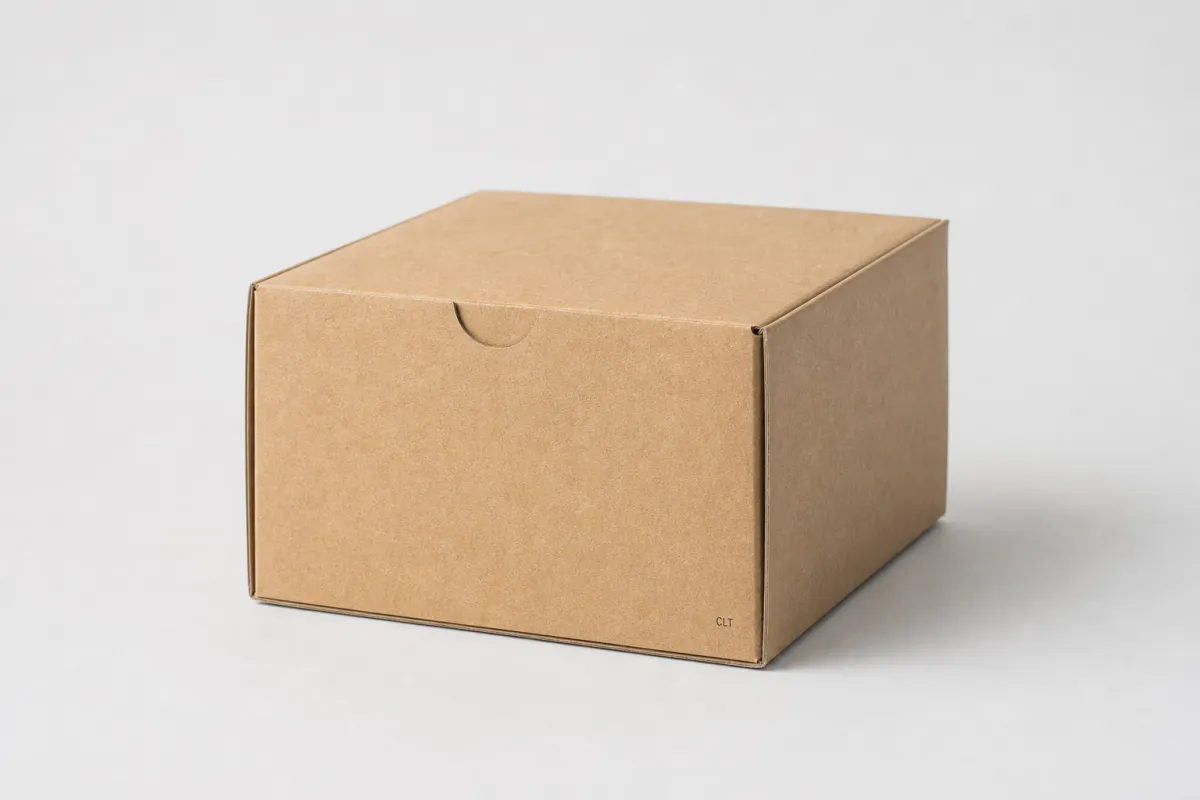
Once a shipping line starts moving at full speed, the small details turn into large gains. A crash lock base is one of those details. Instead of folding and tucking multiple bottom panels by hand, the carton arrives with a pre-glued base that opens into shape with a single pop. That means less manipulation at the station, fewer awkward movements for the packer, and less chance of building a carton that sits slightly out of square. Across every carton, every shift, and every pallet, branded crash lock cartons bulk make that advantage easy to measure.
From a packaging buyer's perspective, the time saving is not theoretical. I once watched a co-packer in the Midwest test two carton styles side by side on a morning run, and the crash lock version shaved a little over four seconds per unit. That sounds minor until the numbers get ugly in the best possible way: 4 seconds across 5,000 cartons is nearly 5.5 hours of labor. In other words, the box is doing real work. Over a bulk run, branded crash lock cartons bulk can pay for themselves through speed alone.
Standardization matters just as much. Once the carton size, print layout, and base style are approved, the team can keep the same pack flow from one repeat order to the next. There is less retraining, fewer mistakes, and less warehouse clutter because the same carton spec is being used instead of a mix of one-off sizes. In real fulfillment work, standardizing branded crash lock cartons bulk is often what keeps a line stable when volumes rise or promotional schedules shift.
Branding brings a second advantage that is easy to underestimate. A printed carton turns a utility item into part of the customer experience. The outer box can carry a logo, a short message, handling instructions, or a product line name, which means the shipping pack becomes part of the presentation. That helps when the carton is the first thing a customer sees after checkout, and it helps even more when the package moves through retail back rooms, distribution centers, or returns handling where the brand needs to stay visible.
The crash lock format does not have to look flashy to work well. A simple one-color logo on a clean board can feel more intentional than an overcrowded design. That is one reason branded crash lock cartons bulk appeal to practical buyers: the format supports a clean, efficient pack process while still giving the brand room to show up properly. It is packaging that earns its place by working and communicating at the same time.
Product details: how crash lock cartons are built
A crash lock carton is built around a pre-glued bottom that snaps into shape as the carton is opened. The structure is designed so the base panels self-lock instead of depending on a fully manual bottom fold. In many production environments, that is the difference between a pack station that feels smooth and one that gets slowed down by repetitive folding and checking. For branded crash lock cartons bulk, the construction has to support both structural load and print layout, so the dieline, glue pattern, and artwork placement all need to work together.
These cartons show up in e-commerce, subscription shipments, retail fulfillment, and any program where quick assembly matters. They also fit well when the product needs a carton that opens cleanly but still has a premium feel. A crash lock base is especially practical for small to medium sized goods, boxed sets, cosmetics, accessories, and lightweight consumer products. Heavier products change the picture fast, so the board grade and panel design become more important. That is why branded crash lock cartons bulk should always be specified against the actual packed item rather than a guess based on outer size alone.
Printing can be handled in several ways. Some buyers want a simple logo panel and leave the rest of the carton plain. Others ask for full-panel branding, product messaging, or a more complete retail look. Barcodes, handling notes, and orientation marks often belong on the carton too. The most efficient spec usually respects the real workflow. If the packer needs a barcode visible for scanning, or if the warehouse needs a clear product code, those elements should be placed early in the artwork process so branded crash lock cartons bulk do not create confusion later.
Finishing changes the final feel in a noticeable way. A matte aqueous coating can give the carton a clean, understated look. Gloss coating can make colors appear brighter and can help certain graphics stand out more sharply. Soft-touch lamination is sometimes used when the presentation needs a more premium surface, although that adds cost and can slow the run. An uncoated stock may be the better answer when the buyer wants a more natural appearance or intends to write on the carton. There is no universal best finish; the right choice depends on how the carton is handled, what is inside, and what the brand needs the customer to notice.
Construction also depends on the board type. For lighter products, a paperboard solution such as 16pt or 18pt SBS can work well when finish and print take priority. For shipping cartons that need more structure, E-flute or B-flute corrugated stock gives better protection and better stacking performance. That is where branded crash lock cartons bulk become a useful planning tool: the buyer can choose the structure that fits the product instead of forcing every product into the same package style.
If your team wants a broader view of how packaging decisions play out across repeat orders, our Case Studies page is a useful place to see how different carton structures support actual fulfillment goals. And if the packaging is part of a standing reorder program, our Wholesale Programs page explains how larger volume orders are usually organized.
For buyers who need a standards reference, the ISTA library is a solid place to look at distribution testing expectations, while the FSC site is useful when certified fiber sourcing matters to the procurement team. Those references do not replace a packaging spec, but they help align expectations before production starts.
Specifications that matter for branded crash lock cartons bulk
The most important specification is the internal dimension. Length, width, and depth should be confirmed against the actual packed product, then adjusted for inserts, tissue, protective wrap, or any other materials that go inside the carton. A box that is 2 millimeters too tight can slow packing, while one that is too loose can invite movement and raise damage risk. With branded crash lock cartons bulk, a clean spec sheet prevents that problem before tooling is released.
After size comes material. The board or paper stock should be chosen based on product weight, handling method, and whether the carton has to withstand stacking pressure. Corrugated flute profile matters because E-flute behaves differently than B-flute, and both behave differently than paperboard. If the carton is going through parcel networks, compression resistance and edge crush strength matter more than some buyers expect. A reference to ASTM test methods can help here, especially when the team wants a structure that has been thought through instead of guessed at. I would rather see a buyer ask one more question than discover too late that the product needs stronger board.
Print specifications come next. A one-color logo can be efficient and sharp, especially on kraft or natural-looking board. Full-color CMYK gives more room for imagery and product messaging, but coverage, density, and registration all need to be controlled. Pantone matching is worth discussing when brand colors have to stay consistent across reorders. For branded crash lock cartons bulk, the most useful artwork spec is usually the one that balances visual impact with production stability, because very heavy coverage can add cost and can also make the print less forgiving on certain board surfaces.
Functional extras should not be left out of the drawing. If the product needs more security, the carton may need dust flaps, locking tabs, tear strips, or internal inserts. If the goods are fragile, the spec should note whether the pack-out uses void fill, molded inserts, or a simple snug fit. If the box will be used by a warehouse scanning team, barcode zones and quiet areas for labels should stay clear of graphics. Those details sound small on paper, but they save time and reduce mistakes when branded crash lock cartons bulk are packed at volume.
Logistics details belong on the spec sheet too. Buyers should confirm carton quantity per bundle, how many bundles fit on a pallet, and whether the cartons ship flat for storage efficiency. If the order is large enough to matter, freight planning should happen before the artwork is approved, not after. Flat-packed cartons are usually easier to store and cheaper to move, and that is one of the practical reasons branded crash lock cartons bulk work so well in repeat-run operations.
- Internal size: length, width, and depth, plus any insert or wrap allowance.
- Board choice: paperboard for lighter goods, corrugated for stronger shipping performance.
- Print method: one-color logo, CMYK, or Pantone matched branding.
- Finish: matte coating, gloss coating, soft-touch lamination, or uncoated stock.
- Pack format: flat shipping, bundle count, pallet count, and storage plan.
When buyers skip these details, the carton order usually gets delayed by proof revisions or, worse, by a rework that could have been avoided. A careful spec sheet is not paperwork for its own sake. It is the simplest way to make sure branded crash lock cartons bulk arrive ready for the line instead of creating another round of internal questions.
Cost, pricing, and MOQ for branded crash lock cartons bulk
Pricing is driven by a few clear factors: carton size, material grade, print complexity, finish choice, quantity, and whether the job needs custom setup or sampling. Bigger cartons use more board, more ink, and more freight space. More colors usually mean more press work. Special coatings and lamination add another layer of cost. That is why branded crash lock cartons bulk should be quoted from a full spec, not from a rough description like "Printed Shipping Box."
MOQ is tied to setup economics. The press has to be prepared, the die or cutting form has to be approved, and the print run has to be organized before the cartons move into finishing and packing. That setup work does not change much if the run is 500 pieces or 5,000 pieces, which is why smaller quantities are less efficient. For many buyers, the cost curve starts making more sense around 1,000 to 2,500 units, with stronger unit pricing once the order reaches 3,000, 5,000, or more. That is one of the main reasons branded crash lock cartons bulk are usually planned as a repeat program instead of a one-off purchase.
Freight belongs in the conversation too. Flat-packed cartons ship efficiently, but pallet count, pallet height, and total cube all affect the landed cost. A quote that looks low on a per-unit basis can become less attractive once shipping, palletizing, and storage are included. Buyers comparing branded crash lock cartons bulk should ask for the full landed cost whenever possible, because the cheapest carton on paper is not always the cheapest carton in the warehouse.
Bulk pricing usually improves when the order reuses the same die, the same print setup, and the same board specification. That is especially true for standing reorder programs, where only the artwork changes slightly, or not at all. If you have a stable product line, branded crash lock cartons bulk often deliver the best value after the first approval cycle because the packaging format no longer needs to be reinvented.
| Option | Best use | Typical bulk unit price at 5,000 units | Notes |
|---|---|---|---|
| Plain crash lock carton | Internal shipping, basic protection, warehouse use | $0.18-$0.38 | Lowest setup complexity, no brand print, fastest path to production |
| One-color branded carton | Simple logo, clean presentation, repeat fulfillment | $0.24-$0.52 | Strong balance of cost and brand visibility for branded crash lock cartons bulk |
| Full-color branded carton | Retail presentation, richer graphics, stronger shelf appeal | $0.42-$0.95 | Higher print coverage, more setup detail, better for customer-facing shipments |
| Premium finish carton | Gift-style packaging, upscale subscription boxes, specialty retail | $0.55-$1.25 | Soft-touch, gloss, or specialty coatings can raise cost and lead time |
Those ranges are planning numbers, not a quote, because carton depth, board choice, and artwork coverage can change the picture quickly. Still, they give a buyer a realistic frame of reference. If a supplier cannot explain how size, print coverage, and finishing affect the quote, that is usually a sign to slow down and ask better questions. A proper branded crash lock cartons bulk quote should make the cost drivers visible rather than hiding them behind a single number.
It is also fair to ask whether samples or prototypes are included. A plain structural sample may be enough for a simple run, while a printed proof or digital mockup may be needed for brand approval. That extra step can add time, but it often saves more money than it costs by reducing revisions before full production begins. In most bulk programs, a little discipline at the quoting stage helps keep branded crash lock cartons bulk from turning into a budget headache later.
Process and lead time: from dieline to delivery
The cleanest production runs follow a simple sequence. First, the dimensions are confirmed and the structural template is checked. Next, the artwork is placed onto the dieline and proofed for fit, orientation, and color expectations. If the carton needs a prototype or printed sample, that is handled before the full run is released. Then the job moves into production, finishing, packing, and freight. That order matters because branded crash lock cartons bulk are much easier to manage when each stage is approved before the next one starts.
Artwork readiness often becomes the biggest variable in lead time. Clean files, the correct logo size, readable barcodes, and proper bleed setup all move proofing faster. Questions about color matching, panel placement, or typography stretch the schedule. Buyers should treat artwork prep as part of the production timeline, not as a separate task happening in the background. In packaging work, branded crash lock cartons bulk get delayed more often by approval gaps than by the actual press run.
What to confirm on the proof
Proof review should cover spelling, logo placement, barcode location, panel orientation, and any handling notes that must be visible on the finished carton. If the carton has an inside print or a message on the top flap, that should be checked too. It also helps to confirm how the color is being represented. Digital proofs are useful for layout, but they are not the same as seeing ink on the final board. When a buyer is ordering branded crash lock cartons bulk, that difference can save a lot of back-and-forth later.
Lead time also depends on the substrate and finish. Standard board with a simple print can move faster than a job that needs special lamination, extra die cutting, or hand assembly. If the material is in stock and the artwork is approved quickly, production can often be completed in about 12 to 15 business days from proof approval. More complex jobs may sit closer to 15 to 25 business days. Shipping time sits outside production time and should be planned separately, especially when branded crash lock cartons bulk are being shipped flat on pallets.
Buyers sometimes forget that freight can be the longest part of the schedule if the cartons are moving cross-country. A bulk carton order may be finished at the plant and still need several days in transit before it reaches the warehouse. A realistic schedule should include production, pallet build, transit, and receiving time. If the cartons are going into a launch or a seasonal replenishment window, build in a cushion. That small buffer prevents the entire fulfillment plan from being held hostage by one late shipment of branded crash lock cartons bulk.
A smooth approval cycle does more than save time. When the buyer, designer, and fulfillment team all agree on the size, print zones, and finish before release, the factory floor does not have to wait for clarification. That keeps prepress moving, reduces the chance of rework, and shortens the path from dieline to delivery for branded crash lock cartons bulk.
A useful rule of thumb is simple: if the proof is being discussed line by line, the carton spec was not finished early enough. The earlier the structural details are locked, the better the run usually goes. That is especially true for bulk packaging where a small error can multiply across thousands of cartons.
Why choose us for branded crash lock cartons bulk
Custom Logo Things is built around practical packaging priorities: clean print consistency, dependable carton structure, and repeatable reorders that do not force the buyer to start over every time. Packaging is not just a graphic exercise. It is a production item. If the carton does not assemble properly, or if the print drifts from one run to the next, the whole fulfillment line feels it. The value of branded crash lock cartons bulk is strongest when the carton works the same way every time you bring it back into production.
Most buyers are not hunting for a list of buzzwords. They want the carton to arrive flat, the base to lock correctly, the print to match the approved proof, and the quantity to land on time. That sounds straightforward, but it takes careful control of the dieline, the press setup, the finishing step, and the packing configuration. A team that understands packaging from the factory floor up is better equipped to catch the small issues that can create real bottlenecks. That is one reason branded crash lock cartons bulk should be handled by people who know where packing room delays actually start.
Brand consistency across the broader package system matters too. If the outer carton, inserts, and related shipping materials all carry the same visual language, the customer experience feels more deliberate from the warehouse to the doorstep. That does not mean every box has to be fancy. It means the brand should look like it belongs on the package. For branded crash lock cartons bulk, that often comes down to a clean logo, correct placement, and a finish that fits the product instead of fighting it.
Technical guidance is part of the service as well. If the product is light, there is no reason to overbuild the carton. If the product is heavy or fragile, there is no sense under-specifying the board or ignoring the need for support. Practical recommendations around board grade, closure strength, and finishing options are more useful than vague praise. In the same way, if a buyer needs FSC-sourced material or wants to align with shipping test expectations, those requirements can be built into the brief before production starts. That is the sort of support that makes branded crash lock cartons bulk easier to buy with confidence.
Our Wholesale Programs are especially useful for customers who plan to keep a carton in rotation across multiple orders. Once the spec is locked, repeat production is simpler, and repeat production is where bulk packaging tends to deliver its best value. If you want examples of how different structures have been handled in practice, the Case Studies page is worth a look.
Where support matters most
Support matters most at the edges of the job: the first proof, the first sample, the first reorder, and the first time a product changes size or weight. That is when packaging mistakes tend to show up. A carton that seemed fine in concept can suddenly feel too tight, too loose, or too plain once the product is packed for real. We would rather catch that early than explain it after a warehouse has already received a pallet of branded crash lock cartons bulk.
Honest expectation-setting helps too. Not every carton needs premium finishing. Not every product needs a heavy board. Not every brand needs full coverage print. The best result is the one that fits the product, the shipping method, and the budget. Clear advice usually beats overbuilding the package just because it sounds impressive.
Next steps: request specs, artwork, and a bulk quote
If you are preparing to order branded crash lock cartons bulk, the fastest route to an accurate quote is to gather the real specs before asking for pricing. That means internal carton dimensions, product weight, print coverage, finish preference, quantity, and any insert or void-fill requirements. If you already know whether the carton should be paperboard or corrugated, include that too. The more complete the brief, the fewer revisions are needed later.
Artwork should be prepared with placement in mind, not just appearance. A logo that looks centered on a screen can shift once the dieline folds. A barcode that sits too close to the edge can become hard to scan. A product message that runs into a glue area can disappear at production. Send files in the preferred format, confirm the color references, and make sure the print notes are clear. That is how branded crash lock cartons bulk move through proofing without unnecessary delays.
If the shipment will carry fragile goods, heavier products, or premium branded merchandise, ask for a prototype or digital proof before the full production run is approved. That small step gives the team a chance to check how the carton opens, how the base locks, and how the logo sits on the panel. For many buyers, that review is the difference between a carton that merely looks right and one that performs correctly in the pack room. In bulk packaging, performance is what protects the budget as well as the product.
It also helps to compare the full landed cost instead of focusing only on the carton price. Freight, pallet count, storage space, and receiving time all play a part. A quote that includes the real logistics picture is easier to approve and easier to defend internally. If your operation uses standing purchase orders or repeat replenishment, that planning work becomes even more valuable because it keeps branded crash lock cartons bulk aligned with the way the warehouse actually runs.
Send the dimensions, product weight, artwork files, finish preference, target quantity, and any special handling requirements, and you will get a cleaner starting point for production. When the brief is complete, the approval path is shorter, the quote is more accurate, and the chance of rework drops sharply. For a packaging program built around branded crash lock cartons bulk, that is the practical win: fewer surprises, fewer delays, and a carton that does the job every single time.
What is the MOQ for branded crash lock cartons bulk orders?
MOQ usually depends on the carton size, the print complexity, and the setup required for the run. Higher quantities often lower the unit price because the press prep, cutting, and finishing costs are spread across more cartons. A proper quote should confirm the exact minimum once dimensions and artwork are reviewed, since branded crash lock cartons bulk can vary a lot by structure.
Are branded crash lock cartons bulk orders shipped flat?
Yes, these cartons are typically supplied flat so they take up less warehouse space and cost less to freight. Flat shipping also makes palletizing cleaner for larger programs. The carton should still open quickly at the pack station, because the whole point of branded crash lock cartons bulk is to keep setup fast without giving up structure.
How long does production usually take for bulk crash lock cartons?
Production time depends on artwork approval, stock availability, finishing requirements, and whether proof revisions are needed. Simple print jobs can move faster than runs that require custom coatings, inserts, or extra sampling. Transit time should be calculated separately from production lead time, especially when branded crash lock cartons bulk are moving on pallets to more than one location.
What artwork files work best for branded crash lock cartons bulk?
Vector files are preferred because they keep the logo edges clean and the placement accurate. A dieline with clear panel labels helps reduce proofing errors, and final files should include color notes, bleeds, barcode zones, and any instruction panels. Good file prep keeps branded crash lock cartons bulk from getting slowed down by avoidable artwork corrections.
Can crash lock cartons be made for heavier products?
Yes, but the board grade, panel design, and closure details have to match the product weight. Heavier goods may also need inserts or extra internal support to keep the pack stable in transit. The spec should always be based on the actual packed-out item, because that is the point where branded crash lock cartons bulk have to perform correctly, not just look good on paper.


