Buyer Fit Snapshot
| Best fit | Custom Crash Lock Cartons Price projects where brand print, material claims, artwork control, MOQ, and repeat-order consistency need to be specified before quoting. |
|---|---|
| Quote inputs | Share finished size, material target, print colors, finish, packing count, annual reorder estimate, ship-to region, and any compliance wording. |
| Proofing check | Approve dieline scale, logo placement, barcode or warning zones, color tolerance, closure strength, and carton packing before bulk production. |
| Main risk | Vague material claims, crowded artwork, missing packing details, or unclear freight terms can make a low unit price expensive after revisions. |
Fast answer: Custom Crash Lock Cartons Price: What Really Drives It should be specified like a repeatable production item. The safest quote records material, print method, finish, artwork proof, packing count, and reorder notes in one written spec.
Production checks before approval
Compare the actual filled-product size with the drawing, then confirm tolerance on folds, seals, hang holes, label areas, and retail display edges. Reserve space for logos, QR codes, warning copy, and material claims before decorative graphics fill the panel.
Quote comparison points
Review material grade, print process, finish, sampling route, tooling charges, carton quantity, and freight assumptions side by side. A quote is only useful when the supplier can repeat the same color, closure quality, and packing count on the next order.
custom Crash Lock Cartons price can look a little high at first glance, especially if you are comparing it to a plain folding carton on a spreadsheet. But once you put the numbers next to labor, line speed, product protection, and the way the finished pack actually feels in the hand, the picture changes pretty fast. A carton that costs a bit more per unit can save real money if it cuts folding time, reduces tape use, and keeps the base from failing after a long stretch of packout.
For packaging buyers, the smartest question is not simply, “What is the lowest unit cost?” It is, “What does this carton do to throughput, damage risk, and the final presentation?” That is the difference between a box that only ships product and a box that supports branded packaging, retail packaging, and a cleaner warehouse rhythm.
A carton that appears inexpensive on paper can become the costly one in use if it slows assembly, needs extra tape, or opens up at the base after repeated handling.
At Custom Logo Things, that is the way I would approach any Custom Crash Lock cartons price discussion. You are not paying for paperboard alone. You are paying for faster setup, better bottom performance, and a structure that looks intentional once it reaches the customer or the shelf.
Why custom crash lock cartons price can be lower than you expect
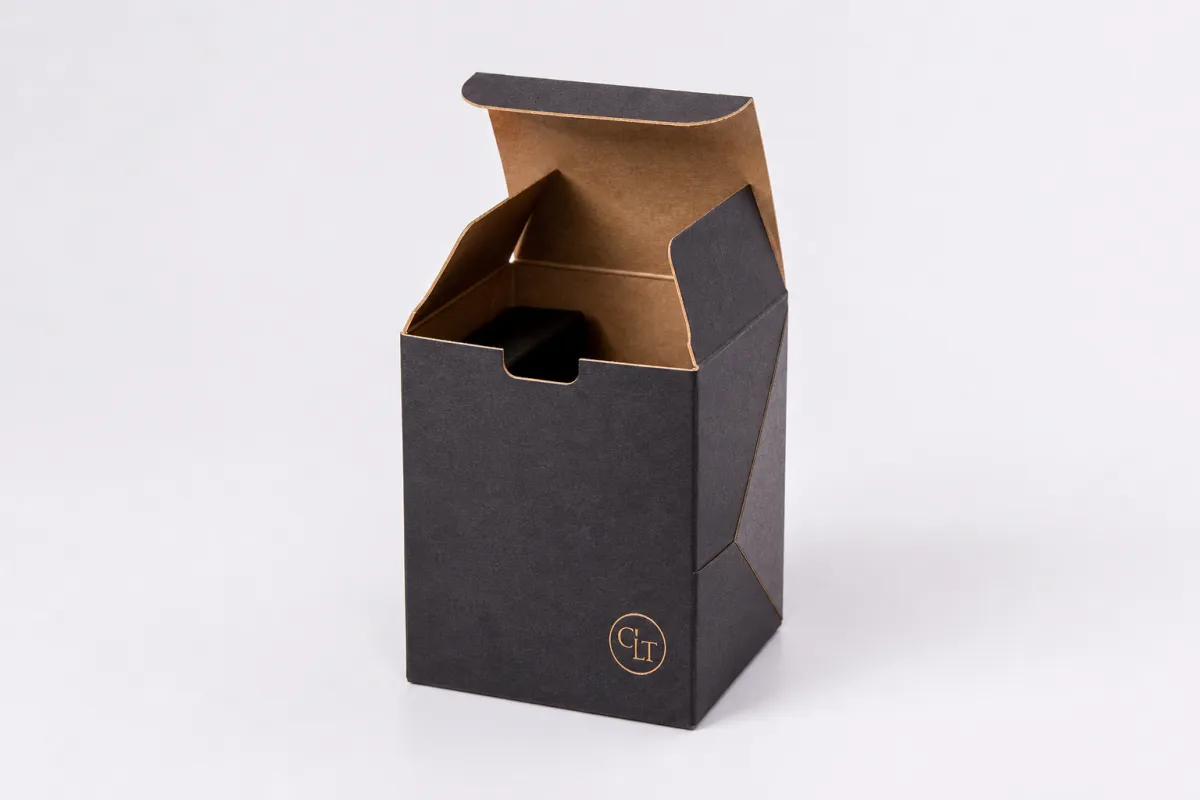
A crash lock carton gets attention because it removes a few small frustrations that add up quickly on the line. The self-locking base snaps into place, so packers are not spending extra seconds forming the bottom, fighting flaps, or reaching for tape. That sounds minor until the run reaches thousands of units. Then those seconds start to matter in a very real way, and custom crash lock cartons price needs to be judged against the labor savings, not just the invoice total.
Training is part of that equation too. I have seen production teams do fine with a simple carton on the first day and then drift a little on the third shift, because human folding is never perfectly uniform for long. A crash lock base gives the packout crew the same motion every time, which helps keep the process consistent. That matters for subscription boxes, fragile direct-to-consumer shipments, and replenishment programs where speed and repeatability need to live together. In those settings, custom crash lock cartons price often looks better once the labor math is included.
Damage prevention belongs in the conversation as well. A carton that opens at the base, or one that needs extra tape to stay shut, can create returns, rework, and customer complaints. That risk is not theoretical. A single failure on a higher-value item can wipe out the savings from a lower quote. I would rather compare custom crash lock cartons price against the actual cost of breakage, especially for glass, cosmetics, supplements, and small electronics.
A cleaner way to evaluate the format is to ask whether the carton protects the product, moves quickly through the line, and still presents well enough for retail packaging or direct-to-consumer unboxing. If the structure handles those three jobs, the price often makes sense even when the per-unit number is not the absolute lowest one in front of you. That is the part many teams miss when they look at custom crash lock cartons price in isolation.
Flat shipping helps too. Crash lock cartons travel efficiently before use, then assemble into a tidy, premium-looking structure with a dependable base. That combination is hard to beat for seasonal launches, branded packaging programs, and any product packaging that has to move from warehouse to shelf without a lot of handling drama.
What custom crash lock cartons are and how they perform
A crash lock carton uses a pre-glued, self-locking bottom that opens into shape with one motion. The base locks into place under its own structure, which is why production teams also call it an auto-lock bottom. The appeal is plain: faster assembly, fewer build errors, and a base that stays secure under normal loading. If your operation values speed, custom crash lock cartons price can be easier to defend than a format that asks for more manual work on the line.
The format shows up often in e-commerce, cosmetics, health and beauty, supplements, sample kits, and small electronics. Those categories usually need a box that can be assembled quickly without losing perceived value. A crash lock carton gives you that middle ground. It can feel more refined than a plain mailer, yet it avoids the labor of building a more complicated structure at packout. For a lot of SKUs, that balance is the reason buyers keep circling back to custom crash lock cartons price instead of chasing the lowest board cost on a single line item.
Material choice shapes the final result. Board grade, caliper, flute profile, and print surface all affect how the carton performs and how it looks after finishing. A 16pt or 18pt paperboard can work well for lightweight retail inserts, while heavier products may need stronger board or a corrugated option with a tighter flute profile. Add an aqueous coat, matte laminate, or scuff-resistant finish if the carton will move through busy fulfillment spaces. Those decisions affect durability and custom crash lock cartons price at the same time, and the right answer depends on the product rather than a generic rule.
Compared with a straight tuck carton, the crash lock format usually wins on assembly speed and base strength. Compared with a basic folding carton, it also tends to reduce the chance of user error during manual packout. The tradeoff is that the structure uses more engineering and often a more involved converting step. That means the quote may look higher in a narrow comparison. Still, the wider operational picture often favors custom crash lock cartons price because the box performs better once the line starts moving.
There is also a branding upside. A crash lock carton ships flat, then appears as a clean, premium package once assembled. That matters for package branding because the first impression is not limited to the print on the outer panel. It is the full experience: how the carton opens, how stable it feels in the hand, and whether the structure suggests care. In practical packaging design terms, that is value a unit quote alone cannot capture.
For teams building Custom Printed Boxes, the real question is not whether the format reads as premium on a spec sheet. It is whether it protects the product, speeds the process, and supports the sales message. If the answer is yes, custom crash lock cartons price belongs in a broader business decision rather than a simple procurement line item.
Custom crash lock cartons price: cost drivers that actually move the quote
The main price drivers are usually more straightforward than buyers expect. Board grade sits near the top. A heavier substrate or a premium paperboard with better printability will change the number more than a long list of cosmetic add-ons. Blank size comes next. If the dieline wastes sheet space, you pay for that inefficiency. That is why custom crash lock cartons price can vary even when two cartons look nearly identical from a distance.
Print complexity follows close behind. One-color outside print is a very different job from a full-coverage CMYK design with foil, embossing, or spot coating. Each added finish brings another setup step, more waste, and more control points during production. A minimalist layout can keep custom crash lock cartons price in a tighter band, while richer graphics and premium finishing push the quote upward. That is not a flaw; it is the normal cost of more involved branded packaging.
Dimensions matter more than many teams realize. A carton that fits efficiently on the press sheet and in the die layout can be noticeably cheaper than a slightly larger size with awkward proportions. That has nothing to do with marketing and everything to do with sheet yield. If the blank nests poorly, the manufacturer loses usable material, and the effect shows up right away in the quote. For that reason, custom crash lock cartons price is often improved by adjusting the carton size by a few millimeters instead of changing the entire design.
Volume economics play just as large a role. Short runs carry more setup cost per unit. Larger runs spread tooling, make-ready, and quality checks across more cartons. A buyer may see a quote drop sharply between 2,000 and 5,000 units, then flatten more gradually after that point. That pattern is normal. It is also why a realistic forecast can make custom crash lock cartons price easier to manage across repeat orders.
Special construction details can move the number quickly. Inserts, windows, reinforced bases, interior dividers, and custom loading requirements all add complexity. If the carton needs to protect a fragile product, those details may be worth the added cost. If not, they can become overbuild. The most efficient programs usually keep the structure simple, then direct the budget toward the parts the customer actually sees. That is how thoughtful packaging design keeps custom crash lock cartons price under control without weakening the final pack.
Here is a practical comparison to show how the quote can shift:
| Spec level | Typical unit range at 5,000 pieces | What drives the number |
|---|---|---|
| Plain crash lock carton | $0.34-$0.52 | Single-color print, standard board, minimal finishing |
| Mid-range branded carton | $0.55-$0.84 | Full-color print, matte or aqueous coat, tighter graphics control |
| Premium retail-ready carton | $0.78-$1.25 | Higher board grade, foil, embossing, insert, or custom protection features |
Those numbers are a planning guide, not a promise. A smaller carton with efficient nesting can cost less than a larger one with simpler graphics, and freight destination matters as well. Even so, the pattern holds: the more elaborate the spec, the more likely custom crash lock cartons price will move upward.
If your goal is a lower quote without hurting the product or the presentation, start by simplifying the print, tightening the size, and removing finishing that does not help the sale. That usually delivers more value than chasing a cheaper board grade that looks fine on paper but performs poorly once the cartons are in use. In other words, the smartest savings often come from packaging design choices, not from squeezing the print supplier alone.
Custom crash lock cartons price, MOQ, and quote breakdown
A serious quote should not hide the details. It should show the substrate, print method, finishing, die tooling, proofing, freight assumptions, and any sample charges. If those items are missing, the number is incomplete. I would also want to know whether the pricing assumes a standard board source or a specified FSC-certified option. That matters for procurement teams that need traceable materials and for brands that want a cleaner sustainability story. For that reason, custom crash lock cartons price should always be reviewed alongside the exact spec sheet.
MOQ, or minimum order quantity, usually follows the economics of setup and sheet utilization. A simple carton with efficient layout can support a lower MOQ than a complex structure with heavy finishing. That is not just a supplier preference; it is a manufacturing reality. If a short run requires almost the same setup effort as a larger one, the unit cost has to rise. That is why custom crash lock cartons price often makes more sense once the order size reaches a level that absorbs the upfront work.
Ask for tiered quotes whenever possible. A quote at 1,000 units, 3,000 units, and 5,000 units can reveal the real cost curve. Sometimes the jump from 3,000 to 5,000 is small enough to justify a larger buy. Sometimes it is not. Either way, the data shows where the break point sits. That is much better than guessing at what custom crash lock cartons price ought to be.
Compare quotes only after matching the same dimensions, board grade, print coverage, and delivery location. Otherwise you are comparing different jobs, not different suppliers. One quote may include freight to your dock while another assumes pickup. One may use a heavier board. One may include proofing and another may not. Strip away those differences and custom crash lock cartons price becomes easier to judge on merit.
There is also a savings strategy that many buyers overlook: standardize sizes across related SKUs. If three products can share one or two carton footprints, the MOQ pressure usually falls and repeat-order pricing often improves. That is especially useful for subscription programs, seasonal retail packaging, and product packaging lines with frequent replenishment. It also gives you cleaner inventory control, which is worth more than it looks on a spreadsheet.
Below is the kind of breakdown I would want to see before approving a run:
- Substrate: exact board type, thickness, and whether it is virgin fiber or recycled content.
- Print method: offset, digital, or flexographic, with the number of colors clearly stated.
- Finishing: aqueous coat, matte laminate, soft-touch laminate, foil, embossing, or none.
- Tooling: die charge, plate charge, and any one-time setup fees.
- Proofing: structural proof, printed proof, or both.
- Freight: whether the quote includes delivery and to which location.
If your vendor cannot explain those line items, the quote is too vague to compare. Transparent pricing is not a luxury; it is what keeps a buyer from discovering later that the “low” number excluded half the job.
For teams that are still narrowing formats, it can help to compare crash lock cartons with other structures inside the broader Custom Packaging Products catalog. That comparison often shows where the real saving comes from: fewer steps on the line, less rework, and a packaging format that fits the product instead of fighting it.
Process and timeline: from dieline approval to delivery
The process usually starts with accurate product data. You need final dimensions, product weight, the packing method, and any compliance or display requirements before design begins. A packaging engineer can work with rough numbers, but the quote improves when the spec is tight. Better inputs lead to a better custom crash lock cartons price, because fewer assumptions have to be padded into the estimate.
Next comes the dieline. This is where the structure is mapped, the panel sizes are confirmed, and the artwork is placed against the template. The dieline stage is not only a design step. It is the first real test of whether the carton will open, lock, and hold properly. If the box is too tight, the product may snag. If it is too loose, the presentation suffers. That is why the approval stage matters so much for custom crash lock cartons price; catching errors early prevents expensive rework later.
Sampling or proofing usually follows. A structural sample confirms fit and function. A printed proof checks color, placement, and finish. Some buyers want both, and that makes sense for higher-value programs. A short delay here is better than discovering a mismatch after full production begins. In practice, the best-run jobs move through approval in a disciplined sequence: structure, artwork, finish, then production sign-off. That order protects custom crash lock cartons price from waste that never needed to happen.
The production flow is straightforward, but each step still matters:
- Board sourcing and material confirmation.
- Printing and color control.
- Die-cutting and creasing.
- Gluing and base formation.
- Inspection and packing.
- Shipment and final delivery.
Lead time depends on quantity, finishing complexity, and how many approval rounds the job needs. A standard run with simple print and no special finishes may move in roughly 12 to 15 business days after approval. More complex work can stretch longer, especially if the carton needs foil, lamination, or custom inserts. Material availability can also change the schedule. That is normal. The important thing is to understand what is driving the timeline and how that affects custom crash lock cartons price.
For parcel-shipped products, distribution testing may be worth discussing early. ISTA publishes test categories that many packaging teams use to simulate transport stress, and the organization explains those methods on its site: ISTA. If your cartons are meant to travel through a rougher network, testing can save money by exposing weaknesses before launch. That is a better use of budget than finding failure after the first returns start coming back.
If your brand also wants verified fiber sourcing, ask about FSC chain-of-custody options through the Forest Stewardship Council: FSC. Sustainability claims should be backed by actual documentation, not wishful thinking. That kind of clarity strengthens the quote review and gives procurement fewer surprises.
Timelines matter because packaging rarely exists in isolation. It sits beside artwork approval, inventory planning, fulfillment setup, and sales timing. If one of those pieces slips, the carton loses value even if the unit price is strong. That is why a realistic production calendar belongs in a fair custom crash lock cartons price conversation, not as an afterthought.
Why choose us for crash lock carton production
A good carton supplier should do more than print and ship. It should help you narrow the spec so the carton performs without wasting money. That is the kind of support buyers should expect from Custom Logo Things. If the structure can be tightened, the board simplified, or the print adjusted without hurting the sale, the quote should reflect that. That is how custom crash lock cartons price becomes a controlled input instead of a moving target.
Consistency comes first. Controlled production and reliable board sourcing reduce the odds of random variation from one repeat order to the next. That matters because a carton is only as good as its repeatability. If the first run works and the second one does not, the savings disappear quickly. A supplier that understands that reality can protect both the box and the budget, which is what most buyers actually want from custom crash lock cartons price.
Technical support is the second advantage. Small dimensional changes can improve fit, make assembly easier, or reduce wasted sheet space. That sounds ordinary, but ordinary changes often create the biggest savings. A few millimeters on the dieline, a different flap arrangement, or a narrower print panel can change the economics of the job. The right partner treats those details as part of packaging design, not as a nuisance. That approach keeps custom crash lock cartons price grounded in performance rather than guesswork.
Transparency is the third advantage. Buyers should get plain language around what is driving cost: board grade, finishing, tooling, quantity, and freight. If a quote is lower, the reason should be visible. If it is higher, the reason should also be visible. That kind of clarity is rare enough that it deserves emphasis. It helps teams compare custom printed boxes accurately and avoid false savings that show up later as reorders, reprints, or product damage.
There is also the customer-facing side. Faster packout supports launch speed. Lower damage rates protect reviews. A cleaner box improves retail packaging and makes the product look more deliberate. Those outcomes are not abstract. They influence return rates, reorder behavior, and brand perception. For that reason, custom crash lock cartons price should be evaluated against business results, not just against another vendor's headline number.
If your product line includes more than one format, our Custom Packaging Products page is a practical place to compare structures before you commit. Sometimes the crash lock carton is the right answer. Sometimes another style fits the job better. The point is to choose the carton that supports the sale, not the one that simply looks cheapest on a spreadsheet.
Bottom line: the right custom crash lock cartons price is the one that matches your product, your line speed, and your brand expectations. If the quote is built on the correct spec, the number becomes easier to defend, easier to reorder, and easier to scale. That is the kind of pricing conversation that saves money without weakening the package.
Next steps to secure the best custom crash lock cartons price
Start with the data that matters: final dimensions, product weight, board preference, print coverage, and target quantity. If you can supply those five items, the quote becomes much more reliable. If you can also state whether the carton must support retail packaging, e-commerce shipment, or a hybrid use case, the estimate usually gets sharper. That is the fastest path to a sensible custom crash lock cartons price.
Then ask for two or three options. One should show a standard spec, one should show a value-engineered version, and one should show the premium version if you are considering finishes or premium stock. That comparison shows where the real inflection points are. A small change in board or print can sometimes move the quote more than expected. Other times it barely moves at all. Only the side-by-side view makes custom crash lock cartons price readable.
Confirm the sample schedule, the artwork timeline, and the shipping destination before you approve the order. Those details affect the calendar and can also affect the total bill. Freight into a distant warehouse, for example, can add enough cost to change the buying decision. A quote that ignores logistics is incomplete. A good quote should make the full custom crash lock cartons price visible before production starts.
Review the quote for hidden extras. Look for tooling, samples, freight, and any extra proofing charges. Then compare the total landed number, not just the unit line. That one habit prevents most procurement mistakes. It is also the simplest way to protect the budget while keeping the packaging spec intact.
If your team wants repeat ordering to stay efficient, keep the final approved spec as the standard reference. Do not let a placeholder estimate become the baseline. The actual carton should be the baseline, because that is the version the factory is building. Locking that in keeps custom crash lock cartons price aligned with what you actually ship, not with an early assumption that may no longer be relevant.
Choose the structure that makes packout faster, the product safer, and the unboxing cleaner. If the quote does those three jobs well, the price is doing its job too. And if you need a clear comparison across formats, Custom Logo Things can help you translate the spec into a practical order plan. The best custom crash lock cartons price is not the lowest number in the inbox; it is the one that holds up after production, transit, and repeat ordering.
FAQs
What affects a custom crash lock cartons price quote most?
Board grade, carton size, and print coverage usually create the biggest swings. Quantity matters as well because setup costs get spread across more cartons in larger runs. Extra finishes, inserts, and custom construction details can raise custom crash lock cartons price quickly, especially when the carton needs tighter register or more handling.
What is the MOQ for custom crash lock cartons?
MOQ depends on carton size, print method, and whether the design uses standard or custom tooling. Simpler structures and repeatable dimensions often support lower minimums. If you need a smaller run, ask for options that reduce setup waste or use shared-size platforms so custom crash lock cartons price stays realistic.
How long does production take after approval?
Lead time usually starts after final artwork and dieline approval, not after the first inquiry. Material availability, quantity, and finishing complexity can shorten or extend the schedule. A sample or proof approval stage is common before full production begins, and it can protect custom crash lock cartons price from expensive rework.
Are crash lock cartons better than standard folding cartons?
Crash lock cartons are better when assembly speed, base strength, and packing consistency matter. Standard folding cartons can cost less in some cases, but they may take longer to build on the line. The best choice depends on labor, product weight, and how the box will be used, so custom crash lock cartons price should always be judged against operational fit.
How can I lower custom crash lock cartons price without hurting quality?
Simplify the print, tighten the dimensions, and choose a board grade that fits the product instead of overbuilding it. Use standard formats where possible and avoid unnecessary finishes that do not support the sale. Consolidating SKUs into shared carton sizes can improve repeat-order economics and help keep custom crash lock cartons price under control.

