Buyer Fit Snapshot
| Best fit | Branded Die Cut Cartons Bulk projects where brand print, material claims, artwork control, MOQ, and repeat-order consistency need to be specified before quoting. |
|---|---|
| Quote inputs | Share finished size, material target, print colors, finish, packing count, annual reorder estimate, ship-to region, and any compliance wording. |
| Proofing check | Approve dieline scale, logo placement, barcode or warning zones, color tolerance, closure strength, and carton packing before bulk production. |
| Main risk | Vague material claims, crowded artwork, missing packing details, or unclear freight terms can make a low unit price expensive after revisions. |
Fast answer: Branded Die Cut Cartons Bulk: Pricing, Specs, Lead Times should be specified like a repeatable production item. The safest quote records material, print method, finish, artwork proof, packing count, and reorder notes in one written spec.
Production checks before approval
Compare the actual filled-product size with the drawing, then confirm tolerance on folds, seals, hang holes, label areas, and retail display edges. Reserve space for logos, QR codes, warning copy, and material claims before decorative graphics fill the panel.
Quote comparison points
Review material grade, print process, finish, sampling route, tooling charges, carton quantity, and freight assumptions side by side. A quote is only useful when the supplier can repeat the same color, closure quality, and packing count on the next order.
Branded Die Cut Cartons bulk orders solve a plain but expensive problem: products need to arrive intact, brands need to look credible, and warehouses need cartons that do not waste space. For teams that are tired of oversized shippers, loose packing material, and cartons that refuse to stack in a clean line, branded die cut cartons bulk can change the math in a way that shows up on freight invoices and in fewer damaged units.
A carton is carrying more than artwork. A well-planned branded die cut cartons bulk program can cut down on inserts, speed up pack-out, make SKU picking easier, and keep replenishment orderly from the pallet to the customer’s doorstep. A close-fitting structure reduces movement, and less movement usually means fewer scuffed corners, fewer crushed panels, and fewer awkward fixes at the packing table. That is not a glamorous benefit, but it is the kind that saves real money.
I have sat through sample reviews where a 4-millimeter change in depth looked trivial on paper and then shaved seconds off every order line once the carton hit the pack room. That is the kind of change that never makes a marketing deck, but it absolutely changes the day-to-day flow. Small differences add up fast. Kinda annoyingly fast, if you are the person paying the freight bill.
That is the real tradeoff. Branded die cut cartons bulk is not just a cosmetic upgrade; it is a packaging decision tied to logistics, labor, and unit economics. If you are weighing options for a launch or a replenishment run, the sections below will help you spec the carton with more precision before you ask for pricing.
Branded Die Cut Cartons Bulk: The Shipping Win You Can Measure
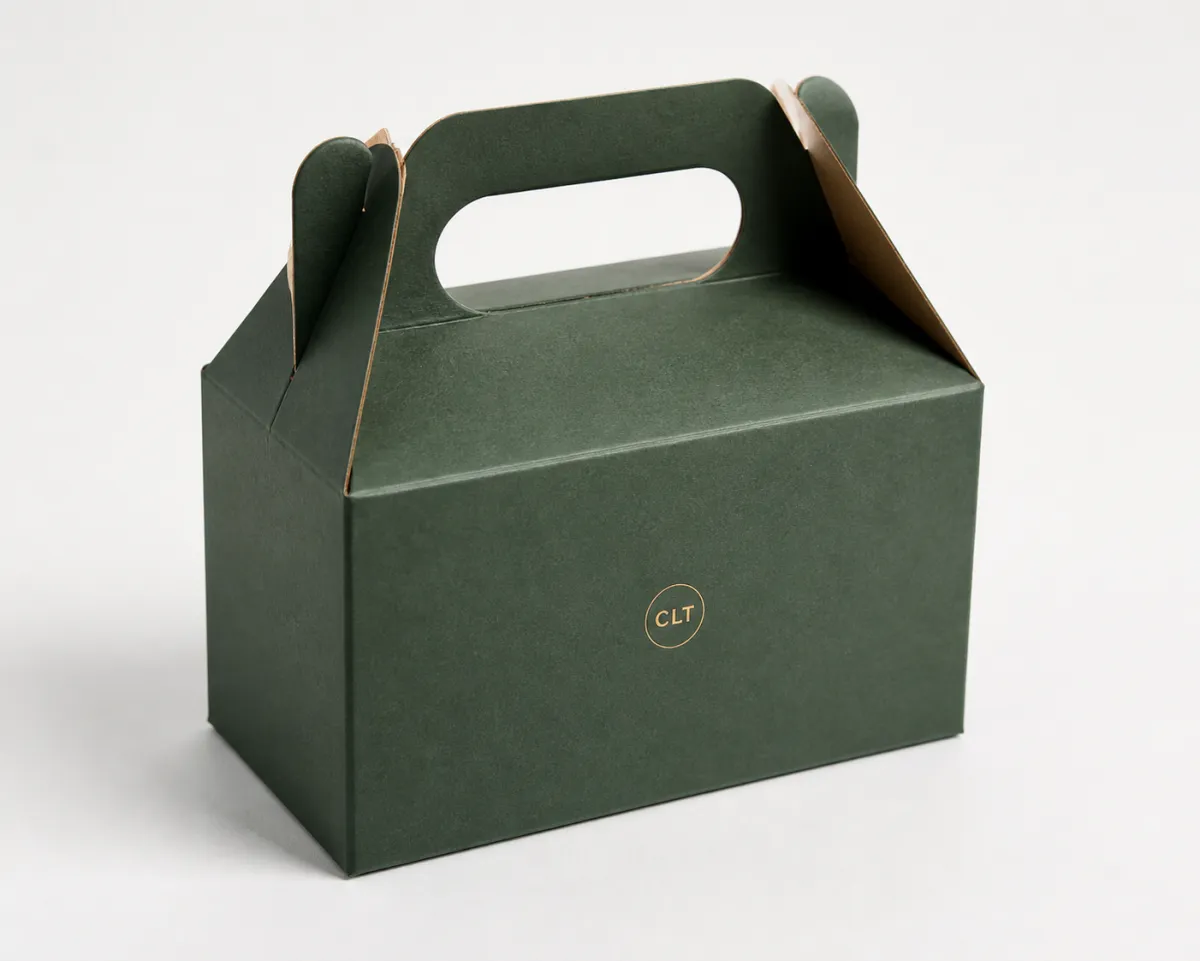
The strongest argument for branded die cut cartons bulk shows up twice, first at the pack line and then after the shipment lands. A carton formed around the product, instead of padded around it, usually leaves less void space and gives the contents less room to shift. That matters more than many buyers expect. A few millimeters of extra play can mean a few more failures in transit, and those failures tend to show up where they hurt most: returns, replacements, and avoidable service calls.
Cube is the other half of the story. Oversized cartons can look harmless on a spec sheet and still create trouble in the warehouse. They waste pallet height, distort case counts, and push dimensional-weight charges higher than they should be. A branded die cut cartons bulk spec can be designed to follow the product more closely, which improves freight efficiency in a very direct way. A carton that matches the item also tends to travel better because the load inside has less freedom to bounce, settle, or shift.
Print has operational value too. A branded carton is easier to identify, easier to sort, and easier to pull during replenishment. That may sound minor until a shift is handling six or eight SKUs at once and one mislabeled case sends the wrong item to the wrong bin. Crisp print placement and consistent panel layout can reduce those mistakes. One quiet advantage of branded die cut cartons bulk is that the brand work helps the warehouse, not just the marketing team.
The customer side matters as well. A carton that opens cleanly, centers the product, and closes with the graphics aligned feels deliberate. That is not a luxury detail. It signals control. A strong branded die cut cartons bulk specification supports that experience run after run, which is why the same carton can pull double duty as protection and presentation.
A carton that is 3 millimeters too large on each side may seem harmless in a sample room. Across a full run, that extra air often turns into higher freight cost, slower pack-out, and more filler.
Before quoting starts, define the actual problem. Are you trying to lower damage rates, reduce cube, speed packing, or manage all three at once? Once that is clear, branded die cut cartons bulk stops being a generic box purchase and becomes a packaging tool with a measurable job.
Product Details: How Branded Die Cut Cartons Bulk Are Built
Branded die cut cartons bulk can be built several ways, and the right structure depends on product weight, fragility, finish expectations, and how the carton will move through the supply chain. Corrugated shippers are common when strength matters most. Folding cartons work well for retail presentation and lighter goods. Die-cut mailers sit in the middle, offering a flatter profile, better closure control, and a cleaner branding surface than a generic stock box.
Die cutting is the part that gives the carton precision. A stock box can only do so much; a die-cut carton can be made with locking tabs, closure flaps, hand holes, perforations, insert pockets, and score lines that guide the package into the shape you actually need. That level of control is especially useful for branded die cut cartons bulk programs that involve unique product dimensions or packing teams that need speed as much as they need visual polish.
Print method affects both appearance and cost. Flexographic printing is a workhorse on corrugated because it scales well and keeps unit cost under control. Digital printing suits shorter runs, variable data, and faster proof cycles. Litho-laminated print delivers sharper graphics and richer color, though it adds cost and usually makes sense only when the carton is part of a premium presentation. The question is not which option looks fanciest; the question is which option fits the channel and the budget for branded die cut cartons bulk.
Interior print deserves attention too. Return instructions, barcode placement, batch marks, and handling icons can cut friction in a fulfillment environment. If a packing team can scan, fold, and close faster because the information sits exactly where it should, that is productivity, not decoration. A strong branded die cut cartons bulk build should help people move faster while making fewer mistakes.
Reorder consistency matters more than many teams realize. A carton that looks polished on the first run but drifts in size, score placement, or registration later creates avoidable headaches. A well-managed branded die cut cartons bulk program should produce the same package on the first order and on the fifth. That is the standard. Anything less starts to leak time in places no spreadsheet catches quickly.
For buyers who want to compare structure choices against actual packaging outcomes, our Case Studies page is a useful place to start. It shows how a carton design behaves once it leaves the prototype stage and enters regular production.
Specifications That Affect Fit, Strength, and Freight Efficiency
The spec sheet drives the result for branded die cut cartons bulk more than most buyers expect. Start with product dimensions, finished carton dimensions, product weight, pack count, and the shipping method the carton will face most often. Parcel, LTL, and palletized freight each place different demands on the structure. A carton that behaves well on a pallet may fail under parcel handling, and a parcel-friendly design may waste cube in freight. The shipping lane matters as much as the product itself.
Strength language matters, but only in context. Board grade, flute profile, caliper, burst strength, Edge Crush Test, and compression resistance all shape how the carton performs under load. For stacked freight, ECT and compression often deserve the closest attention. For fragile products, rebound behavior and score-line integrity can matter just as much. Heavy board is not automatically better. The better answer for branded die cut cartons bulk is the structure that protects the product without dragging down efficiency.
Tolerance control is another place where buyers get caught off guard. If the product sits near the size limit, even a small change in board thickness or score placement can affect closure quality, fit, and pallet yield. Good dieline engineering reduces that risk. The best branded die cut cartons bulk layouts leave enough room for consistent packing while keeping the product from drifting around inside the box. That balance matters more than perfection on a screen mockup.
Here is a practical checklist that helps before tooling starts:
- Product dimensions measured at the widest points, not the nominal size from a product sheet.
- Unit weight and any load concentration points, especially for fragile or uneven items.
- Pack count per carton, master case, and pallet layer.
- Shipping method whether parcel, regional freight, or full pallet movement.
- Storage conditions including humidity, stacking height, and warehouse dwell time.
- Print needs such as barcodes, handling marks, and brand panel coverage.
That checklist keeps branded die cut cartons bulk from turning into guesswork. It also gives the packaging team a better starting point for a structural sample, which is often the fastest way to catch fit issues before production is locked in.
Packaging teams often use transit and compression standards as a reference point when testing. The methods described by ISTA offer a practical framework for shipping abuse, and the FSC system helps when paper sourcing and chain-of-custody claims matter to a brand or retailer. Those standards do not replace product-specific testing, but they give buyers a shared language for risk and performance.
One detail deserves a direct mention: the heaviest carton is not always the smartest carton. A right-sized branded die cut cartons bulk spec can lower freight spend, improve insertion speed, and keep the warehouse from fighting oversized packouts. That kind of improvement does not flash on a dashboard every day, but it compounds quickly across recurring orders.
Branded Die Cut Cartons Bulk Pricing, MOQ, and Quote Drivers
Pricing for branded die cut cartons bulk comes down to a handful of variables that show up on nearly every quote: carton size, board selection, print coverage, die complexity, coatings, special finishes, inserts, and freight assumptions. Shift any one of those, and the unit price can move more than expected. Two cartons can look nearly identical on screen and still price very differently once the factory accounts for tooling, press setup, and production flow.
MOQ follows setup economics. A die has to be built, the press has to be prepared, and material needs to be staged. That means the lowest economical run size depends on the structure and print method. Digital jobs tend to stay flexible at lower quantities, while flexo and litho-laminated runs usually make more sense at higher volumes. For a forecast that is steady, branded die cut cartons bulk can often be planned with volume breaks that lower unit cost as the order grows.
Buyers should ask for tiered pricing and repeat-run pricing whenever there is a chance the carton will be reordered. A quote for 3,000 units and a quote for 10,000 units are not just different in size; they can reveal where the real cost pressure sits. A supplier who understands your replenishment pattern can usually help land on a structure that works better over time. That is where branded die cut cartons bulk becomes a program rather than a one-off purchase.
| Option | Typical Use | Common Material | Relative Unit Cost | Notes |
|---|---|---|---|---|
| Die-cut corrugated mailer | Direct-to-consumer shipping, subscription packs, light retail goods | E-flute or B-flute corrugated | $0.38-$0.72 at 5,000 units | Good for speed, stackability, and clean branding |
| Printed corrugated shipper | Heavier items, warehouse shipments, protective outer packaging | B-flute or C-flute corrugated | $0.62-$1.20 at 2,500-5,000 units | Better crush resistance and broader freight performance |
| Litho-laminated branded carton | Premium presentation, retail display, high-graphic launches | Corrugated base with printed liner | $1.20-$2.50 at 3,000 units and up | Sharper graphics, higher setup cost, stronger shelf appeal |
| Simple folding carton | Lightweight consumer goods, shelf-ready inner packaging | Paperboard 16pt-24pt | $0.12-$0.38 at higher volumes | Lower shipping strength unless paired with an outer shipper |
Those numbers are directional, not fixed. Still, they help buyers ask sharper questions. If a supplier quotes branded die cut cartons bulk far outside those ranges, the reason should be explainable in terms of structure, print coverage, insert complexity, or freight assumptions.
The cleanest ways to control cost without damaging performance are usually straightforward. Standardize the carton footprint where possible. Reduce unnecessary print coverage on hidden panels. Avoid overbuilt structures that do more than the shipping lane requires. Keep the insert count as low as possible while preserving protection. Those choices do not make branded die cut cartons bulk cheaper by magic; they make it cheaper because the carton stops doing work the product does not need.
A clear quote should separate tooling, samples, production, packing, and freight. Once those pieces are blended into one number, the landed cost gets harder to compare and harder to defend inside the company.
If your company buys packaging on a recurring schedule, our Wholesale Programs page is worth a look. It is often the better fit for teams that want branded die cut cartons bulk replenishment managed against forecast instead of handled as a rush order every time stock runs low.
Production Process and Timeline: From Dieline to Delivery
A dependable branded die cut cartons bulk project moves through a sequence that should feel predictable. The work starts with discovery, where the supplier reviews product dimensions, shipping method, print requirements, and any special handling needs. After that, the dieline is engineered, artwork is placed, proofs are checked, and a sample is approved before the run begins.
The timeline can stretch or compress depending on a few variables. Artwork readiness is one of the biggest. Files that need cleanup, color correction, or panel adjustments will add time. Tooling complexity matters too. A carton with locking features, perforations, or an unusual closure needs more planning than a basic shipper. Material availability and freight booking can also shape the schedule for branded die cut cartons bulk in ways that are easy to overlook at the quoting stage.
Once production starts, the sequence usually runs through board sourcing, printing, die cutting, folding and gluing if the structure requires it, bundling, counting, and packing for shipment. Quality checks should cover size confirmation, print registration, glue performance, and carton closure. In a good branded die cut cartons bulk run, the carton should look right, stack right, and open right when it reaches the pack room.
Most delays are obvious once they happen. Missing dimensions force redesign. Low-resolution graphics slow proofing. Late revisions ripple through the schedule. Unclear shipping instructions can leave finished cartons waiting while freight gets sorted out. The simplest way to stay on track is to treat branded die cut cartons bulk like a production project, not a graphic design task.
Here is a practical way to protect lead time:
- Lock product dimensions and shipping method before artwork begins.
- Approve samples quickly so the run can move forward.
- Share the in-hands date early, not after the quote has already been accepted.
- Confirm whether cartons should ship flat, pre-folded, or in master cases.
- Keep one person accountable for approvals so the project does not stall.
For a straightforward branded die cut cartons bulk order, production can often move from approved dieline to shipment in roughly 12-15 business days after proof approval, assuming materials are available and the structure is not unusually complex. More elaborate cartons, special finishes, or large freight bookings can extend that window. Timing depends on readiness, not hope.
If speed matters, send complete specs on the first round. That gives the production team a real chance to turn a branded die cut cartons bulk request into a schedule that holds.
Why Choose Custom Logo Things for Bulk Carton Programs
For branded die cut cartons bulk programs, a supplier is not valuable simply because they can print a box. Real value comes from packaging judgment that keeps the box from becoming a problem later. That means understanding structure, board behavior, carton closure, freight stacking, and how the package will be handled once it leaves the factory.
Custom Logo Things is positioned for that kind of buying decision. A strong packaging partner should be able to talk through board grade, print method, and finishing options while also thinking about pallet patterns, case-pack efficiency, and warehouse handling. A supplier that only discusses artwork and never asks how the carton will move through the facility is missing half the job. Good branded die cut cartons bulk planning respects branding and logistics in equal measure.
Repeatability matters as much as first-run quality. Reorder lots should match the approved sample closely enough that the packing team does not have to relearn the carton every time. That takes process discipline, documentation, and clear communication about what was approved. It also takes a supplier that understands branded die cut cartons bulk as part of a longer buying cycle, not a one-time job.
Response time has real value too. Purchasing teams need clear quotes, clean sample feedback, and realistic lead times so they can line up internal approvals. A good partner reduces back-and-forth by asking the right questions up front: product size, shipping mode, print coverage, target quantity, storage needs, and the date the cartons must be in hand. That kind of support keeps branded die cut cartons bulk projects moving.
The best supplier is the one that ties the spec to the business goal. If the goal is freight savings, the carton should be right-sized and stack efficiently. If the goal is shelf presence, the print and finish need more attention. If the goal is fulfillment speed, the structure should fold cleanly and pack quickly. Branded die cut cartons bulk works best when the carton is built around the objective instead of around a default template.
That is the standard I would use whether you are launching a new product line or replacing an older carton that no longer fits the operation. The right branded die cut cartons bulk program should remove friction, not add it. If a carton looks good but slows the line, it is not really helping.
Next Steps: Lock In the Right Carton Spec and Order Plan
If you are ready to move forward with branded die cut cartons bulk, the next step is straightforward: gather the information that lets the supplier quote accurately the first time. Product dimensions, unit weight, shipping method, annual volume, artwork files, and the date the cartons need to arrive should all live in the same brief. One clean packet of information removes a lot of guesswork from the process.
Ask for a dieline review and a structural sample before production is approved. If the carton must protect a fragile item, carry a heavy load, or fit tightly inside another shipper, the sample stage is where fit problems show up. That is also the moment to confirm whether the print sits where you expect and whether the closure feels secure enough for real handling. With branded die cut cartons bulk, a sample is not a courtesy; it is the first serious test of the carton’s behavior.
Inventory release should be decided early as well. Some buyers want cartons held in bulk and shipped in one or two drops. Others prefer scheduled releases against a forecast. There is no single best answer, but the storage and replenishment model should be set before the run starts. That decision affects cost, warehouse space, and how much flexibility remains if demand shifts. A well-planned branded die cut cartons bulk order should match the business rhythm as closely as the product dimensions.
When you ask for the quote, make sure it separates tooling, samples, production, packaging, and freight. That makes it easier to compare alternatives without missing hidden charges. It is also smart to ask about repeat-run pricing, because many branded die cut cartons bulk programs get more efficient after the first approved order.
The practical takeaway is simple: define the product, the shipping lane, and the quantity before you compare suppliers. Then insist on a sample, a separated quote, and a repeat-run price. Do that, and branded die cut cartons bulk becomes a packaging decision you can defend with numbers, not just with a polished mockup.
What MOQ should I expect for branded die cut cartons bulk orders?
MOQ depends on the board type, print method, and how much setup is required for the die and press. Higher quantities usually bring the unit price down, so it helps to request tiered pricing at several volume breaks. If your forecast is steady, ask whether a phased release or blanket order can improve pricing without tying up too much inventory.
Can branded die cut cartons bulk be sized to reduce shipping costs?
Yes, custom sizing can reduce dimensional weight, void fill, and pallet waste when the carton is matched closely to the product. The key is to share exact product measurements, the shipping method, and any stacking limits before the dieline is finalized. A better fit often improves packing speed as well as freight efficiency.
What information is needed for a quote on branded die cut cartons bulk?
Provide product dimensions, product weight, desired quantity, print coverage, closure style, and the intended shipping method. If you already have artwork or a current carton sample, include that too so the supplier can quote more accurately. Ask for tooling, samples, production, and freight to be separated so the full landed cost stays visible.
How long does production usually take for branded die cut cartons bulk?
Lead time depends on artwork approval, tooling needs, material availability, and the complexity of the structure. Simple runs move faster when specs are final and proofs are approved quickly. If delivery timing matters, share the required in-hands date up front so the schedule can be built around it.
Are samples available before I place a bulk order?
Yes, structural samples and printed proofs are the best way to confirm fit, closure, print placement, and handling before full production. Sampling is especially useful for fragile, heavy, or high-value products where a sizing error would be expensive. Use the sample stage to verify pack-out speed and shipping performance, not just appearance.
Branded die cut cartons bulk can be a strong packaging move when the spec is grounded in real product dimensions, realistic shipping conditions, and a clear cost target. Get the structure right and the carton protects the product, supports the brand, and keeps operations moving. The clearest next step is to build your brief with actual measurements, the shipping method, and a target reorder volume, then ask for a sample before you approve production. That is the standard worth aiming for on every branded die cut cartons bulk order.