Buyer Fit Snapshot
| Best fit | Branded Divider Inserts for Boxes projects where brand print, material claims, artwork control, MOQ, and repeat-order consistency need to be specified before quoting. |
|---|---|
| Quote inputs | Share finished size, material target, print colors, finish, packing count, annual reorder estimate, ship-to region, and any compliance wording. |
| Proofing check | Approve dieline scale, logo placement, barcode or warning zones, color tolerance, closure strength, and carton packing before bulk production. |
| Main risk | Vague material claims, crowded artwork, missing packing details, or unclear freight terms can make a low unit price expensive after revisions. |
Fast answer: Branded Divider Inserts for Boxes: Design, Cost, Fit should be specified like a repeatable production item. The safest quote records material, print method, finish, artwork proof, packing count, and reorder notes in one written spec.
Production checks before approval
Compare the actual filled-product size with the drawing, then confirm tolerance on folds, seals, hang holes, label areas, and retail display edges. Reserve space for logos, QR codes, warning copy, and material claims before decorative graphics fill the panel.
Quote comparison points
Review material grade, print process, finish, sampling route, tooling charges, carton quantity, and freight assumptions side by side. A quote is only useful when the supplier can repeat the same color, closure quality, and packing count on the next order.
Branded divider inserts for boxes can make a carton feel considered and premium without forcing the outer shell to carry all the weight, and that often catches buyers off guard if they have spent years obsessing over board grade and outside print finish. A clean interior is usually the least expensive way to create a strong first impression once the lid opens. In practical terms, branded divider inserts for boxes reduce movement, protect finishes, and make a multi-item order look planned instead of improvised.
Damage creates costs that rarely show up on the first line of a quote. Replacement labor, reshipments, and customer frustration all pile up quickly, and a glossy sleeve or a louder outer graphic cannot undo a failed packout. Branded divider inserts for boxes address the problem at the source by giving each product a fixed place, a printed surface when needed, and a repeatable packing sequence the warehouse can trust.
"A tidy interior often sells the premium feeling better than a thicker carton ever will."
The parts buyers usually ask about first are the ones covered here: materials, fit, Cost, Lead Time, and the decisions that keep a project from drifting into rework. Anyone comparing branded divider inserts for boxes is usually trying to solve more than one problem at once. The real target is a structure that fits the product, survives the trip, and looks deliberate the moment the lid opens.
Branded Divider Inserts for Boxes: Why They Matter
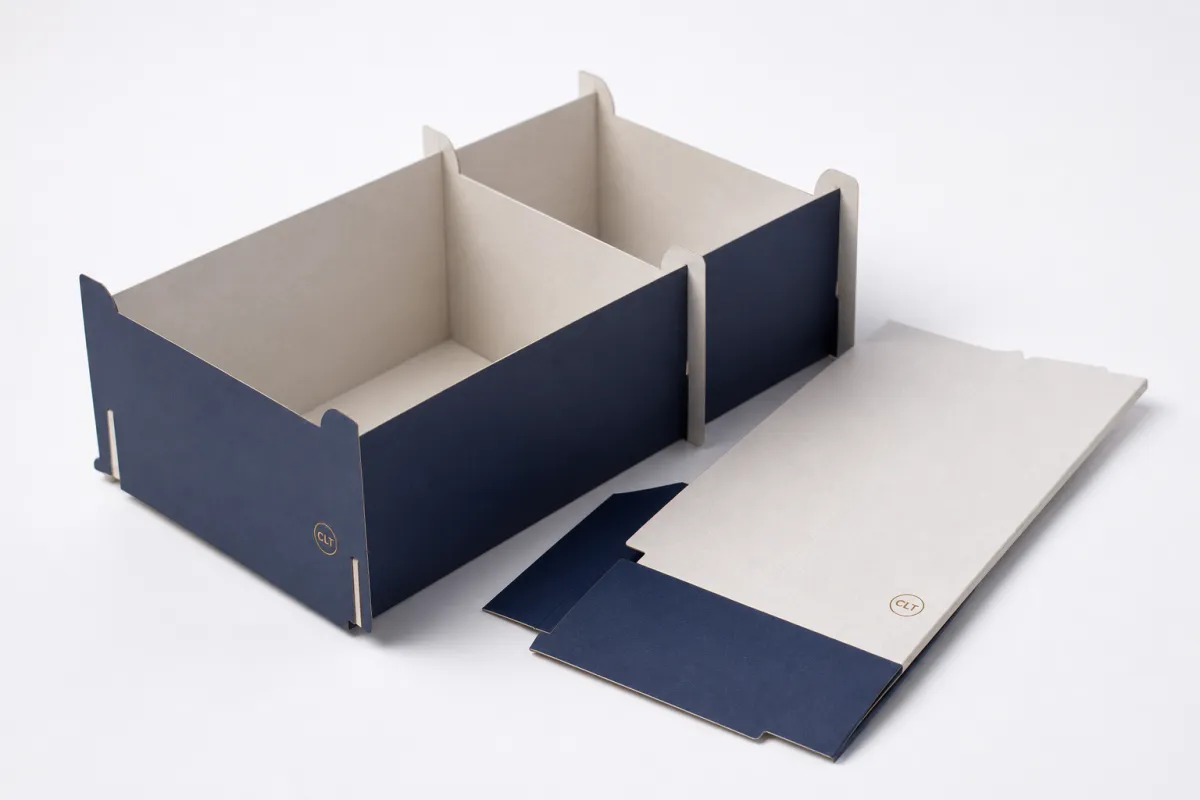
Branded divider inserts for boxes are custom internal structures that separate products, control movement, and turn otherwise wasted space into a designed experience. The insert can be as simple as scored board panels or as detailed as a printed tray with multiple compartments. Either way, the job stays the same: hold items in place so the box arrives looking organized rather than rattled apart.
From a packaging buyer's perspective, that can sound modest. The impact is rarely modest. A $0.20 insert may prevent a $6 replacement item, a second freight charge, and a refund conversation that burns more time than the material itself. That is one reason branded divider inserts for boxes often outperform a larger outer carton when the question is perceived value. The customer sees order, not filler.
There is another gain that gets overlooked in early planning. Branded divider inserts for boxes reduce kitting friction. When each compartment is assigned to one SKU, packers move faster, make fewer mistakes, and notice shortages sooner. Empty space stops being waste and starts acting like part of the layout.
Branding can show up inside the box in a few different ways:
- Printed panels that carry a logo, pattern, or short message on visible faces.
- Colored board that adds contrast without heavy ink coverage.
- Structural shapes that match the product family, like bottle lanes or accessory cells.
- Consistent compartment layouts that make every order feel deliberate.
Interior branding matters more than many teams expect. The outside gets the first glance at delivery, while branded divider inserts for boxes shape the reveal itself. That reveal can feel quiet and practical, or it can feel like a small ritual built around the product. With multi-item kits, that sequence often becomes the part people remember.
Starter kits, subscription packs, cosmetics sets, and gift collections all benefit from that kind of internal discipline. Branded divider inserts for boxes also make a line easier to scale because a new SKU can sometimes share the same footprint with only a small layout change. That is far less expensive than rebuilding the whole shipper every time the assortment shifts.
I have watched more than one strong packaging concept lose its edge because the product moved around inside the box by just enough to look sloppy on arrival. That kind of failure feels small on a bench and obvious on a doorstep. Branded divider inserts for boxes keep the experience steady, which is exactly what premium packaging is supposed to do.
How Branded Divider Inserts for Boxes Work
At a structural level, branded divider inserts for boxes rely on slots, folds, compression, and compartment walls. The insert creates a grid or tray that holds each product in place while using as little material as practical. The walls do not need to be thick to work well. They need to sit in the right position and match the actual item dimensions.
The mechanics are simple enough once the design is in hand. Cross dividers lock board pieces together at slit points. Grid partitions repeat that pattern for larger arrays. Die-cut trays use cutouts and scored bends to cradle a product shape. Scored board inserts depend on fold lines and compression to create a snug fit. Each option has a place, and branded divider inserts for boxes work best when the structure follows the product geometry instead of fighting it.
The customer experience changes because every item gets a designated home. That detail is small only on paper. Buyers notice the order immediately. An organized interior makes the box feel controlled, and control reads as quality. Branded divider inserts for boxes do more than separate products; they shape the unboxing sequence.
Branding can be applied in ways that leave the structure strong:
- Visible edge print for logos or short messages on upper flaps and exposed edges.
- Interior patterning on the surfaces the customer sees first.
- Color blocks that define sections without full ink coverage.
- Selective print on one or two faces, keeping hidden areas plain to control cost.
That balance matters because full coverage on every panel can raise cost and complicate drying, while a restrained treatment still looks premium. Branded divider inserts for boxes usually get the best result from the surfaces that are visible during opening. Hidden faces rarely need attention unless the brand story depends on every side carrying ink.
Common use cases show up quickly. Cosmetics sets need rigid cells to stop bottles from knocking into each other. Glass bottle assortments need separated lanes and sometimes extra top clearance. Gift kits often care more about presentation than impact resistance. Supplements, accessories, and small electronics usually need a mix of structure and clean packout logic. Branded divider inserts for boxes fit each of those categories because the insert can be tuned to the risk, the product weight, and the overall brand mood.
Key Factors That Shape Fit, Protection, and Branding
Material choice comes first. Paperboard, corrugated board, molded pulp, foam, and hybrid builds all trade cost, rigidity, sustainability, and visual polish against one another. Branded divider inserts for boxes do not always need the strongest material. They need the right material for the product, the shipping lane, and the expectation the customer brings to the package.
Paperboard is common for lighter presentation kits because it prints cleanly and folds neatly. Corrugated board adds more structure and is a safer choice for heavier loads or rougher transit. Molded pulp usually suits teams that want recycled content and decent protection without a glossy finish. Foam still appears in some categories where scuff prevention matters more than fiber-based sustainability goals, though many brands now treat it as a narrower option. If recycled sourcing is a priority, the Forest Stewardship Council's guidance at FSC is a useful reference point for fiber-based materials.
Internal dimensions matter more than outer box size. That sounds obvious, yet it remains the mistake that drives the most sample revisions. Product tolerance, closure style, board thickness, and the cushioning gap all affect fit. Branded divider inserts for boxes should be sized from usable inside space, not from the carton outside measurement or the clean-looking marketing sketch that happened to be on hand.
Branding decisions need the same level of care. Some inserts only need a logo on the first visible panel. Others deserve a full pattern. In many premium programs, subtle branding wins because it avoids visual noise and keeps the interior calm. Branded divider inserts for boxes are not billboards. They are interior architecture, and the best interior architecture usually feels deliberate without feeling busy.
Operational factors can change the spec quickly:
- Hand assembly versus machine-ready design affects labor and throughput.
- Flat shipping versus pre-assembled parts changes freight and warehouse storage.
- Humidity resistance matters if cartons sit in warm docks or cold warehouses.
- Food-contact rules may apply if the insert sits near edible goods.
- Recycled content targets can influence paper grade and print choices.
Transit stress is the last piece, and it is easy to underestimate. Vibration, compression, and corner drops reveal weak divider lines fast. A structure that looks fine on a table can still fail in a parcel network. Experienced suppliers push for fit samples and test protocols for that reason. If you need a standards reference, the test methods at ISTA help frame how a package should be evaluated before launch. Branded divider inserts for boxes need to pass both the visual test and the trip test.
Not every insert needs to be custom from scratch. Sometimes a stock base format can be adapted with a new print pass or a small die change. That keeps branded divider inserts for boxes more affordable and shortens the project timeline, especially when the product assortment is still changing and the final mix has not settled yet.
Cost and Pricing: What Drives Divider Insert Quotes?
Pricing for branded divider inserts for boxes is driven by material grade, print coverage, compartment count, die complexity, finishing, and whether the insert is glued, scored, or locked together by tabs. A simple structure with one-color print is easy to quote. A multi-pocket layout with tight tolerances and specialty coating is a different kind of project entirely.
Prototype pricing and production pricing rarely match. Small orders carry setup costs more heavily because tooling, sample runs, and proofing are spread across fewer units. That is why branded divider inserts for boxes can look expensive at 200 pieces and much more reasonable at 5,000. The unit price usually drops as setup gets amortized across the run.
These are the main cost levers buyers should watch:
- More compartments means more cut lines and often more labor.
- Thicker walls increase board usage and can slow assembly.
- Higher print coverage adds ink, drying, and color control costs.
- Special coatings can improve appearance but raise the unit price.
- Complex die work can add one-time tooling charges.
To make the tradeoffs easier to compare, here is a practical pricing snapshot for branded divider inserts for boxes at a mid-sized order level. Exact quotes still vary by supplier, region, and artwork, but the ranges are useful for planning.
| Material / Style | Typical Best Use | Approx. Unit Cost | Notes |
|---|---|---|---|
| Paperboard scored insert | Lightweight gift kits, cosmetics, small accessories | $0.14-$0.28 | Fast to print, low bulk, best for presentation-heavy packs |
| Corrugated cross divider | Bottles, jars, heavier multi-item sets | $0.22-$0.45 | Better stiffness, good for parcel shipping, slightly more material |
| Molded pulp tray | Recycled-content programs, protective shipping | $0.30-$0.60 | Eco-friendly feel, less decorative surface, strong on fit protection |
| Foam insert | Fragile electronics, scuff-sensitive items | $0.40-$1.10 | High protection, less recyclable appeal, premium only in certain categories |
| Hybrid printed insert | Branded kits needing both structure and display value | $0.25-$0.55 | Often combines a board face with a corrugated or pulp base |
A useful way to think about the quote is total landed cost, not insert price alone. If branded divider inserts for boxes cut breakage by even a small percentage, the savings can offset the material premium quickly. Lower damage rates also reduce returns, customer service time, and the need for void fill. The box may cost a few cents more to pack, yet the order can cost less overall.
Buyers should ask for tiered quotes. A board-only sample, a fully printed version, and three quantity breaks usually show the economics more clearly than a single number. If you are comparing multiple packaging systems, the broader catalog at Custom Packaging Products can help frame where branded divider inserts for boxes sit next to sleeves, mailers, and other custom packaging components.
Process and Timeline for Branded Divider Inserts for Boxes
The production path is usually predictable, and that helps buyers plan. Most branded divider inserts for boxes move through brief, measurement review, dieline creation, prototype, approval, production, quality control, and packing. The sequence looks simple on paper. The delays usually appear when measurements are incomplete or artwork arrives late.
Turnaround depends on several variables: whether the artwork is final, whether a new die is needed, whether there is one sample round or three, and whether the insert requires hand assembly. Simple structures can often move from brief to proof approval in 7-10 business days, with production following after that. More complex branded divider inserts for boxes, especially ones with heavy print coverage or glued compartments, may need 12-15 business days or longer after approval.
There are a few ways to keep the schedule under control:
- Send internal box dimensions, not outside carton dimensions.
- Include product weights, surface sensitivity, and the number of compartments.
- Share final artwork files early, even if the insert only needs a limited print area.
- Approve a real fit sample with actual products, not empty compartments.
- Confirm the warehouse assembly method before the first production run starts.
Quality control needs to happen before a full order ships. A fit test should confirm that the product sits properly and can be removed without scraping. A drop or transit check should confirm the divider walls do not collapse or separate under load. Color review still matters, but on branded divider inserts for boxes the functional test usually comes first because a perfect print on a failed structure still leaves the shipment in trouble.
One of the biggest schedule mistakes is splitting responsibilities between too many teams. If marketing holds artwork, operations holds dimensions, and procurement holds the budget, approvals can stall for days. A single project brief keeps branded divider inserts for boxes moving because the supplier sees the whole picture at once. That means fewer revisions and fewer surprises when the sample arrives.
For launch programs, I usually recommend building one contingency week into the plan. Not because every project slips, but because even fast projects need a clean approval loop. Branded divider inserts for boxes reward discipline. Projects that begin with complete information usually finish with fewer compromises and fewer rushed decisions near the end.
Step-by-Step Guide to Specifying Divider Inserts
There is a clean way to specify branded divider inserts for boxes, and it starts with the products themselves. Measure every SKU that will ship in the box, then record the usable internal dimensions of the carton. Do not guess. Do not round too aggressively. A few millimeters can decide whether the insert feels snug or frustrating.
Step 1: Build an inventory of the items that will share the box. Note height, width, depth, and any fragile surface or closure detail. If a bottle cap, pump, or lid protrudes, include it in the measurement. Branded divider inserts for boxes fail most often when one dimension was ignored at the start.
Step 2: Decide what the insert must do first. Is protection the priority? Is presentation the priority? Does the warehouse need fast pack speed more than a showroom look? Every design involves tradeoffs, and branded divider inserts for boxes work best when the team chooses the main objective early.
Step 3: Choose the structure and the material together. A paperboard insert might be elegant, but it may not support a heavier assortment. A corrugated divider may protect better, but the look may be more utilitarian. If the structure needs to coordinate with a wider packaging system, the examples on Case Studies can show how different brands solved that balance with branded divider inserts for boxes and related custom packaging components.
Step 4: Request a dieline and sample, then test the actual products inside it. CAD can be useful, but real products reveal the small gaps, protrusions, and handling issues that drawings miss. Branded divider inserts for boxes should be validated with the exact items that will ship, not substitute samples that are merely close enough.
Step 5: Finalize artwork, packing instructions, and warehouse workflow. That last part gets overlooked often. If the insert takes too long to assemble, or if the packer must rotate items in a confusing order, the design will slow fulfillment. The best branded divider inserts for boxes are the ones the warehouse can use every day without a special explanation.
A supplier brief should include quantity, target finish, sustainability requirements, print expectations, and any required testing. If the product line may grow, say so. Modular layouts often save money later because branded divider inserts for boxes can be adapted instead of replaced. That flexibility matters more than many teams expect once assortment counts start climbing.
One more practical detail: if your team is comparing several size families, set one anchor SKU first and build around it. That keeps the conversation grounded in real objects instead of abstract dimensions, which is where packaging plans sometimes get a little too tidy on paper. The goal is a fit that works on the line, in transit, and in the customer's hands.
Common Mistakes and Expert Tips for Better Results
The most common measurement error is straightforward: teams measure the outside box and ignore the inside clearance lost to board thickness and product tolerance. That mistake can make branded divider inserts for boxes feel loose on the first sample and too tight on the second. Either outcome costs time. The fix is equally simple. Measure the usable space, then test with actual products.
Another mistake is over-branding hidden surfaces. Printing every panel sounds thorough, but the customer may never see most of it. That extra coverage can raise cost without improving the unboxing experience. Branded divider inserts for boxes usually get the best return from careful print placement, not full saturation. The visible faces should do the branding work.
There is also a labor trap. A beautiful insert that takes too long to assemble can quietly erase any material savings. If the packout slows by 20 seconds per unit, that becomes a real issue at scale. Branded divider inserts for boxes need to be evaluated as a system, not just as a print object. Assembly time, fold sequence, and packer comfort all matter.
Transit testing is non-negotiable. Vibration and compression can expose weak walls long before a polished sample fails in front of a client. A design that passes desk handling can still fail in an ISTA-style transit sequence if the product is heavy, top-loaded, or prone to side movement. That is why branded divider inserts for boxes should be tested under real shipment assumptions, not assumed safe because the sample looks good.
Here are the expert habits that usually produce better outcomes:
- Design for the worst-case size if your products vary slightly from run to run.
- Use restrained branding if the goal is premium rather than loud.
- Build modular layouts when several SKUs share the same outer shipper.
- Ask for a packout video or photo sequence to see assembly speed before approval.
- Confirm closure pressure so the lid does not crush the compartments.
One practical tip stands out whenever the product range is still evolving: avoid locking the insert to one exact assortment unless that really is the long-term plan. Branded divider inserts for boxes can be designed with removable or reconfigurable cells in some categories. That makes it easier to support new bundles later without starting over.
In plain terms, the best projects leave a little room for reality. Product tolerances drift. Cartons vary slightly. Warehouse teams find the fastest fold order only after a few test packs. A smart insert design expects that and still performs well.
"The best insert is not the one with the most print. It is the one that protects the product, speeds the line, and still feels intentional."
Expert Tips and Next Steps
If you are preparing a quote request, gather the pieces suppliers need to size branded divider inserts for boxes correctly. Send internal box measurements, product dimensions, product weights, target quantity, print files, and a few photos of the current packout. That single package of information can prevent two or three rounds of clarification later.
Build a short vendor brief that explains the real business goal. Do you want more protection, a stronger reveal, lower assembly labor, or a better fit for a seasonal kit? Branded divider inserts for boxes improve the most when the supplier knows which tradeoff matters most. A structure optimized for presentation is not always the same structure optimized for transit.
It also helps to ask for two quote paths. One should be a functional prototype. The other should be the final production version. That comparison makes cost tradeoffs obvious. If the prototype is close enough to pack and ship, it may be the better choice for fast-moving programs. If the production version reduces labor, the extra setup may pay back quickly.
Before scaling, test one representative kit. A single sample often exposes issues that drawings hide: a lid that presses too hard, a bottle that drifts in its lane, a divider that is hard to fold, or a print area that disappears once the products are inserted. Branded divider inserts for boxes are one of those packaging decisions where a small sample can save a large mistake.
For teams still building their packaging roadmap, the combination of structure and branding should be treated as a brand asset, not an afterthought. The outer carton gets the delivery. The insert gets the reveal. Branded divider inserts for boxes shape both, and that makes them a better investment than many buyers expect when they first compare price lines.
If you want examples of how different packages come together, the visual references in our Case Studies section and the options on Custom Packaging Products can help frame the conversation. That context makes it easier to compare branded divider inserts for boxes against other custom packaging tools and decide which route matches the product, the budget, and the fulfillment process.
For the strongest results, start with the product list, the usable inside dimensions, and the handling risk, then choose the lightest structure that still protects the contents and supports the reveal. That simple order of operations keeps branded divider inserts for boxes practical, priced correctly, and much easier to approve.
Branded divider inserts for boxes are not just an internal accessory. They are a packaging decision that affects protection, cost, packing speed, and brand perception all at once. When the fit is right, the branding is disciplined, and the structure is tested properly, branded divider inserts for boxes earn their place by making the shipment look smarter, travel safer, and open better.
What are branded divider inserts for boxes usually made from?
Most branded divider inserts for Boxes Are Made from paperboard, corrugated board, molded pulp, or foam, depending on the product weight and the look you want. Paperboard works well for lighter, presentation-focused kits. Corrugated adds more structure for heavier or more fragile items. Molded pulp is often chosen when recycled content and transit protection matter more than a high-gloss finish.
How do branded divider inserts for boxes improve unboxing?
They give each product a fixed place, which makes the box look planned instead of loosely packed. Branded divider inserts for boxes also reduce item movement, so products arrive cleaner and less scuffed. They create a reveal sequence too, which helps each item feel intentional when the customer opens the box.
Do branded divider inserts for boxes increase shipping cost?
Sometimes the material adds a little weight, but the increase is often small compared with the protection gained. In many cases, branded divider inserts for boxes can reduce damage, returns, and replacement costs. The real cost question is total landed cost, not just the insert price on its own.
What should I send for a divider insert quote?
Send internal box dimensions, product sizes, product weights, and the number of compartments you need. Include target quantity, print areas, brand colors, and any sustainability or food-contact requirements. If possible, share photos of your current packout so the supplier can spot fit or assembly issues early. That makes branded divider inserts for boxes easier to quote accurately.
How long does it take to produce branded divider inserts for boxes?
Simple inserts can move from brief to sample fairly quickly if dimensions and artwork are ready. More complex printed or glued designs usually need extra time for dieline work, sampling, and approval. Lead time also depends on material availability, finishing, and how many revision rounds the project needs. Branded divider inserts for boxes with tight tolerances deserve a little more schedule room.