Branded hang tags for jewelry packaging factory audit questions: what buyers miss
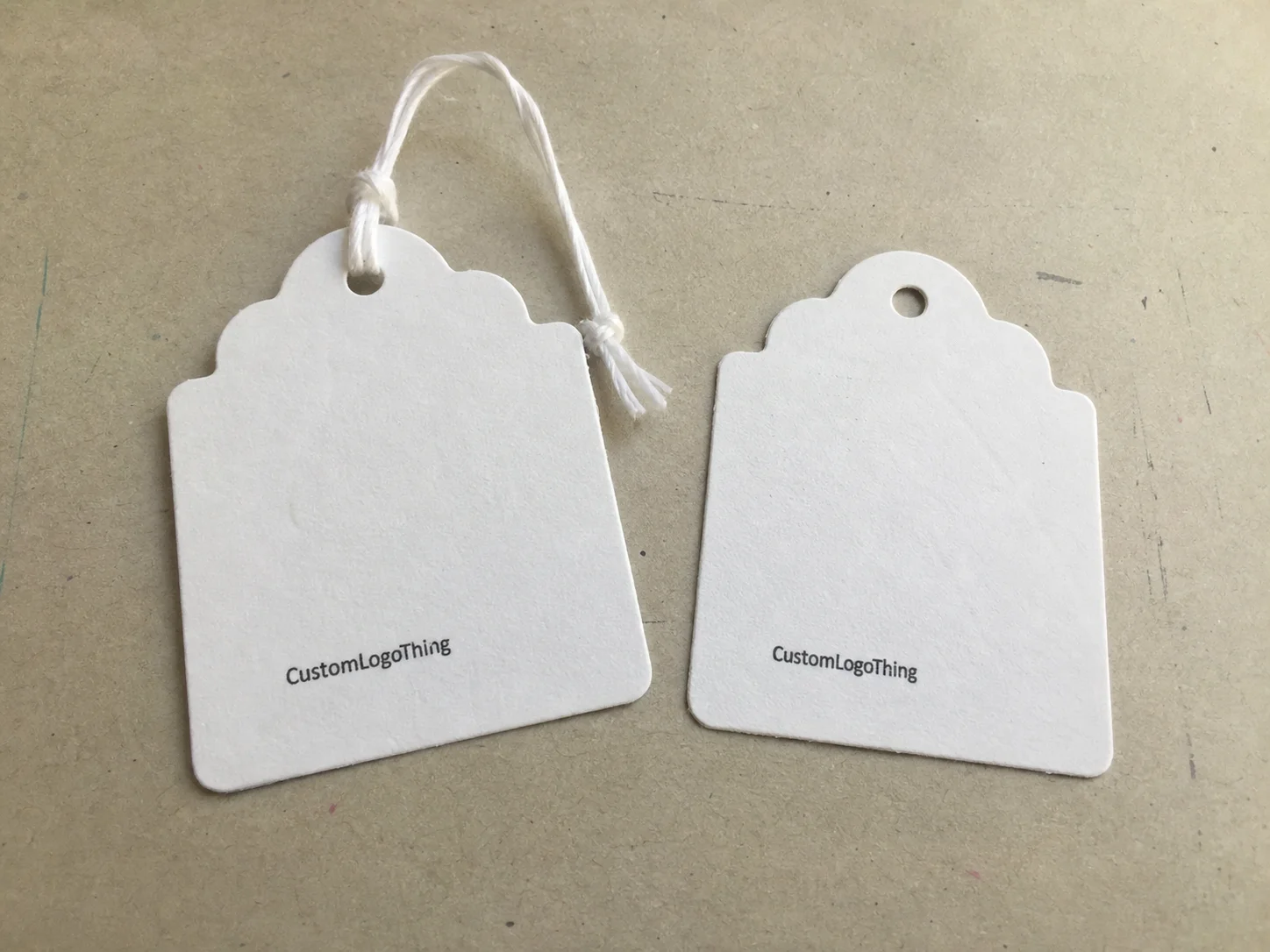
You approve the sample. It looks polished. The foil catches light, the logo is crisp, and the card feels right in your hand. Then the mass run lands and the hole position drifts, the string color is off, and the foil begins to lift at the edge. That is why Branded Hang Tags for jewelry packaging factory audit questions belong before sign-off, not after cartons are stacked in the warehouse.
Most hang tag failures do not start in the artwork file. They show up in trimming, punching, finishing, bundling, and packing. The PDF can be perfect and still tell you nothing about die-cut tolerance, edge crush, coating behavior, or how the eyelet sits after pressing. Jewelry tags are small, which makes every defect louder. A 1 mm hole shift on a large retail card is annoying. On a 40 mm pendant tag, it looks careless.
The right way to audit a supplier is to treat Branded Hang Tags for jewelry packaging factory audit questions as a production checklist, not a design review. You are not asking whether the tag is pretty. You are checking whether the factory can reproduce it consistently in volume. That distinction saves money, time, and the kind of rework that eats a margin one carton at a time.
“The sample looked fine on the desk. The production batch only looked fine if you didn’t hold two pieces side by side.”
If you already buy custom printed boxes, paper sleeves, or other retail packaging, the logic stays the same. Ask the questions that expose process risk early. Once the purchase order is issued, every correction gets more expensive.
How the factory audit process works from inquiry to approved sample
A factory audit is not a mysterious event with a clipboard and dramatic lighting. It is a sequence. First comes inquiry. Then spec review. Then quote. Then sampling. Then approval. Then production release. If a supplier skips one of those steps or treats them like optional extras, that is already a warning sign.
Start by requesting the basics: dieline, stock options, finishing options, string or eyelet details, and the packing method. If the supplier cannot answer these quickly, they probably do not have tight control over the workflow yet. You want the factory to tell you whether the tag is printed on 350gsm C1S artboard, 400gsm coated board, or a recycled stock with visible fiber. That answer changes both appearance and cost.
A physical sample matters more than a clean PDF when the tag has multiple finishes or a strict color target. Foil can look rich on screen and patchy in real life. Soft-touch coating can hide fingerprints but also mute contrast. A digital proof will not reveal whether the corners fray, whether the punch is centered, or whether the hanger slit tears after folding.
Industry groups and packaging standards bodies consistently emphasize process control rather than creative execution alone. That is the part buyers tend to underestimate. Different materials behave differently under pressure, and a good-looking file will not compensate for weak tooling or poor line control.
Keep these documents on file before release:
- Approved artwork with version number
- Signed physical sample or approved reference photo set
- Quoted spec sheet with stock, size, finish, and packing details
- Final packing instructions including quantity per bundle and carton count
- Shipping terms and destination requirements
One more practical point: the person quoting the job may not be the person controlling the press or the die room. If the answers keep changing between emails, get the spec clarified in writing before you move forward. Confusion at quoting stage becomes friction at production stage.
Materials, finishes, and print specs that change the result
Material choice affects more than feel. It changes cutting behavior, print density, finish adhesion, and how the tag ages in the box. For jewelry, the common range is 300gsm to 450gsm cardstock, but the right choice depends on whether the tag hangs beside a delicate chain, a heavier watch, or a velvet display insert. Thin stock can curl. Very thick stock can look premium but can crack on tight folds or punch badly if the die is weak.
If you want a clean, premium look, ask what the factory recommends between coated board, uncoated paper, recycled stock, and specialty texture papers. Coated board usually handles sharp imagery and foil better. Uncoated stock gives a softer, more natural finish. Recycled options can work well for branded packaging, but expect small fiber variation and a slightly different ink holdout. That is normal, not a defect.
Finishes change the risk profile just as much as the visual result. Foil stamping, embossing, debossing, spot UV, matte lamination, and soft-touch coating all require different setup quality. Foil can lift if the substrate is poor or the pressure is off. Embossing looks refined, but too much depth can distort small type. Spot UV on tiny tags can miss registration if the press is not tightly controlled.
Ask these spec questions directly:
- What is the exact hole diameter, and where is it measured from the edge?
- Is the tag square, rounded corner, or custom die-cut?
- What is the die-cut tolerance, and how often are tools checked?
- Can both sides print cleanly without show-through?
- Does the finish cover the full face or only selected elements?
Color tolerance matters more on small tags than on larger product packaging. A 0.5 mm shift in registration can be invisible on a carton panel and obvious on a 40 mm jewelry tag. The same goes for foil alignment. The smaller the canvas, the less margin the factory has to hide slippage.
From a buying standpoint, good packaging design for tags is not just about looking expensive. It is about choosing finishes that survive real handling. If your tags are threaded by hand, packed in bundles, and shipped across climates, finish durability matters as much as appearance. For buyers tracking material and sustainability claims, packaging guidance from public standards resources can help separate marketing language from actual material behavior.
Cost, pricing, and MOQ questions that protect your margin
The cheapest quote usually has a story. Sometimes it excludes setup. Sometimes it assumes a different stock. Sometimes it leaves out stringing, eyelets, or individual bagging and becomes expensive once you ask for the full job. Compare quotes carefully. Better yet, compare them like someone who has seen enough packaging invoices to know where the surprise charges hide.
The real cost drivers are straightforward:
- Material grade and board thickness
- Print method such as offset, digital, or screen print
- Finish complexity like foil, embossing, or soft-touch lamination
- Stringing or eyelet assembly
- Packing requirements per bundle, per bag, or per carton
For a rough benchmark, simple printed jewelry hang tags in standard cardstock can land around $0.06-$0.14 per unit at higher volumes, while a more premium version with foil and custom die-cutting can run $0.15-$0.35 per unit or more depending on quantity and local production. Add stringing, special packaging, or a lower MOQ, and the number moves fast.
MOQ matters because setup costs get spread across fewer pieces. A 1,000-piece order often carries a far higher unit price than a 5,000-piece order, even if the artwork is identical. Ask for pricing at multiple tiers: 1,000, 3,000, 5,000, and 10,000. That gives you room to plan launches and reorders without guessing.
Hidden charges are where buyers get bruised. Ask about:
- Plates or dies
- Proofing and sampling fees
- Color matching surcharge for Pantone targets
- Rush fees
- Freight to your final destination
- Extra packing charges for custom bundle counts
If you want a fair landed cost, not a headline number designed to look good in a spreadsheet, ask the factory to quote the same spec on the same quantity with every extra listed separately. That makes comparison possible.
| Quote type | What it includes | Risk | Buyer take |
|---|---|---|---|
| Headline price only | Unit cost, usually basic print only | Setup and finishes may be missing | Useful for a quick scan, not a decision |
| Spec-based quote | Stock, finish, die-cut, packing, and MOQ | Still may exclude freight | Best starting point for comparison |
| Landed-cost quote | Factory price plus shipping assumptions | Freight can change by destination | Best for budget planning and margin control |
Low MOQ is useful for testing a new design, but it can distort your assumptions. A supplier may quote a very attractive 1,000-piece run simply because the factory wants to win the account, then the repeat order price reveals the real structure. Always ask whether the same rate applies on reorder. Often it does not.
Process and timeline: what should happen before mass production
Production should follow a predictable order. First comes proofing. Then sample approval. Then printing. Then finishing. Then cutting. Then packing. If the supplier wants to skip straight from artwork to mass production because “the file is good,” that is not efficiency. That is gambling.
Realistic lead times depend on complexity. Simple tags usually take 7-12 business days after proof approval. Tags with foil, embossing, or special die cuts often need 12-18 business days. Larger runs, seasonal capacity, or special paper sourcing can extend that further. Sampling usually adds several days before production even starts. If you need rush service, the factory must already have the stock, plate setup, and finishing capacity in place.
Before release, confirm these details in writing:
- Approved artwork version
- Approved sample or signed reference photo
- Final quantity
- Pack count per bundle and carton
- Shipping method and destination
Buyers sometimes ask for extra QC because the order is small and “should be easy.” Size does not protect you from errors. Small tags can be harder to manage because the print area is tiny and the tolerance window is narrower. The carton count also matters more than many teams expect; a missing bundle can throw off a launch schedule just as effectively as a print defect.
If you need packaging testing standards for transit or handling, use them as a practical benchmark. The point is to test the package the way it will actually move, not the way it sits in a presentation deck.
Common mistakes buyers make when auditing jewelry hang tags
The biggest mistake is approving a digital proof and pretending that equals production approval. It does not. A screen cannot tell you stock thickness, coating feel, or whether the foil will crack at the fold line. A PDF is a promise. A sample is evidence.
Another common miss: checking only the front side. On a lot of tag jobs, the back side registers slightly differently once the card is cut, punched, and threaded. That may not matter for a simple logo backer, but it becomes visible fast if you have dense print, small type, or a pattern that should align across both sides.
Buyers also skip the pack inspection and then discover the factory packed the correct tags in the wrong counts. Or they label outer cartons loosely and the warehouse spends half a day counting bundles by hand. Ask how cartons are labeled. Ask whether bundles are counted manually or by machine. Ask for a photo of the packed carton before shipping.
Test the finished tag on the real jewelry box, display card, chain loop, or product hook before sign-off. What fits beautifully in a design deck can look awkward next to the actual piece. Tag size, hole placement, and string length all matter. A 20 mm shift in string can make the tag dangle too low or sit awkwardly against the product.
Here are sample defects that should fail immediately:
- Crooked or off-center holes
- Uneven trimming or rough edges
- Wrong color or poor color match
- Foil lifting when handled
- Smudged print or weak ink coverage
- Missing eyelets or weak string
- Wrong carton count or bundle count
If the sample does not match the approved spec sheet, it is not approved. That sounds obvious until someone tries to save a few days by accepting “minor differences.” Minor differences tend to become major differences once 8,000 pieces are sitting on a pallet.
One more practical issue: buyers sometimes focus on the tag itself and forget how it interacts with the rest of the packaging. A tag that clashes with the box finish, thread color, or logo placement weakens the presentation even if the tag is technically well made. Good packaging systems work together.
Next steps after the audit: lock specs, samples, and shipping
Once the audit is done, turn every note into a written spec sheet. Include material, thickness, finish, color target, die-cut size, hole position, string type, pack method, and carton count. Memory is not a control system. It is a future dispute.
Ask the supplier for a signed final sample or a clearly marked approved photo reference. That gives both sides a reference point if production drifts later. If the factory says, “We will follow the sample,” make sure they understand which sample. The first version? The revised version? The version with the corrected Pantone? Ambiguity is cheap until it reaches the production floor.
Before you release the deposit or purchase order, confirm:
- Carton count and pack count per carton
- Outer box labels and item codes
- Pallet rules if applicable
- Freight terms and shipping destination
- Inspection method if third-party QC is required
If you are using branded packaging across a broader collection, keep the tag spec aligned with the rest of your product packaging so the visual system stays consistent. That includes typography, logo spacing, finish family, and material tone. Consistency is what makes a brand look intentional rather than assembled from random good ideas.
At the end of the process, the value of branded Hang Tags for Jewelry packaging factory audit questions is simple: they turn a subjective approval into a repeatable production control. That matters more than a polished mockup ever will. A tag is small, but it sits at the front of the customer’s first impression. If the tag looks cheap, the product starts at a disadvantage before the box is even opened.
What should I ask in a factory audit for branded jewelry hang tags?
Ask what material, thickness, print method, and finish they will use on the exact order. Request a physical sample and confirm the tolerance for color, hole position, and cutting accuracy. Make them explain how they inspect and pack each batch before shipment.
How do I compare quotes for jewelry packaging hang tags?
Compare the unit price at the same quantity, not just the lowest headline number. Check setup charges, sample fees, tooling, freight, and any finish surcharge. Ask whether the price changes at different MOQ tiers so you can estimate reorder cost.
What lead time is normal for custom branded hang tags for jewelry packaging?
Simple tags usually move faster than tags with foil, embossing, or special die cuts. Sampling often takes several days, then production adds another one to three weeks depending on quantity. Rush lead times are possible, but only if the factory already has the right material and finishing capacity.
Which sample defects should fail a hang tag audit?
Reject crooked holes, uneven cutting, wrong color, or foil that lifts when handled. Reject weak strings, missing eyelets, smudged print, or the wrong carton count. If the sample does not match the approved spec sheet, it is not approved.
Can I audit a supplier remotely before placing a larger order?
Yes, but you need more than a video call and a nice promise. Ask for factory photos, live video of the line, a physical sample, and proof of QC steps. If the order is large, use third-party inspection or a local agent to verify the shipment.