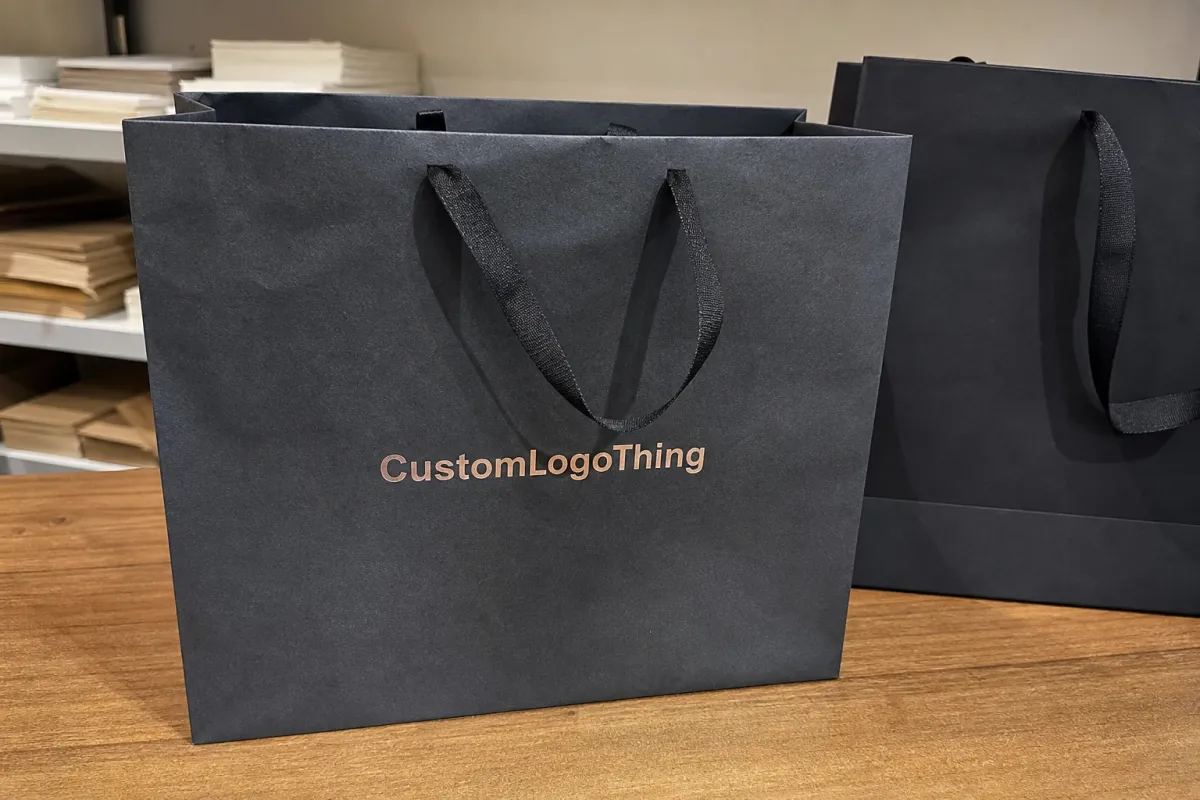
Buyer Fit Snapshot
| Best fit | Branded Kraft Mailer Sleeves projects where brand print, material claims, artwork control, MOQ, and repeat-order consistency need to be specified before quoting. |
|---|---|
| Quote inputs | Share finished size, material target, print colors, finish, packing count, annual reorder estimate, ship-to region, and any compliance wording. |
| Proofing check | Approve dieline scale, logo placement, barcode or warning zones, color tolerance, closure strength, and carton packing before bulk production. |
| Main risk | Vague material claims, crowded artwork, missing packing details, or unclear freight terms can make a low unit price expensive after revisions. |
Fast answer: Branded Kraft Mailer Sleeves: Design, Cost, and Timing should be specified like a repeatable production item. The safest quote records material, print method, finish, artwork proof, packing count, and reorder notes in one written spec.
Production checks before approval
Compare the actual filled-product size with the drawing, then confirm tolerance on folds, seals, hang holes, label areas, and retail display edges. Reserve space for logos, QR codes, warning copy, and material claims before decorative graphics fill the panel.
Quote comparison points
Review material grade, print process, finish, sampling route, tooling charges, carton quantity, and freight assumptions side by side. A quote is only useful when the supplier can repeat the same color, closure quality, and packing count on the next order.
Branded Kraft Mailer sleeves can turn an ordinary carton or stock mailer into packaging that looks chosen, not improvised. A brown box does the job of shipping. A brown box with a sharp sleeve says someone thought through the first five seconds of the unboxing, which is usually when the customer decides whether the brand feels careful or careless.
That is the real attraction. Keep the box or mailer that already performs, then add a printed wrap, band, or outer carrier that does the branding work without asking for a full packaging rebuild. For plenty of ecommerce teams, Branded Kraft Mailer sleeves sit in the narrow, useful space between “bare minimum” and “we just spent too much on packaging.”
If the sleeve takes longer to fit than the box takes to pack, the branding upgrade has quietly become a labor problem.
Custom Logo Things sees this pattern constantly: brands want a cleaner first impression, but they do not want to scrap existing inventory, redesign their packing line, or wait through a long print cycle. Branded kraft mailer sleeves solve that problem without dragging the whole operation into a months-long packaging project.
I have watched teams spend weeks arguing over a full carton redesign, then discover that a well-specified sleeve got them 80 percent of the visual lift in a fraction of the time. That does not make sleeves a cure-all. It does make them one of the smartest middle paths in packaging.
What Branded Kraft Mailer Sleeves Are and Why They Work
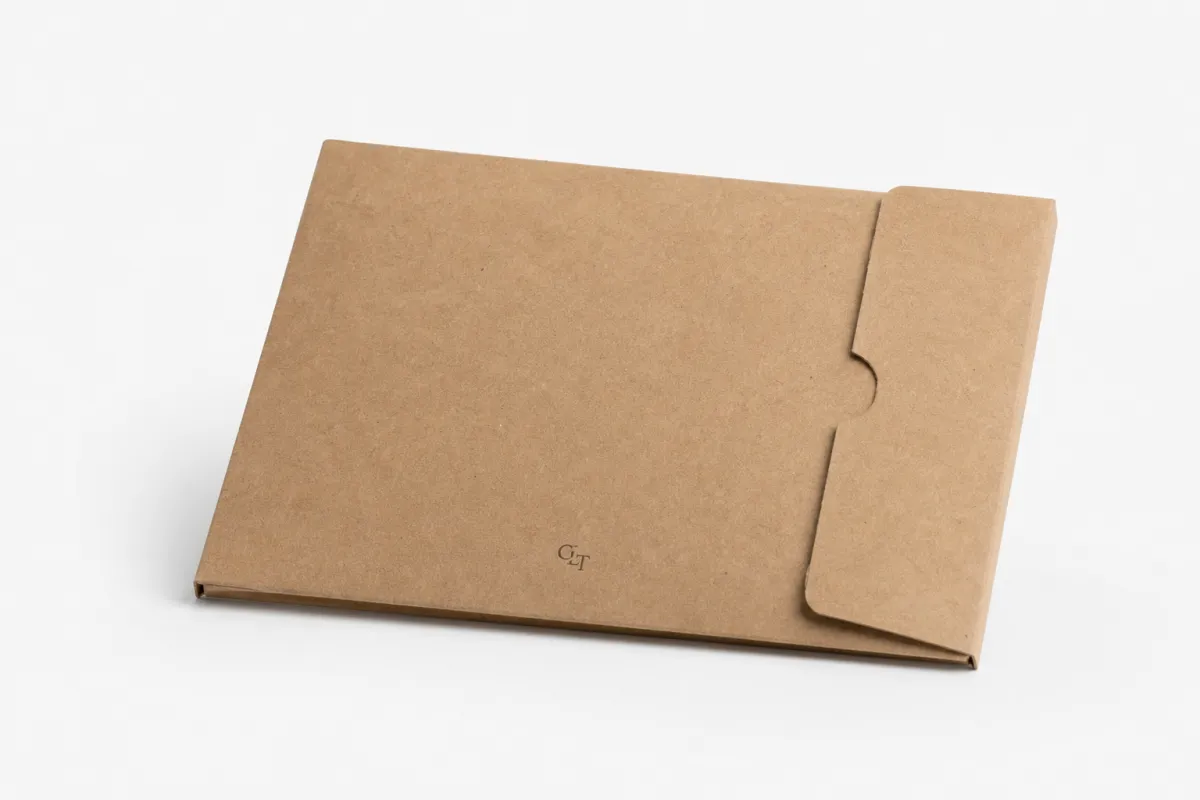
Branded kraft mailer sleeves are printed wraps made from kraft stock that sit around a box, a mailer, or a rigid pack. Some are narrow belly bands. Some use a locking flap and cover more surface area. Some only expose the logo and a message on the front edge so the brand shows the moment the parcel is lifted from a stack. The structure changes, but the job stays the same: add identity to packaging you already use.
That is why branded kraft mailer sleeves can outperform a fully custom carton in the right setting. A custom box may look beautiful in a render. The sleeve is what the customer actually touches first, and it is what the fulfillment team sees while the order is being packed. That makes the branding part of a working process instead of a presentation deck. The sleeve frames the product without demanding that the whole carton become advertising.
They are especially useful for ecommerce shipments, subscription kits, influencer mailers, launch packs, and retail-ready presentation packaging. If the base box is structurally sound but visually forgettable, branded kraft mailer sleeves give it a deliberate face without the cost and delay of a complete carton redesign. That is a practical move, not a compromise.
These sleeves are not magic. They will not fix a weak closure, a crushed corner, or a mailer that opens too easily in transit. What they do is improve first impression quickly, using less material and less risk than a full packaging overhaul. For many brands, that is enough. The base pack handles the shipping. The sleeve handles the story.
There is a psychological piece here as well. Kraft already carries a kind of utility-driven honesty. Put a clean logo, disciplined typography, and one strong message on top of that surface, and the package starts to feel intentional rather than plain. That is why branded kraft mailer sleeves often create a bigger visual jump than buyers expect from a simple wrap.
The easiest benchmark is where the parcel will be seen. In a warehouse stack, on a retail shelf, or in a social post, the sleeve can be visible before the product is even opened. That makes branded kraft mailer sleeves useful for brands that need presentation and speed in the same build.
Packaging buyers rarely ask for “a sleeve.” They usually ask for more brand presence without more headache. Branded kraft mailer sleeves answer that brief well when the carton already works and only the outside needs a cleaner face.
How Branded Kraft Mailer Sleeves Work on Boxes and Mailers
The structure is straightforward. A sleeve is sized to slide over, wrap around, or lock onto an existing package format. Some rely on tension alone. Others use tabs, slits, or a glue seam. For branded kraft mailer sleeves, fit matters as much as the artwork because the whole point is a clean, repeatable assembly step. A beautiful design that jams on the line is still bad design.
The branding load sits on the exterior face, so logo placement, typography, color fields, and hierarchy have to carry the load. Most brands do better with one clear logo position, one supporting message, and one callout than with a wall of copy. Kraft has its own texture and color, which means a restrained layout usually reads better than a crowded one. Branded kraft mailer sleeves are not the place to cram in every campaign message that has ever existed.
Fit changes the whole experience. Too loose, and the sleeve shifts, curls, or looks like a rushed fix. Too tight, and fulfillment teams stop liking it by the second shift. The best branded kraft mailer sleeves have enough tension to stay aligned but enough clearance to be applied quickly, even when orders are moving in batches. The structure should feel like it drops into place without a fight.
Customer experience matters more than people admit. A sleeve can guide the opening edge, frame the brand story, or give a short product introduction before the shipping carton is lifted. That matters for launches, gift sets, and influencer outreach, where the package itself becomes part of the content. The parcel has to photograph well, yes, but it also has to behave well in the hand. Branded kraft mailer sleeves can do both if the structure stays simple.
That is why these sleeves make sense when the base pack already works. If your stock box is the right size, survives transit handling, and packs quickly, there is no reason to throw it away just to chase a custom look. Use branded kraft mailer sleeves as the visual layer and let the existing shipper keep doing the actual protection work.
For brands deciding between a sleeve and another exterior format, compare the whole system rather than the mockup. Our Custom Poly Mailers page is useful if the goal is a lighter, more flexible shipper instead of a paper-based presentation wrap. Different pack formats solve different problems. That detail gets ignored more often than it should.
Branded kraft mailer sleeves can mark the difference between “this came out of a warehouse” and “someone made choices here.” That is a small shift with a large effect.
A sleeve should not make packing harder. It should make the box look smarter without turning every order into a mini assembly project.
Key Design Factors: Size, Stock, Print, and Finish
Start with size. That sounds obvious, which is exactly why it gets skipped. Measure the actual packed dimensions, not the catalog size of the box. Account for overlap, lock tabs, glue areas, and the tolerance that comes from hand packing. With branded kraft mailer sleeves, a few millimeters matter because the gap between a smooth fit and a frustrating one is often smaller than people think. I prefer mock measurements pulled from a real packed sample, not a sketch.
Stock choice changes both the look and the handling. Lighter kraft in the 250-300gsm range folds easily and keeps cost down, but it can feel soft if the parcel gets handled roughly. Heavier stock in the 350-400gsm range feels more substantial and holds shape better, though it usually increases cost and may need cleaner score lines. For branded kraft mailer sleeves, that tradeoff is normal. The right answer depends on whether the sleeve is decorative, structural, or both.
Print choice is the next major decision. A one-color design on natural kraft can look remarkably strong if the logo is solid and the typography is disciplined. Two-color work adds flexibility, but it also raises the risk of muddy contrast if the stock absorbs ink unevenly. Full-color coverage can work, though on kraft it needs tighter control over ink spread and proofing. Branded kraft mailer sleeves often look better with less ink than the client expects. Kraft already brings personality. You do not need to fight the material.
Finish is where a lot of buyers overspend or underspec. Uncoated kraft feels natural and usually keeps the most authentic look, but it can scuff if it rubs against other parcels. A matte varnish or aqueous coating can improve rub resistance without making the piece look plastic. If the brand wants a more polished surface, that is possible too, but I would only use it when the visual direction truly needs it. The more finish you add, the more you change the feel of branded kraft mailer sleeves.
Structural details are easy to overlook and hard to fix later. Die-cuts, perforations, thumb notches, tuck-ins, and window cutouts can make the sleeve easier to assemble or more memorable to open. A clean perforation for tear-away opening, for instance, can turn the sleeve into part of the unboxing rather than a wrapper the customer peels off awkwardly. That kind of detail looks small on paper and large in use.
If sustainability claims matter, ask for certified stock and ask the supplier to show it. A kraft sleeve printed on FSC-certified material gives you a cleaner story than vague “eco-friendly” language that nobody can verify. That does not make the package virtuous by itself, but it does make the sourcing easier to defend.
The strongest branded kraft mailer sleeves are usually the least fussy. A clean logo, a crisp fold, and one or two graphic decisions usually beat an overdesigned wrap. Kraft is not a luxury surface. Treat it with restraint and it starts looking expensive. Treat it like scrap paper and it starts looking cheap.
There is also a practical test I have learned to trust: if a sleeve still looks good after a few hands have packed it, stacked it, and shipped it, it was probably designed well. That kind of durability in use matters more than a perfect mockup.
Branded Kraft Mailer Sleeves: Cost, Pricing, and MOQ
Cost is driven by a handful of predictable variables: material weight, print coverage, die-cut complexity, sheet size, and whether the sleeve needs folding or gluing after print. Branded kraft mailer sleeves are often cheaper than a fully custom box because the base pack stays standard and the printed area is smaller. Still, cheap is a sloppy word in packaging. The real number is total cost after labor, waste, and damage are counted.
Quantity matters because setup costs do not shrink much just because the run is small. Plates, cutting forms, press setup, and proofing all have to happen whether the order is 1,000 pieces or 20,000. That is why the unit price falls as volume rises. For branded kraft mailer sleeves, MOQ is usually a practical issue, not a philosophical one. Smaller runs are possible, but they carry a heavier setup burden per unit and fewer finishing options.
If a buyer is comparing sleeves with a full carton, the sleeve often wins on cost when the shipping box already exists. A well-made sleeve can create a premium feel for a fraction of the cost of redesigning the whole carton line. If the sleeve needs heavy print coverage, multiple cut lines, special coatings, or a lot of hand assembly, the advantage shrinks fast. That is the part that surprises people. The word “sleeve” makes them assume the price must be low. It is not always.
Branded kraft mailer sleeves also need to be judged against packing speed. A sleeve that adds five seconds per unit on a 10,000-piece run adds real labor cost. Five seconds sounds harmless until it becomes about 13.9 hours of total labor across the run. Sometimes that extra time is worth it because the customer sees the value. Sometimes it is waste because the pack is too awkward to justify the visual payoff. That is why a packaging quote should never be read as a standalone number. The quote is only part of the story.
| Option | Typical MOQ | Ballpark Unit Cost | Best For | Main Tradeoff |
|---|---|---|---|---|
| Simple one-color belly band | 1,000+ | $0.08-$0.16 | Lean launches and light branding | Limited surface area and simpler presentation |
| Standard die-cut sleeve | 3,000+ | $0.18-$0.32 | Ecommerce kits and subscription packs | Needs careful sizing and folding discipline |
| Full-bleed printed sleeve | 5,000+ | $0.24-$0.45 | Color-heavy brands and launch mailers | More ink, more proofing, more chances for waste |
| Fully custom printed box | 5,000+ | $0.45-$1.10 | Premium unboxing and retail display | Higher tooling and material cost |
The table is not a competition. It is a shortcut for thinking. If your box already performs well, branded kraft mailer sleeves usually deliver 70-90% of the visual impact for less money and less risk than a full custom carton. If your box is the wrong size, weak in transit, or hard to pack, the sleeve is the wrong place to spend money because the deeper problem is somewhere else.
One more pricing detail matters: cheap sleeves that snag, scuff, or misalign can cost more than a better-made version once returns and rework enter the picture. That is not theoretical. It is one of those packaging truths that keeps showing up in production. Branded kraft mailer sleeves should be priced against the real workload, not the lowest quote on the page.
If you want a practical reality check on presentation upgrades, our Case Studies page shows how brands use packaging changes to improve the customer experience without rebuilding every part of the shipper.
If you are sourcing on FSC-certified stock, remember that material choice affects not just cost but also print quality and feel. Branded kraft mailer sleeves built on cleaner stock often look better at the same quantity because the surface behaves more predictably under ink.
Process and Timeline: From Artwork to Delivery
The workflow is fairly direct, but the handoffs matter. Start with a brief that includes the packed dimensions, the box style, the packing method, and the target look. Then build the dieline, place the artwork, review the proof, sample the structure, approve the final file, and move into production. Branded kraft mailer sleeves reward clean paperwork. Sloppy input turns into slow output.
Most delays come from boring problems: missing measurements, unclear logo files, slow proof approvals, or last-minute structural changes. If the sleeve is supposed to sit around a box that is still being adjusted, the schedule will wobble. I would rather see a simple design approved quickly than a clever design that changes three times after the dieline is already out. Branded kraft mailer sleeves move faster when everyone stops treating dimensions like an afterthought.
Timing depends on complexity. A simple sleeve with one-color print and a clean lock can move fairly fast once artwork and measurements are approved. A more complex build with cutouts, perforations, multiple colors, or coatings takes longer because proofing and finishing add steps. In practical terms, simple branded kraft mailer sleeves often land in the 12-15 business day range after proof approval, while more involved versions may need 18-25 business days or more. Shipping time sits on top of that.
The proofing stage is where real mistakes get caught. That is the moment to check fit, fold lines, copy placement, lock behavior, and how the sleeve sits around the pack in the hand. A digital mockup can hide fit problems. A printed sample cannot. I would rather pay for one clean sample than discover on the floor that the sleeve needs two extra millimeters of clearance or a different score depth.
For shipping validation, I like a practical test before launch. The industry has formal methods, and ISTA testing is a sensible reference point if your parcels take real abuse in transit. A full lab program is not always necessary, but you do need a sample that survives the kind of handling your customers will put it through. A sleeve that looks elegant in the studio and fails on the parcel line is not a win.
Build buffer time into the plan if the sleeves are tied to a launch, influencer drop, seasonal promotion, or event kit. Launch dates have a habit of making every small delay feel larger than it is. Branded kraft mailer sleeves are not usually the longest lead item in a packaging program, but they can still become the thing that holds up final assembly if the schedule is tight.
I also recommend checking the downstream pack schedule before final artwork gets approved. If the sleeves arrive before the cartons or inserts, inventory sits idle. If the cartons arrive first, the packing team waits. The smartest branded kraft mailer sleeves project is the one where all the moving parts land in the right order, which sounds basic until a launch slips because of a missed dieline correction.
Common Mistakes to Avoid With Kraft Sleeves
The biggest mistake is bad sizing. Designers often use nominal box dimensions instead of measured packed dimensions, which is how a sleeve ends up too tight, too loose, or impossible to run cleanly. Branded kraft mailer sleeves need the real numbers: width, depth, height, overlap, and any tolerance for hand packing. Guessing is expensive in packaging. It always has been.
Overcrowded artwork causes the next round of trouble. Too many logos, too much copy, and no hierarchy make the sleeve look loud instead of branded. Kraft already has texture, so the layout has to breathe. A strong mark and a short message usually outperform a crowded panel of secondary claims. Branded kraft mailer sleeves work better when they understand their purpose.
Assembly speed gets ignored more often than it should. If the sleeve takes too long to fold, lock, or align, labor starts eating the savings. A design that saves $0.10 per unit but adds 6 seconds of manual handling is not actually saving money once the math is done. That is one reason I prefer to see a physical sample run by someone who packs orders every day, not just a designer who likes the mockup.
Finish is another trap. Uncoated kraft looks honest and can be beautiful, but it can also scuff or pick up dirt if the outer face rubs hard against other parcels. If the shipper is moving through long courier chains or stacked pallets, test the surface before you commit to a full run. Branded kraft mailer sleeves should be judged against real handling, not ideal handling.
Skipping samples is the laziest mistake and the most common one. A screen render will not show fold memory, curl, rub, or the way a lock tab behaves after the first few trays. I would not approve branded kraft mailer sleeves at scale without a blank sample and a printed proof. That is the cheap insurance policy. Everything else is optimism dressed up as process.
There is also a mindset error: treating the sleeve like decoration instead of packaging. If the goal is only to make the pack prettier, the design tends to get fussy. If the goal is to improve brand recognition, packing speed, and opening experience at the same time, the choices get much cleaner. That shift matters.
If you want to see how different formats compare after the fact, our Case Studies page is a solid place to study what worked, what got simplified, and what brands changed after the first production run.
Branded kraft mailer sleeves look simple on the surface. That is exactly why people underestimate the setup. The design is easy to overcomplicate, and the production is easy to under-test.
Expert Tips and Next Steps for Better Packaging
Start with the current pack and audit what already works. If the box protects the product, ships cleanly, and fits your fulfillment line, do not rebuild it just to chase novelty. Branded kraft mailer sleeves are most useful when they enhance a system that already performs. That is the boring answer, and boring answers are usually profitable.
Ask for both a blank sample and a printed proof. The blank sample tells you whether the structure makes sense in the hand. The printed proof tells you whether the artwork reads properly and whether the brand looks as sharp on kraft as it did on screen. For branded kraft mailer sleeves, that two-step check catches most of the expensive mistakes before they become inventory.
Pilot a small run on one SKU first, then compare it with the old setup. Track packing speed, damage rates, and customer feedback. Does the sleeve slow the line? Does it change the perception of the shipment? Does it survive the same courier abuse as the old pack? Those questions matter more than a moodboard. If the data looks good, scale up. If it does not, fix the weak point before you print more.
Keep the design focused. One strong message, one logo position, and one reason the sleeve exists is usually enough. If the design tries to explain the brand story, the product story, the sustainability story, and the holiday story all at once, it starts looking like a brochure wearing a box. Branded kraft mailer sleeves work best when they stay disciplined.
There is also a practical sourcing choice to make. If your outer pack needs more surface coverage, compare branded kraft mailer sleeves with other exterior formats before you commit. Depending on the product and shipping method, a different solution might be better for cost, speed, or protection. That is why it helps to view the sleeve as one tool, not the whole toolbox. If you need a comparison point, our Custom Poly Mailers page shows a lighter alternative for some shipping programs.
Here is a simple checklist that keeps the project moving:
- Measure the packed box or mailer, not the nominal carton size.
- Choose the sleeve stock based on handling, not just price.
- Limit the layout to a clear hierarchy and one primary message.
- Request a blank sample and a printed proof before approval.
- Test packing speed with the real fulfillment team.
- Check rub resistance, fit, and opening behavior before volume order.
- Build timing buffer if the sleeves support a launch or event.
That is the whole playbook. Measure carefully, spec the structure honestly, sample it, approve it, then launch it with enough time to fix the small stuff. Branded kraft mailer sleeves are not complicated once the process stops drifting. They are one of the most efficient ways to make stock packaging look intentional without spending money on a full rebuild.
For brands that want the shipment to feel branded the second it lands, branded kraft mailer sleeves are still one of the cleanest answers. Keep the structure tight, keep the artwork disciplined, and keep the schedule realistic. Do that, and branded kraft mailer sleeves will do exactly what they are meant to do: make the package feel like it came from a brand that pays attention.
The most useful next step is simple: measure one real packed SKU, request a blank sample, and compare it with a printed proof before you commit to volume. If those three things line up, the sleeve is probably worth running. If they do not, the fix is in the structure, not the branding.
Are branded kraft mailer sleeves cheaper than custom boxes?
Usually yes, especially if you already use a stock box or mailer and only need branding on the outside. They avoid a lot of the tooling and print burden that comes with a fully custom carton. The savings shrink if the sleeve needs heavy coverage, special finishing, or very low quantities.
What size should branded kraft mailer sleeves be?
Size them from the actual packed dimensions, not the catalog size of the box alone. Leave room for overlap, locking tabs, and fold tolerance so the sleeve goes on cleanly. Always test with a real sample because small sizing errors show up fast.
Do kraft mailer sleeves hold up in shipping?
Yes, if the stock weight and finish match the handling conditions. Heavier kraft and clean fold construction usually survive transit better than thin, flimsy wraps. If the outer surface rubs against other parcels, a test run is worth doing before launch.
What drives the cost of branded kraft mailer sleeves most?
Material weight, print coverage, and dieline complexity usually drive pricing the hardest. Quantity matters because setup costs spread out better on larger runs. Special features like cutouts, coatings, or unusual assembly steps can push the price up quickly.
How long does it take to produce branded kraft mailer sleeves?
Simple sleeves can move fairly quickly once the artwork and measurements are approved. More complex builds take longer because proofing, sampling, and finishing add steps. The safest move is to build in buffer time if the sleeves have to support a launch date.