Buyer Fit Snapshot
| Best fit | Branded Mailer Box Inserts Bulk projects where brand print, material claims, artwork control, MOQ, and repeat-order consistency need to be specified before quoting. |
|---|---|
| Quote inputs | Share finished size, material target, print colors, finish, packing count, annual reorder estimate, ship-to region, and any compliance wording. |
| Proofing check | Approve dieline scale, logo placement, barcode or warning zones, color tolerance, closure strength, and carton packing before bulk production. |
| Main risk | Vague material claims, crowded artwork, missing packing details, or unclear freight terms can make a low unit price expensive after revisions. |
Fast answer: Branded Mailer Box Inserts Bulk: Specs, Pricing, Lead Times should be specified like a repeatable production item. The safest quote records material, print method, finish, artwork proof, packing count, and reorder notes in one written spec.
Production checks before approval
Compare the actual filled-product size with the drawing, then confirm tolerance on folds, seals, hang holes, label areas, and retail display edges. Reserve space for logos, QR codes, warning copy, and material claims before decorative graphics fill the panel.
Quote comparison points
Review material grade, print process, finish, sampling route, tooling charges, carton quantity, and freight assumptions side by side. A quote is only useful when the supplier can repeat the same color, closure quality, and packing count on the next order.
Branded mailer box inserts bulk orders are not decorative extras. They keep products from sliding, make the box feel finished, and turn a plain shipment into something that looks planned instead of rushed. That matters more than most teams admit. One damaged order can wipe out the margin on a surprisingly large batch of inserts.
From a packaging buyer's standpoint, the insert sits in a useful middle ground. It does not have to carry the entire brand story like the outer shipper, and it does not have to act like a full structural carton either. It still has to do three jobs at once: hold the product in place, present the product cleanly, and survive packing, freight, and the usual carrier abuse. That is why branded mailer box inserts bulk purchases make sense for DTC brands, subscription boxes, gift kits, and seasonal launches.
Bulk buying also solves a consistency problem. If you ship the same product in multiple colors, run monthly replenishment kits, or build influencer mailers in waves, the insert should not feel different every time someone opens the box. A clean branded insert makes the package feel deliberate. Customers notice that, even if they never say it out loud.
The real question is not whether the insert looks good in a mockup. It is whether the insert protects the product, fits the carton, and keeps the packing line from turning into a mess. That is where the money goes.
Why branded mailer box inserts bulk orders can pay off fast
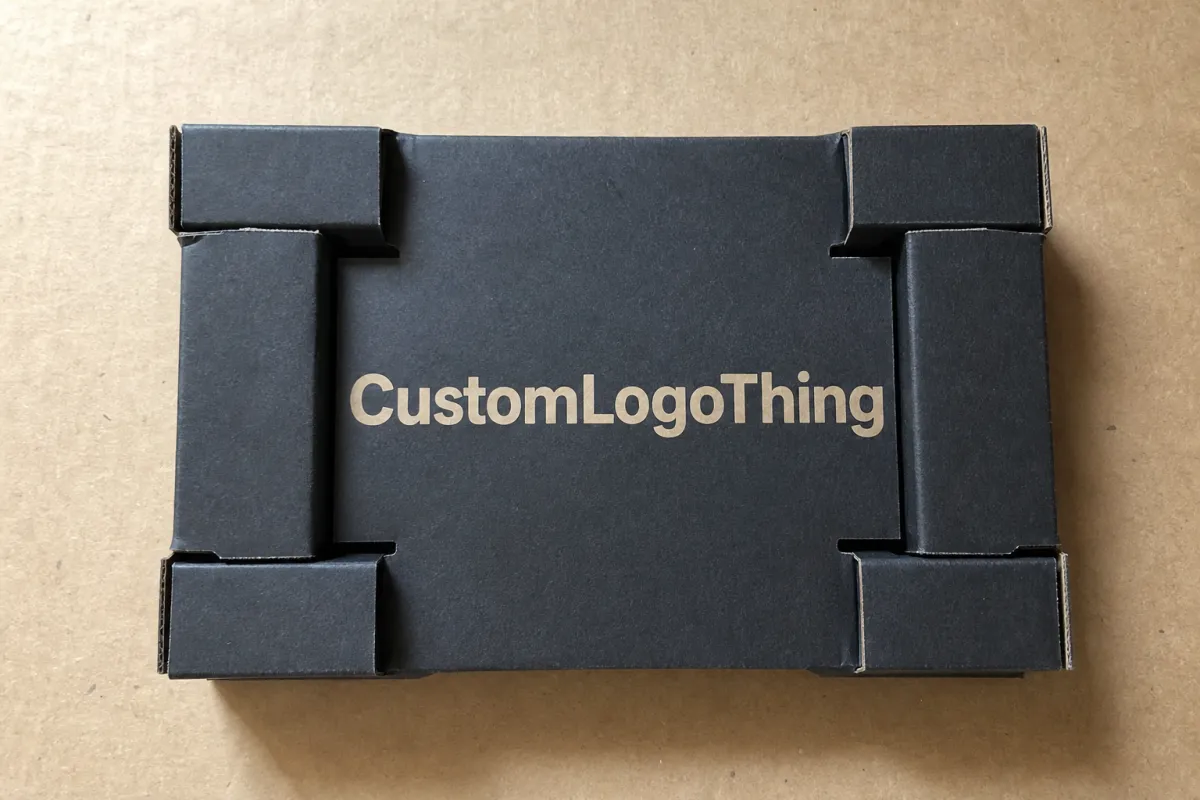
Poor packing tends to show up at the worst possible time: after the box has shipped and the customer is already irritated. A cracked jar, a scuffed item, or a loose accessory turns a nice brand moment into a replacement, a refund, or both. That is why branded mailer box inserts bulk can pay off faster than a lot of teams expect. You are not buying paperboard. You are buying fewer mistakes.
The outer mailer gets the attention, sure. The insert is the part people touch first. That first touch matters for gifts, monthly boxes, and any DTC product that needs to feel considered instead of random. If the insert is crisp, fits properly, and carries a short line of copy or a product guide, the order feels polished. If it is flimsy or generic, the whole box feels assembled from leftovers.
The business case is simple:
- Fewer returns because the product shifts less in transit.
- Fewer damage claims because the insert controls movement instead of inviting chaos.
- Higher perceived value because the inside of the box actually looks finished.
- Cleaner packing because workers follow a repeatable insert instead of improvising with filler.
Bulk buying works best when the packaging system stays stable. Seasonal kits, recurring product drops, subscription orders, replenishment runs, and branded gift packs all do better with one approved spec. Pick one structure, one print layout, one fit, then keep using it until the product changes. That is cheaper than reinventing the wheel every time the launch calendar gets aggressive.
"If the insert moves, the branding does not matter."
That line is blunt because it is true. A lot of buyers chase color, coating, or finish first, then discover the product rattles around inside the box like loose change. A polished insert that fails to hold the item is just expensive paper with a logo. Start with protection. Add branding after the structure actually works.
If you want to see how different packaging choices play out in the real world, our Case Studies page shows finished work, and our Wholesale Programs page explains how repeat ordering usually gets handled for brands with ongoing volume.
For buyers who care about transit performance, packaging testing is not guesswork. The ISTA testing standards are a useful benchmark when the product is fragile, premium, or shipping in larger quantities. If the insert cannot survive handling and shipping, it is not doing its job. Simple enough.
Product details: choose the right insert style and print method
No single insert style works for every mailer. The right choice depends on what ships inside, how much movement the product can tolerate, and how much of the insert the customer will actually see. A branded insert inside a subscription box usually has to do more presentation work than an insert inside a replenishment kit. A sample pack may need quick assembly and basic branding, while a luxury mailer tends to need tighter structure and a cleaner finish.
Common formats include card stock inserts, folded mailer dividers, corrugated protectors, foam alternatives, and custom-cut trays. Card stock usually fits lightweight products, printed literature, or items already protected in a pouch or secondary box. Corrugated board adds strength and is the safer choice for heavier items or shipments that get handled roughly. Custom-cut trays help when the product has an odd shape or when several components need to sit in fixed positions without drifting around.
Print method matters too. Digital printing works well for short runs and fast artwork changes. Offset printing makes more sense when the quantity rises and unit cost matters more than speed. One-color branding still deserves a look if the insert will be mostly hidden or if the budget has to stay tight. Not every insert needs a full-bleed, four-color treatment. Sometimes a logo, a short message, and a QR code are enough to do the job.
Good branding on an insert does more than show a logo. It can carry:
- Care instructions for products that need handling guidance.
- QR codes that link to setup, refill, or registration pages.
- Product education that cuts down on support questions and returns.
- Promotion codes that nudge repeat orders without much effort.
- Launch messaging for drops, limited editions, or seasonal bundles.
That content earns its keep if it reduces confusion or helps drive another order. A buyer should ask a simple question: does the insert only look branded, or does it actually improve the package?
Structure usually matters more than graphics. If a bottle slides, a device shakes loose, or a set of samples shifts inside the mailer, the problem is the structure. Add a fold, a pocket, a lock tab, or a custom cutout when the product needs it. Pretty graphics do not stop motion.
Buyer check: subscription box, influencer kit, retail mailer, or sample pack? Each one has a different tolerance for weight, handling, and presentation. A subscription insert usually needs speed and consistency. An influencer kit can justify a little extra finish and custom messaging. A retail mailer tends to land somewhere in the middle. Sample packs need the easiest packing path because those orders get messy fast.
If you are still weighing lightweight packaging systems, compare the insert to the outer pack instead of treating them like separate decisions. Our Custom Poly Mailers page helps brands decide whether the outer package or the internal insert should carry more of the presentation load.
Specifications: sizes, materials, and fit requirements
Specifications are where packaging projects stay organized or slide into revision hell. Before asking for a quote, gather the inner box dimensions, the product dimensions, product weight, whether the insert needs to hold one item or several SKUs, and whether any accessories need their own pockets. That sounds basic because it is. Plenty of delayed jobs start with missing measurements and vague notes about fit.
The best insert is the one that matches the actual physical load, not the one that looks elegant in a slide deck. A beautiful insert that lets the product rattle around is just a prettier version of a bad design. Fit matters more than rendering. Always has.
Here is a practical comparison of common insert materials and how they usually perform:
| Material | Typical Use | Strength | Look | Common Tradeoff |
|---|---|---|---|---|
| SBS paperboard | Lightweight products, printed presentation inserts | Light to medium | Smooth, clean print surface | Less protective for heavy or fragile items |
| Corrugated board | Heavier items, shipping protection, nesting structures | Medium to high | More industrial unless printed well | Bulkier than paperboard |
| Recycled board | Sustainable presentation, general-purpose inserts | Medium | Natural, matte, often less uniform | Finish options can be more limited |
| Specialty stock with coating | Premium gifting, launch kits, brand-forward mailers | Light to medium | Higher-end presentation | Cost goes up quickly with finish complexity |
Finish choices affect both appearance and durability. Matte gives a softer, quieter look. Gloss adds brightness and makes colors pop. Soft-touch feels premium, though it usually costs more and can show handling marks depending on the product and packing process. Aqueous coating adds a practical layer of protection. Spot UV can be a strong accent for logos or key words if the budget allows it, but it is not a substitute for good structure.
Compatibility is where a lot of teams trip up. The insert has to work with the outer mailer box, the product's own packaging, and the packing line. If the insert is too stiff, assembly slows down. If it is too loose, the product shifts inside the box. If the die lines are not built around the real product footprint, the result is a pile of small problems that turn expensive in bulk.
For brands that need a sustainability angle, make the claim carefully and back it up. FSC-certified paper and board can help if your supply chain supports it, and the FSC site explains the certification framework clearly. Do not dress up plain recycled board as something it is not. Buyers spot that kind of nonsense immediately.
One more practical point: if your product line changes often, ask for a modular insert design. That can reduce tooling changes later. It will not solve every problem, but it can save you from paying for a new die every time a dimension shifts by a few millimeters.
Cost, pricing, MOQ, and the unit-cost levers
Pricing for branded inserts is easy to understand once you know the drivers. Setup costs sting the most on small orders. Larger orders spread those costs across more units, so the price per piece drops as quantity rises. Nothing mysterious there. It is also why a quote for 500 pieces can look way too high next to 5,000 pieces.
The main cost drivers are usually material thickness, finished size, print coverage, number of colors, finishing, Custom Die Cuts, and whether the insert needs assembly. If the design has multiple folds, pockets, lock tabs, or glued sections, labor starts to matter more. If the artwork is simple and the insert is standard sized, the per-unit cost stays more manageable.
Here is a realistic way to think about pricing bands for branded mailer box Inserts Bulk Orders. These are broad ranges, not promises, because size and complexity can change the math fast:
| Order Size | Simple Printed Paperboard | Printed Corrugated or Custom Structure | What Usually Happens |
|---|---|---|---|
| 500 units | $0.45-$1.20 each | $0.85-$2.00 each | Setup cost has a big impact |
| 1,000 units | $0.28-$0.75 each | $0.55-$1.40 each | Better balance between setup and unit cost |
| 5,000 units | $0.14-$0.42 each | $0.30-$0.95 each | Best pricing efficiency for repeat programs |
Those numbers move with ink coverage, finishing, and die complexity. A simple one-color insert is cheaper than full-bleed color with spot UV. A flat insert is cheaper than a custom tray that needs multiple folds and assembly. If the quote is close, choose the design that lowers damage risk and speeds packing. A lower unit price means nothing if the insert fails in transit and creates replacement costs.
MOQ logic follows the same pattern. Basic printed inserts may start at 500 or 1,000 units. Custom shapes, specialty materials, and detailed finishes often push minimums higher. If a supplier offers a lower MOQ, check whether the print method, sheet size, or finishing is being simplified to get there. There is always a tradeoff hiding in the math.
Useful quantity breakpoints to watch are 500, 1,000, and 5,000 units. Those tiers often change the economics in a real way. The jump from 500 to 1,000 can save enough per piece to justify the extra inventory. The move to 5,000 can make sense for recurring launches, but not if the artwork or product line is likely to change before the stock gets used.
A smart buyer asks for tiered pricing on the same spec. Compare the unit cost at 500, 1,000, 2,500, and 5,000 pieces. Then compare that against your real usage rate. Sometimes the larger order is the smart move. Sometimes it is just a prettier spreadsheet and a fuller warehouse.
Process, timeline, and production steps from proof to ship
The production workflow should be boring. If it is exciting, something went sideways. A clean job usually moves through spec review, quotation, dieline check, proof approval, production, packing, and freight handoff. Each step catches a different kind of mistake. Skip one, and the rest of the project gets stuck paying for it.
Late artwork changes are one of the fastest ways to slow a job down. Missing dimensions do it too. So do unclear print expectations and proof revisions that keep reopening the same issue. If the insert needs to fit a fragile item, the mistakes get expensive quickly because the physical sample or structural proof may need to be redone.
Typical timeline logic looks like this:
- Simple printed inserts can move faster if the artwork is ready and the size is standard.
- Custom die-cut jobs need more time because tooling and fit checks take longer.
- Special finishes add production steps and may extend the schedule.
- Bulk freight can add days depending on destination, shipment size, and delivery method.
Many jobs land around 7-15 business days after proof approval for straightforward runs, while custom or more complex programs can stretch longer, especially if assembly or special finishing is involved. That is not a delay. That is how production works. Buyers who plan only around the print date tend to get surprised by freight timing, which is the kind of surprise nobody wants.
There are easy ways to shorten lead time. Send complete specs on the first request. Confirm the quantity early. Use print-ready files when possible. Approve the proof quickly instead of letting the order sit for three days while ten people debate one line of copy. That kind of indecision adds more time than most teams want to admit.
For more context on packaging and shipping requirements, the Packaging Institute is a useful industry reference point, especially if you are trying to line up structure, performance, and presentation across a larger packaging program.
One logistics note deserves its own sentence: production time is only half the story. If the order ships freight, the route, warehouse location, and receiving window all matter. A finished run sitting on a truck is still not in your hands.
Why choose us for branded mailer box inserts bulk
Buyers usually want the same four things: the insert should fit, the print should match, the quote should be clear, and the reorder should not become a brand-new headache. Fair request. That is also the standard we build around.
What matters most in a bulk insert program is consistency. The dieline should be clean. The proof should show the actual structure, not a wishful version of it. The material spec should be clear enough that nobody has to guess what they are approving. That level of detail saves money later, which is always better than "we learned something."
Working with a manufacturer that understands both branding and packaging structure cuts down mistakes that look small on paper and large in production. A graphic designer can make an insert look good. A packaging supplier needs to make it fit the box, protect the product, and still hold up on the packing line. Those are not the same skill set.
Practical support matters too:
- Dieline guidance so artwork lands where it should.
- Sample review when the product is fragile or oddly shaped.
- Production updates so timing does not become a mystery.
- Clear communication if a dimension, finish, or quantity needs a revision.
Repeat orders are where a good supplier earns trust. Once the right insert is approved, the next run should be faster and cleaner. Nobody wants to rebuild the same spec every quarter. That gets old fast.
For teams managing recurring packaging programs, a wholesale structure can help keep multiple drops aligned. That is where Wholesale Programs usually make life easier than one-off ordering.
If you are comparing insert branding with other package components, our Custom Poly Mailers page is a solid reference for how outer packaging and internal inserts can work together without fighting each other.
We also pay attention to the things buyers care about but do not always say out loud: whether the quote is understandable, whether the proof matches the spec, and whether the final result shows up on time. Those are not flashy promises. They are the actual job.
Next steps: sample, quote, and production-ready files
If you want an accurate quote, send the basics in one message: box dimensions, product measurements, product weight, quantity, print colors, finish preference, and the target delivery date. Leave out the dimensions and the quote turns into a guess with a price tag.
Ask for a sample or structural proof first if the product is fragile, oddly shaped, or part of a premium launch where fit matters more than speed. A structural sample is usually the better first step if you care about how the product sits inside the insert. Printed samples can help too, but they cost more and take longer, so use them where they actually lower risk.
Before production, confirm the artwork format and dieline readiness. A clean PDF does not automatically mean the file is ready to print. Check the bleeds, folds, and safe zones. If the insert has both branding and a structural function, inspect both sides carefully. That is where expensive mistakes hide.
- Approve size.
- Approve material.
- Approve print.
- Lock quantity.
- Move into production without reopening the basics.
That sequence sounds simple because it should be. The jobs that run smoothly usually respect the order. The jobs that drift usually keep revisiting decisions that were already settled.
If you are planning branded mailer box inserts bulk for a launch, a subscription run, or repeat replenishment orders, start with a quote, request a sample if the product needs one, and get the spec review done before artwork wanders into production. Lock fit first, then finish, then quantity. That is how you keep the insert doing its actual job instead of becoming an expensive patch for a bad fit.
FAQs
What is the usual MOQ for branded mailer box inserts bulk orders?
Many suppliers start around 500 to 1,000 units for simple printed inserts. Custom Die Cuts, specialty finishes, or more complex assembly often push the minimum higher. Ask for tiered pricing so you can see whether a slightly larger order drops the unit cost enough to justify the extra inventory. For repeat programs, that comparison usually matters more than the headline MOQ.
How much do branded mailer box inserts bulk runs cost per piece?
There is no honest single price because unit cost depends on size, material, print coverage, and finishing. Simple inserts at 1,000 pieces might sit around $0.28-$0.75 each, while more complex printed corrugated or custom structures can land higher. The biggest savings usually show up at larger quantities because setup costs get spread across more units. If a quote looks low, check what was removed from the spec to get there.
Which material is best for branded mailer box inserts bulk?
Paperboard works well for lightweight products and polished presentation. Corrugated board is better when the insert needs more protection or has to survive rough shipping. Recycled board is a sensible middle path if the brand wants a more sustainable story without paying for a specialty structure the product does not need. The right answer depends less on the brand deck and more on the actual product weight and handling.
How long does production take for branded mailer box inserts bulk?
Most custom runs need time for proofing, production, and freight, so plan beyond the print date alone. Simple orders can move faster, while custom shapes and special finishes add lead time. If you need a tighter schedule, send complete specs on the first request and approve proofs quickly instead of letting the job sit. That is usually the difference between a manageable timeline and a rushed one.
Can I order samples before a branded mailer box inserts bulk run?
Yes, and you should if the product is fragile, expensive, or unusually shaped. A structural sample helps confirm fit before you commit to the full run. Printed samples can cost more and take longer, but they reduce the risk of approving the wrong look or the wrong layout. That small extra step is usually cheaper than discovering a fit problem after production.
For a clean buying decision, keep the focus on fit, protection, and repeatability first, then choose the finish and messaging that support the brand. Confirm the measurements, approve the structure, and only then finalize the print details. That is the practical way to buy branded mailer box inserts bulk without guessing, and it is usually the difference between a packaging line that runs smoothly and one that keeps creating avoidable problems.


