Buyer Fit Snapshot
| Best fit | Custom Die Cut Boxes Cost projects where brand print, material claims, artwork control, MOQ, and repeat-order consistency need to be specified before quoting. |
|---|---|
| Quote inputs | Share finished size, material target, print colors, finish, packing count, annual reorder estimate, ship-to region, and any compliance wording. |
| Proofing check | Approve dieline scale, logo placement, barcode or warning zones, color tolerance, closure strength, and carton packing before bulk production. |
| Main risk | Vague material claims, crowded artwork, missing packing details, or unclear freight terms can make a low unit price expensive after revisions. |
Fast answer: Custom Die Cut Boxes Cost: Pricing Factors Explained should be specified like a repeatable production item. The safest quote records material, print method, finish, artwork proof, packing count, and reorder notes in one written spec.
Production checks before approval
Compare the actual filled-product size with the drawing, then confirm tolerance on folds, seals, hang holes, label areas, and retail display edges. Reserve space for logos, QR codes, warning copy, and material claims before decorative graphics fill the panel.
Quote comparison points
Review material grade, print process, finish, sampling route, tooling charges, carton quantity, and freight assumptions side by side. A quote is only useful when the supplier can repeat the same color, closure quality, and packing count on the next order.
Custom Die Cut boxes cost is driven less by artwork and more by the parts of packaging most people ignore until the quote lands: board yield, tool setup, finishing, labor, and freight. A design that looks harmless on a screen can become expensive the moment it misses the sheet layout by a few millimeters. Packaging has a habit of punishing sloppy math.
Two quotes can look similar on the first line and still end up far apart once inserts, coatings, sampling, and shipping are included. A unit price is useful, but it is not the whole story. The better question is simple: what will the box cost once it is printed, packed, and delivered to the right place?
Custom Die Cut packaging earns its keep when fit, presentation, and protection all matter at once. It can reduce void fill, improve shelf presence, and lower damage rates during transit. It can also get expensive fast if the dimensions are loose or the design starts before the product specs are locked. That part is avoidable. The rest is just understanding where the money goes.
A low unit price means very little if the box is the wrong size, prints poorly, or creates damage in transit. The real cost turns up somewhere else. It usually does.
Why Custom Die Cut Boxes Cost More Than a Standard Carton
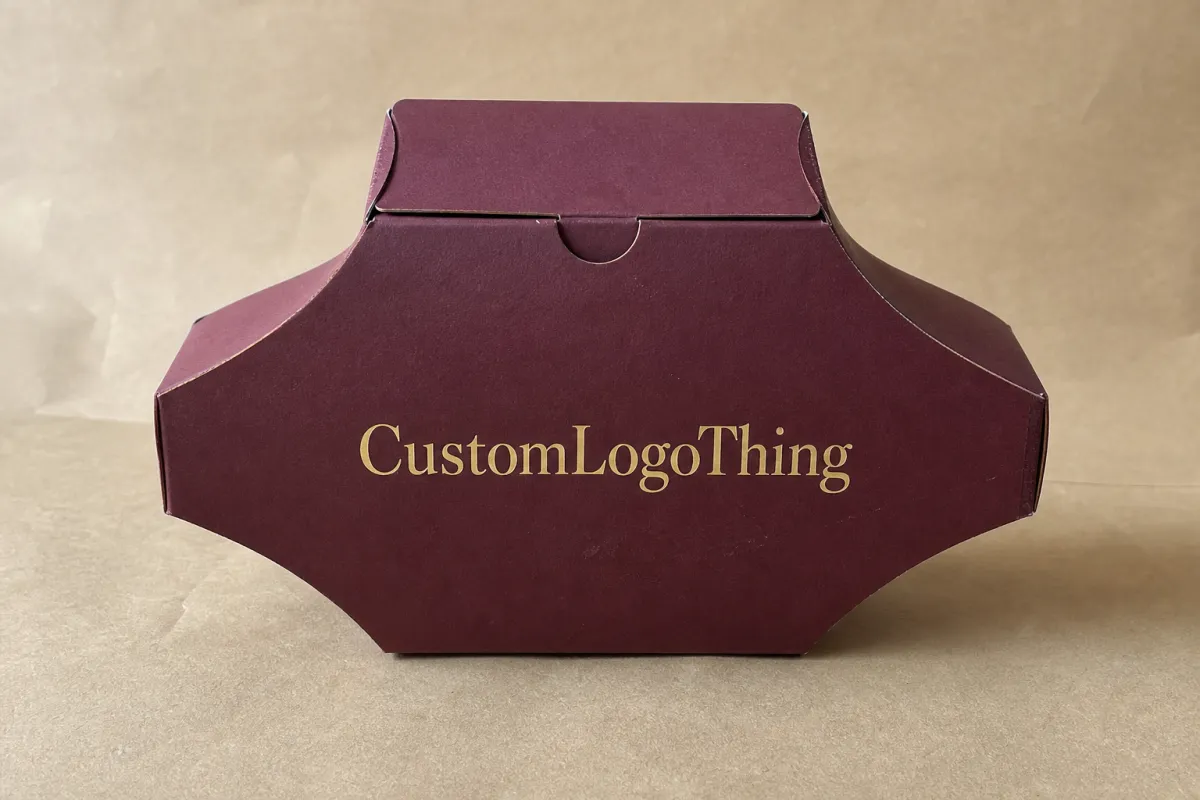
A standard carton is built to fit a broad range of products with minimal fuss. A custom die cut box is built for one item, one opening sequence, and often one sales channel. That can be retail shelving, subscription fulfillment, or premium gift packaging. Precision is the point. Precision costs money.
The first pricing shock is often size, not print. Add a small amount of width or depth and the blank may stop nesting efficiently on the sheet. Fewer blanks per sheet means more board per finished box. The quote climbs before anyone has even talked about foil or lamination.
There is also a second layer buyers miss. A custom box may cost more on its own while saving money across the rest of the pack-out. A better fit can reduce void fill, outer mailer size, tape use, label waste, and packing time. The box line item rises, but the total packaging system can still cost less. That is the part a single quote line will never tell you.
Retail packaging adds its own pressure. A die cut carton can protect fragile edges, hold the product in place, and make the item look intentional instead of tossed into a generic shell. For branded packaging, the structure becomes part of the customer experience. It is not just a container. It is doing brand work.
Most pricing mistakes come from comparing quotes without separating the components:
- Material cost based on board type, thickness, and sheet size.
- Setup cost for cutting, tooling, plates, and press preparation.
- Finishing cost for coating, lamination, foil, embossing, or spot UV.
- Labor cost for folding, gluing, packing, or insert assembly.
- Freight cost tied to volume, weight, and destination.
That breakdown matters because the lowest quote on paper is not always the lowest landed cost. A slightly higher quote with better sheet yield, fewer damaged units, and less assembly work can still win on total spend. That is the real math behind custom printed boxes.
What Custom Die Cut Boxes Are and Where They Fit
Custom die cut boxes are made with a custom cutting tool so the structure matches the product, the opening sequence, and the brand. The dieline tells the box where to fold, lock, glue, and display. Once the die is built, repeat runs are much more consistent than trying to force a stock carton to behave like a custom design.
Common uses include cosmetics, consumer electronics, subscription kits, premium food gifts, promotional mailers, and retail-ready packaging. They also show up in categories where breakage is expensive, such as home goods, accessories, and small hardware. The product can ship inside the carton directly, or the carton can sit inside a larger shipper for fulfillment.
Structural choices are broad. A buyer might choose tuck flaps for a simple retail carton, locking tabs for extra hold, inserts to center the product, window cutouts for visibility, auto-lock bottoms for faster packing, or fold-flat designs for storage efficiency. Each of those choices solves a real problem. None of them is free.
There is a real difference between a die cut box and a stock carton. Stock cartons are faster to source and often cheaper for simple jobs. Die cut structures give more control over fit, branding, and pack-out behavior. That control is often worth the tooling if the product is fragile, premium, or highly standardized. If the product changes often, ships in low volume, or has very loose size requirements, the extra customization may never pay back.
Flat-shipped boxes change the economics too. Shipping flat can reduce storage space, lower inbound freight, and make kitting easier. An assembled box may save time on the line, but it takes more cube and can raise shipping costs. Packaging buyers should look at the full process, not just the sample on the table.
For teams still deciding on format, it helps to compare options across the broader packaging lineup. Our Custom Packaging Products page is a practical starting point if you are weighing retail packaging, shipping protection, or branded presentation.
Specifications That Change the Quote
Pricing changes quickly when the spec is fuzzy. A quote for a 100 x 80 x 40 mm carton is not the same as a quote for a 110 x 85 x 45 mm carton, even if the difference looks tiny on a drawing. Board usage, fold geometry, and nesting all shift. The same goes for print coverage, finish choice, and insert design.
The most important input is usually the product size and the fit requirement, not the artwork. A snug carton for a glass bottle needs tighter tolerances and often a different board grade than a carton for a soft-goods kit. A tighter fit can raise the unit cost, but it can also reduce movement and breakage. Saving a few cents while replacing damaged product is not a smart trade.
These are the specs that move the price most often:
- Size and shape - larger blanks use more board and can reduce sheet yield.
- Board thickness - heavier board adds strength and cost, especially at scale.
- Paper grade - SBS, kraft, corrugated, and recycled stocks price differently.
- Print coverage - one-color work is usually cheaper than full-bleed, multi-color art.
- Special finishes - matte coating, gloss coating, soft-touch lamination, foil, embossing, and spot UV add materials and labor.
- Internal fitments - inserts, partitions, and trays add tooling and assembly time.
- Construction complexity - locking bottoms, magnetic closures, and multi-panel designs require more setup.
It helps to compare the common changes side by side:
| Specification Change | Typical Cost Impact | What It Usually Affects |
|---|---|---|
| 10% larger box footprint | Often 5% to 18% more material cost | Sheet yield, freight cube, storage space |
| Full-coverage print instead of one-color | Often adds 8% to 25% | Ink usage, setup, press time, quality checks |
| Matte or gloss coating | Often adds $0.03 to $0.18 per unit at mid volume | Finish line processing, scuff resistance, appearance |
| Foil, embossing, or spot UV | Often adds $0.08 to $0.45 per unit depending on volume | Special tooling, registration, finishing labor |
| Custom insert or partition | Often adds $0.12 to $1.25 per unit | Assembly time, material, product protection |
Those ranges are planning numbers, not a promise and not a quote. A simple brown kraft mailer will price very differently from a high-end custom printed box with foil and a fitted insert. That is normal. The point is to see where the money goes so the budget reflects the structure instead of a wish list.
Small production details matter too. Quantity per bundle, flat shipping versus assembled, special packing instructions, and storage limits can all change the final figure. If the packaging needs to be kitted in a tight window or stored in a cramped back room, those facts should be in the quote. A supplier that asks about them is trying to keep you from paying for the mistake later.
For brands that care about sustainability claims, board selection can affect certification and recycling language. If your program needs controlled fiber, ask about FSC-certified stock. That does not automatically lower cost, but it may be required for retail compliance, procurement policy, or customer expectations.
Custom Die Cut Boxes Cost: Pricing, MOQ, and Unit Cost
The cleanest way to understand custom die cut boxes cost is to split fixed charges from variable charges. Fixed charges show up whether you order 250 units or 5,000 units. Variable charges move with quantity and construction. Once that is clear, MOQ stops looking like a random supplier rule and starts looking like basic cost spreading.
Fixed charges can include the die or cutting tool, plate setup, proofing, and sometimes a sample run. Variable charges include board usage, print time, finishing, folding, gluing, packing, and freight. At low volume, the fixed costs dominate the unit price. At higher volume, those costs get diluted and the unit cost usually drops.
MOQ depends on the structure and the print process. A simple digital run may work at a few hundred units. Offset-printed retail packaging with heavy finishing often needs a higher MOQ to make the setup worthwhile. That is why one supplier might take 250 pieces and another wants 1,000 or more for a similar style. The equipment, make-ready, and finishing line are not the same.
Here is a practical quantity comparison for a mid-size printed die cut carton with standard coating, assuming average complexity and no unusual insert work:
| Order Size | Typical Unit Cost | What Drives the Price | Best Fit For |
|---|---|---|---|
| 250 units | $2.20 to $4.50 each | Setup charges spread across few boxes | Sampling, pilot launches, short campaigns |
| 500 units | $1.35 to $2.80 each | Moderate setup pressure, still limited yield | Small launches, seasonal runs, niche SKUs |
| 1,000 units | $0.75 to $1.65 each | Better spread of tooling and print costs | Regular retail programs, direct-to-consumer kits |
| 5,000 units | $0.28 to $0.85 each | Higher efficiency, improved sheet utilization | Established SKUs, repeat programs, stronger forecast confidence |
Those ranges climb quickly if the box includes foil, embossing, complex inserts, or premium board. They can also fall if the design is efficient, the artwork is simple, and the run is large enough to absorb the setup. The exact number matters less than the breakpoints. That is where the savings live.
Smart buyers ask for multiple quantities, not just one. A 250-unit quote is useful for testing, but it can hide the real value point. A 1,000-unit or 5,000-unit quote usually shows the break-even more clearly. In a lot of programs, the cheapest total spend is not the smallest order. It is the order size where unit cost drops enough to offset storage and inventory risk.
Unit cost is only half the story. Total project cost includes sampling, freight, possible reprints, storage, and packing labor at your facility. A box that costs $0.60 more per unit but saves 30 seconds in assembly can be cheaper across the run. That kind of tradeoff disappears if the spreadsheet only tracks box price.
If you are quoting from scratch, ask the supplier to put these in writing:
- Tooling or die charges.
- Print method and color count.
- Finish type, if any.
- Insert or partition details.
- MOQ and tier pricing.
- Lead time after proof approval.
- Freight terms and destination assumptions.
A quote with those details is much easier to compare than a single line number. It also tells you whether the supplier is pricing the true packaging job or quietly folding hidden extras into the order later.
Production Steps, Timeline, and Turnaround Expectations
The production flow for die cut packaging is straightforward on paper. The delays usually come from incomplete information. The normal path starts with a quote request, moves into spec review, then dieline development or review, proof approval, sampling if needed, production, quality inspection, and shipment. Every step is manageable if the inputs are clean.
The earliest slowdown is often the dieline. If the product dimensions are still changing, the box design can bounce around for days. A precise spec sheet matters more than a polished mockup. A printer can work from clean geometry. It cannot guess the final size and still avoid waste.
Typical timelines, assuming normal scheduling and no supply problems, often look like this:
- Dieline review and proof setup: 1 to 2 business days.
- Sampling or prototype: 3 to 7 business days if needed.
- Production: 10 to 18 business days after proof approval for standard printed runs.
- Shipping: 1 to 5 business days inside many domestic lanes, longer for remote destinations.
Complex finishes, custom inserts, or large-volume runs can stretch that schedule. So can special paper sourcing or a production line that is already booked. The usual delays are painfully ordinary: slow proof approval, artwork changes after approval, unclear shipping instructions, and missing bundle or pallet details.
If the box needs to protect the product in transit, ask whether the design is being tested against shipping simulation methods such as ISTA procedures or ASTM D4169. That matters more for e-commerce, export, and fragile goods than for display-only cartons. A box that looks sharp in a rendering can still fail drop or vibration testing if the structure is weak inside.
Rush production is possible in some cases, but it is not a magic trick. A rush job usually costs more because the team has to compress proofing, prioritize machine time, and work with whatever material is available. That premium can be worth it if the launch date is fixed and missing it would cost more than the expedite fee. It is harder to justify if the only goal is shaving a few days off a routine reorder.
Here is the shortest path to a cleaner schedule and fewer reworks:
- Lock the product dimensions before requesting a final quote.
- Send artwork in the correct format with bleed, fonts, and color specs resolved.
- Confirm whether the boxes ship flat or assembled.
- Approve proofs quickly and keep one decision-maker in the loop.
- State the delivery zip code and required arrival date up front.
That discipline cuts days from the schedule and lowers the odds of a second print round. It also gives the supplier a better shot at pricing the job correctly the first time.
Why Buyers Choose Us for Custom Die Cut Boxes
Packaging buyers usually want the same three things: clear pricing, consistent output, and a spec that does not create hidden labor later. That is where our approach is strongest. We keep pricing transparent, dimensions accurate, and recommendations practical. No fog. No padded language. No pretending a bad spec is fine because the mockup looks nice.
For brands building package branding around a launch or a repeat SKU, the value is not just the box itself. It is the reduction in friction from quote to reorder. Once the dieline is set, repeat runs become easier to forecast, easier to pack, and easier to approve. That matters a lot for custom printed boxes used in retail packaging, where color drift or fit changes can ruin the shelf presentation.
We also pay attention to production fit. A box that is overbuilt may protect the product beautifully but waste board and freight. A box that is too light may save pennies and create returns. The better answer usually sits in the middle: enough structure to protect the item, enough efficiency to keep the unit cost where it should be.
That planning is where our Custom Packaging Products range helps. It gives buyers a cleaner way to compare materials, formats, and finishes before committing to a run. The decision becomes less about guessing and more about matching the box to the channel.
Repeat orders also get easier when the program stays stable. The biggest savings often come from fewer corrections, fewer reprints, and less scrap. A well-managed packaging design can reduce waste through better sheet usage and fewer assembly errors. Not glamorous. Still real money.
Because cost control matters, we say the tradeoffs plainly. If a lower-cost board grade still protects the product, we will say so. If a premium finish only makes sense for a flagship line, we will say that too. Buyers do not need hype. They need a spec that works at the right price.
The best quote is not the cheapest one. It is the one that tells you exactly what is included, what is excluded, and what the box will do in production.
If you are comparing vendors, pay attention to how they handle MOQ, Lead Time, proofing, and freight. A serious supplier can explain those variables without hiding behind vague language. That usually points to better planning and fewer surprises once the job hits the floor.
Next Steps to Get an Accurate Quote
The fastest way to get a useful estimate is to send a complete spec sheet, even if the artwork is not final. A rough concept is enough to start the conversation, but the quote becomes much more accurate once the product dimensions, quantity, and finish expectations are clear.
Send these details first:
- Product dimensions and product weight.
- Desired quantity, plus at least one alternate tier.
- Stock preference, such as kraft, SBS, or corrugated.
- Print needs, including color count and coverage.
- Finish preference, if any, such as matte, gloss, foil, or lamination.
- Shipping destination and required delivery date.
- Any insert, partition, or inner fitment requirements.
- Whether the boxes should ship flat or assembled.
If the design is still moving, ask for a dieline first and build from there. That is usually smarter than designing artwork around a guessed size. It keeps the structure honest and makes the final quote easier to trust. For brands that need branded packaging across multiple SKUs, that discipline also keeps the visual system consistent from box to box.
Before you sign off on a final number, compare at least two quantities. A 250-unit quote may be right for a pilot, but a 1,000-unit quote may show a much better unit cost once setup is spread out. A 5,000-unit quote can show whether the project gets materially cheaper with volume or whether storage becomes the real constraint.
Check the assumptions behind proofing and freight too. If the sample is included, say so. If freight is estimated rather than final, know the lane and the carrier basis. If the box must pass a transit test, put that in writing before production starts. Small assumptions become expensive once the job is already moving.
The clearest way to control custom die cut boxes cost is straightforward: lock dimensions early, ask for tiered pricing, and compare the box as part of the full packaging system rather than as a stand-alone item. If you do that, the quote gets easier to read and much easier to defend in a budget meeting.
Before you send the spec out, use one simple check: if the box changes the product fit, the finish, or the shipping method, treat it as a system decision, not a decoration decision. That is the difference between a packaging program that stays on budget and one that keeps surprising everyone in the worst way.
How much do custom die cut boxes cost per unit?
Per-unit pricing depends on size, stock, print coverage, finish, and order quantity. Small runs usually carry a higher unit cost because tooling and setup get spread across fewer boxes. A mid-size printed carton might land around $2.20 to $4.50 at 250 units, then drop sharply as the order grows. The only reliable way to judge the number is to request tiered pricing at several quantities.
What is the MOQ for custom die cut boxes?
MOQ varies by structure, print method, and finishing requirements. Simple digital or lightly printed boxes can sometimes start at a few hundred units, while more complex retail packaging may require 1,000 units or more to make the setup efficient. If your order is below the usual threshold, ask whether a pilot run or sample batch is possible.
Do printed custom die cut boxes cost more than plain boxes?
Yes. Printing adds setup time, ink, press checks, and quality control. A single-color box is usually less expensive than full-coverage artwork, and special finishes such as foil, embossing, or coating raise the price further. In many programs, print is the easiest way to improve package branding, but it should be budgeted as a real line item rather than treated as decoration.
How long does it take to make custom die cut boxes?
Timeline depends on proof approval, sampling needs, material availability, and production complexity. Straightforward runs often move through the process in 10 to 18 business days after approval, while jobs with inserts or specialty finishes may take longer. Rush production may be possible, but it usually adds cost and leaves less room for revision.
What should I send to get an accurate custom die cut boxes quote?
Send product dimensions, product weight, quantity, stock preference, artwork or concept files, shipping destination, and required delivery date. Include any insert or coating needs, plus whether the boxes will ship flat or assembled. The more exact the specs, the more accurate the quote will be.
How can I lower custom die cut boxes cost without damaging the product?
Start with the structure, not the print. Tighten the blank size, remove unnecessary panels, use the lightest board that still protects the product, and simplify finishes where possible. If an insert is doing more visual work than protective work, that is usually a place to trim. The cheapest box is not the goal. The lowest-cost box that still ships safely is.

