Buyer Fit Snapshot
| Best fit | Custom Die Cut Mailer Boxes Cost projects where brand print, material claims, artwork control, MOQ, and repeat-order consistency need to be specified before quoting. |
|---|---|
| Quote inputs | Share finished size, material target, print colors, finish, packing count, annual reorder estimate, ship-to region, and any compliance wording. |
| Proofing check | Approve dieline scale, logo placement, barcode or warning zones, color tolerance, closure strength, and carton packing before bulk production. |
| Main risk | Vague material claims, crowded artwork, missing packing details, or unclear freight terms can make a low unit price expensive after revisions. |
Fast answer: Custom Die Cut Mailer Boxes Cost: What Affects Pricing should be specified like a repeatable production item. The safest quote records material, print method, finish, artwork proof, packing count, and reorder notes in one written spec.
Production checks before approval
Compare the actual filled-product size with the drawing, then confirm tolerance on folds, seals, hang holes, label areas, and retail display edges. Reserve space for logos, QR codes, warning copy, and material claims before decorative graphics fill the panel.
Quote comparison points
Review material grade, print process, finish, sampling route, tooling charges, carton quantity, and freight assumptions side by side. A quote is only useful when the supplier can repeat the same color, closure quality, and packing count on the next order.
Custom Die Cut Mailer Boxes Cost: What Affects Pricing
Custom Die Cut mailer boxes cost less than sloppy packaging more often than people expect, because the carton is only one line in the budget. The real bill includes wasted corrugate, oversized freight, extra labor, filler materials, and the quiet little disaster called damage claims. A mailer that fits the product properly usually pulls cost out of three or four other places. That is the part buyers remember after the first reorder.
The cheapest carton on paper is rarely the cheapest carton in real life. A box that is too big ships more air, takes more tape, chews up packout time, and gives the product room to knock itself around. A cleaner structure protects the item, speeds up fulfillment, and makes the brand look like somebody planned it. That shows up in unit cost, damage rate, and the number of people who have to fix things by hand because the packaging was never sized right in the first place.
There is also a buyer reality that gets ignored in a lot of packaging conversations: the box has to survive the warehouse, the carrier network, and whatever happens when a customer opens it with one hand and a box cutter in the other. If the packaging is flimsy, the damage shows up later as replacements, refunds, and support tickets. Those costs are not theoretical. They land in the monthly report.
Why Custom Die Cut Mailer Boxes Cost Less Than Bad Packaging
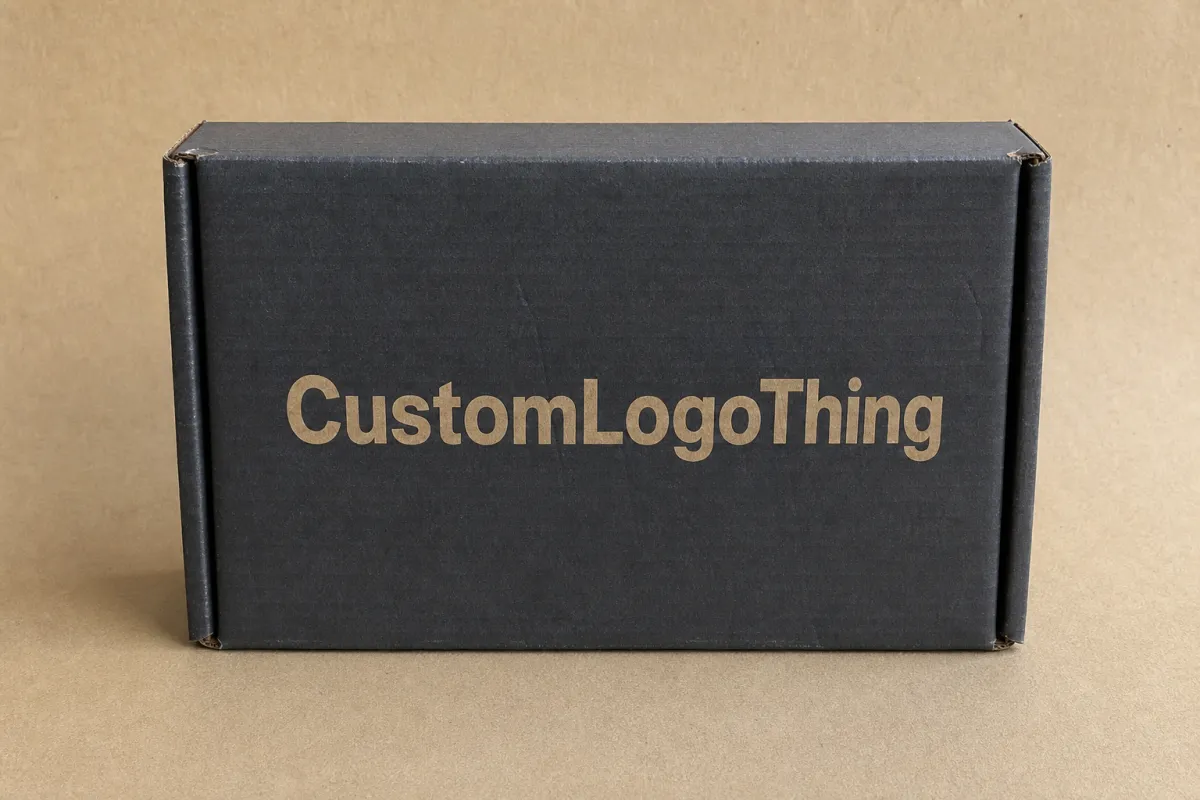
Oversized boxes can look cheap during sourcing. Then shipping hits. Then labor hits. Then customers open a crushed carton and send a photo that makes everyone in operations sigh at the same time. The savings from a too-large box disappear fast. A custom die cut mailer box cuts empty space, which usually means less void fill, less tape, fewer touches at the pack station, and a cleaner unboxing moment.
Labor is the sneaky cost most teams miss. If someone has to fold inserts, stuff paper, or wedge in extra corrugated just to keep a product centered, that work gets paid on every order. Multiply that across a launch, a subscription run, or a busy fulfillment calendar, and the “cheap” packaging starts acting expensive. A die-cut mailer built to the right dimensions removes a lot of that extra handling. For high-volume programs, that matters more than the difference between two carton quotes.
custom die cut mailer boxes cost less over time when they reduce returns, lower dimensional weight charges, and keep products stable in transit. A tighter fit can shift parcel cost in a good direction, especially when products are small, light, or shipped in bulk. Cosmetics, apparel, supplements, small electronics, and subscription kits often benefit the most because they are easy to overbox. Once you stop paying to ship dead air, the math gets friendlier.
"A box that fits is cheaper than a box that needs backup."
The payoff is not subtle. Better protection. Fewer returns. Cleaner presentation. Lower total landed cost. That is why custom printed boxes are not just decoration with a shipping label slapped on top. They are part of the shipping system. If the structure is wrong, the box turns into expensive paper with a logo.
There is a branding side too, but it only matters if the box actually arrives intact. A damaged premium box is just an expensive apology. Buyers often chase the unboxing moment first and the shipping math second. That order tends to get expensive.
What You Are Actually Paying For in a Die Cut Mailer Box
A die cut mailer quote is never just one number. It is a pile of decisions wearing one price tag. You are paying for board grade, cut pattern, folding structure, printing method, finishing, tooling, proofing, and the setup work needed before the first clean carton gets packed.
The starting point is the die-cut sheet. That sheet may use corrugated board, usually E-flute or B-flute for stronger protection, or paperboard for lighter retail packaging. The geometry matters more than most buyers think. Locking tabs, tear strips, display windows, reinforced edges, and custom closures all add design and setup work. A simple fold costs less. A fussy structure costs more. No mystery there. Factories charge for complexity because complexity eats time.
Print coverage is another obvious price lever. A kraft exterior with a small one-color logo usually lands below a full flood print, inside print, or fancy finish. White-lined board often costs more than plain kraft because the printing process is different and surface scuffs show up faster if the board is not protected. If you want a premium look, you can have it. Premium branded packaging just does not arrive free. Board, ink, coating, and finishing all stack up.
Special finishes can push the number up faster than buyers expect. Spot UV, foil stamping, embossing, aqueous coating, and soft-touch lamination all add material and labor. The same box can go from plain and practical to shelf-ready with one finish decision, but the unit cost will follow. That is fine if the package lives on a retail shelf or needs a strong first impression. It is a lot less sensible if the box disappears straight into a shipping label and a parcel bin.
Some add-ons make sense because they solve real problems. Inserts keep products from rattling. Dividers separate multiple SKUs. Tear strips make opening less annoying. Window cutouts show the product. Custom closures create a more secure feel. None of those are bad ideas. They just need to earn their place in the budget.
There is also an unglamorous but useful part of the quote: make-ready. That includes prepress checks, plate or digital setup, blade preparation, test folding, and the first pass of quality control. It is boring work. It is also why the first carton in a run is never the most expensive one, but it usually carries the most risk.
Common build components
- Board grade: kraft, white-lined, coated, corrugated, or paperboard.
- Structure: tuck top, front lock, self-locking mailer, or crash-lock style.
- Print: one-color, two-color, full-color CMYK, inside print, or flood coverage.
- Finish: matte, gloss, aqueous coating, soft-touch, foil, or spot UV.
- Add-ons: inserts, dividers, tear strips, windows, magnets, or custom closures.
Two mailers can look nearly identical and still generate wildly different quotes. The spec sheet is the real comparison. A buyer shopping branded packaging should ask what sits inside the structure, not just what is printed on the outside. That is where the money goes.
Specs That Move Custom Die Cut Mailer Boxes Cost Up or Down
Dimensions drive a lot of the price. A small shift in length, width, or depth can change how much board is used, how many blanks fit on a sheet, how efficiently cartons stack on a pallet, and how much air ships with the order. Change a box from 9 x 6 x 2 inches to 10 x 7 x 3 inches and you might have changed the whole production layout. That is not a tiny tweak. That is a material move.
Board thickness and flute type matter for the same reason. E-flute is common for lighter e-commerce and retail packaging because it prints cleanly and keeps the structure compact. B-flute has more cushioning and compression strength, so it fits heavier or more fragile products better. Thicker board protects more, but it also raises raw material cost and can increase freight weight. Overbuilding the carton because it feels safer is an expensive habit. The lightest structure that still protects the product is usually the smarter choice.
Printing adds cost in layers. A one-color spot print is usually the simplest route. Full-color custom printed boxes cost more because they need more prepress work, tighter registration, and more controlled finishing. Inside print adds a second printable surface, which means more setup or another production step. If customers will actually see the interior during unboxing, that can be worth it. If not, the money may be better spent on stronger board or a better insert.
Die complexity can move the quote too. A straight rectangular mailer is easier to cut and fold than a structure with curved cutouts, nested tabs, or custom display features. More complex tooling takes more setup time and increases the chance of minor variation during folding. That does not mean custom structure is a bad move. It means the structure should serve the product, not the mood board.
The simplest rule is still the best one: choose the lightest board and simplest structure that still protects the product, supports the brand experience, and survives normal transit testing. If shipping will be rough, validate the design against ISTA test standards or the relevant ASTM method. It is a lot cheaper to find the weak point before the cartons are on trucks.
Another cost lever is print placement. A box printed on every visible surface needs more ink, more alignment control, and more chances for rejection if something shifts. A restrained layout can still feel premium if the structure, color choice, and finish are doing their jobs. You do not need to print every square inch just because the space exists.
Practical cost levers
- Size: larger blanks consume more board and lower material yield.
- Flute or caliper: heavier board improves protection but raises unit cost.
- Color count: more ink coverage usually means a higher print bill.
- Finish: premium coatings and specialty effects add labor and materials.
- Tooling complexity: more cut lines and locking features increase setup effort.
Brands with several SKUs usually save more by standardizing box families than by chasing the lowest quote on a single order. One box size can sometimes cover two product heights with a simple insert. That trick lowers MOQ pressure and makes inventory less chaotic. Boring? Sure. Effective? Absolutely.
Custom Die Cut Mailer Boxes Cost, MOQ, and Quote Basics
custom die cut mailer boxes cost usually drops as order quantity rises. Setup, tooling, proofing, and press time get spread across more cartons, so the unit price falls. A run of 500 boxes is going to cost more per piece than a run of 5,000, even when the materials are identical. That is just production math, not a negotiation tactic.
MOQ means minimum order quantity. In plain terms, it is the smallest run a factory can produce without the job turning inefficient. For custom sizes and printed cartons, MOQ usually follows material yield and machine setup, not somebody's mood in a meeting. If a factory has to stop the line, load new tooling, and calibrate a print run, they need enough volume to make the changeover worthwhile.
Simple unprinted mailers can sometimes start at a lower quantity. Add full-color print, inserts, specialty finishes, or a more unusual die shape, and the minimum usually moves up. Smaller runs are not impossible, they are just more expensive because fixed costs do not disappear. The market is rude like that.
These pricing ranges help buyers avoid fake precision. They are not promises. Actual pricing depends on dimensions, board grade, print coverage, inserts, and freight terms. Region, paper market swings, and seasonal capacity can move the number too, especially on tighter production windows.
| Build Type | Typical MOQ | Approx. Unit Cost | Best Fit |
|---|---|---|---|
| Plain kraft mailer, minimal print | 500-1,000 | $0.60-$1.20 | Simple shipping, internal use, early-stage brands |
| One-color custom printed box | 1,000-3,000 | $0.85-$1.75 | Branding without heavy finishing |
| Full-color exterior, no insert | 2,000-5,000 | $1.40-$3.20 | Retail packaging and stronger unboxing value |
| Full-color, inside print, premium finish | 3,000+ | $2.10-$5.00 | High-touch branded packaging and gift sets |
| Custom structure with insert or divider | 3,000+ | $2.40-$6.00 | Fragile goods, multi-item kits, subscription programs |
If a quote lands way below this spread, check the spec sheet before celebrating. Something is probably missing. Maybe the board is thinner. Maybe freight is not included. Maybe the finish is stripped down. Maybe the die charge or sample cost got left out. Cheap is nice. Incomplete is a headache waiting to happen.
A decent quote should show these items:
- Die charge or tooling, if the structure is fully custom.
- Sample or proof cost, especially for print-heavy projects.
- Unit price by quantity tier.
- Finish details such as matte, gloss, spot UV, or foil.
- Packing terms and freight assumptions, including whether prices are ex-works, FOB, or delivered.
If a supplier cannot explain the quote, they probably cannot explain why the cartons arrived the way they did. That matters more than a clean-looking spreadsheet.
Production Process and Timeline for Die Cut Mailer Boxes
The process starts with dieline confirmation. That flat template shows cut lines, folds, glue areas, and safe zones for artwork. A good dieline saves time and prevents costly mistakes. A bad one creates a chain reaction of revisions. If the dieline does not match the actual product, the entire run can miss the target before the first sheet is printed.
After dieline approval comes artwork and prepress. This is where packaging design gets checked for bleed, resolution, color spacing, and the placement of logos, text, and barcodes. If the artwork needs revision, the schedule slips. Most of the time, that is not the printer being difficult. It is a missing logo, a low-resolution file, or a last-minute urge to add one more line of copy inside the flap.
Once the file is approved, production moves into printing, cutting, converting, folding, and packing. For corrugated mailers, the cutting stage needs clean registration so tabs, creases, and locking points fold correctly. If the box includes inserts or dividers, those parts may run separately or as part of a combined production step.
Lead time depends on complexity. A simple unprinted or lightly printed order can sometimes ship in 7-12 business days after approval, not including transit. Printed custom die cut mailer boxes with moderate complexity often land in the 12-18 business day range. Specialty finishes, custom inserts, or unusually large volume can push that to 15-25 business days. Peak season can stretch things even more because press calendars fill up fast and everyone suddenly needs boxes yesterday.
Rush orders cost more because they disrupt the normal queue. That surcharge is not made-up drama. It is scheduling pressure with a price tag. Waiting until the art is half-finished before asking for delivery next week is a fast way to make the budget wobble. The cleanest way to keep time and cost under control is to approve the structure early, send print-ready files, and answer proof questions quickly.
There is one more timing issue worth calling out: sampling. Some teams skip it to save a week. Then the run arrives and the insert is too loose or the tuck flap fights the product. A sample is slower on the front end, but it often prevents a much worse delay later.
Timeline checkpoints that matter
- Dieline sign-off: prevents structural mistakes before production.
- Artwork approval: locks in print content and color placement.
- Sample review: confirms fit, closure, and board feel.
- Production: cutting, printing, converting, and finishing.
- Final packing and freight: gets the order out cleanly.
If you are managing more than one packaging program, keep the timelines tied together early. A corrugated mailer and a lighter pouch-style shipper are not interchangeable just because they live in the same warehouse. Pairing Custom Packaging Products with the right mailer format keeps the operation from drifting into expensive guesswork.
Why Choose Us for Custom Die Cut Mailer Boxes
Buyers do not need hype. They need clear specs, consistent cartons, and fewer surprises. That is the job. A well-run custom die cut mailer program should deliver stable sizing, crisp die cuts, dependable print, and a carton that folds the same way on run one thousand as it did on the sample.
We quote from actual specifications instead of guessing at a price from a vague product idea. That sounds obvious because it should be obvious. A lot of bad packaging starts with a lazy estimate and a logo mockup. Give us the dimensions, target quantity, print areas, and insert needs, and the quote becomes much more useful. Give us a logo and a feeling, and the number gets fuzzy fast.
Direct manufacturing access helps too. It removes a layer of markup and shortens the back-and-forth when a dieline needs adjustment. That matters if you are refining retail packaging for a launch, changing art between SKUs, or keeping branded packaging consistent across several products. Talking directly to the production side usually reveals problems earlier, which is the entire point.
Quality control should never be an afterthought. Good packaging suppliers check dimensions, crease behavior, print alignment, and folding accuracy before anything ships. They also know when to say a spec is overbuilt. I would rather tell a buyer that B-flute is too much board for a light product than sell them a carton that looks expensive for no reason.
If sustainability claims matter, FSC-certified paperboard is worth asking about. For brands that need chain-of-custody assurance, review the standards directly at FSC. That is not decorative. It is a real sourcing requirement when the packaging supply chain needs documented responsibility.
Not every product belongs in a mailer box either. Some items work better in a lighter pouch or poly solution. For those programs, Custom Poly Mailers may fit the job better. The right answer depends on fragility, presentation goals, and shipping economics. Good packaging is about fit, not ego, which is an opinion some people in packaging could use a reminder about.
There is also a trust piece here that gets skipped too often. If a supplier refuses to talk through tradeoffs, they are hiding something or they do not know enough to be helpful. Neither option is great. A useful partner can explain why a thinner board may still pass transit tests, when a finish is worth the spend, and where a prettier spec does nothing but inflate the quote.
What a buyer should expect from a solid supplier
- Responsive quoting with clear assumptions and no hidden add-ons.
- Proof support that catches errors before production starts.
- Practical guidance on board choice, finish, and insert design.
- Consistent production control so the run matches the approved sample.
- Honest tradeoffs when a premium spec is not worth the cost.
That is the value. Not fancy language. Not inflated claims. Just packaging that works, looks right, and lands at a unit cost the business can live with.
Custom Die Cut Mailer Boxes Cost: How to Get an Accurate Quote
If you want an accurate quote for custom die cut mailer boxes cost, send the details that actually affect production. Better inputs mean less guesswork. That sounds basic because it is basic, yet quotes still show up every week with half the information missing.
Start with product dimensions. Not the carton size you hope is close enough. The actual product dimensions, plus any padding, insert, or clearance needed for safe packing. Then specify the target quantity, because MOQ and unit price move together. After that, share your board preference if you already have one, or ask for options if you do not. If the product is heavy or fragile, say that plainly. It changes the board recommendation fast.
Artwork details matter too. Tell the supplier how many print colors you need, whether the inside should be printed, and whether you want matte, gloss, soft-touch, spot UV, foil, or embossing. If you need an insert, say what it is holding and whether the insert should be paperboard, corrugated, molded pulp, or foam. Every choice changes the quote. Every choice also changes how the box performs in transit.
Comparing quotes only works when the specs match. Otherwise, you are comparing apples to shipping crates. One supplier may quote a lighter board, another may include die charges, and a third may leave freight out entirely. Ask for a spec sheet. Ask what is included. Ask whether the price is based on ex-works, FOB, or delivered terms. That is the difference between a useful comparison and a spreadsheet stuffed with noise.
One practical habit saves a lot of pain: keep a single packaging brief that lists the product, the target box style, print requirements, and freight destination. When the brief changes, update it. That sounds tedious because it is. It also stops the endless loop of “final” files that are somehow still not final.
- Send dimensions for the product and the finished box.
- Request a dieline before final artwork.
- Ask for sample options if size or fit matters.
- Confirm MOQ and price breaks by quantity.
- Verify freight terms so landed cost is real, not imagined.
If your brand uses several packaging formats, keep the specs organized. A corrugated mailer, a retail sleeve, and a light shipper may all support the same product line, but they do not share the same cost structure. The right packaging design depends on where the box lives: warehouse shelf, unboxing moment, or retail packaging display.
For buyers trying to protect margin while still making the package look intentional, the path is straightforward. Pick the right structure, avoid overprinting, keep the insert honest, and match the MOQ to actual demand. That is how you keep custom die cut mailer boxes cost under control without cheapening the package or paying for features nobody notices.
If you are ready to move from research to ordering, send the dimensions, artwork needs, and target quantity first. That gets the quote grounded in reality instead of wishful thinking. If the first spec turns out to be too heavy, too large, or too expensive, that is useful news too. Better to adjust now than pay for a bad decision in a full run.
The clean takeaway is simple: start with fit, then test the structure, then add print and finishes only where they earn their keep. That sequence keeps cost honest and keeps the box from becoming a vanity project with corrugated walls.
FAQ
How much do custom die cut mailer boxes cost per unit?
Unit cost depends on size, board grade, print coverage, finishing, and quantity. Smaller runs usually cost more per box because setup and tooling are spread across fewer units. A simple kraft mailer can land around $0.60-$1.20, while a full-color premium build with inserts can move into the $2.40-$6.00 range. The fastest way to get a real number is to quote from exact dimensions and artwork needs.
What is the MOQ for custom die cut mailer boxes?
MOQ is usually tied to production setup and material yield, not a random number. Simple unprinted jobs can sometimes start lower than full-color printed runs. Once you add specialty finishes, custom inserts, or more complex structures, the minimum order often rises. If you need a very low quantity, expect a higher unit price or a simplified spec.
Why does the price change so much between two quotes?
One quote may include inserts, coating, freight, or proofing while the other does not. Different factories may also use different board grades or production methods. That is why comparing quotes without the same spec sheet is a waste of time. Ask for the same dimensions, same print method, same finish, and the same freight terms before deciding which quote is actually cheaper.
How long does production take after approval?
Simple orders can move quickly once artwork and structure are approved, often in 7-12 business days before transit. More complex print, specialty finishes, or custom inserts add time, and larger runs can push production into the 12-25 business day range. Peak season and revision rounds are the usual reasons schedules slip.
Can I get a sample before placing a larger order?
Yes, and you should if the size or print has any risk of being wrong. A sample helps verify fit, strength, and folding behavior before you commit to a full run. Sampling adds time and cost, but it is cheaper than fixing a bad production order. For packaging that has to perform in shipping and still look polished, the sample is money well spent.

