Buyer Fit Snapshot
| Best fit | Branded Mailers for Apparel Returns projects where brand print, material claims, artwork control, MOQ, and repeat-order consistency need to be specified before quoting. |
|---|---|
| Quote inputs | Share finished size, material target, print colors, finish, packing count, annual reorder estimate, ship-to region, and any compliance wording. |
| Proofing check | Approve dieline scale, logo placement, barcode or warning zones, color tolerance, closure strength, and carton packing before bulk production. |
| Main risk | Vague material claims, crowded artwork, missing packing details, or unclear freight terms can make a low unit price expensive after revisions. |
Fast answer: Branded Mailers for Apparel Returns: Film, Print, MOQ, and Carton Packing should be specified like a repeatable production item. The safest quote records material, print method, finish, artwork proof, packing count, and reorder notes in one written spec.
Production checks before approval
Compare the actual filled-product size with the drawing, then confirm tolerance on folds, seals, hang holes, label areas, and retail display edges. Reserve space for logos, QR codes, warning copy, and material claims before decorative graphics fill the panel.
Quote comparison points
Review material grade, print process, finish, sampling route, tooling charges, carton quantity, and freight assumptions side by side. A quote is only useful when the supplier can repeat the same color, closure quality, and packing count on the next order.
Most apparel returns arrive looking rough. Tape on tape. A bent label. A package that feels like it survived a bad day and kept going anyway. Branded Mailers for Apparel returns change that first impression fast. They make the return look intentional, which is a better look than “someone shoved this into the nearest bag and hoped for the best.”
The useful versions are not just branded for show. They protect the garment, speed up inbound handling, and give customers a clearer sense of what happens next. That matters because returns are rarely the moment a brand wants to improvise.
A return mailer is not trying to be clever. It needs to survive transit, keep the garment together, and make the brand look organized even when the customer is annoyed enough to send the order back.
Branded Mailers for Apparel Returns: The Hidden Customer Experience Win
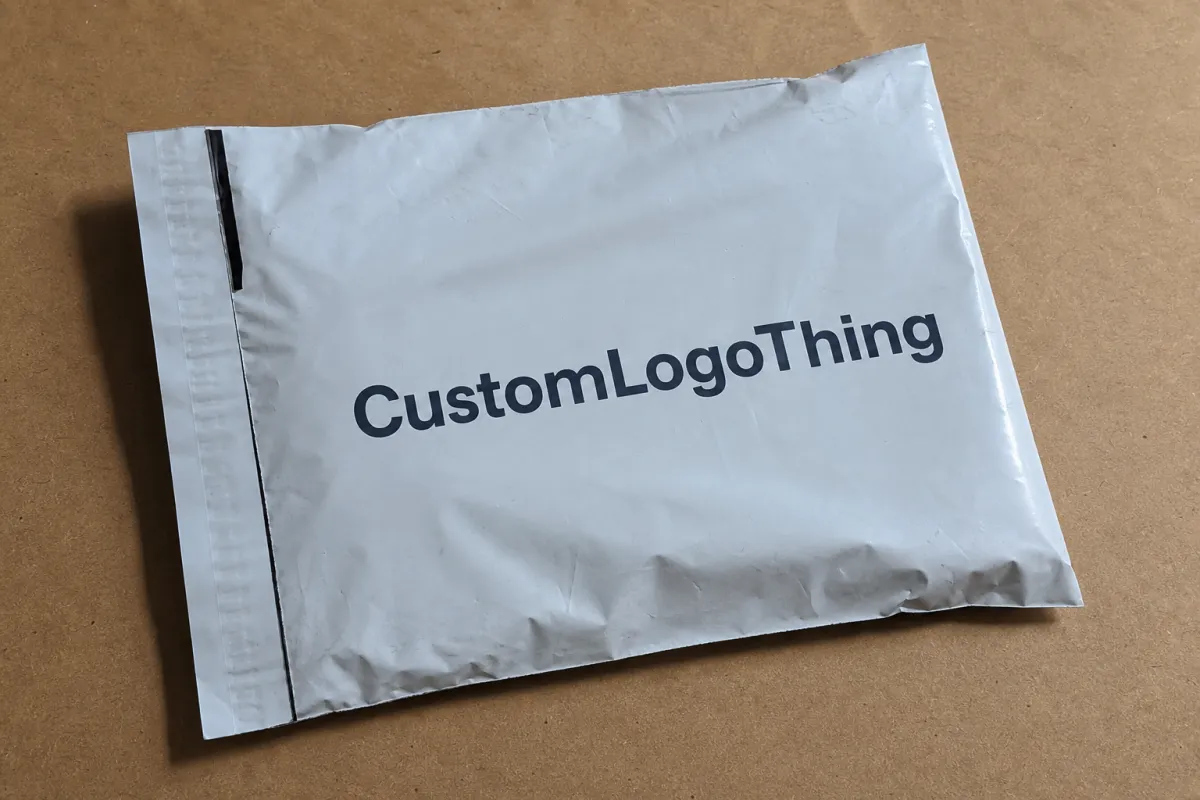
Returns are already a friction point. The fit was off. The color missed. The item looked better online than in real life, which happens more often than anyone in ecommerce likes to admit. A customer repacks the item, prints a label, and sends it back. If the packaging is flimsy, generic, or hard to identify, that friction gets worse.
Branded mailers for apparel returns improve that handoff before the parcel even reaches the warehouse. The brand is visible. The package looks like part of a system. The return feels managed instead of random. That sounds small until you handle enough volume to see how much time gets burned on packages that are hard to sort or hard to trust.
There is a practical operations gain here too. A clearly branded return mailer helps warehouse teams identify inbound parcels faster, especially in facilities that handle multiple labels, channels, or even multiple brands. If the outside of the mailer says who it belongs to, staff spend less time hunting through mixed returns and more time scanning, inspecting, and routing items to restock, exchange, refurbishment, or disposal. That is not flashy. It is useful.
For the customer, the benefit is simpler. The return feels under control. They can see where it belongs, what to do next, and whether the brand wants an exchange, store credit, or a replacement. Add a QR code, a short instruction line, or a return-status link, and the mailer becomes packaging plus guidance. That is a better use of the surface area than a blank plastic bag pretending to be invisible.
None of that means the mailer should be loud for the sake of being loud. A return bag still has to do the unglamorous work: resist tears, seal properly, protect against moisture, and look decent after being folded, handled, dropped, and dragged through a carrier facility. Pretty is fine. Function is required.
For buyers, that balance is the real decision. A mailer that looks polished but fails in transit is a waste. A durable mailer that looks generic leaves a valuable brand touchpoint on the table. The right choice lives in the middle, and that middle is usually where the good packaging decisions live.
How Branded Return Mailers Work in the Returns Flow
A return starts long before the parcel lands at your dock. The customer requests the return, prints or receives a label, repacks the item, and sends it through a carrier or back to a store. Once the package arrives, the warehouse receives it, scans the label, checks the garment, and sends it toward restock, exchange, liquidation, repair, or disposal. If the packaging slows any part of that chain, the whole return costs more than it should.
That is where branded return packaging earns its keep. It helps intake teams identify the source quickly, especially if the outside print includes the brand name, a department identifier, or a simple visual marker. It keeps garments together so smaller items do not separate from paperwork, inserts, or return labels. It can also carry a QR code that sends the customer to exchange options, sizing help, or return-status information.
The difference between outbound packaging and return flow design matters. Outbound packaging is about presentation. Return packaging is about guidance. A good return mailer tells the customer what happens next and tells the warehouse what it is handling. That shift sounds minor. It is not. You are not just shipping fabric. You are managing a customer decision that already happened.
Branded return packaging also helps at the carrier counter or in a retail drop-off setting. Staff can recognize the parcel faster. They do not need to read every tiny line on the label to know which brand is involved. A clear logo or color system gives the package an identity before the barcode scan. That saves a little time at the front end, which is exactly where return programs tend to get jammed.
Packaging is not magic, though. If the return instructions are messy, the label is confusing, or the policy is buried three clicks deep, even the best mailer will not rescue the experience. The packaging should support a decent process, not cover for a broken one. The strongest results come from matching the packaging, the label, the website, and the warehouse SOP.
If you are building that system from scratch, it helps to compare packaging formats side by side. Our Custom Packaging Products page is a useful place to review options, and our Case Studies show how specs hold up after they leave the sample table and enter real circulation.
Key Factors That Affect Cost, Pricing, and Fit
Pricing for branded mailers for apparel returns comes down to a few obvious levers and a few that catch buyers off guard. Material thickness, print coverage, size, adhesive strength, and order volume all matter. So do the details that do not look dramatic on a quote: tamper-evident strips, second seal areas, one-color versus full-coverage print, recycled content, virgin film, or compostable material.
Unit price usually drops as volume rises. No surprise there. What surprises people is how quickly setup, artwork revisions, and custom sizing can push a small run upward. A plain one-color 9 x 12 inch poly mailer ordered in a decent quantity may price very differently from a custom 12 x 15 inch mailer with full coverage print, matte finish, and reinforced adhesive. The press is only one line on the quote. Prepress and tooling matter too.
For apparel returns, size is not a cosmetic choice. Tees and lightweight tops fit in slimmer formats. Denim needs more room. Hoodies, outerwear, and bundled returns need even more allowance so the bag does not split at the seam or force the customer to cram everything in with ugly folding. A mailer that is one or two inches too tight often creates stretch failure, and stretch failure is a pricey way to learn about tolerance.
Here is the practical version: compare options by total landed cost, not just the per-unit quote. Freight, carton packing, warehouse storage, and waste belong in the math. A cheap mailer that ships in oversized cartons and tears during use can cost more than a slightly better one with tighter packaging efficiency. Procurement teams usually learn that lesson once. Usually the hard way.
| Option | Typical Use | Illustrative Unit Range | Strengths | Tradeoffs |
|---|---|---|---|---|
| Standard poly mailer | Light apparel returns, tees, tops | $0.12-$0.25 at higher volumes | Lowest cost, light, easy to store | Basic look, limited sustainability story |
| Recycled-content poly mailer | General return program, mid-range brands | $0.16-$0.32 | Better brand story, often solid durability | Availability and print options vary by supplier |
| Compostable film mailer | Sustainability-focused programs | $0.20-$0.40+ | Helpful for eco positioning, lighter feel | Needs careful claims review; not all compostable claims are equal |
| Heavy-gauge custom mailer | Denim, hoodies, multi-item returns | $0.22-$0.48+ | Better puncture resistance, stronger seal area | Higher material cost, more storage space |
Those ranges are not promises. They are the kind of numbers that make sense in real quoting conversations for moderate to higher quantities, assuming artwork is ready and the production method is standard. If you are ordering a small run, expect the unit price to rise. If you want specialty inks, unusual shapes, or metallic effects, the price shifts again. That is normal, not a conspiracy.
Material claims deserve attention. If a supplier says a bag is recyclable, ask where and how. If the film is compostable, ask which standard applies and whether the claim is industrial or home compostable. For paper-based components, FSC certification can matter. For environmental claims more broadly, it is smart to cross-check specs against credible sources like the FSC and guidance from the EPA. Packaging claims are easy to print. Verifying them takes more work, and that is exactly why it matters.
If you are comparing return mailer structures, start with the product family that matches your volume and garment mix. Our Custom Poly Mailers page is a sensible starting point for brands that want a baseline spec before moving into specialty formats.
One more practical note: use the right strength, not the strongest option on the list. Too much film thickness can make a mailer harder to fold, more expensive to ship, and more wasteful than necessary. Too little strength and you get split seams. The sweet spot depends on your item mix, drop-test expectations, and whether the return will move through retail counters, mail drops, or warehouse-only intake.
Process and Timeline: From Artwork to Warehouse Launch
The production path is standard, but buyers still manage to trip over it. It usually goes like this: request a quote, confirm size and material, send artwork, receive a proof, approve the proof, print, finish, pack, and ship. Simple enough. The problem is that each step depends on the one before it, and one missing file can stall the whole schedule.
Lead time depends on the spec. Simple one-color jobs can move faster, especially when the artwork is clean and the size is stock. Custom dimensions, full-bleed graphics, specialty finishes, or compostable films usually take longer. Add sampling, internal review, and transit time, and the calendar gets real very quickly. A buyer who assumes the production clock starts after approval, not before, usually ends up a week or two too optimistic.
Approval delays are the most common bottleneck. Not the press. Not the film. The approval. A logo in the wrong format, a missing die line, or a color reference that nobody can verify can stop production. If the job matters, get the art files in order before you ask for a quote. That includes clear dimensions, print areas, seal placement, and any regulatory notes tied to material claims.
Seasonal businesses carry extra risk. Return spikes often follow launches, holidays, or sale events. If you wait until after the campaign goes live to think about packaging, the turnaround window may already be too tight. Build buffer time for sample review and a second proof round if needed. It is much cheaper to spend a few extra days upfront than to scramble with a substitute bag that looks nothing like the brand spec.
There is also an operations issue that gets missed: the warehouse needs a clear receiving plan before launch. If Branded Return Mailers are going into circulation, the team should know how to identify them, where to route them, and whether a special SKU, barcode, or insert is attached. Packaging should not create a mystery for the people who have to process the return pile.
For performance testing, many packaging teams look for abuse scenarios rather than clean sample photos. That is sensible. Industry standards such as ISTA test methods exist for a reason, and the ISTA site is a good reference point if you need a more disciplined approach to drop, vibration, and transit simulation. A bag that looks good on a desk is one thing. A bag that survives real handling is the point.
In real buying terms, a standard simple run might ship in roughly 12 to 15 business days after proof approval, while more complex custom orders can take longer. That is not a guarantee, and it depends on the supplier, the season, and your approval speed. Still, it is a better planning assumption than “pretty fast, probably.”
Step-by-Step: Choosing the Right Mailer for Apparel Returns
Start with the garments, not the packaging. That sounds obvious, yet people skip it constantly. If most returns are lightweight tees and tops, a slimmer mailer with a reliable adhesive closure may be enough. If the returns usually include denim, knitwear, or bundled items, the bag needs more volume and better puncture resistance. A return mailer should match the most common use case first, not the one-in-a-blue-moon item that shows up twice a year.
Next, decide what the packaging is supposed to do. Is the main goal brand presentation, tamper evidence, faster warehouse handling, lower damage rates, or all of the above? The answer changes the spec. A mailer built for stronger visual impact may use heavier print coverage. A mailer built for operational speed may prioritize clear labeling zones and less design clutter. Pick the job before you pick the artwork.
Then check the basics: seal strength, tear resistance, opacity, and print durability. The package needs to hold together after it is folded, repacked, and moved through transit. A weak seal is the kind of mistake that shows up as customer complaints, missing items, or damaged product credit. Nobody needs that email chain.
Do not approve a spec based only on a neat sample. Test the bag with real garments, real labels, and real handling. Drop it. Fold it. Overstuff it a little. Leave it in a warm room. Let a few people in the warehouse process it. That is where weak spots show up. A sample on a white table does not tell you much about how the closure behaves when a customer repacks a bulky hoodie at 10 p.m.
Finally, document the spec sheet like someone else is going to buy it later. Because they will. Include material, thickness, size, print method, adhesive type, tolerance, artwork version, and reorder trigger points. If ops, marketing, and procurement all hold different versions of “the same bag,” you do not have a packaging program. You have three unrelated opinions.
- Light basics: slimmer mailer, standard seal, minimal print zones.
- Denim and heavier knits: thicker film, more generous width, stronger adhesive.
- Multi-item returns: larger format, better tear resistance, more room around the closure.
- Store drop-off programs: clear branding, easy label placement, fast scanning area.
That is the point where packaging and operations stop arguing and start cooperating. You get a format that fits the item, the carrier, and the team handling it. If you need to compare more formats before committing, the product pages and previous runs in our Case Studies section can help narrow the shortlist without guesswork.
Common Mistakes Brands Make With Return Mailers
The first mistake is picking a bag that looks good and performs badly. Yes, a matte finish can look clean. No, that does not help if the bag splits when it is folded around a hoodie. A packaging spec that saves a couple of cents but drives damage, claims, and replacement shipments is not savings. It is accounting theater.
The second mistake is going too large. Oversized mailers raise postage, chew through storage space, and make the return feel awkward instead of tidy. A customer should not feel like they are mailing one shirt in a sleeping bag. Right-sizing matters more than brands want to admit, especially if return volume is high and warehouse space is tight.
The third mistake is printing too much. A return mailer does not need to shout from every square inch. If the artwork turns the bag into a billboard with no breathing room for labels, instructions, or scannable codes, the design starts working against the process. Clean branding usually holds up better than a crowded graphic that makes the bag harder to use.
Carrier limits and environmental conditions matter too. Adhesive that behaves nicely in a controlled office may fail in humidity, heat, or cold. Films that look fine in samples can behave differently after storage or during a long transit chain. If the brand ships into mixed climates, test for the conditions your customers actually live in. A packaging supplier who ignores that detail is selling optimism, not a working product.
The internal mistake is even more annoying: nobody owns the spec. Marketing wants the logo bigger, operations wants a stronger seal, and procurement just wants the reorder done. Then the next run changes a detail, and suddenly the “same” mailer is not the same. Consistency matters. Reorders should not turn into a design lottery.
There is also a sustainability mistake worth calling out. Brands sometimes make sweeping claims because the packaging sounds better in a deck. That can backfire quickly. If you are using recycled content, say so precisely. If you are using compostable film, make sure the claim is supported. Vague environmental language is easy to write and hard to defend.
Expert Tips and Next Steps for Launching Branded Return Mailers
Start small, but not tiny. A pilot on the most common return category is the cleanest way to see how the mailer performs in real life. Test the pack-out, the seal, the warehouse intake, and the customer feedback before you expand into every garment type. That keeps the risk manageable and gives you actual data instead of assumptions with a logo on them.
Always ask for a physical sample. Paper specs, PDF proofs, and sales sheets do not tell the whole story. You need to feel the film, check the closure, confirm the print placement, and see how the bag behaves with real fabric inside it. If a supplier will not sample, that is already a warning sign.
Build a simple internal checklist before the reorder starts. Include the finished dimensions, substrate, print method, MOQ, lead time, freight expectations, and reorder trigger. If you want the next purchase to move faster than the first, the information has to be easy to find. Otherwise somebody will dig through old emails while stock runs low.
Add one useful customer-facing element. One. A QR code that links to exchange options, a short instruction line, or a clear “scan to start your return” prompt is usually enough. Do not clutter the bag with ten marketing messages. Returns are already a friction point. The packaging should reduce friction, not fight for attention.
From a packaging buyer’s point of view, the strongest programs are the boring ones that keep working. The mailer fits the garment mix. The print stays clean. The warehouse knows what to do with it. The customer understands the next step. That is how branded mailers for apparel returns earn their keep. Not by being flashy. By being useful, consistent, and hard to mess up.
If you are building the program now, keep the rollout tied to three questions: does it protect the garment, does it support the return flow, and does it hold the brand line without pushing cost too high? If the answer is yes, you are moving in the right direction. If not, the package is probably trying to do too much or too little.
The simplest next move is also the most practical: test one mailer with your heaviest common return, confirm the seal and label placement, then lock the spec before ordering at scale. That one check catches more mistakes than a hundred pretty mockups.
For Apparel Brands That want the return to feel intentional instead of disposable, branded mailers for apparel returns are one of the cleanest packaging upgrades available. They are not glamorous. They are not complicated. They just work better than anonymous mailers, and that is usually enough.
FAQ
Are branded mailers for apparel returns worth the extra cost?
Yes, if returns are frequent and customer experience matters. The packaging becomes part of the brand touchpoint instead of dead shipping material. The premium is easier to justify at higher volumes, where unit cost drops and the return process becomes more standardized. They are most valuable when the mailer also improves sorting, protects garments, or supports exchanges with clear instructions.
What size should I choose for apparel return mailers?
Match the size to your most common return items first, not the biggest item you might ever ship. Tees and light tops can use slimmer formats, while denim, hoodies, and multi-item returns need more room and stronger seals. Test real packed returns before approving the spec, because overstuffed mailers fail fast and cost more in postage and damage.
How long is the lead time for custom apparel return mailers?
Lead time depends on print complexity, material choice, quantity, and how fast artwork approvals move. Simple runs can move quickly, but custom sizes, specialty films, and larger orders usually need more production and transit time. Build in extra time for sampling and proofing, because approval delays are the most common cause of launch slips.
What affects the pricing of branded mailers for apparel returns?
Material thickness, print coverage, size, adhesive quality, and order volume all affect unit price. Freight, setup, and any special features should be counted too, since the quote line item alone does not show total landed cost. The best price is the one that fits your real return volume without causing waste, damage, or reorders too soon.
Can branded return mailers help reduce customer complaints?
They can, because clear branding and better instructions make the return feel organized instead of messy. A good mailer reduces confusion at the warehouse and makes the customer feel like the brand has a real process, not chaos. The packaging will not fix a bad policy, but it can make a decent policy feel easier and more trustworthy.