Buyer Fit Snapshot
| Best fit | Branded Merchandise Bags with Logo That Promote Better projects where brand print, material claims, artwork control, MOQ, and repeat-order consistency need to be specified before quoting. |
|---|---|
| Quote inputs | Share finished size, material target, print colors, finish, packing count, annual reorder estimate, ship-to region, and any compliance wording. |
| Proofing check | Approve dieline scale, logo placement, barcode or warning zones, color tolerance, closure strength, and carton packing before bulk production. |
| Main risk | Vague material claims, crowded artwork, missing packing details, or unclear freight terms can make a low unit price expensive after revisions. |
Fast answer: Branded Merchandise Bags with Logo That Promote Better should be specified like a repeatable production item. The safest quote records material, print method, finish, artwork proof, packing count, and reorder notes in one written spec.
Production checks before approval
Compare the actual filled-product size with the drawing, then confirm tolerance on folds, seals, hang holes, label areas, and retail display edges. Reserve space for logos, QR codes, warning copy, and material claims before decorative graphics fill the panel.
Quote comparison points
Review material grade, print process, finish, sampling route, tooling charges, carton quantity, and freight assumptions side by side. A quote is only useful when the supplier can repeat the same color, closure quality, and packing count on the next order.
Branded merchandise bags with logo do more than carry a product from the counter to the car. They move through elevators, trains, office lobbies, coffee shops, kitchens, and coat hooks after the original handoff is over, which is exactly why they matter. A good bag keeps the brand visible, shapes the first physical impression, and makes the purchase feel finished rather than accidental. A bad one does the opposite, and fast.
In the packaging proofs I have reviewed over the years, the strongest bag programs almost always start with the same mindset: the bag is part of the experience, not an afterthought. If you want a bag that earns a place in someone’s routine, the material, print method, handle strength, and sizing all have to line up. That sounds simple, but it is usually where projects go off track.
For a closer look at how packaging decisions support broader campaigns, our Case Studies page shows the kind of practical thinking that separates a forgettable handout from something people actually keep using. The best branded merchandise bags with logo feel deliberate in the hand, fit the contents cleanly, and hold up long enough to do the job more than once.
What branded merchandise bags with logo are and why they stick
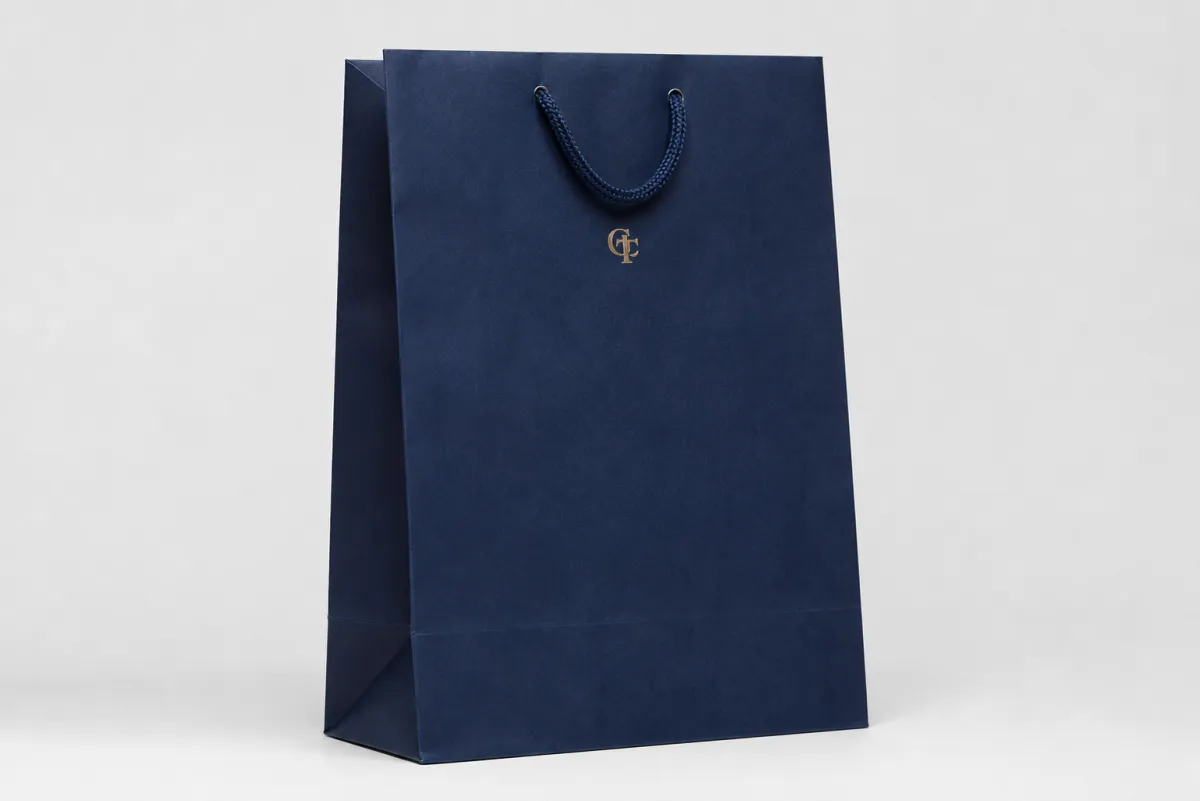
Branded merchandise bags with logo are reusable or single-use Carry Bags Made to present products, hold giveaways, and extend brand visibility beyond the moment of purchase. The phrase covers a lot of ground. A kraft retail bag for a boutique, a fabric tote for a conference, and a laminated presentation bag for a premium launch all sit in the same broad category, but they behave very differently in use.
At their core, these bags sit between packaging and promotion. A packaging bag supports the transaction in the moment: it protects the contents, makes the handoff easier, and keeps the presentation tidy. A promotional bag is expected to work harder. It may carry documents back to the office, hold samples after an event, or get reused for errands later that day. That repeated movement is where branded merchandise bags with logo create visibility without feeling forced. They keep showing up in ordinary places, and that is the whole point.
Part of their staying power comes from usefulness, and part comes from visual clarity. A well-sized bag with a clean print and a handle that does not dig into the hand usually gets used. A flimsy bag with weak seams or poor balance gets tossed aside, often before the customer has even left the venue. For a packaging buyer, that difference is not cosmetic. It changes how the brand is remembered, whether the contents arrive in good shape, and whether the cost per impression makes any sense.
There is also a perception layer that buyers should not ignore. Customers read the bag as part of the product itself. If the packaging feels too light for the item inside, the value cue drops. If the bag feels sturdy, neat, and properly branded, the whole purchase reads as more deliberate. That is one reason branded merchandise bags with logo show up so often in retail gifting, welcome kits, conference bundles, and limited drops.
One useful way to think about the category is this: some bags are built mainly to get a product home safely, while others are built to stay in circulation. The second group has a much longer tail. In busy offices or event settings, a bag may be seen by dozens of people as it gets reused for notes, collateral, or samples. That is where smart design pays off, because the packaging keeps working after the original transaction is finished.
A bag that survives the trip home often survives the campaign. Weak handles, unclear print, or awkward sizing lead to fast abandonment, and the brand loses the extra visibility it paid for.
If you want to see how those choices appear in real deliverables, our Case Studies page is useful because it makes the tradeoffs easier to compare. The strongest examples usually share the same trait: the bag fits the product without waste, and the decoration feels intentional rather than crowded.
How branded merchandise bags with logo work in real campaigns
Branded merchandise bags with logo usually begin with a simple workflow: choose the bag style, match it to the product or event, then apply artwork with a decoration method that suits the material. That sounds neat on paper. In practice, the real work sits in making sure the bag feels right in hand and reads clearly once it is moving through a crowd. That part matters more than people think.
Material is the starting point. Kraft paper is common for retail and gifting because it is economical, printable, and easy to recycle in many markets. Coated paper and laminated paper support sharper color and a more polished finish, though the coatings can affect recyclability. Nonwoven polypropylene is popular for event bags because it is light, durable, and usually less expensive than woven fabric. Cotton, canvas, and jute sit higher in the perceived-value range and are often chosen when repeat use matters. Polyethylene bags still appear in some retail and carryout settings, especially where moisture resistance or low unit cost is the main driver.
Decoration method matters just as much as substrate. Flexographic printing works well for high-volume paper and film-based bags where the artwork is simple and repeatable. Screen printing fits bold logos on fabric, nonwoven materials, and darker surfaces because it lays down strong ink coverage. Digital printing helps when the design includes gradients, detailed type, or a shorter run that does not justify traditional plate or screen setup. Hot stamping creates a more premium impression on some paper surfaces, and label or patch applications can add texture or dimensional interest on fabric bags.
Branded merchandise bags with logo also behave differently based on size, handle style, finish, and print placement. A small logo centered high on matte kraft can feel restrained and premium. The same logo enlarged across a glossy laminated tote can read louder and more promotional. Neither approach is automatically better. The right choice depends on whether the goal is understated retail presentation or wide, high-traffic visibility.
Common use cases include:
- Retail purchases where presentation and carry comfort both matter.
- Conference kits that need to hold notebooks, samples, and handouts without tearing.
- Welcome packs for internal teams, partners, or onboarding events.
- Subscription products that ship in secondary packaging and still need a branded handoff bag.
- Gift packaging for seasonal campaigns, launches, and client thank-you sets.
That range is why the category can feel deceptively simple. A buyer may think they are ordering only a bag, but the bag is really a packaging system. It needs to support the product, the audience, and the environment where it will be handed out. A trade show floor has different demands than a boutique counter, and a transit-heavy urban customer behaves differently from someone carrying the bag straight to a car.
For a useful reference point on broader packaging terms and materials language, The Packaging Association offers industry context that helps buyers speak more precisely with suppliers and designers. That kind of clarity saves a lot of back-and-forth once the artwork starts moving toward proof.
Key factors when choosing branded merchandise bags with logo
Branded merchandise bags with logo should be chosen from the contents outward, not from the logo outward. Size and fit come first. A bag that is too small crushes boxes, bends inserts, or forces awkward packing. A bag that is too large looks wasteful and lets items shift in transit. For boxed cosmetics, apparel, bottles, or mixed kits, the internal dimensions should be checked against the filled item, not the estimated item. I have seen more than one project lose time here because everyone trusted the product spec instead of measuring the packed set.
Load strength is the next factor many buyers underestimate. Paper weight, fabric weight, seam construction, handle reinforcement, and bottom gusset design all affect whether the bag survives real use. A 150gsm paper bag may be fine for a lightweight gift card kit, but it will not be the right call for a heavier boxed set. A nonwoven tote with weak heat-sealed seams can look fine on a sample and still fail once the bag is packed to its intended load. That is the part people don’t see until the first batch is already in circulation.
Logo visibility should be tuned to the environment. Large marks are useful for high-traffic promotions, especially at events where bags are carried across large spaces and viewed from a distance. Smaller, cleaner marks often work better for premium retail packaging where restraint matters. A crisp one-color print can feel more refined than a crowded multi-element layout, especially on kraft paper or textured fabric.
Finish changes the message too. Matte kraft usually signals natural, practical, or artisan positioning. Glossy laminate reads more polished and retail-focused. Canvas feels durable and reusable. Jute brings texture and a more earthy personality, though it is not always the easiest material for fine detail. The goal is to make the finish support the promise, not fight it. Branded merchandise bags with logo should feel like part of the brand system, not a generic container with an emblem slapped on.
Sustainability claims need careful handling. Reusable, recycled-content, recyclable, and FSC-certified paper are all useful ideas, but they are not interchangeable. A bag that is technically recyclable may still be difficult to recycle if it has heavy lamination or mixed materials. A bag made from recycled content may still need a strong structure to avoid premature failure. A supplier who understands those distinctions is worth more than one who simply repeats the word “eco” in the quote.
For paper-based bags, ask about chain-of-custody and sourcing if that matters to your procurement standards. The FSC site is a useful reference point for understanding certified fiber language and what it does, and does not, guarantee. The sustainability story only helps if it can be explained clearly and backed by the actual material spec.
One practical way to narrow the options is to compare the bag against the distribution plan. If the bag is going into a boutique, the finish and print edge quality matter a lot. If it is going into a conference, stackability, shipping volume, and handle durability may matter more. If it is going through mail order as a secondary package, carton fit and storage efficiency become more important than tactile details. Branded merchandise bags with logo should be selected for the route they will actually travel, not the one they look prettiest in on a sample table.
Checklist to review before you approve a bag:
- Does the internal size fit the real packed item with enough clearance?
- Does the handle style match the expected weight?
- Will the logo remain readable from a few feet away?
- Does the finish support the brand mood and durability needs?
- Does the material align with any sustainability claim you plan to make?
That is the point where many projects improve fast. Once the spec is written around use, the bag usually becomes easier to quote, easier to produce, and easier to defend internally. A lot of the guesswork drops away.
Process and timeline for branded merchandise bags with logo
Branded merchandise bags with logo move through a fairly predictable production path, but the details at each step affect timing. Start with a clear brief. Include bag size, intended contents, quantity, print colors, target budget, delivery date, and the setting where the bag will be used. A retail bag, an event tote, and a mailer-support bag may all look similar at first glance, yet they often need different structure, finish, and packing methods.
Artwork and proofing come next. Vector files are usually best because they scale cleanly and keep the logo sharp on the dieline. Confirm logo placement early, especially if the bag has handles, gussets, seams, or a fixed panel size that limits the print zone. A digital mockup should show how the logo sits on the bag, where the folds land, and whether any text sits too close to an edge or seam. Small errors are cheapest to fix here, before the order moves into production.
Then production begins. Depending on the material, the factory may source paper or fabric, prepare printing plates or screens, run the artwork, cut the blanks, fold and glue or sew the body, attach the handles, and perform quality checks before packing. For branded merchandise bags with logo, those quality checks should include print registration, handle alignment, seam integrity, and overall consistency across cartons.
Timelines vary more than buyers expect. Simple stock-item orders can move quickly, particularly when the artwork is one color and the bag is already in inventory. Custom sizes, specialty finishes, foil stamping, laminated surfaces, sewn handles, or multi-color artwork usually need more lead time because setup plus drying or curing time extends the schedule. A straightforward project might fit into 12-15 business days after proof approval, while a more complex order can take longer once sampling, revisions, and freight are included. If the bags are needed for a launch date, protect the schedule with a cushion rather than assuming every step will land on the earliest possible day.
Shipping method changes the calendar too. Air freight shortens transit but increases cost. Ocean freight or ground freight may be more economical for larger runs, but the bags have to be ordered earlier. Add in artwork revisions, custom inserts, and any testing or pre-production samples, and the margin can disappear quickly if the team waits too long to lock the spec.
That is why the best timeline planning is usually disciplined and a little boring. Lock the dimensions, approve the proof, confirm the carton count, and keep the final date visible to everyone involved. If you are comparing supplier examples or trying to set internal expectations, our Case Studies page can help because it shows how lead time, structure, and decoration choices change the final result.
Typical production sequence:
- Define the bag spec and required quantity.
- Prepare artwork and review the dieline.
- Approve the digital proof or physical sample.
- Print and convert the bag.
- Inspect quality, pack cartons, and arrange shipment.
For transit-sensitive projects, ask whether the outer carton and bag construction have been considered with distribution in mind. ISTA-style testing is often used for packaged goods that must survive handling, vibration, and drops in shipment. The bag itself may not be tested to a formal standard every time, but the logic is the same: if the packaging cannot survive the route, the brand experience gets damaged before the customer even sees it.
Cost and pricing for branded merchandise bags with logo
Branded merchandise bags with logo are priced through a mix of material, size, decoration, and quantity, so two bags that look similar on a screen can land in very different price bands. The main cost drivers are easy to identify: substrate type, bag dimensions, print coverage, number of colors, handle construction, finish, and whether the order uses stock goods or custom tooling.
MOQ matters a great deal. Smaller runs usually carry a higher unit price because setup costs are spread across fewer bags. Larger runs reduce the per-bag cost, but they raise total spend and storage needs. That is why a buyer should always ask whether the quoted MOQ matches the actual distribution plan. Ordering 10,000 bags because the unit price looks attractive can create a storage problem if only 4,000 will be used this quarter.
It also helps to separate product cost from print setup. Plate charges, screens, proofing, dieline work, and special finishing often appear as line items that confuse first-time buyers. The bag itself may be inexpensive, but the setup work still has to happen. That is especially true for branded merchandise bags with logo that use more than one color or have a specialty effect like foil, embossing, or a laminate finish.
Here is a practical pricing comparison for common bag types at around 5,000 units. These are indicative ranges only; artwork coverage, size, and freight can move the numbers up or down:
| Bag Type | Typical Use | Approx. Unit Cost | Strengths | Tradeoffs |
|---|---|---|---|---|
| Kraft paper bag | Retail, gifting, event handouts | $0.18-$0.35 | Economical, printable, easy to source | Lower water resistance, less premium feel than fabric |
| Laminated paper bag | Premium retail, launches, luxury gifting | $0.35-$0.75 | Sharper graphics, stronger perceived value | More complex disposal profile, usually higher freight weight |
| Nonwoven polypropylene tote | Conferences, promotions, reuse campaigns | $0.28-$0.60 | Lightweight, durable, good for repeat carry | Less premium than cotton or canvas |
| Cotton or canvas bag | Retail loyalty, premium gifts, long-use totes | $0.80-$2.20 | Strong handfeel, higher reuse potential | Higher unit cost, heavier freight |
| Jute bag | Natural-positioned retail and gifting | $0.90-$2.50 | Distinct texture, strong visual identity | Not ideal for every print style or artwork detail |
Premium and budget choices deserve a fair comparison, not a slogan. A heavier recycled kraft bag may cost more than a thin paper version, but it can support a better lift when the customer picks it up, and it may fail less often under load. That can matter more than shaving a few cents off a unit price. If the bag tears, collapses, or looks cheap in the customer’s hands, the savings disappear quickly.
Freight should be part of the real budget as well. Carton configuration, destination, rush fees, and spares all change landed cost. A quote that looks attractive on a per-unit basis may not be the best deal once shipping and contingency units are added. Branded merchandise bags with logo are often ordered close to a launch date, so it is wise to budget for a small buffer rather than trying to hit the exact minimum and risking a shortage.
One more point gets missed often: storage. Folded bags may be inexpensive to buy but still take up meaningful space if the run is large. If the receiving area is tight, a compact carton pack can be more valuable than a slightly cheaper unit price. That is why experienced buyers balance price against logistics instead of chasing the lowest number on the page. Cheap on paper is not always cheap in the warehouse.
Common mistakes with branded merchandise bags with logo
Branded merchandise bags with logo can fail in predictable ways, and most of those failures are avoidable. The first mistake is buying the cheapest option without checking strength or finish. Thin paper, weak handles, poor seam construction, or low-grade print can create a bag that tears, scuffs, or looks rushed the moment it is used. That hurts both the package and the brand impression at once.
Wrong size is another common problem. Teams often guess instead of measuring the actual products, inserts, or gift sets that need to fit inside. Even a small mismatch can cause trouble. A boxed item may tip over, a bottle may lean, or an accessory kit may arrive with too much empty space. The result looks less polished and can make packing much slower on the floor.
Design mistakes are just as common. Overdesigning the print can crowd the bag and make the logo less memorable, while an underscaled logo may disappear once the bag is in motion or viewed from a distance. Branded merchandise bags with logo work best when the mark has enough breathing room. White space is not wasted space when the goal is clarity.
Distribution assumptions also cause problems later. A glossy bag that looks beautiful on a sample may scuff easily if it is stacked or shipped in bulk. A lightweight handle may feel fine during a short handoff but fail under a full kit load. A format that looks elegant in a boutique may be awkward to store in an event box or gift pack. The bag should be judged in its actual use environment, not only on a sample table.
Skipping sample review is another expensive shortcut. Proofs and swatches reveal issues that render files do not show well: color shifts, font size problems, material texture, and how the ink behaves on the surface. A logo that looks clean on a monitor can sit too close to a fold line, or a rich color can print flatter than expected on kraft paper. Sample approval is where those surprises should be caught.
Common fixes that save time and money:
- Measure the filled item before selecting dimensions.
- Test one packed sample at the intended load.
- Ask for a print proof on the actual substrate.
- Keep the logo simple enough to read at distance.
- Build a small extra quantity for spoilage or last-minute demand.
If you want to see how those mistakes are avoided in real projects, the examples in our Case Studies section are useful because they show the decisions behind the finished piece, not just the finished photo. That is usually where the useful lessons live.
Expert tips and next steps for branded merchandise bags with logo
Branded merchandise bags with logo become much easier to source once the brief is organized. Build a one-page spec sheet before requesting quotes. Include dimensions, material, print method, logo placement, quantity, target date, and any sustainability requirement. A good spec sheet reduces guesswork and helps vendors quote the same job on the same basis, which makes comparison far more meaningful.
Ask for a physical sample or production-grade swatch whenever possible. Paper weight, fabric handfeel, seam quality, and print clarity are easier to judge in person than on a screen. That is especially true for bags that need to feel premium or reusable. A sample also helps the internal team make decisions faster, because everyone can touch the material and see how the logo sits on it.
Compare vendors on more than price. Packaging expertise, proofing support, lead time reliability, freight handling, and the clarity of the quote matter a lot. A supplier who explains the process well often saves more time than the one with the lowest first quote. For branded merchandise bags with logo, the quote should make it obvious what is included and what is not, especially around setup, freight, and any repeat-run assumptions.
Think carefully about receiving and storage as well. Confirm carton counts, labeling, and where the bags will be staged before launch. A beautiful bag that arrives at the wrong dock or in the wrong carton count creates avoidable friction. If the bags will be distributed from a store, event booth, or warehouse, make sure the team knows how many cartons to expect and where the completed bags should go.
From a materials standpoint, choose the construction that fits the campaign rather than the trend. A natural kraft bag may be perfect for a craft-focused brand. A laminated bag may be the right answer for luxury retail. A nonwoven tote may be ideal for events where repeat use is the goal. A cotton or canvas bag may make sense when the bag itself is part of the gift. There is no universal best answer, only the best fit for the use case.
Practical next steps:
- Finalize the brief with real dimensions and content weight.
- Choose the material and decoration method together, not separately.
- Approve artwork only after reviewing the proof on the actual bag style.
- Set a realistic timeline with room for revisions and freight.
- Order a small safety buffer so branded merchandise bags with logo do not run short during the actual launch.
That last point is the one that saves the most headaches. The safest budget is not always the cheapest unit price; it is the order that arrives on time, packs well, supports the product, and still feels good in the customer’s hand. That is the real job of branded merchandise bags with logo.
If you want more examples of how different formats perform across campaigns, our Case Studies page is a practical place to start before you lock the spec and move into production.
FAQ
What materials work best for branded merchandise bags with logo?
For retail and gifting, kraft paper, laminated paper, canvas, cotton, and nonwoven polypropylene are common because they balance appearance and function. The right choice depends on load, finish, and how long you expect the bag to stay in use. Lightweight giveaways can often use paper, while heavier apparel, bottles, or repeat-use bags usually need stronger fabric or reinforced construction. Branded merchandise bags with logo should be matched to the contents first and the visual style second.
How much do branded merchandise bags with logo usually cost?
Pricing depends on size, material, print colors, finish, quantity, and whether the order needs custom tooling or special decoration. Smaller runs usually cost more per bag because setup costs are spread across fewer units. Larger runs lower the unit price, but they can increase storage, freight, and total budget exposure. A simple kraft bag may fall near the low end of the range, while a laminated or fabric option can move much higher depending on the spec.
What is the normal turnaround for branded merchandise bags with logo?
Simple stock-based orders can move quickly, but custom sizes, specialty finishes, and complex artwork usually need more lead time. Artwork approval, proof revisions, material sourcing, and shipping method all affect the final schedule. In practice, a straightforward order may fit into roughly 12-15 business days after proof approval, while more complex projects need a longer window. It is safer to lock the brief early so branded merchandise bags with logo arrive before the launch pressure starts.
Which print method is best for branded merchandise bags with logo?
Screen printing works well for bold logos and larger color areas, while digital printing is useful for detailed artwork or shorter runs. Flexographic printing is often used on paper and film-based bags at higher volumes, and hot stamping can create a more premium finish on suitable surfaces. The best method also depends on the bag material, since paper, fabric, and laminated surfaces each hold ink and finishes differently.
How do I choose the right MOQ for branded merchandise bags with logo?
Choose an MOQ that matches your actual distribution plan, not just the lowest quote, so you do not overbuy inventory you cannot use. If the bags are for an event or seasonal campaign, build in a small buffer for spoilage, replacements, and unexpected demand. It also helps to think about storage and freight before you commit, because the cheapest unit price can become expensive if the order is too large for the way you actually use branded merchandise bags with logo.
Well-chosen branded merchandise bags with logo do three jobs at once: they protect the product, sharpen the presentation, and keep the brand moving after the handoff. If you size them correctly, Choose the Right material, and budget for the real production path instead of the idealized one, the bag becomes a useful part of the campaign rather than an afterthought.
Start with the item that has to fit inside the bag, then choose the material and print method together, approve the proof on the actual bag style, and leave a small cushion for freight and overruns. That sequence is usually the cleanest path to packaging that looks good, holds up, and does its job without drama.


