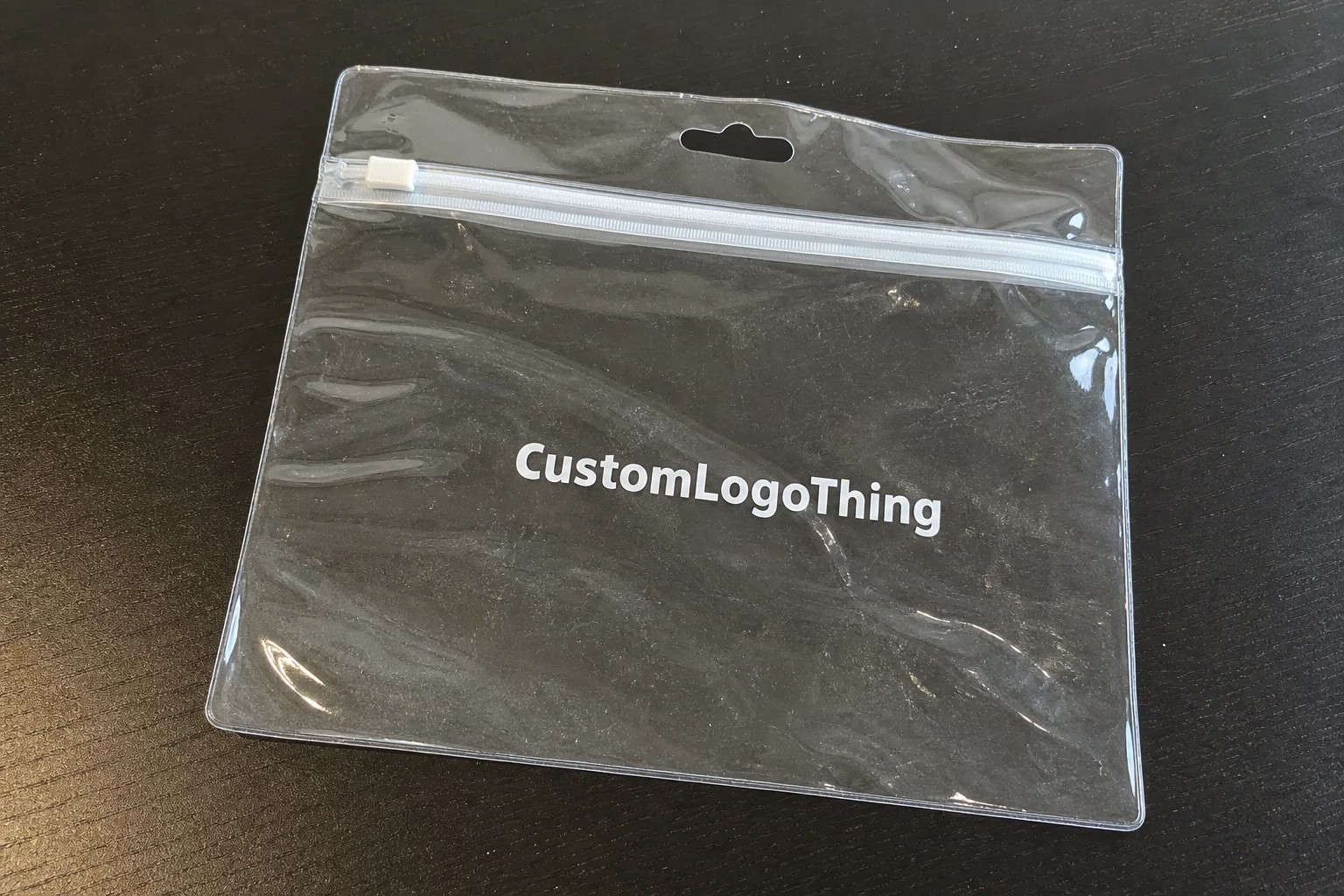
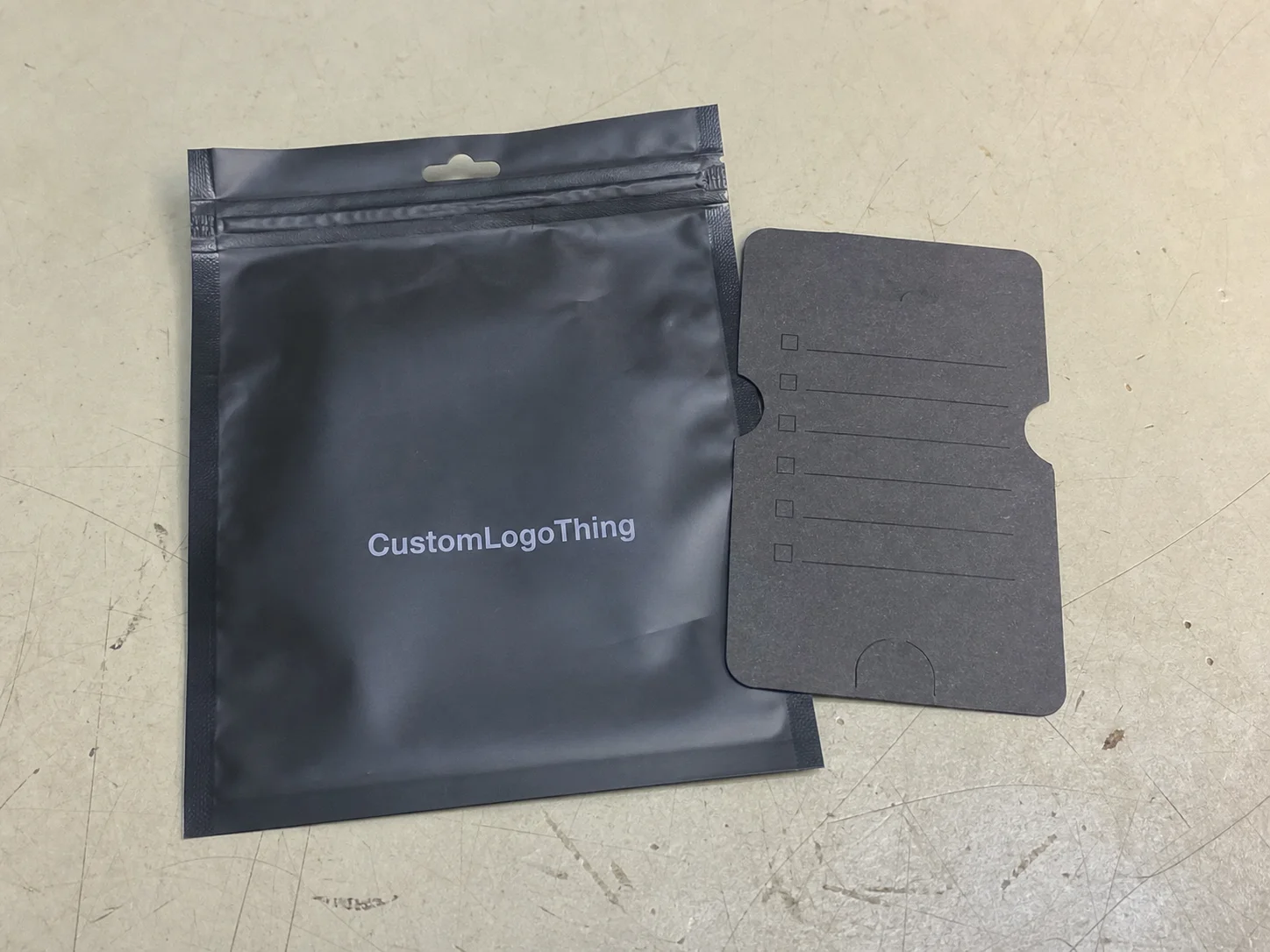
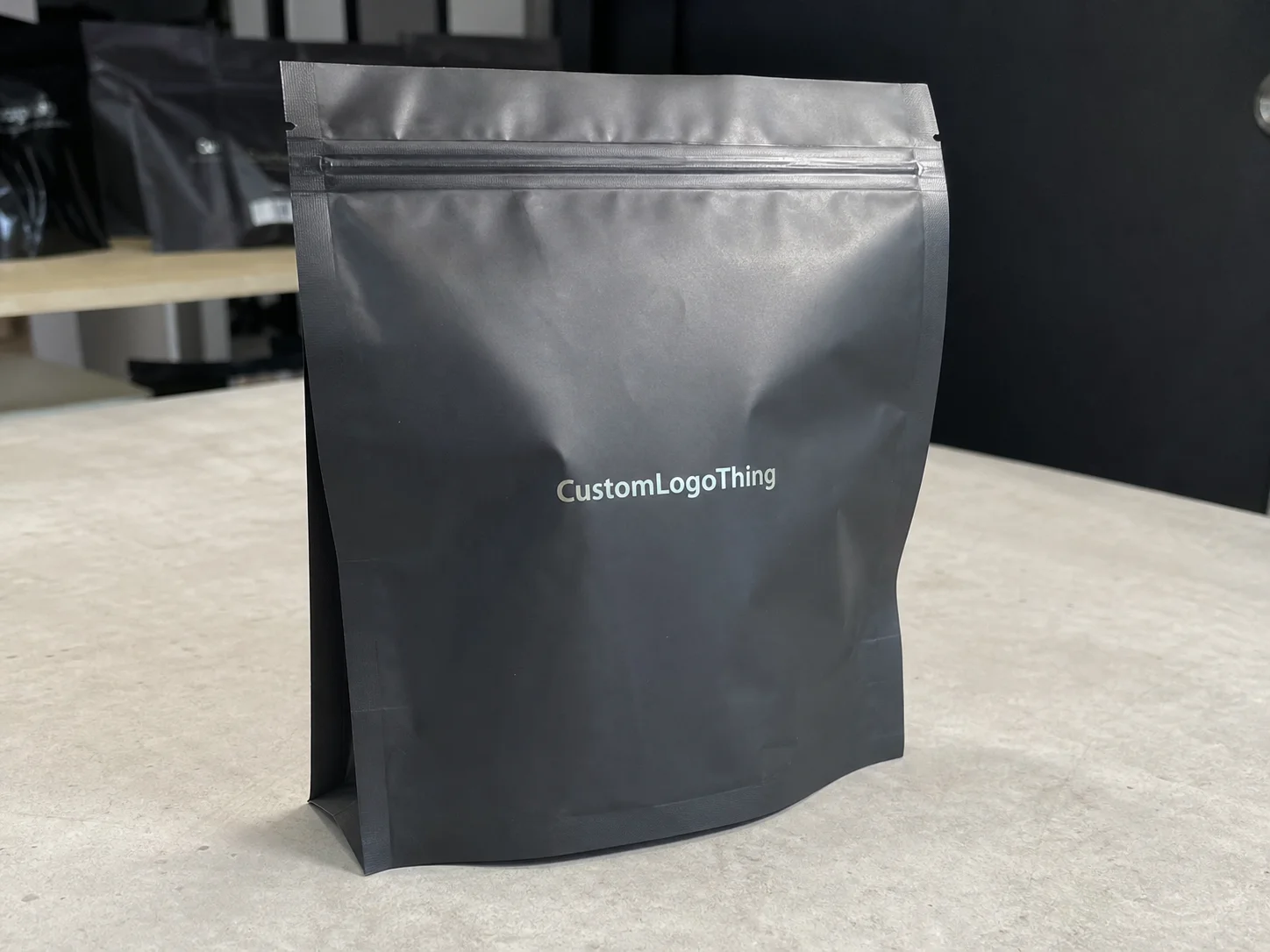
Buyer Fit Snapshot
| Best fit | Branded Packaging Affordable projects where brand print, material claims, artwork control, MOQ, and repeat-order consistency need to be specified before quoting. |
|---|---|
| Quote inputs | Share finished size, material target, print colors, finish, packing count, annual reorder estimate, ship-to region, and any compliance wording. |
| Proofing check | Approve dieline scale, logo placement, barcode or warning zones, color tolerance, closure strength, and carton packing before bulk production. |
| Main risk | Vague material claims, crowded artwork, missing packing details, or unclear freight terms can make a low unit price expensive after revisions. |
Fast answer: Branded Packaging Affordable: Board, Finish, Dieline, and Unit Cost should be specified like a repeatable production item. The safest quote records material, print method, finish, artwork proof, packing count, and reorder notes in one written spec.
Production checks before approval
Compare the actual filled-product size with the drawing, then confirm tolerance on folds, seals, hang holes, label areas, and retail display edges. Reserve space for logos, QR codes, warning copy, and material claims before decorative graphics fill the panel.
Quote comparison points
Review material grade, print process, finish, sampling route, tooling charges, carton quantity, and freight assumptions side by side. A quote is only useful when the supplier can repeat the same color, closure quality, and packing count on the next order.
When a buyer tells me they need branded packaging affordable, I know exactly where the conversation needs to go: not to the cheapest carton on paper, but to the smartest box on the line. I’ve watched a $0.22 mailer turn into a headache because the print was off by 2 mm, the inserts arrived loose, and the customer service team spent two weeks handling complaints from damaged shipments. That is why branded packaging affordable only works when the structure, board grade, print method, and freight plan are all considered together, right down to the caliper of the board and the lane your cartons move through from Shenzhen to Los Angeles or Rotterdam.
In my years walking corrugate lines, sitting with procurement teams, and reviewing press approvals at our Shenzhen facility, I’ve seen the same pattern repeat. Buyers want branded packaging affordable, but they often start by asking for foil, soft-touch lamination, full flood print, and a custom insert all at once. Honestly, I think the better approach is simpler: protect the product first, make the branding clean, and choose one or two value-driving details that matter to the customer. That is how branded packaging affordable becomes real, not just a phrase on a quote, especially when the production team is working with 350gsm C1S artboard, E-flute corrugate, or a 1.2 mm grayboard shell.
Branded Packaging Affordable: Why the Lowest Price Is Not Always the Best Value
The cheapest carton I ever saw cause the most expense came from a subscription client shipping glassware in a thin single-wall mailer that looked fine in the sample room. On the line, though, the board crushed at the tuck flap, and once the boxes hit parcel carriers, the breakage rate climbed to 6.8% in the first month. The unit price was low, but the rework, replacements, and lost repeat orders made that job anything but branded packaging affordable, particularly after the customer had already paid $1,420 in replacement freight for the first 8,000 units.
Here’s what most people get wrong: packaging cost is not just the unit price. It is board grade, print coverage, finishing, tooling, proofing, freight mode, and the failure rate after launch. A carton priced at $0.31 per unit may actually be the better branded packaging affordable option than a $0.24 box if it cuts damages by half and ships flat with better pallet efficiency, especially on a 40 x 28 inch pallet pattern that lets you fit 192 units instead of 160.
I usually talk buyers through total landed cost. That means the factory price, inland trucking, ocean or air freight, customs-related handling if applicable, and the hidden cost of rejects or delayed launches. If your packaging arrives late and your launch slips by ten days, that delay can cost more than the difference between two quote options. In practice, branded packaging affordable is not about winning the lowest line item; it is about lowering the full cost of getting a sellable box to market, from the Shanghai port booking to the last mile in Chicago, Dallas, or Munich.
Real savings come from design discipline. A rigid-style package with four-color flood print, two foils, and a magnetic closure will always cost more than a well-built kraft mailer with one-color black print and a simple insert. That does not mean the expensive version is wrong for every brand. It means branded packaging affordable requires decisions that match the product, the channel, and the volume, whether the job is 2,500 units for a launch or 25,000 units for a national rollout.
I remember a meeting with a cosmetics buyer who wanted premium shelf presence but had a strict margin ceiling of 11%. We reduced the board thickness from 2.5 mm rigid to a kraft-lined folding carton with a short-run digital print, then used a single foil accent on the logo only. The packaging still felt polished, but the unit cost fell by 27%, from $0.74 to $0.54 at 5,000 pieces, which is the kind of math that makes branded packaging affordable meaningful instead of theoretical.
If you want to check standards that help you protect product quality while keeping spend under control, the packaging industry relies on organizations like ISTA for transit testing and EPA recycling guidance for material decisions. Those references matter because a box that fails in transport is never truly affordable, no matter what the invoice says, whether the quote came from a plant in Dongguan or a converter in Illinois.
What Is Branded Packaging Affordable?
Branded packaging affordable means packaging that protects the product, represents the brand clearly, and stays within a sensible budget once all production and shipping costs are counted. It is not the absolute cheapest option, and it is not the most elaborate option either. It is the point where structure, materials, print quality, and logistics work together to create real value.
For many brands, that balance comes from choosing a smart box style, keeping embellishment controlled, and selecting a board or paper stock that suits the product instead of chasing unnecessary luxury. A well-planned mailer, folding carton, or Corrugated Shipping Box can deliver a polished customer experience without pushing the budget into premium territory. That is the practical meaning behind branded packaging affordable: thoughtful design that keeps cost in line with business goals.
In a production setting, I also think of branded packaging affordable as a systems issue. If the print method is too complex for the order quantity, if the insert is oversized, or if the freight plan wastes space on the pallet, the project stops being affordable even if the box itself looks inexpensive. The strongest programs are the ones that keep each decision aligned with the product, the sales channel, and the expected reorder pattern.
Product Options for Branded Packaging Affordable Results
Not every box style gives the same return. If your goal is branded packaging affordable, the smartest place to start is with formats that convert efficiently, print cleanly, and ship without excess air. In most factories I’ve worked with, the best-value structures are mailer boxes, folding cartons, corrugated shipping boxes, sleeve boxes, and select kraft rigid-style solutions when the brand needs a heavier feel without full luxury construction, especially when they can be cut from 350gsm C1S artboard or 32ECT corrugated stock without custom tooling.
Mailer boxes are a favorite for ecommerce and subscription kits because they ship flat, assemble quickly, and hold branding well on the lid and outer panels. When a client wants branded packaging affordable for direct-to-consumer orders, mailers often give the best mix of structure and visual impact. A 12 x 9 x 4 inch E-flute mailer with one-color print can be far cheaper than a Rigid Gift Box, while still delivering a clean unboxing experience, and at 5,000 pieces it may land around $0.42 to $0.58 per unit depending on board and finish.
Folding cartons work beautifully for retail packaging where shelf footprint matters. They are efficient to print, easy to store, and excellent for lighter products like supplements, cosmetics, candles, and small accessories. I’ve seen folding cartons save a client nearly 18% in pack-out costs simply because the cartons arrived flat and the fulfillment team could run them faster. That is a practical path to branded packaging affordable, not a compromise, especially when using 300gsm to 350gsm SBS or C1S board with a single spot color and aqueous coating.
Corrugated shipping boxes are best when protection matters more than display. If you are packing home goods, small appliances, or heavier kits, a well-designed corrugated carton with a clean two-color print can create strong package branding and reduce transit damage. For many brands, this is the most dependable route to branded packaging affordable because the box does double duty: it protects the product and communicates the brand in transit, and it can often be produced in Qingdao or Foshan with flexo print at lower tooling cost than offset.
Sleeve boxes can be a smart middle ground. A simple tray plus printed sleeve often costs less than a full rigid setup, and the sleeve carries the visual identity without requiring as much board or labor. When the product already has a decent primary container, a sleeve can deliver branded packaging affordable presentation at a lower total cost, especially if the tray uses plain kraft board and only the sleeve receives CMYK print.
Kraft rigid-style solutions are worth considering for gift sets, PR kits, and premium mailers where tactile feel matters. I do not recommend them for every budget, because labor and structure complexity can add up fast. Still, if you keep the dimensions tight and the decoration controlled, you can preserve a premium look while keeping branded packaging affordable enough for a mid-tier launch, particularly on runs of 3,000 to 7,500 pieces where the assembly line in Shenzhen or Xiamen can stay efficient.
| Packaging Option | Best Use | Typical Print Method | Relative Cost | Notes |
|---|---|---|---|---|
| Mailer Box | Ecommerce, subscriptions, PR kits | Digital, flexo, offset | Low to medium | Strong choice for branded packaging affordable projects with easy assembly; typical pricing can start near $0.38 per unit at 5,000 pieces |
| Folding Carton | Retail shelves, small products | Offset, digital | Low to medium | Excellent for lightweight product packaging; often built from 300gsm to 350gsm C1S artboard |
| Corrugated Shipping Box | Shipping, protection-focused brands | Flexo, digital, offset wrap | Low to medium | Good for transit durability and package branding; 32ECT or 44ECT board can keep claims down |
| Sleeve Box | Gift sets, retail wrap, kits | Offset, digital | Medium | Can keep branded packaging affordable with simple inserts and a plain tray |
| Kraft Rigid-Style | Premium presentation on a budget | Offset, foil accent | Medium to high | Use selectively when the feel matters most; more suitable for 2,000 to 5,000 piece launches than mass shipping |
Print method matters just as much as structure. CMYK digital printing is usually the fastest path for short runs and design testing. Flexographic printing shines on larger corrugated volumes, especially when the artwork is simple. Offset printing gives excellent image quality and color consistency, particularly for retail packaging and custom printed boxes where detail matters. The right process is the one that gives you branded packaging affordable without pushing needless setup costs into the job, and in many cases that means choosing digital at 500 to 2,000 units, then moving to offset once the order reaches 5,000 units or more.
In one supplier negotiation I handled for a beverage client, the team was split between offset litho and digital. The offset quote had higher tooling, but at 30,000 units the per-box cost dropped enough to offset the plates and make the whole program more efficient. That is the kind of decision that turns a decent quote into branded packaging affordable reality, especially when the press line is running in Suzhou and the freight is consolidated with another SKU.
Specifications That Keep Branded Packaging Affordable
Specifications drive cost more than many buyers expect. If you want branded packaging affordable, material choice is the first lever to pull, followed closely by print coverage and finishing. In corrugated packaging, E-flute is commonly used for lighter products and better print quality, while B-flute gives more cushioning and stiffness for shipping applications. For a 1.5 kg product shipping by parcel, I usually start with B-flute or a reinforced E-flute structure depending on drop risk and internal fit, and I will often ask for a 1,000 mm compression target if the carton is moving through a long export lane.
For paperboard, SBS gives a smooth printable surface and strong retail presentation, while kraft paperboard can reduce cost and support a more natural aesthetic. Recycled content boards can also help keep branded packaging affordable, especially when the design is intentionally simple. I have seen clients overspend by choosing specialty board for a product that lived inside a shipping carton anyway; a cleaner spec would have done the job better, particularly when a 350gsm C1S artboard with a matte aqueous coating would have been enough.
Thickness should follow the product, not the mood board. A lightweight accessory might only need 300-350 gsm folding carton stock, while a delicate glass item may require corrugated protection plus a divider. If your pack-out includes inserts, make sure they actually stabilize the product. I’ve seen a 1 mm difference in insert size make the whole build wobble on a vibration table, which is exactly the kind of issue that ruins branded packaging affordable programs after launch, especially on a 24-hour transit test in a Guangzhou sample lab.
Artwork is another place where buyers can save money without hurting the look. Clean dielines, correct bleed, and a proper safe zone reduce prepress delays and avoid expensive file correction charges. A die line that is 100% accurate, with 3 mm bleed and text held at least 5 mm from the trim, gives the press team fewer reasons to stop and ask questions. That efficiency matters when you are trying to keep branded packaging affordable from quote to shipment, and it matters even more if your proof approval window is only 48 hours before the line is booked.
Finishes should be chosen with restraint. One-color print, limited ink coverage, matte varnish, and selective spot UV on only the logo panel can keep costs controlled while still supporting package branding. Full-coverage soft-touch lamination or heavy foil stamping can be beautiful, but they add cost quickly and sometimes complicate recycling. If your brand wants branded packaging affordable and sustainable, water-based inks and recyclable boards are usually a better first choice than layered embellishment, especially for orders below 10,000 units.
I always tell buyers to think about where the customer’s fingers and eyes go first. If the logo is centered, the typography is legible, and the unboxing sequence feels deliberate, the packaging will read as better than it cost. That is one of the cleanest ways to achieve branded packaging affordable without making the box feel stripped down, and it works just as well on a $0.19 folding carton as it does on a $1.10 rigid mailer.
For brands that care about environmental credibility, organizations like FSC provide certification guidance for responsibly sourced paper materials. FSC-certified paperboard can fit within a budget, especially when the rest of the spec stays disciplined. It does not automatically make a package affordable, but paired with a smart structure, it can help your branded packaging affordable goals stay on track, especially when the board is sourced from mills in Vietnam, Taiwan, or coastal China with documented chain-of-custody records.
How can branded packaging affordable still look premium?
The fastest way to keep branded packaging affordable while still creating a premium impression is to focus on proportion, print accuracy, and one memorable detail. A box does not need multiple foils, heavy embossing, and layered coatings to feel considered. Often, a clean structure with sharp registration, a well-placed logo, and one controlled finish does more for perceived value than a crowded design ever could.
In the sample room, I have seen a plain kraft mailer outperform a more expensive box simply because the artwork was balanced and the closure felt intentional. That is the sort of practical elegance that makes branded packaging affordable work. The customer notices order, clarity, and care before they notice the material cost, which is why restraint is often the most premium decision available.
Pricing, MOQ, and Where the Savings Come From
Pricing moves in predictable ways once you know the factory logic. The biggest drivers in branded packaging affordable programs are quantity, print complexity, board selection, box style, and finishing. A run of 1,000 digitally printed mailers will almost always have a higher per-unit price than 10,000 offset-printed mailers, but the lower quantity may still be the correct business decision if you are testing a new product or seasonal campaign, particularly when the proof and freight schedule in Shenzhen only gives you a three-week window.
Here is a practical pricing framework I use when talking to buyers about branded packaging affordable options:
- Mailer boxes: often start around $0.28 to $0.65 per unit at moderate quantities, depending on size, board, and print.
- Folding cartons: can fall around $0.12 to $0.38 per unit for straightforward specs and larger runs.
- Corrugated shipping boxes: may range from $0.22 to $0.80 per unit based on flute, print, and dimensions.
- Sleeve-and-tray kits: usually sit higher because of extra assembly and material steps.
Those are general working ranges, not fixed promises, because freight, seasonality, and the exact size can swing the final quote. Still, they help buyers understand where branded packaging affordable becomes realistic. If a supplier quotes far outside those bands, ask what is included: plates, sampling, inserts, lamination, or palletizing. Those details matter, and on a 20-foot container moving from Ningbo to California the freight line alone can shift the final landed cost by 12% to 18%.
Minimum order quantities depend on the production method. Digital printing can often support 250 to 1,000 units for smaller jobs, especially if the structure is standard. Offset printing and flexographic printing usually favor higher quantities because setup is more involved and the cost drops as volume rises. For many brands, the sweet spot for branded packaging affordable starts around 3,000 to 5,000 units, though that depends on size and finish. A straightforward folding carton in Dongguan may be priced at $0.15 per unit for 5,000 pieces, while a similar box with foil and embossing can jump to $0.31 or higher.
I’ve watched brands save real money by standardizing box sizes across multiple SKUs. One client in personal care used six custom dimensions for products that could have fit into three shared footprints with internal fit adjustments. By simplifying the carton library, they reduced setup time, lowered insert variations, and improved their branded packaging affordable performance across the entire product line, saving roughly $4,800 in annual die and sampling charges.
Watch for hidden charges. Too many buyers focus only on the print quote and miss the extras that appear later. These can include tooling, die plates, proofing, sampling, custom inserts, lamination changes, pallet wrap, export cartons, and special freight requirements. None of these are unusual. They just need to be accounted for if you want true branded packaging affordable planning, especially on orders shipping via air from Hong Kong or trucked inland from a plant in Foshan.
Honest factory-floor advice: if your artwork changes after dieline approval, expect either a new proof or a schedule slip. I’ve had projects where a last-minute logo shift added three days and a small prepress charge of $85, and that was still cheaper than re-running a full production mistake. Proper planning is one of the most reliable routes to branded packaging affordable, because every revision avoided before plate making is money kept in the margin.
Process and Timeline for Ordering Branded Packaging Affordable Solutions
A clean process keeps costs down. The standard path for branded packaging affordable production usually starts with a quote request, followed by structural review, dieline confirmation, artwork preparation, proofing, sampling, production, finishing, and shipment. If any one of those steps gets rushed or skipped, the risk of rework climbs fast, and a small delay in one step can turn a 12-day factory run into a 19-day scramble.
From experience, the best timelines happen when buyers send exact internal dimensions, target quantity, product weight, print coverage expectations, and delivery destination in the first email. When I visited a folding carton plant in Dongguan, the fastest orders were always the ones where the buyer had already confirmed the product height, caliper requirement, and artwork file format. That level of clarity makes branded packaging affordable much easier to deliver, especially when the plant can build a sample within 2 to 3 business days and begin mass production right after approval.
Typical timing looks like this:
- Quotation: 1 to 2 business days for standard specs.
- Dieline and structural confirmation: 1 to 3 business days if the box style is straightforward.
- Sampling or mockup: 3 to 7 business days for most formats.
- Artwork revision and approval: depends on how prepared the files are; often 1 to 5 business days.
- Mass production: typically 10 to 20 business days after approval, depending on quantity and finishing.
- Shipment: varies by destination and freight method.
Those numbers can move faster or slower depending on the complexity of the job. A simple corrugated shipping box with one-color flexo print can move much faster than a rigid presentation box with foil and insert assembly. Buyers who want branded packaging affordable should protect the schedule by avoiding unnecessary changes after sampling, because a single revised cut line can add 2 to 4 business days to the job.
Delays usually come from three places: late artwork, structural changes after approval, and slow internal sign-off. I’ve seen a brand lose a full week because marketing wanted a new tagline after the proof was already signed. That sort of change is manageable, but it is never free. Good communication is not just a courtesy; it is part of how branded packaging affordable gets delivered on time, and in many factories the production booking is locked 48 hours after the final proof is approved.
Quality control should happen at several points: material incoming inspection, print registration checks, die-cut accuracy, glue-line testing, and final carton count verification. In a corrugate shop, I like to see compression checks, visual board inspection, and random sampling from each pallet. These checkpoints reduce the odds of hidden defects, and hidden defects are the silent enemy of branded packaging affordable projects because they create returns later, often after the cartons have already crossed a port in Busan, Savannah, or Felixstowe.
When a buyer wants faster turnaround, I tell them to send print-ready files, confirm quantity early, and keep the structure standard. That combination avoids many of the common bottlenecks. If your team can approve within 24 hours of receiving a proof, the whole job tends to move with much less friction. That is how branded packaging affordable stays affordable in practice, not just in concept, and it is how a project stays on a 12- to 15-business-day production window after proof approval.
Why Choose Us for Branded Packaging Affordable Programs
Custom Logo Things has the kind of Packaging Experience That comes from real factory coordination, not just polished sales language. We work with corrugate, paperboard, and rigid-style packaging lines, and that matters because each format has different cost traps, print limits, and assembly realities. If you want branded packaging affordable, you need a partner who knows where the expensive mistakes hide, whether the job is running in Shenzhen, Dongguan, or a partner plant in Wenzhou.
I’ve spent enough time on press decks and glue lines to know that good packaging design is only part of the job. Structural engineering, board selection, fold direction, flap length, and pallet layout all affect the final result. Our role is to help you make decisions that keep branded packaging affordable while still protecting the product and presenting the brand properly on shelf or at the doorstep, from a 250-piece pilot run to a 50,000-piece wholesale order.
One of the biggest advantages of direct factory coordination is accuracy. When the art team, prepress staff, and production supervisors are aligned, the quote reflects reality instead of wishful thinking. That means fewer surprises, fewer change orders, and a smoother path from prototype to carton output. For buyers comparing options, that kind of consistency is often what makes branded packaging affordable over repeat orders, not just the first run, especially when the reorder lands six months later and the tooling files are already clean.
We also support buyers who need a practical balance between cost and presentation. Sometimes that means recommending a cleaner one-color print instead of a full-coverage design. Sometimes it means changing the board from a premium spec to a stronger standard grade with better pallet efficiency. I’ve seen those recommendations protect margin far better than chasing fancy finishes that do not move product. That is the reality behind branded packaging affordable programs done well, particularly when a packaging line is trying to stay under a target like $0.30 to $0.45 per unit.
If you want to see more of our work, our Case Studies page shows how different brands approached product packaging challenges with real constraints on budget and timing. For product categories and build options, our Custom Packaging Products page is a helpful place to review structures before you request pricing, and it can help you compare a mailer, folding carton, or sleeve before we build a quote.
Honestly, I think the best packaging partner is the one that tells you when not to spend money. A supplier who always says yes is not always helping you. A supplier who understands board conversion, print registration, and the economics of MOQ can help you achieve branded packaging affordable results that hold up in the real world, not just in a rendering, especially when the carton needs to run cleanly on a Heidelberg offset press or a local flexo line.
Our goal is repeatability. A good box once is nice. A good box every time is what builds trust with your customers and your operations team. That is why we pay attention to sample accuracy, color consistency, and reorder stability, because branded packaging affordable only matters if the next run matches the first one, down to the same crease depth, the same glue seam, and the same Pantone target.
Next Steps to Order Branded Packaging Affordable Packages
If you are ready to move forward, the best first step is to gather a small set of exact details. Send the box style, internal dimensions, target quantity, artwork files, material preference, and shipping destination. With those basics, we can usually narrow the field quickly and show you where branded packaging affordable is easiest to achieve, whether the job is built in Shenzhen for export or in a regional North American facility for domestic delivery.
When I work with buyers, I often ask for two or three quote scenarios. One might be the lowest-cost version, another might add a finish like spot UV, and a third might show a faster lead time. That comparison helps you decide what matters most. Sometimes the best choice is the simplest one. Other times, a slightly higher spend gives you a stronger retail result and still keeps branded packaging affordable in the overall budget, especially if the difference between the options is only $0.06 to $0.09 per unit.
If the product is new, order a structural sample or printed proof before full production. That extra step can save a lot of pain later. A 1:1 mockup helps catch fit issues, logo placement problems, and closure tension before you commit to thousands of units. In my experience, a small sampling investment of $35 to $120 is one of the most reliable ways to preserve branded packaging affordable economics, because it is far cheaper than reprinting 4,000 cartons after a fit problem surfaces.
Here is the information checklist I recommend:
- Box style or preferred packaging format
- Internal dimensions in millimeters or inches
- Product weight and fragility level
- Quantity target for the first order and future repeats
- Artwork file format and brand color references
- Board or paper preference, if known
- Shipping destination and required arrival window
If your team is still deciding, start with the version that gives the best protection and the cleanest branding at the lowest practical cost. You can always add premium finishes later once sales data justifies the upgrade. That staged approach is often the smartest way to keep branded packaging affordable without freezing the brand in a stripped-down look forever, and it works especially well when you are launching in phases across Q2 and Q3.
That is the part I wish more buyers heard early: branded packaging affordable is easiest to achieve when the specs are clear from the beginning. The more precise the brief, the more accurate the quote, and the less money gets wasted on revisions, reprints, or unnecessary decoration. If you want a package that sells, protects, and stays on budget, start with the numbers and build from there, whether your first order is 1,000 units or 10,000 units.
FAQ
How do I get branded packaging affordable without looking cheap?
Choose a simple box structure and one or two print colors instead of complex decoration. Use strong materials like kraft or corrugated board, then keep the design clean and well-aligned. Reserve premium finishes for small accent areas if the budget allows, and a 350gsm C1S artboard folding carton with matte coating can still look polished at around $0.18 to $0.26 per unit on mid-sized runs.
What is the best packaging style for branded packaging affordable orders?
Mailer boxes and folding cartons are often the most cost-efficient for branding. Corrugated shipping boxes work well when product protection matters more than shelf display. The best option depends on product weight, shipping method, and retail presentation needs, and a standard mailer with E-flute board can often ship for less than a rigid box by 20% to 35%.
What MOQ should I expect for branded packaging affordable projects?
Digital printing can support lower quantities, while offset and flexo usually favor larger runs. MOQ depends on box style, board type, and finishing requirements. Standardized sizes and simpler artwork often help keep entry quantities lower, with many factories starting offset jobs around 3,000 to 5,000 pieces and digital samples as low as 250 pieces.
How long does branded packaging affordable production usually take?
Sampling, artwork approval, and production timing all affect the schedule. Simple boxes with ready artwork move faster than custom structures with special finishes. Fastest timelines come from accurate dimensions, print-ready files, and prompt approvals, and a typical production cycle is 12 to 15 business days from proof approval for standard folding cartons or mailers.
Can branded packaging affordable still be sustainable?
Yes, recyclable paperboard and corrugated materials can keep costs controlled. Water-based inks and minimal coatings can support both sustainability and budget goals. Using the right board weight prevents overpackaging and unnecessary material expense, and FSC-certified paperboard from mills in Asia or North America can fit well within a disciplined spec.
If you want branded packaging affordable solutions that are practical, repeatable, and built around real production constraints, the smartest move is to start with clear specs and a realistic budget. That is how we help brands turn package branding into a sales tool without paying for waste, and it is how branded packaging affordable becomes a dependable part of the business instead of a constant compromise, from the first sample in Shenzhen to the final carton delivered to your warehouse.