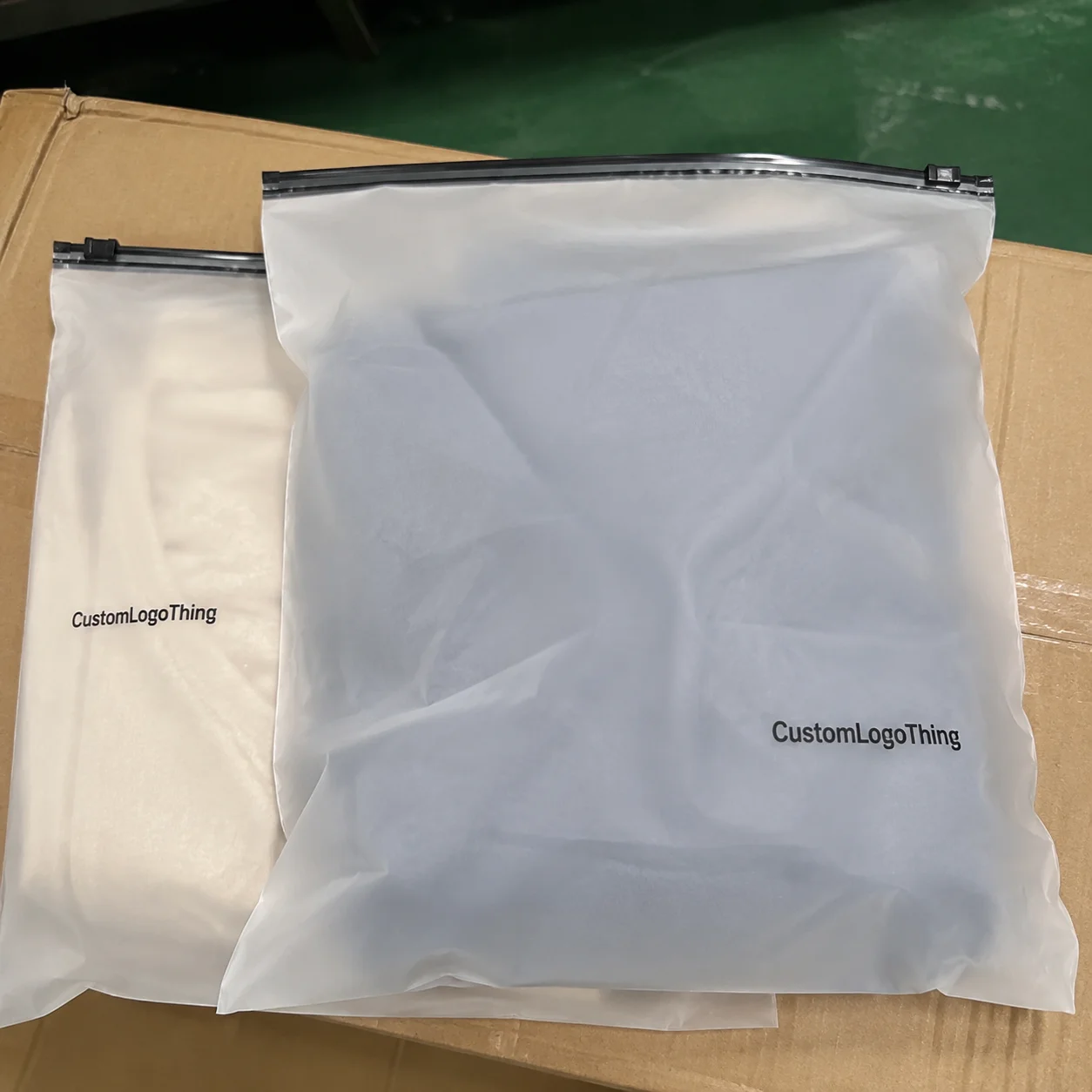
Get Printed Clear Zipper Bags Packaging Insert Checklist
Why Clear Zipper Bags Need More Than a Logo
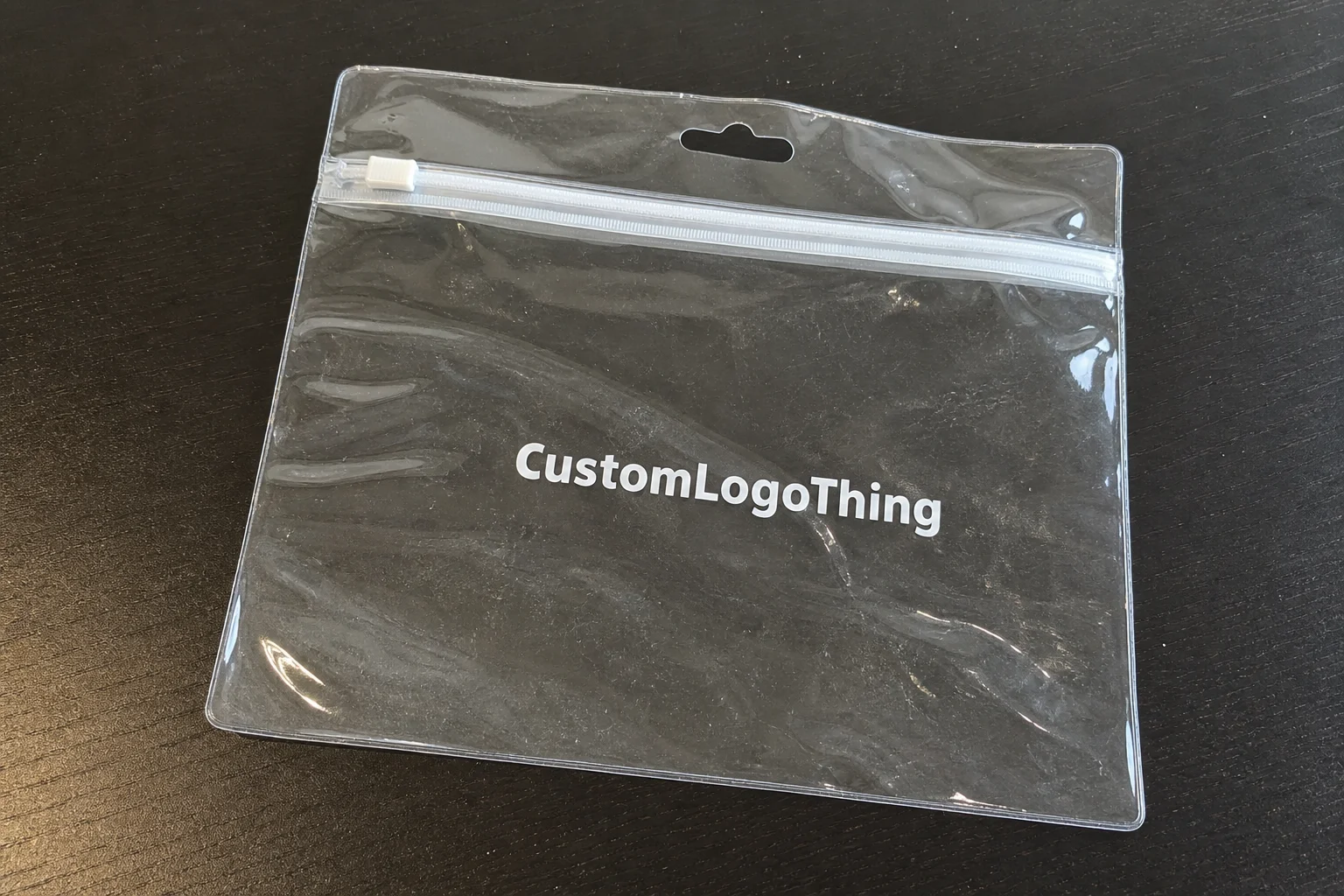
A clear zipper bag can look perfect on a proof and awkward in real life. The logo is sharp. The film looks clean. Then the insert card slides forward, blocks the product, and makes the whole pack feel like someone assembled it during a lunch break. That is why a Get Printed Clear Zipper Bags packaging insert checklist belongs at the start of the project, not after artwork is already approved.
Clear zipper bags work because shoppers can see what they are buying. Simple idea. Tricky execution. The package has to show the product, carry the brand, protect the contents, and keep the insert looking intentional. If the zipper track cuts through the insert headline or the card covers the main product view, the finished bag looks unfinished even if the print, card, and film were each produced correctly.
Printed Clear Zipper Bags are resealable plastic pouches made from materials such as PE, PP, PVC-free clear film, or laminated structures. The right choice depends on clarity, softness, puncture resistance, barrier needs, product contact rules, and the type of retail handling expected. A packaging insert might be a backing card, coupon, warning notice, care guide, instruction sheet, size chart, hang tab card, or retail panel placed inside the bag.
The practical goal is to document the bag, print, product, and insert as one system. That means actual dimensions, real material choices, a usable dieline, and a proofing process that checks how the finished package behaves in hand, in cartons, and on a peg hook.
How Printed Clear Zipper Bag Inserts Work Together
The bag film, zipper position, print area, product shape, and insert size all affect one another. A soft item may spread sideways after packing. A rigid accessory may press against the front film. A tall card may look clean on a desk, then catch under the zipper track during pack-out. Fun surprise. Usually not.
Good clear bag layouts reserve a real viewing window and use the insert as a controlled backdrop for branding, instructions, barcode placement, or compliance copy. The best version does not make the shopper choose between seeing the product and reading the package. Both need space.
Common formats include lay-flat zipper Bags for Apparel and accessories, bottom-gusset zipper bags for items that need shelf presence, hang-hole zipper bags for peg displays, slider zipper bags for heavier reuse, and header-style zipper bags where the top area carries retail information. Each format changes the usable interior space. A 6 x 9 inch outside dimension does not give the product a full 6 x 9 inches. Seals, zipper tracks, headers, hang holes, and gussets all steal room.
Printing method matters too. Flexographic printing is common for larger runs and repeat graphics because plates and press setup become more efficient at volume. Digital printing can help with shorter runs, seasonal artwork, or multiple SKU versions, though available films and ink durability vary by supplier. Screen printing or hot-stamp decoration can work for simple logos, metallic marks, or small batches where full-panel graphics are not needed.
White ink needs a separate decision. On clear plastic, many colors become transparent or muted without a white ink base. A red logo printed over a black product, beige insert, and blue fabric item may look like three different reds. A white backing layer can stabilize color, improve barcode contrast, and make fine type easier to read.
Practical rule: if the customer must read it, scan it, or recognize the brand color quickly, plan the white ink layer before approving the dieline.
The insert changes the print result. A light card can make graphics pop. A dark insert can reduce logo readability. Card stiffness matters as well. A 300gsm coated card may sit nicely behind a flat product, while a heavier 400gsm board can make a small pouch bulge or crease. A flimsy 120gsm sheet may wave inside the bag and make otherwise clean retail packaging look temporary.
Key Specs to Check Before You Request Artwork
Start with the product, not the logo. Measure the actual item at its widest, tallest, and thickest points. Then check how it behaves after packing. Soft goods compress. Hardware shifts. Powders slump. Folded items spring open. Accessories migrate to the bottom unless something holds them in place.
Add tolerance for air space, instruction sheets, hang holes, and the hand movement needed to close the zipper without stressing the side seals. Tight bags may look efficient on a spreadsheet. They are less charming when the zipper pops open or the insert curls like a potato chip.
Separate outside bag dimensions from usable interior dimensions. Side seals may take 3–8 mm per side. A zipper track reduces the top loading area. Bottom seals, gussets, tear notches, hang holes, and header panels can all reduce practical packing space. If a barcode must scan through clear film, keep it flat, high contrast, and away from curves, seals, wrinkles, and the zipper.
Film selection affects both appearance and performance. PE often has a softer hand and good flexibility. PP can offer higher clarity and a crisper feel. Laminated structures can improve barrier or stiffness but may complicate recycling claims. Thickness is usually discussed in mils or microns. Many light retail zipper bags fall around 2–4 mil, while heavier reusable or puncture-resistant bags may run thicker depending on product weight and edge sharpness.
Insert specifications need the same discipline as bag specifications. Confirm finished size, paper weight, coating, grain direction, corner radius, folding requirements, and whether the card must stand upright, slide behind the product, wrap around it, or sit in front as a face panel. For coated paper, 250–350gsm is common for many retail cards, but the right weight depends on bag size and product shape. A small pouch may need a lighter insert to avoid bulging.
Artwork should be built on a correct dieline with safe area, bleed, zipper clearance, seal clearance, barcode quiet zones, registration tolerance, and color expectations for transparent film. If the bag is used for food, cosmetics, children’s products, medical-adjacent items, or regulated retail channels, check compliance early. That may include suffocation warnings, recycling marks, country-of-origin labeling, Prop 65 language where applicable, and product-specific safety or use instructions. For sustainability claims, review sources such as the EPA recycling resources and confirm what the material structure can honestly support.
Process and Timeline From Checklist to Production
A clean project usually follows a steady path: requirements, bag and insert sizing, material selection, quote, dieline creation, artwork setup, proofing, sample review, production, inspection, packing, and freight. Complete the checklist before quoting whenever possible. Missing insert details can change the bag size, print area, carton count, and even the recommended construction.
To prepare a useful dieline, a supplier needs the bag style, outside dimensions, zipper location, seal widths, gusset depth if any, hang-hole placement, print colors, insert dimensions, barcode location, and number of SKU versions. If the product is unusually thick, oily, scented, dusty, sharp, or flexible, say that early. Those details affect film choice and pack-out assumptions.
Proofing usually happens in stages. A digital proof checks layout, copy, barcode position, and basic artwork placement. A color proof may be needed when brand color is critical, especially on clear film with white ink. A physical sample or mockup is better when fit, clarity, stiffness, zipper function, or insert movement could affect the finished package.
Timing depends on customization. A stock-size decorated bag may move within a couple of working weeks after proof approval if materials and capacity are available. Custom sizes, multi-color printing, specialty film, printed inserts, and pre-insertion take longer because more steps have to line up. Approval speed matters. Delays often come from missing warning copy, low-quality barcode files, artwork revisions, or product samples arriving after the bag size was already chosen.
| Project Type | Typical Cost Drivers | Common Timing Considerations |
|---|---|---|
| Stock clear zipper bag with logo | Decoration method, print color count, quantity | Faster if bag size and film are already available |
| Custom printed zipper bag | Film thickness, plates or setup, white ink, zipper style | Requires dieline approval, print setup, converting, and inspection |
| Printed bag with printed insert | Insert stock, double-sided print, folding, SKU versions | Needs coordination between bag production, insert printing, and pack-out |
| Retail-ready pre-inserted pack | Assembly labor, carton packing, version control | More planning upfront, but can reduce fulfillment labor later |
Build the timeline backward from the launch date, retail delivery date, or kitting deadline. Treat sample approval as the real green light. Production variables can include material availability, print plates, drying or curing time, zipper conversion, insert printing, assembly labor, inspection requirements, carton packing, and freight method. For larger programs, buyers may reference standards from ISTA when product packaging needs to survive parcel or retail distribution.
Cost, MOQ, and Quote Details That Change the Unit Price
Unit cost is shaped by more than bag size. Material type, thickness, print method, color count, zipper style, gussets, hang holes, insert printing, packing method, and order quantity all matter. A one-color logo on a stock clear bag has a very different cost structure from a full-panel design with white ink, tight registration, matte effects, metallic accents, and five insert versions.
MOQ is not just a sales preference. Custom printed film and converted zipper bags need minimums because setup, material ordering, press time, plate making, machine changeover, and inspection carry fixed costs. For a small decorated run, buyers may see planning ranges around $0.18–$0.45 per bag depending on size, print coverage, and quantity. A more customized structure with printed inserts and pre-assembly can move higher, especially at 1,000–5,000 units. Treat those numbers as rough planning ranges, not guaranteed pricing.
Inserts add their own cost layers: card size, paper stock, coating, folding, double-sided printing, barcode versions, variable copy, and whether cards ship loose or are inserted into each bag. Pre-insertion can raise the upfront unit price but reduce fulfillment labor later. That tradeoff often makes sense for retail launches, subscription kits, influencer mailers, and organized product packaging programs where version control matters.
Ask for quote breakpoints such as 1,000, 5,000, 10,000, and 25,000 units if those quantities fit your buying plan. The cost curve may improve once setup is spread across more pieces. Also ask whether setup charges, plate fees, tooling, sample fees, color matching, dieline preparation, insert printing, and freight are included or listed separately.
Compare quotes by full landed cost and usable finished packaging, not only the lowest per-bag number. A cheap bag that curls the insert, dulls the print, or makes barcode scanning unreliable can waste inventory fast. If you are sourcing other Custom Packaging Products such as printed boxes, mailers, or labels, align zipper bag colors and materials with the rest of the brand system so the presentation feels intentional.
Step-by-Step Checklist for Bag, Print, and Insert Approval
Use this approval checklist as a working tool, not a paperwork ritual. The point is to catch small problems while changes are still cheap.
- Confirm the packed product: measure dimensions, weight, packing orientation, and whether the item is sharp, oily, scented, dusty, flexible, or prone to compression.
- Choose the bag style: define zipper type, hang hole, gusset, header space, tear notch, and whether the bag must stand, hang, or lie flat.
- Select the film: choose based on clarity, feel, strength, barrier needs, food or cosmetic contact suitability, and any supportable sustainability claims.
- Size the insert: decide whether it sits behind the product, in front of it, folded around it, or separated by a compartment.
- Build artwork on the dieline: include zipper clearance, seal clearance, white ink layers, barcode quiet zones, registration tolerance, and readable text size.
- Review proofs carefully: check digital proof layout and compliance, then request a physical sample when fit, opacity, product visibility, or card stiffness is uncertain.
- Approve production details: confirm quantity, SKU versions, carton pack count, insert handling, shipping method, delivery address, and final file ownership.
- Save the final checklist: keep it with the approved proof so reorders can be checked quickly instead of rebuilt from memory.
Small type needs extra care on clear film. Fine reverse type, QR codes, and hairline rules can break down if registration tolerance, ink spread, or the product background is ignored. If a barcode must scan in a retail environment, test it through the bag with the insert and product in place. Do not assume a clean PDF equals a scannable package.
Common Mistakes That Make Clear Bags Look Unfinished
The first mistake is treating the insert as a separate print job instead of designing it with the transparent bag. That is how cards block the product view, fight the logo placement, or sit awkwardly under the zipper. The bag structure has to guide the insert, not merely contain it.
- Skipping white ink planning: light colors, QR codes, brand marks, and fine type may lose contrast over mixed product colors.
- Using nominal product size: the listed size may not match the packed shape, causing tight zipper closure, curled cards, wrinkled film, or stressed seals.
- Placing barcodes near trouble spots: seals, gussets, curves, and zipper tracks can hurt scanning and readability.
- Choosing the wrong insert stock: thin sheets can wave, while overly heavy cards can make a pouch bulge or look overfilled.
- Approving color from a monitor only: ink on clear plastic behaves differently than ink on coated paper, especially without a white backing layer.
- Mixing SKU versions: one bag size with several inserts, flavors, languages, or colors needs clear file names and carton labels.
- Ignoring pack-out labor: manually inserting cards later can slow fulfillment if orientation and carton organization were not planned.
The most common miss is assuming the clear bag is just a transparent sleeve. It is not. It is part of the retail packaging system, and it has mechanical limits. The zipper needs room. The seals need strength. The insert needs to sit flat enough to look deliberate. The product still needs to remain visible.
Next Steps Before You Send Files to a Supplier
Before sending artwork, run a desk test. Place one product sample in a plain clear bag, add a trimmed paper mockup of the insert, close the zipper, shake it lightly, then hang it or stand it the way it will be sold. Take photos from the front, back, and side. Five minutes can reveal a tilted card, blocked logo, tight zipper, weak barcode position, or product that settles lower than expected.
Prepare a short spec sheet with bag style, outside dimensions, target usable space, material preference, thickness target, print colors, insert size, order quantity, SKU count, compliance copy, proofing needs, and delivery deadline. If fit is uncertain, send product photos or a physical sample. Soft goods, hardware, powders, accessories, and folded items often behave differently than catalog dimensions suggest.
Name files clearly by SKU and version. Keep separate files for bag artwork, insert artwork, dielines, barcode files, warning copy, and reference photos. Ask direct supplier questions: What film do you recommend? Where should white ink be used? What is the practical MOQ? Which proofing options are available? What approval date protects the target ship date? If you are comparing several types of Custom Packaging Products, include that context so the zipper bag can match the broader packaging program.
The cleanest move is simple: finish the checklist, gather the product sample, confirm the insert dimensions, and send one organized request before asking for final pricing or approving artwork. Fewer assumptions. Fewer reprints. Better odds the finished clear bag looks like a package, not a pouch with a card trapped inside.
FAQs
What should be included in a printed clear zipper bags insert checklist?
Include bag style, outside dimensions, usable inside dimensions, film type, thickness, zipper location, hang hole, seal clearances, print colors, white ink needs, insert size, insert stock, compliance copy, barcode placement, SKU versions, quantity, proofing needs, and target delivery date. Also include how the insert will sit inside the bag, because orientation affects product visibility, barcode scanning, and the finished retail look.
How do I size an insert for custom clear zipper bag packaging?
Start by measuring the packed product inside the chosen bag style, not just the product by itself. Leave clearance for the zipper track, side seals, bottom seal, and any hang hole. Then make a paper mockup to check whether the insert slides, curls, blocks the product, or makes the bag too tight.
Does printing on clear zipper bags cost more than using a printed insert only?
Often yes. Direct bag printing can involve setup, ink, registration control, white ink, and minimum order requirements. A printed insert can be more economical for small runs or multiple SKUs, while printed bags create a more integrated branded package when the volume and design justify it.
How long does the printed clear zipper bag process usually take?
Timing depends on custom size, material availability, print method, proofing, insert printing, and approval speed. The cleanest timeline starts with complete specs, accurate artwork, and a physical fit check before production approval, because revisions after proofing are a common source of delays.
Can one printed clear zipper bag work with multiple insert designs?
Yes. Many buyers use one printed bag with different inserts for flavors, sizes, colors, languages, or seasonal offers. Keep the bag artwork more universal, make sure each insert has the correct barcode and compliance copy, and control SKU labeling during packing so versions do not get mixed.