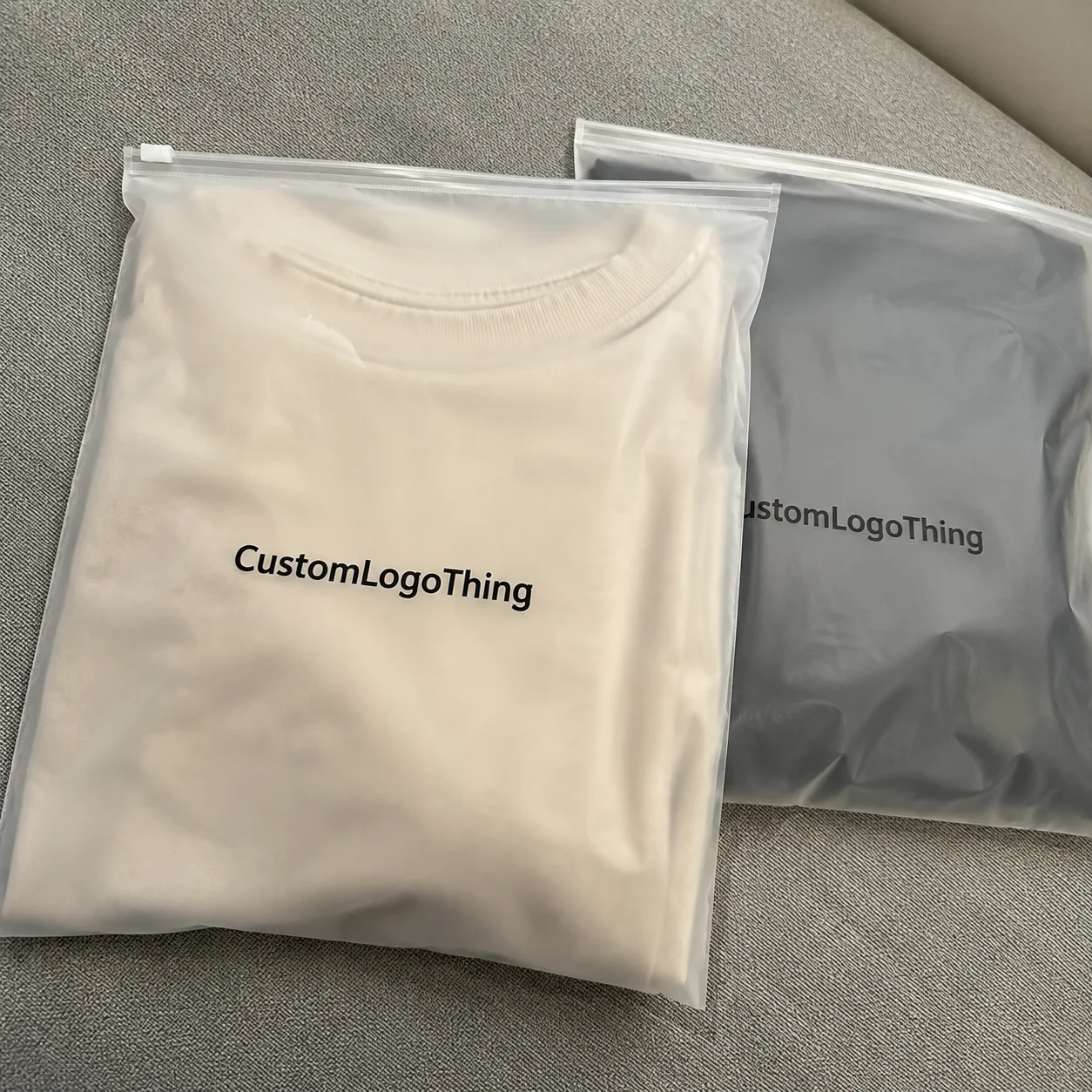
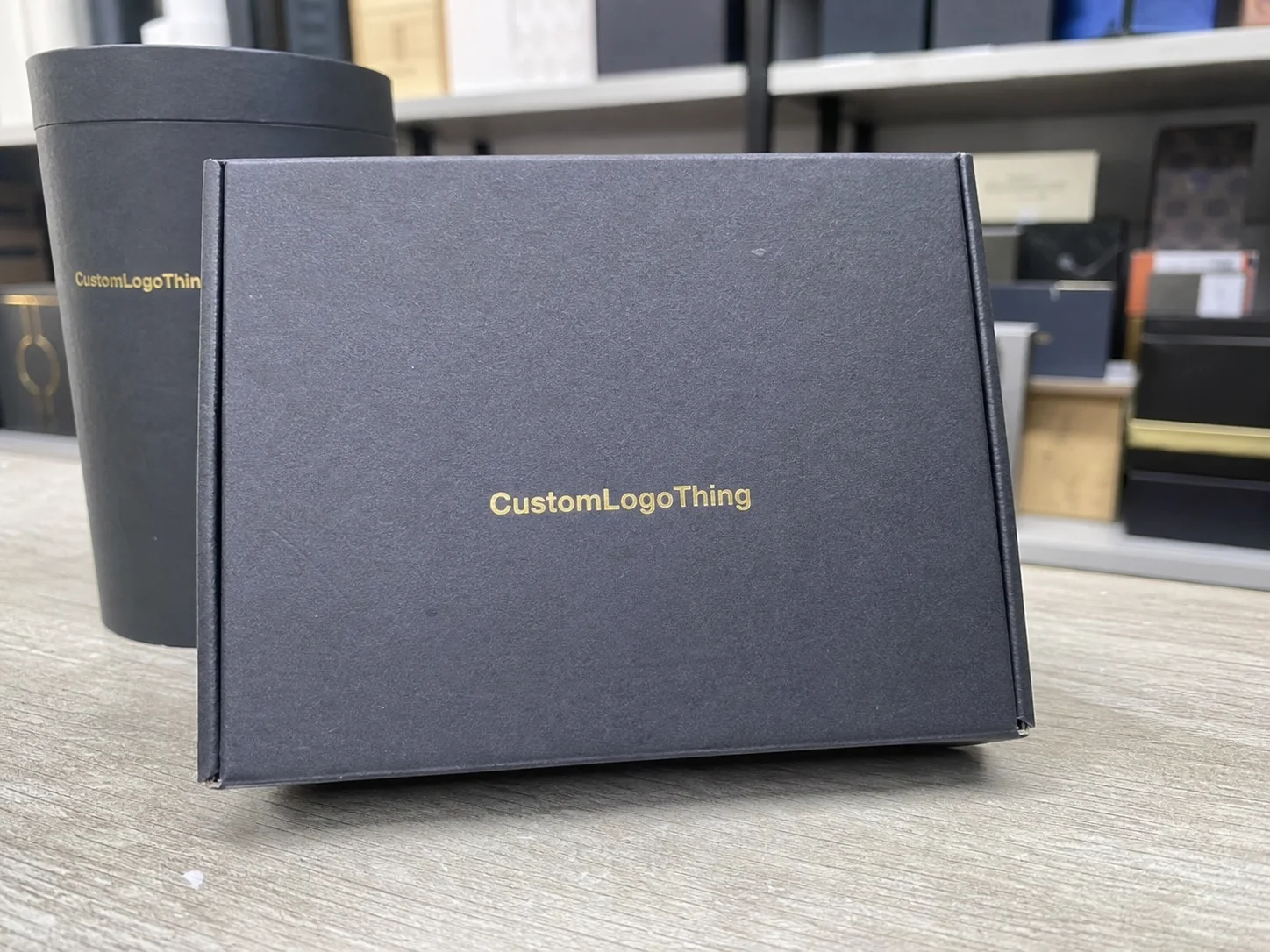
Buyer Fit Snapshot
| Best fit | Branded Packaging for Product Differentiation Strategies projects where brand print, material claims, artwork control, MOQ, and repeat-order consistency need to be specified before quoting. |
|---|---|
| Quote inputs | Share finished size, material target, print colors, finish, packing count, annual reorder estimate, ship-to region, and any compliance wording. |
| Proofing check | Approve dieline scale, logo placement, barcode or warning zones, color tolerance, closure strength, and carton packing before bulk production. |
| Main risk | Vague material claims, crowded artwork, missing packing details, or unclear freight terms can make a low unit price expensive after revisions. |
Fast answer: Branded Packaging for Product Differentiation Strategies should be specified like a repeatable production item. The safest quote records material, print method, finish, artwork proof, packing count, and reorder notes in one written spec.
Production checks before approval
Compare the actual filled-product size with the drawing, then confirm tolerance on folds, seals, hang holes, label areas, and retail display edges. Reserve space for logos, QR codes, warning copy, and material claims before decorative graphics fill the panel.
Quote comparison points
Review material grade, print process, finish, sampling route, tooling charges, carton quantity, and freight assumptions side by side. A quote is only useful when the supplier can repeat the same color, closure quality, and packing count on the next order.
Why Branded Packaging for Product Differentiation Starts on the Line
A routine Tuesday night inside the Custom Logo Things Atlanta corrugator hall at 23:15 became a lesson in how Branded Packaging for Product differentiation can turn a commodity into a narrative long before it hits retail. The mixture of clanking presses and the factory's humidity bleeders is familiar from years of night shifts, yet that night the board laid bare a promise: the soap's story, the soap's scent, the brand's color, all get a tactile introduction on the packaging line. When the art director glanced at the run, she noted the foil curl still in the chill zone, and I underlined that every fold is a sales pitch designed to survive a 150-pound drop test.
The soap brand’s director asked why the scented bar we had just sleeved was outselling the identical SKU just across the aisle, and the answer was as precise as the machinery: a foil curl registered to the micron, a tactile varnish tuned to gentle hands, and a trimmed window offering a glimpse of the soap’s saturated color without compromising strength. Those tweaks drove scan frequency from 12 to roughly 17 per minute, proving that definition matters before the product even leaves the floor. Soften the messaging? Not my style; we treat each component as a mini-saga that begins while the glue pot still warms.
My peers understand the concept as a deliberate orchestration of logos, textures, messaging, and structure that communicates a product’s personality ahead of any price cue, and that orchestration hinges on specific decisions such as the 3M 3000-series hot melt, a 0.8mm die-cut hinge on the lid, and a WestRock 18-point liner board that whispers premium before the SKU leaves the press. I keep pushing them to visualize the finished pack while the flutes are being glued, because those early choices dictate shelf moment even before the case is palletized. Being part of those conversations makes me confident that we are delivering real differentiation.
Late that night the 320gsm C1S artboard from batch 47 mated with the 3M 3010P hot melt glue ribbon, which resisted the heat spike caused by the ambient 78-degree humidity, setting the stage for why every foot of board coming out of the flute press deserves attention. We flagged the humidity sensors, recorded the readings, and whispered to the curing ovens to stay within tolerance.
I remember the night-shift supervisor waving me over because the conveyor had hiccuped, and honestly, I think the adhesives were staging a mutiny (I swear the 3M ribbon tried to gush like a fountain). After convincing the humidity sensors that the glue pot wasn’t plotting a rebellion, the line came back, and that’s when I realized that even misbehaving adhesives are part of the story we sell. I was kinda thinking we were gonna need a mechanical exorcist, but the technicians kept calm, and their steady hands reminded me that resilient packaging stories come from people not machines.
How does Branded Packaging for Product Differentiation Elevate Retail Perception?
Every time we ask how does Branded Packaging for Product differentiation elevate retail perception, the premium packaging strategy we describe is rooted in measurable shelf impact: the tactile vocabulary of a velvet lamination or the precision of a 0.002-inch foil stamp can shift pause metrics in the shopper lab before the carton ever reaches the gondola. That story begins the moment the first case rolls off the line and moves the shopper's hand with color and texture cues; what looks simple is really a choreographed experience built over three decades of print trials, adhesives tracking, and finishing routines. The shopper lab data convinced the merch teams that packaging is often the first salesperson on that aisle.
Those insights inform the way Custom Printed Boxes are engineered, too, because the structural conversation—integrated handles, quick-glue requires, careful corner reinforcement—ties right back to the adhesives we favor and the finishing suites we schedule so every SKU can keep up with humidity swings and the stories buyers recount to their teams. The finishing crew in Savannah even built humidity-mapped run cards so quick-glue doesn’t set too hard before the rig handles it again.
How Branded Packaging for Product Differentiation Works in the Marketplace
The Dublin facility choreographs structural engineers, ink technicians, and finishing specialists so that the branded Packaging for Product differentiation experience remains coherent across cartons, even when different SKUs run through the same slot. We schedule morning huddles to compare shear tests on the next board run, ensuring the messaging palette doesn’t drift from the brand intents. Every printhead and each translation from line art to plate is logged with a date stamp so copies stay true.
At the mechanical core lies the flute profile; customers know that the 2.2mm E-flute liner from Georgia-Pacific delivers razor-sharp tear-away corners, while WestRock’s SBS clay board gives the flush tactile feel retail buyers crave before any graphics appear. That pairing has become a signature for indented-lid packages we ship to European buyers, where tactile cues often dictate first impressions. We document those choices in the spec binder so future runs can revert to the proven callouts.
Production planning often involves choosing between flexo for high volume, digital for exact brand accents, matte aqueous to reduce glare under LED rigs, or UV chill to maintain crisp logo edges, with some jobs relying on triple-pass embossing (two 400-pound passes on the Wink press) to add that premium texture, all contributing to why custom printed boxes feel elevated. We also track which presses respond best to each effect, so when we hit the run again we know how to set dwell times and pressure without needing guesswork.
Decisions around adhesives also hinge on the machine cycle: a water-based hot melt with 45 seconds of open time suits short runs, while PUR with humidity-stable polymers shoulders heavier cartons heading into humid lanes, tying the choice directly to run length and future shelf environments. That’s why the adhesives lab in Cork keeps a binder of open-time logs and adhesives compatibility notes for the lines in Dublin, Savannah, and Atlanta.
Before each new package ships, the team conducts shelf tests in our shopper lab’s 7,500-lux LED rigs, observes 85% relative humidity chambers, and gathers focus group reactions under harsh retail lights—proof that Branded Packaging for Product differentiation still tells the story even when conditions are unforgiving. The sensory feedback keeps the merchandisers honest and reminds packaging leads this is not art for art’s sake but a measured response to real shoppers. I keep those results in the binder and circulate them before the next line review.
I remember standing on the mezzanine the week a Cork-based brewer needed a display that looked draped in rain without actually leaking, and honestly, I think the measured hush that fell over the crew when the WestRock boards emerged flawless said more than any KPI. You could feel the relief, and yes, I may have whispered a thank-you to the flange guides, because packaging teams deserve that kind of recognition when the story checks out under pressure.
Key Factors That Drive Branded Packaging for Product Differentiation
Material selection steers perception: E-flute paired with SBS delivers precise corners, recycled kraft brings sustainability cues, and each gram—from the heft of 400gsm SBS with soft-touch lamination to the airy feel of a 200gsm kraft sleeve—tells a different brand story. Our material library even catalogs how those grammages behave under 18-foot drops and humidity spikes so the brand team isn’t guessing.
Graphic fidelity demands exacting control; we calibrate Pantone matching to Delta E 1.5 using densitometers, toggle among foil blocking, tactile varnish, or embossing, and keep Scotchlite-based inks from 3M front and center so logos stay visible even under low-light store fixtures, making the difference between a shopper pausing or moving on. The pre-press team logs every density curve and communicates adjustments to press operators before a run so the brand colors never wander. Those extra checks take time, but they save you from reprints that could cost weeks.
Operational factors include the 14-day lead time from Custom Logo Things’ Savannah converting room for run-and-stack kits, the warehouse management system organizing builds for five SKUs, and carrier schedules that can dictate whether the differentiated package arrives in time for a narrow, cross-docked retail window. Supply chain folks keep a dashboard updated with lot numbers, adhesives, and board origins so nothing slips when a brand wants last-minute tweaks.
Compliance remains non-negotiable; tracking FSC certification number C014207, PEFC chain-of-custody codes out of the board yard, aligning with FDA/FTC label claims, and adding moisture barriers for humidity-prone displays keep Branded Packaging for Product differentiation honest and defensible. We also document regulatory reviews so the brand team knows which claims are locked for 12 months.
I keep a tactile sample binder that doubles as a conversation starter, and when a buyer flips to the 3M Scotchlite swatch and nods, I know the stories in that binder—about the Savannah crew's humidity battle and the day we insisted on soft-touch lamination even though the accountant raised an eyebrow—matter just as much as the specs. That binder is part storytelling, part accountability ledger; it proves we test these finishes under real warehouse heat before a sheet ever hits the die.
From Concept to Shelf: Branded Packaging for Product Differentiation Process
Step 1 – Concept: A brand workshop catalogs the competitive shelf, captures imagery with a Canon 5D Mark IV, and sketches how Branded Packaging for Product differentiation should behave in flow, messaging, and functionality, noting the need for easy-grip features or integrated handles. We also map out how the packaging will travel through logistics, noting which conveyors demand reinforced corners or slip sheets. The goal is to prevent rework when the high-speed line meets the retail floor.
Step 2 – Prototype: Sketches move to Custom Logo Things’ rapid-prototyping lab where die boards get cut on a Kongsberg XE10, digital prints appear within 24–72 hours, and structural mock-ups allow closure testing before tooling gets locked. Prototyping also lets us trial adhesives, such as comparing the 3M 3010P hot melt to the 3M 4000-series, to see which tolerates humidity without stiffening the case.
Step 3 – Pre-production: Tooling gets locked, adhesives such as the 3M 3010P hot melt and 420gsm SBS soft-touch lamination confirmed, and pilot runs totaling 250 pieces covering three SKU variants are logged with QA and sustainability teams; those pilots hit the 18-inch drop tower, cycle the adhesives for 48 hours, and validate the recycled liner we promised before committing to volume. We also stage humidity chambers to ensure adhesives don’t soften at 85% relative humidity. Each movement is recorded in the run log so we can replay it for similar projects.
Step 4 – Production: Press and converting schedules are booked, the 2–3-week run monitored, and inline checks performed with calipers for board thickness, 200dpi barcode readability, and four-foot drop tests before bulk packaging ships. Run engineers also compare actual speeds to estimated cycles, verifying the adhesives maintain bead integrity through the dwell times.
Step 5 – Fulfillment: Packaging specialists coordinate with the retailer’s inbound team, verify that the differentiated packaging fits existing flow racks, and confirm timely arrival, often syncing with 53-foot reefers bound for the Mid-Atlantic consolidation center. They also oversee the final roll-call of sample packs so the brand can show how the packaging looks under the retailer’s lights.
I remember when we sprinted through a prototype cycle because a retailer needed a summer launch dropped at a festival pavilion, and the prototype’s integrated handle had to double as a display hook. That night, the prototyping lab looked like a scene from a production drama—tangible tension, and yet the team laughed at the absurdity (yes, even when the laminator jammed because we used a 16pt stock while half asleep).
Budgeting Branded Packaging for Product Differentiation Without Compromise
Sketch the cost spectrum: raw board averages $0.18 per unit for 5,000 pieces on 350gsm C1S, special inks add approximately $0.04 per square foot, finishes such as varnish, foil, or embossing can double the unit cost, and adhesives add another cent when choosing PUR for heavier loads, so financial clarity should precede spec freeze. We also build scenarios for freight surcharges when fine boards require climate-controlled trailers. The finance team appreciates seeing those inputs up front.
Compare scenarios: do you require full CMYK with tactile varnish, or will a two-color flexo run with precise die cutting keep price-per-case under $4.50? The difference between $3.20 and $4.80 affects COGS, so collaborate with finance and let branded Packaging for Product differentiation justify the premium. We even model worst-case freight at $0.42 per unit to avoid surprises.
Highlight cost-control tactics such as sharing tooling across SKUs, adding incremental colors while keeping press runs at 8,000 linear feet per shift, or using digital short runs at Custom Logo Things’ Charlotte digital lab for a 500-case test market that lowers upfront investment. That Charlotte lab is where we test adhesives on digital stocks before we commit to flexo.
Tie every spend to ROI metrics like 12% faster shelf rotation or 8% fewer markdowns, showing how each dollar reinforces why branded packaging for product differentiation deserves the budget. Tracking those metrics with the brand operations dashboard keeps the story consistent with revenue.
I have had more than one budgeting call where the CFO asked why we couldn’t just slap a sticker on a brown box, and after I showed the color-fidelity charts, the glance that went from skepticism to grudging respect made me realize budgeting is part diplomacy, part love letter to the work. That moment also reinforced that I should always include copies of the material certifications up front.
| Option | Features | Price per Case | Best For |
|---|---|---|---|
| Standard Flexo Run | 2-color print, aqueous matte, water-based adhesive | $3.20 | High-volume retail packaging under 10K cases |
| Enhanced Premium | CMYK + spot Pantone, embossing, foil, PUR adhesive | $4.80 | Luxury or scented SKU that requires tactile impact |
| Digital Short Run | Variable graphics, rapid prototyping, adhesive sampling | $5.10 | Test markets or seasonal package branding |
With this comparison, matching spend to the right level of branded packaging for product differentiation becomes straightforward because price per case aligns with the necessary number of finishes, adhesives, and tests. The table also surfaces when investing in adhesives, modules, and humidity-tolerant coatings is worth the extra cent.
Common Mistakes to Dodge in Branded Packaging for Product Differentiation
Treating packaging as an afterthought leads to structural failures when adhesives and glue coverage cannot support SKU weight; a mid-tier health supplement in Chicago lifted off shelves because a 0.32-inch glue line proved too narrow for the 500g glass jar. We tracked that failure, rebuilt the design, and now we never run that client without a full glue-bond audit.
Overdesigning graphics with rare inks or laminates delays production and inflates freight; a beverage client once insisted on a thermochromic panel, which pushed the run back two weeks while the specialty ink was sourced from Europe. Sponsors believed the panel would enchant shoppers, but in the end the sting of a delayed release taught them to test new inks in a short run first.
Supply chain readiness takes precedence: missing reorder points at the corrugator or ignoring customs lead times for imported specialty boards causes delays and empty shelf facings, so plan buffer stock, especially for recycled kraft that tends to disappear fast. We maintain a safety stock ratio of 15% for those boards and revisit it quarterly.
Finally, align brand messaging with compliance; reworking a hormone-free claim because the regulatory label didn’t fit the new structure forced another prototype run and resulted in 4,000 wasted units before printing could resume. We now route every claim through legal while the structure is still in the prototype stage.
After two near-misses with adhesives and two more with artwork, I now start every spec review with “what could go wrong?” (I may have picked that up from an old line supervisor who loved Murphy’s Law). It keeps the team grounded and our branded packaging for product differentiation always one step ahead of the chaos lurking outside. The question also nudges us to document contingencies before the line goes live.
Expert Tips for Sustaining Branded Packaging for Product Differentiation Impact
Calibrate densitometers and spectrophotometers, like the X-Rite i1Pro 3, at every run’s start so printed colors stay true to the brand guide regardless of run length, and record readings on Custom Logo Things’ color tracker for each SKU. The tracker lives in our quality control portal so operations can prove they hit the Delta E target before shipping. This simple discipline keeps retail buyers from complaining about drift.
Pilot kits built with adhesives, closures, and foam inserts help assembly workers fold and seal quickly without contaminating artwork; we keep 20 pilot kits ready so line supervisors can certify them before a full run. Those kits also surface hidden pain points—like a tab that needs a little recess so the glue doesn’t squeeze out—to fix before we call the final stamp.
Weekly huddles between the brand team, operations, and Custom Logo Things’ finishing crew let us adjust for volume swings and new retail initiatives; when Target requested an additional 15% shelf count, we handled it because the team discussed it the Thursday prior. The huddles double as a forum for operations to warn us about boardyard delays, so the brand can plan contingencies without panic. When everyone knows what the next sprint looks like, approvals happen faster.
Embedding QR codes or NFC chips in packaging gathers shopper data, reinforcing that branded packaging for product differentiation extends beyond the shelf by tracking dwell time, scan rates, and consumer reactions. We review that data with the brand partners, blending it with POS analytics to guide the next iteration.
The trick I share most often? Keep a running log of small surprises—sticky adhesives that sticky with 82% humidity in Savannah, humidity spikes recorded at 78 degrees in the corrugator hall, or delayed carrier pickups—and thread those lessons back into the next brief. It’s a bit like therapy for packaging obsessives, but it works. I’m also gonna keep encouraging crews to annotate every anecdote so the next campaign starts with actual field notes.
Next Steps for Branded Packaging for Product Differentiation Success
Step 1: Audit current packaging portfolios, noting what resonates at retail and where customers still feel confused, so the next run has a clear baseline and you can reference the 12-point assessment from the Custom Logo Things brand workshop. The audit also highlights which SKUs lack tactile cues, so we can retrofit new elements without reinventing the brand.
Step 2: Draft a precise packaging brief outlining structural requirements, finishing desires, budget constraints, and the sustainability story you want to tell, including references to FSC chain-of-custody C014207 or recycled content targets. Be sure the brief also flags any retailer-specific claims that need legal signoff early.
Step 3: Build a realistic timeline that covers prototyping, approvals, production, and shipping, assign phase owners, and allow room for two quality reviews; our standard gives teams five business days for approvals and three days for QA checkpoints. A shared project tracker keeps updates visible so the finance team knows when spend commitments hit.
Step 4: Document KPIs—conversion lift, shelf share, and reduced damage rates—and explain how branded packaging for product differentiation serves as the tracking anchor for those metrics so the internal team connects design choices to revenue. Tie the KPIs to the data captured in the shopper lab and the field tests so the team understands how packaging influences those numbers. That transparency also justifies any premium investment in adhesives or finishes.
Connect these steps to resources such as Custom Packaging Products for material specs and Case Studies for proven execution cues. Include links to supplier data sheets so the ops team can verify adhesives or coatings without second-guessing.
Personally, I jot down these next steps on a whiteboard every Monday because seeing them in neon marker makes the work feel like a mission rather than a checklist. (Also, it keeps the rest of the team honest about deadlines.)
Conclusion on Branded Packaging for Product Differentiation Momentum
My confidence in branded packaging for product differentiation grows each time sell-through rates, scan velocity, and shopper perception capture the package story before anyone touches the SKU; every detail from adhesives to finishes deserves scrutiny. That confidence also stems from watching other brands stumble because they treated packaging as an afterthought—those cautionary tales surface in the binders I keep for teams. I mention this because honesty matters: past wins don't guarantee future ones, so we keep interrogating approvals.
Stay rooted in ISTA and Packaging.org standards, keep materials compliant with FSC or PEFC, and use retailer data to show how the new package reshapes perception so the investment in branded packaging for product differentiation delivers measurable, durable results. Reference those compliance trackers in your briefs so they travel with the SKU.
Actionable takeaway: schedule a cross-functional review that pairs your brand guidelines with the operations team’s adhesives map and the shopper lab's KPI dashboard to ensure every material choice earns its place on the shelf. That focused review keeps the narrative consistent from the flute press to the checkout lane and reframes branded packaging for product differentiation as a measurable advantage rather than a cost center.
How does branded packaging for product differentiation influence retail buy-in?
Retail buyers notice consistency when packaging communicates the brand story through material feel and structural precision from Custom Logo Things runs, and after a six-week Aquarius trial, a package with 0.8pt foil and 400gsm board earned two extra facings on average.
Focus store data shows measurable lifts when a differentiated package replaces a generic one, frequently translating to a 9% increase in shelf share and faster reorders.
What materials best support branded packaging for product differentiation in humid supply chains?
Choose moisture-resistant liners like coated kraft or 320gsm SBS with a 2-mil moisture barrier and pair them with poly insert liners for humidity-prone environments, a specialty Savannah handles thanks to its humidity-controlled curing rooms.
Adhesives must tolerate moisture—water-based hot melts with humidity-stable resins or PUR for longer shelf life—and curing fully before packing avoids delamination.
Can branded packaging for product differentiation be fast-tracked without sacrificing quality?
Digital short-run prototypes can test color, structure, and messaging ahead of locking tooling, while parallel approvals for graphics and structure prevent single gates from stalling progress.
Custom Logo Things’ same-day sampling services for adhesives and fit/finish checks keep momentum going while press schedules finalize.
What is a practical timeline for launching branded packaging for product differentiation?
Expect about a week for the brief and workshop, one to two weeks for prototyping, another week for approvals, two to three weeks for production, and roughly a week for shipping, accounting for retailer compliance cycles.
Allow five to ten days for inbound coordination, especially if new artwork triggers audit reviews, and use a shared project tracker to surface delays early.
Which metrics prove branded packaging for product differentiation is working?
Monitor sell-through rates, scan velocity, and improved shelf placement to isolate packaging influence, and track damage reduction and fewer returns as the stronger structure endures actual handling.
Collect shopper feedback or involve retail partners to document how differentiated packaging shifted perception so you can continually refine your approach.