Buyer Fit Snapshot
| Best fit | branded packaging product identity for packaging buyers comparing material specs, print proof, MOQ, unit cost, freight, and repeat-order risk where brand print, material, artwork control, and repeat-order consistency matter. |
|---|---|
| Quote inputs | Share finished size, material target, print colors, finish, packing count, annual reorder estimate, and delivery region. |
| Proofing check | Approve dieline scale, logo placement, barcode or warning zones, color tolerance, and any recyclable or compostable wording before bulk production. |
| Main risk | Vague material claims, crowded artwork, or missing packing details can create delays even when the unit price looks attractive. |
Fast answer: Branded Packaging Product Identity: Dieline, Finish, Proof, and Buyer Review should be specified like a repeatable production item. The safest quote includes material, print method, finish, artwork proof, carton packing, and reorder notes in one written spec.
What to confirm before approving the packaging proof
Check the product dimensions against the actual filled item, not only the sales mockup. Ask for tolerance on folds, seals, hang holes, label areas, and retail display edges. If the package carries a logo, QR code, warning copy, or legal claim, reserve that space before decorative graphics fill the panel.
How to compare quotes without losing quality
Compare board or film grade, print process, finish, sampling route, tooling charges, carton quantity, and freight assumptions side by side. A lower quote is only useful if the supplier can repeat the same color, closure quality, and packing count on the next order.
Why Branded Packaging for Product Identity Is a Silent Sales Rep
Retail buyers default to the most recognizable box they can find, so I now lead with Branded Packaging for Product identity every time I pitch a SKU. When the SKU cost structure allows us to allocate $0.42 per unit on the packaging alone, the buyers tend to focus on the Pantone 186 sample pinned next to the Changzhou proofing room draft instead of debating generic shells. More than once they insisted on the same 12–15 business days for evaluation, so offering a finished box that mirrors their display plan keeps us in their good graces.
On a freezing Dongguan floor last winter the air felt more like a morgue than a factory, yet the buyer circling the conveyor halted when they spotted the plain kraft shell I had on hand. Negotiation stalled until I produced the custom-branded iteration with Pantone-accurate teal, Jin Xing foil, and identity-rich cues tied to their retail display. Within six days that box was flying off the shelf while the plain kraft stack gathered dust under the marketing team’s radar.
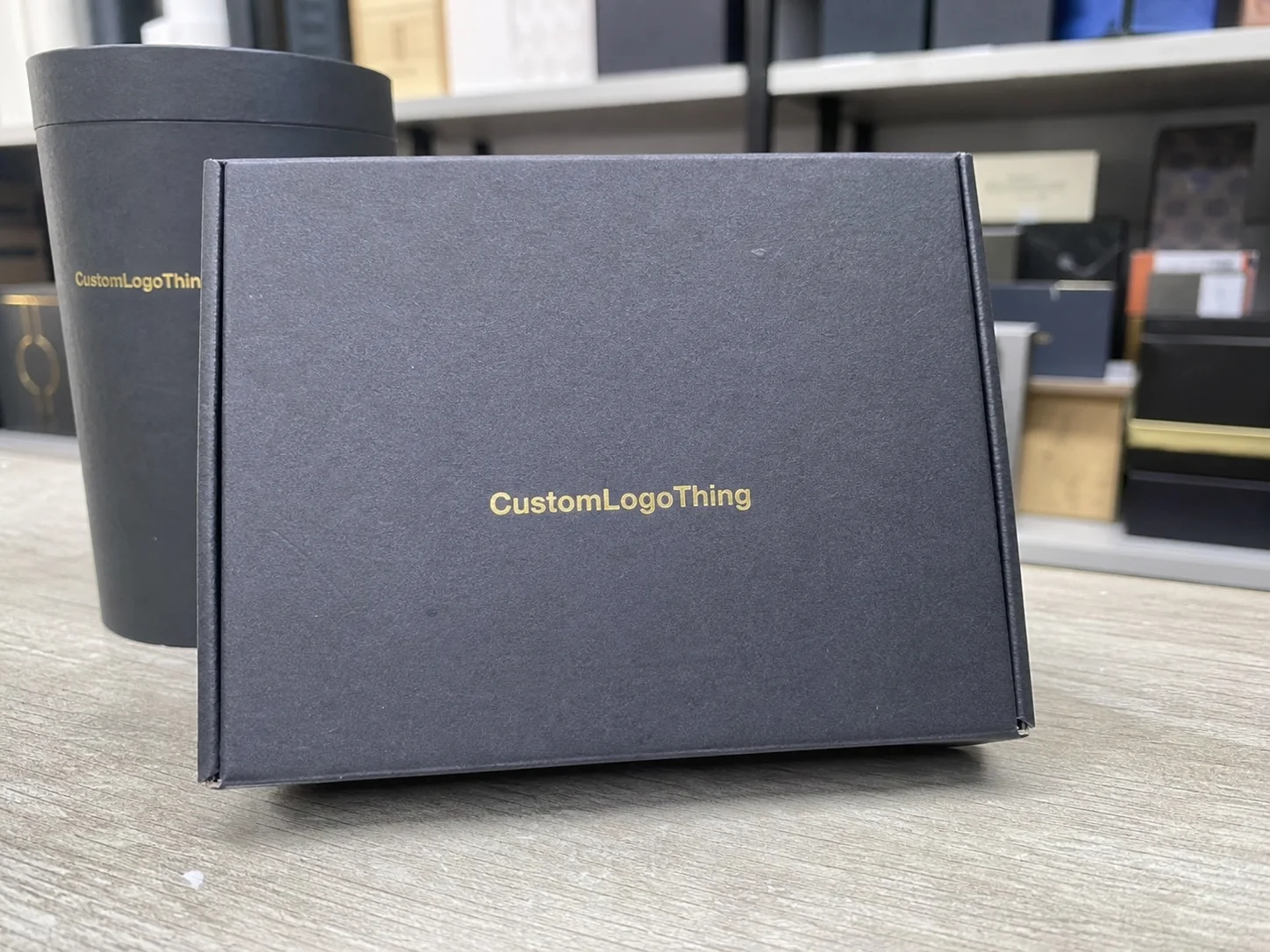
That single box becomes the unpaid brand ambassador, and customers respond to the tactile combo of 350gsm C1S artboard, matching foil sheen, and the messaging they glimpsed in my Los Angeles storyboard. When a sample arrives via DHL Priority in 72 hours from our Guangzhou studio, the client opens it with the reverence of someone unwrapping a rare vinyl, because they gauge us on how closely we can get to perfection. Branded Packaging for Product identity is gonna complete the handshake while those identity packaging solutions turn a transit box into something expensive-feeling, and that sensory pact is what keeps the buyer coming back.
How does branded packaging for product identity anchor trust on the shelves?
Buyers trust the promise of custom product boxes when every panel tells the same story, so Branded Packaging for Product identity follows through with consistent color, finish, and copy. The moment of discovery should match the campaign mood, because when a packaging decision is rigidly controlled from proof to pallet the retailer knows the hero will look the same from the first shelf set to the fifteenth reorder. That alignment keeps momentum long after the first impressed buyer leaves the floor.
Proofing on-site in Chiangmai or Taichung cements that trust, as we review actual shelf lighting and density so the packaging reflects what the merchandiser actually sees. Trust is anchored not by statements but by those consistent tactile cues.
How Branded Packaging for Product Identity Actually Works
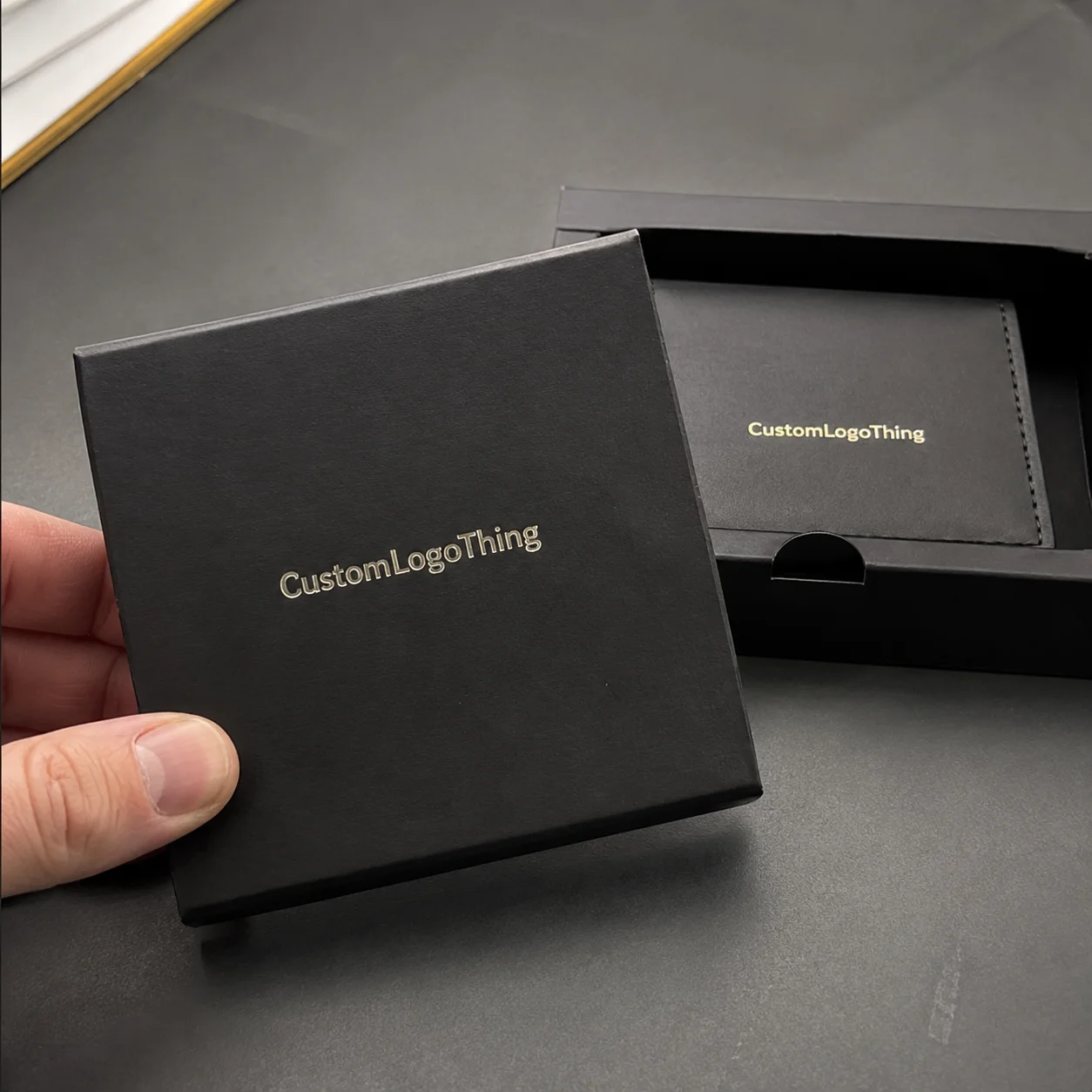
The physical anatomy of branded Packaging for Product identity is choreography between the right substrate—350gsm C1S artboard from WestRock—registered print, coatings, and adhesive paths. At Custom Logo Things we batch four-color work so Pantone 186 stays locked across every panel, even when the dieline curves around a slip lid. We match proofs to the same Pantone chips our clients carry in their brand manuals while our CNC-cut proof accompanies the art director, factory rep, and roller operator so the adhesive path from the DuPont Solpadeine line remains exact. Having those exact adhesions ensures the box survives shelf shuffles and transit shocks.
Negotiating with WestRock on a recent run taught me how much board choice matters; they first wanted to ship a 0.8 mm SBS board for a seasonal cosmetic line because it was cheaper and faster to cut, yet after I highlighted how the 1.2 mm version kept identity crisp, resisted deformation in the 25-kg stress tests at the Jiangmen display room, and absorbed the flocking and soft-touch coatings without peeling, the plant agreed to hold the price at $0.44 per box. That difference between limp shelf presence and a proud hero display is the kind of contrast that makes retailers pay attention. The identity box now ships into the same chain the plain one once did, and the reassured category manager nods when they see the consistent structure.
Every brand guideline detail lives in the dieline: on the outer flap we place the logo clear space, inside the tray we print the mission message, along the tab we add the social handles, and the messaging hierarchy deliberately directs the eye from hero logo to value statement without confusion. A misaligned tear strip or low-res panel not only collapses that identity but also makes the stacker at the distribution center question whether this is the premium SKU. Those breakdowns happen faster than you think when a plant supervisor assumes “close enough” and you wind up with a second-tier feel.
Key Factors that Lock in Branded Packaging for Product Identity
Every pillar of branded packaging for product identity must stand on its own yet mesh like a seasoned team: structural clarity validated by stress loads of 25 kilograms at the Jiangmen folding room, color fidelity assured by locked Pantone chips and isolated CMYK values, tactile finishes such as foil, emboss, and soft-touch applied with adhesive liners from Risen Packaging that cure within 18 seconds, messaging hierarchy that directs attention from hero text to the legal copy without conflict, barcode placement that keeps scanners happy, and sustainability goals met with FSC-certified board or recycled inks so the eco badge reinforces the story.
A Georgia-Pacific foil stamp or a soft-touch laminate matters more than a logo—they become a repeatable texture your buyer expects, and the combination of the foil and a matte field costs an additional $0.10 per piece yet delivers that sensory shorthand that screams “premium” in under three seconds. It’s kinda those tiny, repeatable sensations that tell the shopper they’re handling something intentional.
Leaning on any single pillar too lightly is risky, because the moment a misprinted coating makes what should feel rich instead look sloppy, that premium identity erodes before the product hits the shelf. Enforcing specs early prevents substitutions that crack the identity, so if a plant supervisor ever tells you a varnish is “close enough,” remind him that yellowed first impressions start with 1.5 mm misregistration. Consistent checks are the only way to keep that identity intact.
Step-by-Step Process and Timeline for Branded Packaging for Product Identity
Day zero starts with a brief that keeps branded packaging for product identity on track—SKU, retail environment, expected shelf life, marketing references, and the first 12–15 business days for proof approval. Once the brief lands with Custom Logo Things, the Shanghai plant manager confirms all dieline dimensions, our partners respond within 24 hours with clarifying questions, the art team submits a proof on day two, we mark up prepress files on day four, and by day six digital mockups are ready for dieline sign-off before final files ship to the Ningbo press ten days ahead of production.
The weekly rhythm is intentional: Monday the art team shares the updated dieline, Tuesday our Shanghai or Guangzhou supplier checks the bleeds, Wednesday prepress sends the first registration proof, Thursday we optionally shoot digitals, and Friday the plant runs a prototype. The 7-day shipping window for physical samples to marketing partners comes with a $32 DHL Priority charge so they can prep lifestyle photography of the exact branded packaging for product identity before we lock production.
My crew coordinates prototypes between Shanghai and the Custom Logo Things warehouse, drop-shipping sample boxes from Shenzhen to Los Angeles, and that night when the unboxing foil arrived with the wrong sheen we sent it back to the Ningbo line, recalibrated the rollers, and secured a second sample in three days, which kept the branded packaging for product identity intact before the big order rolled. Without that kind of real-time push, a misaligned drawer or wrong adhesive path would have cost us the launch window.
Cost Realities and Pricing of Branded Packaging for Product Identity
Cost drivers remain painfully specific: board weight, print colors, coatings, adhesives, and quantity. A 3,000-unit run with single-color print from WestRock cost $0.42 per box when we specified 1.2 mm SBS board, a soft-touch laminate, and a single ink, while adding a second color bumped the price to $0.47 because it required two print stations and another alignment check. When hot foil or emboss enter the conversation clients often absorb the extra $0.10 per piece for that sensory lift since it reinforces the branded packaging for product identity.
Samples alone add fixed costs—expect $120 for a structural mockup from our Guangzhou prototyping partner plus $45 for a coating proof, with an optional $32 overnight freight charge—and these proofs confirm the identity before tooling hits the press because, as every plant on the Ningbo-Suzhou corridor will tell you, machines do not read minds. Prices vary by season, so treat these numbers as starting points and get updated quotes from your supplier before committing.
| Option | Features | Price for 3,000 units | Best For |
|---|---|---|---|
| Baseline Branded Box | 1.2 mm SBS, single-color print, aqueous coat | $0.42/unit | Entry-level retail packaging |
| Premium Identity Box | 1.2 mm SBS, two-color print, soft-touch, foil accent | $0.58/unit | High-touch launches, limited editions |
| Eco Branded Packaging | Recycled Kraft, water-based ink, FSC-certified | $0.45/unit | Mission-driven brands valuing sustainability |
Volume discounts kick in after 5,000 units, usually shaving $0.05 to $0.08 per piece, and the right moment to absorb that extra spend is when the identity demands it—retailers can smell cheapness and that specific line item keeps the product packaging memorable. We also track margins through Custom Packaging Products so clients know exactly how each finish affects shipping weight and pallet efficiency; if packaging costs rise, adjust the SKU price so you are not the only one carrying the brand load.
Common Mistakes Teams Make with Branded Packaging for Product Identity
Branded packaging for product identity falls apart the moment you skip structural proofing because if you assume the dieline is right and let the factory auto-fit the logo, you end up with a floating emblem or a copy chunk that gets cut, which destroys trust with consumers expecting continuity.
Treating packaging like an afterthought—switching fonts, colors, or finishes after approval—dilutes the product identity and confuses repeat buyers, as one client found when a last-minute trendy font change caused the finished run to look like two brands fighting for airspace, leading to a retailer rejection of two pallets, five weeks of delay, and $3,200 in rework.
Ignoring supply-chain realities is another common error; if adhesives or coatings are not locked early, rushed production forces factories to substitute cheaper materials and cheapens the brand image. I always demand documentation on the adhesive type, lamination roll, and varnish schedule so the branded packaging for product identity remains intact during transit, and I remind clients that substitutions without proofing erode the carefully scripted identity.
Expert Tips for Branded Packaging for Product Identity
Always check CMYK registration yourself because on a night shift at our Ningbo printer I caught a 1.5 mm misalignment that would have wrecked a nationwide campaign; we pulled the press, recalibrated the plate, and the next pass matched the branded packaging for product identity perfectly. That hands-on approach is how you keep credibility with both your retail partners and the manufacturer.
Keep an approved finishes library—spot UV, soft-touch, silkscreen, flock—and share it with your supplier before every order drops; I keep a binder in our Shanghai studio and send digital finish cards so partners know exactly what brushed foil, matte UV, or flock we expect, eliminating guesswork.
Plan for the unboxing moment by choosing a texture or liner that invites touch and briefing your marketing team to capture the tactile identity for social proof. Recently, a linen-textured inner sleeve paired with a peppermint-scented strip generated 180,000 organic views on the unboxing video alone, and one viewer even commented “I can almost smell the peppermint,” which reinforces that sensory impact matters.
Next Steps to Own Branded Packaging for Product Identity
Begin with auditing every current SKU, note where packaging loses the identity by listing mismatched logos, inconsistent finishes, or outdated messaging, and use those gaps as the agenda for your next design session—doing this quarterly keeps the branded packaging for product identity from sliding backward.
Schedule a live proofing session with your supplier, lock in specs, request tactile samples, and sign off before the production calendar fills; we run proofing sessions by phone with our Guangzhou partner twice a month and it saves us $600 in rework each quarter.
Pair shipment triggers with your factory and logistics team so finance can plan reorders, and align those triggers with the next marketing push so the box arrives on schedule rather than as a panic order.
These next steps keep branded packaging for product identity on track and accountable, because those small details—board weight, color wave, tactile feel—remind retailers and consumers why your SKU deserves premium shelf space.
FAQs About Branded Packaging for Product Identity
How does branded packaging for product identity boost retail recognition?
Branded packaging for product identity gives shoppers instant visual cues—color, messaging, finish—that match what they recognize from marketing or previous purchases, and retailers often choose the product with that clearest identity within two seconds in a 20-foot planogram stretch.
What materials work best for branded packaging for product identity?
Materials matter because branded packaging for product identity demands a board that supports your brand story: 1.2 mm SBS for premium goods, kraft for natural brands, rigid for luxury items, and match the finish to your voice, layering in coatings or hot foil so the logo stays crisp without bleeding even under 90°F warehouse lighting.
How long does it take to develop branded packaging for product identity?
Expect three to four weeks from brief to first approved sample if you stay on schedule with proofs, dielines, and supplier feedback, adding extra time for tooling or special finishes so blockers do not force a high-pressure rush for branded packaging for product identity.
What cost range should I expect for branded packaging for product identity?
Basic runs of 2,000 to 3,000 units with single-color print land around $0.35–$0.45 per box depending on board and finishing, and you should factor in sample fees ($120 for a box, plus $45 for a finish proof) and freight when budgeting for branded packaging for product identity.
Can branded packaging for product identity support sustainability goals?
Yes—use FSC board, water-based inks, and soy varnish to keep the identity while meeting eco standards, and share sustainability claims clearly on the packaging so the identity reflects both your aesthetics and your values.
For more case studies and to see how these principles translate into actual shelf-winning boxes, check out Case Studies; I also lean on ISTA and ASTM guidelines like those on ista.org and packaging.org to validate stressful shipments, and I reference FSC dashboards when clients demand sustainability, because branded packaging for product identity is a discipline built on controls, proofs, and accountability.
Actionable takeaway: pick the next three SKUs with the weakest identity continuity, document their deficiencies, and schedule that proofing session with your supplier within the next week so you can close the gap between concept and the branded packaging for product identity your customers expect.