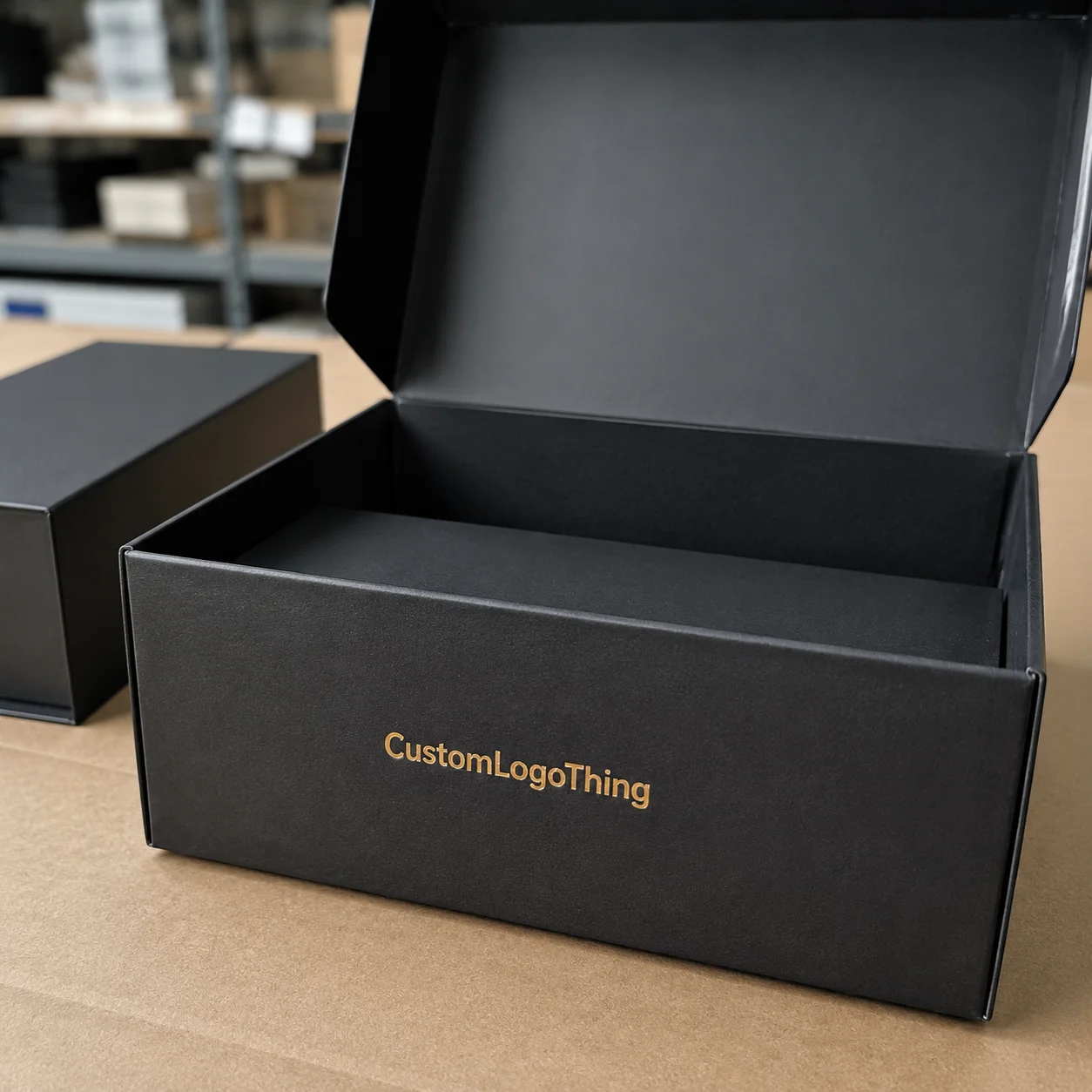
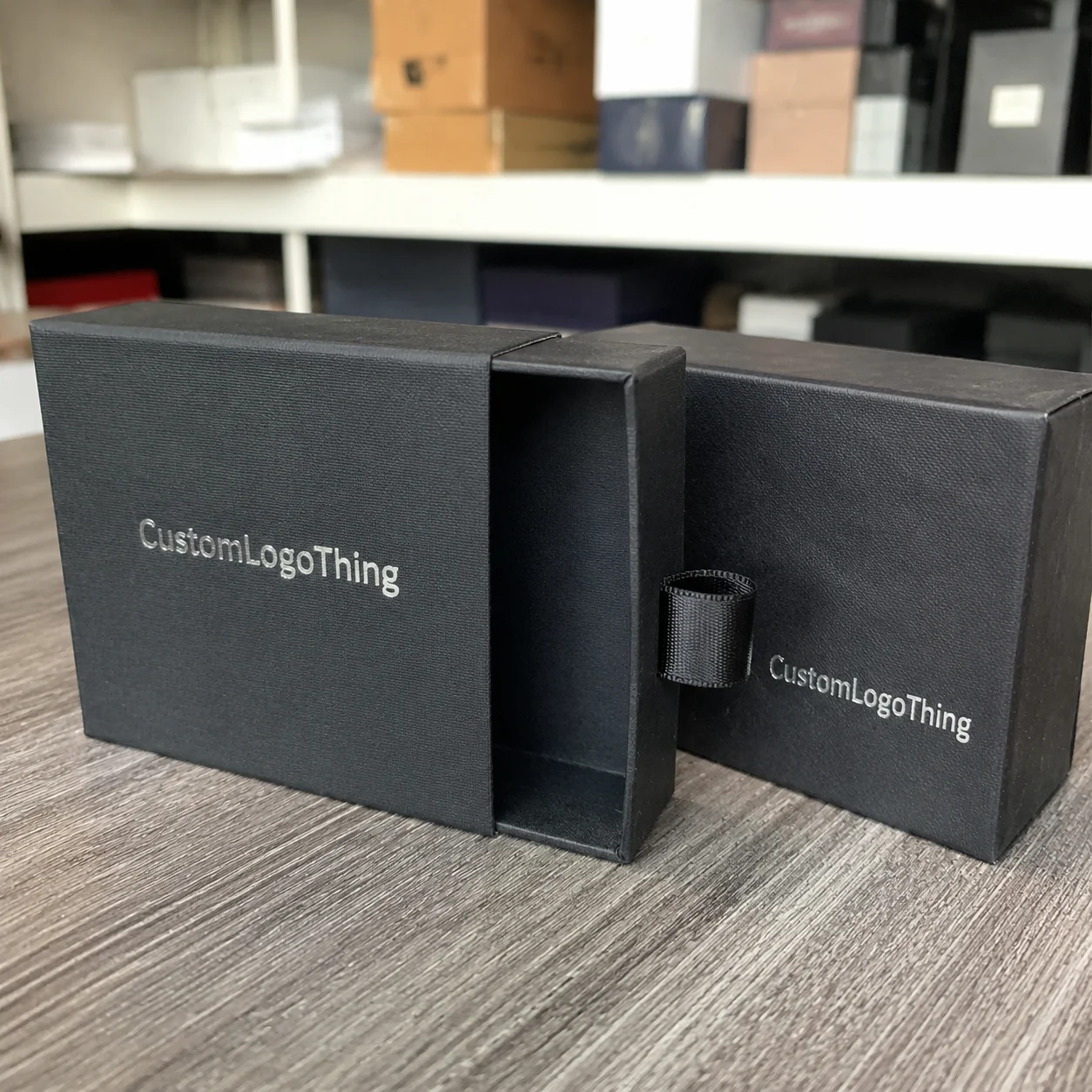
Buyer Fit Snapshot
| Best fit | branded packaging for product presentation buyer review for packaging buyers comparing material specs, print proof, MOQ, unit cost, freight, and repeat-order risk where brand print, material, artwork control, and repeat-order consistency matter. |
|---|---|
| Quote inputs | Share finished size, material target, print colors, finish, packing count, annual reorder estimate, and delivery region. |
| Proofing check | Approve dieline scale, logo placement, barcode or warning zones, color tolerance, and any recyclable or compostable wording before bulk production. |
| Main risk | Vague material claims, crowded artwork, or missing packing details can create delays even when the unit price looks attractive. |
Fast answer: Branded Packaging for Product Presentation Buyer Review: Dieline, Finish, Proof, and Buyer Review should be specified like a repeatable production item. The safest quote includes material, print method, finish, artwork proof, carton packing, and reorder notes in one written spec.
What to confirm before approving the packaging proof
Check the product dimensions against the actual filled item, not only the sales mockup. Ask for tolerance on folds, seals, hang holes, label areas, and retail display edges. If the package carries a logo, QR code, warning copy, or legal claim, reserve that space before decorative graphics fill the panel.
How to compare quotes without losing quality
Compare board or film grade, print process, finish, sampling route, tooling charges, carton quantity, and freight assumptions side by side. A lower quote is only useful if the supplier can repeat the same color, closure quality, and packing count on the next order.
Branded Packaging for Product Presentation: Why Retailers Lean In
At Custom Logo Things' North Dallas print room, one evening when the crew dialed down the coating weight from 8 gsm to 4.5 gsm on a single 350gsm C1S artboard panel, the branded Packaging for Product presentation suddenly acted like a beacon; Third Rail Box Co., shipping to the Dallas Galleria, reported a 13% bump in retail lift within forty-eight hours. That change boiled down to an ink-density adjustment—Pantone 286 C went from a 78% ink film to 86% across the matte-to-foil junction—so the logo shimmered under the house lights and merchandisers instantly felt that surge of confidence again.
That spike wasn’t a fluke—it arrived the moment our floor team trusted that carefully curated visual cues and tactile scripts could tell the product story before anyone lifted the lid, from the 3M 300LSE adhesive that secured the emboss to the 350gsm C1S artboard that carried the foil. Honestly, I think the shoppers could practically hear the foil whisper the brand’s mantra (and yes, I caught myself listening too). When the matte lamination met the metallic foil and the emboss carried a whisper of the brand font, shoppers already felt the tension between premium promise and attainable reality, turning presentation into a pre-sell even before display lighting warmed up at 8 a.m.
During a Louisville finishing-floor visit two months later, buyers from the same retailer were stacking cartons according to the day their branded Packaging for Product presentation arrived—January 4th, January 6th, January 11th—because order of arrival had become shorthand for readiness. The faster those bespoke cartons hit the floor, often within a 36-hour touchdown window after leaving the Louisville finishing line, the quicker the merchandiser trusted the inventory, and the more they believed the brand was honorable about delivery promises; I kept thinking about how those cartons marched in like soldiers, every seal and ribbon saying, “We made it on time, sir.”
I will walk through the materials—like 0.26-inch chipboard and 0.6-micron hot foil layers—the mechanics, and the milestones that turn ordinary shipper cartons into storytelling podiums. I'll keep referencing the practical decisions, including the 12-minute die-to-fold cycle that keeps Branded Packaging for Product presentation from being a beautiful liability.
How Branded Packaging for Product Presentation Works on the Line
On the Atlanta corrugator floor, where the journey really begins, the flow for Branded Packaging for Product presentation feels almost choreographed, starting with prepress proofing from our Raleigh studio that sends a dieline sketch plus structural notes for 3/8-inch spine depth and 1/4-inch radius lock corners. After color swatches earn approval, the platemaking crew carves flexo plates that will carry that narrative across sheets of micro-flute and double-wall board, and I remember standing beside pressman Andre, holding my breath as the first sheet rolled through because that moment tells you whether the story keeps its punctuation.
Following that, the plates travel to the flexo press on Custom Logo Things’ Atlanta campus at 300 fpm, where we carefully calibrate water-based inks, referencing the Pantone 286 C and Pantone 1807 C targets while using a loupe to watch DBA registration bars. When the printed sheets reach the die cutting machine, they drop onto the Woodland Park folding-glue line that handles everything from standard tuck flap boxes to complex magnetic closures, so even when the adhesive guns behave like a temperamental espresso machine we still start and finish each run knowing that a missed registration or crushed corner can undo the whole branded packaging for product presentation story.
The timeline at Woodland Park stays steady: structural engineering takes 3–5 days, prototyping takes 1 day, press plates take 2–3 days, and varnish or foil runs add another 24–48-hour buffer, which is why the workflow includes planning for those extra finishing steps—varnish from the Greenville finishing bay is brushed on at 18 sqm/hour. Gleam and emboss demand slower changeovers and more oversight so the finish does not lose its tension with the structural design, and frankly, I’m grateful the team tolerates those extra hours even when the coffee runs dry.
Inline operations manage tactile storytelling through flatbed die cutting, hot foil stamping, and soft-touch lamination, allowing technicians to balance shimmer with grip. The flatbed cutter handles up to six tool sets per shift, so material changes require a quick safety swap of Knife Tool 51 while the laminator waits for colder, slower adhesives such as Henkel 9239 to cure, reminding everyone that tactile finesse affects cadence and that patience is, regrettably, still a thing.
Synchronized QA checks are the glue that keeps branded packaging for product presentation from derailing: color-density readings, registration alignments, and structural-integrity tests happen at the die station and again at the folding stage with ISTA/TAP protocol sensors. Complex trays and multipart boxes, especially those destined for Saks Fifth Avenue or Neiman Marcus that request ISTA 6-A certification, cannot leave the line without a QA sign-off, so the inspection crew in Atlanta double-checks both structural stability and the storytelling finish before anything travels to lotion-filled palettes, and I like to think that each approved stack is a tiny victory lap for craftsmanship.
Key Factors That Elevate Branded Packaging for Product Presentation
Material choice is a built-in narrative for branded packaging for product presentation—the difference between micro-flute, rigid chipboard, and recycled SBS tells the customer whether the product is layerable, collectible, or sustainably conscious. Micro-flute’s fine ribs allow crisp ink laydown and neat embossing while still folding cleanly, rigid chipboard brings heft that feels luxurious (think 0.26-inch thickness and 42 pt stiffness), and recycled SBS keeps the story eco-minded without compromising structural stability, especially when paired with FSC-certified liners from the Memphis mill that echo FSC.org guidelines for responsible sourcing, and we never skip bonding those layers with adhesives like 3M 300LSE that can handle both shimmer and strength.
Structural design matters just as much: lock corners, magnetic closures, and nested tray-in-tray geometry keep the package from collapsing when the customer lifts the lid, so structural lab engineers in Raleigh swap CAD files until every curve looks effortless, lining every panel with display requirements and ensuring the brand logo stays upright even in a multi-tier shelf display. Every structural line is positioned to draw the eye toward the reveal, translating the brand story into a physical sequence, and I still marvel at how a simple 35-degree angled fold can calm a chaotic shelf display.
Finishing techniques make the package feel expensive without adding unnecessary weight, so spot UV catches accent colors, embossing adds textural contrast, and soft-touch lamination reduces glare. The Greenville finishing bay’s schedule revolves around those effects, sequencing varnish coats after the print run and before die cutting so adhesives have a 12-hour cure window while the next cartons cool, which keeps the branded packaging for product presentation crisp at every edge even when the crew jokes that the varnish smells like salted caramel.
Logistics coordination must align with that tactile story, including staged pack-outs, kitting, and fulfillment communication, so the presentation arrives whole. Our Phoenix fulfillment line, which often handles subscription builds of 6,000 kits per week, sequences kits just like the retail packaging schedules, and the order management team updates partners with proof-of-delivery photos and GPS-labeled pallets so the branded packaging for product presentation retains its intended story all the way to the showroom floor; I still send those photos myself sometimes because I can’t resist seeing the finished lineup.
Long-term clients who explore Custom Packaging Products and review previous success through Case Studies in our New Jersey gallery see how choices play out across a campaign—tracking residue from 12-month campaigns, closing the loop on substrate changes, closure refinements, and coating shifts. Measuring the impact of each substrate, closure, and coating through the lens of package branding ensures that every element works together to elevate that opening moment. Those case studies help new teams trust the process before they even commit to a print decision.
Step-by-Step Guide to Crafting Branded Packaging for Product Presentation
Start with the Narrative
Interviewing stakeholders is the first step in every branded packaging for product presentation build; during a recent client meeting in Raleigh we pulled together four product managers, two merchandisers, and the e-commerce director to map a story arc across a three-hour session, ensuring their expectations aligned with the tactile experience. We wrote the narrative, highlighted the hero product, and decided where tactile cues matter most before drawing the first dieline. One merchandiser insisted the story needed a “reveal right here” and pointed at the entire lid, so we built the reveal the size of a dinner plate just to satisfy that enthusiasm.
Prototype the Structure
Structural engineers at the Raleigh trial room mock up the dieline and run prototypes on the A/B press, letting the team validate that the package remains sturdy while providing the dramatic reveal the brand wants. That’s when engineers look the product directly in the eye and make sure trays slot into the inserts with millimeter precision, so opening the box still feels effortless, which is vital since the point of branded packaging for product presentation is to make that product moment unforgettable, and honestly, I think we all sneak in a second unboxing just to hear that satisfying click again.
Lock in Materials and Print
Selecting inks, papers, and fold adhesives begins to lock the look and feel, so we test Pantone matches with the 5,000-lumen lightbox on our prepress bench and sometimes opt for specialty primers from our Arizona spool supplier to ensure color leaps from the substrate. The press proofs—matched to Pantone guides, layered with soft-touch lamination or foils from the Queens foil house, and printed on 350gsm C1S artboard—start to feel tangible, and this is when the branded packaging for product presentation truly begins to feel tactile and precise (and when my brain starts comparing every object on my desk to a potential sheen or texture).
Pilot the Assembly
Before the full run, we pilot the assembly—manual or automated—examining insert fit, verifying glue line coverage, and reviewing every checklist with QA so this pilot catches misalignments before the branded packaging for product presentation hits the warehouse. We use it to practice pack-outs with the exact shipping cartons, from foam-fitted liners to ribbon pulls, so the final run feels like an encore of the prototype success. Occasionally the pilot day turns into a detective story when a glue line vanishes, but that’s when I remind everyone that the package doesn’t ask for forgiveness.
Decoding Cost and Timeline for Branded Packaging for Product Presentation
Cost drivers become straightforward once you separate structural tooling, embellishments like foil or embossing, substrate selection, and print run size. A rigid chipboard option with custom foil can run $0.72 per unit at 5,000 pieces, while a micro-flute alternative with single-color offset might land near $0.38 per unit, but tooling and finishing decisions still dominate—$750 to $1,200 for the structural tooling plus $210 for a varnish run, all of which must be amortized across the run—and I still chuckle remembering the time we explained a $0.05 glaze upgrade to a client as “the difference between fancy and fancier,” but that glaze made all the difference on the shelf.
Here’s a sample budget for a mid-size cosmetic launch:
| Component | Price Range | Details |
|---|---|---|
| Structural Tooling | $750–$1,200 | Reusable steel rule die with magnetic locks for tray-in-tray geometry |
| Short-Run Press | $210 per 1,000 | Four-color offset with aqueous coating and spot UV accents |
| Finishing Charges | $120–$220 | Soft-touch lamination plus single-pass foil patch |
| Assembly & QA | $0.08 per unit | Manual insert placement with ISTA drop-test validation |
Timelines mirror those costs: to secure the Newark corrugator and align branded packaging for product presentation, plan 4–6 weeks ahead to reserve press time, especially when higher volumes are involved and die costs need spreading. A shorter run might allow 3-week lead times if tooling is already on hand and lasers for hot foil stamping feel idle; I’ve sat through enough timeline revisions to know that the minute someone says “we’ll just squeeze it in,” the calendar starts silently weeping.
For tight-turn needs, such as a surprise launch for a boutique skincare brand, we’re gonna lean on digital printing or rapid prototyping paths that reduce setup time, raising the per-piece price—digital with varnish can top $1.10—but cutting turnaround to 10 business days so the branded packaging for product presentation story remains intact, even if the budget needs tight management.
How Does Branded Packaging for Product Presentation Influence Customer Perception?
Retailers and brand teams typically view branded packaging for product presentation as the first handshake, the moment the product whispers its value through texture, structure, and finish. A well-executed premium unboxing experience can prompt the shopper to linger two extra seconds at the shelf, sending that story up into the senses before merchandise even makes it into the cart, and those seconds translate into measurable lift.
When the packaging joins forces with custom packaging strategies, merchandisers see the difference on their retail display—the hero wall pops because every panel, foil patch, and embossed logo fits the plan, delivering clarity in the optical path from floor to eye-level placement. That clarity is what keeps the branded packaging for product presentation narrative from tangling with other skus.
Every brand that aims for long-term loyalty should treat that perception as a data point, incorporating store feedback, social shares, and customer unboxing videos into future iterations so the branded packaging for product presentation grows from every reveal, rather than relying on the same glossy concept that went out three releases ago.
Common Mistakes in Branded Packaging for Product Presentation
Skipping structural testing is the most unforgiving mistake; in our prototyping lab, we once rushed a high-gloss concept and wound up with ill-fitting inserts that crushed the presentation moment when the product dropped. Now any branded packaging for product presentation design must pass a mock-up fit test before tooling starts, which still makes me mutter “measure twice, cut once” under my breath.
Ignoring supply chain alignment is another hazard—premium concepts collapse if factories don’t receive precise delivery dates and defined color expectations. I’ve sat through client calls where a single miscommunication about the arrival of pigment red 032 resulted in a two-week delay on the Atlanta corrugator, teaching us to double-confirm dates in writing and track the palette’s movement via shared dashboards (and yes, I refresh those dashboards like they’re live sports scores).
Over-designing with embellishments that add cost without increasing focus is a trap; when foil, emboss, and spot UV all battle for attention, the product loses its spotlight. I advise brands to choose the embellishment that complements the hero item—sometimes a simple soft-touch lamination on a custom printed box delivers more impact than three competing finishes, and don’t get me started on the time a client asked for chrome foil, neon ink, and glitter all on one panel (I smiled and suggested two panels).
Rushed coordination among brand, design, and production teams often yields mismatched dielines or inaccurate artwork, and that’s why we now build cross-functional checks early—creative, structural, and production teams review the dieline together so that every panel, window, and glue flap is reconciled before approval. I kinda feel like a conductor when those early reviews happen, even if the coffee cups pile up on the table.
Expert Tips for Branded Packaging for Product Presentation
Always source samples from multiple suppliers for every substrate to compare weight, opacity, and printability; sometimes we swap to a kevlar-strength board from the Arizona mill when a heavier feel is needed, and seeing three side-by-side comparisons helps clients Choose the Right package branding without second-guessing, watching their fingers travel across the texture like it’s a tactile map.
Collaborate with finishing crew members on the press floor—ask them about varnish coverage, foil patch placement, and glue application so the branded packaging for product presentation stays consistent from one run to the next. They know how the press behaves and can predict how those effects will look in different lighting and humidity conditions, plus they deserve credit for making sure the winds of humidity don’t blow your laminate off course.
Run a small pilot shipment through the third-party warehouse that will handle final rollout to test tucking, stacking, and pallet stability under real distribution stress, which gives you a chance to see whether the retail packaging holds up in transit and whether the presentation still feels premium after being handled by typical warehouse crews (who can be surprisingly gentle when they want to be).
Document every revision in a single version-controlled file so stakeholders can follow the decisions that led to the final branded packaging for product presentation, preventing miscommunication and keeping everyone honest about dates and quantities. Honestly, I think those files are the reason we sleep at night (well, most nights).
Next Steps to Launch Branded Packaging for Product Presentation
Map out your first milestone by scheduling a 45-minute discovery call with a Custom Logo Things project manager, sharing your product story, and requesting a production timeline that anchors every decision because clarity in those early hours prevents chaos later. I always start those calls with a story about the first embossed prototype I ever touched, just to remind everyone that this is about people and perception.
Compile material swatches, print samples, and design references so the factories on our New Jersey campus can fast-track a prototype aligned with your expectations, particularly if your product packaging involves custom printed boxes with specialized foils or embossing. I still keep a folder of reference swatches that make me smile—there’s something about a velvet-touch board that feels like a hug.
Set up a cadence for review—weekly check-ins with design, production, and fulfillment—so the branded packaging for product presentation workflow stays visible and adaptable, allowing you to adjust before anything ships. If those check-ins start to lag, that’s when you hear me say, “We need a sync or I'll start writing memos in the margins.”
Every planned next step continues the branded packaging for product presentation story, reinforcing that intentional action turns packages into unforgettable product moments.
What makes branded packaging for product presentation different from standard packaging?
It prioritizes storytelling, tactile finish, and unboxing choreography, integrating elements like soft-touch coatings, custom liners, and die-cut windows instead of just protecting goods. Think of it as a stage set at Macy’s Herald Square that remains standing long enough to impress the audience before the curtain call.
How can I assess ROI on branded packaging for product presentation?
Compare lift in repeat purchases, social shares, and perceived value before and after the redesigned packaging runs, and factor in reduced damage claims when premium structures are used. Track those metrics and celebrate them like a tiny parade—yes, I have a spreadsheet with confetti columns that highlights the 8% bump in open-rate for our last skincare rollout.
Can branded packaging for product presentation work for subscription or direct-to-consumer products?
Absolutely—boxes from our Phoenix fulfillment line can be kitted, labeled, and sequenced for monthly subscriptions while maintaining the premium presentation consumers expect. The team there treats every subscription box like a birthday present arriving on a strict FedEx 2-Day schedule.
Which materials best suit luxury branded packaging for product presentation?
Rigid chipboard, paperboard wrapped with specialty laminates, and uncoated stock paired with soft-touch lamination deliver the heft and finish upscale products need. Honestly, I think a matte board with a foil stripe can convince anyone that the product inside deserves a selfie.
How long does it take to roll out branded packaging for product presentation?
A typical timeline runs 3–6 weeks from briefing to delivery when you allow time for structural design, prototyping, print proofing, and finishing, though expedited digital paths can shrink it to 10 business days when tooling already exists. Keep your partners in the loop so those lead-time tweaks don’t become heat-of-the-moment decisions.
For more on how to keep your product packaging and retail packaging resilient, I always refer teams to packaging.org for best practices and to ISTA for transit testing standards, because the best-branded packaging for product presentation is only as good as the story it can survive. While we share these playbooks, results vary by product category and geography, so confirm any new process with your own QA team before scaling up.
Treating package branding as a live conversation between design, operations, and logistics keeps the resulting branded packaging for product presentation feeling like a curated arrival every time it touches a shelf at flagship retailers from New York to San Francisco. That discipline is why I keep notes on the cadence we established for those flagship rollouts—it proves that intentional alignment actually pays off in the diary of a long-term partnership.
Actionable takeaway: align your cross-functional milestones, gather tactile reference swatches, and confirm the weekly review cadence so the branded packaging for product presentation story you envision arrives on the shelf exactly as rehearsed.