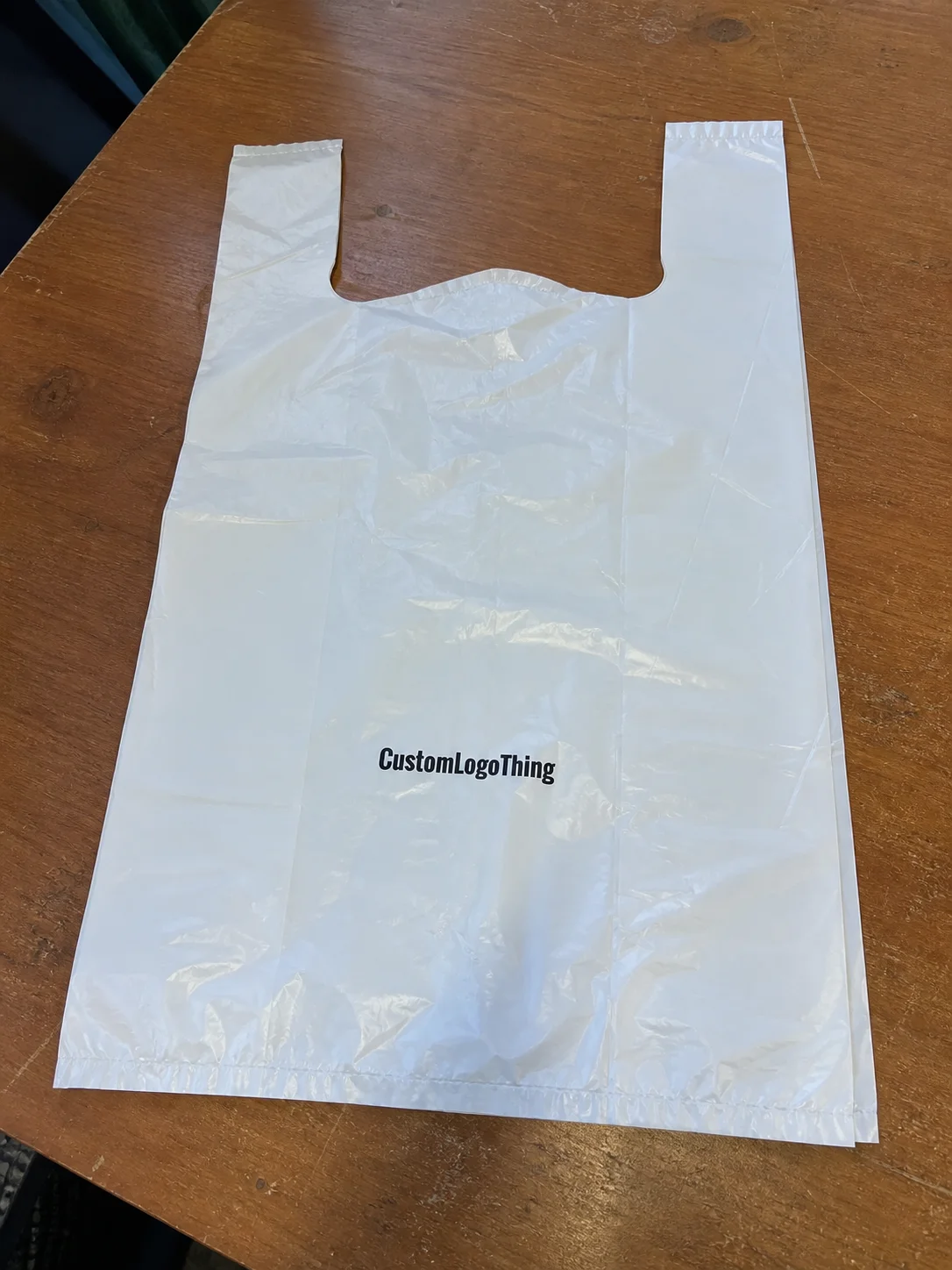
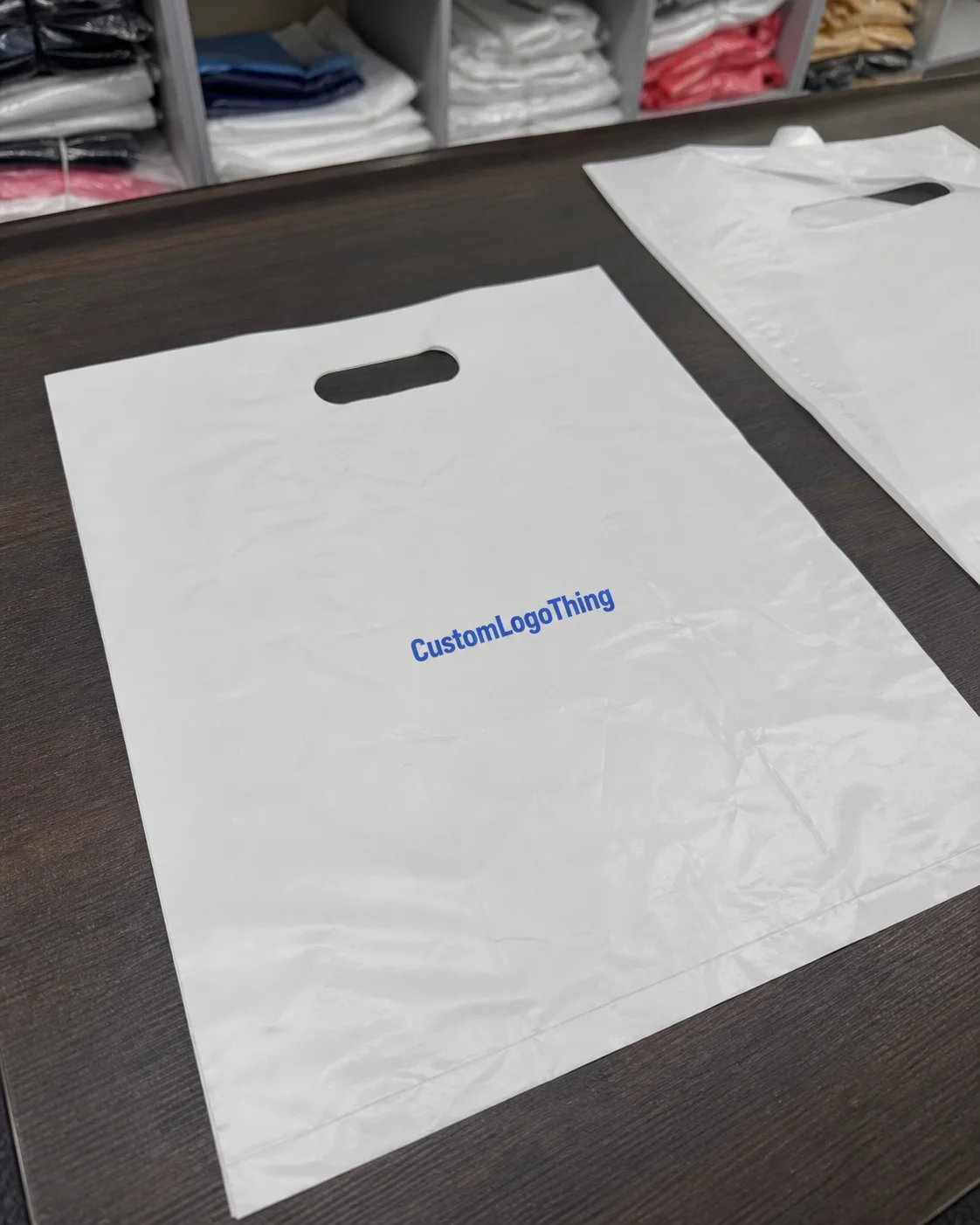
Buyer Fit Snapshot
| Best fit | Branded Padded Mailers for Jewelry projects where brand print, material claims, artwork control, MOQ, and repeat-order consistency need to be specified before quoting. |
|---|---|
| Quote inputs | Share finished size, material target, print colors, finish, packing count, annual reorder estimate, ship-to region, and any compliance wording. |
| Proofing check | Approve dieline scale, logo placement, barcode or warning zones, color tolerance, closure strength, and carton packing before bulk production. |
| Main risk | Vague material claims, crowded artwork, missing packing details, or unclear freight terms can make a low unit price expensive after revisions. |
Fast answer: Branded Padded Mailers for Jewelry: Audit Questions should be specified like a repeatable production item. The safest quote records material, print method, finish, artwork proof, packing count, and reorder notes in one written spec.
Production checks before approval
Compare the actual filled-product size with the drawing, then confirm tolerance on folds, seals, hang holes, label areas, and retail display edges. Reserve space for logos, QR codes, warning copy, and material claims before decorative graphics fill the panel.
Quote comparison points
Review material grade, print process, finish, sampling route, tooling charges, carton quantity, and freight assumptions side by side. A quote is only useful when the supplier can repeat the same color, closure quality, and packing count on the next order.
Branded Padded Mailers for Jewelry: Audit Questions
If you are sourcing branded Padded Mailers for Jewelry Packaging factory audit questions, start with a blunt fact: a pretty sample is not proof of a capable factory. A mailer can look polished on a table and still fail once it goes through real handling. The seal weakens. The ink scuffs. The cushioning flattens. Suddenly the “premium” mailer feels like an afterthought.
Jewelry packaging gets judged harder than most shipping mailers because the product is small, valuable, and easy to damage in ways that do not show up until the customer opens the parcel. A tiny scratch, a dusty liner, a closure that lifts, or a seam that splits can trigger a return fast. Buyers do not care that the sample looked nice in a photo. They care whether the supplier can hold the spec, protect delicate pieces, and repeat the result across a full run without drifting off course.
If the outer package sits inside your branded packaging strategy, the mailer has to do three jobs at once: protect the product, carry the visual identity, and make the unboxing feel clean. That mix is harder than it sounds. The audit should look at control points, not just the surface. If your program also includes cartons or inserts, align the mailer brief with Custom Packaging Products so the outer shipper and the rest of the product packaging system feel like one plan, not a pile of separate orders.
The practical approach is simple. A supplier should answer specific questions about materials, print, closure integrity, testing, and repeatability. Vague answers usually show up later as defects. Clear answers usually come from a factory that knows its process instead of guessing and hoping the sample saves the day.
Branded Padded Mailers for Jewelry Packaging Factory Audit Questions That Protect the Order
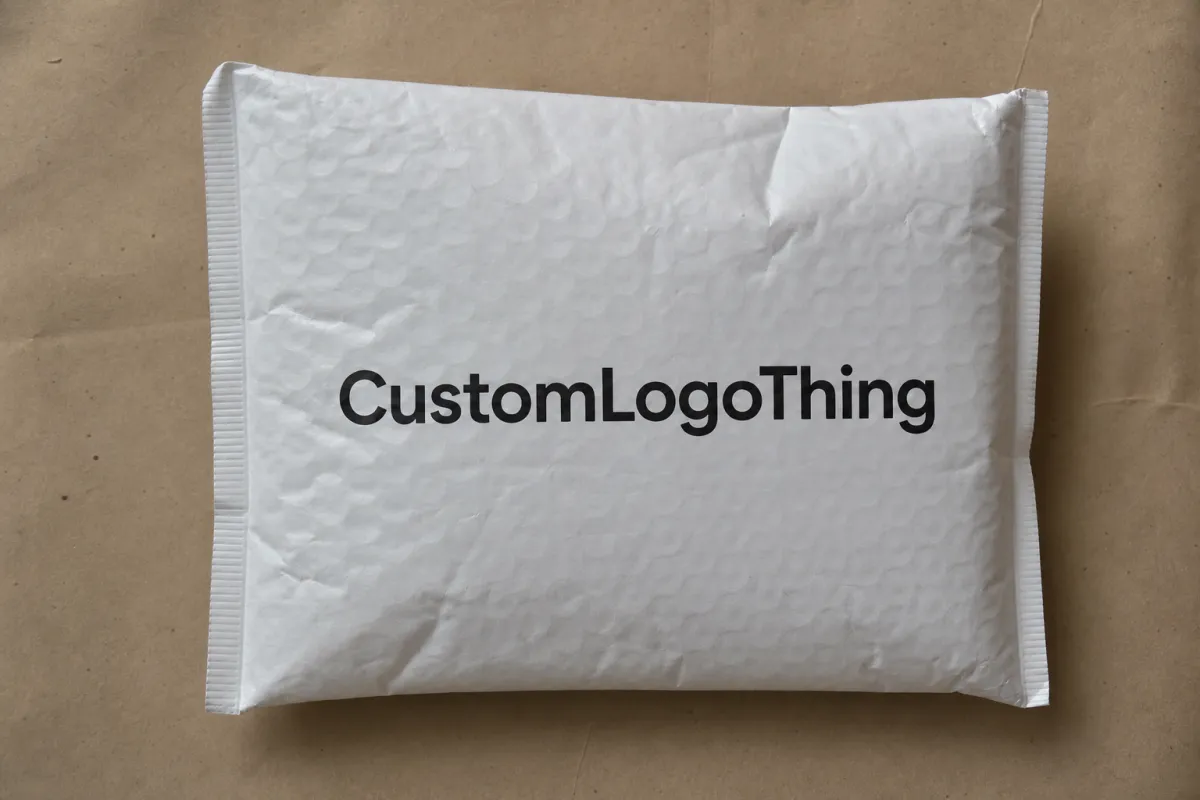
Here is the uncomfortable part: the prettiest sample is not proof of production skill. It only proves that one unit came out right. A real audit asks whether the factory can make the same mailer again, and again, and again, with the same print density, seal behavior, and protective performance.
For jewelry, that matters more than in most categories. A pendant can press into a seam. A hoop earring can rub against a rough liner. A plated finish can pick up residue from weak adhesive or dusty cutting. Even the smell of the packaging can affect the customer experience, especially in premium retail packaging, where people expect the whole thing to feel controlled.
Good buyers do not ask one lazy question like, “Can you make this?” They ask a sequence of audit questions that expose the supplier's process discipline. Try these:
- What is the exact material stack, from outer film or paper to padding, liner, and adhesive?
- What print method is used, and how is logo sharpness protected during handling?
- How does the factory verify seal strength on the closure strip?
- What tolerance can they hold on width, height, and flap alignment?
- How many samples are pulled from a run, and how are they inspected?
- What changes trigger a reapproval instead of a quiet update nobody asked for?
Those are not theoretical questions. They tell you whether the supplier has a controlled workflow or a factory built on habit. Controlled workflow means the team can explain material specs, line settings, inspection steps, and packing format without hand-waving. Habit means one experienced operator makes it “look right.” That can work once. It is a weak base for scale.
Ask for proof of the test method too. If the factory says it does transit testing, ask which sequence it follows and whether records exist. The International Safe Transit Association is a useful reference for distribution testing language. Jewelry mailers still need to survive compression, vibration, and repeated handling, even if the parcel is light.
A good audit does not ask whether the supplier can make one nice mailer. It asks whether the supplier can repeat the same seal, print, and cushioning profile on the 50,000th unit with the same result.
That mindset changes how you read a sample. A sample is not the finish line. It is the first checkpoint. If your brand already uses custom printed boxes or a refined mailer line, the audit should also check whether the color family, logo placement, and copy tone fit the rest of the package branding. Jewelry customers notice inconsistency fast because the category already signals care, precision, and personal value.
If you want a lower-risk comparison point, look at a broader supplier portfolio such as the examples on the Case Studies page. Seeing how other packaging programs were structured makes it easier to separate visual appeal from actual production control. Pretty is not hard. Repeating pretty under pressure is the part that matters.
How Factory Audits Test Branded Padded Mailers for Jewelry
An audit usually follows a path, and the best suppliers can describe that path without drifting into nonsense. It starts with the quote request, moves into dielines and artwork proofing, then sample building, revision, pre-production approval, mass run, inspection, and shipment release. If the factory can walk through those steps cleanly, that is a good sign. If the answers keep changing shape, the process is looser than the brochure suggests.
There are four places where jewelry mailer defects usually get caught. The first is the sample stage, where the factory may use the wrong liner, an over-inked print pass, or the wrong adhesive. The second is the pre-production sample, often called the golden sample, which should match the approved spec line by line. The third is in-process inspection, where a competent team checks size, print, and closure consistency across the run. The fourth is final packing, where unit count, carton configuration, and outer box integrity get checked before shipment.
That is why audit questions should be concrete. Ask these:
- How many rounds of sampling do you expect before approval?
- What is the color reference process, and do you track a Pantone target or a Delta E tolerance?
- How do you test the adhesive strip after sealing?
- What percentage of the run is checked during production?
- What happens if one carton shows print shift or a glue problem?
- Can you repeat the same result on a reorder three months later?
That last question matters more than many buyers admit. A factory that hits the sample once may still struggle on a repeat order if the original film roll, print plate, or operator is gone. Reorders reveal weak process control fast. In packaging design, consistency is the real luxury signal. A customer may not know why a package feels off, but they know it when they see it.
Use the audit to see whether the supplier understands the difference between a shipping mailer and a jewelry presentation system. A generic poly mailer can sometimes get away with visual variation. Jewelry mailers cannot. The logo has to stay crisp. The surface has to stay clean. The closure has to stay dependable. The package should feel deliberate, not improvised.
One practical step: ask for at least one current production sample from a normal order, not a specially prepared demo piece. A hand-picked sample shows what the supplier can do under ideal conditions. A normal-run sample shows what they actually send out the door. That is the better audit reference, and it usually tells the truth faster than the sales deck does.
If you are comparing formats, the table below is a useful starting point. These are indicative ranges, not fixed quotes, because size, print coverage, material grade, and carton pack-out all move the number around.
| Option | Typical unit price at 5,000-10,000 units | Strengths | Audit risks | Best fit |
|---|---|---|---|---|
| Poly bubble padded mailer | $0.22-$0.48 | Lightweight, cost-effective, good puncture protection | Can feel less premium if print and finish are basic | Light jewelry sets, refill programs, high-volume shipping |
| Kraft paper padded mailer | $0.30-$0.65 | Better shelf and unboxing perception, easier to align with FSC claims | Paper surface can scuff if the coating is weak | Gift-ready retail packaging and premium branded packaging |
| Premium custom printed mailer with soft liner | $0.55-$1.20 | Stronger package branding, better visual continuity with custom printed boxes | Higher setup complexity, more sensitive to print drift | High-value jewelry launches and seasonal gifting |
| Specialty anti-scratch padded mailer | $0.70-$1.40 | Best for polished or plated finishes, reduced abrasion risk | Niche construction can raise MOQ and lead time | Delicate chains, polished metal, premium collections |
For some brands, the right comparison is not between mailer types but between the mailer and other outership options. If your line includes lighter SKUs or a simpler fulfillment model, you may also want to compare the structure to Custom Poly Mailers. That gives you a practical baseline for what you are paying for, and what protection you are actually getting.
Paper-based versions deserve one more question: can the supplier document the paper source? If the material claim matters to your brand, ask for chain-of-custody or certification details through FSC. Not every jewelry brand needs that paperwork, but if you are making sustainability claims in retail packaging, the records should be cleaner than the print.
Material, Print, and Construction Questions That Matter
Weak suppliers usually give themselves away here. A mailer can look good and still be built on the wrong stack. The outer face, padding, adhesive, and inner surface need to work together. If one layer is off, the whole package suffers. No amount of shiny logo art fixes bad construction.
Start with the material stack. Ask what the outer layer is made from: PE film, paper, laminated paper, or a composite. Then ask what the padding is: bubble, paper wadding, foam, or a hybrid layer. Finish with the inner lining. For jewelry, the inner surface matters more than many buyers think. A rough edge, loose fiber, or dusty coating can leave visible marks on a polished piece.
Useful audit questions include:
- What is the thickness of the outer layer and the padding layer?
- Does the inner surface have an anti-scratch finish?
- Is there any anti-static treatment, and is it actually relevant to this product?
- What adhesive is used for the seal strip?
- Is the closure peel-and-seal, tamper-evident, or reinforced with a second strip?
- How is the flap cut to keep the edge clean and repeatable?
Here are the kinds of specs that should not make a supplier sweat. For paper-faced mailers, ask if they can build on 350gsm C1S artboard with a laminated outer layer, then pair it with a 60-80gsm kraft or glassine inner liner if scratch protection matters. For bubble mailers, common builds often use a 45-60 micron PE outer film with a 90-120 gsm bubble layer, depending on size and stiffness targets. If the mailer needs more rigidity for a premium unboxing feel, the factory should be able to explain the tradeoff instead of hiding behind buzzwords.
The print questions matter just as much. Ask what print process is used and how the factory keeps the logo sharp. A design that looks clean on screen can blur if the ink, curing, or substrate is not matched correctly. Ask whether the factory prints with a press proof, a wet proof, or a controlled digital sample. Ask how they prevent rub-off during handling. Ask whether they test the ink after folding, stacking, and carton packing.
Color control deserves its own question. A lot of jewelry packaging sells mood first and function second. Deep black, soft ivory, rose, charcoal, and metallic accents look expensive when they stay stable. They look cheap when they wander from run to run. Ask whether the factory checks under D50 light or another controlled viewing condition, and whether they keep an approved master sample on file. A logo that looks “close enough” in the workshop can drift visibly once it hits brighter retail lighting.
Construction details can matter even more than print. Seam strength, edge finish, flap design, and closure integrity all affect whether the mailer survives flexing, stacking, and drop testing. For small jewelry shipments, a weak side seam can open after the parcel is compressed in transit. A closure strip that lifts too easily can fail after the customer opens and closes the package once. A thick padded structure that folds badly can create uneven pressure on the contents.
That is why the best suppliers can talk about physical behavior, not just appearance. They should be able to explain where the stress points are, how the fold line is formed, and what happens when the package gets loaded into a carton. In practice, that level of explanation usually separates a controlled production line from a generic sourcing broker who knows how to forward email and little else.
There is also a brand alignment question here. If your brand already uses elegant custom printed boxes, the mailer should not fight that visual language. Typography, color block, and logo placement should feel like they belong to the same family. Good package branding is not about slapping the logo everywhere and calling it strategy. It is about making the outer package feel intentional from the first touch to the final reveal.
For buyers who want a simple rule, use this one: if the supplier cannot explain the material stack in plain language, they probably do not control it tightly enough. If they cannot explain the print and closure tests, they are asking you to trust appearance over evidence. That is a bad deal dressed up as convenience.
Process, Timeline, and Lead Time Checks From Sample to Ship
Lead time questions are not just about speed. They are about sequence. A factory can say “two weeks” and still hide the time lost in artwork revision, sampling, approval, and freight booking. A better audit asks for each step on its own.
The clean version of the path looks like this: brief, dieline, artwork proof, sample build, sample revision, golden sample approval, mass production, inspection, packing, and shipment. If the supplier can give you a believable timeline for each stage, you are closer to a reliable order. If it only offers one number, there is probably hidden slack in the plan, and not the good kind.
Most project delays come from the same places. Artwork files arrive in the wrong format. A logo changes after the first proof. The film grade is not available in the requested color. The sample needs two or three revisions because the padding feels too soft or the closure strip peels unevenly. One delay is manageable. Three delays can push a launch outside the season and into regret.
Ask for separate lead times for:
- Sample production after artwork sign-off
- Revisions after first sample feedback
- Mass production after golden sample approval
- Inspection and packing before dispatch
- Shipping buffer for freight, customs, or domestic transfer
For planning purposes, a normal run of branded padded mailers often takes about 12-15 business days from proof approval to completion for standard specs and common materials, assuming the artwork is final and the factory does not need tooling changes. Sampling can take another 3-7 business days depending on complexity. If you are using specialty paper, metallic ink, heavy coverage, or a custom structure, add time. That is not pessimism. That is how production works when people stop pretending press lines are magic.
That split matters because jewelry packaging usually supports a launch date, not just a replenishment order. The packaging may need to land before a campaign, a store rollout, or a gifting push. If the factory cannot lock the schedule around a release date, the risk moves from production into marketing. That is an expensive place to discover the problem.
Ask whether the factory keeps a standard production calendar or can flex around peak months. Some suppliers can absorb small reorder runs quickly. Others need more than one line change and a few days of setup. Neither answer is a problem by itself. The problem is pretending the answer is something else.
You should also ask how approval documents are handled. Does the factory hold a signed specification sheet, a color reference, and a golden sample photo set? Do they record carton count and outer pack configuration? Do they note the approved shipping label format? These details sound tiny until somebody on the floor has to guess what “same as sample” actually means.
A simple discipline helps here: treat the approved sample as a contract reference, not a nice memory. Photograph it from several angles. Record dimensions. Note the surface finish, the closure feel, and the exact print position. Put that record into the order file so quality control is not relying on someone’s recollection three weeks later.
If you want a broader benchmark for how packaging projects are managed, review the guidance in our FAQ section, especially if this is your first branded outership program. The point is not to over-document everything. The point is to make the handoff clear enough that the factory does not get to improvise where accuracy matters.
Cost, Pricing, MOQ, and Quote Questions for Suppliers
Pricing looks simple until two quotes land side by side. Then the gap appears. One supplier includes setup, sampling, and carton packing. Another quotes only the unit price. A third uses a cheaper liner and hides the difference in freight or inspection. By the time the order lands, the “cheap” option is usually the expensive one wearing a fake mustache.
The main cost drivers are easy to spot. Material thickness changes cost. More complex print coverage changes cost. A thicker padding structure changes cost. A tamper-evident closure or a double strip changes cost. A tighter inspection standard changes cost. Shipping distance changes cost. MOQ changes cost because the factory has to spread setup expenses across fewer units.
As a grounded benchmark, branded padded mailers for jewelry often land around $0.15-$0.24 per unit for 5,000 pieces when you are using a straightforward size, one- to two-color print, and standard kraft or PE construction. Add more print coverage, custom die-cut windows, premium liners, or anti-scratch interiors, and the range can move to about $0.28-$0.55 per unit. Heavy print coverage, specialty finishes, or a higher-end paper build can push the price above that. Size matters too. A small 4 x 7 inch mailer is not priced like an 8 x 10 inch version with a reinforced flap. Surprise.
Ask each supplier to break the quote into separate lines:
- Unit price
- Printing setup or plate fee
- Sample fee
- Tooling, if any
- Carton packing and master carton spec
- Inspection or test fee
- Freight estimate
That is the only fair way to compare offers. A quote that looks 12 percent cheaper on paper can turn into 18 percent more expensive after you add sampling, freight, and a corrected reprint. If the mailer fails audit and has to be redone, the hidden cost shows up fast. The invoice does not care about the sales pitch.
MOQ questions should be just as direct. Ask:
- What is the minimum run for the exact spec?
- Does the MOQ change with more print colors or a different liner?
- Can the factory support a smaller test batch for a launch?
- Are repeat orders easier to place than first orders?
- Is there flexibility for mixed-SKU packing?
That last point can matter a great deal in jewelry. Many brands do not ship one SKU forever. They rotate finishes, chains, charms, and seasonal colorways. If the factory can support multi-SKU runs or small test quantities, your team gets room to learn without overcommitting inventory. That is worth real money, even if it does not sound glamorous in a spreadsheet.
Here is a practical comparison buyers often use for budget planning:
| Buying approach | What it usually includes | Typical strength | Common pitfall |
|---|---|---|---|
| Lowest unit price only | Per-piece cost, sometimes without sample or freight clarity | Good for quick quote screening | Can hide setup, rework, or shipment costs |
| Full landed cost | Unit price, setup, samples, packing, freight, and inspection | Best for real budget control | Takes longer to build, but the number is more honest |
| Value-based comparison | Price plus audit reliability, reorder consistency, and damage reduction | Best for premium jewelry lines | Requires discipline to quantify non-price benefits |
The lowest quote is not always the smartest choice. A mailer that protects the jewelry, keeps the finish intact, and passes audit on the first run can save far more than a few cents per unit. For high-value pieces, one bad customer experience costs more than the spread across the whole order. That is the part procurement spreadsheets rarely want to admit.
From a purchasing angle, ask for the landed number, not the headline number. That is the number that matters to the business.
Common Mistakes in Jewelry Mailer Factory Audits
The most common mistake is also the easiest one to make: approve one clean sample and assume production will match it. In reality, small changes in line speed, adhesive application, print registration, or packing pressure can alter the mailer in ways that are hard to spot at first. By the time the problem is visible, the order may already be on a truck, a ship, or a plane.
The second mistake is obsessing over branding and ignoring structure. A strong logo does not rescue a weak build. If the mailer tears, smells strongly of solvent, sheds dust, or collapses under flexing, the branding will not save it. Jewelry buyers care about visual polish, sure, but the package still has to protect plated and polished finishes.
The third mistake is reading the quote too fast. Buyers see a unit price and skip the fine print. Then they discover extra charges for inserts, cartons, export packing, inspection, sample revisions, or color correction. The original number was not wrong. It was incomplete. That difference matters a lot when the order is billed.
The fourth mistake is weak documentation. A vague spec sheet leaves room for interpretation, and interpretation is where quality drifts. If the spec does not define dimensions, material layers, print colors, seal type, and tolerance bands, the factory can technically fulfill the order while missing the real performance target. That is how disputes start.
Another error is ignoring smell, dust, and residue. These are not glamorous topics, but they matter. If the mailer has a strong odor, some customers notice. If the inner surface sheds lint, a dark necklace pouch or polished metal surface can expose it. If the closure leaves residue, the customer may link that feeling to the jewelry itself, even though the product is untouched.
There is also a category mismatch problem. A supplier that is fine at generic packaging may not be good at jewelry-grade product packaging. Jewelry is small, precise, and sensitive to presentation. The factory needs to understand more than paper weight and print count. It needs to understand how the package feels in the hand and what it does to the item inside.
One useful safeguard is to ask for a test with real jewelry SKUs, not dummy inserts. The weight, shape, finish, and edge profile of the actual product can reveal flaws that paper pads will miss. A chain clasp may snag. A metal edge may rub. A polished pendant may shift inside the cavity. Real product testing catches those problems before the customer does.
If you want a simple phrase to remember, use this one: the audit should measure repeatability, not performance theater. A supplier that can make one beautiful sample may still be a poor fit if the full run changes shape, print density, or seal quality.
Expert Tips and Next Steps Before You Place the Order
Before you approve the order, keep the checklist tight. That does not mean complicated. It means specific. A short, disciplined audit sheet usually works better than a long one full of generic checkboxes nobody reads twice.
Here is a practical version you can use:
- Confirm the material stack and padding thickness
- Lock the print method, color reference, and logo placement
- Check seal strength and closure behavior after opening and resealing
- Verify dimensional tolerance and carton count
- Approve a golden sample and store photos with the file
- Confirm sample lead time, mass production lead time, and freight buffer
- Review the quote line by line, including setup and inspection
Ask for photos and video from the actual production line, not just studio shots. A quick clip of the sealing station, print line, and carton packing area tells you more than a polished mockup ever will. If the factory is willing to share reference material from a current run, even better. That shows the kind of quality it achieves on normal orders instead of only on display pieces.
For brands with multiple packaging channels, keep the visual language aligned. Your jewelry mailer should not feel detached from the rest of the brand system. If your line already uses custom printed Boxes for Retail, the mailer color, typography, and finish should echo that same world. Good package branding makes the shipment feel deliberate before the box is even opened.
It also helps to compare the supplier's response with the answers in our FAQ and the examples on our Case Studies page. The goal is not to copy another program. The goal is to calibrate your expectations so you can see what is normal, what is premium, and what is just marketing dressed in a nicer font.
One last point: if the supplier gives you a beautiful presentation but resists sharing the exact spec, slow down or walk away. A factory that knows its process should be comfortable documenting it. A factory that avoids documentation is often hoping the sample does the selling for them. That is not quality control. That is theater with a freight quote.
Done well, the audit protects both the brand and the shipment. Done badly, it becomes a guessing game that burns time, freight, and customer trust. For jewelry, that is too expensive to risk. Keep the questions specific, keep the records clean, and treat branded Padded Mailers for Jewelry Packaging factory audit questions as a control exercise, not just a branding exercise. That is how the order stays on spec, on time, and ready for launch.
What branded padded mailers for jewelry factory audit questions should I ask first?
Start with material, print, seal strength, and whether the factory can show a recent production sample that matches your spec. Then ask how they check dimensional tolerance and what happens if the logo, padding, or closure drifts out of spec. Request proof of inspection steps, not just promises, because a real audit depends on repeatable control. If you are using paper-faced mailers, ask for the exact board grade, such as 350gsm C1S artboard, and the liner or padding spec that sits behind it.
How do I test branded padded mailers for jewelry before approving the supplier?
Use real jewelry pieces, then check for rubbing, denting, odor transfer, and closure failure after handling and drop tests. Inspect multiple samples from different cartons so you are not judging a single hand-picked unit. Compare the approved sample to the production run under the same lighting and handling conditions. If the supplier claims performance testing, ask what it checks, how many samples it pulls, and whether the records are kept with the order file.
What is a normal MOQ for custom jewelry padded mailers?
MOQ varies by print method, material, and factory setup, but smaller runs are often possible when artwork and dimensions are standard. Ask whether the MOQ changes for multi-SKU orders or repeat orders, since some suppliers offer flexibility after the first run. For simple printed paper mailers, 5,000 pieces is a common starting point, while specialty structures often sit higher. Treat MOQ as part of the full cost picture, not just a gate to order entry.
How should a supplier quote branded padded mailers for jewelry packaging?
The quote should separate unit cost, setup or tooling fees, sample charges, packaging, and shipping so you can compare suppliers fairly. Confirm whether pricing changes with print colors, liner type, seal design, or carton configuration. Ask for a landed-cost estimate so the factory quote reflects the real delivered price. For a useful benchmark, a straightforward run can land around $0.15-$0.24 per unit at 5,000 pieces, while more complex builds sit higher depending on size and print coverage.
Which QC checks prevent defects in jewelry mailers before shipment?
Focus on seal strength, print rub resistance, color accuracy, dimension control, and cleanliness of the inner surface. Add pack-count checks and carton tests so the right quantity arrives in the right condition. Require a final golden sample reference so the team knows exactly what passed audit. If the factory uses a timed release schedule, ask for the expected lead time too; standard runs are often 12-15 business days from proof approval, with sampling and freight added on top.