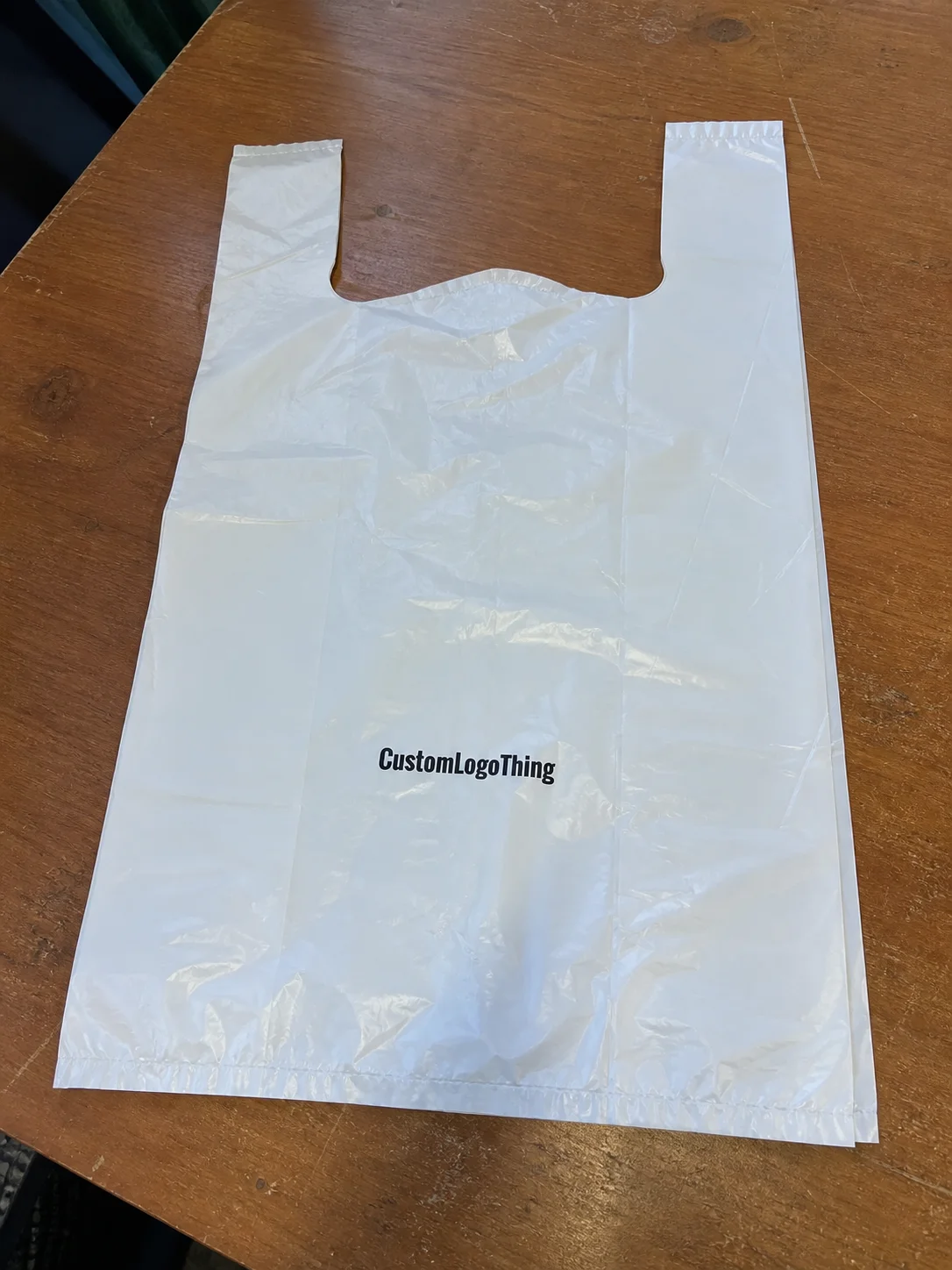
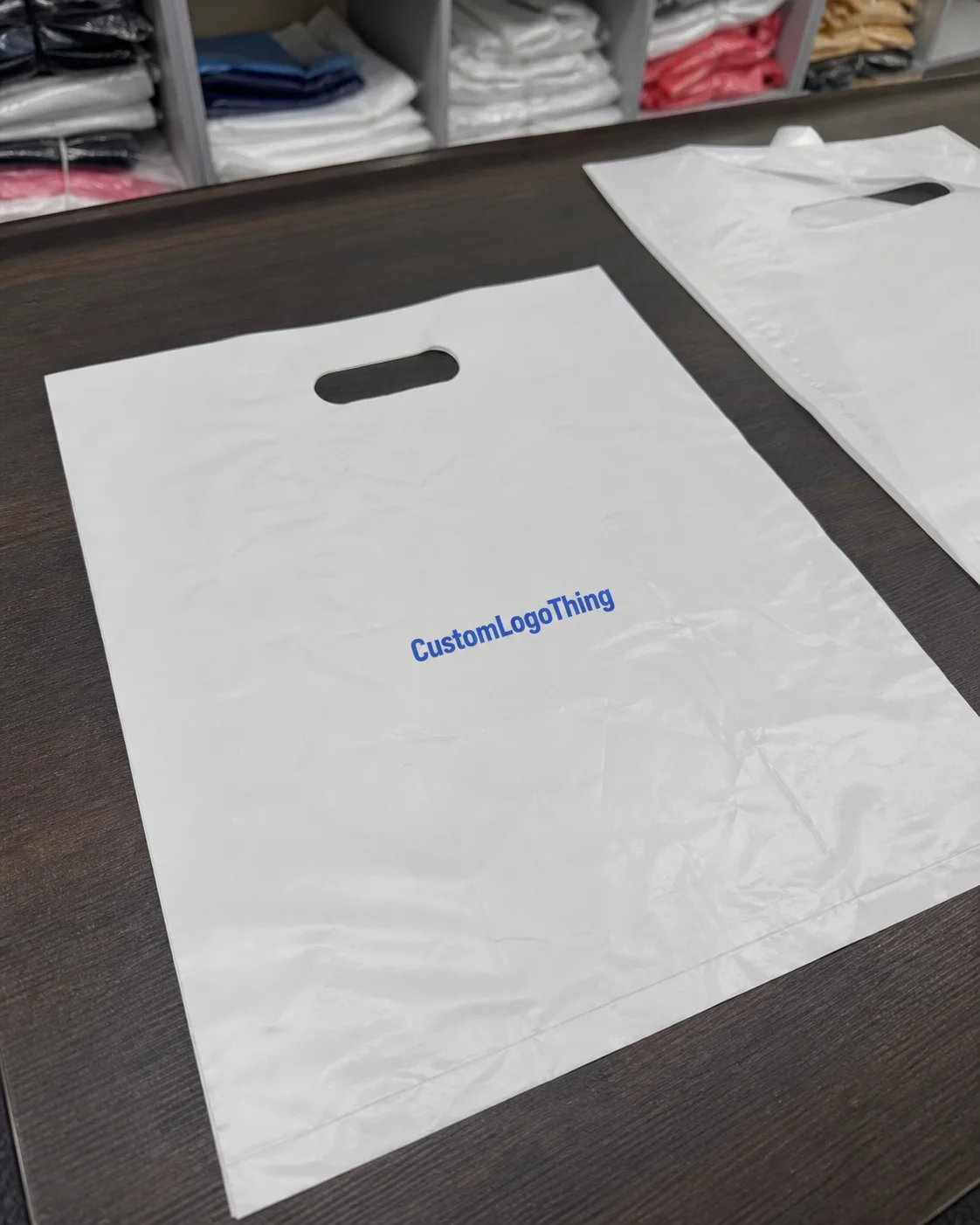
Buyer Fit Snapshot
| Best fit | Branded Padded Mailers for Jewelry projects where brand print, material claims, artwork control, MOQ, and repeat-order consistency need to be specified before quoting. |
|---|---|
| Quote inputs | Share finished size, material target, print colors, finish, packing count, annual reorder estimate, ship-to region, and any compliance wording. |
| Proofing check | Approve dieline scale, logo placement, barcode or warning zones, color tolerance, closure strength, and carton packing before bulk production. |
| Main risk | Vague material claims, crowded artwork, missing packing details, or unclear freight terms can make a low unit price expensive after revisions. |
Fast answer: Branded Padded Mailers for Jewelry: Material Claims, Seal Quality, and Freight Cost should be specified like a repeatable production item. The safest quote records material, print method, finish, artwork proof, packing count, and reorder notes in one written spec.
Production checks before approval
Compare the actual filled-product size with the drawing, then confirm tolerance on folds, seals, hang holes, label areas, and retail display edges. Reserve space for logos, QR codes, warning copy, and material claims before decorative graphics fill the panel.
Quote comparison points
Review material grade, print process, finish, sampling route, tooling charges, carton quantity, and freight assumptions side by side. A quote is only useful when the supplier can repeat the same color, closure quality, and packing count on the next order.
A Branded Padded Mailers for jewelry packaging reorder planning guide matters because jewelry shipments fail on small details: a 2 mm size miss, a weak peel strip, a logo that shifts from crisp black to muddy gray, or a mailer that looks different enough to make the brand feel off before the customer even opens it. The mailer is not just transit protection. It is part of the retail packaging story, part of package branding, and part of the cost structure that keeps fulfillment moving without interruptions.
For a jewelry seller, a mailer stockout is rarely minor. If a collection launch lifts daily orders from 120 to 240 and you only have 800 mailers left, you are out in a little more than three days. That is the kind of number that sounds harmless until the packing table starts piling up. Miss the reorder window and the damage spreads quickly: delayed shipments, more customer service replies, and the warehouse version of "good enough," which usually means the wrong size gets used just to keep the line moving.
Why Jewelry Reorders Fail Without a Mailer Plan
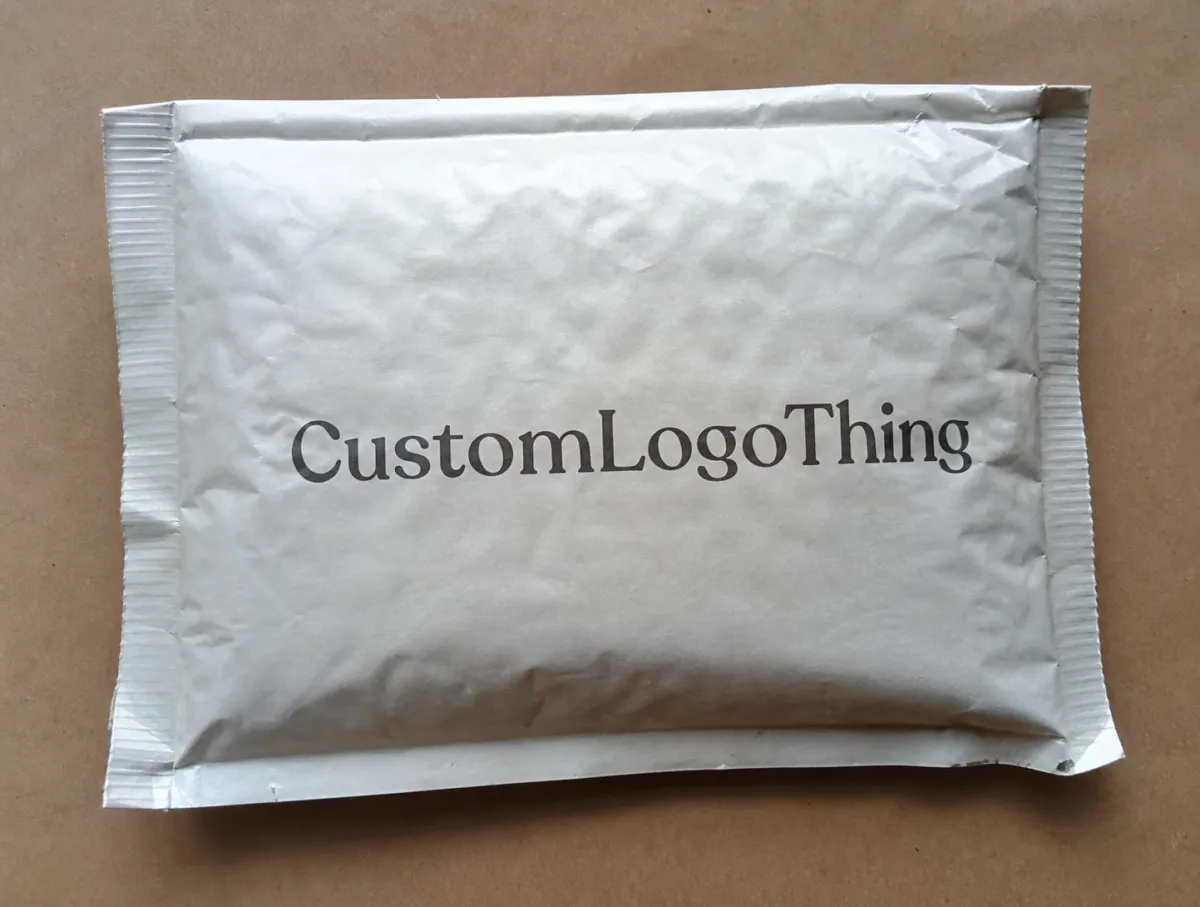
Jewelry is light, but the packaging stack around it is not simple. A necklace in a display box, a ring in a velvet pouch, a polishing cloth, a branded insert card, and a shipping label all need space inside a mailer that still has to protect against compression, puncture, and rough sorting. That is why branded Padded Mailers for Jewelry Packaging reorder planning guide decisions deserve the same discipline buyers already apply to custom printed boxes or other product packaging categories.
Too many teams treat mailers like a generic supply item. The result is predictable. One order is placed in a rush. The next team member approves a slightly different size. A supplier changes the print method. The unboxing experience drifts, and so does pack-out speed on the floor. From a packaging buyer's point of view, this is not only a branding issue. It affects labor, carrier cost, damage claims, and how quickly a warehouse can finish each order.
Planning stops that drift by setting a fixed spec, a known vendor, and a reorder threshold tied to actual consumption rather than panic. That turns the mailer into a controlled item, much like corrugated cartons or retail packaging inserts. If a seller knows the approved size, cushioning style, and print finish, the next purchase becomes a replenishment decision instead of a design debate.
A good mailer plan is cheaper than a rush order, and a rush order is still cheaper than brand inconsistency that forces rework across the rest of the packaging line.
The business case is straightforward. A planned reorder often needs 12 to 15 business days from proof approval to warehouse receipt for standard custom work, while more complex orders can run 15 to 20 business days or longer if artwork changes or specialty finishes are involved. A rushed replacement can add air freight, overtime, and temporary substitutions. Emergency shipping often adds 15% to 30% to landed cost, and that number climbs fast when the buyer has to accept a nonstandard size or a weaker closure style. A stable plan avoids that tax.
For brands that sell across marketplaces, their own site, and wholesale channels, the mailer also helps reinforce consistency. The same logo placement, color, and tactile feel that show up in branded packaging should carry through the outer shipper. That continuity matters. Customers notice it, even if they do not write a note about it. A tidy, consistent mailer tells them the operation is organized and the product inside was handled with care.
Branded Padded Mailers for Jewelry Packaging Reorder Planning Guide
Branded Padded Mailers for jewelry packaging reorder planning guide decisions start with construction. Most mailers combine an outer face stock or poly layer, a cushioning layer, and a closure system that has to stay sealed through sorting, stacking, and parcel conveyor movement. The right mix depends on whether the priority is lower unit cost, better shelf presentation, higher puncture resistance, or a more elevated customer experience.
The outer layer is where package branding lives. Paper mailers can offer a matte, premium appearance that photographs well and feels closer to luxury retail packaging. Poly mailers often hold up better in wet conditions and can be easier to keep light for shipping. Inside, the padding does the real work: it cushions small boxes, absorbent pouches, and accessory kits so they are less likely to shift during transit.
For jewelry, that inner protection matters because the contents are often fragile in a different way than apparel or printed literature. A ring box can scuff. A clasp can scratch. A gift card can bend. Even a small accessory pack can create a false sense of security if the mailer looks thick but crushes flat once it is stacked in a tote. That is the difference between a mailer that looks premium in photos and one that actually survives parcel handling.
Branding choices also have operational consequences. Full-bleed print creates strong shelf appeal and immediate recognition, but it can add setup complexity and color control needs. Repeat patterns are often easier to keep consistent across reorder batches, especially when the same artwork has to look right across several production runs. Logo placement can be simple and cost-effective, while a wraparound print may better support a stronger package branding program.
Compatibility with jewelry use cases should drive the spec. A good mailer needs to fit:
- Small jewelry boxes with rigid corners
- Soft pouches and display card sets
- Bracelet or necklace kits with tissue, inserts, and care instructions
- Light accessories such as clasps, polishing cloths, or spare components
That is why many buyers test mailers with the actual pack-out, not just a sample box. A mailer that looks fine on a desk may be too tight once the insert card, protective wrap, and thank-you note are all included. Packaging design is not only visual. It is dimensional, tactile, and tied to how quickly the team can assemble each order.
If you are comparing formats, browse our Custom Packaging Products to see how a mailer fits into a broader branded packaging system. For lighter SKUs, Custom Poly Mailers may be the better fit, especially when shipping volume is high and every gram matters.
| Mailer Type | Typical MOQ | Typical Unit Cost | Common Build | Best Use | Main Tradeoff |
|---|---|---|---|---|---|
| Custom poly padded mailer | 1,000 to 3,000 units | $0.28 to $0.55 each | LDPE outer, bubble or paper cushion, peel-and-seal strip | High-volume jewelry orders, lighter kits, moisture-sensitive lanes | Less premium tactile feel than paper |
| Paper padded mailer with logo print | 2,000 to 5,000 units | $0.35 to $0.80 each | Craft or coated paper outer, padded liner, pressure-sensitive closure | Brand-led unboxing, gift orders, boutique retail packaging | Can cost more than poly at lower volumes |
| Premium mailer with specialty finish | 5,000+ units | $0.60 to $1.20 each | Thicker paper stock, specialty coating, custom print coverage | Launch kits, subscription boxes, luxury product packaging | Higher setup cost and longer approval cycle |
Those ranges are starting points, not fixed quotes. Size, print coverage, paper grade, adhesive quality, freight class, and order volume all move the final price. For example, a 5,000-piece run with simple one-color logo print can land around $0.15 to $0.24 per unit on a basic paper mailer, while a more covered design with richer ink density, thicker board, or specialty finish will run higher. Still, they give procurement teams a useful benchmark before the first supplier conversation. That is often enough to separate a realistic plan from a wishlist.
Specifications to Lock Before You Reorder
Reorders fail most often because the spec was never fully locked. If the last purchase was approved from a sample and the paperwork only captured a generic size, the next order can arrive with a slightly different flap depth, a different internal cushion thickness, or a print color that shifts enough to annoy the brand team. A written spec sheet removes guesswork.
Lock the measurements first. The key numbers are the usable interior size, the seal flap depth, the finished exterior dimensions, and the padding thickness. Even a small mismatch can change pack speed or make postage more expensive. A mailer that is too small slows down the packing line. One that is too large can push the parcel into a higher dimensional weight bracket and increase the shipping bill on every order.
Print details deserve the same attention. Before approving the reorder, confirm the logo file format, the Pantone or CMYK reference, bleed requirements, and the acceptable variation across production runs. If the original order used a centered logo with a 0.125-inch bleed, the next run should match that exact build unless there is a deliberate redesign. A small print shift may look minor on paper, but it shows up immediately on the shelf and in customer photos.
Material specs matter because buyers need to know what they are paying for. A common paper-based setup for premium jewelry mailers uses a 350gsm C1S artboard outer with a protective inner cushion or reinforced liner. That gives enough stiffness for presentation while keeping the piece light enough for mail handling. For poly formats, ask for film thickness, seal width, and whether the closure uses a plain adhesive strip or a tamper-evident design. If the team has ever seen corners tear during transit, the closure and outer material need a closer look before another order is approved.
Performance specs should cover how the mailer behaves under real handling. Parcels are stacked, sorted, dropped into bins, and sometimes exposed to moisture or temperature swings. Buyers should ask for information on puncture resistance, adhesive strength, and compression behavior. If a packaging line works with small hard goods and gift inserts, a mailer that crushes flat under load will cost more than it saves.
Useful spec checkpoints include:
- Closure style: peel-and-seal, pressure-sensitive adhesive, or tamper-evident flap
- Padding style: paper fiber, bubble, or lightweight cushioned layer
- Print area: one side, two sides, or full wraparound coverage
- Surface finish: matte, gloss, soft-touch, or uncoated paper
- Material target: paper, poly, or mixed-material construction
There is also a sustainability angle that buyers increasingly need to document. If the packaging program has a fiber-based component, ask whether the paper is FSC-certified and whether the chain of custody can be documented. For general packaging waste reduction guidance, the EPA's sustainable materials resources are a solid reference point at EPA sustainable materials management. If transport testing is part of your quality process, the ISTA test protocols and relevant ASTM methods are worth checking before any major spec change.
For any buyer managing retail packaging across more than one SKU, the real objective is consistency. The same item should pack the same way every time. That means the reorder must match the approved version not only in print, but in seal feel, stiffness, and how the finished mailer stacks on a cart or shelf.
Pricing, MOQ, and Unit Cost Planning
Pricing for branded padded mailers is rarely about one number. It is a stack of drivers: substrate choice, print complexity, order quantity, artwork setup, proofing, freight, and sometimes storage or split-shipment charges. Two mailers can look similar in a catalog and still land at very different landed costs. A clean quote breaks those pieces out.
MOQ should be treated as a planning tool, not just a threshold to cross. If a supplier requires 3,000 units and your average monthly usage is 800, the buyer needs to understand whether the warehouse can store the extra 300 to 400 units of safety stock. If not, a lower MOQ or a more frequent reorder cadence may make more sense than accepting the cheapest per-piece price and paying for excess inventory later.
Unit cost comparisons can be misleading if they ignore inventory turns. A lower price per mailer may still be the more expensive choice if it leaves you with dead stock after a packaging refresh, a logo update, or a seasonal rebrand. In practice, the best choice is often the one that keeps the program aligned with current sales velocity rather than the lowest number on the quote sheet.
For a jewelry brand, a reorder plan should include these checks before approval:
- Confirm how long the quote remains valid.
- Ask whether proof charges, plate fees, or setup fees are included.
- Separate freight from product cost so you can compare true unit cost.
- Request tier pricing at two or three volume points.
- Check whether samples or a repeat proof are included for the reorder.
Freight deserves special attention because mailers are light but bulky. One pallet can hold a lot of units, yet the way they are packed can still affect pallet count and freight class. A buyer who only looks at the ex-factory price may miss the real landed cost once the shipment reaches the warehouse. That is where a quote that includes carton count, pallet count, and estimated transit time becomes much easier to compare.
Here is a useful way to compare reorder options for a typical jewelry brand:
| Scenario | Qty | Likely Result | Risk Level | Buying Read |
|---|---|---|---|---|
| Rush reorder after stockout | 500 to 1,000 units | Higher unit cost, possible freight premium, compressed approval cycle | High | Only for emergencies |
| Planned reorder at trigger point | 2,000 to 5,000 units | Better price breaks, standard transit, steady supply | Low | Best balance of cost and control |
| Large forward buy | 5,000+ units | Lowest unit cost, more storage, longer cash cycle | Medium | Useful only if artwork and demand are stable |
Buyers who manage wholesale programs often see a different calculus. A larger run may be attractive if the mailer is used across direct-to-consumer shipments, trade orders, and promotions. If the design is stable and the brand expects at least two or three sales cycles before a refresh, a larger run can lower total packaging cost without creating unnecessary risk. Our Wholesale Programs page can help teams compare that structure against a smaller replenishment model.
The strongest rule is simple: buy for actual consumption, not optimism. A packaging refresh that saves $0.04 per unit but ties up $4,000 in extra stock is not always a win. A clearer view of cash flow often matters more than a small price difference on paper.
Process and Timeline for Reorders
A repeat order should move faster than a first run, but only if the process is controlled. The reorder workflow usually follows the same sequence: request, quote review, artwork confirmation, proof approval, production scheduling, quality check, packing, transit, and receipt at the warehouse. Every handoff matters. Miss one file or one color reference and the timeline stretches.
The most common source of delay is not the factory floor. It is decision lag. Someone wants to tweak the logo size by 5%. A marketing manager wants to replace one line of copy. A merchandiser cannot confirm whether the next season will use the same shade of gold ink. Each small change creates another proof cycle, and that can add days or even a full week to a reorder.
Repeat orders usually move faster because the design is already approved and the tooling or print setup is already understood. In many cases, a reorder can be completed in 12 to 15 business days after proof approval. First-time custom runs more often take 15 to 25 business days, especially if the structure is new, the artwork needs adjustments, or the buyer needs sample review before release.
Those are planning ranges, not promises. Lead time depends on capacity, shipping mode, and the complexity of the print. Seasonal peaks can push schedules out. A packaging program tied to a holiday campaign should build in buffer time rather than assuming the same timeline as a quiet month in the middle of the quarter.
A simple reorder calendar helps avoid the scramble. One practical method is to calculate average weekly usage, multiply by lead time in weeks, and add at least 10% to 15% as safety stock. If a team uses 500 mailers per week and the total replenishment cycle is four weeks, the reorder trigger should be around 2,200 to 2,300 units rather than waiting until stock drops to 500. That gap protects against delays, damage, and unexpected sales growth.
Some teams also use quality checkpoints from shipping standards to preserve consistency. If a mailer has passed a parcel test under an ISTA or ASTM method and the construction is unchanged, the reorder should stay close to that validated spec. If the material, closure, or dimensions change, the packaging team should treat it as a new validation event rather than a routine repeat.
For businesses that operate multiple SKUs, the workflow should be shared with operations and finance. One owner should be responsible for approval timing, because the real failure mode is not ignorance. It is ambiguity. If everyone thinks someone else is tracking the threshold, the reorder arrives late.
Why Choose Us for Jewelry Mailer Reorders
Repeat packaging needs a supplier that understands consistency. The value is not flashy language. It is stable specifications, clear communication, and the ability to recreate an approved mailer without making the buyer re-litigate the basics every time inventory gets low. That is especially important for jewelry, where the packaging usually carries a bigger emotional load than the product size suggests.
At Custom Logo Things, the focus stays on repeatability. That means documented reorder history, artwork support, practical sample guidance, and production checks that catch problems before cartons leave the facility. If the approved mailer used a specific closure type, print finish, or padded construction, the goal is to match it closely on the next run.
Procurement teams usually care about four things more than anything else: price stability, response time, print consistency, and delivery reliability. A specialist supplier can help with all four because the work is narrow enough to build process discipline around it. The difference shows up in small ways: a cleaner proof, a more accurate quote, or a faster answer when the reorder needs to be timed against a product launch.
The right partner also understands how mailers fit into the broader branded packaging mix. A jewelry brand may use custom printed boxes for premium sets, lighter shippers for accessories, and insert cards for marketing. Mailers should not sit outside that system. They should support it. If the outer packaging feels disconnected from the rest of the line, the brand pays a penalty in presentation and trust.
We also see the value of comparing the mailer plan against existing packaging formats. A team that is already buying pouches, cartons, and retail packaging can often reduce surprises by aligning all specs into one master reference. That is where our Case Studies can help. Real order scenarios show how buyers balanced cost, protection, and branding without drifting into unnecessary complexity.
For teams that need more than a single reorder, a structured packaging design review can uncover opportunities to standardize sizes or combine runs. That can help lower setup costs and simplify warehouse handling. Even a small packaging adjustment may reduce labor by a few seconds per unit, which adds up quickly over thousands of shipments.
The point is not to push a premium upgrade for its own sake. The point is to keep the next reorder close to the approved version, on time, and ready to ship before inventory becomes a problem. In a category where customer perception is shaped by touch, color, and consistency, that reliability is not optional.
Next Steps to Place a Smarter Reorder
The fastest path to a clean reorder starts with inventory math. Count the current on-hand quantity, estimate weekly usage from the last 60 to 90 days, and identify the exact reorder trigger. If the item moves faster during launches or promotions, use the higher consumption rate rather than the average from a slow month. Otherwise, the next purchase may arrive too late.
Then gather the approved spec. The supplier should receive the size, print file, material, closure style, and target ship date in one message. That cuts back-and-forth and reduces quoting errors. A photo of the last approved sample helps too, especially if the team changed brands, sub-brands, or promotional artwork during the year.
A useful decision test is to compare two scenarios side by side. One is the rush reorder after a stockout. The other is the planned reorder placed against actual usage. The rush version almost always includes some combination of missed orders, higher freight, and internal disruption. The planned version usually gives the buyer more control over unit cost, production timing, and quality review.
Assign one owner for approvals. That single decision keeps the spec from drifting between marketing, operations, and finance. It is especially useful when multiple SKUs, launch dates, or fulfillment partners are involved. If the approval path is clear, the reorder can move quickly. If not, delays pile up in small, avoidable steps.
Before the next quote request, keep this checklist nearby:
- Current inventory count
- Average monthly or weekly usage
- Approved size and closure spec
- Print file and color reference
- Target ship date and receiving window
- Safety stock trigger point
That simple discipline keeps the next purchase fast, accurate, and aligned with demand instead of reacting to it. In practical terms, that is the difference between steady fulfillment and a costly scramble. For jewelry brands that rely on presentation as much as protection, branded padded mailers for jewelry packaging reorder planning guide discipline is the habit that protects both margin and customer experience.
FAQ
How far in advance should I reorder branded padded mailers for jewelry packaging?
Start with current usage and add a production buffer equal to at least one full cycle of lead time plus receiving time. If the mailer needs approval from more than one team or ties to a product launch, reorder sooner. A safety stock trigger works better than a calendar date because it is based on real inventory rather than a guess.
What MOQ should I expect for branded padded mailers for jewelry?
MOQ usually depends on material, print method, and size, so ask for the lowest viable run and the best price break above it. Compare that minimum against monthly usage. A higher MOQ can still be efficient if the mailers turn quickly and stay in active use, but the best answer is the one that fits storage space and cash flow.
Which specs matter most for jewelry mailers in reorder planning?
Lock size, closure style, padding thickness, print area, and the exact color standard before approving the reorder. Also confirm how the mailer performs with your typical jewelry packaging, including boxes, cards, pouches, and accessory inserts. A written spec sheet is the easiest way to keep the next purchase aligned with the approved version.
Can I reduce unit cost without lowering quality on a reorder?
Yes. Improve order efficiency through tier pricing, standardized artwork, and a spec that avoids unnecessary upgrades. Ask whether freight, proofing, or setup charges can be separated from product cost so you can compare true unit cost. Avoid cutting material quality too far, because a cheaper mailer that fails in transit usually costs more after replacements and service recovery.
What is the fastest way to get a reorder quote approved?
Send the exact size, print file, quantity, and target ship date in one message so the supplier can quote without back-and-forth. Include a photo or sample reference from the last approved run when possible, which helps confirm the correct version quickly. Pre-approve decision makers internally so the quote does not stall once Pricing and Lead Time come back. That is the practical difference a branded padded mailers for jewelry packaging reorder planning guide makes: fewer surprises, faster approvals, and inventory that stays ahead of demand.