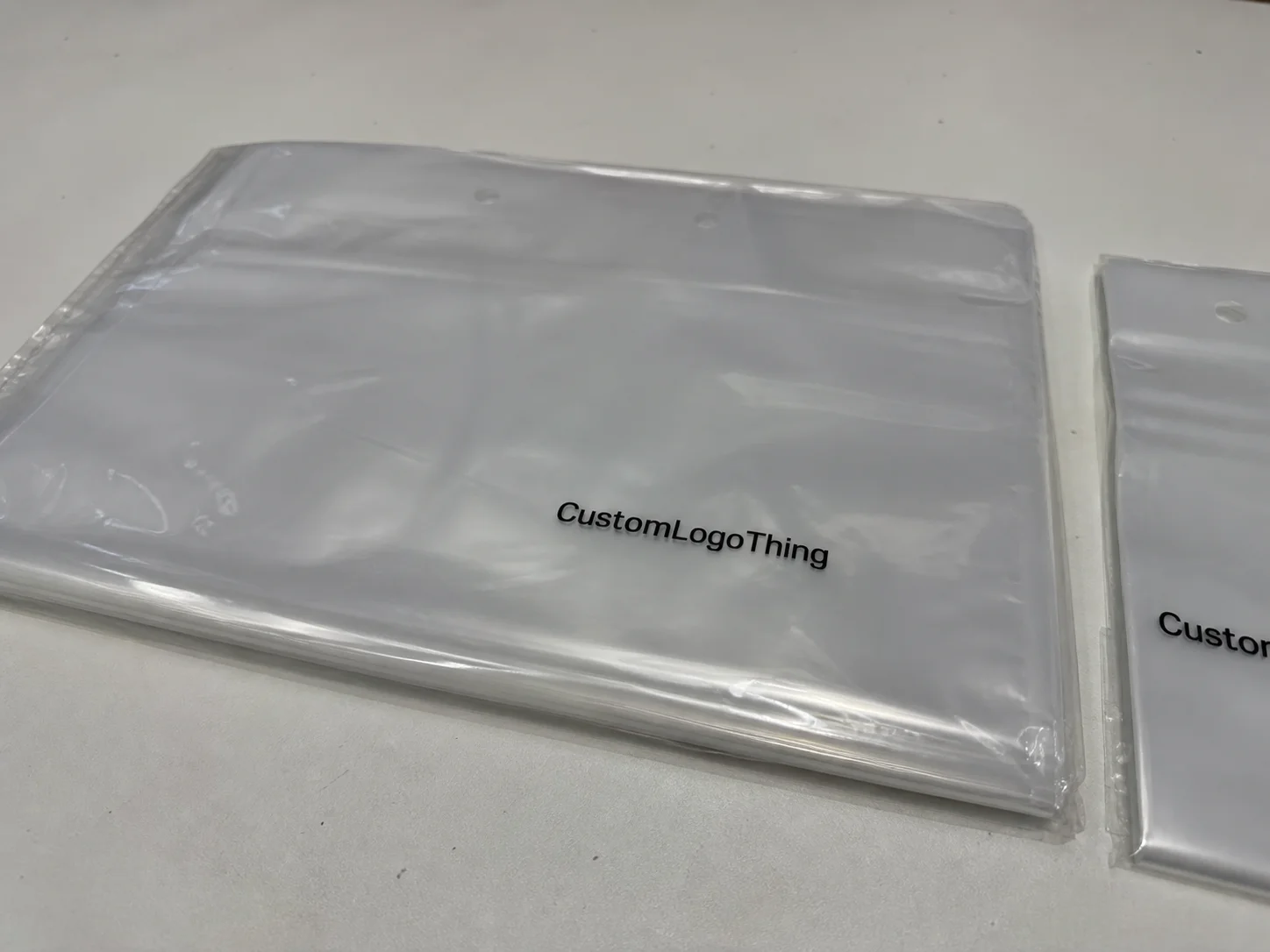
What a branded padded mailers for jewelry packaging supplier quote checklist should include
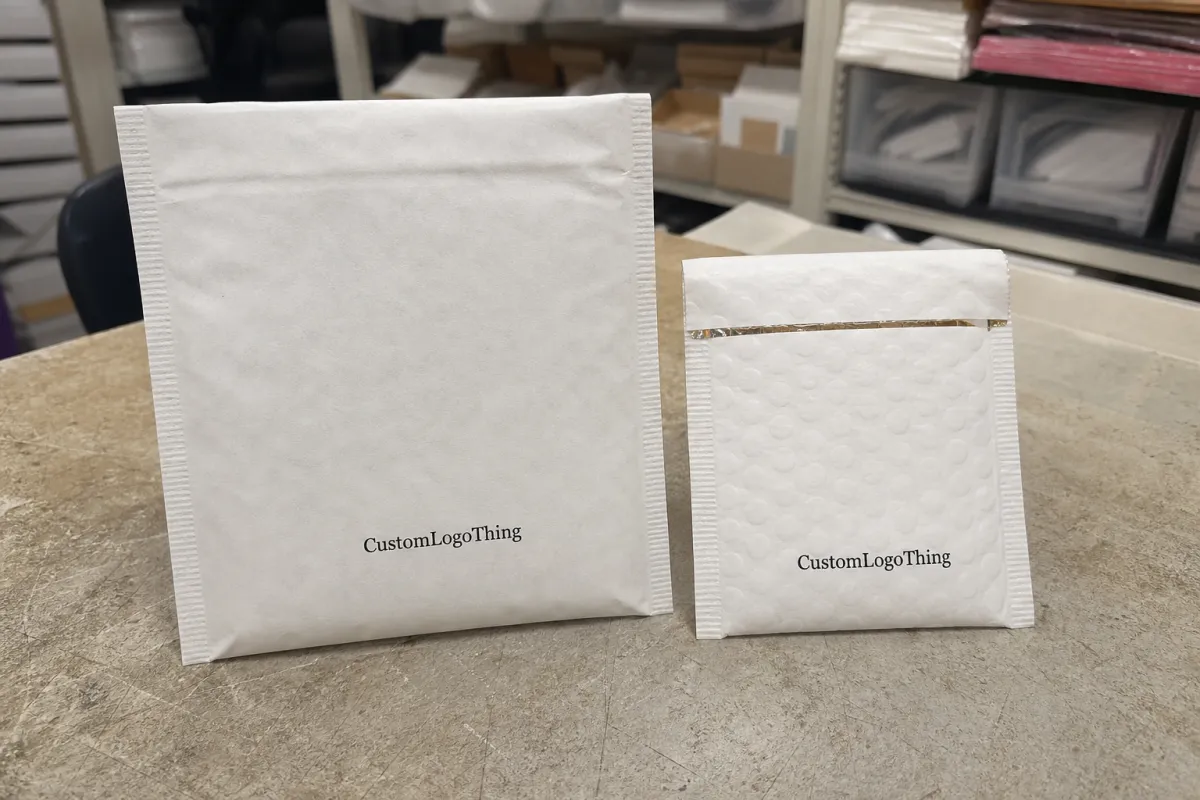
A low quote can hide expensive problems. A mailer that looks fine on screen may arrive with weak seals, a finish that scuffs in transit, or enough compression to crush a small jewelry box before it reaches the customer. For buyers comparing Branded Padded Mailers for jewelry packaging supplier quote checklist options, the real savings start with a better brief, not with a lower headline number.
The first request should force the supplier to answer specific questions. What is the finished size? What is the usable interior space after padding and seals are factored in? Which closure style is being quoted? What print coverage is included? Where is the shipment going? Those five details can move the price more than many teams expect, especially if the order crosses borders or uses a special finish.
It helps to think of the quote as a test of competence. A supplier who understands the structure, artwork limits, and shipping conditions is usually easy to work with later. A supplier who replies with a single number and vague language often leaves you filling in the blanks after approval, which is exactly where budget overruns begin.
A low unit price only matters if the mailer survives handling, keeps its print clean, and fits the jewelry presentation you already promised your customer.
If your packaging program already includes printed boxes, inserts, tissue, or paper shippers, the mailer should feel like part of the same system. Jewelry buyers notice mismatch faster than many brands expect. A warm kraft box paired with a glossy, high-contrast mailer can look intentional or accidental depending on how well the textures and inks were chosen.
A good quote checklist also asks for assumptions in writing. Quantity band, print method, substrate, freight terms, and packaging format should all be spelled out. Otherwise, one supplier may quote ex-factory, another may include ocean freight, and the third may sneak in plate or cylinder costs that do not show up until the final invoice.
That is why a checklist matters more than a brand promise. It gives each supplier the same target and makes the comparison fair. If one quote includes a stronger liner, a wider seal area, or a tighter print tolerance, you can see why the price moved instead of guessing after the fact.
Mailer construction, print, and protection details buyers compare
For jewelry, the outer face and the inner cushion both matter. A mailer may look similar across suppliers and still behave very differently once it is stacked, dropped, rubbed, or compressed in a carton. That is why the material callout should name the outer face stock or film, the padding layer, and the seal construction rather than relying on a sample photo.
Common constructions include paper-faced padded mailers, polyethylene-based mailers, and laminated structures. Each has a different feel and a different failure mode. Paper-based versions can present better for premium branding and sustainability claims, but they may show scuffing faster. Film-based mailers often resist moisture and tearing better, though they can feel less refined if the print and finish are not handled well.
Padding thickness deserves more attention than it usually gets. A 3-5 mm cushion layer is often enough for light jewelry boxes, folded cards, or small accessory kits, while heavier pieces or rigid presentation boxes may need more stiffness in the shell rather than just more padding. More foam is not always the answer; in some cases, stiffness and crush resistance do more work than soft thickness.
Print finish changes both appearance and durability. Matte tends to hide fingerprints and minor handling marks. Gloss can make color look punchier, but it may also reveal scratches faster. Metallic and dark backgrounds can look striking in a mockup, then lose contrast once ink coverage, surface texture, and light reflection are taken into account. A supplier who has to guess on those details is not really quoting a finished mailer.
For brands shipping through parcel networks, transit testing matters. Ask whether the supplier can reference an ISTA-style approach for basic handling tests, even if you are not running a full certification program. The point is not paperwork for its own sake. It is to learn whether the mailer survives compression, vibration, and abrasion without making the presentation look cheap by the time it reaches the buyer.
Environmental claims should be checked with the same discipline. If paper-based mailers are part of the brief, FSC documentation can be useful for audits and internal reporting. It does not replace performance testing, and it does not guarantee the best print result. It just keeps the sourcing story cleaner if your brand reports on material origin or recycled content.
One practical buyer check: ask how the design behaves on the exact substrate being quoted. Small type, thin borders, and reverse text often look acceptable on a proof and then soften on textured paper or stretch slightly on flexible film. A design with a clean single-color logo may be far more dependable than a decorative layout that looks better on a slide than on the production line.
Size, thickness, seal width, and artwork tolerances
Size errors are expensive because they are hard to disguise. Finished dimensions should be specified alongside the usable internal space, not just the outside measurement. A mailer can be technically correct on paper and still pinch a jewelry box, bend a flap, or leave no room for a care card and tissue wrap.
For jewelry packaging, the relationship between the mailer and the primary box matters more than either measurement alone. A slim pendant box, a ring box, and a heavier watch or chain presentation box do not create the same loading pattern. Even a 3 to 5 mm difference in internal clearance can change whether the package slides cleanly or bulges at the seams.
Seal width should be listed as a real requirement, not an afterthought. A 10-15 mm seal area is common in many branded mailers, but the right number depends on the adhesive, the stiffness of the face stock, and whether the mailer has to survive repeated warehouse handling. Too narrow, and the package may split early. Too wide, and the usable space shrinks faster than expected.
Thickness or caliper should be handled with the same discipline. Ask for a target range and a tolerance band. If the supplier cannot tell you how much variation is normal, expect the sample to feel one way and the production run to feel another. Buyers often discover that problem only after the first carton lands and the mailers stack differently than the approved sample.
Artwork tolerances create another layer of risk. Ask for bleed, trim allowance, safe print area, and limits on fine lines or reverse type. If your logo uses small text or thin strokes, ask what the smallest printable size is on that substrate. Registration drift of even 1-2 mm can push a border off-center or make a carefully placed line look uneven.
Color control is worth spelling out as well. On a custom order, the factory should say whether it is matching a Pantone reference, a previous production run, or a visual target. Those are not interchangeable. A buyer may accept slight shade movement on an outer shipper, but a jewelry brand that uses package color as part of the presentation tends to notice even modest variation.
A one-page spec sheet does most of the heavy lifting here. It should list material, finished size, internal size, closure type, print colors, artwork limits, and packaging count per carton. That single sheet prevents the awkward back-and-forth where every supplier is quoting a different object with the same product name.
For a practical comparison, think in terms of fit and failure points. If one supplier offers a mailer that is 5 mm taller, another offers a wider seal, and a third adjusts the padding thickness, those are not minor differences. They change the shipping behavior, the shelf appearance, and the usable volume. A Branded Padded Mailers for jewelry packaging supplier quote checklist only works if it exposes those trade-offs before the order is placed.
Cost, MOQ, and quote drivers that change unit price
The headline unit price is only one piece of the bill. Setup, plates or cylinders, sampling, freight, carton packout, and destination charges can alter the total enough to erase an apparent saving. Smaller orders feel this most sharply because setup costs are spread across fewer pieces.
On a 5,000-piece run, a simple one-color custom mailer may fall around $0.24-$0.38 per unit, while a more complex full-bleed version can move closer to $0.32-$0.56 per unit. FSC paper-based constructions often sit in a similar or slightly higher band, depending on face stock, print density, and the market price of paper at the time of quoting. Those numbers are planning ranges, not guarantees, but they are useful for spotting outliers.
MOQ changes the math fast. A 1,000-piece trial order can be the right call for a new jewelry line, but the unit cost may be noticeably higher because tooling and proofing are not diluted across volume. If you are testing a new finish or a new brand color, that trade-off may still make sense. A smaller first run is cheaper than sitting on the wrong format for six months.
Quantity breaks matter more than many buyers expect. A quote that drops sharply at 10,000 pieces can tempt a team into buying ahead of demand. That only works if the design will not change and the storage conditions are acceptable. Paper-based mailers stored in damp or hot warehouses can warp or lose surface quality, which turns volume savings into waste.
Freight can distort the quote if it is not separated cleanly. The same mailer shipped by sea, air, or domestic truck can produce very different landed costs. Even carton size matters, because mailers that are lightly packed but bulky can generate more shipping cost per usable unit than a denser product with a slightly higher production price.
Below is a simple comparison of common quote paths. It is not a market promise; it is a way to see where the cost usually comes from and what needs closer scrutiny.
| Quote path | Typical MOQ | Unit range | Best use | Common watchout |
|---|---|---|---|---|
| Plain stock mailer with logo label | 1,000+ | $0.18-$0.30 | Fast launch or test order | Least control over package branding |
| One-color custom printed mailer | 3,000-5,000 | $0.24-$0.38 | Stable jewelry SKU with repeat orders | Artwork limits on fine detail |
| Full-bleed printed mailer | 5,000+ | $0.32-$0.56 | Stronger branded packaging presence | Higher setup and color control needs |
| FSC paper-based padded mailer | 3,000-5,000 | $0.28-$0.44 | Sustainability-led retail packaging | Surface feel and print absorption vary |
The table only works if every supplier is pricing the same assumptions. Same size, same substrate, same print count, same closure, same packing method, same destination. Otherwise the cheapest line is often the least comparable line.
Ask for quantity breaks, but do the inventory math before chasing the lowest piece price. A lower unit cost can be a false economy if it forces overbuying or leaves you with a product that changes before the stock is used. Packaging should support sales velocity, not fight it.
Process, timeline, and approval steps from RFQ to shipment
A useful timeline starts with the RFQ and ends with delivery, but the steps in between decide whether the order stays on schedule. The usual sequence is RFQ, art review, proof, sample approval, production, packing, and shipping. If a supplier skips one of those stages in the quote, the schedule is likely softer than it looks.
Production lead time and freight time should be quoted separately. A factory may say 12-15 business days for production, but that is only half the story if artwork approval takes several days and shipping adds another week or more. A realistic schedule includes room for revisions, holidays, and the occasional delay in sign-off from a brand or retailer.
Approval control is where many projects drift. Who signs off on color? Who signs off on structure? Does the production sample override the digital proof if the two do not match? A strong supplier answers those questions in advance and documents the approved sample so there is no dispute later.
For repeat orders, ask whether the supplier retains a master reference for the approved build. That includes the print file version, material spec, and physical sample if possible. Consistency matters because a jewelry brand usually wants the second order to look like the first, not like a cousin of the first.
Packing method is another overlooked detail. Inner cartons, carton count, palletization, moisture barrier, and edge protection all affect the condition of the mailers on arrival. Light, flexible products can arrive damaged if they are packed too loosely. A good-looking print finish is wasted if the cartons rub against each other in transit and leave visible marks.
Timelines also depend on where the order is moving through the supply chain. A domestic replenishment order behaves differently from an import order with customs clearance and port congestion. If the quote only gives one date without separating production from transit, you do not yet have a schedule you can trust.
How to compare suppliers beyond the lowest price
The strongest quote usually explains itself. It shows the spec, the assumptions, the quantity break, and the timing without making the buyer decode the numbers. The weakest quote relies on a vague price and expects the customer to sort out the rest after approval.
Response quality is a useful signal. Did the supplier answer the size question directly? Did they state whether the print is one-side or full coverage? Did they identify the closure style and the material build? Those are simple tests, but they reveal whether the supplier understands the commercial side of packaging or is just forwarding a generic template.
Process control matters just as much. Ask about sample policy, proof approval, and acceptable color variance. Ask what happens if the sample and the run do not match. A supplier that can describe how they reduce scuffing, seal failure, and carton damage is usually thinking about the full journey, not just the factory floor.
Repeat-order consistency is easy to ignore during the first purchase and hard to ignore later. Can the supplier keep the same face stock, same padding, same ink system, and same seal quality on the next run? That question matters more than a small discount because packaging inconsistency tends to show up exactly where it hurts: at the customer opening the parcel.
Compare the supplier's answer against the rest of your packaging line. If your boxes, tissue, inserts, and outer mailers are sourced separately, the mailer still needs to fit the system. The color may not be identical across materials, but the temperature, contrast, and finish should feel intentional rather than accidental.
There is also a practical limit to how much complexity a packaging program should carry. Multiple materials, too many finishes, and mixed print systems can make replenishment slow and increase the risk of mismatched lots. A simpler construction with reliable print behavior often outperforms a more elaborate design that is difficult to repeat.
For jewelry, presentation and protection pull in different directions. A mailer that looks luxurious but fails in the parcel stream is a bad trade. A mailer that is rugged but visually dull may protect the product while weakening the brand story. The best quote usually lands in the middle, where the finish is controlled, the structure is proven, and the price reflects the real level of complexity rather than an optimistic guess.
By the time the comparison is done, you should know which supplier quoted a working specification and which one quoted a loose idea. That distinction saves more money than a narrow unit-price spread. It also makes the next order easier, because a clear spec turns a repeat purchase into a repeatable process instead of a fresh negotiation.
FAQ
What do I need for a branded padded mailers for jewelry packaging supplier quote?
Give the supplier the finished size, internal size, quantity range, artwork files, number of print colors, closure preference, material target, and ship-to location. If you need freight included, say so clearly and ask for that cost to be separated from production. The more exact the brief, the more useful the quote becomes on the first pass.
How do MOQ and unit cost change for custom jewelry padded mailers?
Lower MOQ usually means a higher unit price because setup, proofing, and production time are spread across fewer pieces. Larger runs reduce the per-piece price, but only if the design stays stable and storage is practical. A quantity break is useful only if the inventory will not sit long enough to become a liability.
What lead time should I expect for branded padded mailers?
Lead time depends on proof approval, print complexity, material availability, and the factory schedule. A production estimate may show 12-15 business days, but that still leaves sample approval and shipping time. If a supplier cannot separate those steps, the arrival date is not really fixed.
Can I review a sample before I place a jewelry mailer order?
Yes, and you should. A flat sample or pre-production proof helps verify size, seal, finish, print placement, and the way the mailer folds under pressure. It is the fastest way to catch a mismatch before the full run starts.
Which material details matter most for padded mailers used in jewelry packaging?
Start with the outer face stock or film, the padding layer, and the closure strength. Then check print adhesion, finish durability, and how the material handles handling marks or scuffing. Those are the details that decide whether the mailer feels premium after shipping or only looks good in a mockup.
How do I use a branded padded mailers for jewelry packaging supplier quote checklist without overcomplicating the order?
Keep the checklist focused on the variables that change price, fit, and performance: size, material, print, seal, quantity, and delivery terms. If a question does not affect one of those areas, it probably does not need to be negotiated in the first round. The point is clarity, not paperwork for its own sake.