Buyer Fit Snapshot
| Best fit | Branded Padded Mailers for Sample Kits Factory Audit Qs projects where brand print, material claims, artwork control, MOQ, and repeat-order consistency need to be specified before quoting. |
|---|---|
| Quote inputs | Share finished size, material target, print colors, finish, packing count, annual reorder estimate, ship-to region, and any compliance wording. |
| Proofing check | Approve dieline scale, logo placement, barcode or warning zones, color tolerance, closure strength, and carton packing before bulk production. |
| Main risk | Vague material claims, crowded artwork, missing packing details, or unclear freight terms can make a low unit price expensive after revisions. |
Fast answer: Branded Padded Mailers for Sample Kits Factory Audit Qs should be specified like a repeatable production item. The safest quote records material, print method, finish, Artwork Proof, Packing Count, and reorder notes in one written spec.
Production checks before approval
Compare the actual filled-product size with the drawing, then confirm tolerance on folds, seals, hang holes, label areas, and retail display edges. Reserve space for logos, QR codes, warning copy, and material claims before decorative graphics fill the panel.
Quote comparison points
Review material grade, print process, finish, sampling route, tooling charges, carton quantity, and freight assumptions side by side. A quote is only useful when the supplier can repeat the same color, closure quality, and packing count on the next order.
Branded Padded Mailers for Sample kits factory audit questions usually get answered before the first carton leaves the warehouse. That surprises a lot of buyers. Packaging condition gets read as process control. A scuffed mailer, a weak seal, or a fuzzy logo can make a factory look sloppy even if the sample inside is perfect.
Sample kit mailers sit in a strange middle ground. They need to protect fragile contents, show the brand cleanly, and give the factory enough measurable detail to approve the spec without guessing. Buyers want the unboxing to feel polished. The factory wants something repeatable, testable, and boring in the best possible way. Same size. Same seal. Same print. No surprises.
For packaging teams, the real question is not whether the mailer looks sharp in a render. It is whether the structure, print method, closure, and pack-out can survive review from quality, sourcing, and production at the same time. If you are comparing formats, the broader Custom Packaging Products catalog and the Custom Poly Mailers page can help you see where padded mailers fit among the other shipping options.
A sample mailer does not need to be fancy. It needs to be predictable. Predictable size, predictable seal, predictable print, predictable damage rate.
Branded Padded Mailers for Sample Kits: Why Factory Audits Care
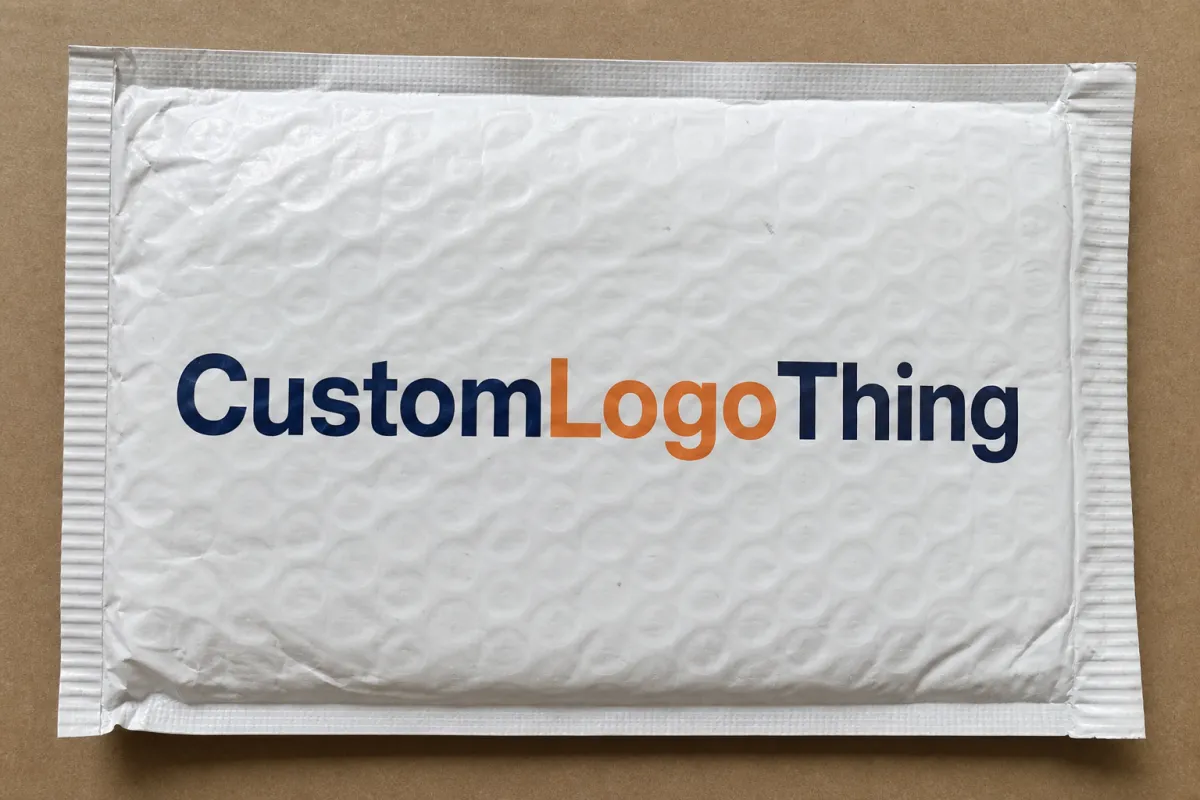
Factory audits are not only about machines and certificates. They are about whether a supplier can make the same thing twice, then twenty times, then 2,000 times without drifting off spec. Packaging gives auditors a fast read on that discipline. An uneven print, a sloppy seal, or inconsistent padding hints at weak process control even when the product itself is fine.
That is why Branded Padded Mailers for Sample kits draw more scrutiny than many teams expect. They are small, but they reveal a lot. A mailer has to match the sample dimensions, protect the contents in transit, and present the brand well enough that the receiver sees quality before the package is even opened. Miss any of that, and the audit conversation shifts from branding to reliability. Fast.
From a buyer's point of view, the tension is obvious. A premium sample-kit presentation can lift perceived value, especially for cosmetics, supplements, apparel trims, electronics accessories, or contract manufacturing samples. The nicer the structure looks, the more questions the factory asks. Can we source the same material again? Will the print stay consistent? Can the line pack it fast enough? Does the adhesive still close cleanly in humid storage? Those are practical questions, not aesthetic ones.
Audit questions usually start with a short chain of logic:
- What is the mailer made of?
- How much protection does the padding provide?
- How is the logo printed, and will it rub off?
- What size tolerance keeps the sample kit from shifting?
- How many units fit in a master carton, and how stable is that pack-out?
That last point gets ignored more often than it should. A mailer that looks great as a single sample can turn into a nuisance if it bulges in the carton, slows packing, or forces workers to press too hard on the closure. The factory sees process risk. Not charm. Not brand story. Process risk. If you want a cleaner approval path, the design has to be simple enough to repeat and specific enough to verify.
Two standards tend to show up in the background of these reviews. One is ISTA test methods, which are widely used for transit simulation and distribution testing. The other is paper sourcing documentation tied to FSC chain-of-custody requirements. A factory may not mention them every day, but auditors and brand teams ask for them a lot when sample kits move through retail, wholesale, or regulated channels.
So yes, the visual side matters. The visual side is only half the story. A branded padded mailer is also a miniature proof of your supply chain discipline. If the pack is clear, tidy, and consistent, the audit feels easier. If it looks improvised, the questions get sharper.
How Branded Padded Mailers for Sample Kits Work in Transit
A sample-kit mailer usually has four structural pieces: the printed outer shell, the padding layer, the closure system, and the internal fit. Each one solves a different problem. The outer shell carries the brand and resists scuffing. The padding absorbs shock. The closure keeps the kit shut during handling. The internal fit stops the contents from sliding, bending, or punching through the side.
That structure is simple. The details are where projects win or crash. An outer shell made from paperboard behaves differently from one made from coated paper or poly film. A padding layer built from kraft air cushioning will not perform like molded pulp or a bubble liner. A self-seal adhesive strip can be solid in dry storage and less forgiving in hot, dusty, or humid conditions. The factory knows these differences and will ask about them quickly.
For sample kits that need a cleaner presentation, a common build is a 350gsm C1S artboard outer with an internal paper pad or 2.5mm to 3mm corrugated cushion. That is not luxury packaging. It is just enough structure to keep flat inserts, sachets, swatches, or compact accessory sets from sliding around like they own the place. If the kit needs a stronger shell, a 400gsm board or a laminated duplex board can tighten up the feel without turning the mailer into a brick.
In transit, the mailer is fighting three common threats.
First, crushing. Postal routes, pallet stacking, and parcel hubs compress packaging. If the mailer has weak board caliper or poor edge support, the samples can deform even when the outer artwork still looks fine. A mailer built from 350gsm C1S artboard can be perfectly acceptable for light sample sets, but once the contents get heavier or more rigid, the board alone may not be enough. That is where corner support and tighter pack-out matter.
Second, scuffing. A glossy logo, a soft-touch coating, or a dark ink area can show abrasion after only a few passes through sorting equipment. That is why print durability matters as much as design sharpness. A logo that looks rich on a proof can look tired after one transit cycle. That is a rude little surprise nobody needs. A matte aqueous finish usually hides wear better than a high-gloss varnish, while soft-touch coatings can look premium but show handling marks faster.
Third, moisture exposure. Not every route is wet, but enough are humid, cold, or unpredictable that moisture resistance deserves attention. Even light dampness can affect adhesives, paper stiffness, and the feel of premium sample kits. For some products, a basic paper mailer is fine. For others, a poly or laminated structure is the safer call. A 50 to 70 micron poly outer with a bubble liner is common when moisture is a real concern.
Another reason factories like mailers that are easy to standardize: consistent size means consistent line handling. Consistent seal strength means fewer rejects. Consistent print placement means faster visual inspection. Put differently, the mailer doubles as a test of whether the supplier can hold a process window. A team that can keep the mailer within tolerance is usually a safer bet for the rest of the run.
That is why pack-out validation matters before production. A quick check on the closure type, material thickness, and carton count can expose problems early. If the kit includes multiple pieces, test the heaviest version, not the idealized one. If the mailer sits on the edge of its dimensional limit, remember that paperboard swells, film flexes, and inserts shift when temperatures change. Small movements become big annoyances once they hit the carrier network.
For sample kits with fragile finishes, think like an auditor. The question is not whether the mailer survives a desk handoff. The question is whether it survives a realistic distribution path with enough margin to avoid damage claims, repacks, and rework. That is the real measure of a protective mailer.
Key Factors That Influence Audit Approval
Approval usually comes down to measurable details, not vague branding language. A factory can work with a premium look if the spec sheet is precise. It struggles when the request says "nice padding" or "good quality" without defining what that means. The more exact the specification, the fewer surprises later.
Material selection is the first filter. Paperboard feel, film thickness, padding density, and surface finish all influence how the mailer performs. If the sample contents are light and flat, a modest structure may be enough. If the contents include sharp corners, glass, metal, or dense components, the mailer may need a thicker wall, better edge protection, or a custom insert. A mismatch here usually shows up first in fit, then in damage, then in the audit report.
For a paper-based premium sample kit, a factory may ask for a paper outer such as 350gsm C1S artboard, a 1.5mm to 2mm greyboard insert, or a 250gsm uncoated liner paired with a 3mm paper cushion. Those numbers are not decorative. They tell the production team whether the kit can be folded, glued, packed, and shipped without collapsing at the seams.
Print method is the next issue. Flexographic, digital, offset, and screen printing each behave differently. A logo with fine lines may look cleaner on one substrate than another. A solid color block may rub differently on paper versus film. If color consistency matters, request the proof on the actual material, not just a digital rendering. Screens lie. Production surfaces do not. If the brand uses multiple colors, ask for a simple tolerance target such as Delta E within a reasonable range agreed during proofing instead of relying on "close enough."
Dimensional tolerance can make or break approval. A mailer that is technically the right size but too tight to close cleanly is not acceptable. One that is too loose allows the sample to rattle, crease, or wear through an edge. A tolerance band of a few millimeters can be the difference between a neat presentation and a rejected kit. Tiny gap. Big headache. For most sample kits, a finished size tolerance of about +/- 2 mm to +/- 3 mm is a practical starting point, then tightened or relaxed based on the insert and contents.
Product mix is another factor. A flat swatch set is easy. A mixed sample kit with labels, bottles, cartons, inserts, and a thank-you card is more complex. Heavy or sharp-edged samples may require a die-cut insert, reinforced corners, or a secondary pouch. If the internal components are not stable, the mailer fails as a system, even if the outer shell is attractive.
Documentation is where many suppliers lose points. Auditors like paper trails they can verify: dielines, material specs, closure specs, carton pack-out counts, test criteria, and approved artwork files. They do not want a narrative. They want numbers. A clear spec sheet with stated caliper, print coverage, adhesive type, and target weight cuts back-and-forth and speeds signoff. A straightforward spec might list 350gsm C1S artboard, 40mm peel-and-seal flap, water-based ink, and a target net weight per unit if the factory wants a tighter costing model.
Here is the kind of audit-ready detail a buyer should expect to provide before approval:
- Finished dimensions and acceptable tolerance band
- Outer material and padding specification
- Closure type and seal width
- Logo placement and color target
- Sample weight, shape, and any fragile parts
- Pack-out count per carton and master carton dimensions
- Transit test method, such as an ISTA or ASTM-based protocol
If sustainability is part of the review, ask for clear sourcing claims instead of generic marketing language. FSC-certified paper can help when the brand wants documented chain-of-custody, but the claim should match the actual bill of materials. A factory auditor will trust paperwork more than a polished sales pitch. Usually a good instinct.
The best approvals happen when the mailer is treated as a repeatable manufacturing item, not a one-off creative project. That changes the conversation. Instead of "Does it look premium?", the team asks "Can we hold this spec across the run?" That is a much better question. It leads to better decisions and fewer late-night emails.
Cost, Pricing, MOQ, and Quote Drivers
Pricing for branded sample-kit mailers moves faster than many buyers expect. The biggest drivers are size, substrate, print coverage, padding type, sealing method, and any custom inserts. Add a second print color or a specialty coating, and the quote shifts. Add a die-cut insert for a delicate sample, and the economics change again.
The rough rule is simple: the more custom the structure, the higher the setup cost. That is why MOQ matters. At low quantities, the factory has to spread art setup, tooling, and proofing over fewer pieces. At higher quantities, those fixed costs get diluted and the unit price drops. A quote that looks cheap at 500 units can look less charming once setup charges and freight land on the invoice.
For planning purposes, many buyers see custom sample-kit mailers start around 1,000 to 3,000 units, though a simple spec can sometimes be done at lower volumes. At 5,000 pieces, a straightforward paper padded mailer with limited print coverage might land around $0.15-$0.24 per unit if the structure is simple and the artwork is modest. A more premium build with a 350gsm C1S artboard outer, heavier protection, or more print coverage can run about $0.28-$0.55 per unit. Add a custom insert, specialty finish, or multiple print passes, and the range can move into $0.60-$1.20 per unit or higher, depending on the structure and supplier.
That is why quote comparison needs discipline. Ask every supplier to price the same dimensions, the same material, the same artwork coverage, and the same carton pack-out. Without that, you are not comparing prices. You are comparing assumptions. Assumptions are how budgets quietly go sideways.
| Mailer option | Typical spec | Indicative unit cost at 5,000 pcs | Best use case | Main audit watch-out |
|---|---|---|---|---|
| Paper padded mailer | 200gsm to 250gsm outer with paper cushioning | $0.15-$0.24 | Light sample kits, flat inserts, swatches | Seal strength, edge scuffing, and carton crush resistance |
| Poly bubble mailer | 50 to 70 micron outer film with bubble liner | $0.18-$0.34 | Lower-cost shipping and moisture resistance | Logo abrasion and recycled-content claims |
| Rigid chipboard mailer | 350gsm C1S artboard with 1.5mm to 2mm greyboard or tight creasing | $0.32-$0.68 | Premium presentation and flat samples | Fit tolerance and folding accuracy |
| Mailer with custom insert | Mailer plus die-cut paperboard or pulp insert | $0.60-$1.20 | Mixed-component or fragile sample kits | Insert alignment and pack-out repeatability |
Hidden costs deserve just as much attention. Artwork setup fees can look small, then jump when there are multiple print surfaces or color changes. Plates or tooling may apply to certain print methods. Sampling can require one prototype, then a second if the first structure misses the fit. Freight can distort the final landed cost, especially on large or bulky mailers. If the proof fails, rework can erase the savings from the first quote in a hurry.
That is why the right metric is not unit cost alone. It is the total cost of getting a passed sample kit into circulation without damage or delay. If a slightly higher-priced mailer prevents a replacement shipment, cuts customer service time, and keeps the audit clean, it is probably the cheaper choice in real terms.
For teams who need a broader view of available structures, it can help to compare sample-kit mailers with the rest of your packaging mix. The Case Studies page is useful for seeing how other buyers balance print, durability, and freight. That context often shows where a premium structure actually pays for itself.
Process, Timeline, and Lead Time for Factory Approval
Approval runs faster when the process is structured from the start. Most projects move through the same sequence: define the sample kit, gather specs, request a prototype, review the proof, approve pre-production, and then release the full run. That sounds linear. In practice, the timeline stretches any time more than one team needs to sign off.
- Define the kit. List every item going inside the mailer, along with weight, dimensions, and fragility.
- Collect the spec. Confirm outer material, padding type, closure style, print method, and target carton count.
- Request a prototype. Ask for a physical sample, not just a rendered proof.
- Test the fit. Pack the actual contents, close the mailer, and check for bulging, movement, or sealing issues.
- Review transit risk. Run a basic drop or handling simulation if the kit is valuable or fragile.
- Approve production. Lock artwork, structure, and pack-out only after the physical sample passes review.
Lead time is usually shaped by three things: artwork revisions, structural changes, and test cycles. The factory's run schedule matters, of course, but most delays happen before the line starts. A project that is clean on day one can often move from proof approval to production in about 12 to 15 business days, depending on complexity and capacity. Simple reorders can be quicker if the spec is locked and the artwork is unchanged. Projects with new tooling, multiple revisions, or a difficult material can take longer. Sometimes a lot longer. Packaging has a funny way of punishing optimism.
The pre-production sample is the smartest point in the process. It exposes fit problems, print errors, and closure issues while there is still time to fix them. A digital proof cannot tell you whether the mailer closes too tightly. It cannot show whether the ink scratches on the surface coating. It cannot prove whether a bundle of components shifts when the carton tips on its side. Only a real sample can do that.
That is also where test protocols matter. If the sample is delicate, ask for a transit check aligned with a recognized method such as an ISTA-based sequence or an ASTM D4169 style distribution test. You do not need to turn every project into a lab exercise, but you do need a common language for risk. Without one, the approval discussion becomes subjective very quickly.
Build buffer time into the schedule for reproofs, freight delays, and final validation. A rushed approval is the fastest way to create a failed audit, because people start accepting "close enough" instead of "within spec." Close enough is not a manufacturing standard. It is a headache with a shipping label on it.
If the kit is tied to a launch, a pitch, or a retailer review, send the factory a one-page checklist with the essentials: dimensions, materials, print coverage, seal type, pack-out, and test criteria. That single document can save days of clarification. It also keeps the approval trail clean when purchasing, quality, and marketing all review the same package.
Common Mistakes Buyers Make Before Ordering
The first mistake is treating branding as decoration only. A strong logo cannot rescue a mailer that crushes, tears, or opens in transit. If the structure is weak, the brand looks careless. In audit terms, that is the worst signal possible because it says the buyer cared more about appearance than control.
The second mistake is approving artwork before confirming structure. That order feels natural because the design is visible and the fit is abstract. The structure determines whether the sample actually works, though. If the mailer is too narrow, too shallow, or too stiff, the artwork may need to move anyway. It is more efficient to solve the physical fit first, then finalize the graphics.
The third mistake is using vague language. "Premium padding" means different things to different people. So does "good seal" or "durable finish." Those phrases do not help a factory estimate material, cost, or performance. A better spec names the padding thickness, the closure type, the print method, and the expected handling conditions. Precision is not bureaucracy here. It is insurance against error.
The fourth mistake is skipping pack-out tests. A mailer can look perfect as a single flat sample and still fail when packed with the actual contents. The weight distribution may shift. The flap may not close. An insert may slide. The product may press against a seam. Those are not edge cases. They are common failure points, especially with mixed sample kits.
The fifth mistake is ignoring transit simulation. Even a basic handling test can reveal whether the kit survives a short drop, a corner hit, or a compressed stack. If the cost of the sample kit is significant, the test is cheap by comparison. Replacing damaged kits after launch is far more expensive than validating the package first.
The sixth mistake is underestimating lead time. Teams often count only the factory's production window and forget the revision loop. That creates rushed approvals, which increases the odds of a failed audit or a rushed rework. A buyer who wants speed needs discipline earlier in the process, not just optimism in the final week.
One practical way to avoid those mistakes is to compare your sample mailer against a cleaner benchmark. The FAQ page can help your team clarify common order questions before the factory starts preparing samples. It is a small step, but small steps often prevent the expensive errors.
And if your current project feels too complex for a standard mailer, that is a signal to simplify the structure or move to a different format. A good sample kit should survive review without requiring the factory to make heroic assumptions. If it needs heroics, the spec is not ready.
Expert Tips and Next Steps Before You Place the Order
Start with an audit packet. It does not need to be fancy, but it should be complete. Include the dieline, artwork files, material spec, closure spec, carton count, target weight, and test criteria. Add a note on what matters most: presentation, shipping durability, moisture resistance, or total landed cost. That one page gives the factory a better target than a scattered email thread ever will.
Ask for cross-functional signoff before the factory starts production. Procurement cares about price. Quality cares about consistency. Marketing cares about color and logo placement. Fulfillment cares about pack speed and carton efficiency. If those groups disagree after the order is underway, the delay usually lands on the buyer, not the supplier. A short alignment meeting early is cheaper than a long correction cycle later.
Compare landed cost, not just unit cost. Freight, sampling, damage rates, and rework can shift the economics more than a few cents on the quote. For small or high-value sample kits, an upgrade in structure may actually lower total cost because it prevents replacements and customer complaints. The cheapest mailer is not always the cheapest program.
If you are deciding between a paper-based mailer and a film-based option, think about the actual route. Humid storage, postal abrasion, and long-distance freight all favor a more protective structure. If the kit is mostly flat and the brand wants a softer tactile feel, a paper padded mailer may be the right compromise. If the contents are light and water exposure is the bigger risk, a poly structure may be more practical. Neither is universally best.
For teams that want examples before they commit, the Case Studies page can show how other buyers handled fit, print, and freight tradeoffs in real packaging programs. That sort of context is useful because it turns a theoretical decision into a purchasing comparison.
And if the sample-kit project is part of a larger packaging refresh, compare it against the rest of your lineup so the brand system stays coherent. The sample mailer should feel related to your cartons, inserts, and shipping envelopes, not disconnected from them. A well-planned family of packaging formats makes audits easier because the logic is visible across the range.
One more practical step: request a sample before placing the full order. Even a simple prototype can reveal a better closure, a cleaner fold, or a more stable insert. That is the point where many teams realize that a small structural change will save them from a lot of downstream trouble. It is usually worth the extra round.
Branded Padded Mailers for Sample Kits factory audit questions are manageable when the project is built around measurable decisions: material, fit, closure, print, pack-out, and test criteria. Get those right, and the mailer does more than carry samples. It supports audit readiness, lowers damage risk, and gives the factory a cleaner path to approval. The practical takeaway is simple: lock the spec on paper, then test the heaviest real kit in the actual mailer before you release production. If that version passes, the approval process gets a lot less dramatic.
What do factory audit questions for branded padded mailers for sample kits usually cover?
They usually focus on material thickness, print consistency, closure strength, carton pack-out, and whether the design matches the sample weight and dimensions. Auditors also want proof that the mailer can survive handling and transit without damaging the kit or creating presentation issues. If the build uses a 350gsm C1S artboard outer, a 40mm peel-and-seal flap, or a bubble liner, expect those details to show up in the review.
How do branded padded mailers for sample kits affect unit cost and MOQ?
More print coverage, thicker materials, and custom inserts usually raise unit cost, while higher MOQs spread setup costs across more pieces. At 5,000 pieces, a simple paper padded mailer may run about $0.15-$0.24 per unit, while a more premium rigid build can sit closer to $0.32-$0.68 per unit. If you want a lower quote, keep the structure simple and compare the same spec across suppliers instead of comparing loosely defined options.
What lead time should I expect for branded padded mailers after approval?
Lead time depends on artwork changes, sample approval speed, factory capacity, and freight method. A smooth project often moves from proof approval to production in about 12 to 15 business days. New tooling, multiple revisions, or special finishes can push that longer. The fastest projects are the ones where the dieline, color specs, and pack-out requirements are already locked before production starts.
Which materials work best for sample-kit mailers that need to pass factory review?
Choose materials that balance stiffness, cushioning, and print quality, then match them to the fragility of the samples inside. Factories tend to prefer options with clear spec sheets because they are easier to test, repeat, and document during audit review. A common setup is 350gsm C1S artboard with paper cushioning for flat kits, or 50 to 70 micron poly with bubble liner for moisture-prone routes.
How can I lower damage risk without pushing the quote too high?
Focus on the highest-risk failure points first: closure strength, edge protection, and internal fit. A small upgrade in structure or padding can prevent costly replacements, which often matters more than shaving a few cents off unit price. If the kit is heavy or fragile, spend the money on fit and protection before adding decorative print coverage.