Buyer Fit Snapshot
| Best fit | Custom Padded Mailers for Sample Kits Reorder projects where brand print, material claims, artwork control, MOQ, and repeat-order consistency need to be specified before quoting. |
|---|---|
| Quote inputs | Share finished size, material target, print colors, finish, packing count, annual reorder estimate, ship-to region, and any compliance wording. |
| Proofing check | Approve dieline scale, logo placement, barcode or warning zones, color tolerance, closure strength, and carton packing before bulk production. |
| Main risk | Vague material claims, crowded artwork, missing packing details, or unclear freight terms can make a low unit price expensive after revisions. |
Fast answer: Custom Padded Mailers for Sample Kits Reorder: Film, Print, MOQ, and Carton Packing should be specified like a repeatable production item. The safest quote records material, print method, finish, Artwork Proof, Packing Count, and reorder notes in one written spec.
Production checks before approval
Compare the actual filled-product size with the drawing, then confirm tolerance on folds, seals, hang holes, label areas, and retail display edges. Reserve space for logos, QR codes, warning copy, and material claims before decorative graphics fill the panel.
Quote comparison points
Review material grade, print process, finish, sampling route, tooling charges, carton quantity, and freight assumptions side by side. A quote is only useful when the supplier can repeat the same color, closure quality, and packing count on the next order.
Custom Padded Mailers for Sample Kits Reorder Guide
Most sample kit delays do not start with the samples. They start with the packaging. The mailers run out. The insert changes by a quarter inch. Someone opens an old artwork file named final-final-v7, which is apparently a filing system now. If you use custom Padded Mailers for Sample kits, the reorder plan matters as much as the design. Miss that part and the launch slips, the promo window shrinks, the sales team gets loud, and rush freight eats margin like it has a bonus plan.
This Custom Padded Mailers for Sample kits reorder planning guide focuses on the parts buyers actually use: what to reorder, which specs to lock, how to compare quotes, and how long a real production cycle takes. The point is simple. Keep the kit consistent. Keep the ship date safe. Stop rebuilding the same order from scratch every time inventory gets thin.
Why Sample Kit Reorders Fail Before The Samples
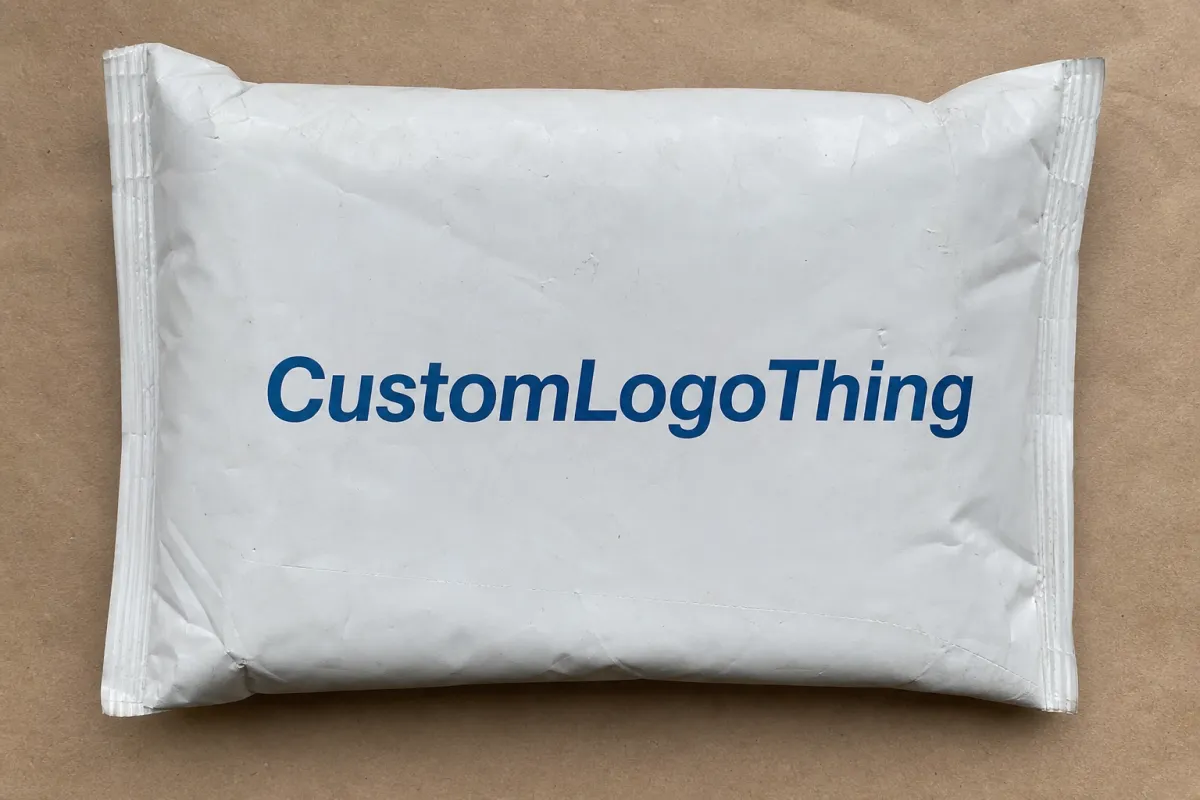
The surprise is rarely the sample itself. It is the mailer, box, insert, or outer wrap that should have been reordered two weeks earlier. That is why custom Padded Mailers for Sample Kits belong in the supply plan, not just the shipping plan. Once the mailers are gone, the whole program stalls. Sales cannot send follow-up kits. Marketing misses the launch. Operations starts paying for emergency freight to rescue a calendar that was already too tight.
One shortage starts a chain reaction. The launch moves. The promo window shrinks. The field team asks for exceptions. Someone approves expensive quick-turn freight just to keep the line moving. A small packaging miss can burn through margin fast. On smaller programs, the rush shipment can cost more than the print upgrade everybody argued about for three meetings.
Sample kits are sensitive because they do not travel alone. They carry cards, inserts, vials, swatches, adapters, tasting packs, demo parts, and tiny pieces that somehow multiply when nobody is looking. A padded mailer protects the contents, keeps the package looking intentional, and cuts down on returns caused by bent edges, crushed corners, or loose parts rattling around inside. Nobody remembers a beautiful sample if it arrives in a tired envelope.
From a packaging buyer's point of view, the right reorder is about control. Same fit. Same print quality. Same closure strength. Same pack-out every time. A custom padded mailers for sample kits reorder planning guide should start with inventory discipline, not design inspiration. The work is not glamorous. It is useful. Useful packaging pays for itself by not failing at the worst moment.
If a sample kit gets judged by a rep, a retailer, and a customer in the same week, the mailer has to survive all three without looking worn out.
That is the real test. Not whether the mockup looked good on a slide. Whether the package still works after it gets stacked, tossed, labeled, and handed across a counter at the end of a long shipping lane.
Custom Padded Mailers For Sample Kits Reorder Planning Guide
Custom padded mailers come in more variations than most teams expect. The outer face can be kraft paper, white paper, or a film-laminate exterior. The inner layer may be paper padding, bubble-style cushioning, or a lighter protective layer meant for basic scuff resistance. Closure style matters too. Peel-and-seal is common for speed. Tamper-evident adhesive helps when the kit includes small parts or branded inserts that need to stay put.
The right construction depends on what sits inside the sample kit. Beauty samples usually need a clean, polished look with enough padding to protect glass droppers or delicate jars. A common build is a 6 x 9 inch mailer with a 3/16 inch paper bubble liner and a one-color logo on the face. Apparel swatches and fabric cards need less crush resistance, but they still benefit from a tighter fit so the contents do not slide around. Food tastings, tech accessories, and sales demo kits often need a different balance of protection, shelf appeal, and postage control. Some of those kits belong in custom printed boxes. Others belong in padded mailers because the lighter format keeps shipping costs from wandering off.
Size is where many reorder plans go sideways. A mailer that is one inch too wide can push postage into a higher tier. A mailer that is too tall can force the insert to fold or shift. The target is the smallest size that fits cleanly, with enough room for the product, any card or insert, and a little tolerance for packing variation. That sounds basic. It is still where most waste happens.
Branding choices affect the reorder too. Printed logos, seasonal graphics, interior messaging, matte or gloss finish, and even padding color all change the look of the kit. In branded packaging, consistency matters more than cleverness. If the artwork changes every time someone updates a campaign deck, the reorder process gets messy fast. Keep the core design stable, then swap only the pieces that actually need to change.
A good rule: document the exact kit contents before the first production run is finished. List every insert, card, sample unit, pouch, and closure component. A small change in contents can force a mailer size change, a closure change, or a new insert layout. It is far easier to update the spec sheet once than to explain to procurement why the second order no longer fits the same product packaging formula.
- Protective fit: use enough padding to stop movement, but not so much that the kit balloons in size.
- Presentation: pick a finish that matches the brand, whether the look should feel premium, technical, or retail packaging-friendly.
- Postage control: tighter dimensions usually reduce dimensional weight and lower shipping cost.
- Reorder stability: keep artwork and structure stable so the next run does not trigger a new approval cycle.
From a purchasing standpoint, package branding becomes practical here. A mailer that looks good and packs fast is doing real work. One that looks clever but changes every quarter is just creating admin for the people who have to ship it.
Specifications To Confirm Before You Reorder
If the first run worked, do not assume the next one will just because the supplier has a prior file. Reorders go smoothly when the spec sheet is complete. Lock down the basics: internal dimensions, usable opening width, padding thickness, closure strength, print area, and any bleed or safe zone requirements. If those details are not in writing, somebody will guess. Guessing is expensive.
Measure the packed kit, not just the sample product. That sounds obvious until a thick insert, a folded instruction card, or a small protective pouch makes the fit tighter than expected. A mailer that looks roomy in a flat sample can turn awkward once the real contents go in. The safest move is to test with the actual packed unit, not a spreadsheet approximation.
Performance checks matter too. Ask about moisture resistance, puncture resistance, tear strength, adhesive quality, and whether the mailer stays closed during hand packing or automated pack-out. If the kit contains glass, liquids, or fragile components, the supplier should be able to talk about transit testing without fumbling around. For transport test methods, ISTA is the right place to look for a standard reference point. It beats a vague promise that the mailer is "strong enough."
If your design uses paper-based materials and you plan to make sourcing claims, do not wing it. Verify whether the material and chain-of-custody setup support the statement you want to make. The FSC system is the reference point for certified fiber sourcing, not a loose green badge somebody dropped into a proof file. Brands get stuck when the packaging claim is looser than the paperwork.
One useful starting spec for inserts or stiffeners is 350gsm C1S artboard, especially when the kit needs a clean printed card that still holds shape. For mailer structure, common options include 120gsm kraft outer stock, 3/16 inch paper bubble, and a peel-and-seal adhesive strip rated for repeated handling. If the kit is heavier, a 5 x 7 inch or 6 x 9 inch padded mailer with a stronger seal and a thicker liner is more realistic than trying to squeeze a bulky kit into a slim envelope and hoping nobody notices.
A master spec sheet saves time on every reorder. Put it in one place and keep it current. Procurement should not be digging through old emails. Marketing should not be redrawing dimensions from memory. Operations should not be deciding whether the old fit still works because somebody changed the sample vial by 3 millimeters and nobody thought that mattered.
- Internal dimensions: actual usable space, not just the outside size on a catalog page.
- Padding and structure: enough protection for the kit without unnecessary bulk.
- Closure strength: secure seal, especially for long transit lanes or repeat handling.
- Print area: logo placement, bleed, and any copy that must stay readable after packing.
- Receiving requirements: label space, carton count, and warehouse preferences if the goods go straight into fulfillment.
If the kit is stable, the reorder is easy. If the kit changed, test it again. That is not indecision. That is basic packaging discipline.
Cost, Pricing, MOQ, and Quote Basics
Pricing for custom padded mailers usually moves on a few predictable levers: size, material, print complexity, number of colors, finish, and order quantity. Small artwork changes rarely move the price much. A bigger mailer, heavier material, or full-coverage print definitely will. Freight matters more than many buyers want to admit. A good quote should show product cost and landed cost so you can compare apples to apples.
MOQ, or minimum order quantity, usually follows the production setup. Lower quantities help with launch testing and internal approvals. Higher quantities usually improve the unit price and reduce the odds that you are back in the market in six weeks. For sample kits that ship on a regular cadence, the lowest feasible MOQ is not always the smartest choice. Buying 1,000 units because it feels safe can cost more over the quarter than buying 5,000 with room for buffer stock.
The ranges below are directional, not a promise. They reflect common buying behavior for custom padded mailers, excluding freight and any special handling.
| Order Band | Typical Unit Cost | Best Use | What To Watch |
|---|---|---|---|
| 1,000-2,500 units | $0.42-$0.98 each | Test runs, early launches, new kit formats | Higher setup impact, less room for design changes |
| 3,000-5,000 units | $0.15-$0.24 each for a simple 6 x 9 mailer with one-color print and standard padding; $0.26-$0.44 with heavier coverage or a thicker liner | Ongoing sample kit programs, seasonal campaigns | Good balance of unit cost and inventory risk |
| 10,000+ units | $0.14-$0.33 each | Stable programs, national rollouts, annual buys | Storage space, cash flow, and artwork stability matter more |
Those ranges shift with material choice and print coverage. A simple one-color logo on kraft is one thing. A full-bleed branded package with a premium matte finish is another. If the mailer needs extra structure or a special closure, expect the price to climb. That is normal. Cheap packaging often becomes expensive packaging once you add rework, extra postage, or damaged contents.
When comparing quotes, ask what is included before you get distracted by the lowest number. Tooling, setup, proofing, artwork adjustments, and shipping can turn a "cheap" quote into the most expensive option on the page. A quote that excludes those items is not really cheaper. It is just incomplete.
For example, a reorder for 5,000 pieces might land near $900 to $1,200 before freight if the structure is standard, the print is simple, and the artwork is already approved. Add full coverage, metallic ink, or a thicker liner, and the same order can move into a higher bracket fast. That is why buyers should compare the full package: unit price, setup, freight, and the cost of any delay.
- Ask about tooling or setup: some suppliers bundle it into the unit price, others charge separately.
- Confirm proofing steps: one proof or three proofs changes both timing and cost.
- Check carton pack counts: efficient packing can lower freight and warehouse handling.
- Request landed cost: that is the number that matters once the boxes hit your dock.
- Protect the artwork: fewer revisions usually means a smoother and cheaper reorder.
Saving money is usually boring. Stable sizing, stable art, and predictable reorder timing save more than a dramatic material switch that nobody in operations asked for. That is how real product packaging budgets stay under control.
Process, Timeline, And Reorder Lead Time
A reorder should follow a clean sequence. Start with spec review. Confirm the current dimensions and the actual kit contents. Then approve the artwork, review the proof, release production, and schedule packing and shipment. If one of those steps is fuzzy, the timeline stretches. If all of them are locked, the reorder moves faster than a first-time project.
Typical reorders are faster because the structure already exists. A clean repeat order can often move in 12-15 business days from proof approval, depending on quantity and print method. Add more time if the artwork changed, the size changed, or the supplier has to source a new material. Shipping is separate. Domestic transit may add another 2-5 business days. International lanes can run longer. That is why buyers should ask for a production window, not a vague "soon."
Lead time risks are not mysterious. Missing dielines slow proofing. Unclear logo files delay prepress. New sample contents force a fit check. Last-minute quantity changes can reset the schedule. Even a small bump in volume can affect carton count, production sequence, and freight booking. This is not drama. It is manufacturing.
The safest planning rule is simple: reorder when stock hits the safe point, not when the last carton is already in the warehouse. If your monthly usage is 1,000 units and your real production window is 12-15 business days plus transit, do not wait until you have 300 units left. Leave enough stock to absorb a delay, a launch spike, or one of those mysterious "can we ship sooner?" requests that shows up on Friday afternoon.
For most recurring sample kit programs, a 4-6 week buffer is sensible. If the kit supports launches, retail events, or seasonal promotions, stretch that buffer to 6-8 weeks. That cushion costs less than rush freight and protects your sales calendar. It also keeps branded packaging consistent instead of turning every deadline into a fire drill.
Reorder planning is not about being cautious for sport. It is about making sure the packaging shows up before the team starts making apologies.
If your sample kit is tied to a launch date, build the schedule backward. Count production time, proof time, transit time, receiving time, and a little slack for the one unexpected issue that always appears. Custom printed boxes and padded mailers both benefit from that approach. The difference is that mailers usually move a bit faster, which makes them a good fit for recurring sample programs that need speed without giving up brand control.
One practical example: if the reorder must land by the first week of June, the proof should be approved by mid-May at the latest, and the purchase order should be released before that. It sounds conservative until someone changes the insert copy, the warehouse wants a different carton count, or the adhesive spec needs one more look. Then it sounds smart.
What A Reorder-Ready Supplier Should Provide
The best reorder supplier does not make you explain the same kit over and over. It keeps the boring stuff organized. Previous specs, artwork files, shipment notes, and quantity history should be easy to find. If a supplier makes you rebuild an order from email scraps, that is not service. That is admin work with a logo on it.
For reorder-ready sample kit mailers, repeatability is the point. The second order should look and perform like the first one without a scavenger hunt. Prior specs should be organized so the team is not starting from zero each time. If the kit changed, the supplier should be able to tell you whether the current mailer still fits or whether the next run needs a new size, new insert, or new closure detail.
That matters because sample kits are often built by more than one team. Marketing wants the package branding to stay consistent. Operations wants the pack-out to stay simple. Sales wants the kit to arrive on time. Procurement wants a clear unit cost and a real reorder window. A good manufacturer has to serve all four without pretending every change is free.
Practical packaging support also means saying no when the format is wrong. If a kit belongs in a padded mailer because postage control and handling speed matter, that is one answer. If the contents are too rigid, too heavy, or too fragile, a more structured format may be the better call. Sometimes custom printed boxes make sense. Sometimes a lighter poly option works. Sometimes the current format is fine and the safest move is not to reinvent it because somebody got bored in a meeting.
What should you expect from a supplier that takes reorders seriously?
- Fast proofs: the review process should be short when the spec has already been approved once.
- Real quantity guidance: someone should help you choose between test-run volume and production volume.
- Clear timeline estimates: good dates beat hopeful guesses every time.
- Material consistency: the second run should not feel like a different product.
- Documentation: previous files and shipment notes should be stored so the reorder stays simple.
Some sample kits belong in a padded mailer because speed and postage control matter. Others need a more premium outer for retail packaging or a stronger structure for fragile contents. Either way, the supplier should help you make the right call instead of forcing the same structure on every program. That is the difference between decent support and decorative sales talk.
Reorder Checklist And Next Steps
Before you Request a Quote, get the basics in order. A reorder moves faster when you already know what is in the kit, how many units you need, and which file is the current approved artwork. That sounds simple. It is also where a surprising number of delays begin.
- Confirm current inventory and your actual weekly usage.
- Verify the packed kit dimensions, not just the product dimensions.
- Locate the latest approved artwork file and any proof notes.
- Decide the reorder quantity based on usage, promotions, and buffer stock.
- Check the target delivery date and count backward from it.
- Save the spec sheet so the next reorder does not start from zero.
If the kit has not changed, reorder the same spec. If the contents changed, test fit first. That one step prevents more headaches than any clever sizing trick. A small change in insert thickness, closure method, or inner pouch size can alter the way the mailer performs in transit. Rechecking the fit is not extra work. It is what keeps the program from drifting.
Build in buffer stock for launches, seasonal spikes, and unexpected rep demand. If the next campaign is already on the calendar, do not wait until the inventory report looks ugly. Reordering early is how you keep the packaging from becoming the bottleneck. It also keeps the team from pretending a one-week rush is somehow "under control" when it is plainly not.
If you need a reminder on general ordering questions, our FAQ page covers the basics of production, proofs, and material choices. For recurring mailer programs, a custom padded mailers for sample kits reorder planning guide should behave like a production tool, not a design mood board. Lock the specs, confirm the quantity, and place the next order early enough that the boxes arrive before the schedule starts yelling.
The cleanest programs are the boring ones. Same fit. Same print. Same timeline. No panic freight. No last-minute rebuilds. The most useful takeaway is also the least dramatic: freeze the packed-kit spec, set your reorder point from real lead time, and release the next order before inventory falls into the danger zone.
Frequently Asked Questions
How many custom padded mailers for sample kits should I reorder at once?
Base the quantity on average weekly usage, planned promotions, and a safety buffer rather than last month's number alone. If demand swings, reorder before stock drops below the amount needed for the next production window. For steady programs, many buyers keep 4-6 weeks of inventory on hand; for launch-heavy calendars, 6-8 weeks is safer. A 5,000-piece reorder is often the sweet spot for recurring kits because it usually lowers unit cost without burying cash in excess stock.
What size should custom padded mailers for sample kits be?
Measure the packed kit, not just the sample itself, and include inserts, cards, closures, and any protective padding. Choose the smallest size that fits cleanly so you avoid wasted postage and loose movement inside the mailer. If you are deciding between two sizes, pack a real unit and check how it behaves after sealing. For many small sample programs, a 5 x 8 inch or 6 x 9 inch padded mailer is common; larger kits often need 7.5 x 10.5 inch or 9 x 12 inch formats.
What affects MOQ for custom padded mailers for sample kits?
MOQ usually depends on material type, print method, size, and how many setup steps are needed for the order. Higher quantities often lower unit cost, while smaller quantities are better for test runs or new launches. If the artwork is simple and the structure is standard, the MOQ may be lower than a full custom build. A single-color print on kraft is usually easier to quote than a full-coverage design with a special finish or a custom insert card.
How long is the turnaround for a reorder?
Reorders are usually faster than first orders because the specs already exist, but proof approval and shipping still affect the schedule. A clean reorder can often move in about 12-15 business days from proof approval, then transit adds its own time. New artwork, new sizing, or material changes will extend that window. If the order needs a new insert using 350gsm C1S artboard, or a new liner stock, expect the proof cycle to stretch a little.
Can I change the design on a reorder of sample kit mailers?
Yes, but artwork changes can add proofing time and may affect production scheduling. If the kit size stays the same, small print updates are usually simpler than changing the actual mailer spec. Keep the core structure stable if you want the reorder to stay predictable. Minor changes like a seasonal headline or a new QR code are easier than changing the full print coverage, finish, or closure style.

