Buyer Fit Snapshot
| Best fit | Branded Paper Carry Bags Cost projects where brand print, material claims, artwork control, MOQ, and repeat-order consistency need to be specified before quoting. |
|---|---|
| Quote inputs | Share finished size, material target, print colors, finish, packing count, annual reorder estimate, ship-to region, and any compliance wording. |
| Proofing check | Approve dieline scale, logo placement, barcode or warning zones, color tolerance, closure strength, and carton packing before bulk production. |
| Main risk | Vague material claims, crowded artwork, missing packing details, or unclear freight terms can make a low unit price expensive after revisions. |
Fast answer: Branded Paper Carry Bags Cost: Film, Print, MOQ, and Carton Packing should be specified like a repeatable production item. The safest quote records material, print method, finish, artwork proof, packing count, and reorder notes in one written spec.
Production checks before approval
Compare the actual filled-product size with the drawing, then confirm tolerance on folds, seals, hang holes, label areas, and retail display edges. Reserve space for logos, QR codes, warning copy, and material claims before decorative graphics fill the panel.
Quote comparison points
Review material grade, print process, finish, sampling route, tooling charges, carton quantity, and freight assumptions side by side. A quote is only useful when the supplier can repeat the same color, closure quality, and packing count on the next order.
Branded paper carry bags cost rarely lands on one neat number, because the final price moves with size, paper weight, handle style, print coverage, quantity, and how efficiently the design runs on the converting line. A bag that looks almost identical on a mock-up can turn into a very different production job once the die-line, glue areas, board inserts, and finishing steps are all counted properly.
From a packaging buyer's point of view, the real question is not only what the unit price is, but what the bag does for the brand, how it holds up in the hand, and whether the quote includes every line item that matters. That is where branded paper carry bags cost either stays under control or starts drifting with hidden extras such as tooling fees, setup charges, and freight. I have seen tidy-looking quotes unravel over one missing plate charge more than once, and it is never a fun discovery.
Below is a practical buying guide built around real specification decisions, not marketing fluff. If you need to compare options against a live brief, the most reliable approach is to work from the bag structure first, then shape the artwork, then price the run. That is how branded paper carry bags cost stays understandable and comparable across suppliers, and it is also how buyers avoid paying more than necessary for presentation they do not actually need.
The cheapest headline quote can look attractive for five minutes. The better quote is the one that matches the load, the print, the finish, and the delivery plan without surprises later.
Branded Paper Carry Bags Cost: Why the Cheapest Quote Can Mislead
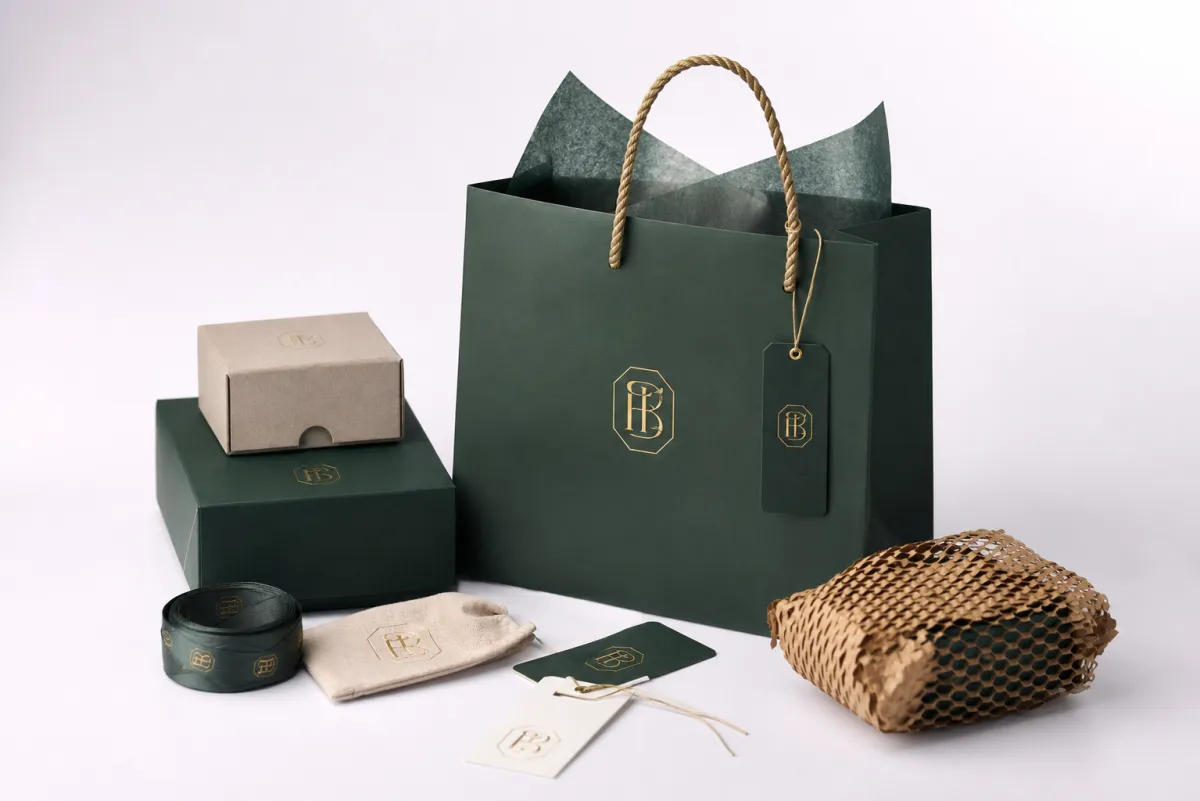
There is a simple reason branded paper carry bags cost can look low at first and then rise later: packaging quotes are built from specifications, not guesses. If one supplier prices a plain kraft bag with a standard twist handle and one-color print, while another has priced a laminated retail bag with heavier board, a reinforced top fold, and a slower finishing process, the numbers are not competing on the same basis.
That is why buyers should read the quote like a production schedule. A bag with a slightly smaller footprint can still cost more if it needs a special die, extra glue area, more intricate handle attachment, or a folding sequence that slows the line. In practice, branded paper carry bags cost is often shaped by the small details that never show up in a pretty mock-up. Those details are exactly where the money goes.
There is also a broader buying issue. A retail bag is not just a container; it is part of the customer experience, a moving billboard, and sometimes the only packaging a shopper keeps in hand after checkout. For boutiques, gift brands, hospitality groups, and event distributors, the value is spread across presentation, protection, and brand recall. When you view branded paper carry bags cost through that lens, the goal is cost per use, not only cost per piece.
That difference matters. A slightly more expensive bag that survives repeated handling, carries weight properly, and keeps print quality intact can outperform a cheaper bag that creases badly or fails at the handle. Once replacement packs, damage, and complaints are counted, the apparent saving can disappear. Good buyers ask whether the quote supports the real job the bag must do.
Another common mistake is comparing an all-in quote with a partial quote. One supplier may include printing, packing, and delivery; another may exclude plates, proofs, or carrier charges. The first number may look higher, but the full landed cost is lower. That is why branded paper carry bags cost should always be reviewed as a full spec bundle, not a sticker price pulled out of context.
For buyers who want a solid purchasing reference, two standards are worth keeping in mind. FSC-certified paper helps support responsible sourcing, and ISTA methods are useful when pack performance through transit matters, especially for distributed retail or e-commerce-style shipment flows. You can review FSC guidance at fsc.org and packaging performance resources at ista.org.
Honest quotes are usually the easiest to compare: clear dimensions, clear paper grade, clear handle type, clear print count, and a clean delivery plan. That is how branded paper carry bags cost becomes easier to explain internally when finance asks why one option is worth more than another.
Product Details: What You Are Actually Buying
Before anyone can judge branded paper carry bags cost, the product itself has to be pinned down. A paper carry bag can be built in several ways, and each choice affects feel, durability, appearance, and production efficiency. The biggest construction decision is the paper structure: kraft paper for an earthy, practical look; coated or art paper for a smoother print surface; or reinforced board-style paper when the bag needs a more premium hand feel.
Handle style is the next major driver. A twisted paper handle is often chosen for value-conscious retail and takeaway use because it is efficient to convert and usually durable enough for standard shopping loads. A flat paper handle can be even more economical in some runs, especially when appearance is straightforward and the bag is meant for lighter items. A rope handle, by contrast, adds a more premium presentation and usually increases branded paper carry bags cost because of the handle material, attachment method, and finishing time.
Paper weight matters more than many buyers expect. A 120gsm kraft bag will not feel or behave like a 180gsm or 200gsm bag, and the difference shows up in both hand feel and resistance to tearing at the gusset or top fold. If you are packaging heavier apparel, bottles, boxed gifts, or layered takeaway orders, a stronger stock can reduce customer complaints and returns. That stronger stock can raise branded paper carry bags cost, but it often lowers practical risk.
Print coverage is another piece of the puzzle. A simple one-color logo on a natural kraft surface is usually the most economical approach. Add a full-coverage print, internal printing, metallic ink, foil blocking, matte or gloss varnish, or spot color matching, and the job becomes more involved. The line may need additional setup, slower running, and more careful drying or finishing. Those production changes feed directly into branded paper carry bags cost.
There are also finishing details that buyers overlook until the proof arrives. Base inserts, reinforcement patches, folded tops, gusset depth, side seam construction, and top-line reinforcement all change how the bag behaves in use. If the bag needs to stand upright at point of sale, that changes the internal board choice. If the brand wants a smoother premium edge, that changes the fold and glue pattern. These are not cosmetic extras; they are part of the package spec and part of the final branded paper carry bags cost.
For a quick comparison, this is how the structure typically influences value:
| Bag Type | Typical Use | Price Impact | Notes |
|---|---|---|---|
| Twisted-handle kraft bag | Retail, takeaway, promotions | Lower | Efficient to produce; good for standard branding |
| Flat-handle paper bag | Light retail, events, short runs | Lower to mid | Simple construction; often useful for volume orders |
| Rope-handle premium bag | Boutiques, gifting, launches | Mid to higher | Stronger presentation; more finishing steps |
| Laminated luxury bag | High-end retail, premium gifting | Higher | Better print appearance, higher material and labor input |
Those ranges are not fixed market prices, because supplier location, freight, artwork complexity, and stock availability all move the number. Still, they give buyers a workable frame for comparing branded paper carry bags cost across different designs. If you need to see how these choices play out in real briefs, our Case Studies page is a useful starting point.
A final point on product definition: a good bag has to carry weight, protect the contents, and present the brand clearly. That sounds obvious, yet many quotes are requested with just a logo file and a rough size. The more exact the structure, the easier it is to forecast branded paper carry bags cost accurately and avoid paying for an overbuilt bag that does more than the job requires.
Branded Paper Carry Bags Cost: What Changes Unit Price and MOQ
The fastest way to understand branded paper carry bags cost is to follow the volume break. Most of the price difference between a small order and a larger one comes from how the setup work is spread across the run. Artwork preparation, plate charges, die cutting, proofing, machine changeovers, and line adjustment all happen before the first usable bag is packed. When you order more pieces, those fixed costs are spread thinner, so cost per piece falls.
That is why small runs almost always look expensive on a unit basis. A 500-piece order may suit a launch or seasonal event, but the MOQ structure usually means a higher unit cost than a 5,000-piece or 10,000-piece order. If the bags are for a retail chain, recurring promotions, or a product that sells steadily, larger bulk pricing tiers usually make more sense.
Several factors move branded paper carry bags cost up or down:
- Bag dimensions - larger bags use more paper and often more board, so material cost rises quickly.
- Paper grade - heavier kraft, coated stock, or laminated paper increases material and finishing cost.
- Handle style - rope, ribbon, and reinforced options usually cost more than a basic paper handle.
- Print coverage - one-color logo work is simpler than full-coverage or multi-panel artwork.
- Special finishes - foil, embossing, matte lamination, or spot UV add setup and labor.
- Custom tooling - non-standard sizes or structures can create extra tooling fees.
Those drivers show up most clearly when a buyer asks for an exact number without giving an exact spec. A vague request can produce a wide price band because the supplier has to guess at paper weight, handle type, and print area. The quote may look useful on the surface, but it does not help the buyer compare one option with another. If the goal is a defensible purchasing decision, branded paper carry bags cost should be quoted against a specification sheet, not a sketchy description.
Here is a practical way to read a quote. If the bag is meant for a premium boutique and the artwork has full coverage, higher board weight, and rope handles, then a higher price may be justified because the customer-facing effect is stronger and the bag will likely be reused. If the bag is for a takeaway counter and the branding is simple, there is no reason to pay for features that do not contribute to function. That judgment is where experienced buyers save money on branded paper carry bags cost without making the bag feel cheap.
Another common area of confusion is what is and is not included in the line price. Some quotes include the bag only. Others include artwork setup, proofing, packing, and delivery to a single location. For transparent comparison, ask for the same breakdown from every supplier:
- Base unit price at each volume tier.
- All setup charges and artwork charges.
- Any tooling fees or plate fees.
- Packing configuration and carton count.
- Delivery terms, freight, and duties where applicable.
That checklist usually exposes the real gap between quotes. A supplier with a slightly higher base price but no hidden extras can end up delivering better overall branded paper carry bags cost. The same applies to lead time. Sometimes the cheapest quote is cheaper because the supplier is quoting a longer schedule or a simpler spec than you asked for.
The table below shows how price tiers often behave in the market, using illustrative ranges rather than fixed promises:
| Order Size | Typical Use Case | Indicative Unit Cost | Commercial Reality |
|---|---|---|---|
| 300-1,000 pcs | Launches, events, short campaigns | $0.55-$1.80 | Higher setup burden, less favorable bulk pricing |
| 1,000-5,000 pcs | Regular retail replenishment | $0.22-$0.95 | Balanced MOQ and better cost per piece |
| 5,000-20,000 pcs | Chain stores, repeated promotions | $0.12-$0.60 | Setup spread across more units, stronger buying power |
Those ranges vary by region, print detail, and shipping method, so they should be used as a planning guide only. Even so, they make one thing clear: branded paper carry bags cost does not move in a straight line. Once you cross a volume threshold, the unit economics change fast.
If you are buying for more than one store, ask for a price ladder across three quantities. A single quote at one volume tells you very little. A tiered quote shows where the real break-even point sits, and that usually leads to better planning for recurring orders. In many cases, ordering a little more at once reduces total branded paper carry bags cost enough to justify the larger run.
Specifications to Lock Down Before You Request a Quote
A clean quote begins with a clean brief. The most useful thing a buyer can do is define the bag before asking for branded paper carry bags cost. If the supplier has to interpret the dimensions, guess the print area, or estimate the handle style, the first quote will be a placeholder rather than a production-ready price.
Here is the specification set I would want in front of me before pricing a run:
- Finished dimensions - width, gusset, and height in millimeters or inches.
- Paper type - kraft, coated paper, art paper, or other approved substrate.
- Paper weight - for example 120gsm, 150gsm, 180gsm, or heavier if required.
- Handle style - twisted paper, flat paper, rope, ribbon, or die-cut.
- Print colors - one-color logo, two-color branding, full coverage, or internal print.
- Artwork format - vector files, Pantone references, and placement instructions.
- Quantity - target run size and any anticipated reorder volume.
- Delivery location - postcode, port, warehouse, or store distribution point.
- Packing needs - cartons, palletization, or retail-ready packing.
When those details are locked down, branded paper carry bags cost becomes much easier to compare. More importantly, the supplier can confirm whether the bag is being built for light gifting, standard retail, heavy product load, or takeaway service. That matters because each use case carries a different stress level. A bag for folded apparel is not the same as a bag for boxed cosmetics or a boxed bottle set.
Use case is often the missing piece. A takeaway bag needs grease resistance, stable handles, and enough base strength to survive mixed food weight. A boutique bag needs a more refined surface and consistent logo placement. A show giveaway bag may need to look premium while staying inexpensive enough to hand out in volume. If the brief does not say which of those jobs the bag must do, branded paper carry bags cost will be built on assumptions.
Precision also matters for sustainability claims. Ask for wording that matches the actual material: recycled content where it exists, FSC-certified paper where available, recyclable paper construction if that is true in the destination market, and compostable only if the full structure and local disposal route support that claim. Overstated eco language is a trust problem, not a sales advantage. Buyers should be able to support the claim if asked by a retailer or auditor.
For companies that need a stronger sustainability paper trail, look for documentation rather than slogans. FSC chain-of-custody, paper grammage, and clear recycling guidance are more useful than vague green claims. If your packaging has to survive distribution rather than only sitting on a counter, transit testing concepts from ISTA can also help shape how you think about load, compression, and carton performance.
If possible, share a sample bag or an old pack that performed well. A physical reference solves a lot of uncertainty around handle length, gloss level, stiffness, and print density. In many projects, that sample is the fastest route to an accurate branded paper carry bags cost quote because it gives the production team something real to match instead of trying to infer feel from a PDF.
Process, Timeline, and Lead Time From Proof to Dispatch
One reason buyers get surprised by branded paper carry bags cost is that they look at the price and ignore the process behind it. A bag does not appear fully formed. The path usually starts with brief review, then specification confirmation, then artwork check, then digital proofing, then approval, then material sourcing, printing, converting, packing, and dispatch.
That sequence matters because time spent in one stage affects the next. If the artwork arrives in the wrong format, prepress has to rebuild it. If dimensions change after proofing, the die-line must be updated. If the handle style shifts late in the job, the supplier may need to rework materials or reschedule the line. Every one of those changes can affect branded paper carry bags cost because delays, changeovers, and rechecks all consume labor.
In a clean run, straightforward repeat orders often move quickly. Standard sizes, existing tooling, simple one- or two-color artwork, and consistent paper stock usually mean the work can be scheduled without major interruption. More bespoke jobs take longer, especially if the bag has a premium finish or a newly approved structure. In practical terms, a simple bag may take around 10-15 business days from proof approval, while a more complex order may need 15-25 business days or more depending on volume and finish. That does not make one order better than the other; it simply changes the timing and the branded paper carry bags cost profile.
Rush jobs are possible in some cases, but only if the specification is stable and the factory calendar has room. If a buyer asks for a rush and then keeps changing the artwork, the schedule gets tight very quickly. The best way to protect both time and budget is to freeze the brief before production begins. Clean files, exact dimensions, and clear print instructions are often the difference between a controlled schedule and a messy one.
Ask for a milestone-based timeline so there is no guesswork. The supplier should be able to tell you when proofing will happen, when production starts, when the job is due to finish, and when the goods hand off to freight. That kind of timeline is especially useful for seasonal campaigns or store rollouts, because it lets the buyer coordinate signage, merchandising, and launch dates around the packaging arrival.
For buyers who need to explain the schedule internally, here is a practical way to frame it:
- Proof stage - artwork checks and confirmation of final dimensions.
- Production stage - printing, drying, cutting, gluing, handle fitting, and packing.
- Dispatch stage - cartons or pallets prepared for collection or shipping.
- Arrival stage - goods received, counted, and checked against the approved spec.
This kind of visibility makes branded paper carry bags cost easier to defend because the quote is no longer just a number; it is connected to a schedule and a deliverable. If the buyer knows that proofing is the only real timing risk, they can respond faster and keep the order moving.
One more practical point: shipping efficiency matters. Paper bags are usually shipped flat, which helps. But pack counts, carton dimensions, pallet stacking, and destination freight rates still influence the landed total. For larger programs, even a small change in carton count can shift freight and warehouse handling enough to alter the final branded paper carry bags cost more than expected.
Why Choose Us for Reliable Value and Repeat Orders
For Custom Logo Things, the value proposition should be simple: clear quoting, realistic specifications, and consistent repeatability. Buyers do not usually want a flashy sales pitch. They want a supplier who can explain branded paper carry bags cost in plain terms, recommend the right bag for the use case, and keep the process stable from one order to the next.
That starts with fit-for-purpose guidance. If a bag is going to hold light apparel, there is no reason to overbuild it with unnecessary material. If the job is premium gifting, the bag should not be underbuilt just to win a lower headline price. Good packaging advice means matching the spec to the load and the brand expectation so the quote reflects real performance, not guesswork.
Repeat orders are where consistency matters most. Multi-site retailers and promotional teams need the same print tone, handle feel, and dimensional accuracy from batch to batch. When those variables drift, the brand looks uneven even if the logo is technically correct. Consistent production control protects both presentation and branded paper carry bags cost over time, because it reduces waste, rework, and replacement orders.
Sustainability should also be handled as a material and process decision, not as a slogan. That means Choosing the Right paper stock, using recycled or FSC-certified inputs where appropriate, and avoiding excess material where a lighter structure will do the job properly. If a bag can be designed with less waste while still carrying the load safely, that is a better commercial decision and a better operational one. You can review FSC resources at fsc.org if sourcing documentation matters to your procurement team.
There is also real value in straightforward communication. Buyers should be able to ask about MOQ, unit cost, bulk Pricing, Lead Time, print setup, and any tooling fees without getting a vague answer. The more transparent the conversation, the easier it is to align budget and expectation. That is especially true for branded paper carry bags cost, where one missing detail can turn a tidy quote into a frustrating revision.
If you are still comparing options, our Case Studies page can help you see how different pack structures behave in practical use. It is often easier to judge value after seeing how a specification holds up in a real retail or event context. For a direct discussion of your brief, the most useful next step is to send the details early and ask for a quote built around the actual job the bag needs to do.
In plain terms, the right supplier helps you spend money where it counts and avoid spending it where it does not. That is the real test of branded paper carry bags cost: not whether it is low, but whether it is sensible for the materials, the finish, the quantity, and the brand result you want to put in the customer’s hand.
Next Steps: Turn Your Brief Into a Firm Quote
If you want a fast, accurate answer on branded paper carry bags cost, gather the essentials before requesting pricing. The more exact the brief, the narrower the quote range. A supplier cannot price a bag properly from a logo alone, and a buyer cannot compare offers properly without a clear spec sheet. Start with quantity, dimensions, handle style, paper type, print colors, and delivery location.
It also helps to compare at least two specification options. A standard kraft version and a premium finished version can reveal how much extra value the upgraded surface really adds. Sometimes the step up in presentation is worth every cent. Other times the premium features do not support the use case, and the simpler bag gives a better answer on branded paper carry bags cost.
When color accuracy or bag strength matters, ask for a digital mock-up or a sample reference before production. That visual check is cheap insurance against a bad assumption. I would rather correct a layout on screen than discover a handle tone mismatch or a crowded logo after the bags have been packed and shipped. The same logic applies to size: a few millimeters on the die-line can change fit and feel more than many buyers expect.
Use this simple buying sequence:
- Define the bag spec in writing.
- Ask for a quote at three volume levels.
- Review any setup charges, plates, or tooling fees.
- Check the proof carefully before approval.
- Confirm lead time, packing format, and delivery terms.
That process keeps branded paper carry bags cost aligned with the final product from start to finish. It also reduces the chance of rework, which is one of the most common hidden costs in packaging procurement. A clean brief saves time, and in packaging, time is usually money.
If you are planning a pilot run, a seasonal order, or a full rollout, decide that before you request pricing. Different buying structures suit different goals. A short campaign might justify a lower MOQ and a slightly higher unit price. A recurring retail line usually benefits from stronger bulk pricing and a larger order that brings cost per piece down. Either way, the right answer comes from the spec and the schedule, not the cheapest number on the page.
Send the brief, confirm the quote, review the proof, and lock the schedule. That is the cleanest way to keep branded paper carry bags cost under control while still getting a bag that supports the brand in the hand, on the counter, and out on the street.
What affects branded paper carry bags cost the most?
Bag size, paper weight, and handle type usually have the biggest impact on price. Print coverage and color count can add setup charges and extend production time, while order quantity changes the unit price because fixed costs are spread across more bags. In most buying situations, those three factors explain most of the movement in branded paper carry bags cost.
Is there a low MOQ for branded paper carry bags cost quotes?
Yes, low-MOQ options are often available for launches, events, and short campaigns. The unit price is usually higher on small runs because the same preparation work is shared across fewer bags. If you need ongoing supply, a larger MOQ almost always gives better bulk pricing and a lower cost per piece.
How can I reduce branded paper carry bags cost without harming quality?
Use a standard size where possible, avoid unnecessary custom tooling, and choose a paper grade that matches the actual load requirement. Simpler print layouts are often enough if the logo placement and color contrast are strong. The goal is to keep branded paper carry bags cost focused on what the bag needs to do, not on features that do not improve performance or presentation.
How long does production usually take after approval?
Lead time depends on order size, print complexity, stock availability, and whether existing tooling can be used. Simple repeat orders can move faster than fully bespoke new designs. Artwork approval is often the biggest timing variable, so clean files and quick sign-off help keep branded paper carry bags cost and the schedule under control.
What details should I include to get an accurate quote?
Provide dimensions, quantity, handle style, paper type, print colors, and delivery location. Share artwork files and any sample reference if color or finish matters. State whether the bags are for retail, takeaway, gifting, or event use so the spec matches the application and the final branded paper carry bags cost reflects the real job.

