Buyer Fit Snapshot
| Best fit | Branded Poly Mailers for Startup Brands projects where brand print, material claims, artwork control, MOQ, and repeat-order consistency need to be specified before quoting. |
|---|---|
| Quote inputs | Share finished size, material target, print colors, finish, packing count, annual reorder estimate, ship-to region, and any compliance wording. |
| Proofing check | Approve dieline scale, logo placement, barcode or warning zones, color tolerance, closure strength, and carton packing before bulk production. |
| Main risk | Vague material claims, crowded artwork, missing packing details, or unclear freight terms can make a low unit price expensive after revisions. |
Fast answer: Branded Poly Mailers for Startup Brands: Film, Print, MOQ, and Carton Packing should be specified like a repeatable production item. The safest quote records material, print method, finish, artwork proof, packing count, and reorder notes in one written spec.
Production checks before approval
Compare the actual filled-product size with the drawing, then confirm tolerance on folds, seals, hang holes, label areas, and retail display edges. Reserve space for logos, QR codes, warning copy, and material claims before decorative graphics fill the panel.
Quote comparison points
Review material grade, print process, finish, sampling route, tooling charges, carton quantity, and freight assumptions side by side. A quote is only useful when the supplier can repeat the same color, closure quality, and packing count on the next order.
The shipping bag is often the first physical touchpoint a customer sees, and branded poly Mailers for Startup brands can shape that first impression before the product is even touched. A plain mailer moves an order from point A to point B. A printed one says someone made deliberate choices, even if the business still fits around a kitchen table and a shared laptop.
That matters because a startup does not get many chances to look established. A neat, right-sized mailer can make a five-person team feel much larger, and Branded Poly Mailers for startup brands are one of the few packaging moves that can raise perception without turning fulfillment into a second job. If you are comparing broader packaging options, start with Custom Packaging Products and, if your focus is specifically shipping bags, browse Custom Poly Mailers for format ideas.
The tradeoff is straightforward. Strong branding usually means more planning around artwork, quantities, film thickness, and lead time. That is not a reason to avoid the category. It is a reason to buy with open eyes, model your order volume, and treat the mailer as part of the customer experience rather than a disposable supply. I have watched small brands fixate on inserts and tissue first, then discover the outer shipper is the piece everyone actually sees in transit.
There is also a practical side that gets missed. In a warehouse audit I did for a small apparel brand, the team spent more time handling oversized unbranded bags than they did printing labels. The packaging looked cheap, but the real cost was labor. The right mailer can lower that friction. That alone is worth a serious look.
Branded Poly Mailers for Startup Brands: What They Are and Why They Matter
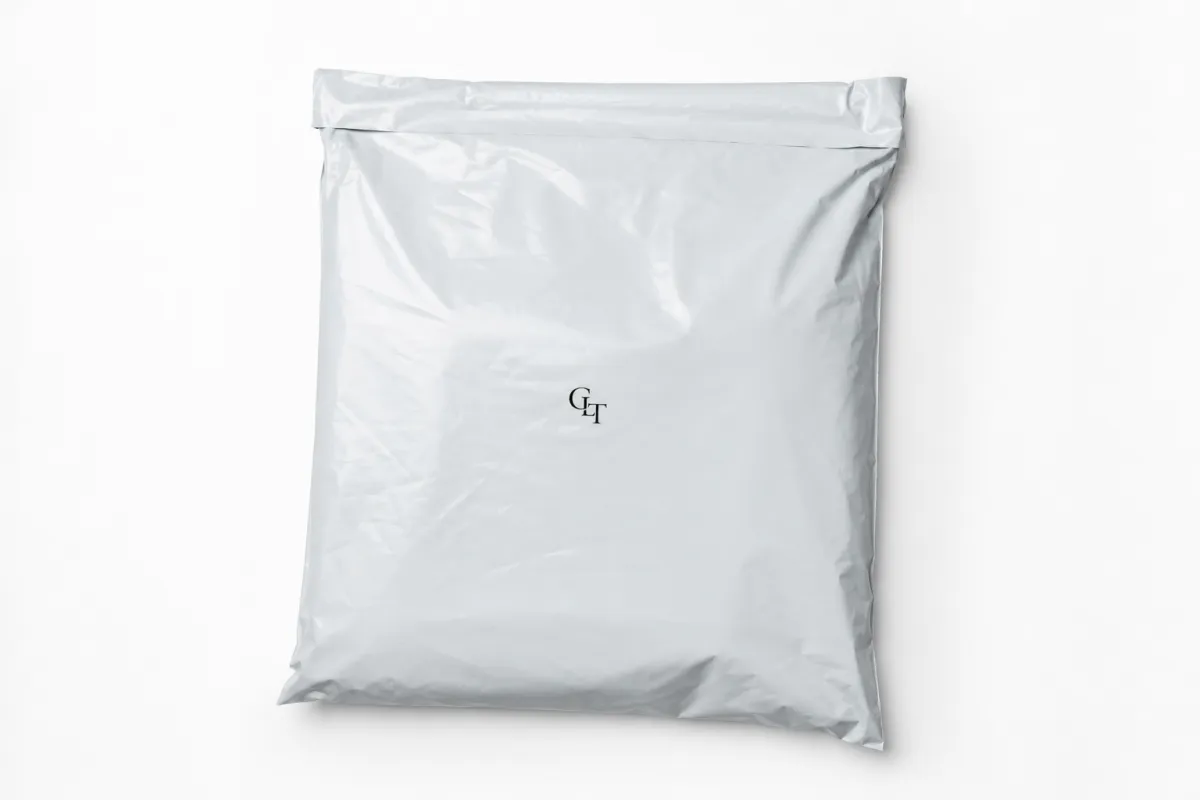
Branded Poly Mailers for startup brands are lightweight polyethylene shipping bags printed with a logo, pattern, color system, or short message. In practical terms, they turn a basic shipping container into a brand signal. Most are made from co-extruded polyethylene film, often in the 2.5 to 4 mil range, with a peel-and-seal adhesive strip and a smooth exterior that accepts print well. The inside is usually plain because the outside carries most of the visual load.
Why do startups care so much? Because every order is a chance to look more mature than the team size suggests. A well-printed mailer can create the feeling of a bigger, more organized operation without pushing the brand into expensive rigid packaging. That is especially useful for apparel, accessories, beauty items, stationery, and small home goods, where a lot of customer perception happens before the product is touched.
Another benefit gets overlooked more often than it should. A printed mailer reduces perceived randomness. The package looks intentional, which makes the whole order feel thought through. For a new brand, that matters as much as a polished website header or a clean product photo. Many founders chase inserts and thank-you cards first, when the outer shipper is the piece seen by a courier, a roommate, a front desk, and sometimes the customer's social feed.
branded poly mailers for startup brands are not about decoration alone. They help build recognition, they make the unboxing moment feel less improvised, and they create a consistent path from website to doorstep. If the visual system is tight, the package acts like a moving extension of the storefront. If the system is loose, the mailer can feel like a random afterthought.
The best way to think about them is as a small but repeated investment in brand memory. One shipment does not matter much. Fifty shipments start to add up. Five hundred shipments can teach a customer what the brand stands for before they even open the bag. That is why branded poly mailers for startup brands tend to punch above their weight compared with other packaging add-ons.
- Good fit: e-commerce orders that need low weight, decent moisture resistance, and a cleaner branded arrival.
- Best use: products that do not need a rigid carton for protection, such as soft goods, lightweight apparel, and flexible accessories.
- Brand upside: visible logo placement, repeat color use, and stronger recognition in transit and at delivery.
One practical test is simple: ask whether the packaging would still look credible if the customer posted a delivery photo. If the answer is yes, the mailer is probably doing more than just containing product. If the answer is no, the design may be trying too hard.
How Branded Poly Mailers for Startup Brands Work
The structure is straightforward, but the details matter. A poly mailer is usually a co-extruded polyethylene bag with a sealed bottom, side seams, and a peel strip or tamper-evident adhesive. The film thickness affects feel and performance. A thinner 2.5 mil option may suit lightweight apparel, while a 3 mil or 4 mil build can feel tougher and hold up better for mixed SKU shipments. The print surface can be matte or glossy, and that finish changes how the logo reads under warehouse light, on a porch, or in a product photo.
From a fulfillment point of view, the system is efficient. The item gets packed, the mailer is folded over or sealed, a shipping label goes on the outside, and the carrier takes over. The outer print becomes a small billboard moving through sorting centers, delivery vans, and front steps. Unlike an insert tucked inside the order, the mailer is visible before the package is opened, so its branding has a wider reach.
branded poly mailers for startup brands can be customized in several ways. The simplest version is a one-color logo on a stock-colored bag. A step up is a custom color field with a bold mark in white or black. More ambitious programs use all-over patterns, interior printing, or custom dimensions that match a very specific product mix. Each change shifts the impression. A minimal logo on a matte black mailer feels different from a bright, high-gloss pattern that covers the full surface.
"A mailer should reduce friction, not create a packaging project."
That line is worth keeping close. Startups sometimes overcomplicate this category by trying to cram in every message, every color, and every brand story at once. The cleaner move is usually to choose one strong cue and repeat it well. If the logo is the hero, keep the rest disciplined. If the color is the hero, let the logo sit quietly. If the pattern is the hero, give it room to breathe.
For brands that want to pressure-test delivery performance, the transit side deserves a quick look. Industry bodies such as ISTA publish transport test methods that help teams think about drop resistance, vibration, and package integrity. That does not replace real shipping trials, but it gives the conversation more structure than guesswork.
branded poly mailers for startup brands are also easy to scale once the system is set. After the files, print specs, and sizes are approved, repeat orders become routine. That is useful for small teams, because the packaging process does not need to be redesigned every time demand spikes. The mailer becomes one less variable in a business that already has enough moving parts.
If you want a technical comparison point, many suppliers will discuss print method alongside film gauge. Flexographic printing is common for larger runs because it is efficient at scale. Digital or hybrid options can suit smaller or more experimental orders, though the economics change quickly. Ask what method they use, because the answer affects setup cost, color consistency, and how sharply fine details hold on the film.
Key Factors to Compare Before You Order
Before you place an order, compare the pieces that actually change the customer experience. Size is first. A mailer that is too large looks wasteful and sloppy. One that is too small can stress the seal, make packing slow, and raise the odds of returns or damaged edges. If your product mix includes both tees and hoodies, size for the larger item or the average multi-item order, not the lightest SKU.
Material is next. Most Custom Poly Mailers use polyethylene film, but not all films feel the same. Some are crisp and lightweight. Others feel denser and more reliable in hand. Puncture resistance matters if the package is going through rough handling or includes hard corners like boxed cosmetics, accessories, or metal components. If you want a deeper quality check, ask whether the supplier can discuss tensile or tear performance using common methods such as ASTM D882 or ASTM D1922.
Artwork rules can make or break the print. Thin type, low-contrast graphics, and border-heavy layouts often look better on a screen than on film. Bleed areas and safe margins matter because the bag still needs to seal cleanly, and edge graphics can get clipped if the artwork is too ambitious. branded poly mailers for startup brands work best when the design respects the format rather than fighting it.
Brand consistency matters more than most founders expect. The mailer should feel related to the website, inserts, product labels, and thank-you cards. If the site uses a warm cream and deep green, a neon pink mailer may look exciting for five minutes and off-brand for the next thousand orders. You do not need everything to match perfectly, but the package should feel like it belongs in the same family.
Operational fit is the last big filter. Ask where the cartons will live, how quickly the team can pack them, and whether the chosen size can be stacked without crushing inventory space. A big, beautiful mailer that slows a two-person fulfillment team is not a win. The better choice is usually the one that fits the product, the table space, and the labor reality of the business.
One more filter helps in the real world: how the package behaves after a long day of packing. I have seen good-looking mailers arrive at the warehouse and immediately create problems because the adhesive was awkward to open, the seam was too stiff, or the print hid the fold line. None of that shows in a mockup. It shows up when someone has to pack 300 orders before lunch.
| Option | Typical MOQ | Typical Unit Range | Best For | Tradeoff |
|---|---|---|---|---|
| Stock template with logo print | 500-1,000 | $0.18-$0.30 | Fast launches and first tests | Less unique, but easier to approve |
| Semi-custom color + logo | 1,000-3,000 | $0.24-$0.40 | Brands that want stronger identity | More setup decisions, moderate lead time |
| Fully custom size and artwork | 3,000-5,000+ | $0.32-$0.60 | Higher-volume brands with clear specs | More cash tied up up front |
That table is a starting point, because branded poly mailers for startup brands vary by region, print method, film thickness, and shipping lane. Still, it gives buyers a useful framework. If a quote is far outside those bands, ask what is included and what is not. Freight, setup, and proofing often explain more than the unit number on its own.
Branded Poly Mailers for Startup Brands: Cost, Pricing, MOQ, and Quote Basics
Price is where a lot of founders get tripped up. The headline number looks simple, but the real cost has several layers. Quantity is usually the biggest driver. The more bags you order, the lower the per-unit cost tends to fall. Size matters too, because larger mailers use more material and often more print area. Print complexity adds cost when the design uses multiple colors, large ink coverage, or a special finish.
Setup fees are another piece of the puzzle. Some suppliers charge for plates or tooling, especially on flexographic or gravure runs. Others bundle that cost into the unit price. Proofing can be free, or it can carry a charge if the design needs multiple revisions. Freight is easy to overlook, but it can move the total far more than the first quote suggests, especially on small orders that ship in cartons instead of pallet quantities.
branded poly mailers for startup brands should be judged on total landed cost, not just the bag price. A slightly higher unit price can still be smarter if the seal is stronger, the print is cleaner, or the turnaround is faster. In e-commerce, a damaged shipment or a launch delay costs more than the difference between two price tiers.
Here is the quote checklist I would use:
- Quantity: confirm the exact MOQ and whether price improves at a higher break.
- Size: verify the flat dimensions and any gusset or depth panel.
- Material: ask for film thickness in mils and whether recycled content is available.
- Print: confirm color count, white underprint, bleed, and finish.
- Fees: ask about setup, plate charges, proof revisions, and shipping.
branded poly mailers for startup brands are often cheapest when the artwork stays simple. A single strong logo on a preselected color can deliver most of the brand benefit without pushing the order into a more expensive production path. If your goal is to launch cleanly and protect cash, that is usually the smart move.
One practical rule of thumb: choose the lowest quantity that matches a realistic sales window, not the best-case forecast. If you sell 400 units a month, ordering 10,000 mailers because the unit cost drops by a few cents can lock up cash for too long. Better to test, learn, and reorder with better data. For a team that is still shaping its packaging system, branded poly mailers for startup brands should support growth, not force it.
For paper components that may accompany the order, such as inserts or thank-you cards, FSC certification can be part of the sourcing story. The Forest Stewardship Council provides certification information that helps buyers think more clearly about responsible paper sourcing, even when the outer shipper itself is plastic.
If your product line includes fragile or awkwardly shaped items, ask the supplier whether they have been used in rough-handling environments. A straightforward answer is better than a glossy promise. I would rather hear, “We recommend a thicker gauge for that SKU,” than a confident pitch that ignores how the bag will actually behave in transit.
Production Steps and Timeline for Branded Poly Mailers for Startup Brands
The production process is usually simpler than people expect, but it still has a sequence. It starts with specs: size, quantity, color, thickness, and print method. Then comes artwork prep. After that, the supplier sends a proof for review. Once the proof is approved, the order moves into production, then packing, then transit. Every step sounds quick on paper. In practice, the approval stage is where most delays happen.
Files that are incomplete, low-resolution, or built without safe margins trigger back-and-forth. Color corrections can slow things down too, especially if the logo was designed for screen use and never tested against film. If the brand wants a very specific shade, ask for a proof process that makes the expectation clear. It is better to spend an extra day clarifying the artwork than to live with the wrong color for the next six months.
branded poly mailers for startup brands usually need more lead time than a standard stock supply order. A realistic planning window is often 10 to 20 business days after proof approval, though that can stretch with large runs, busy seasons, or shipping delays. If a launch date is fixed, build in a buffer. The closer the timeline gets, the more expensive every small revision becomes.
One way to reduce risk is to assign ownership. Use one person to approve art, one person to track fulfillment needs, and one person to forecast inventory. That sounds basic, but small teams lose time when everyone assumes someone else has checked the dimensions. A startup does not need a big procurement department. It does need a clear decision path.
Seasonality matters too. If you sell around holidays or during a big launch, ask for the supplier's peak season realities before you place the order. A mailer that ships in two weeks in March may take longer in November. That is not a flaw, just the way production calendars behave. Planning for that variation keeps the order from becoming a fire drill.
- Request specs: confirm product size, order quantity, and target finish.
- Review proof: check logos, copy, bleed, and color placement.
- Approve samples if offered: verify feel, seal, and print clarity.
- Lock the order: sign off only when the final details are right.
- Plan arrival: leave room for transit and a small receiving buffer.
There is a reason experienced buyers like documentation. A written quote, a proof image, and a short approval trail reduce errors. If the project becomes repeatable, the next order gets faster and easier. That is the hidden benefit of branded poly mailers for startup brands: once the process is settled, the packaging becomes a routine asset rather than a recurring headache.
For teams who want to compare packaging decisions against real-world shipment testing, ISTA references remain useful because they frame impact, vibration, and handling in a way that is easy to discuss with vendors. If a supplier cannot explain how their product performs under shipping stress, that is a signal to ask more questions.
Common Mistakes Startups Make With Poly Mailers
The most common mistake is designing for the screen instead of the film. Thin lines, low-contrast logos, and crowded layouts may look polished in a mockup, then disappear in production. Poly film is not paper. It stretches a different way, reflects light differently, and can flatten small detail into visual noise. branded poly mailers for startup brands should be designed with that reality in mind.
Wrong sizing is the second big issue. Oversized mailers create sloppy-looking shipments and can shift in transit, while undersized mailers put stress on the seal and make the packer work harder. The result is a package that feels less premium even if the print itself is good. If the product sits loose inside the bag, the customer notices. If the seal feels strained, the warehouse team notices first.
Price-only buying causes trouble too. A cheap mailer can tear, crease badly, or arrive with weak adhesive. That leads to rework, replacement shipments, and customer service tickets, which can erase the savings quickly. I have seen small brands treat packaging like a low-value line item and then spend more fixing the aftermath than they would have spent on a better bag in the first place.
Skipping a sample review is another avoidable problem. A digital proof is helpful, but it does not tell you how the material feels in hand, how the seal behaves, or whether the logo reads clearly at arm's length. If the supplier offers samples, use them. If they do not, ask for a plain version before placing the full order. branded poly mailers for startup brands are easier to approve when the buyer can touch the material and see the finish under real light.
Timing mistakes are common too. Ordering too early can tie up cash and storage space. Ordering too late can force rushed approvals and expensive freight. Startups usually need a middle path: enough inventory to cover a realistic sales window, but not so much that the boxes become a warehouse problem.
Another one I see: teams approve a color on a laptop and then act surprised when the print looks darker or flatter on film. That is not a moral failure. It is a material change. Film, ink coverage, and lighting all affect the final read. You kind of have to expect the package to behave like packaging, not like a poster.
- Bad art: too much text, too many colors, too little contrast.
- Bad fit: product slides, bags bulge, or seals strain.
- Bad timing: emergency reorders and rushed proofs.
- Bad assumptions: trusting a mockup more than a sample.
If you want to see how others have solved those issues, the Case Studies section is a practical place to compare packaging choices against launch goals and order volume. Patterns show up fast once you look at the right examples.
Expert Tips and Next Steps for Ordering
Start with the experience you want the customer to have, then work backward. Do you want the package to feel bold, quiet, premium, playful, or utilitarian? That answer should shape the color, logo placement, and finish. Too many startup teams design from the supplier's catalog forward. The better sequence is brand first, format second, cost third.
Use one strong cue well. A bold logo on a clean field can be more memorable than a busy design with six messages fighting for attention. The same goes for color. A single consistent brand color repeated on the mailer can become a recognition shortcut after only a few shipments. branded poly mailers for startup brands do not need to do everything. They need to do one or two things very well.
Test the mailer in actual packing conditions before you commit. Put the real product inside. Seal it. Stack it. Slide it into a carton if needed. Check whether the adhesive strip holds, whether the dimensions save time, and whether the finished package photographs well at the doorstep. That small test can reveal more than a polished design file ever will.
Ask for samples and a written comparison. The goal is not just to see a prettier bag. The goal is to compare quality, turnaround, and total landed cost side by side. If one supplier gives you a lower unit price but weaker film and slower communication, the deal may not be as good as it looks. This is one place where branded poly mailers for startup brands reward careful buying, not fast buying.
If sustainability sits on the brand brief, be specific. Poly mailers can support lighter shipping because they usually use less material than corrugated boxes for similar soft goods. Pair that with right-sized packing, fewer voids, and thoughtful recycled-content questions. If paper inserts or collateral are part of the order, FSC-certified options can support a broader sourcing story. If the conversation turns to shipping resilience, ask vendors how their product aligns with practical parcel testing rather than vague green claims.
I also recommend a simple spreadsheet before ordering: product type, average order size, monthly volume, target mailer size, target film thickness, and reorder point. That one page keeps everyone honest. It is not glamorous, but it saves a lot of backtracking later.
- Estimate volume: map out monthly orders and a realistic reorder point.
- Choose size first: fit the product, not the mockup.
- Request samples: verify seal, color, and feel.
- Confirm the quote: check setup, freight, and revision terms.
- Prepare artwork: use clean vector files and safe margins.
From a packaging buyer's point of view, this is the most sensible next step: define the monthly order volume, pick the target size, ask for samples, and make sure the artwork is ready before the quote arrives. That way branded poly mailers for startup brands become a purchase driven by data, not by urgency.
Final Takeaway for Startup Brands
For a startup, packaging should earn its keep. It should support the product, not distract from it. It should be practical enough for a small team to use every day, but distinct enough to help the customer remember the brand after the package is opened. That is why branded poly mailers for startup brands remain such a useful option: they are light, visible, relatively simple to order, and strong enough to make a first impression that feels deliberate.
If you keep the decision grounded in size, durability, print clarity, and total landed cost, the choice gets much easier. Start small if the business is still finding product-market fit. Scale once the sales pattern is clear. And do not treat the mailer as a throwaway supply when it is really a repeat brand touchpoint. branded poly mailers for startup brands can do a lot of work for a modest amount of money, as long as the order is planned with realistic volumes and a clean approval process.
The clear takeaway is this: decide the mailer size from your real product mix, request a physical sample, and approve artwork only after you have checked how the film, adhesive, and print look together. That one sequence prevents most of the expensive mistakes, and it keeps the packaging from becoming a distraction later on.
How many branded poly mailers for startup brands should I order first?
Start with a quantity that covers a realistic sales window, not your best-case forecast. A small test run lets you verify print quality, fit, and packing speed before you scale. If cash is tight, compare the lower MOQ against the higher unit cost of a smaller order, then decide based on total landed cost.
What affects the price of branded poly mailers for startup brands the most?
Quantity is usually the biggest driver because higher volume lowers unit cost. Artwork complexity, print colors, size, and material thickness also move pricing. Shipping, proofing, and setup charges can change the total more than buyers expect, so ask for the full quote structure before you approve anything.
How long does production usually take for custom poly mailers?
Lead time depends on proof approval speed, print complexity, and order size. A practical planning window is often 10 to 20 business days after approval, then add transit time. If you have a launch date, ask for the timeline in writing before you place the order so there is no confusion later.
What artwork file do I need for branded poly mailers for startup brands?
Vector files are usually best because they scale cleanly for printing. Keep logos, text, and borders inside safe margins so nothing gets clipped. Ask for a proof template before finalizing design placement, and make sure the artwork looks clear at actual print size, not only on a monitor.
Are branded poly mailers for startup brands good for sustainable packaging goals?
They can be part of a lighter-shipping strategy because poly mailers often use less material than boxes for soft goods. Pair them with right-sized packing to reduce waste and shipping bulk. If sustainability matters, ask about recycled content, thickness, and local recycling guidance so the sourcing story is honest and specific.
Can branded poly mailers for startup brands handle returns?
Yes, if the closure system and film thickness are chosen well. Some brands use dual-seal return mailers so customers can reuse the same bag, which cuts friction for apparel and accessories. If returns are common in your category, confirm that the adhesive and seam design can handle a second close without splitting.


